FOTÓGRAFO DE
ARQUITETURA

IVO TAVARES
STUDIO

A Casa T+A Açores, do Atelier d'arquitectura Lopes da Costa, reabilita uma habitação histórica em Ponta Delgada sem alterar a volumetria original. A intervenção recupera materiais seculares e cria um novo logradouro permeável, onde um deck de madeira e uma piscina unem a vivência contemporânea à memória do lugar.

Casa T+A Açores by Atelier d'arquitectura Lopes da Costa rehabilitates a historic home in Ponta Delgada without altering its original volume. The intervention restores heritage materials and creates a new permeable courtyard, where a wooden deck and pool unite contemporary living with the memory of the place.

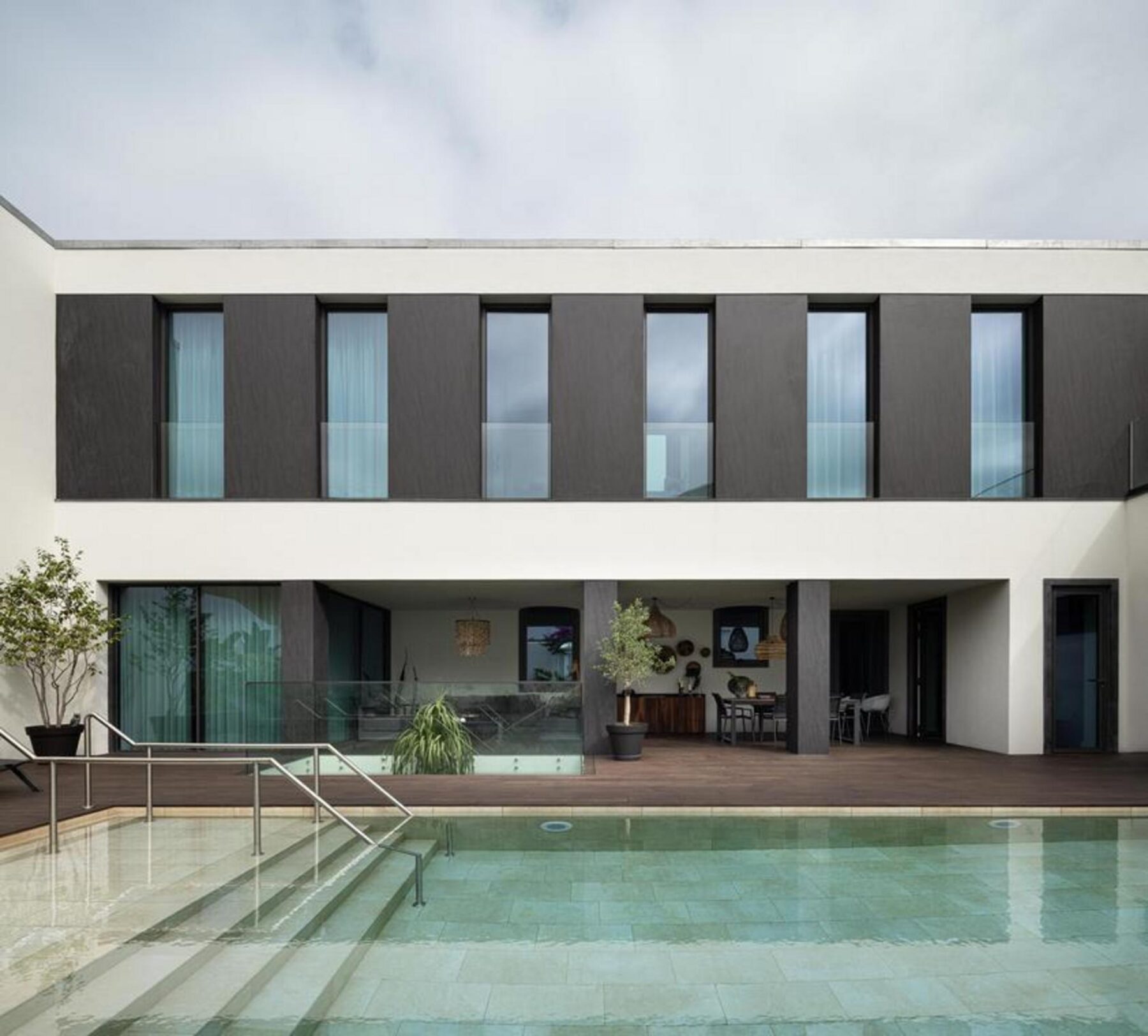
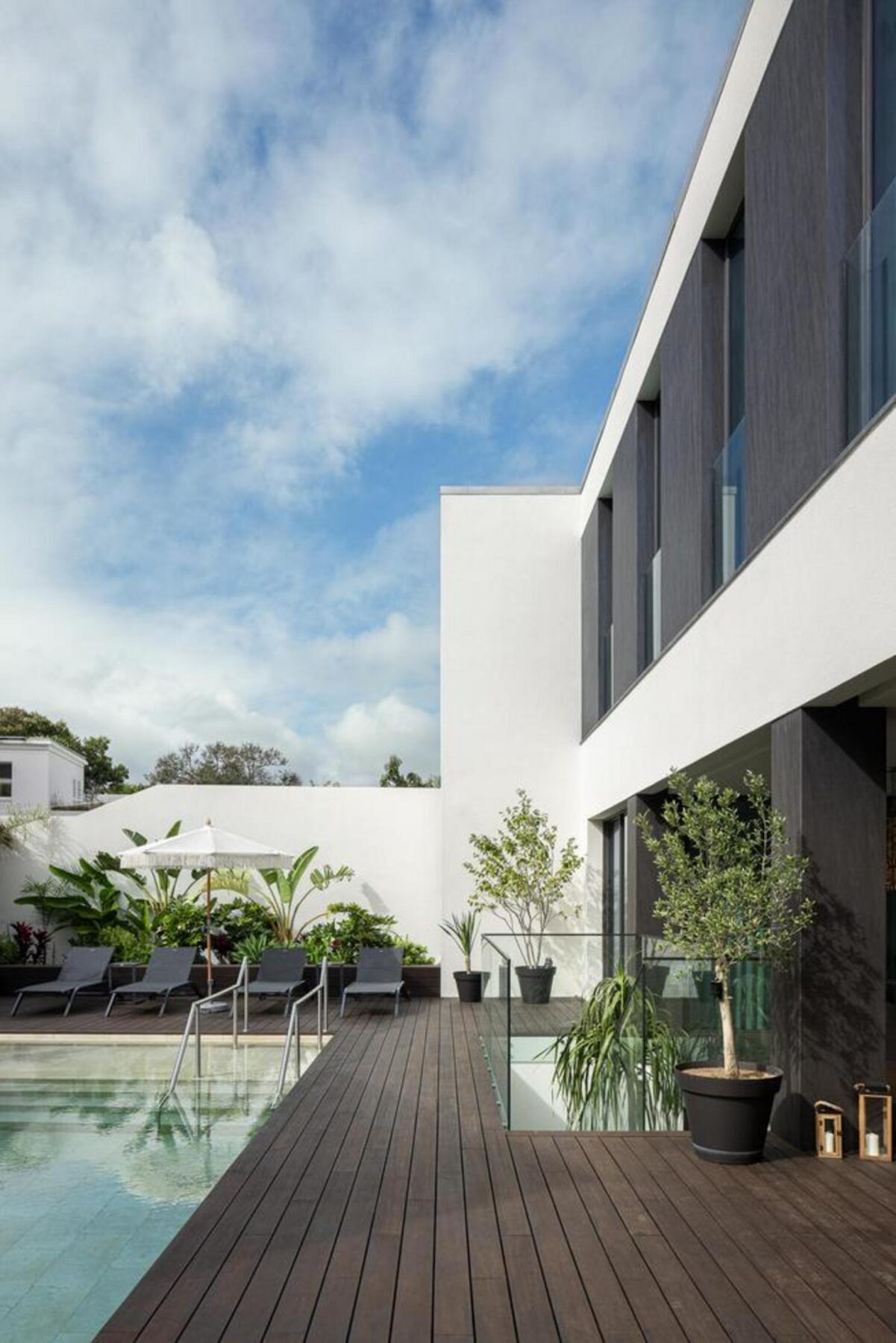
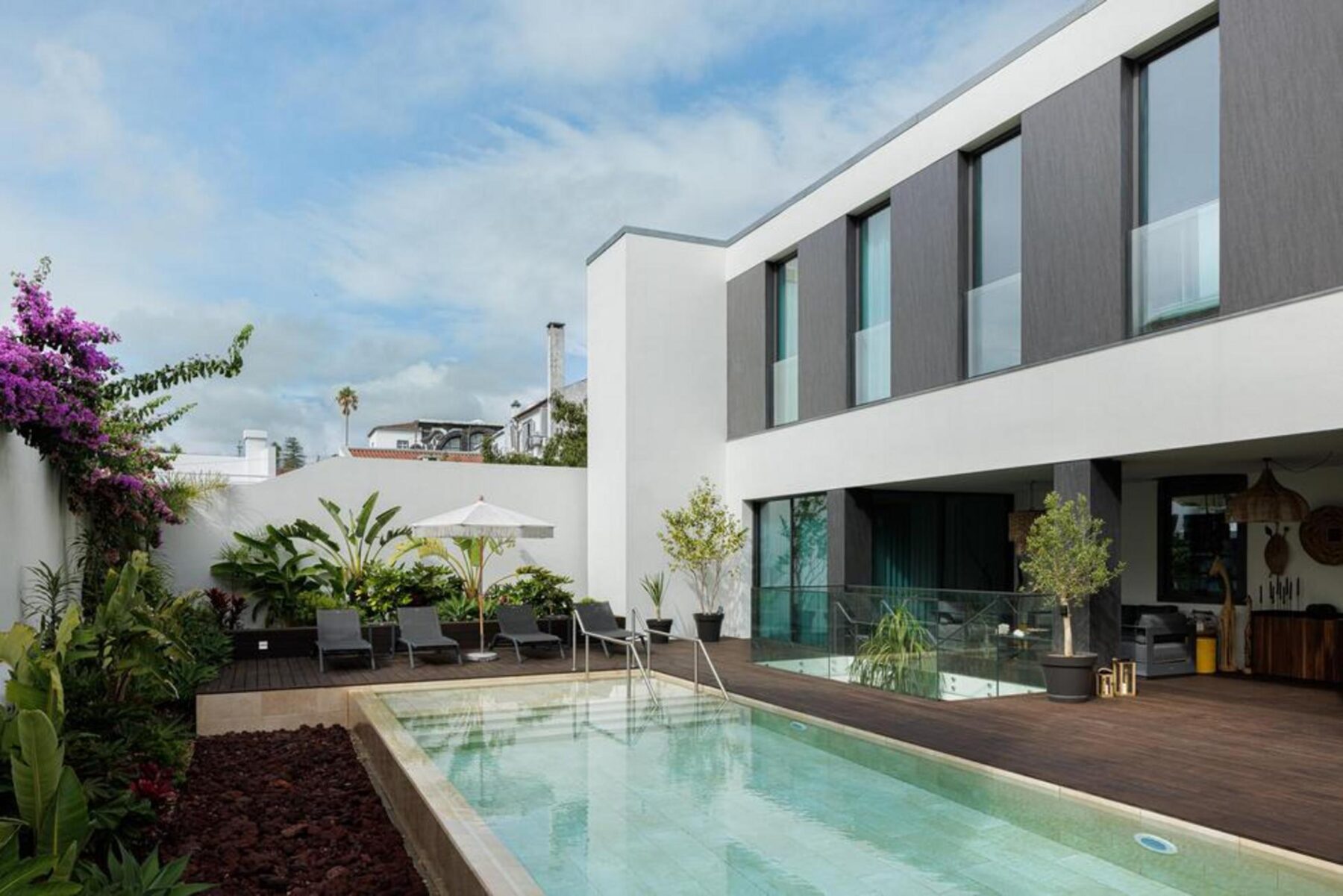
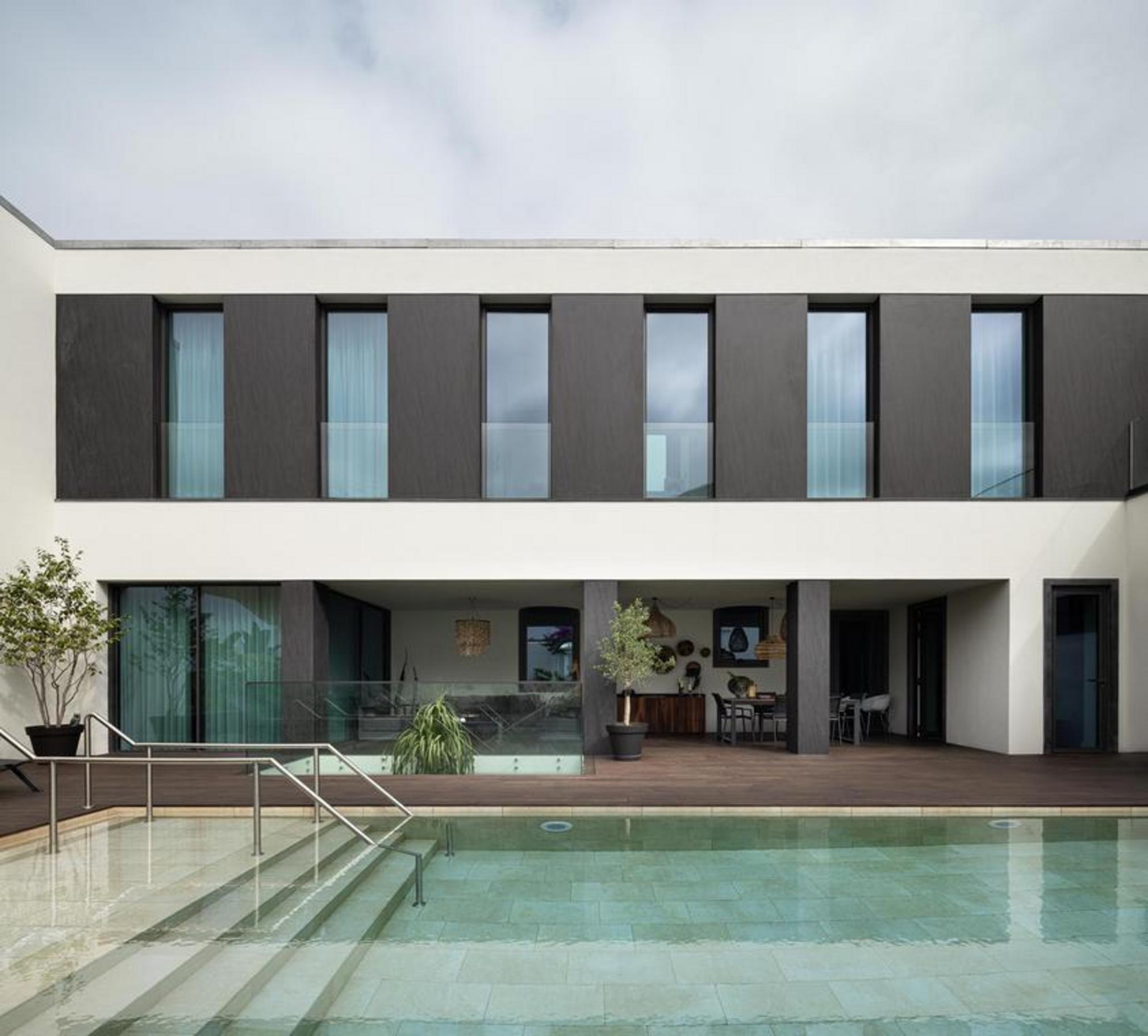
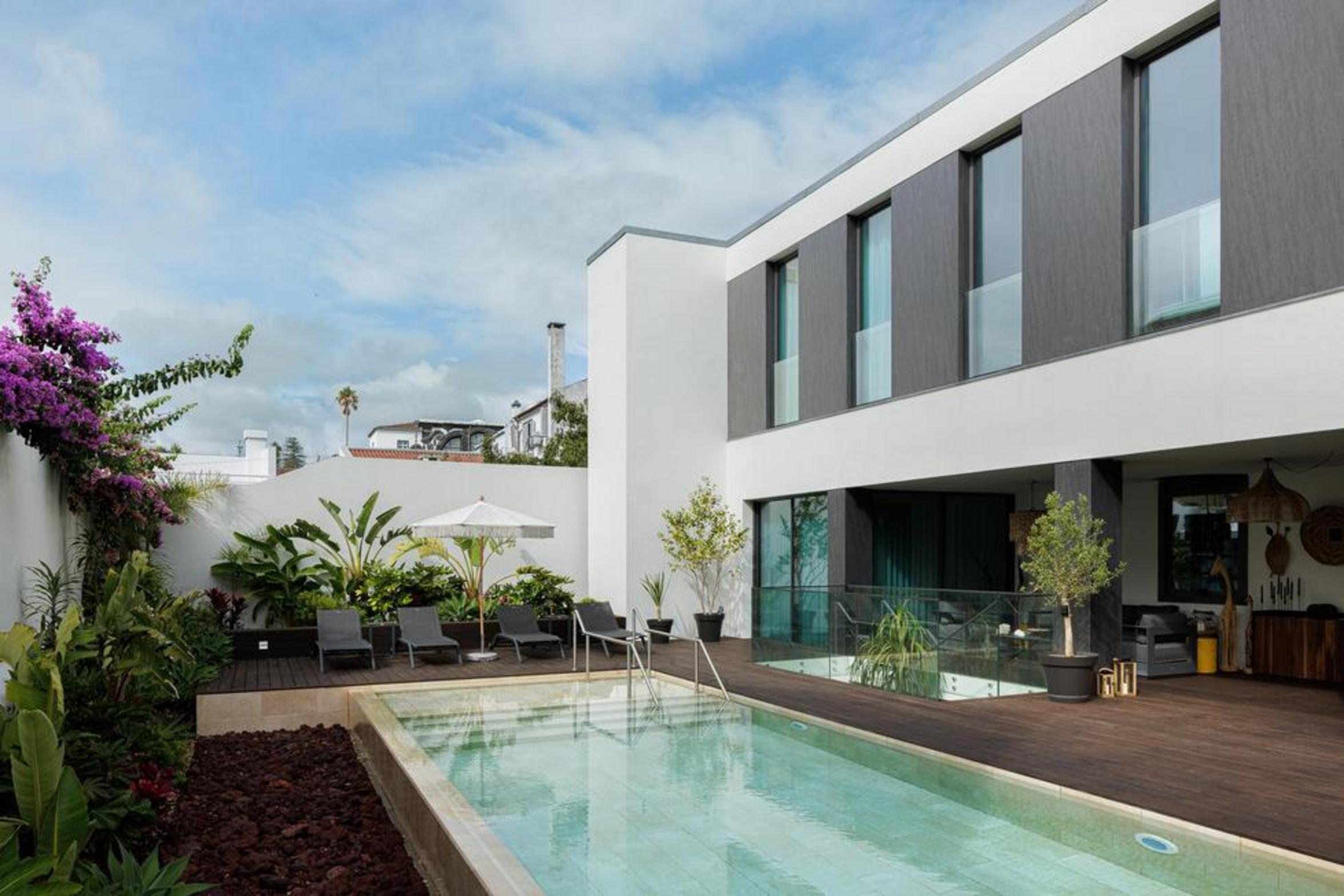
Vista geral da habitação a partir do jardim, evidenciando a reinterpretação da fachada tardoz e a integração da piscina elevada no logradouro. — Casa T+A Açores . T+A . Azores House arquitectura Atelier d’arquitectura Lopes da Costa fotografia Ivo Tavares

INFORMAÇÃO TÉCNICA / TECHNICAL INFORMATION

ATELIER DE ARQUITETURA / ARCHITECTURE OFFICE
ARQUITETO RESPONSÁVEL / MAIN ARCHITECT
José António Lopes da Costa e Rita Gonçalves
COLABORAÇÃO / COLABORATION
Afonso Tigre Lopes da Costa
LOCALIZAÇÃO / LOCATION
ANO DE CONCLUSÃO DA OBRA / YEAR OF CONCLUSION
ÁREA TOTAL CONSTRUÍDA (M2) / TOTAL AREA
1084 m2
FOTÓGRAFO / ARCHITECTURAL PHOTOGRAPHER

DESCRIÇÃO DO PROJETO / PROJECT DESCRIPTION

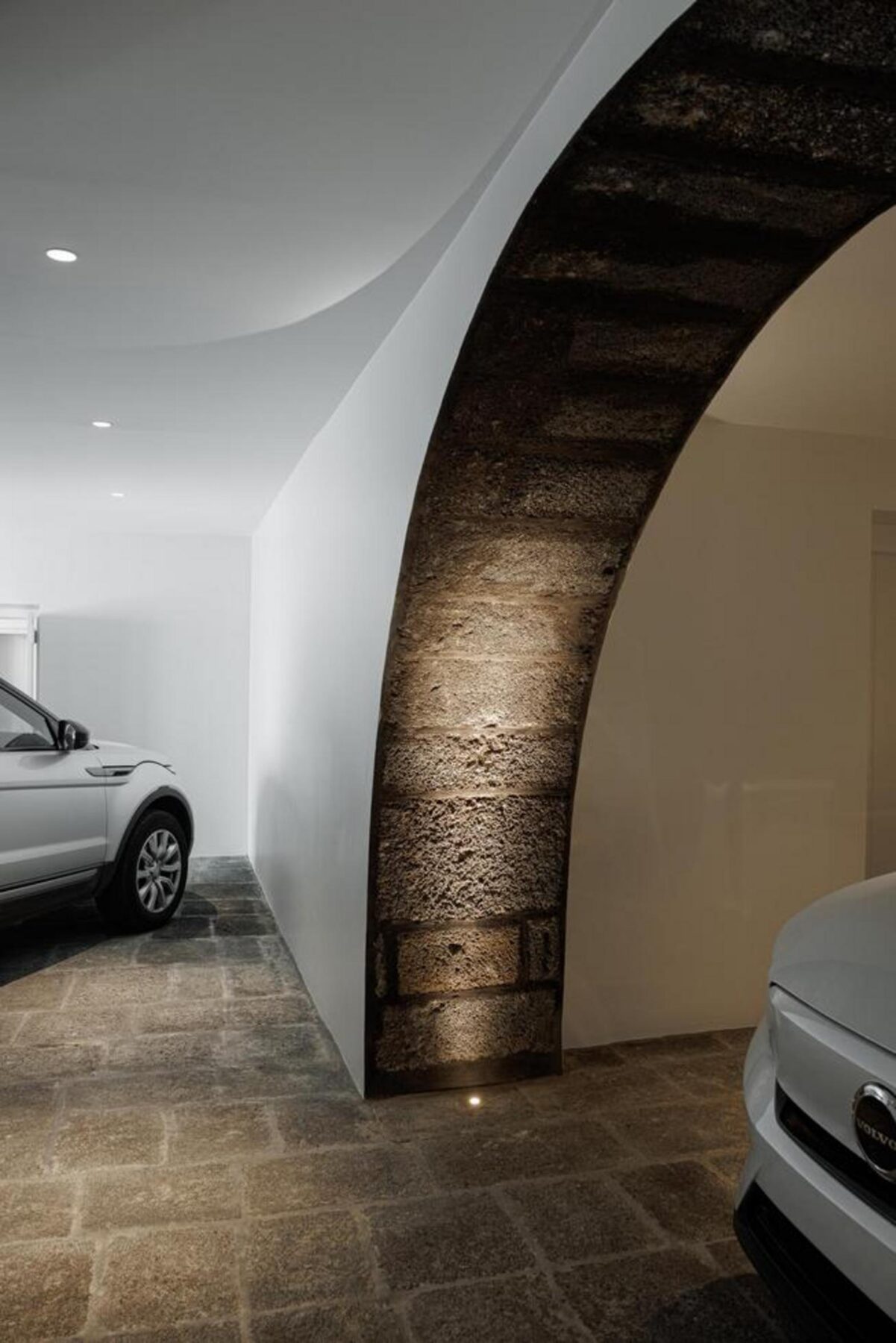
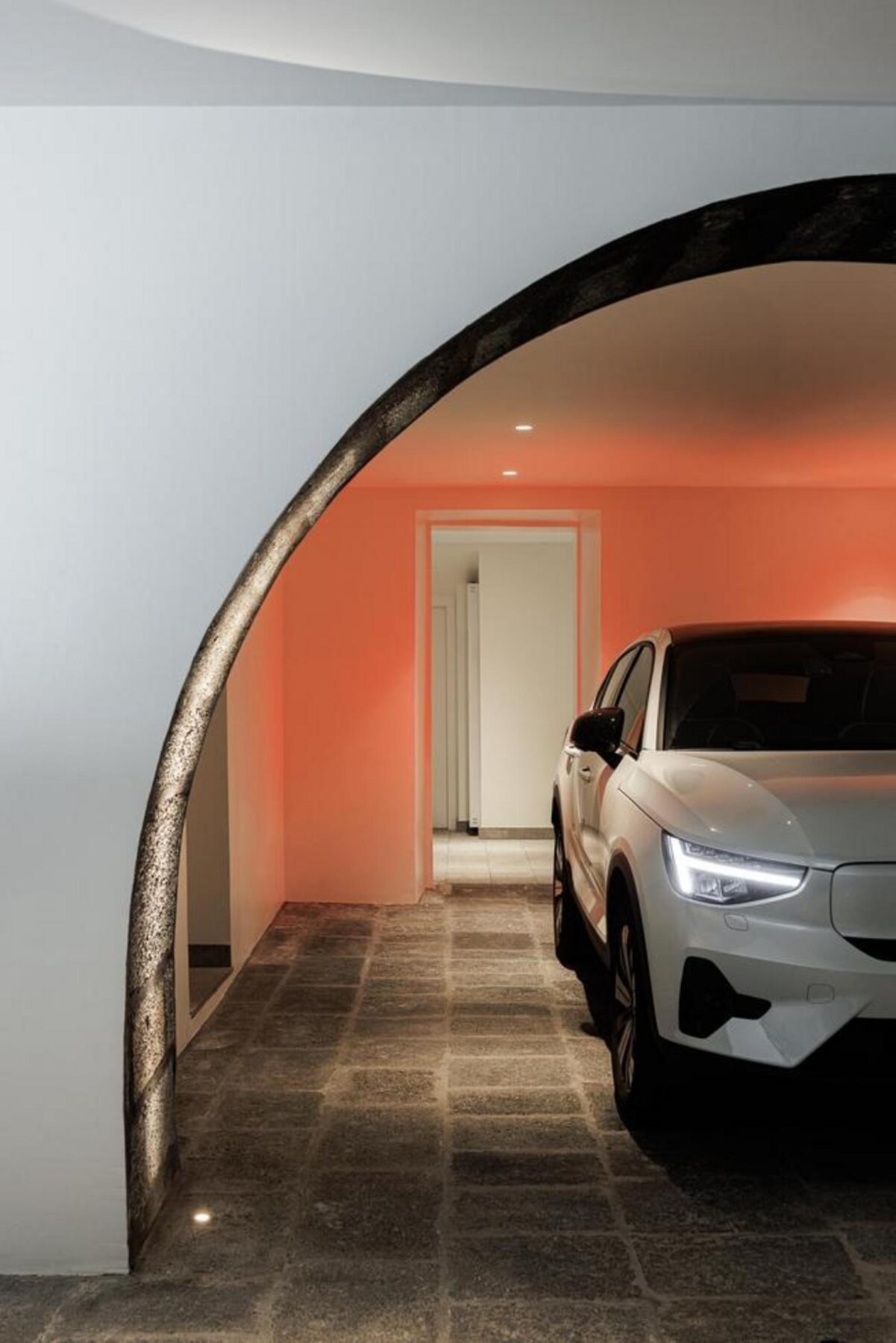
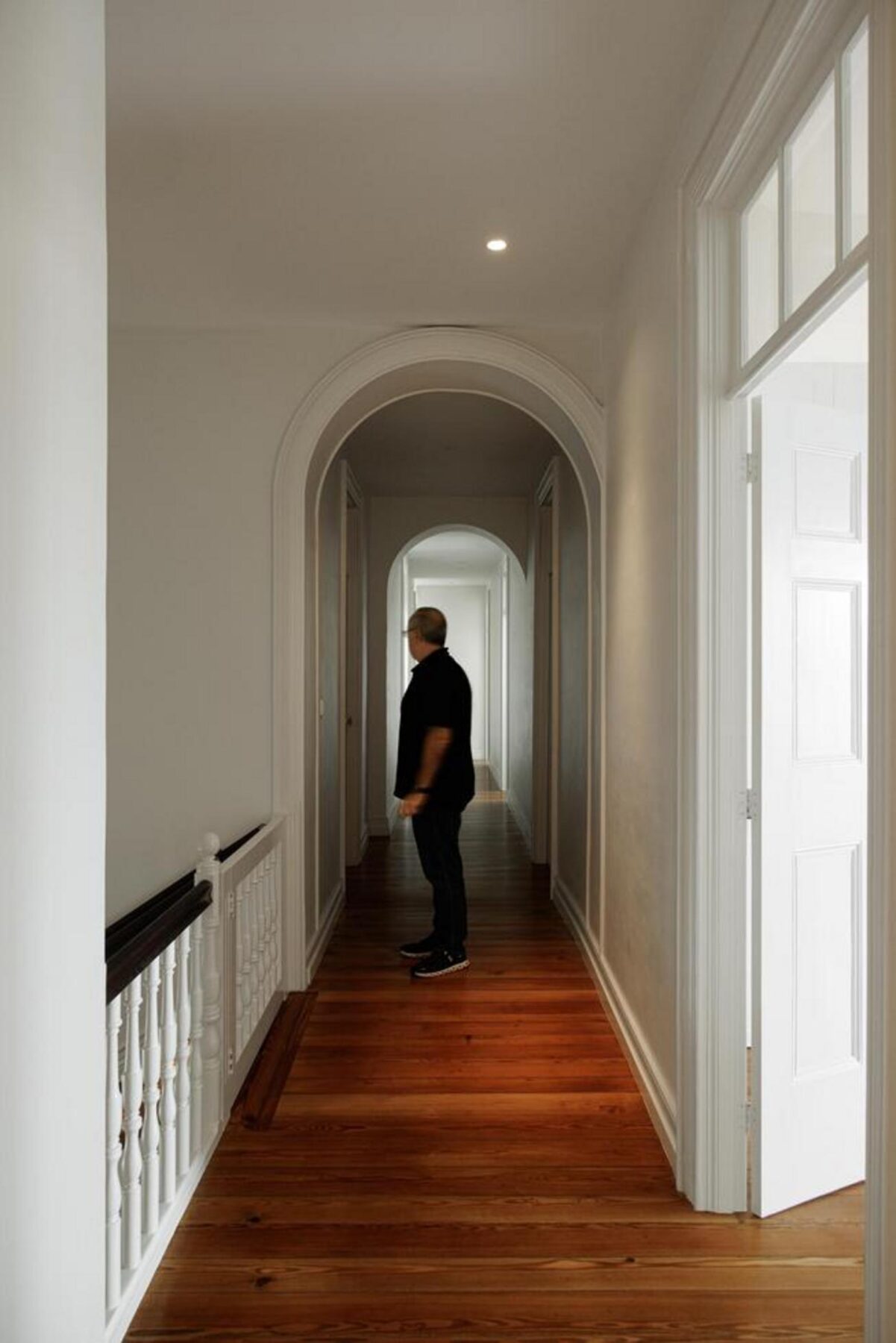
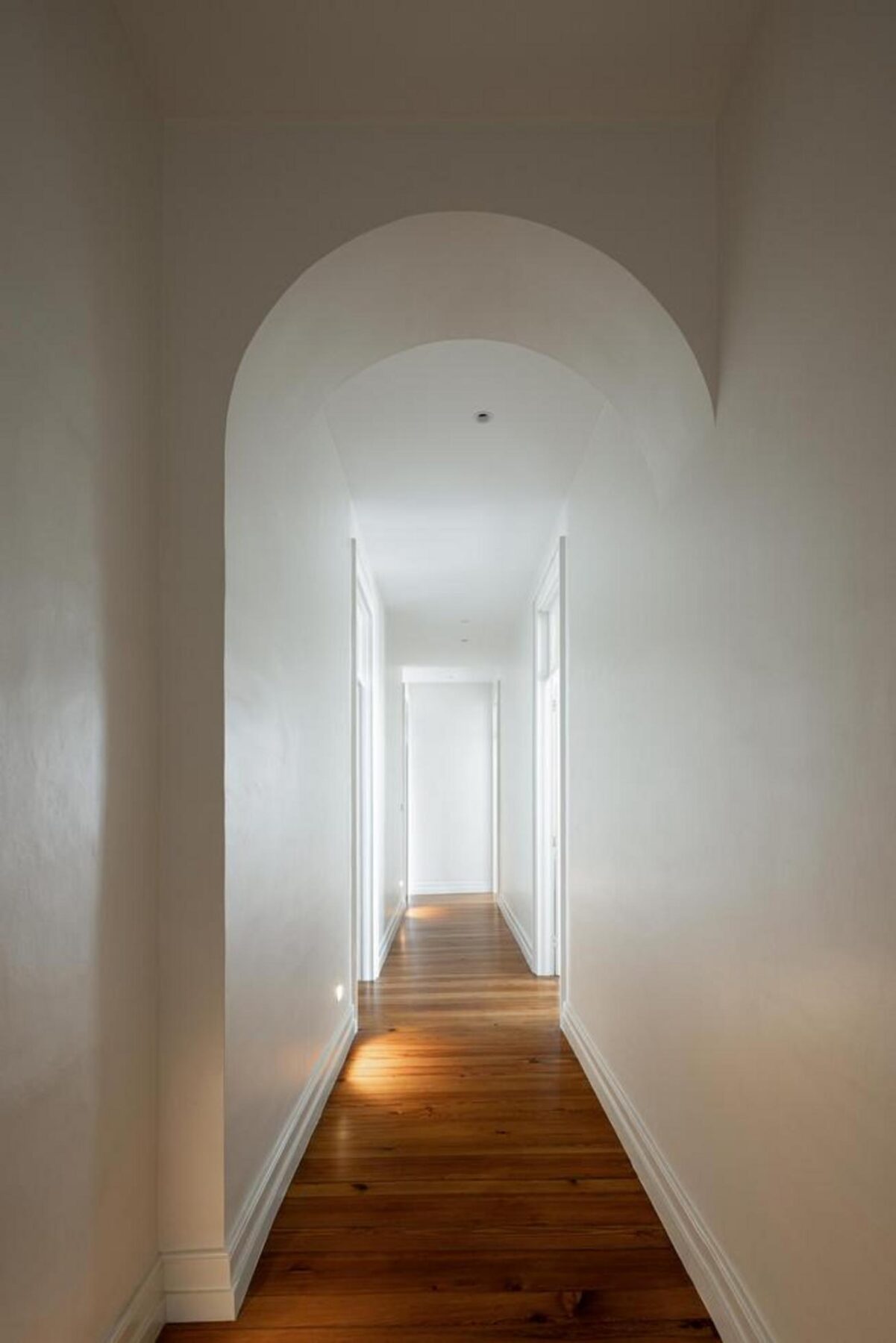
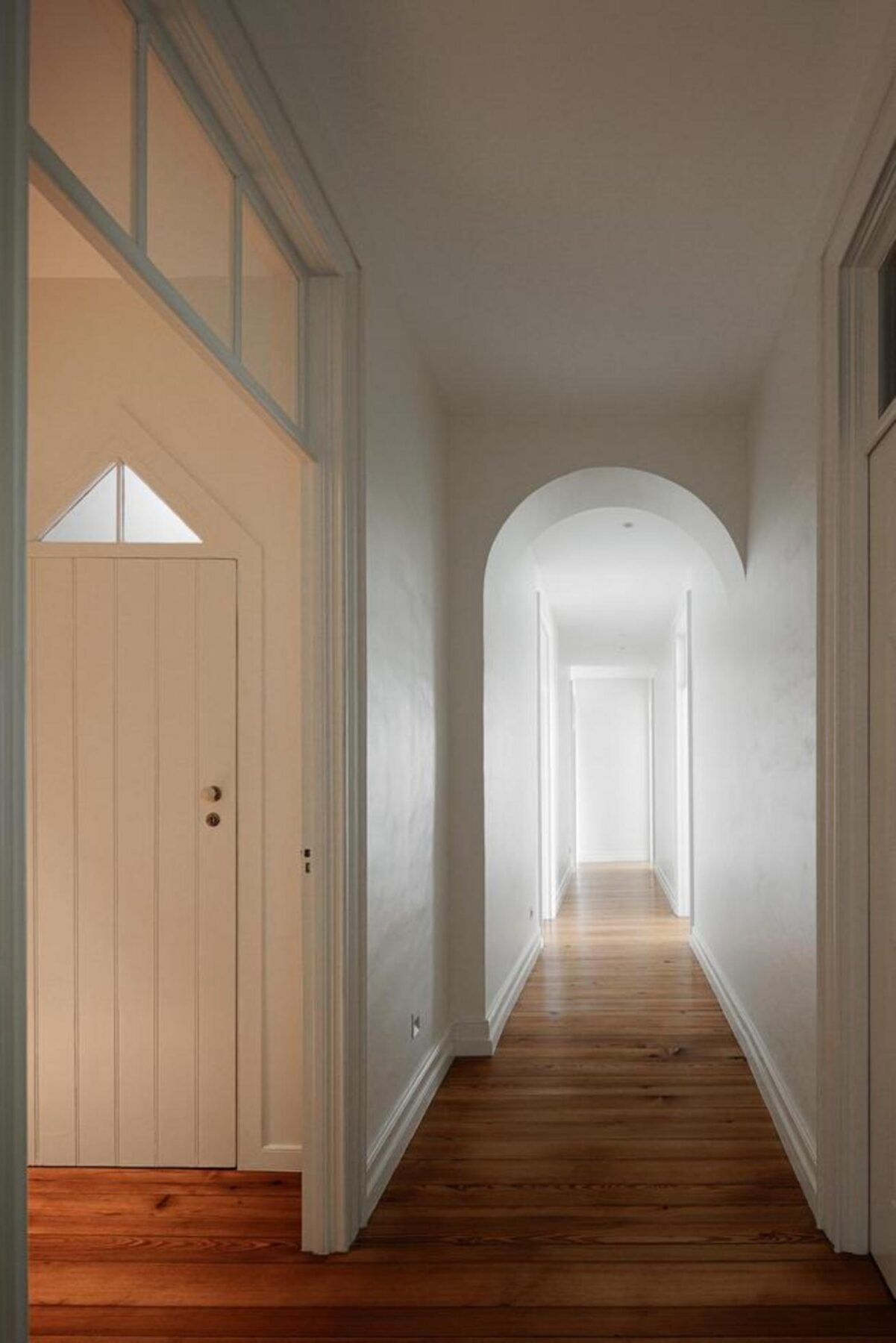
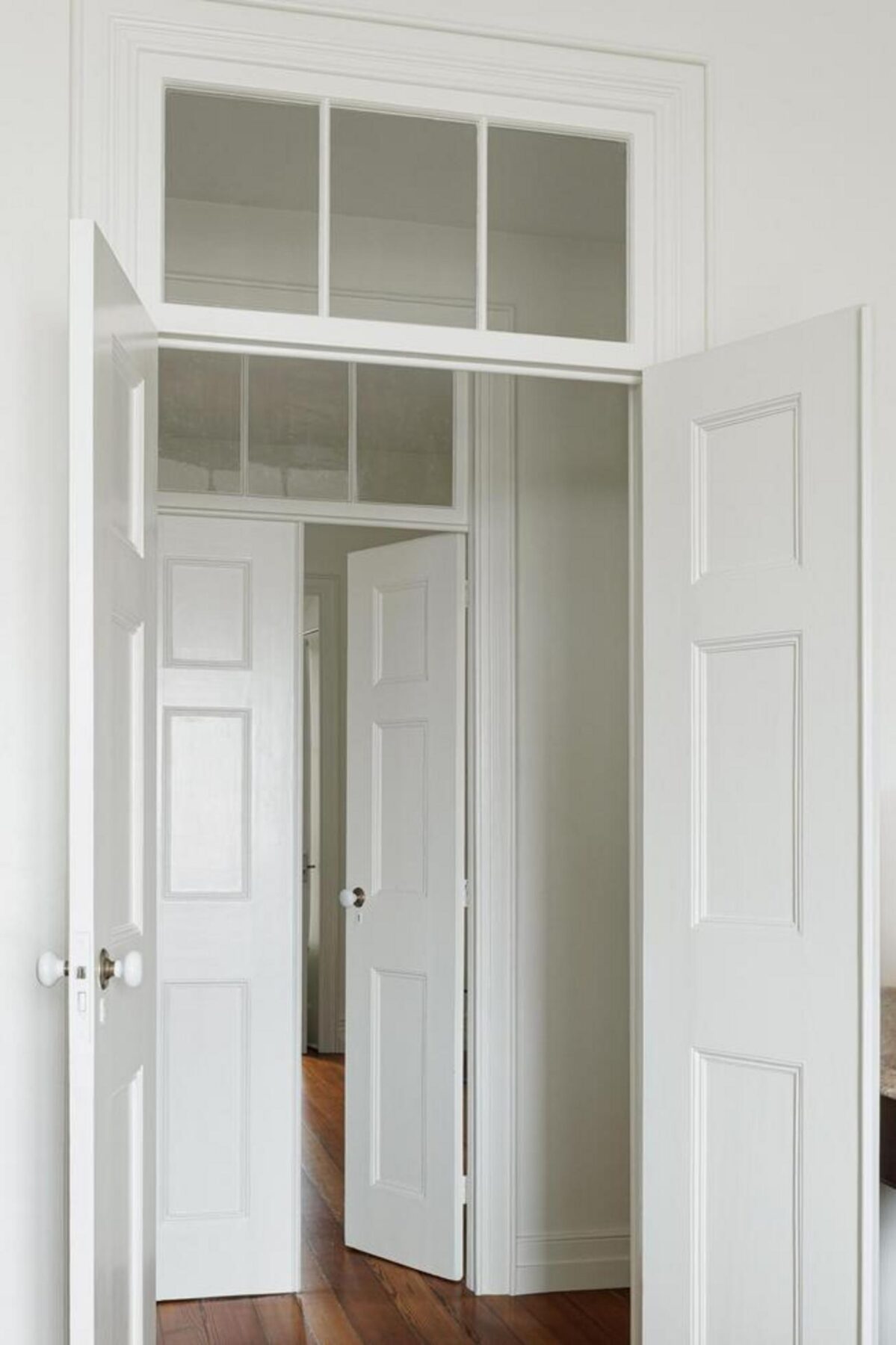
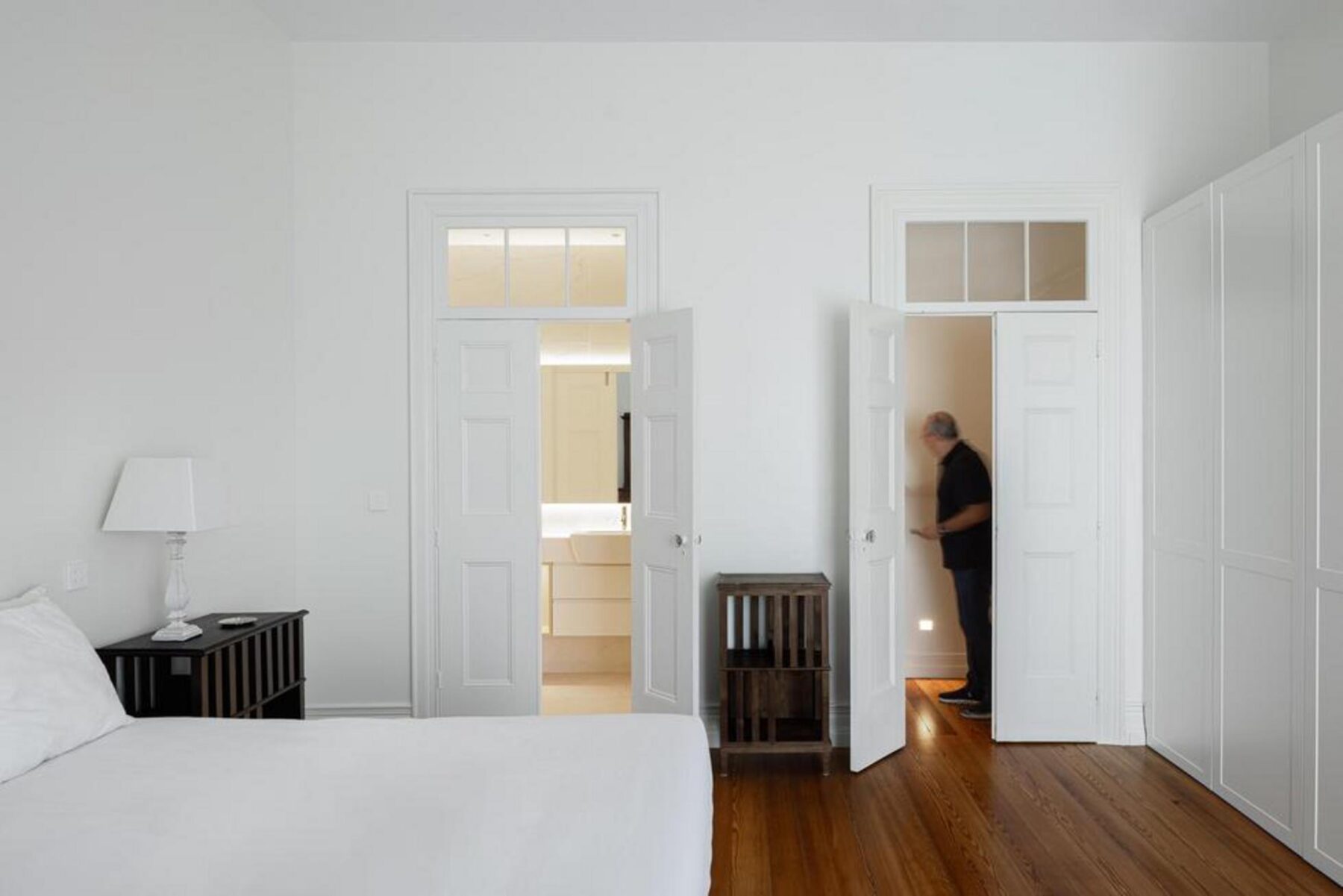
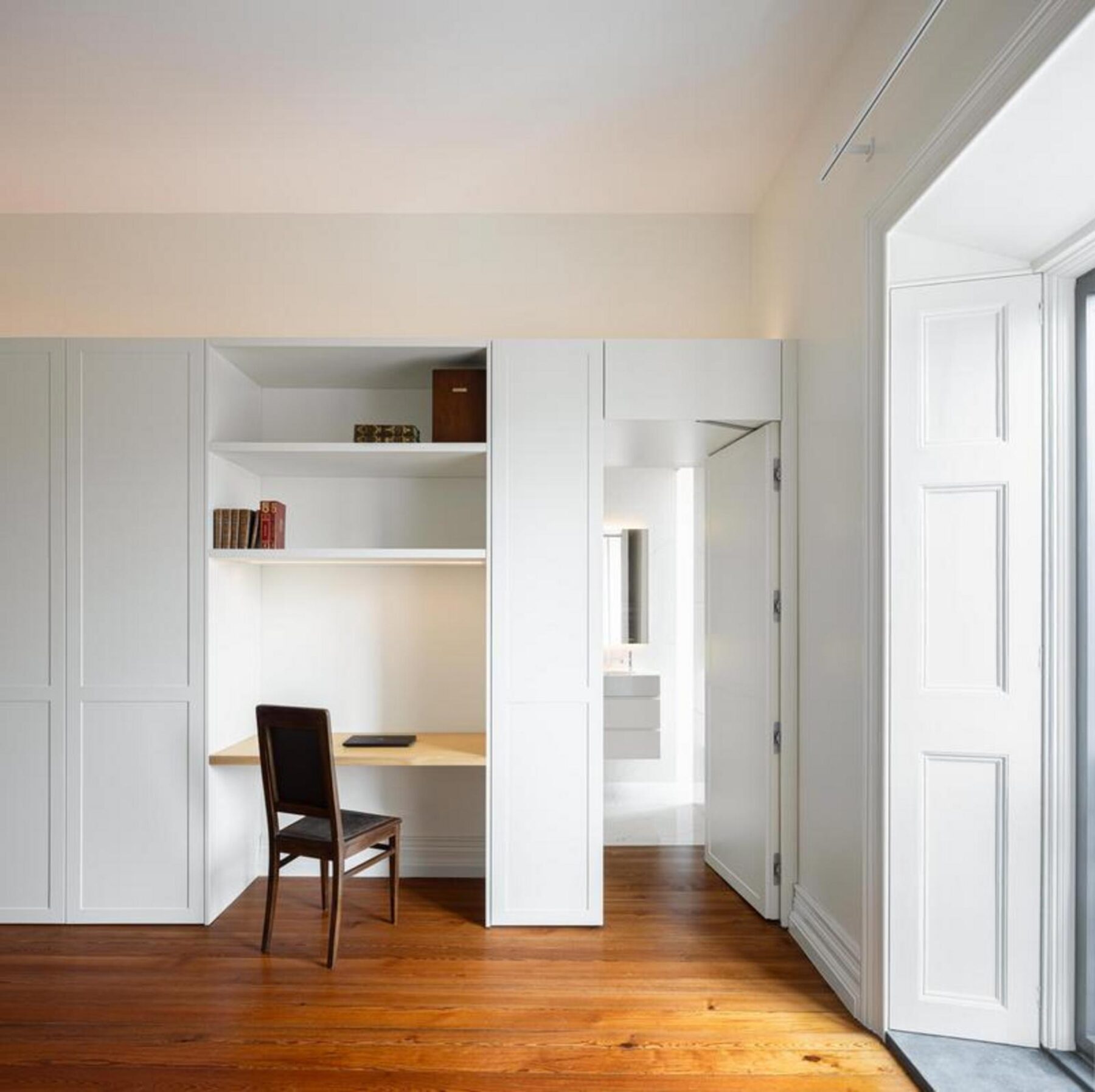
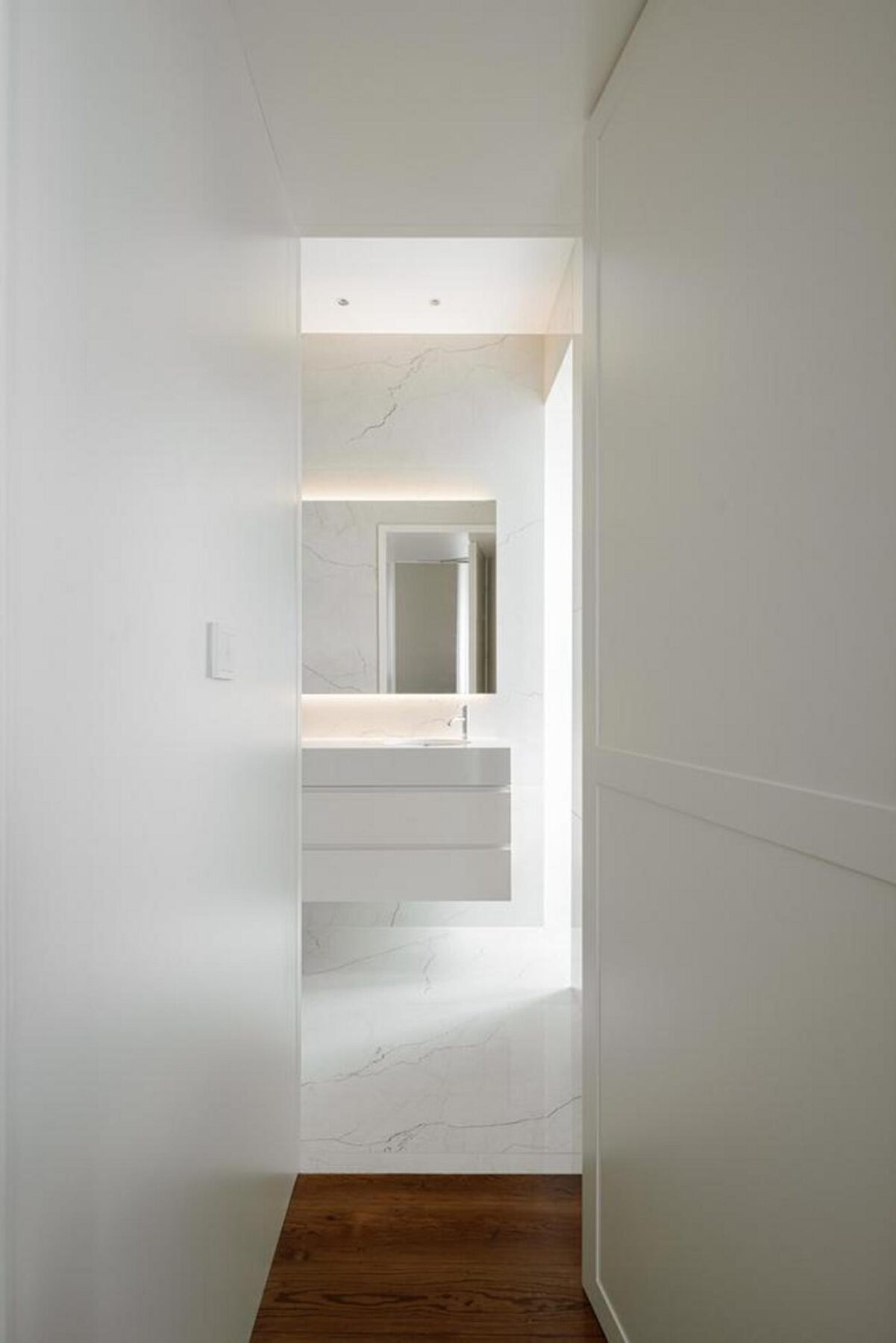
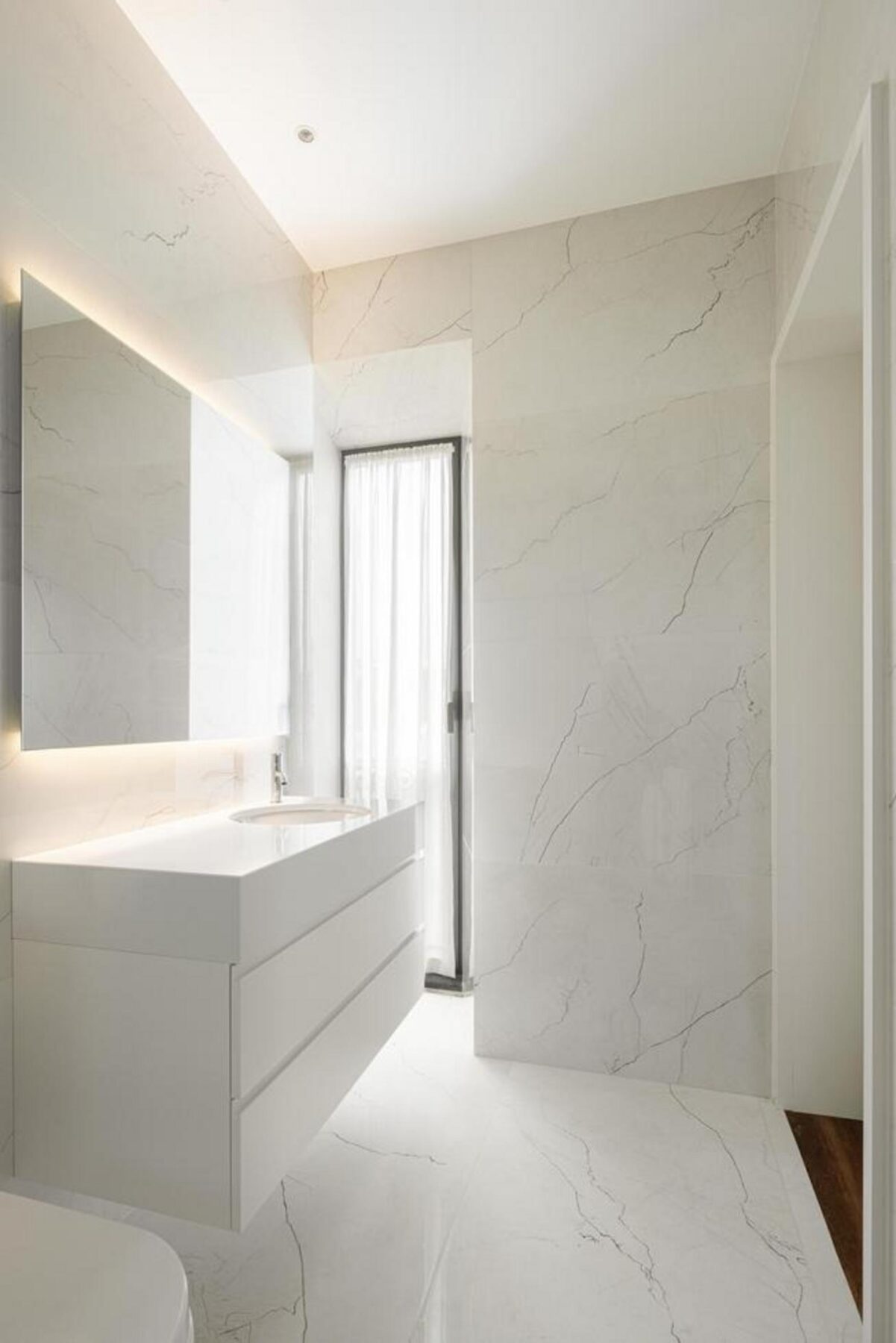
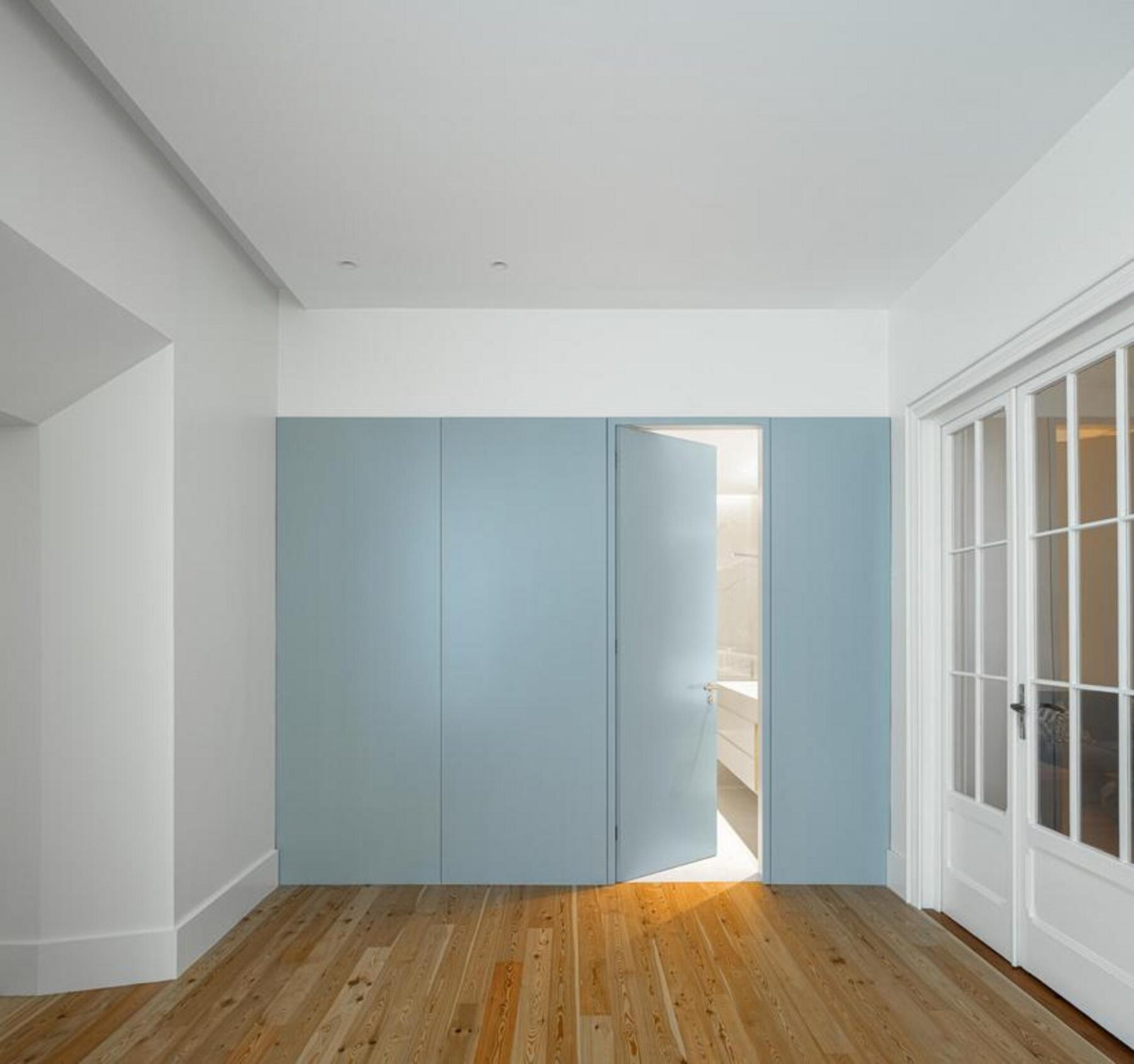
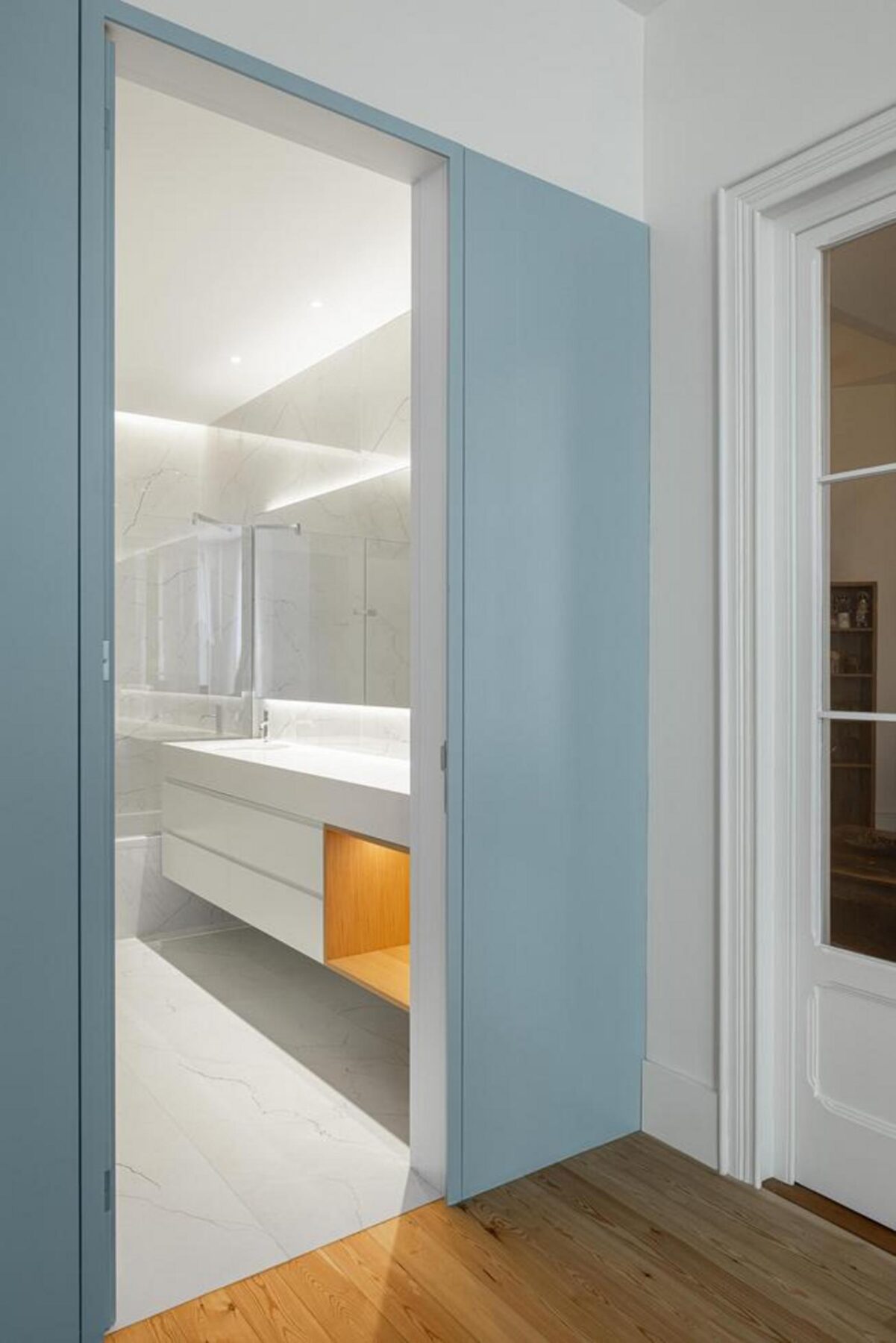
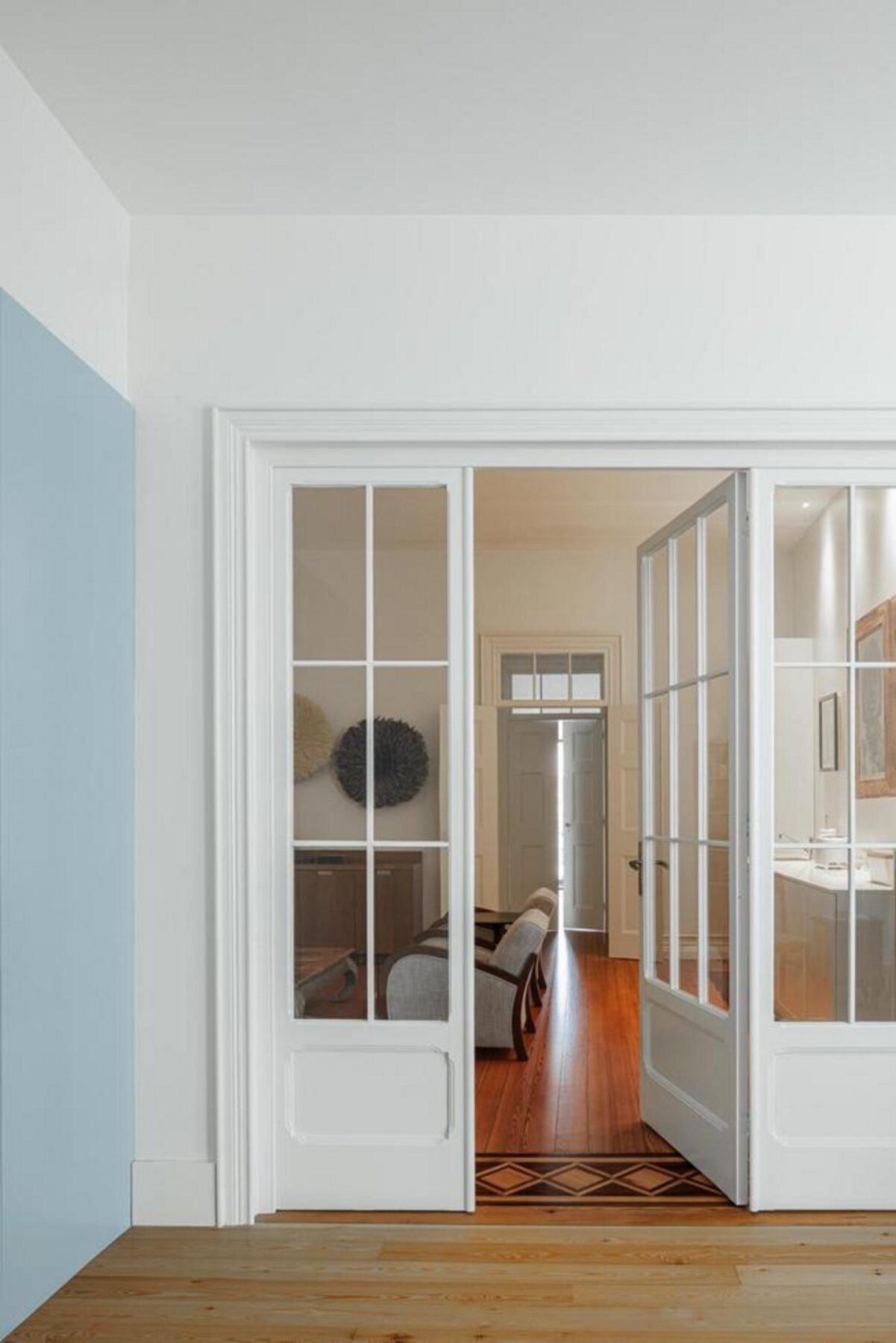
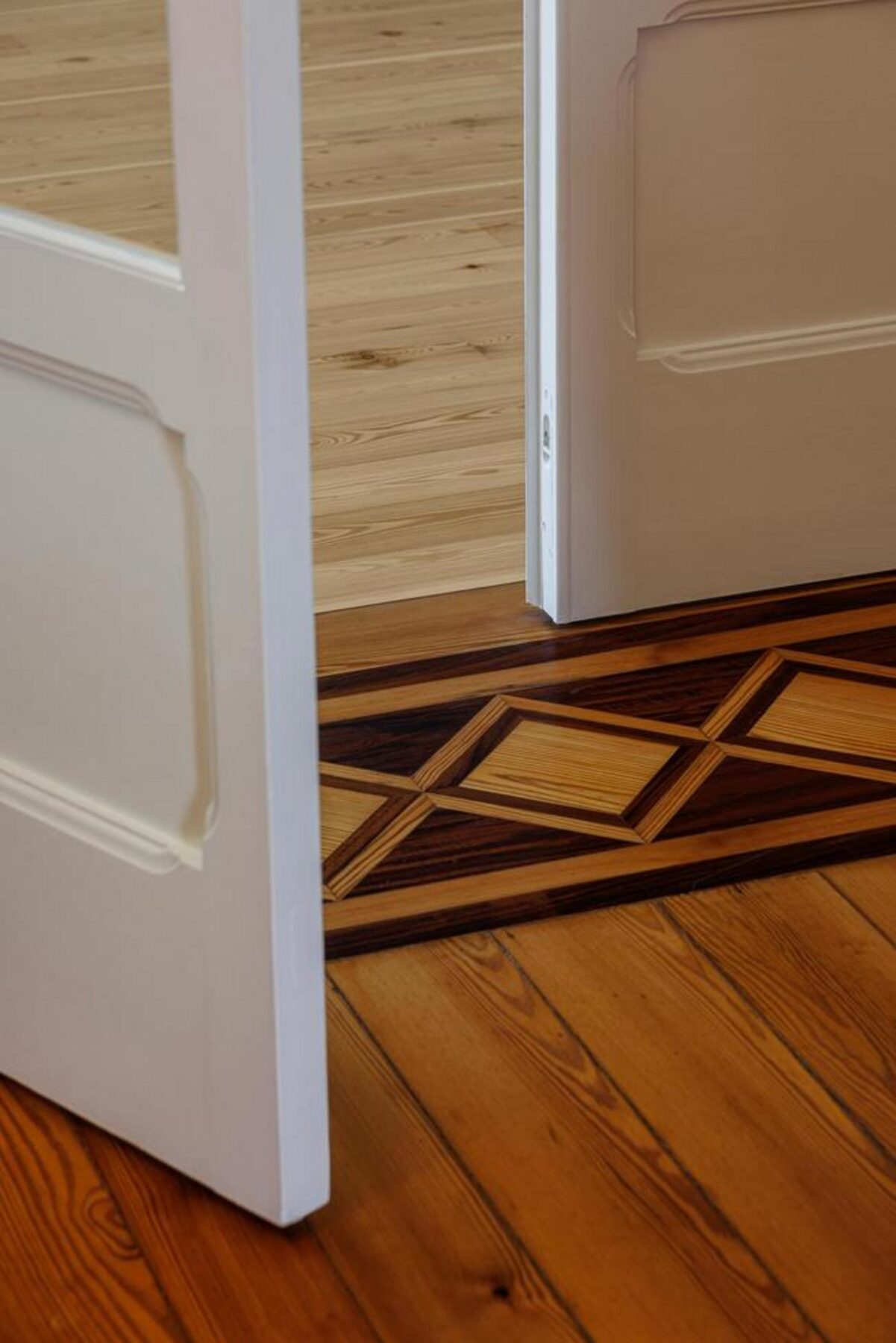
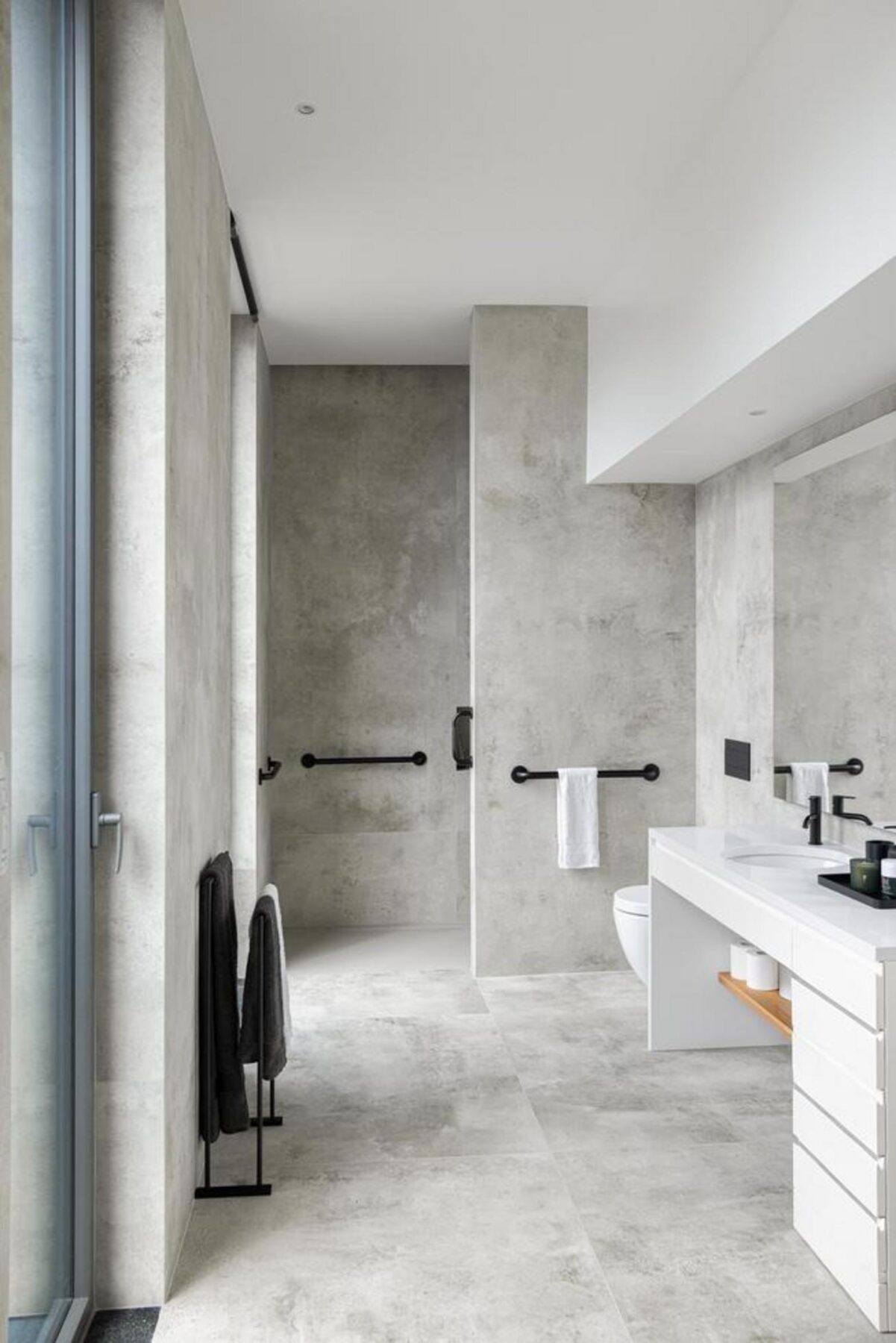
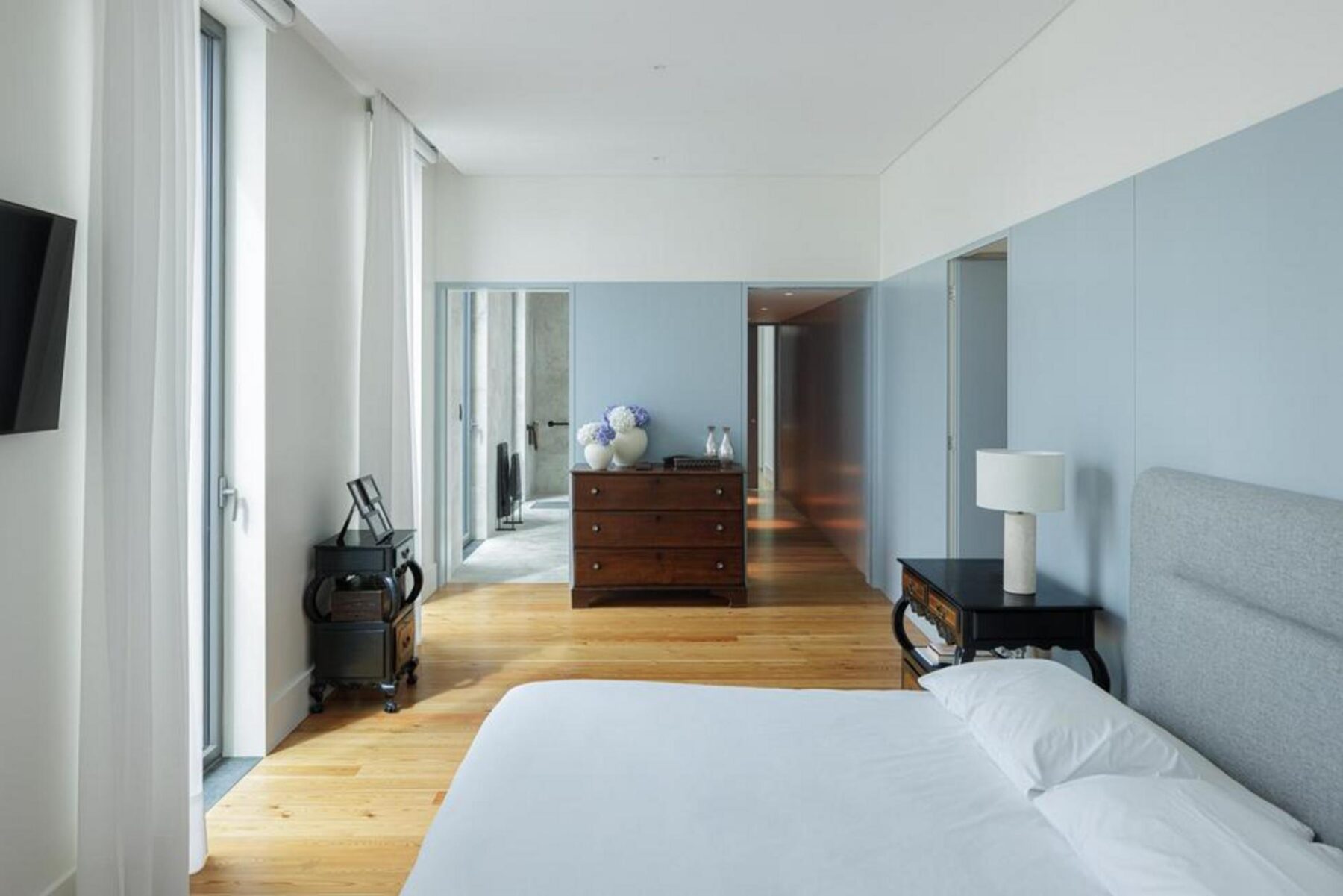
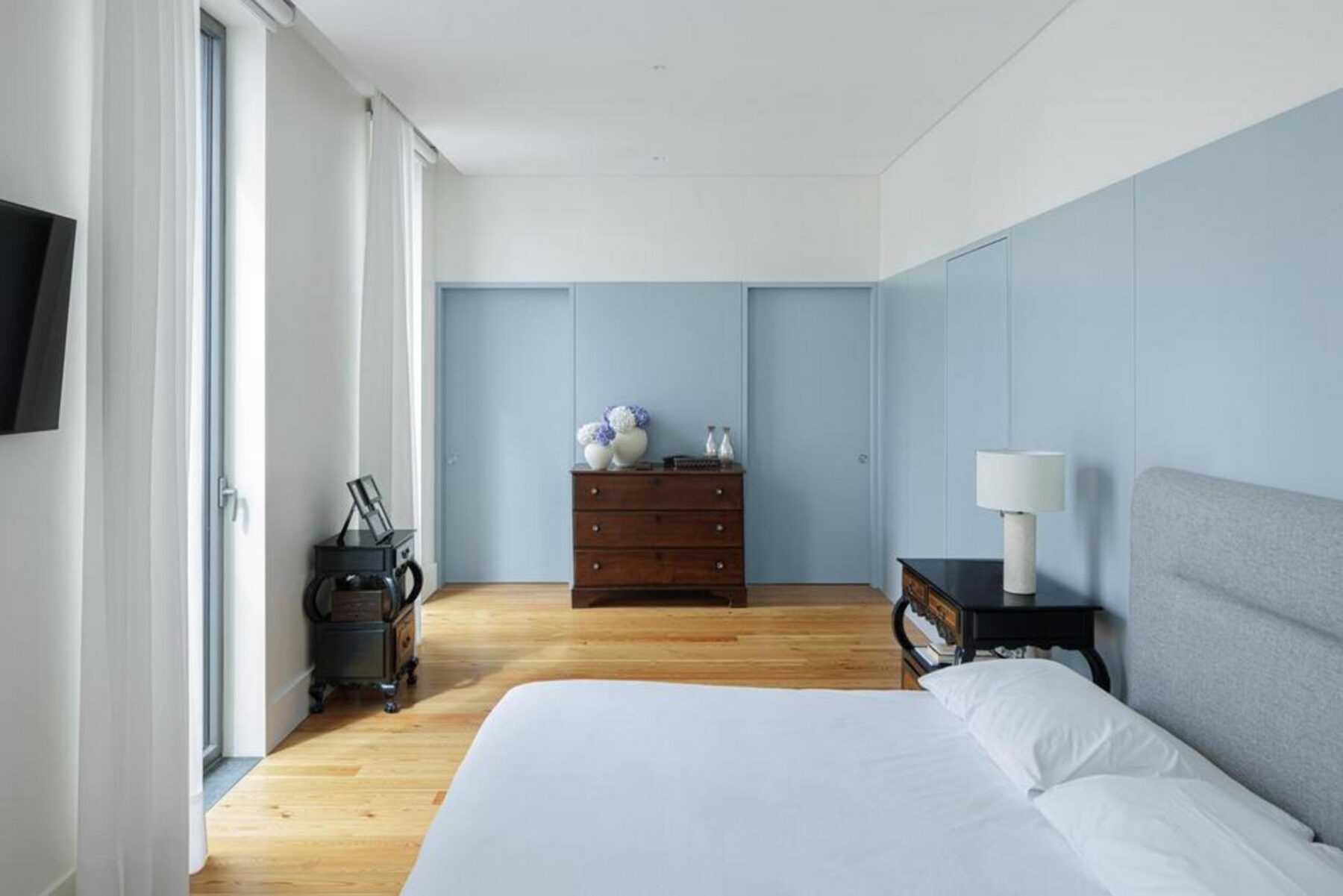
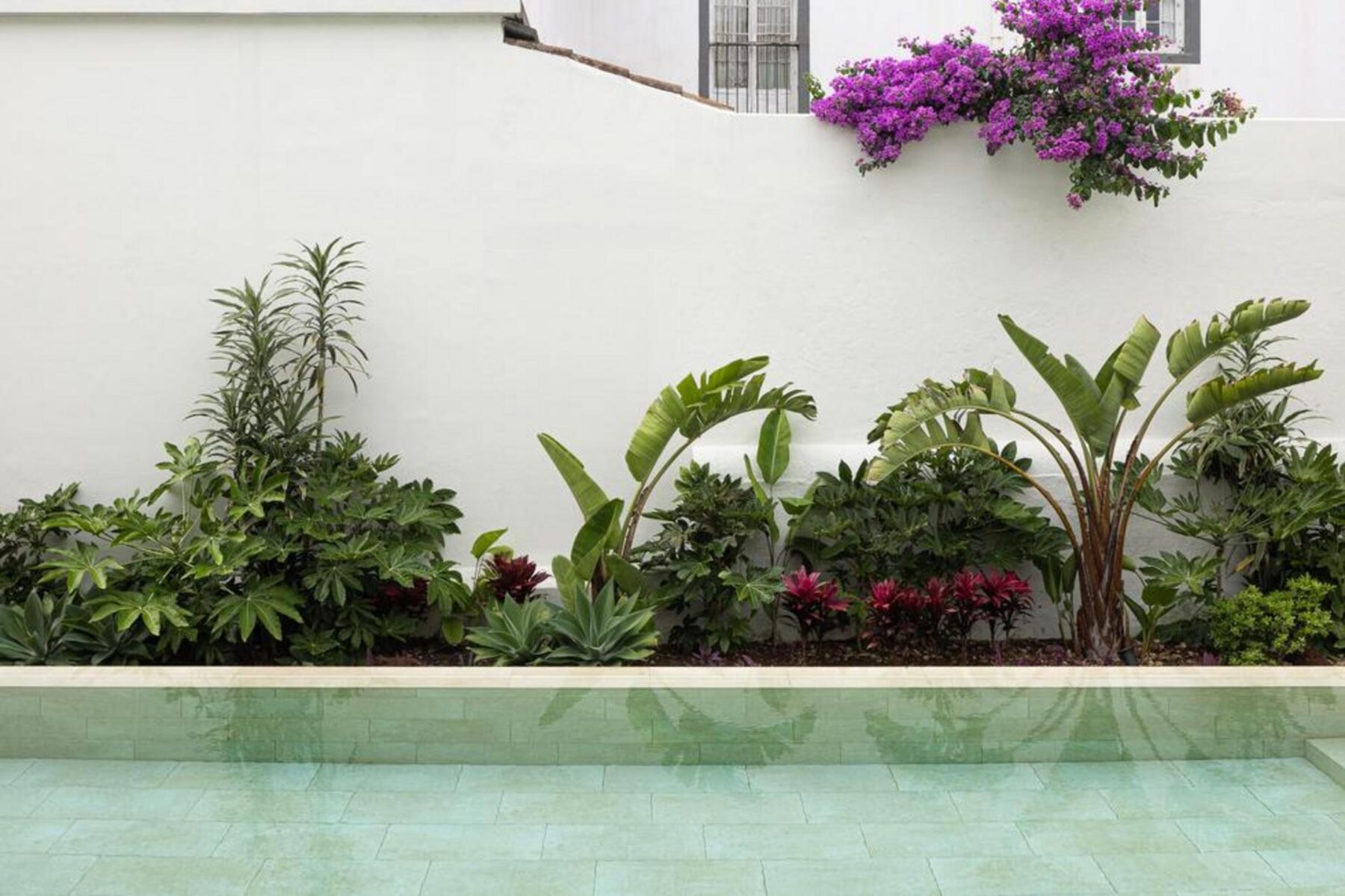
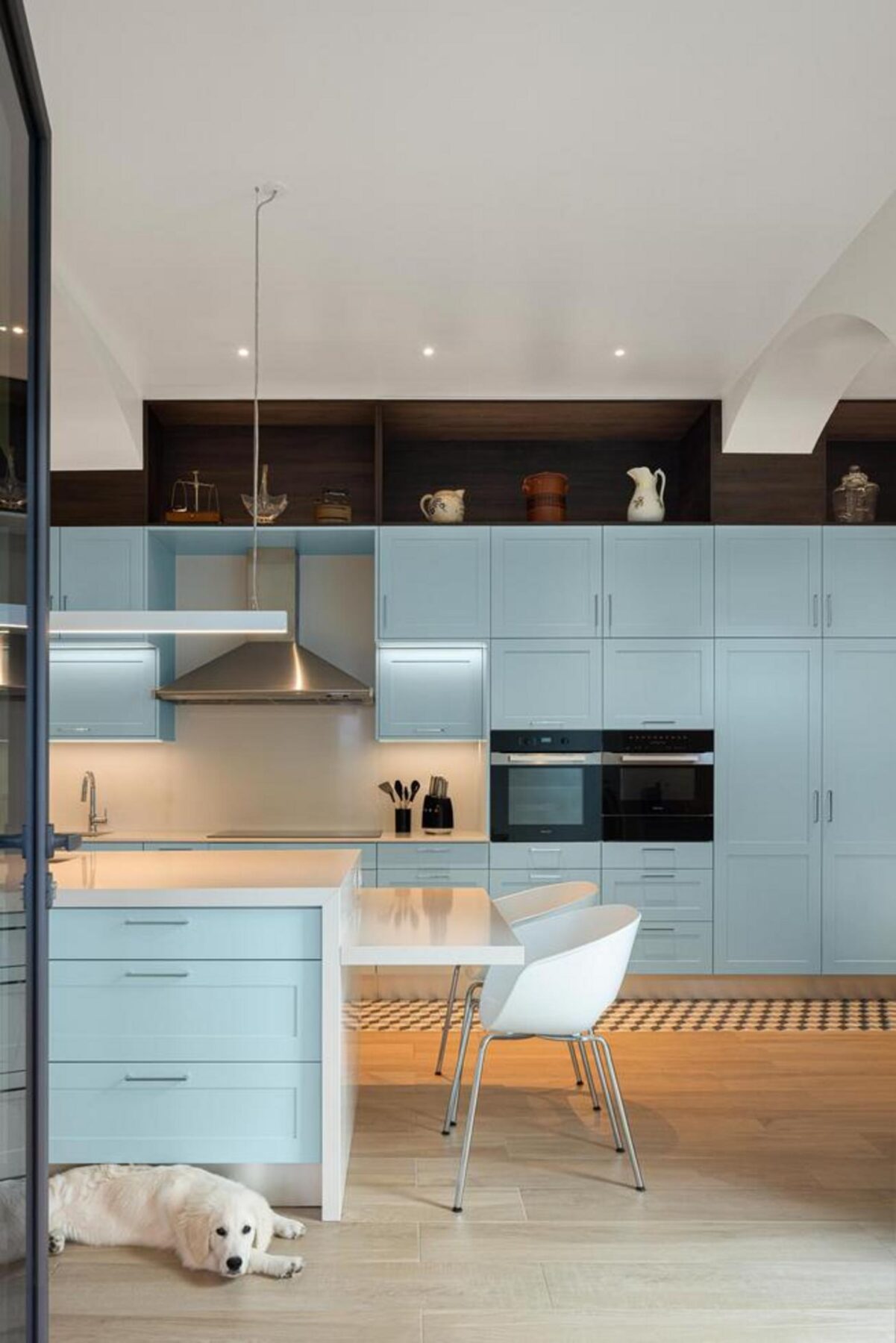
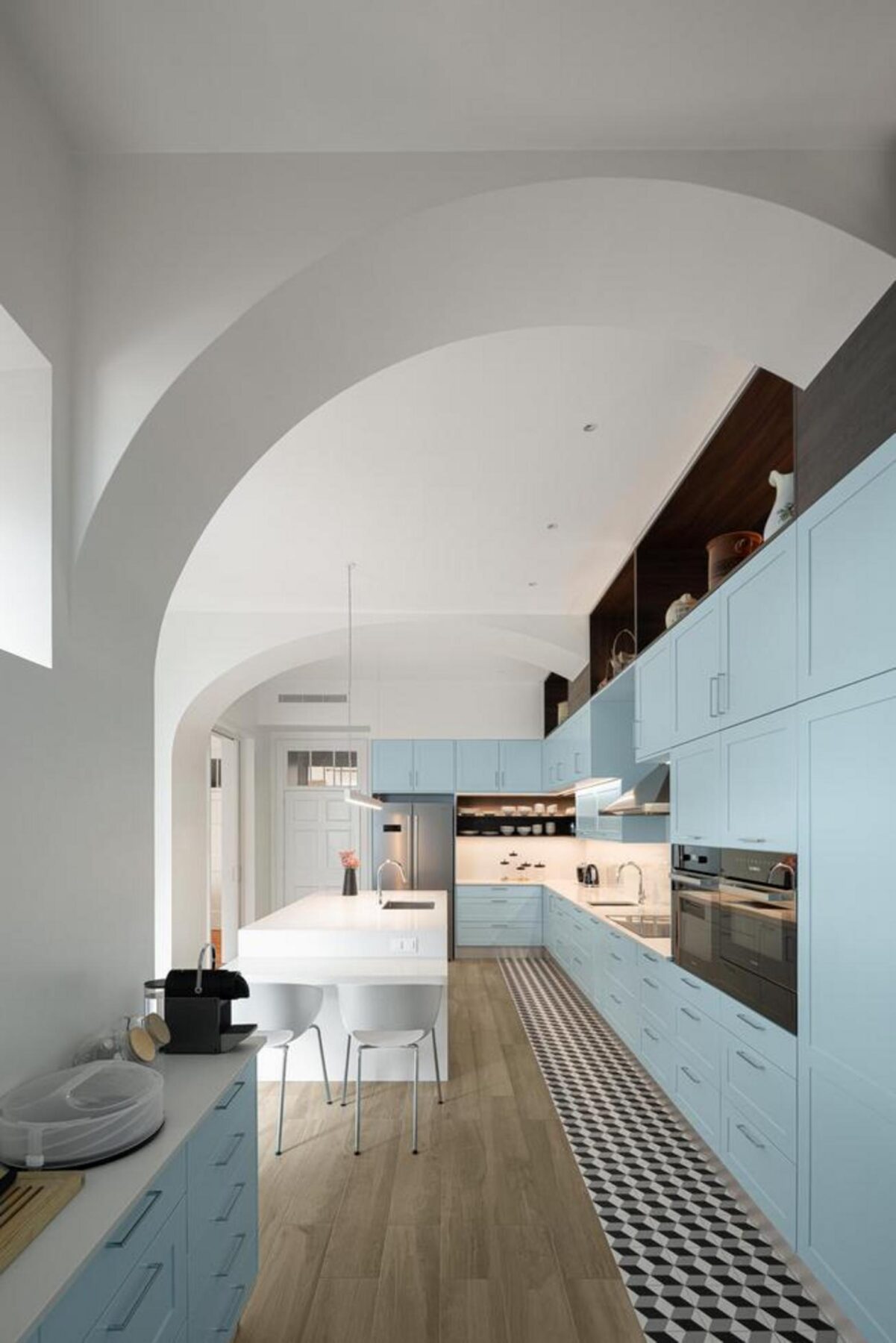
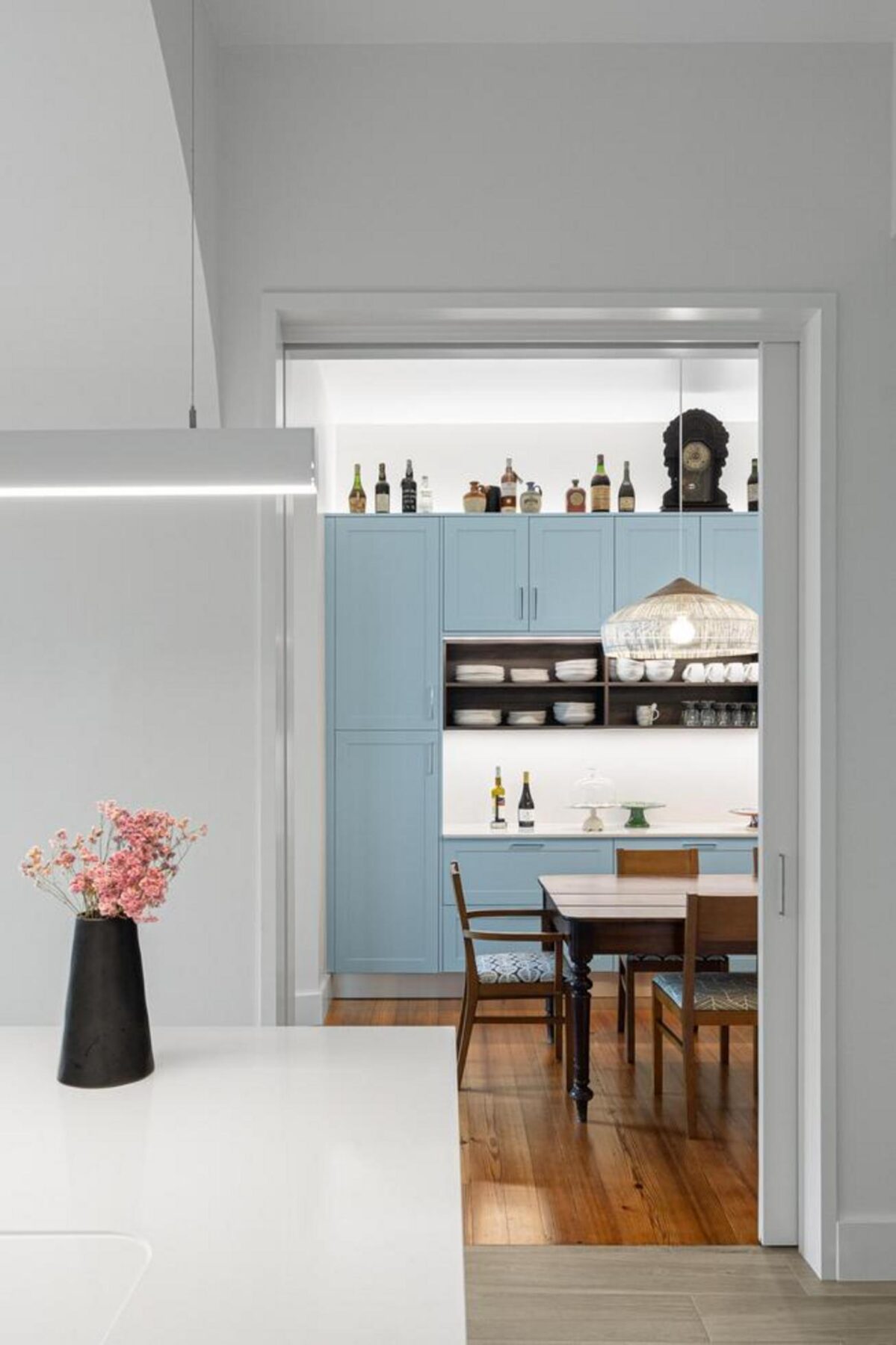
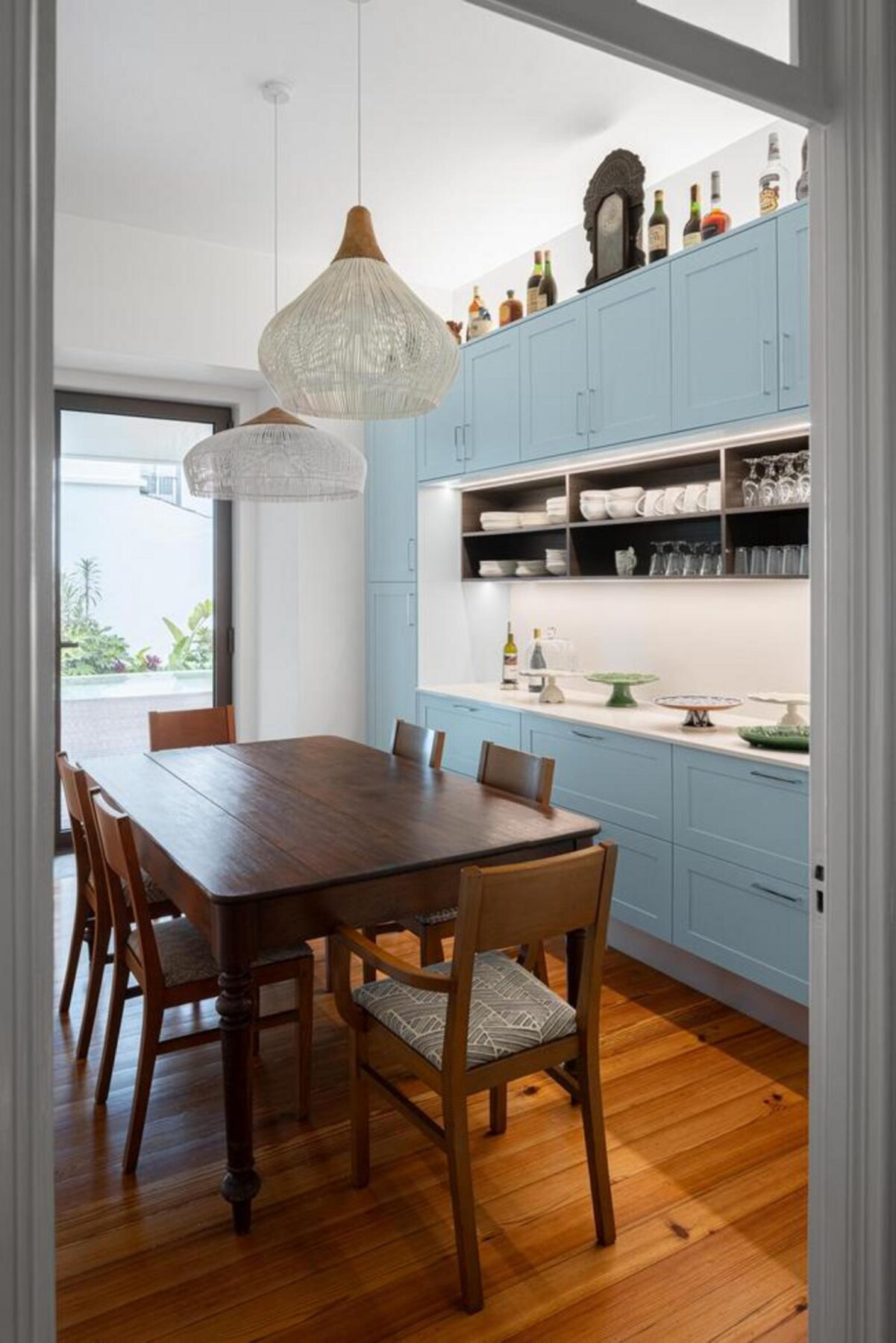
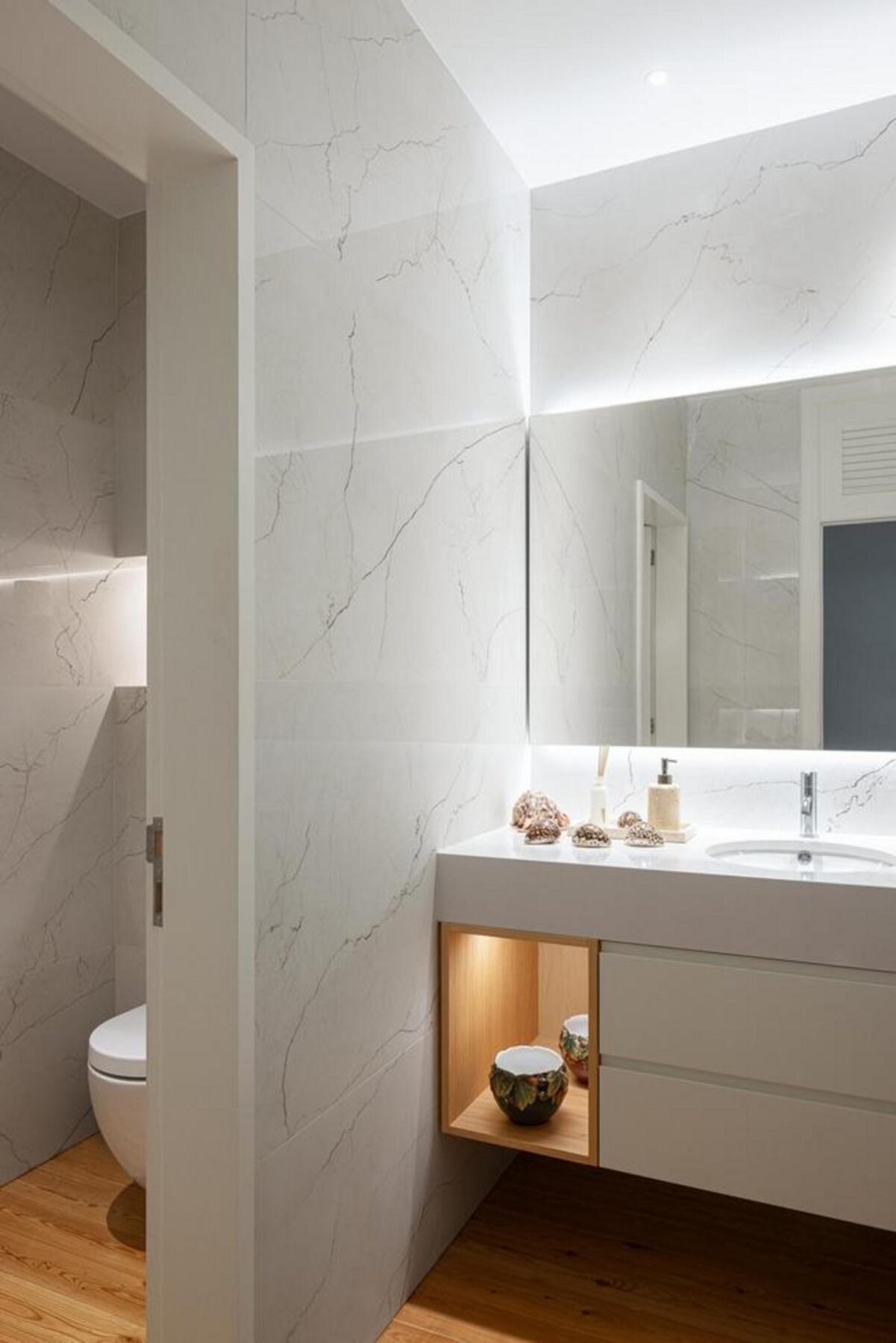
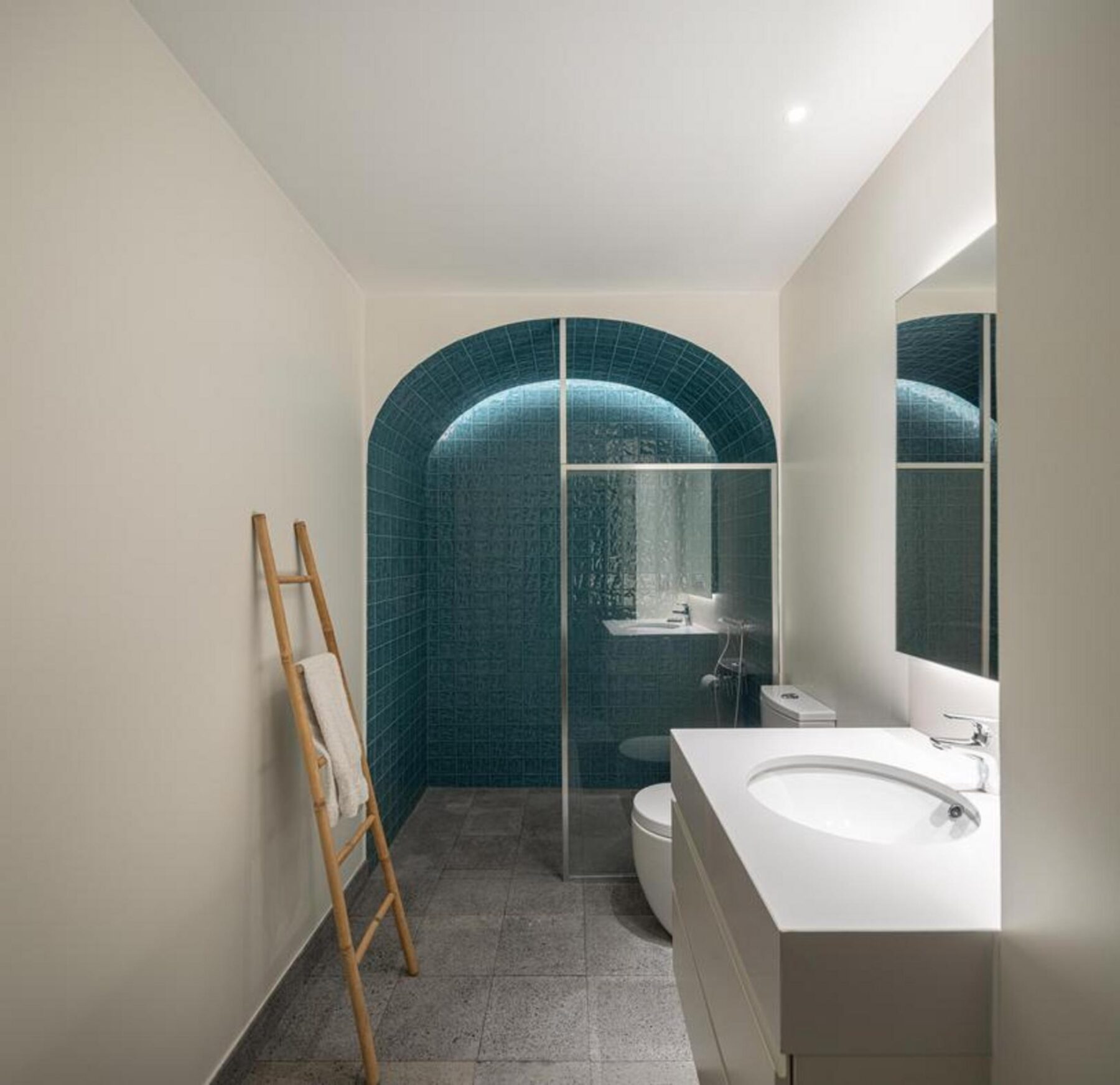
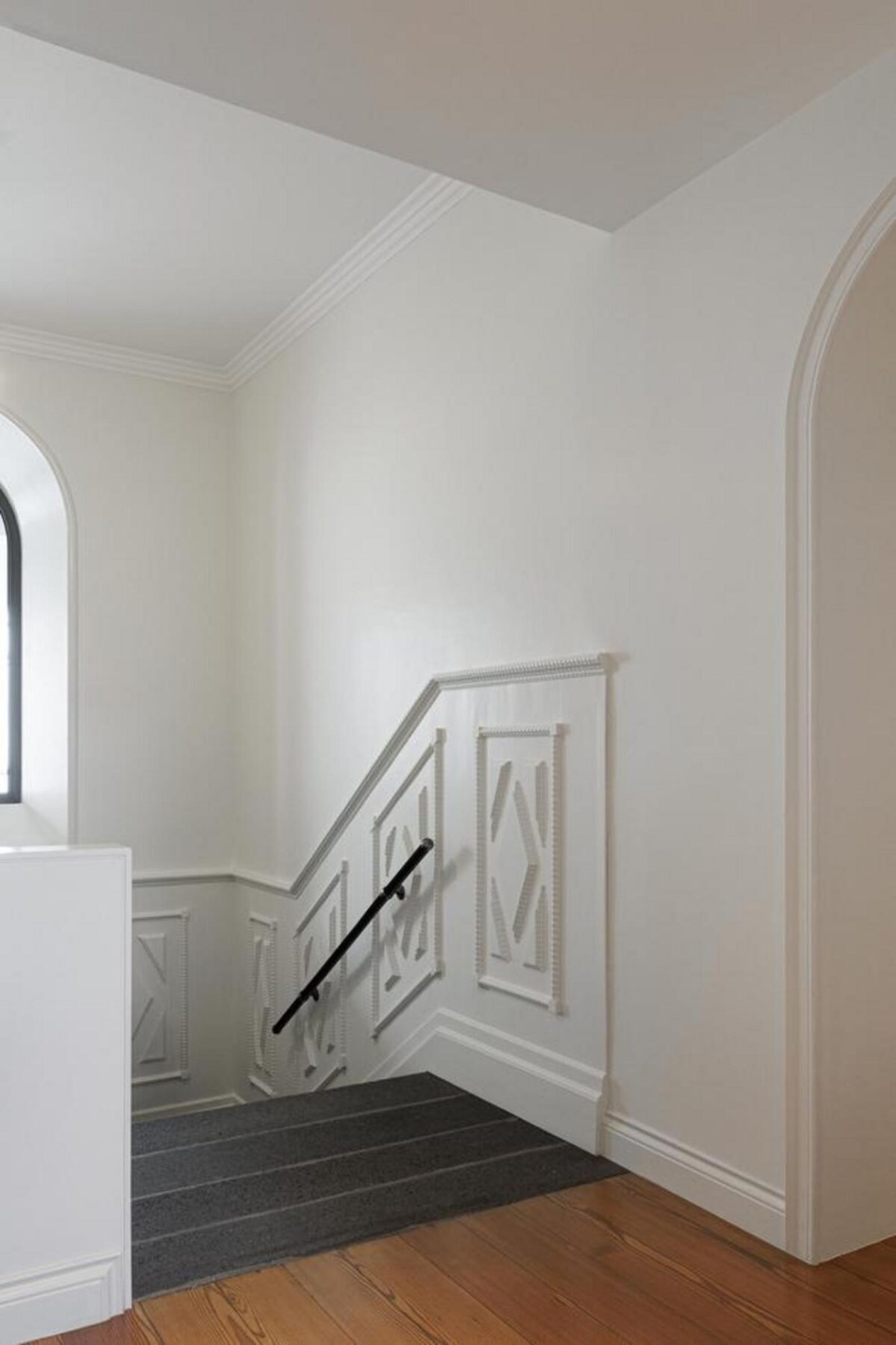
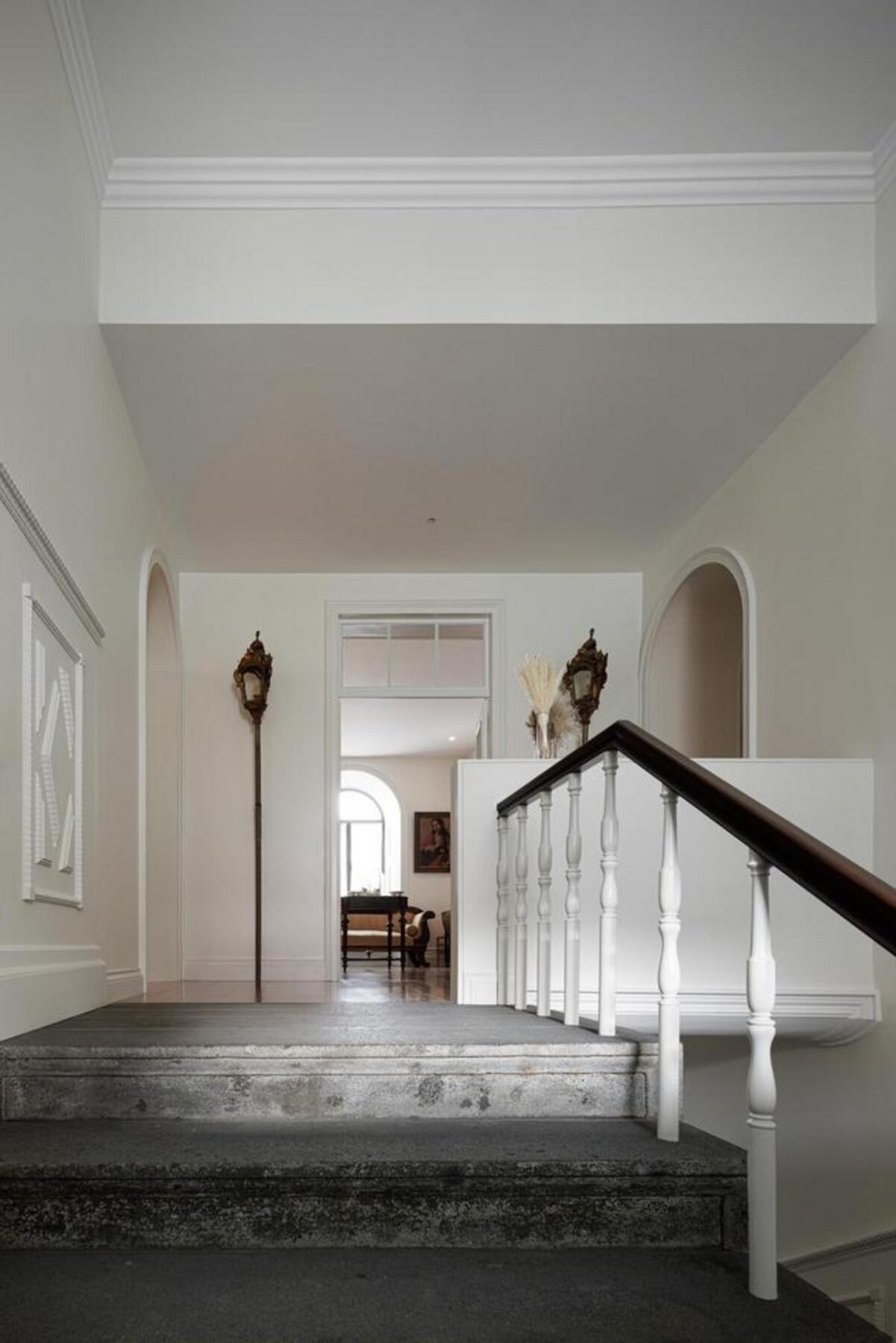
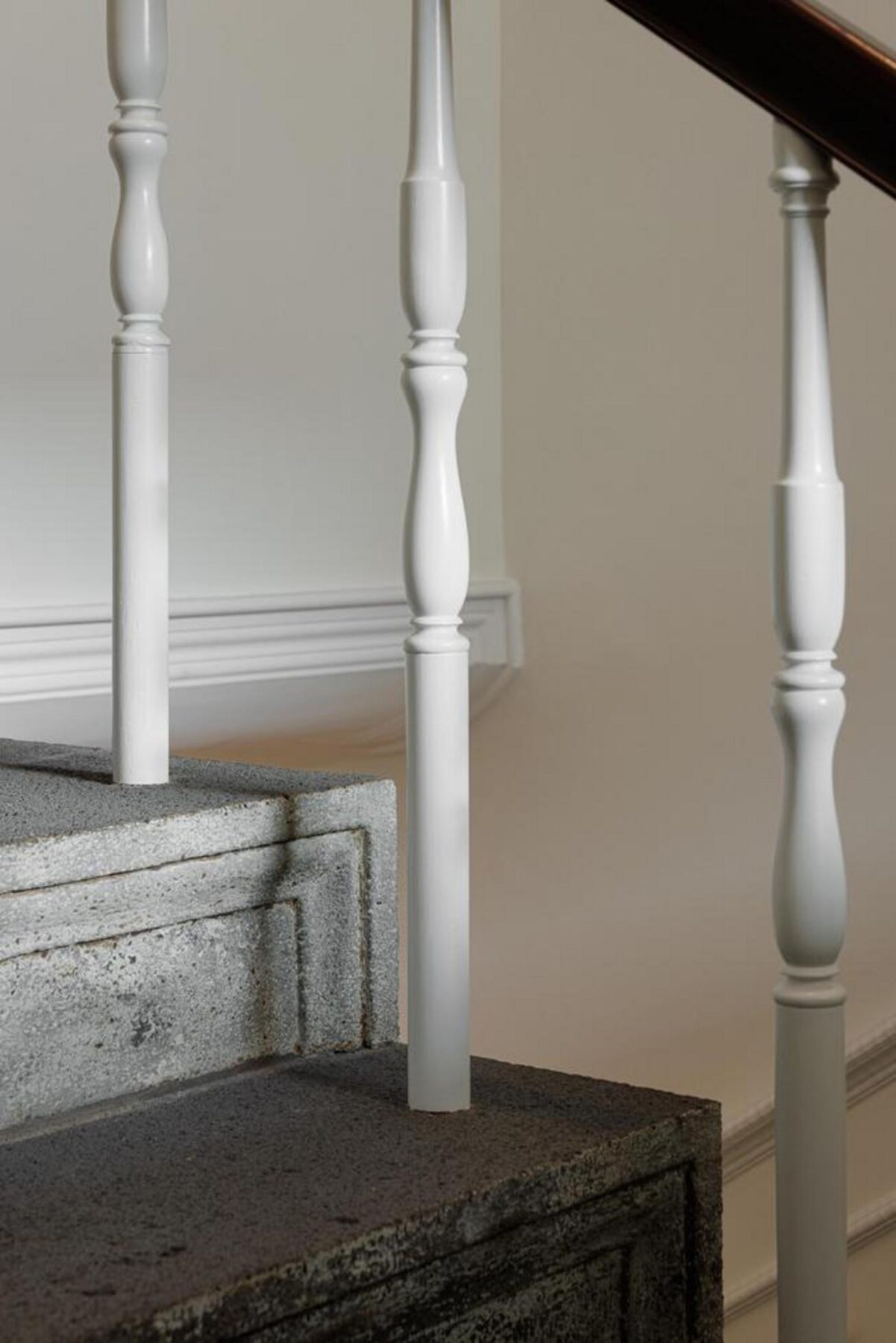
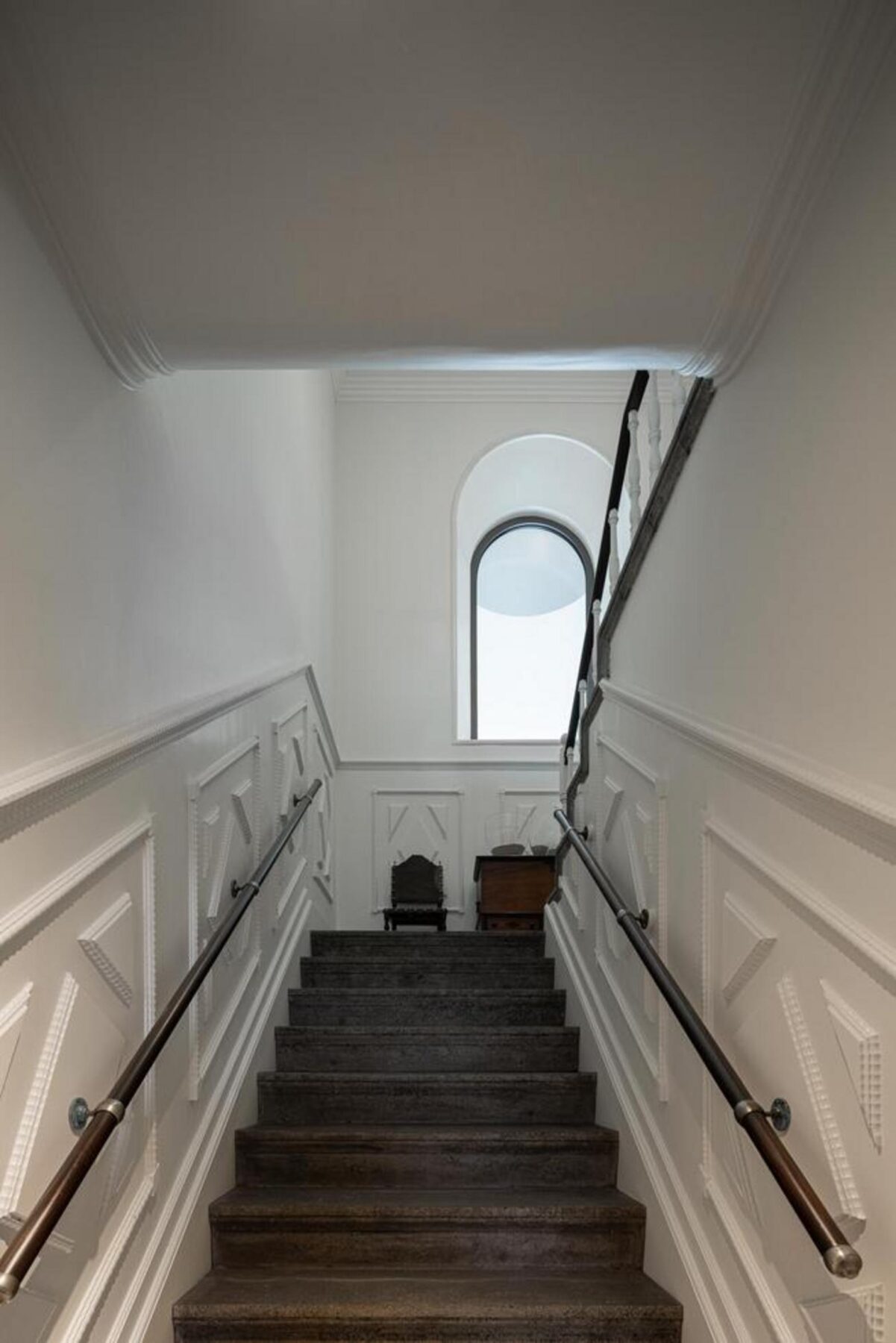
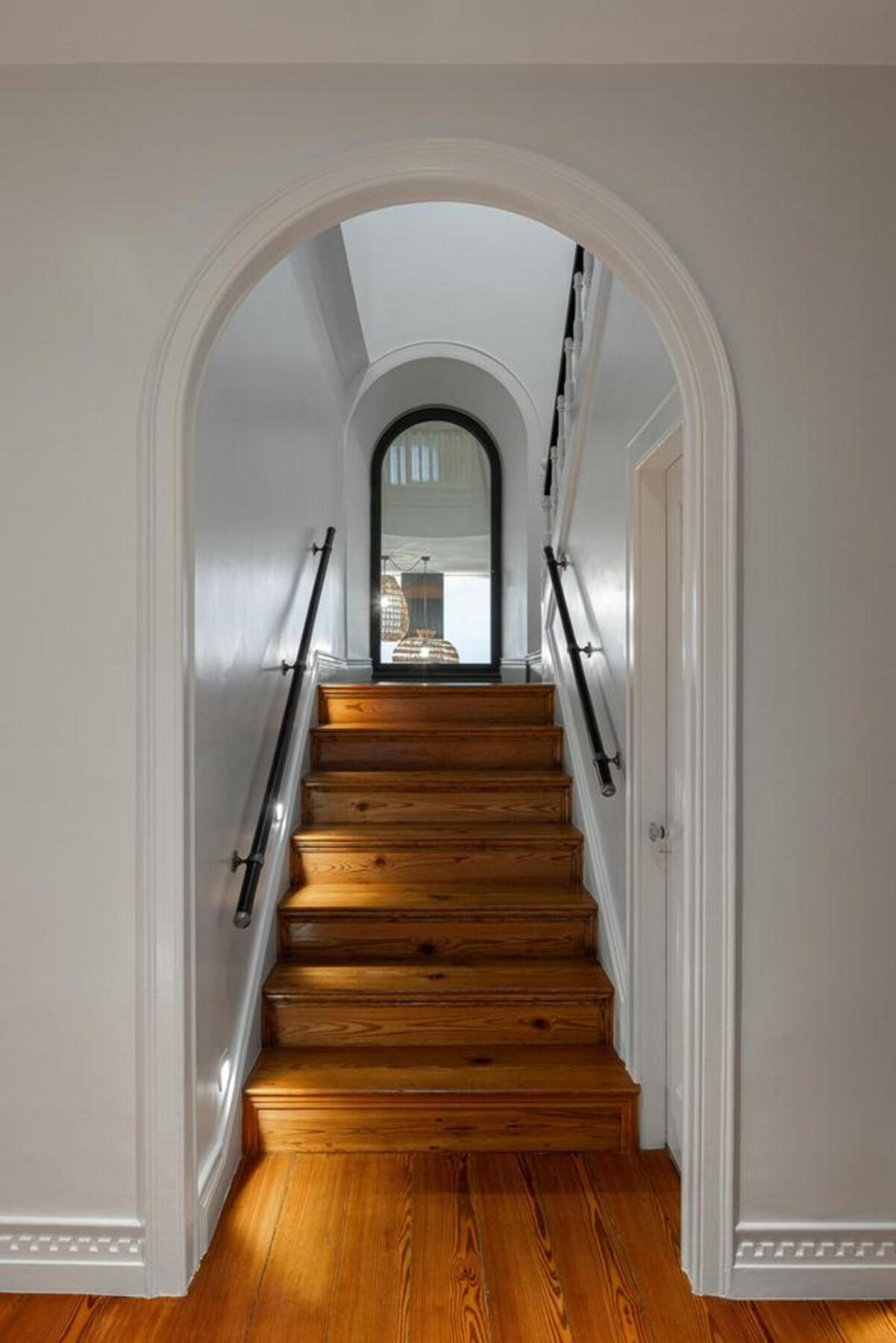
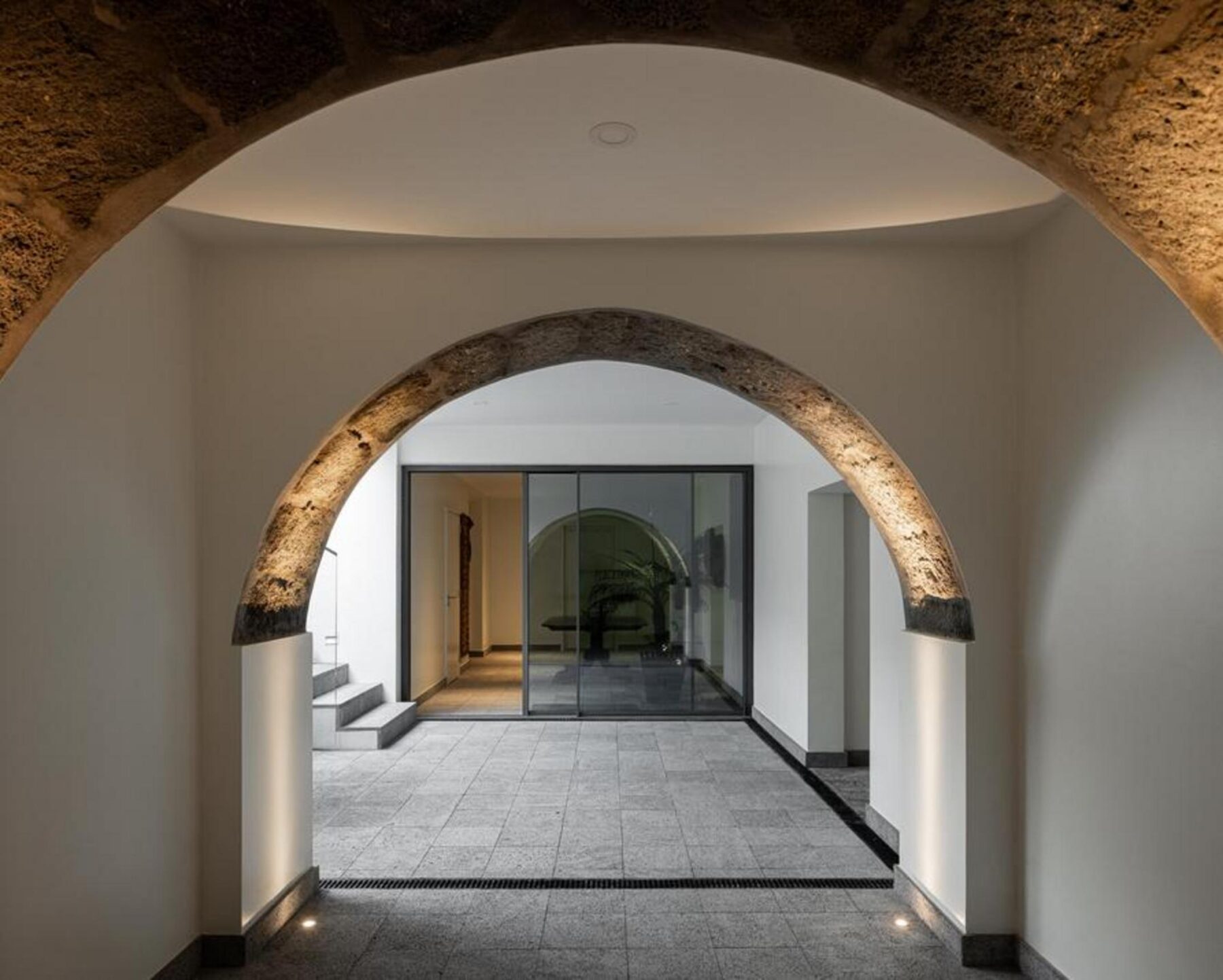
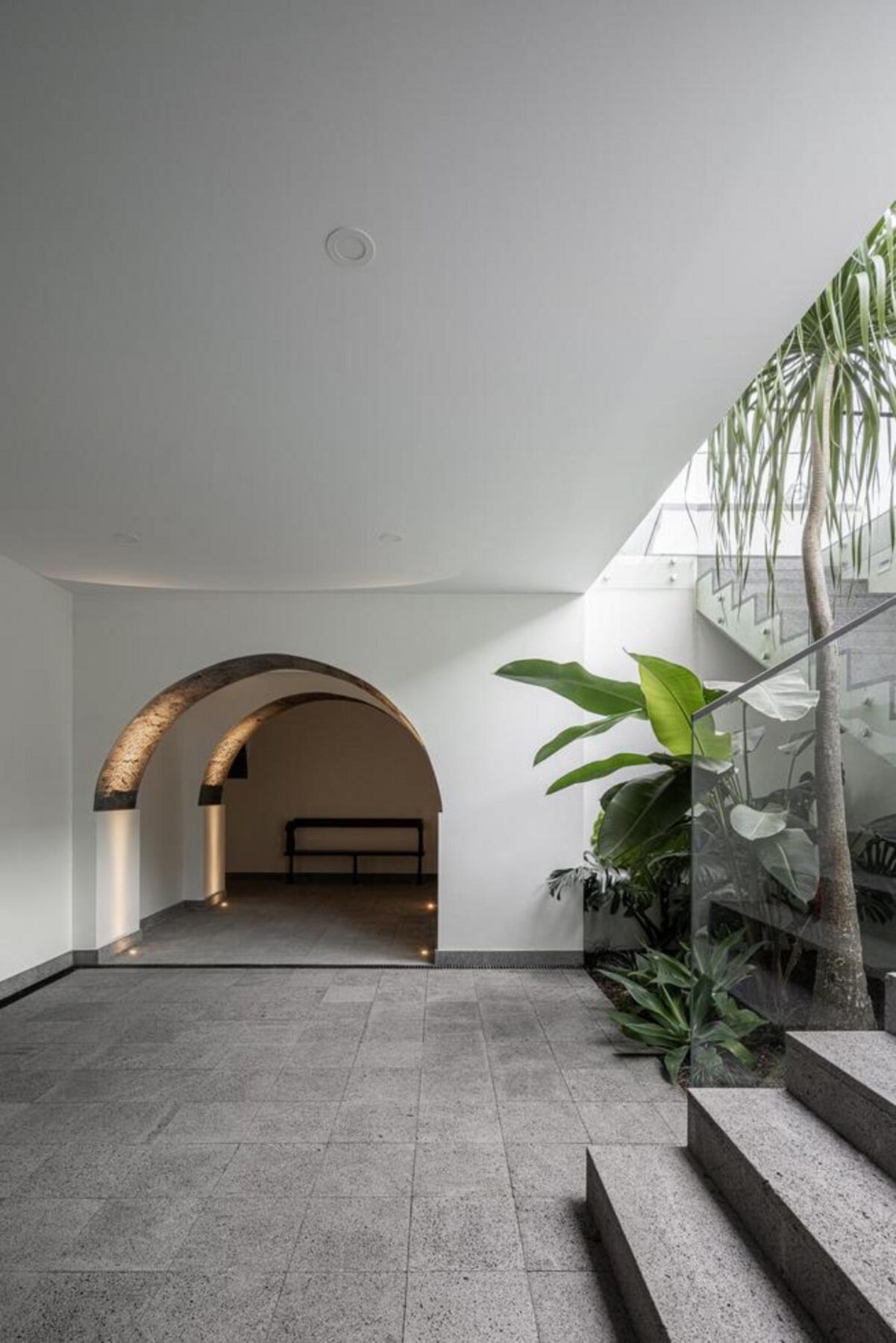
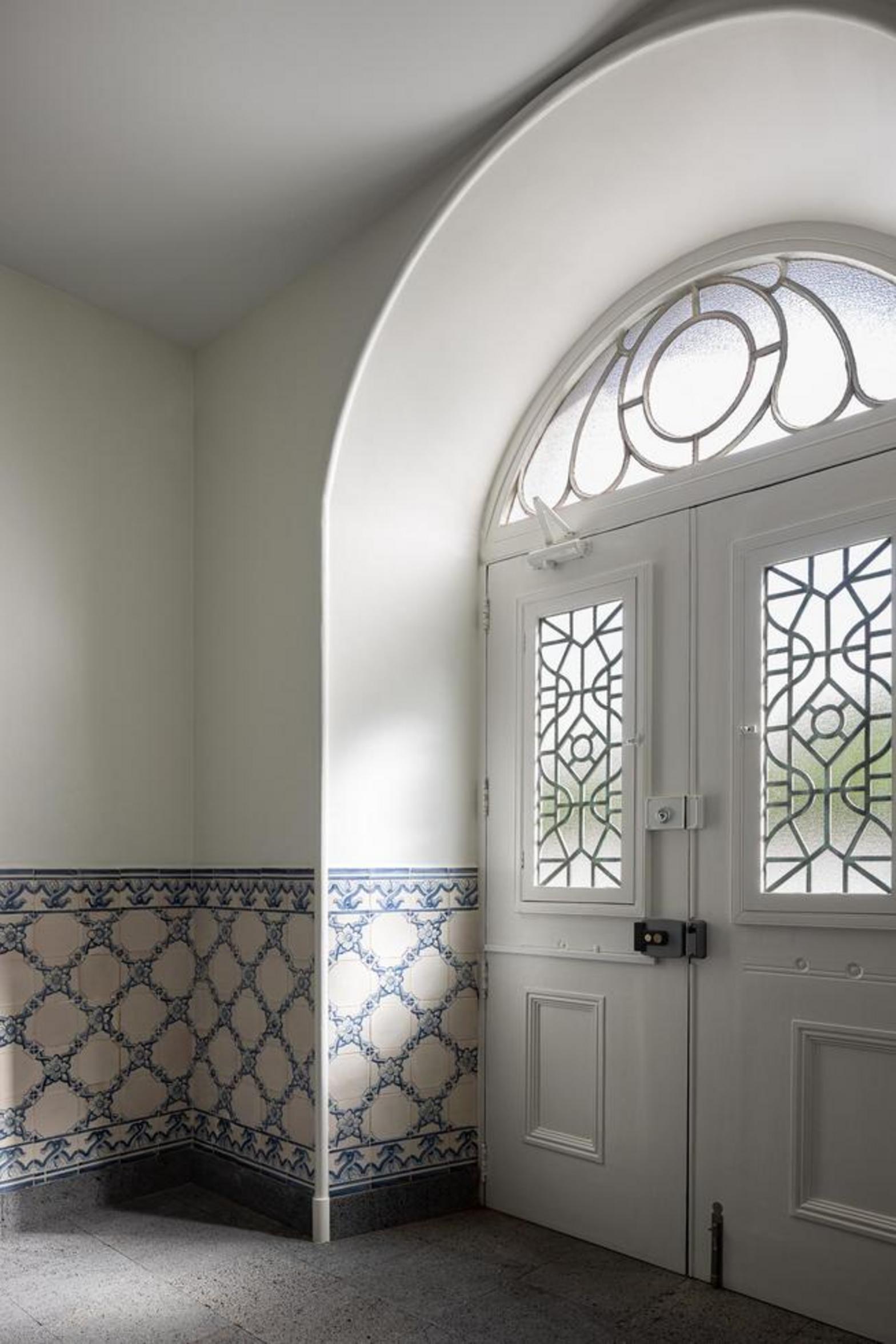
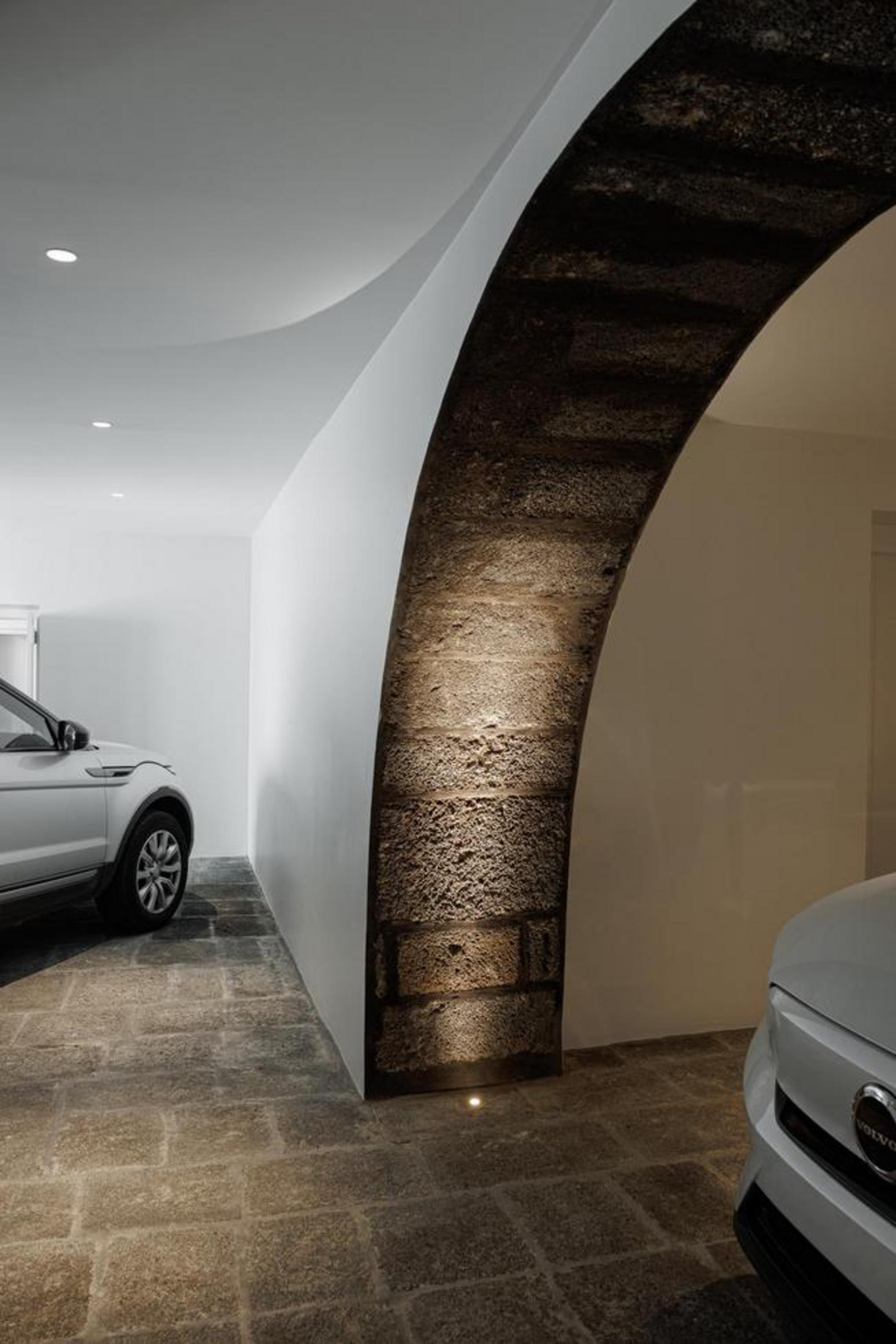
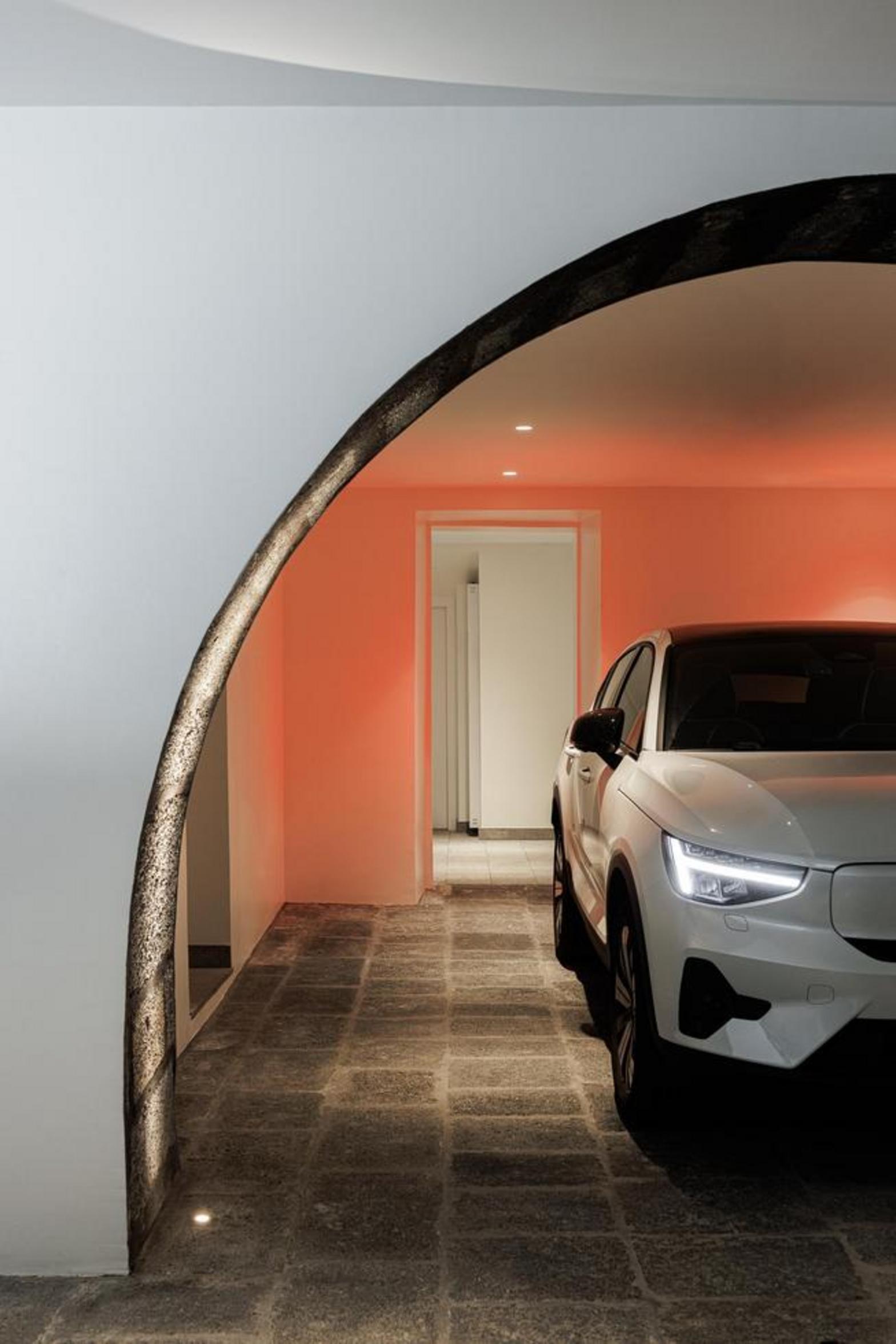
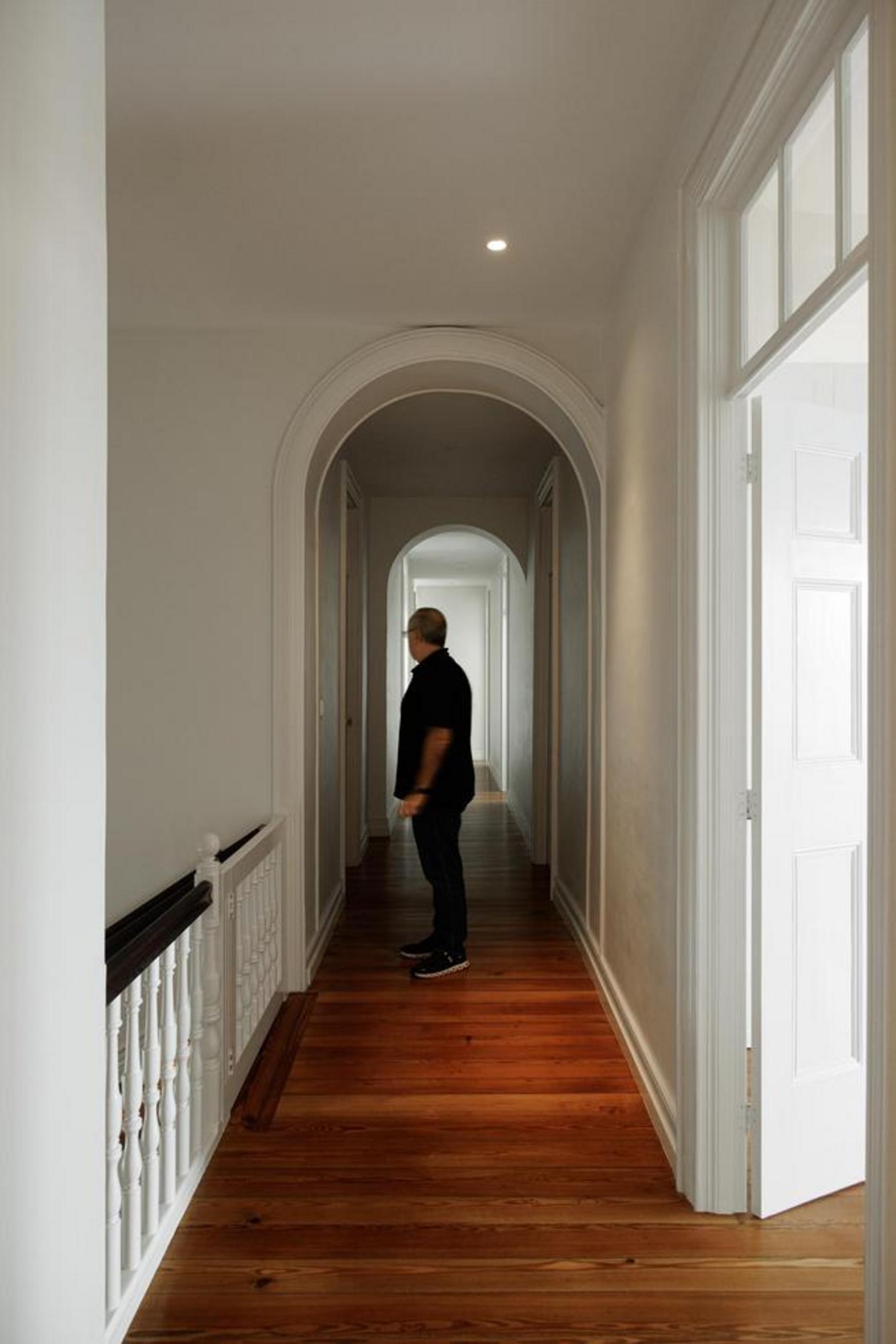
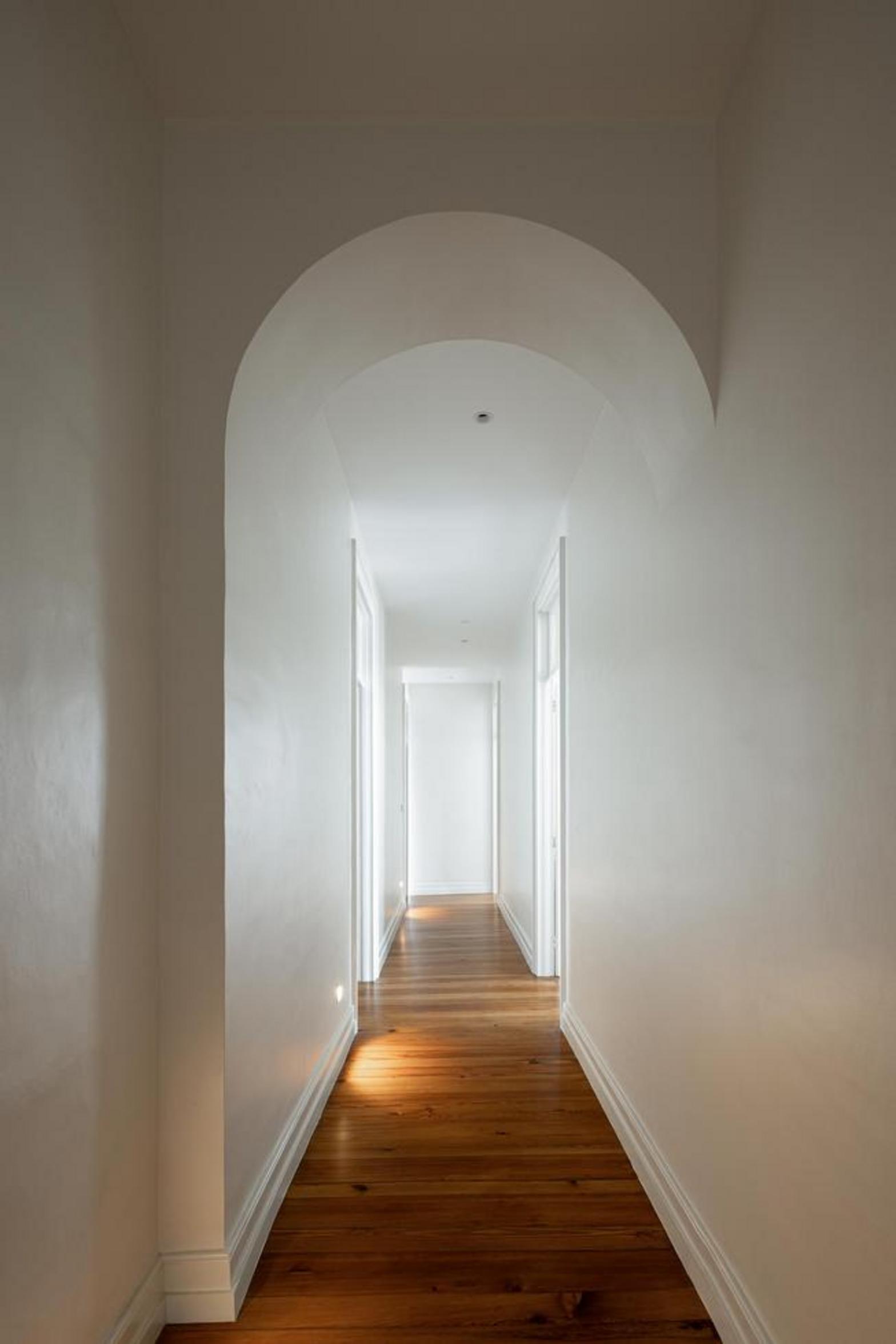
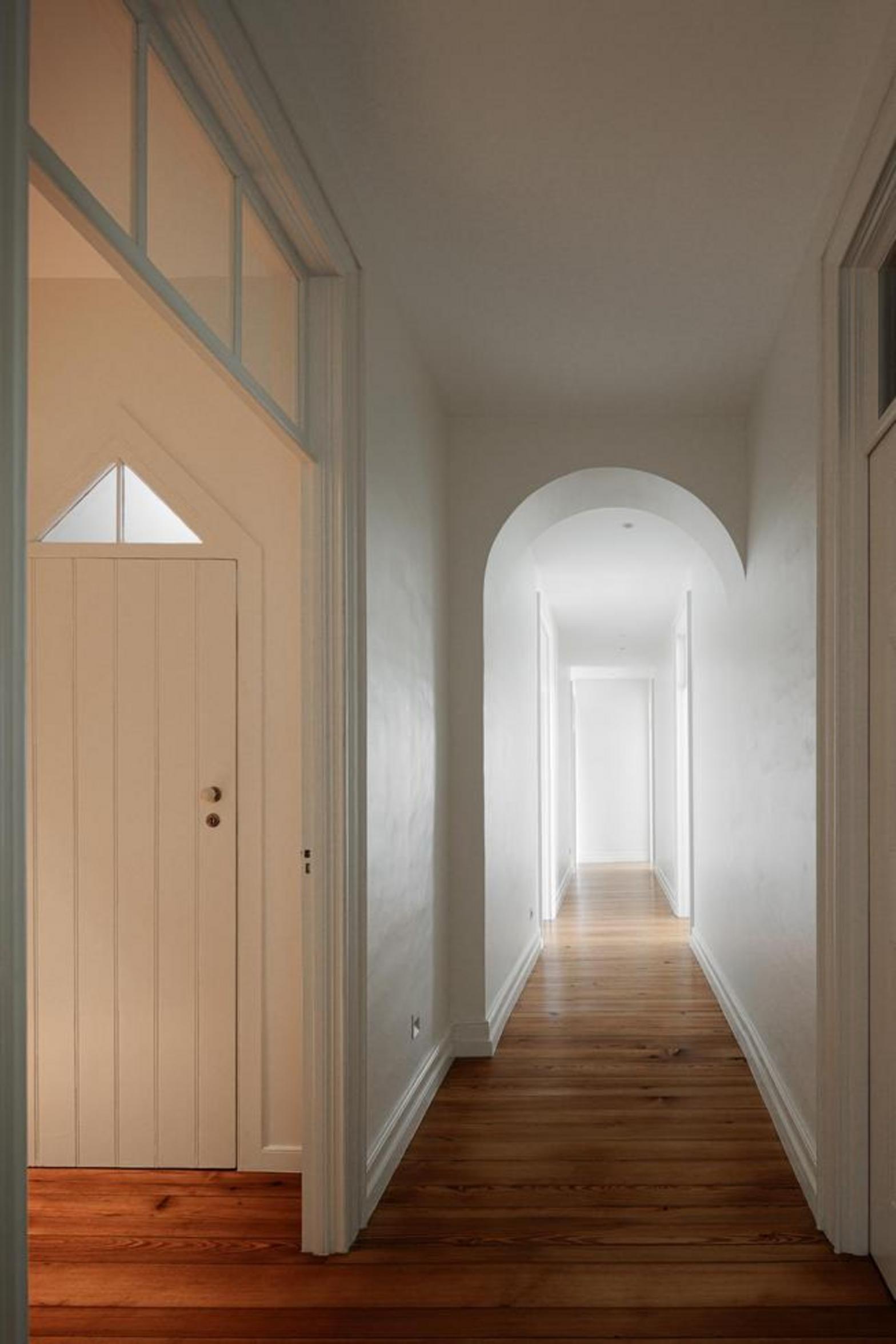
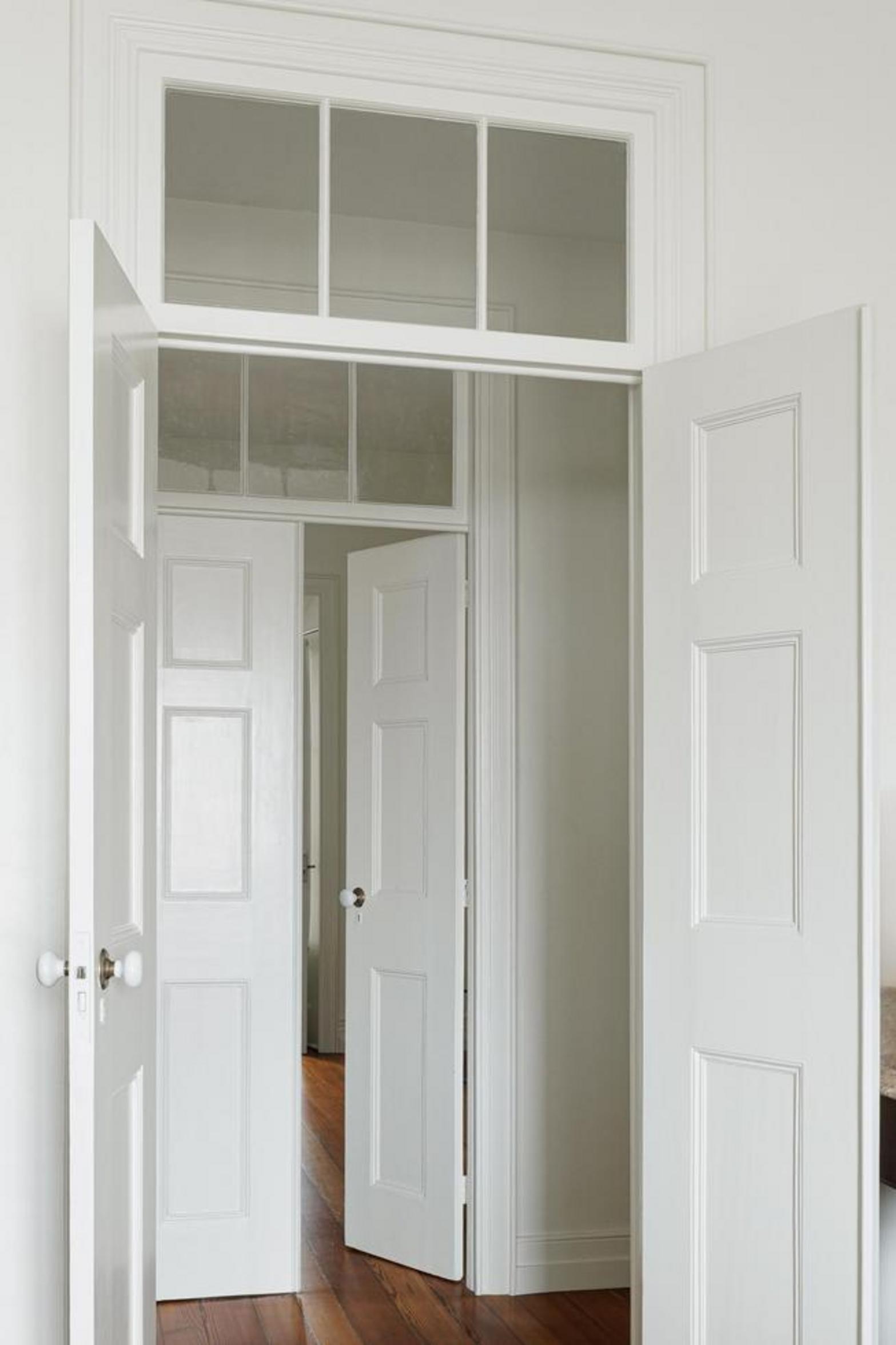
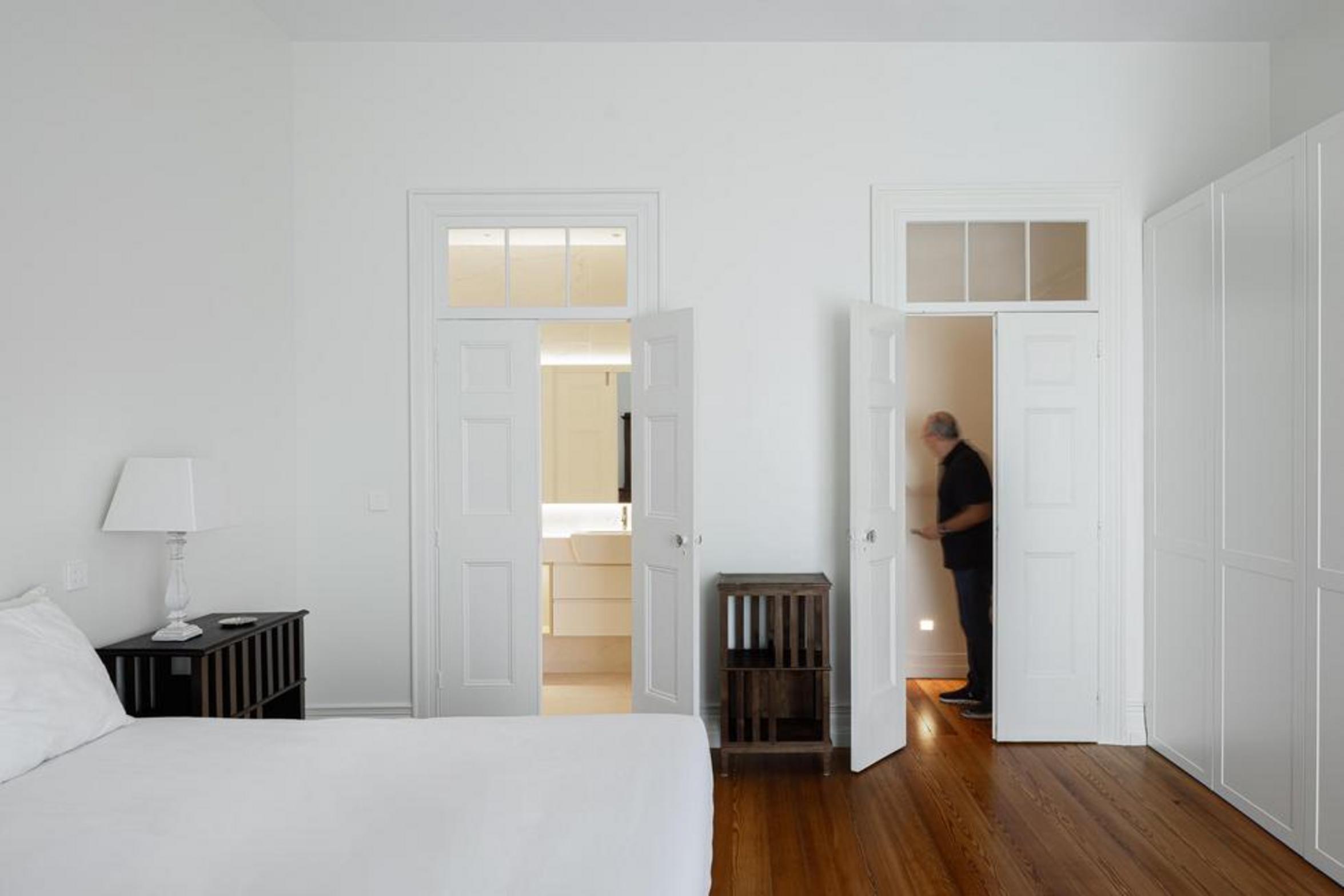
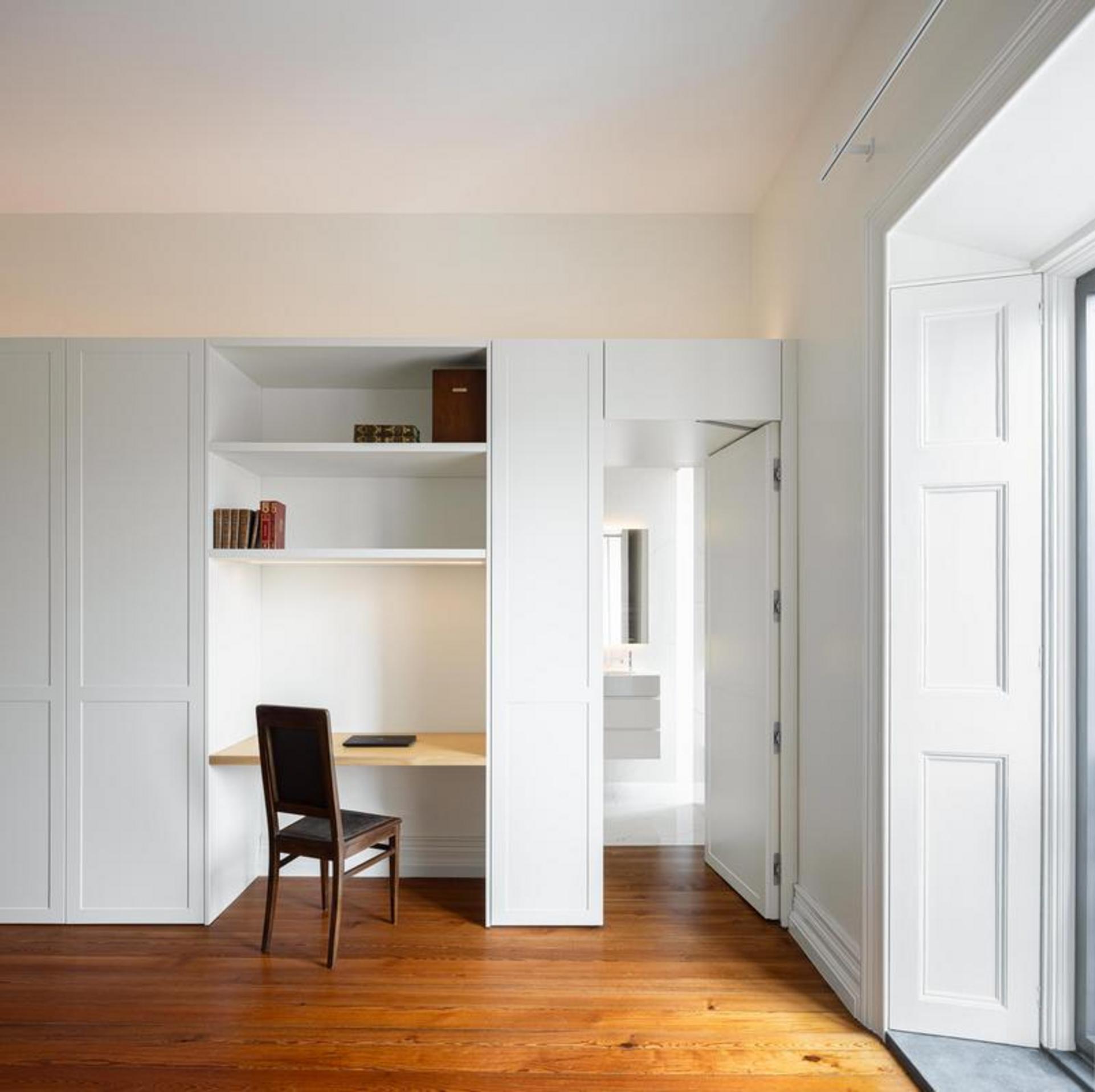
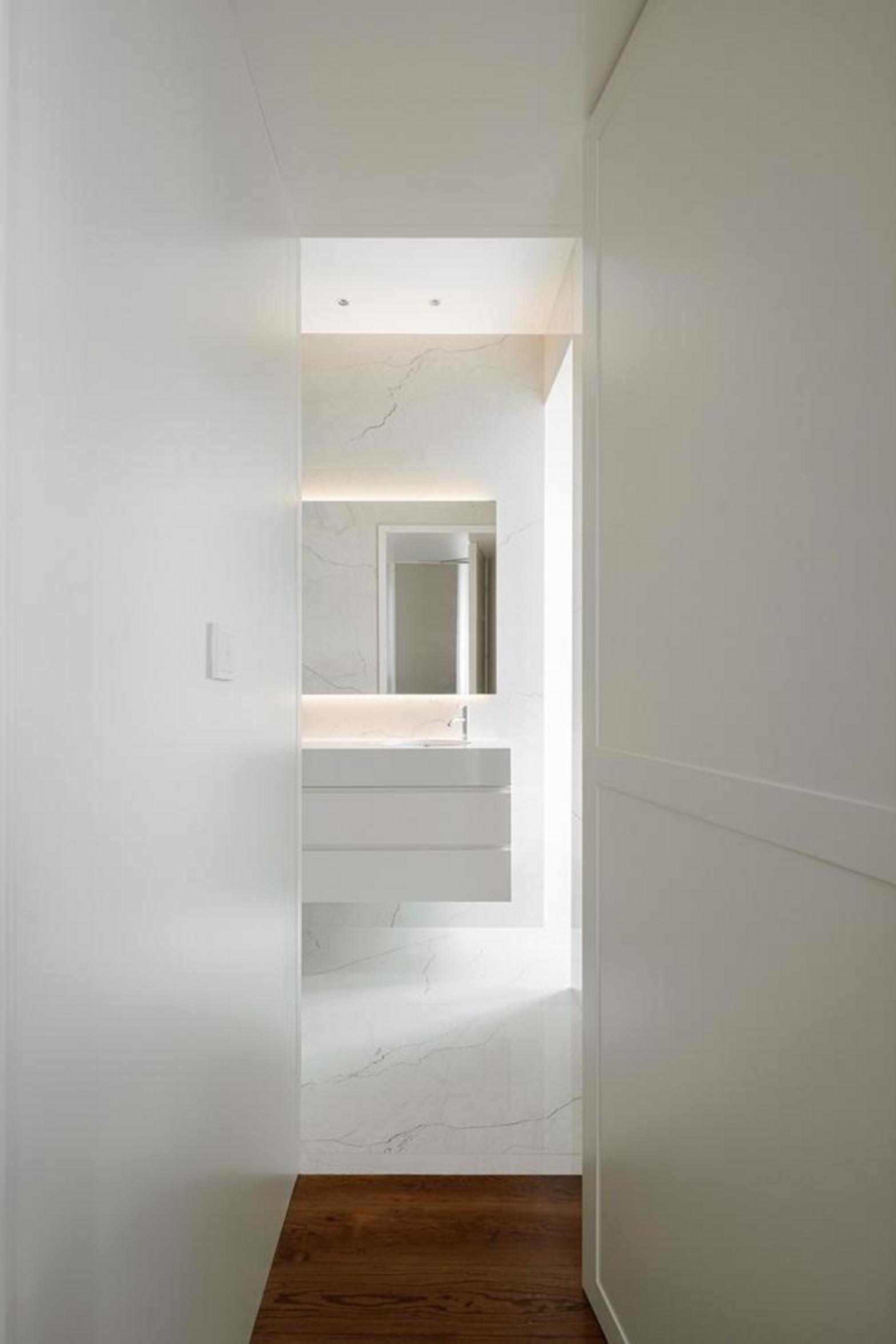
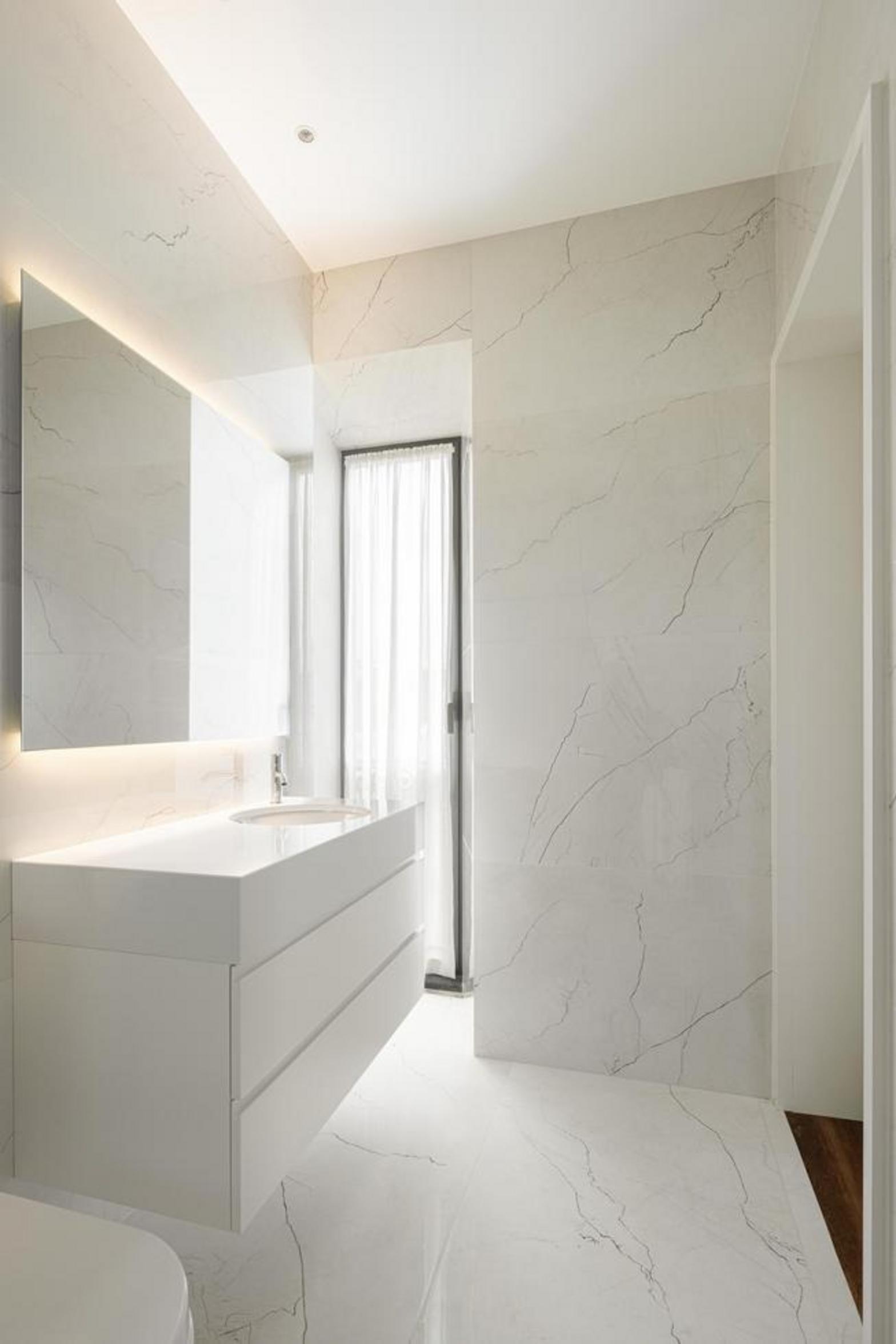
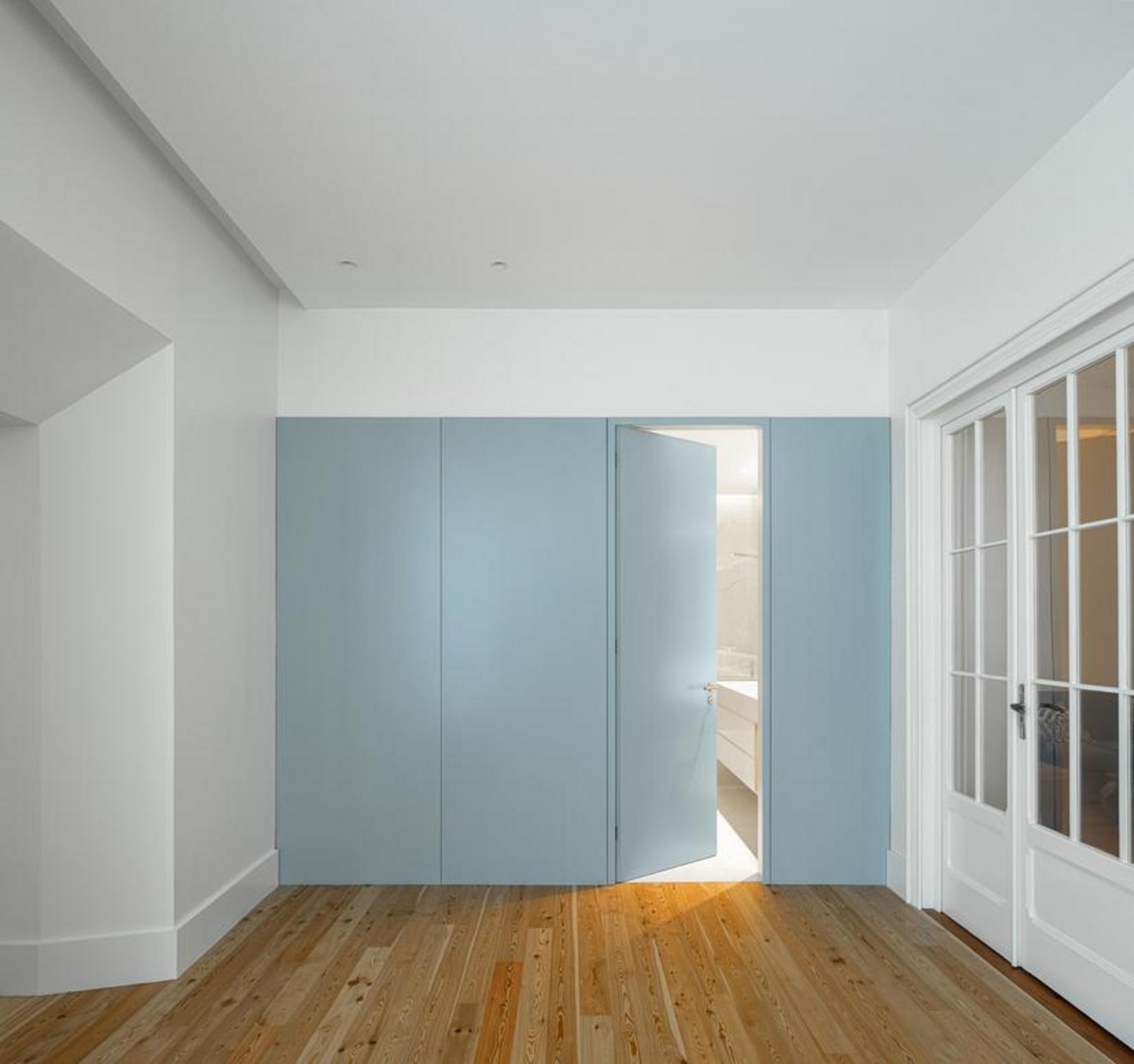
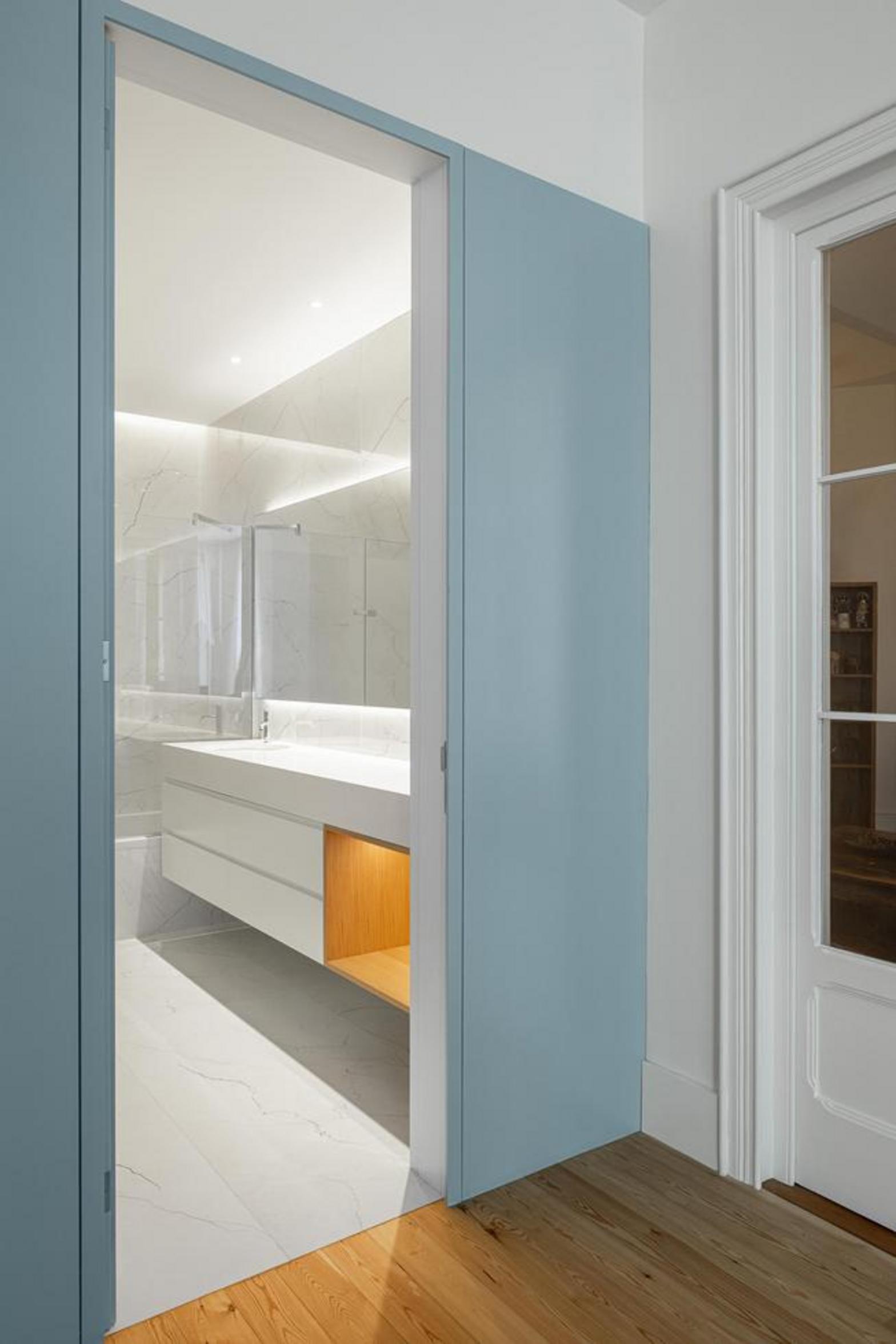
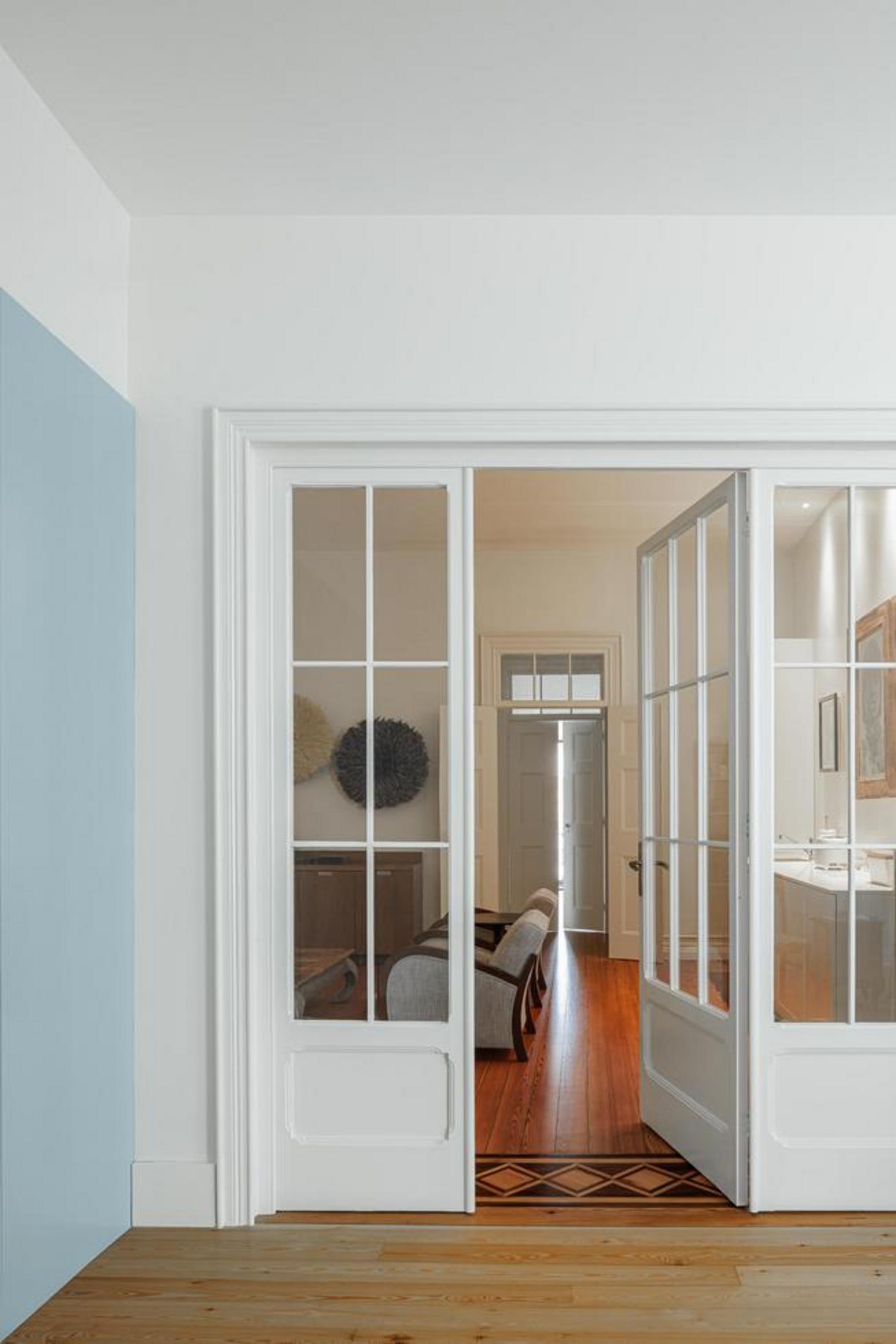
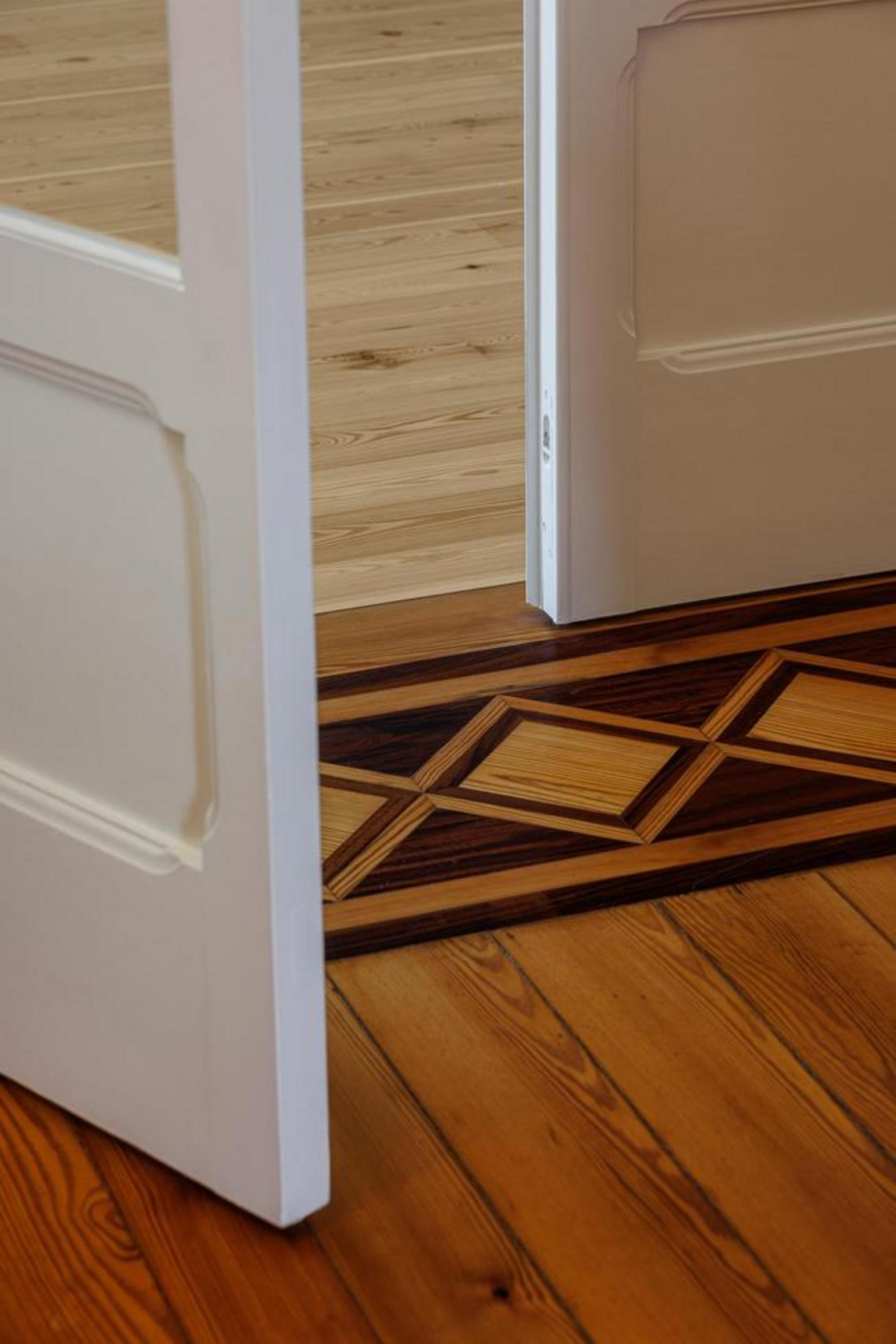
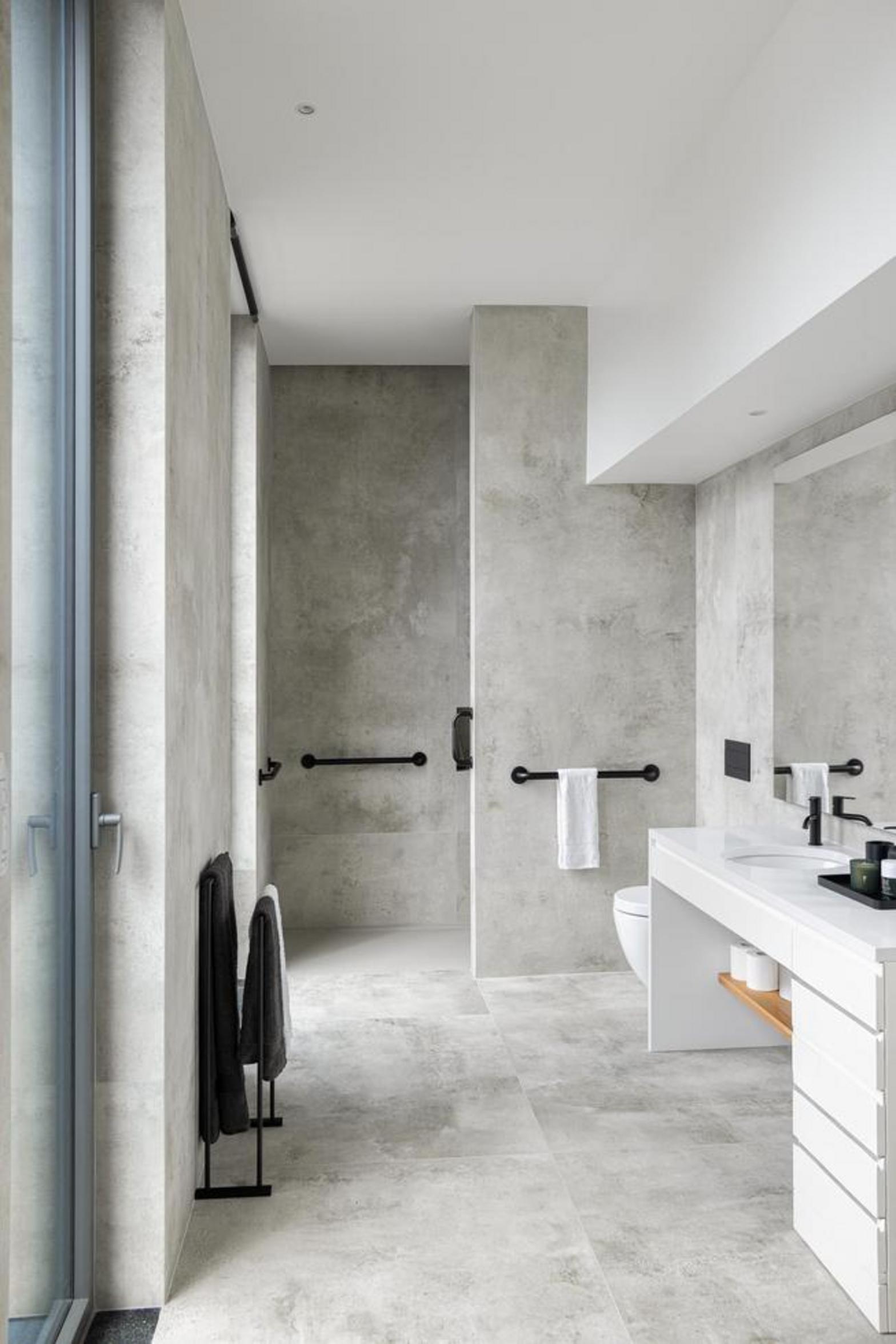
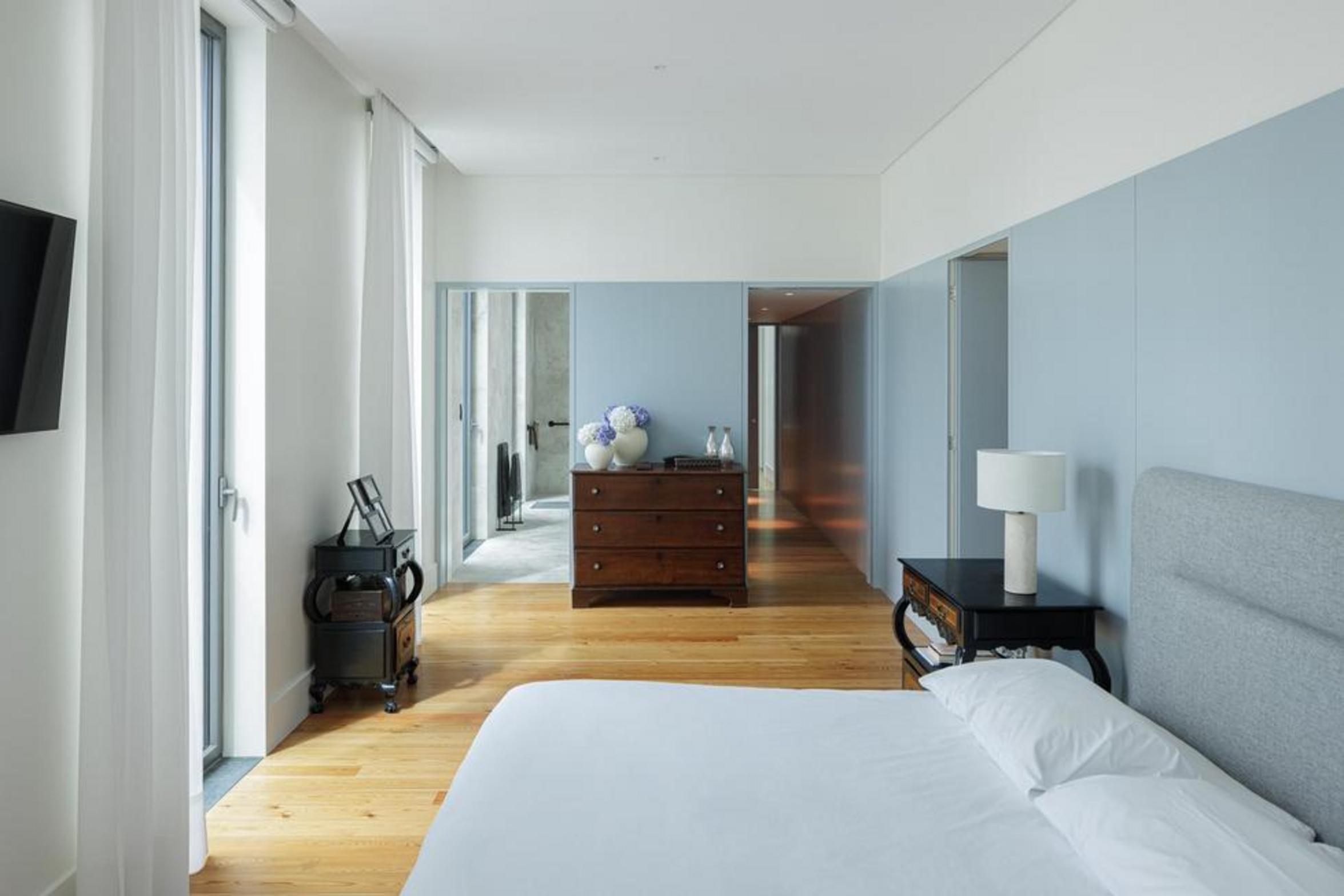
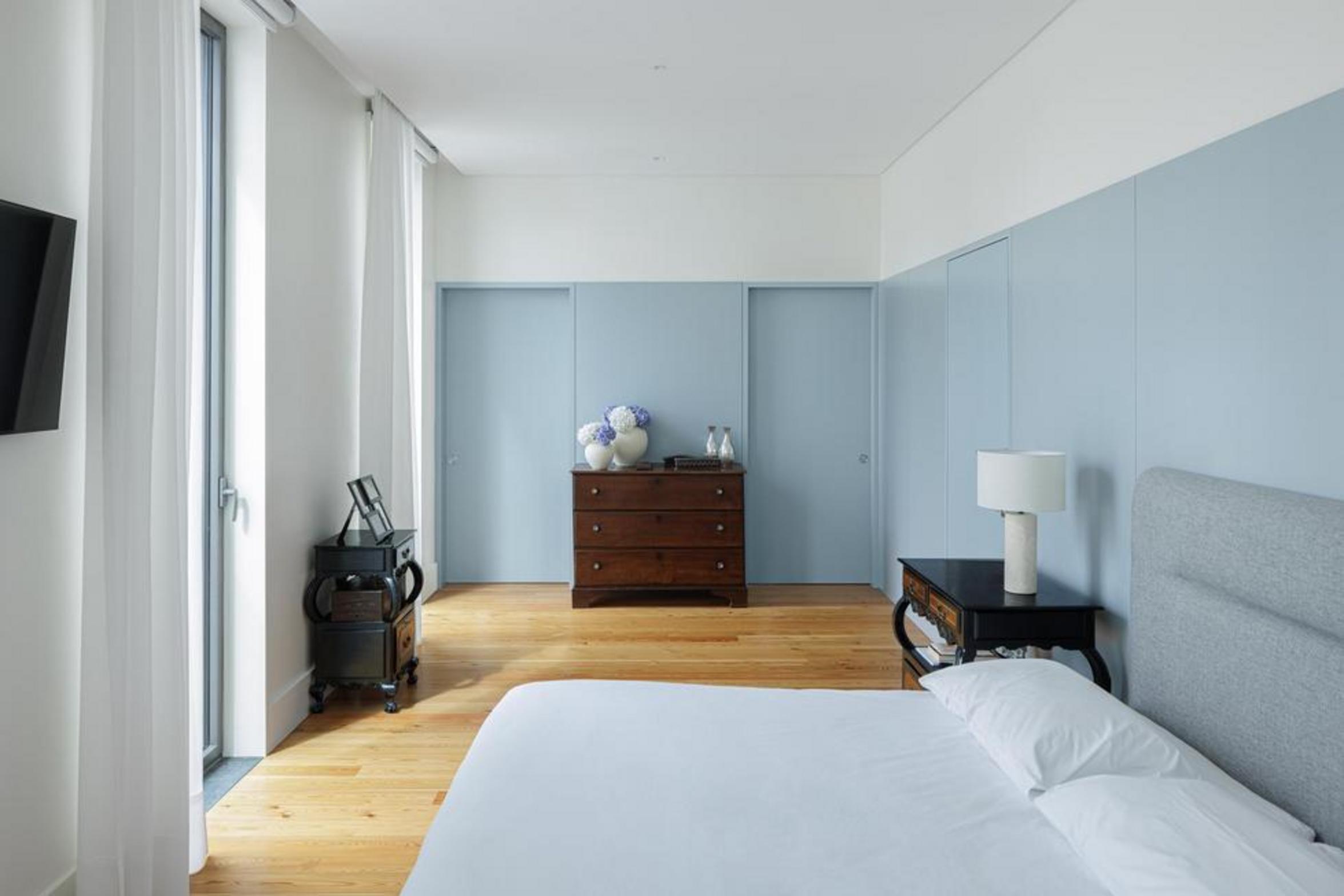
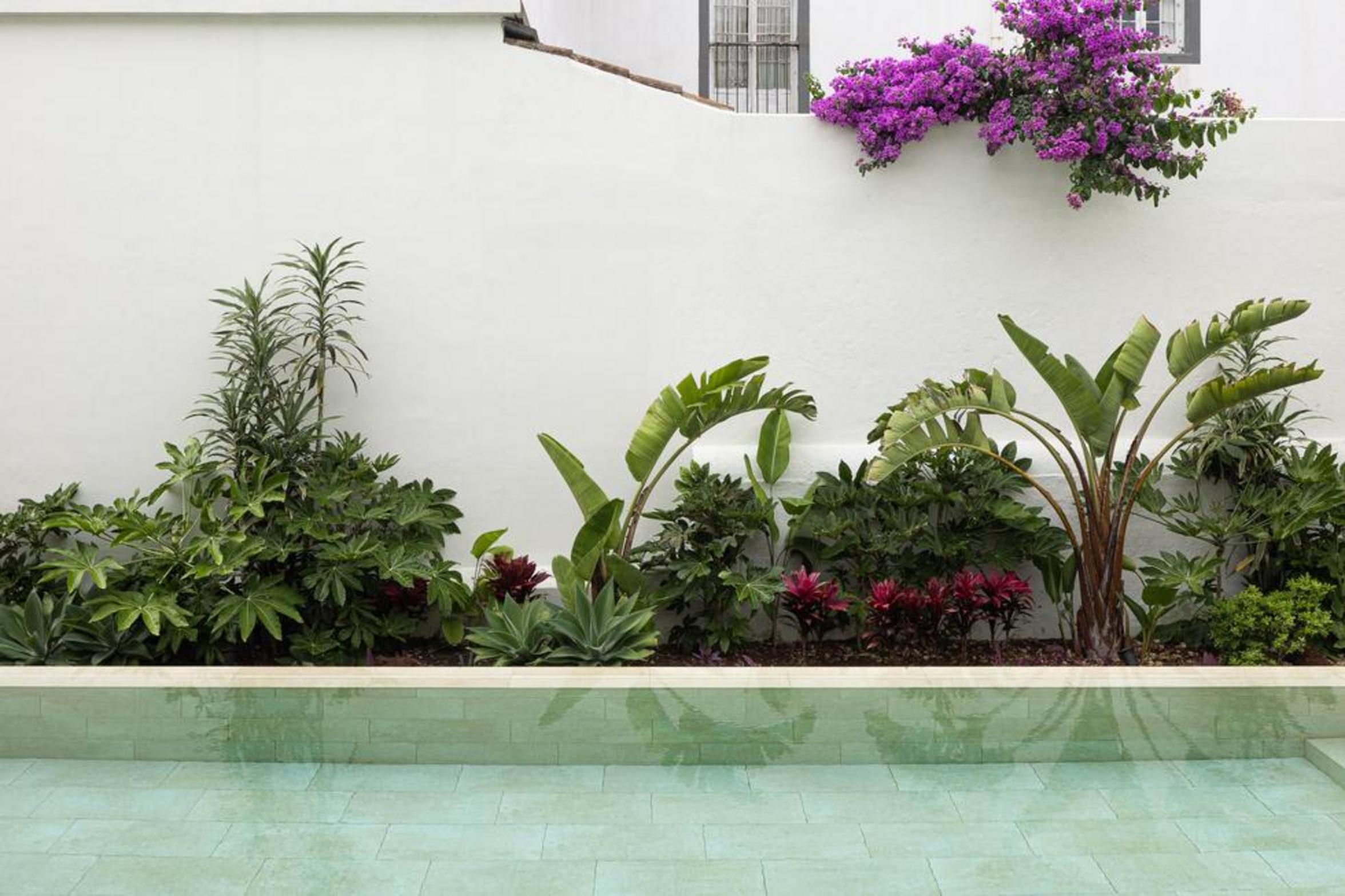
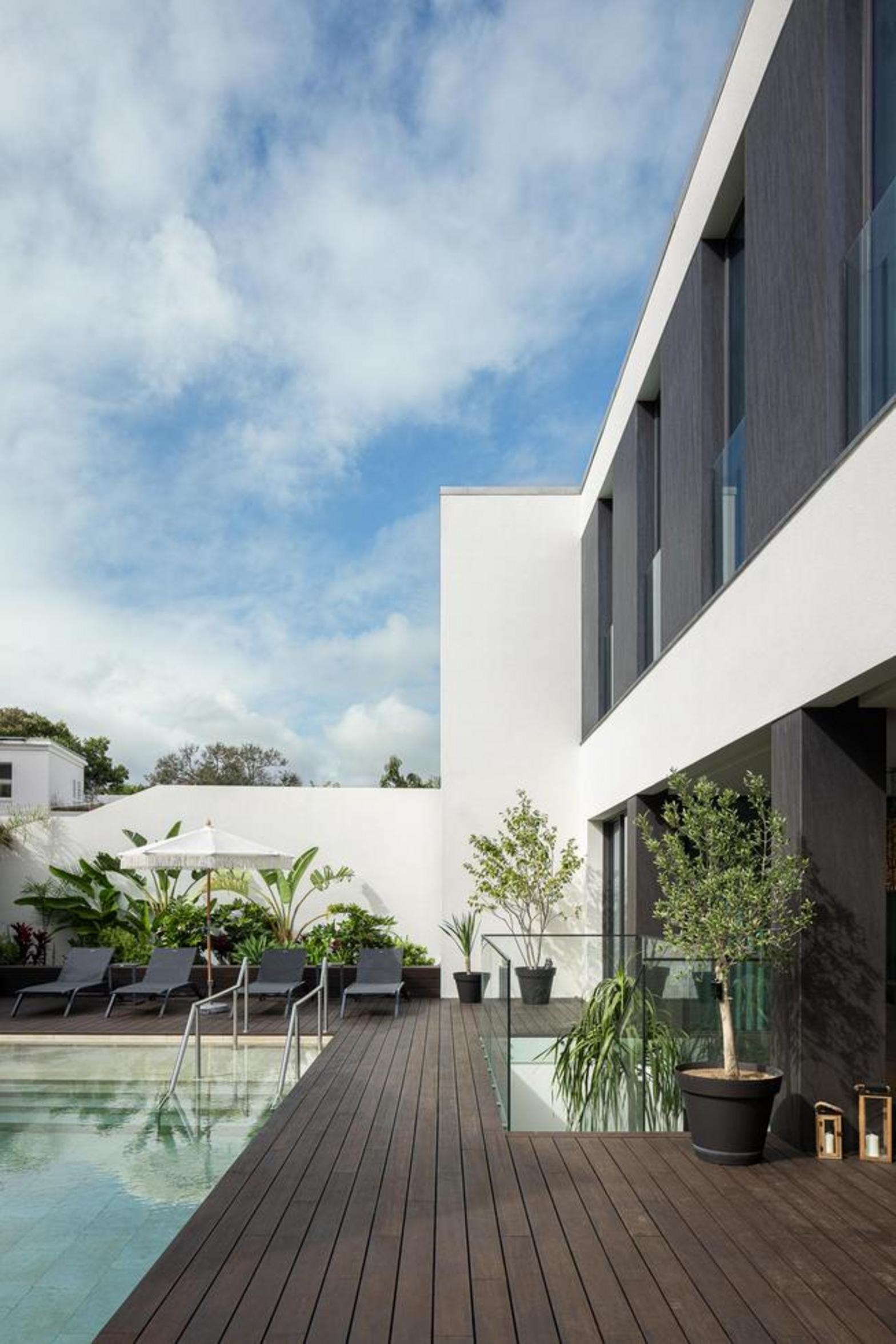
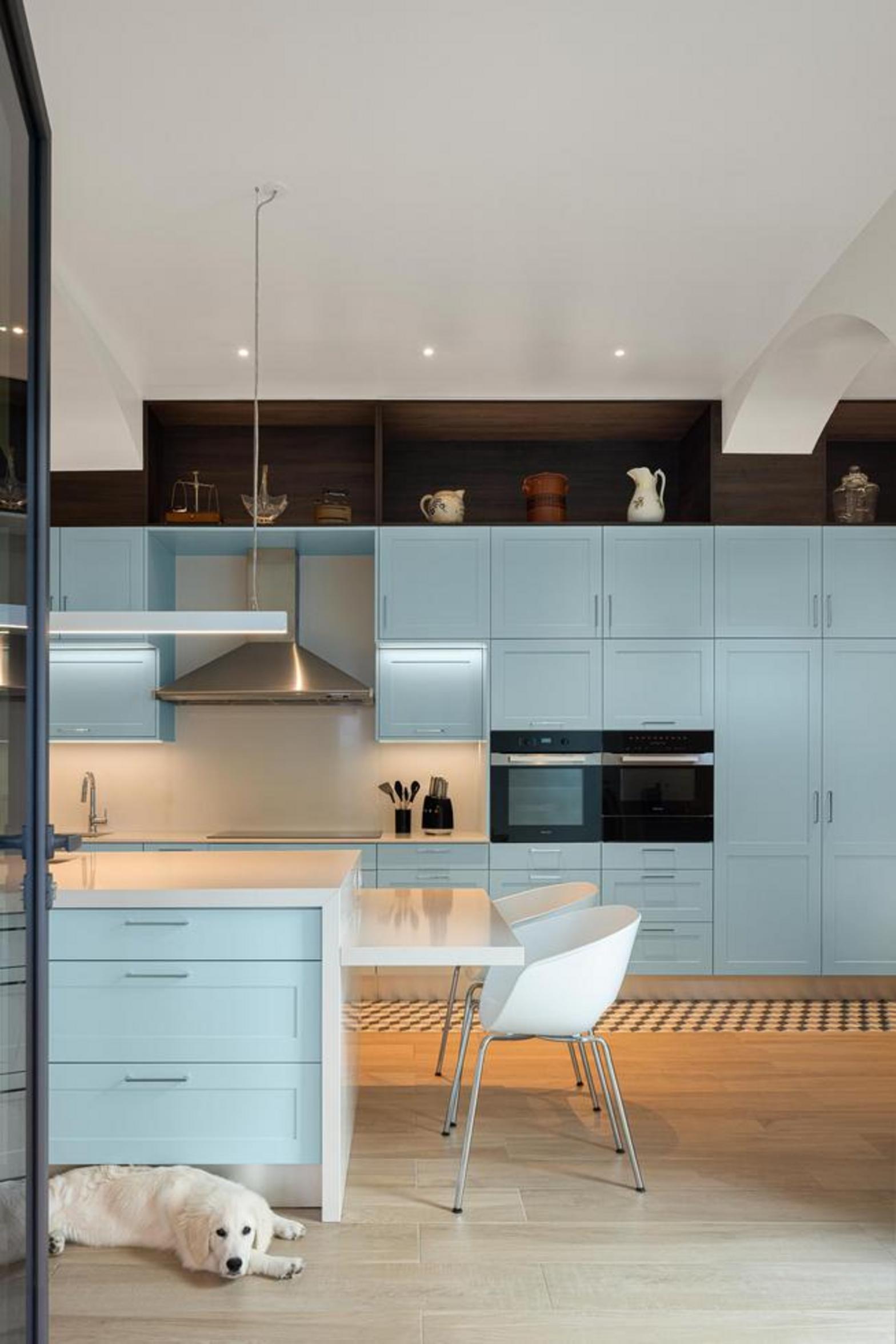
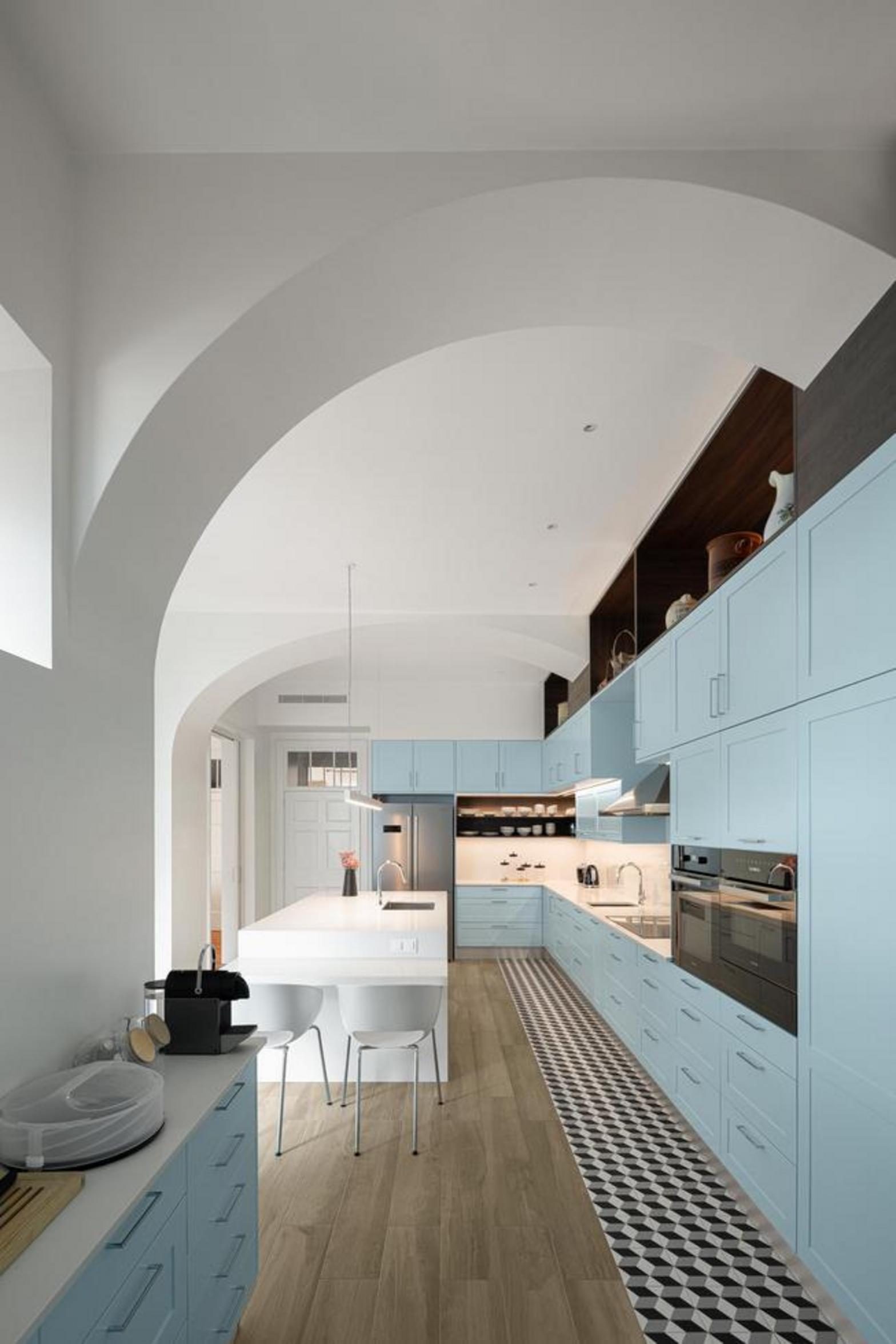
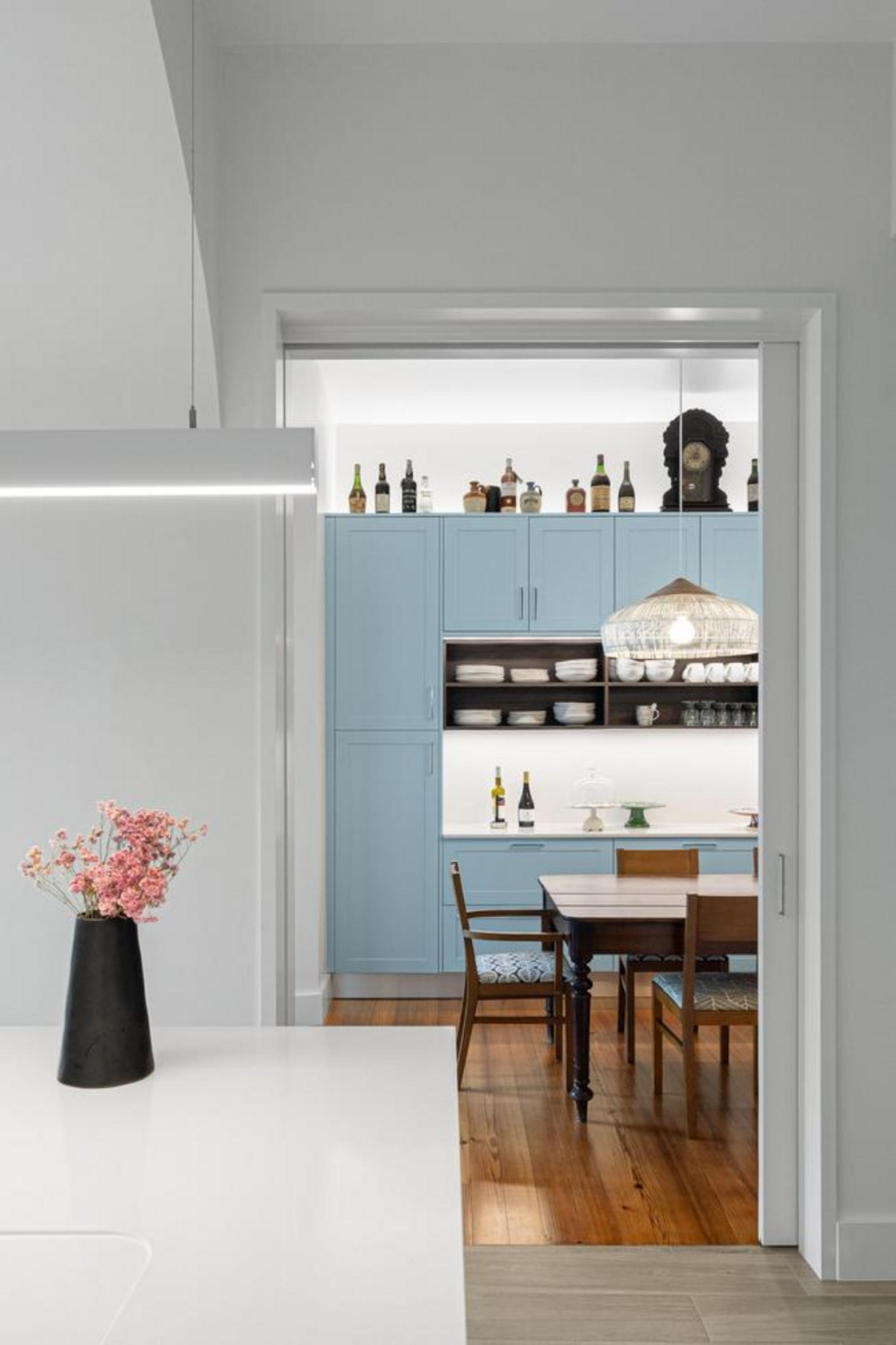
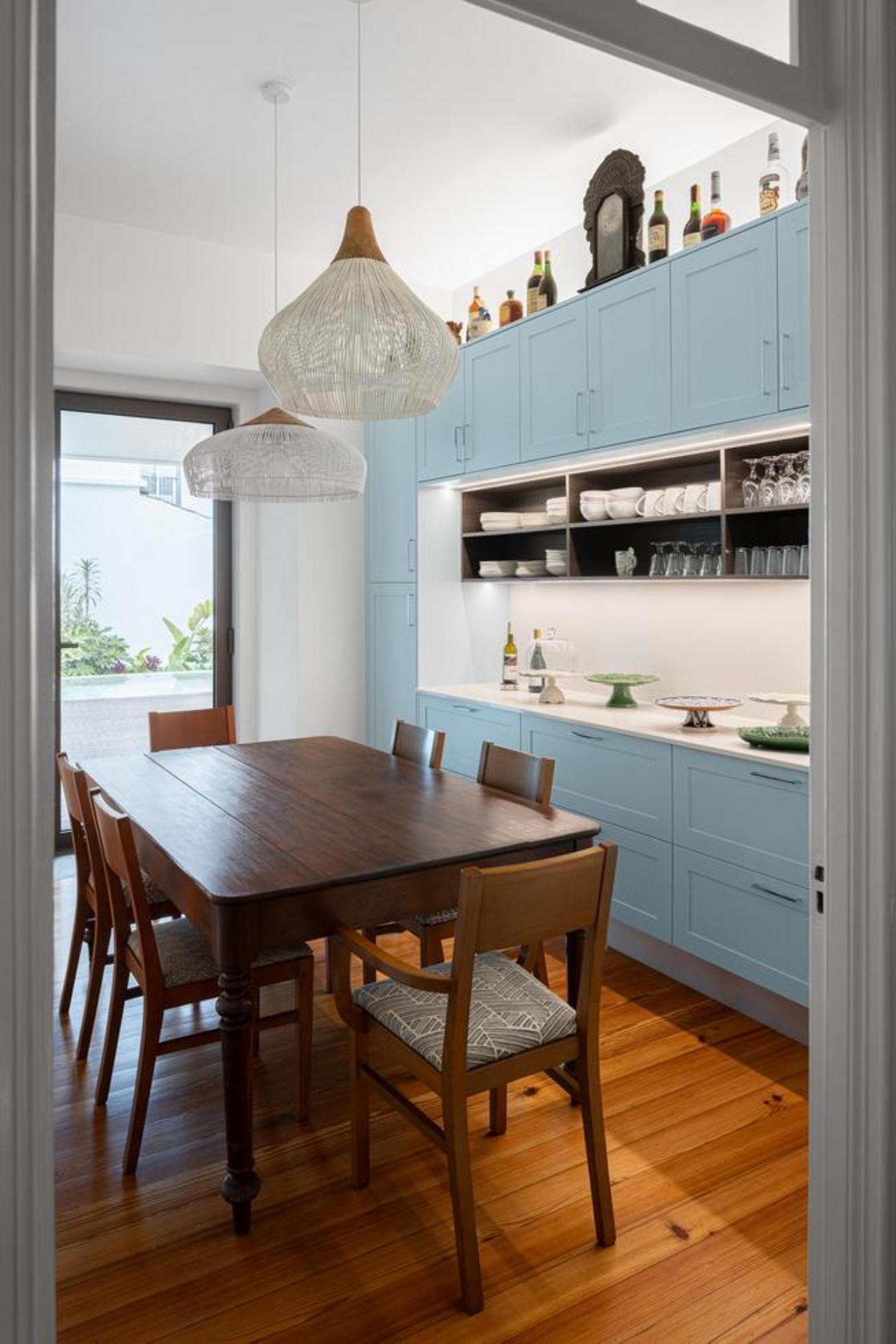
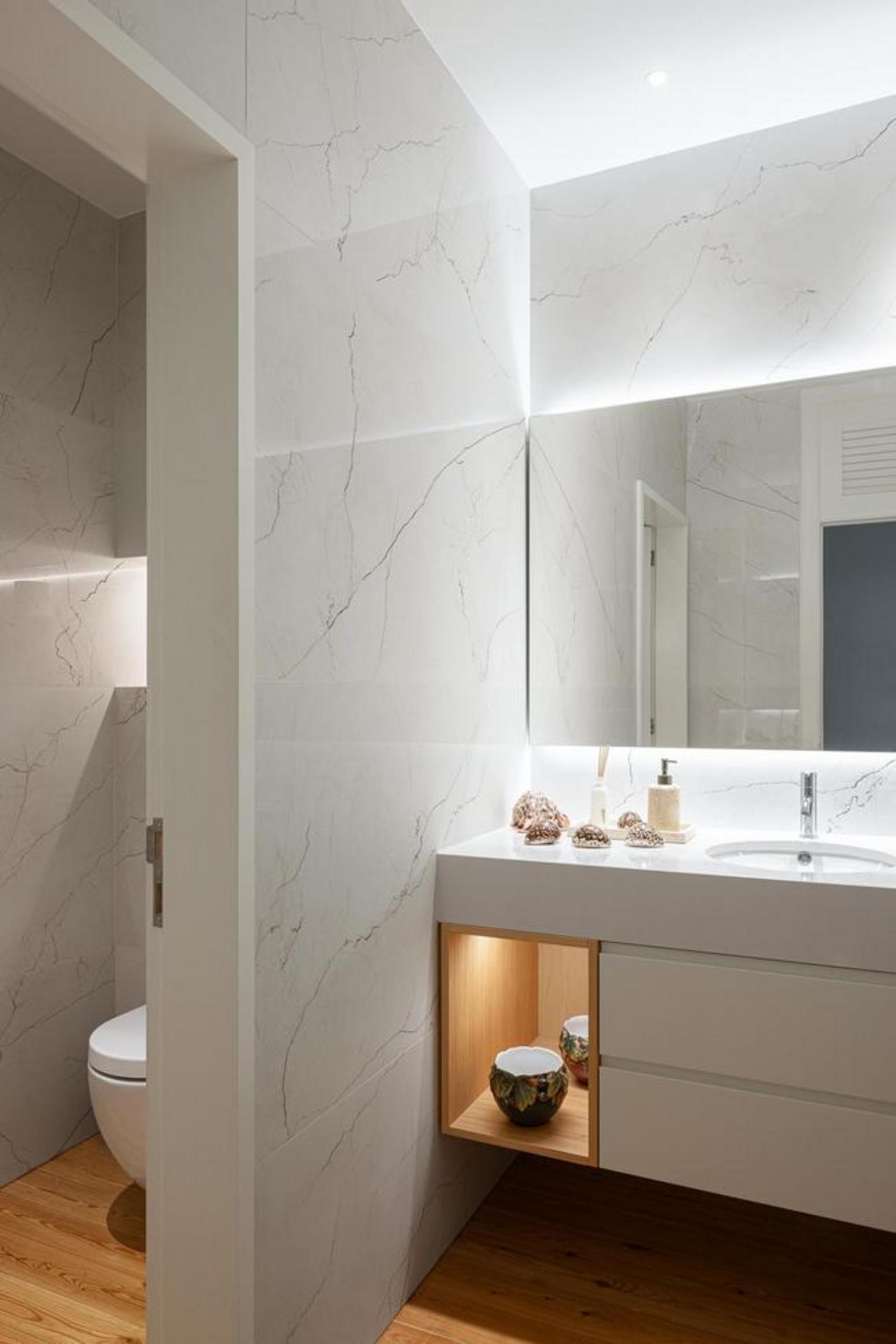
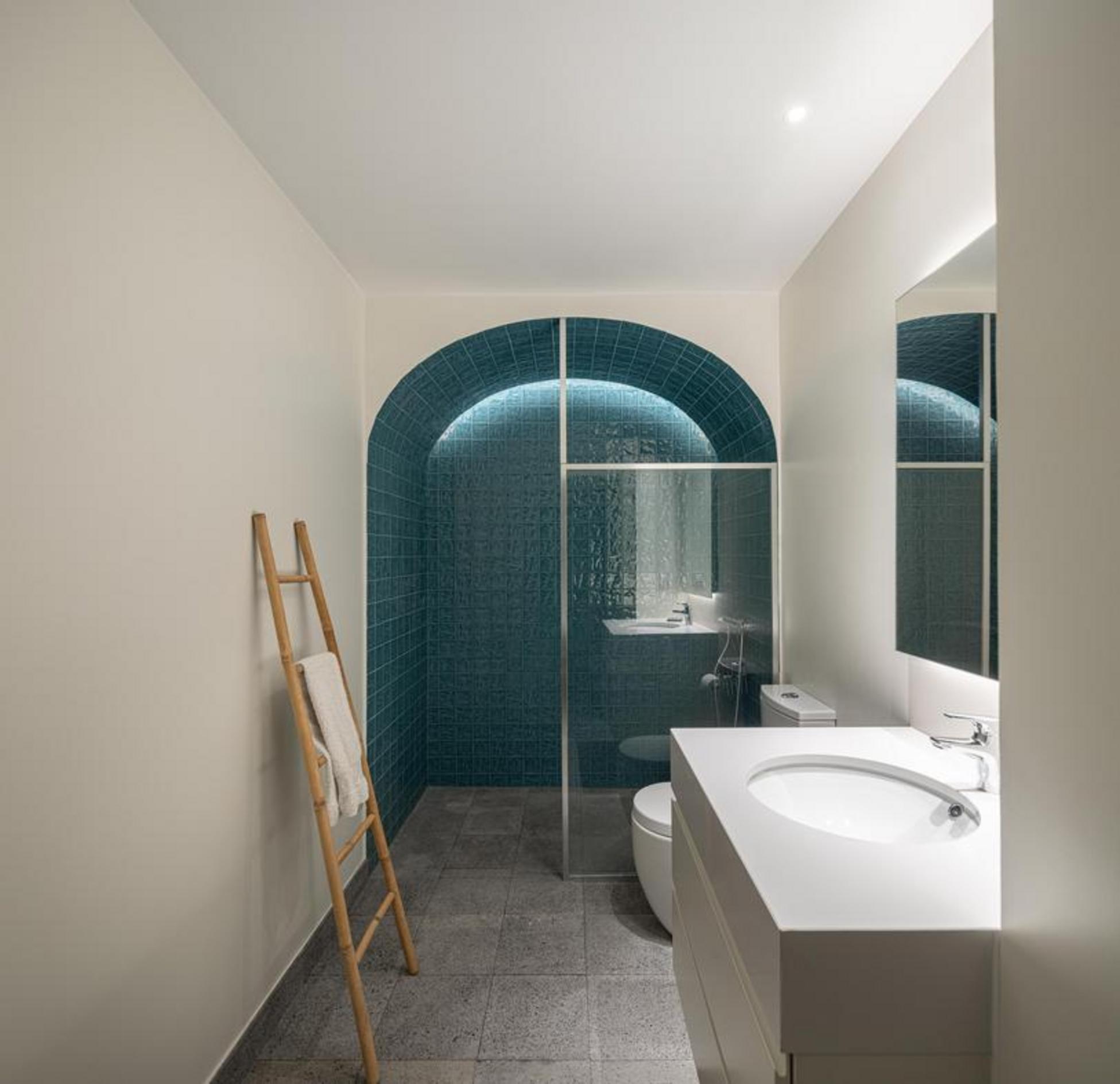
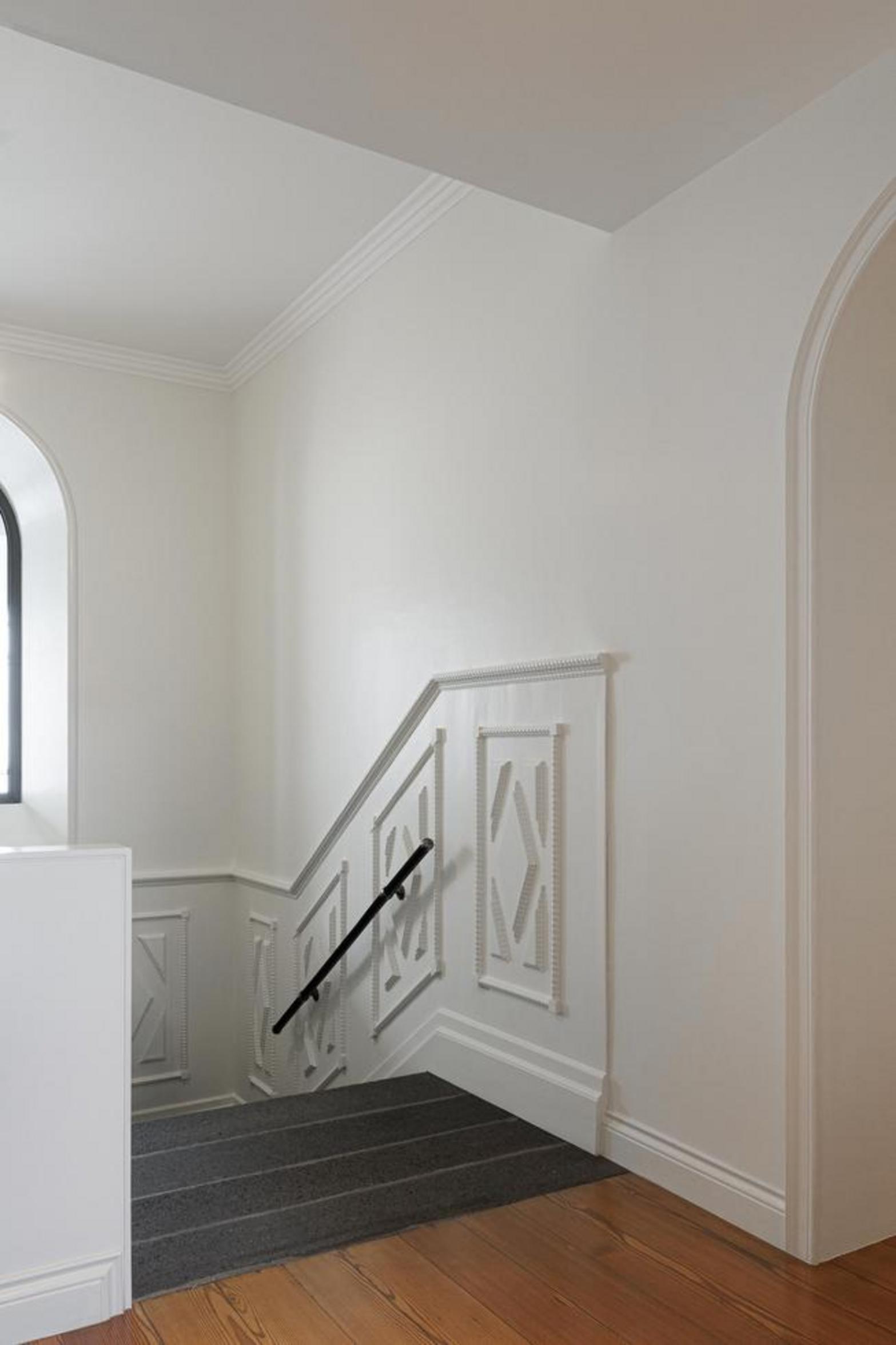
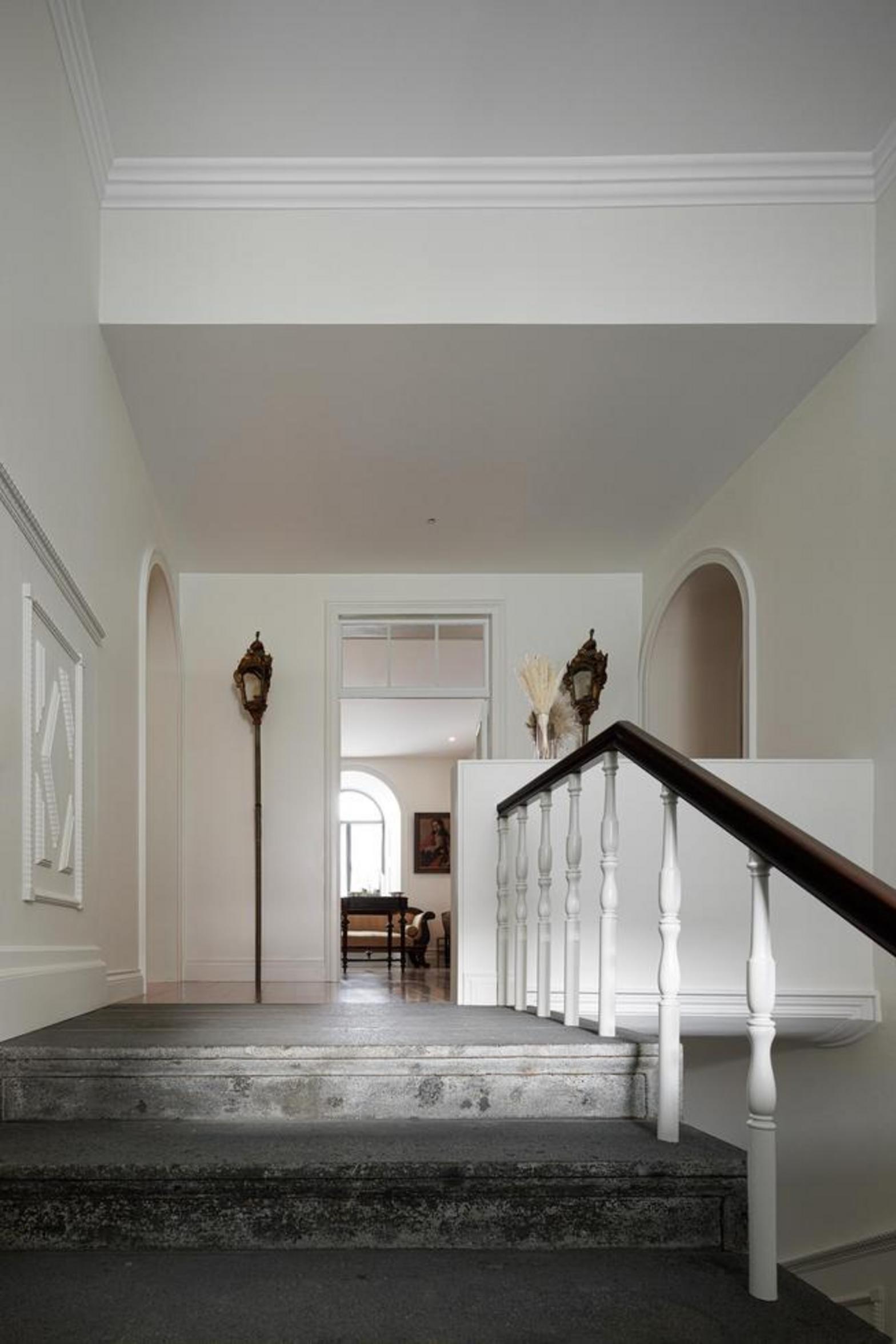
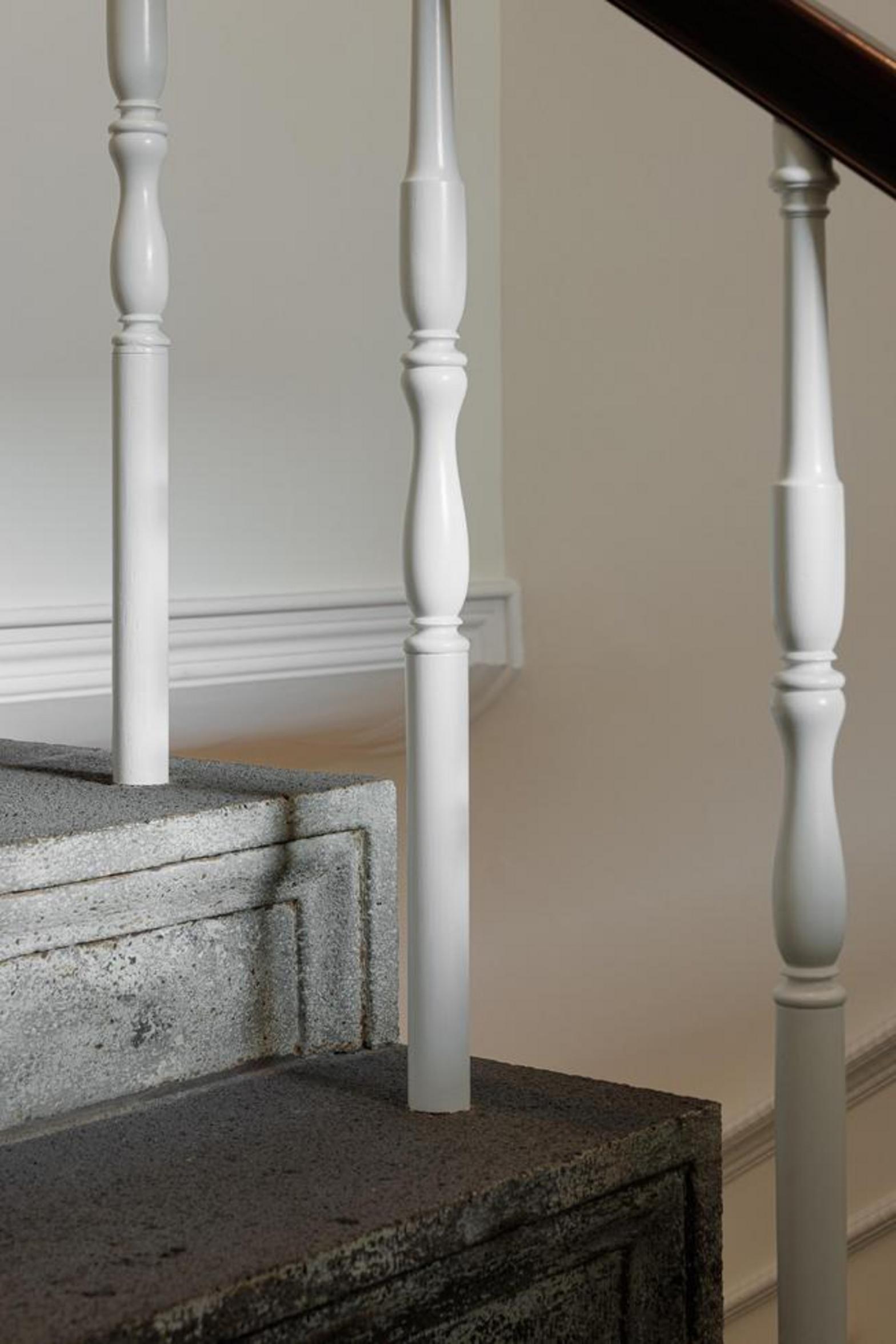
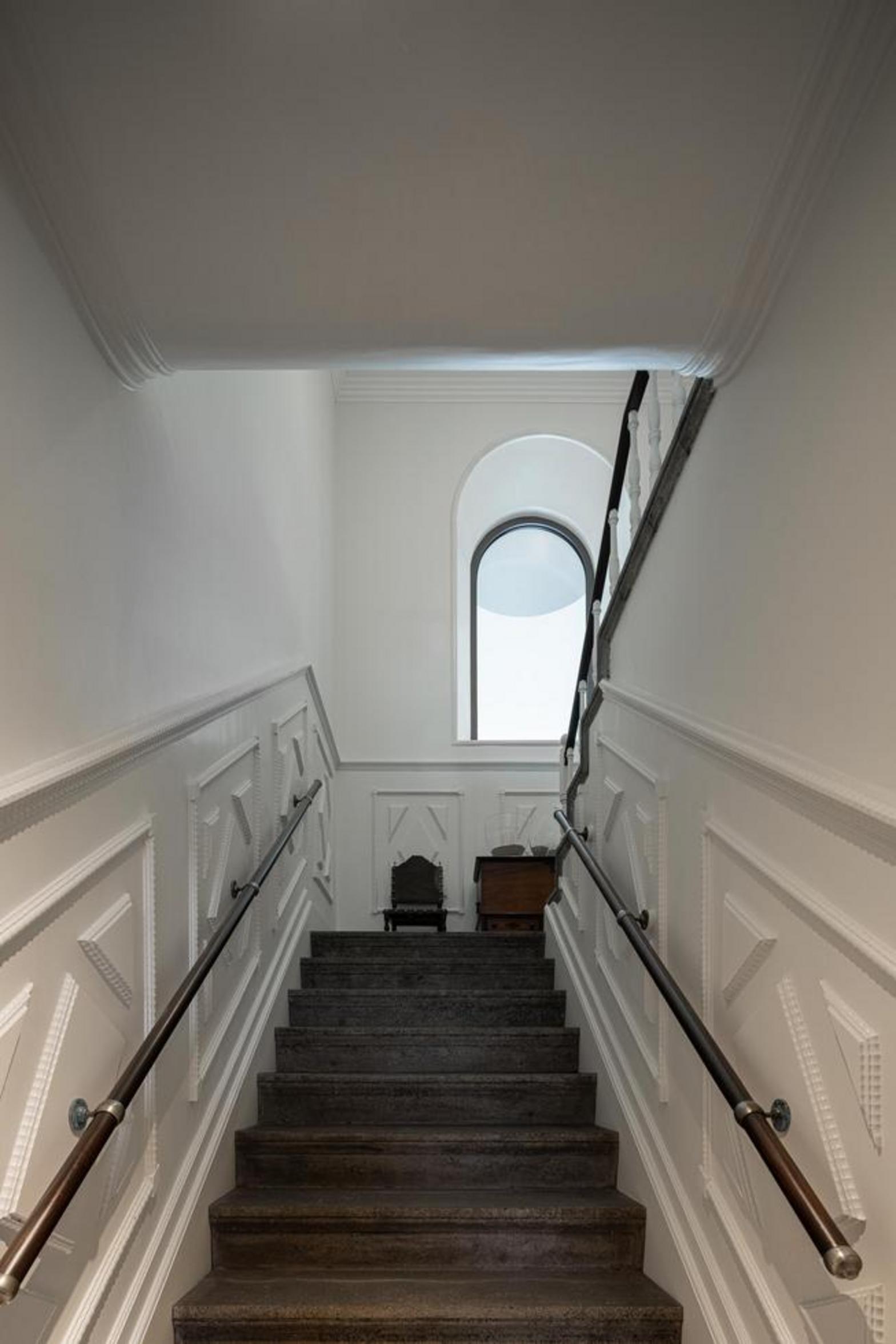
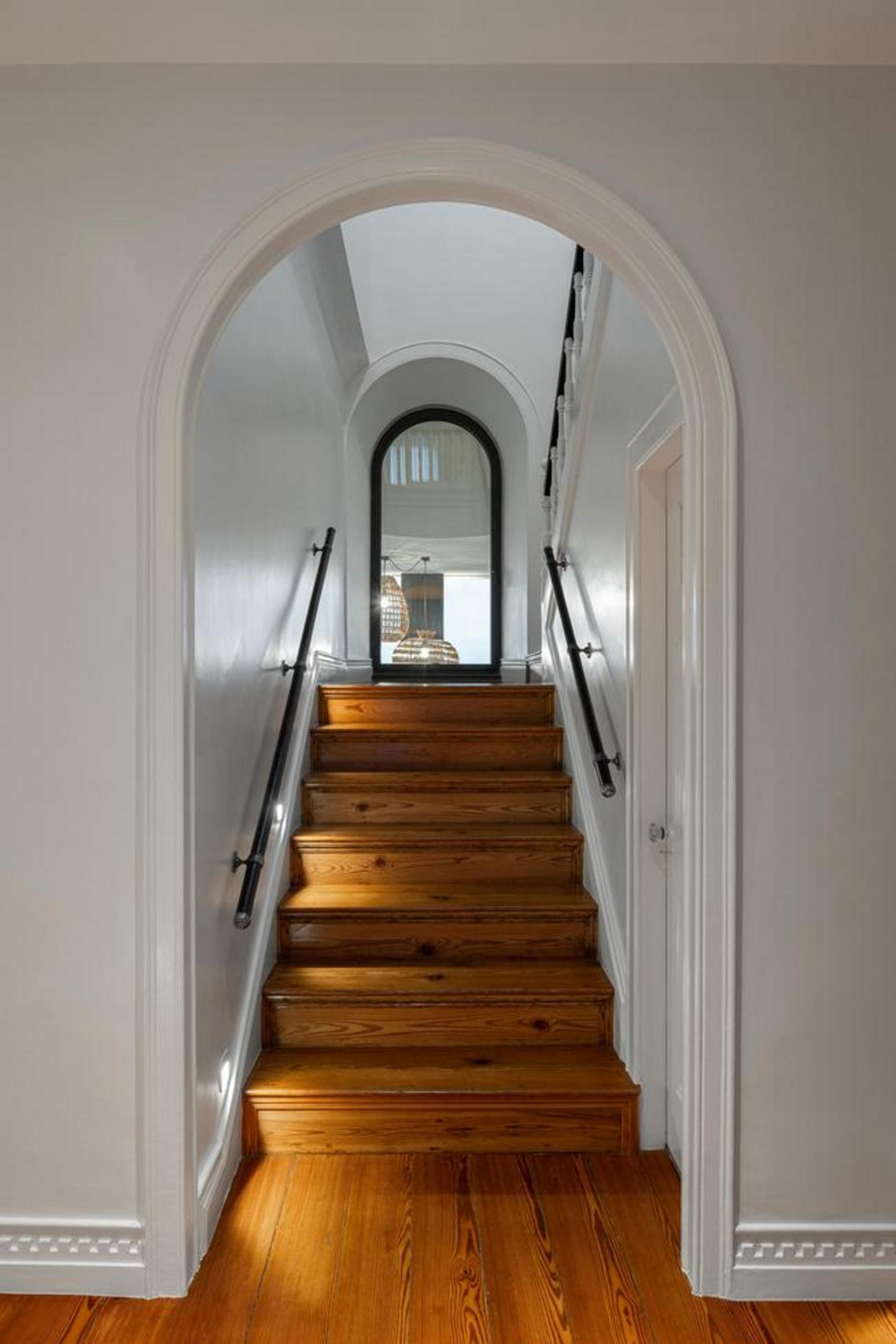
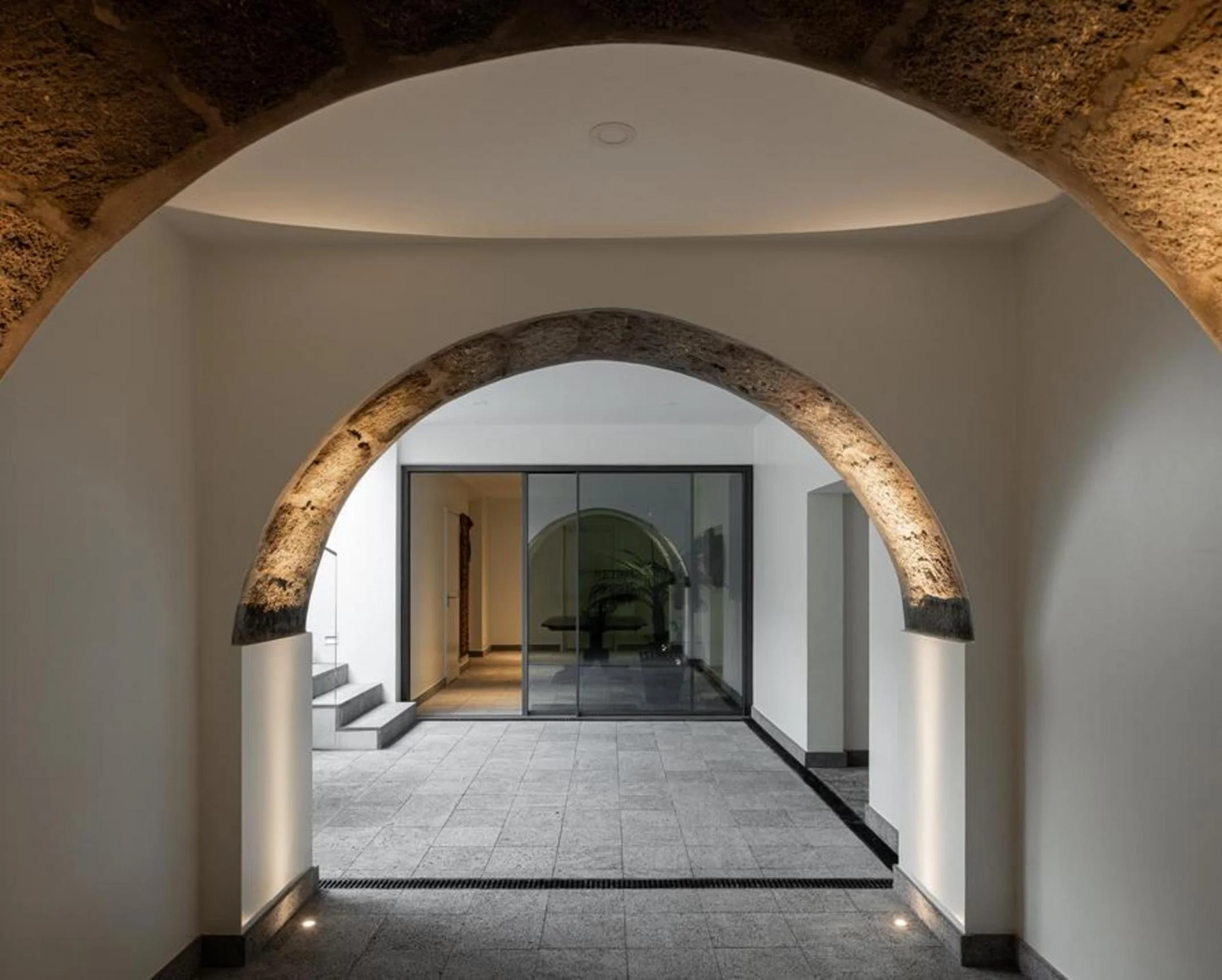
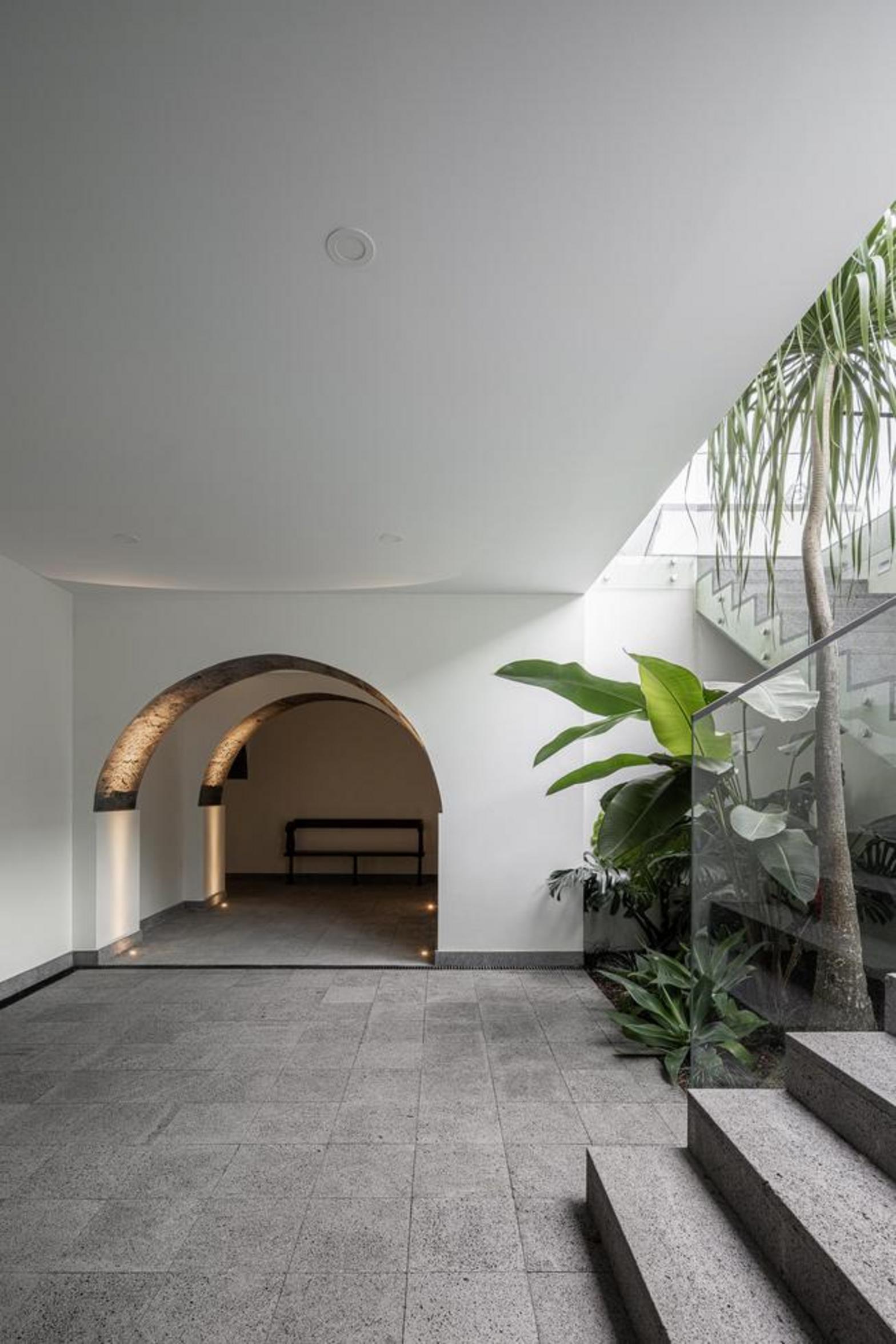
Casa T+A Açores"Implantada no coração histórico de Ponta Delgada, esta casa afirma-se como um exercício de continuidade e respeito pelo tempo. Construída antes de 1951 e inserida no tecido urbano consolidado da cidade, chega até nós com uma identidade marcada pela sua escala, pela relação com o logradouro e pela memória acumulada ao longo das sucessivas formas de habitar. A intervenção parte de um princípio essencial: manter o que é fundamental. Não existem acréscimos de volume nem alterações da implantação. O projecto actua sobre o existente, valorizando a sua estrutura e organização espacial, adaptando-as cuidadosamente às exigências da vida contemporânea. O interior é reorganizado de forma subtil, melhorando a funcionalidade e o conforto sem apagar a leitura da casa original.É no tardoz, voltado para o interior do lote, que a intervenção se torna mais expressiva. A fachada é reinterpretada com contenção, através de materiais que dialogam com o existente. As caixilharias adoptam um desenho mais contemporâneo e eficiente, integrando-se cromaticamente na paleta da casa, onde a pedra, o reboco e a madeira continuam a dominar. Aqui, a casa abre-se ao jardim e o logradouro é redesenhado como espaço de estar e contemplação. A piscina surge como elemento central, pousada sobre uma estrutura elevada em madeira que preserva a permeabilidade do solo e permite que o terreno respire. O deck prolonga os espaços interiores, criando uma transição suave entre casa e jardim. A madeira, utilizada com junta aberta, reforça a ideia de leveza e contacto com a natureza, enquanto os pátios existentes em pedra de lavoura são mantidos como testemunhos materiais do lugar.A casa desenvolve-se em três pisos, articulados por uma lógica de continuidade vertical. A luz natural assume um papel central, entrando pelos vãos existentes e sendo amplificada nas áreas de maior permanência. No interior, privilegia-se a recuperação dos elementos originais, sempre que possível, soalhos, caixilharias, guarnições e a caixa de escadas, reforçando a identidade do conjunto e garantindo uma leitura contínua da casa ao longo do tempo. Os espaços privados ganham maior autonomia através da introdução de instalações sanitárias próprias, enquanto as áreas comuns se tornam mais fluidas e generosas, promovendo relações visuais e percursos naturais entre os diferentes níveis.Mais do que uma transformação, esta intervenção propõe uma reinterpretação sensível do habitar, onde passado e presente coexistem em equilíbrio, permitindo que a casa continue a ser vivida com uma nova tranquilidade e uma renovada forma de estar. "
Texto fornecido pelo atelier de arquitetura.
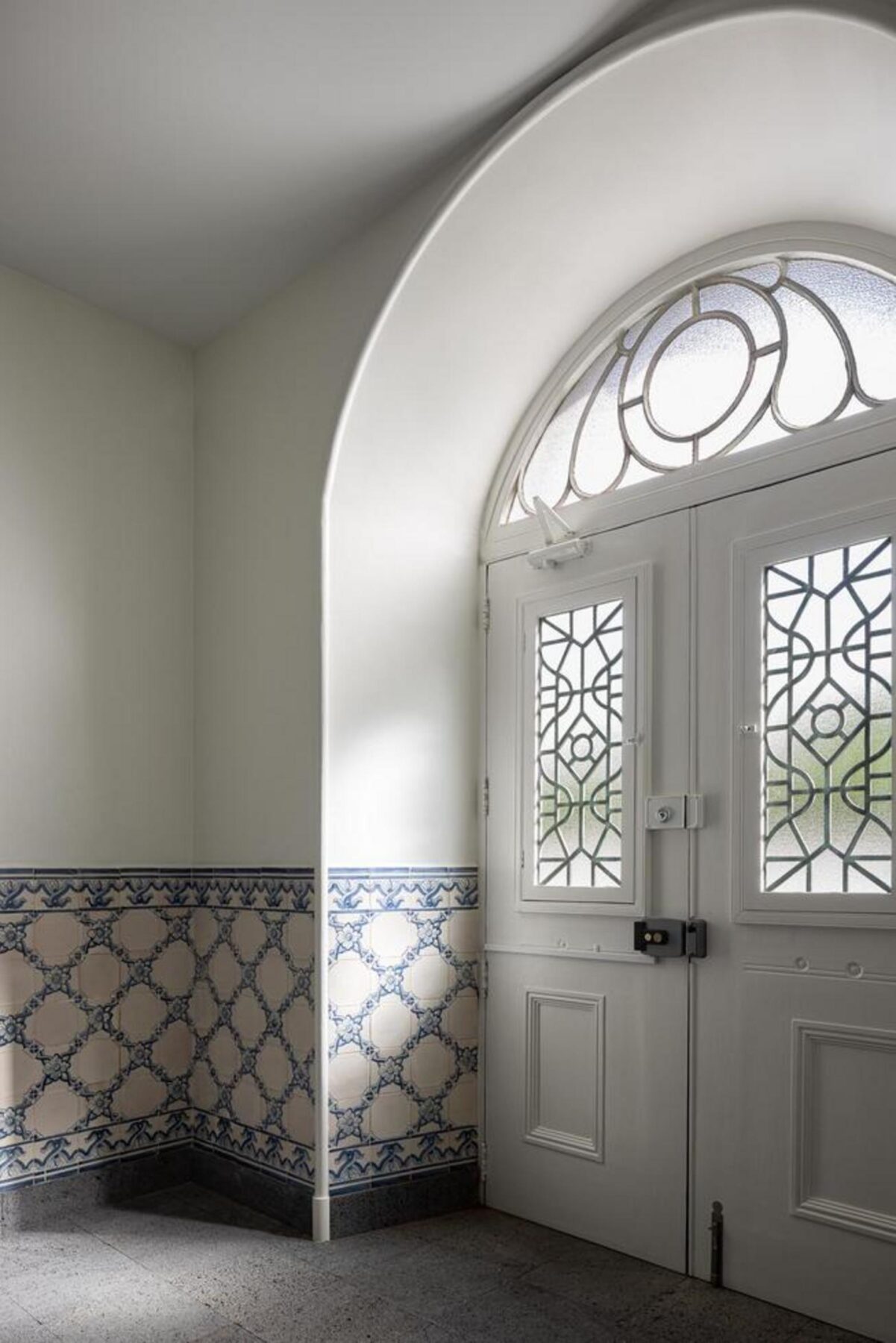
Casa T+A Açores"Set in the historic heart of Ponta Delgada, this house presents itself as an exercise in continuity and respect for time. Built before 1951 and embedded in the city’s consolidated urban fabric, it reaches us with an identity shaped by its scale, its relationship with the garden and the memory accumulated through successive ways of inhabiting. The intervention is guided by an essential principle: preserving what is fundamental. There are no volumetric additions or changes to the building footprint. The project works upon the existing structure, valuing its spatial organisation and carefully adapting it to the demands of contemporary living. The interior is subtly reorganised, improving functionality and comfort without erasing the reading of the original house.It is on the rear façade, facing the interior of the plot, that the intervention becomes more expressive. The façade is reinterpreted with restraint, through materials that dialogue with the existing ones. Window frames adopt a more contemporary and efficient design, remaining chromatically integrated within the house’s palette, where stone, plaster and wood continue to prevail. Here, the house opens to the garden and the outdoor space is redesigned as a place for leisure and contemplation. The swimming pool emerges as a central element, resting on an elevated timber structure that preserves soil permeability and allows the ground to breathe. The deck extends the interior spaces outward, creating a smooth transition between house and garden. The use of timber with open joints reinforces a sense of lightness and closeness to nature, while the existing patios in volcanic stone are preserved as material witnesses to the place.The house unfolds over three storeys, articulated through a logic of vertical continuity. Natural light plays a central role, entering through the existing openings and being enhanced in the areas of longer occupation. Inside, priority is given to the recovery of original elements whenever possible — timber floors, window frames, trims and the stairwell — reinforcing the identity of the ensemble and ensuring a continuous reading of the house through time. Private spaces gain greater autonomy through the introduction of en-suite bathrooms, while the common areas become more fluid and generous, promoting visual connections and natural movement between levels.More than a transformation, this intervention proposes a sensitive reinterpretation of dwelling, where past and present coexist in balance, allowing the house to continue to be lived in with renewed calm and a renewed way of inhabiting. "
Text provided by the architecture firm.

PRIVACIDADE

Utilizamos cookies para analisar o tráfego do site e permitir a exibição de conteúdos interativos do YouTube e Spotify. Para navegar no portefólio, por favor aceite as nossas definições de privacidade.