FOTÓGRAFO DE
ARQUITETURA

IVO TAVARES
STUDIO

Monte do Divor

Monte do Divor
Monte do Divor arquitetura Vasco Burnay e fotografia Ivo Tavares

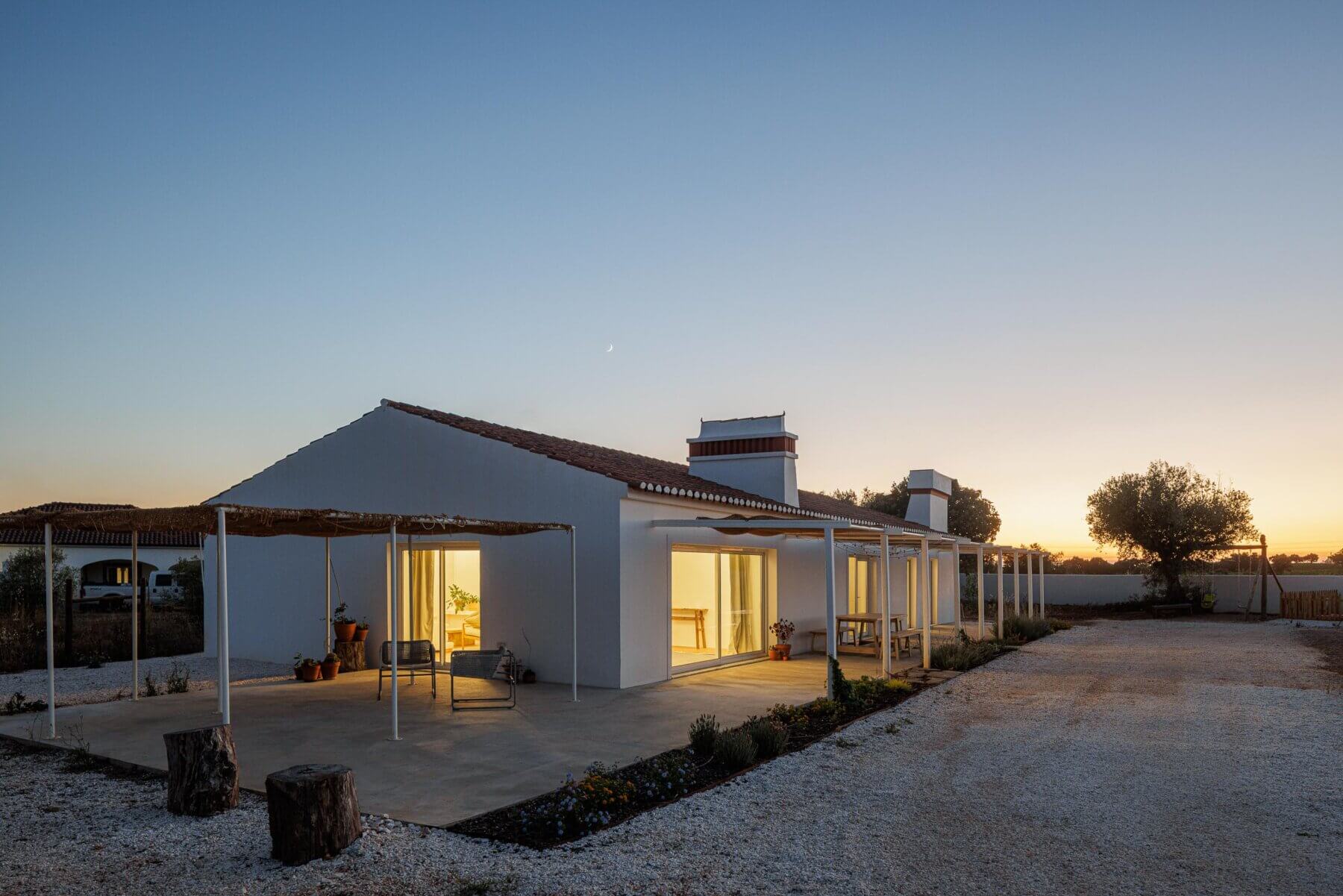
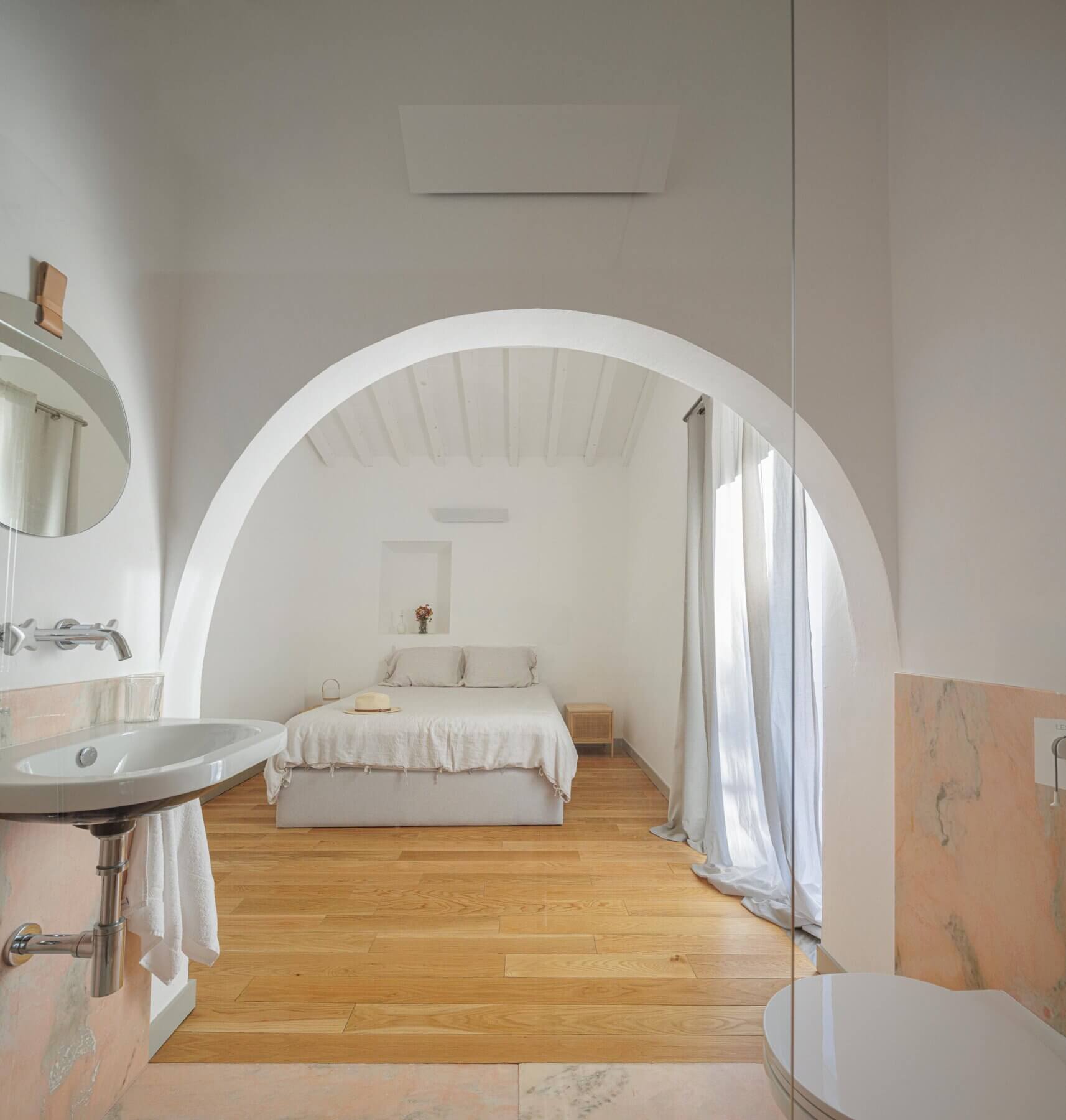
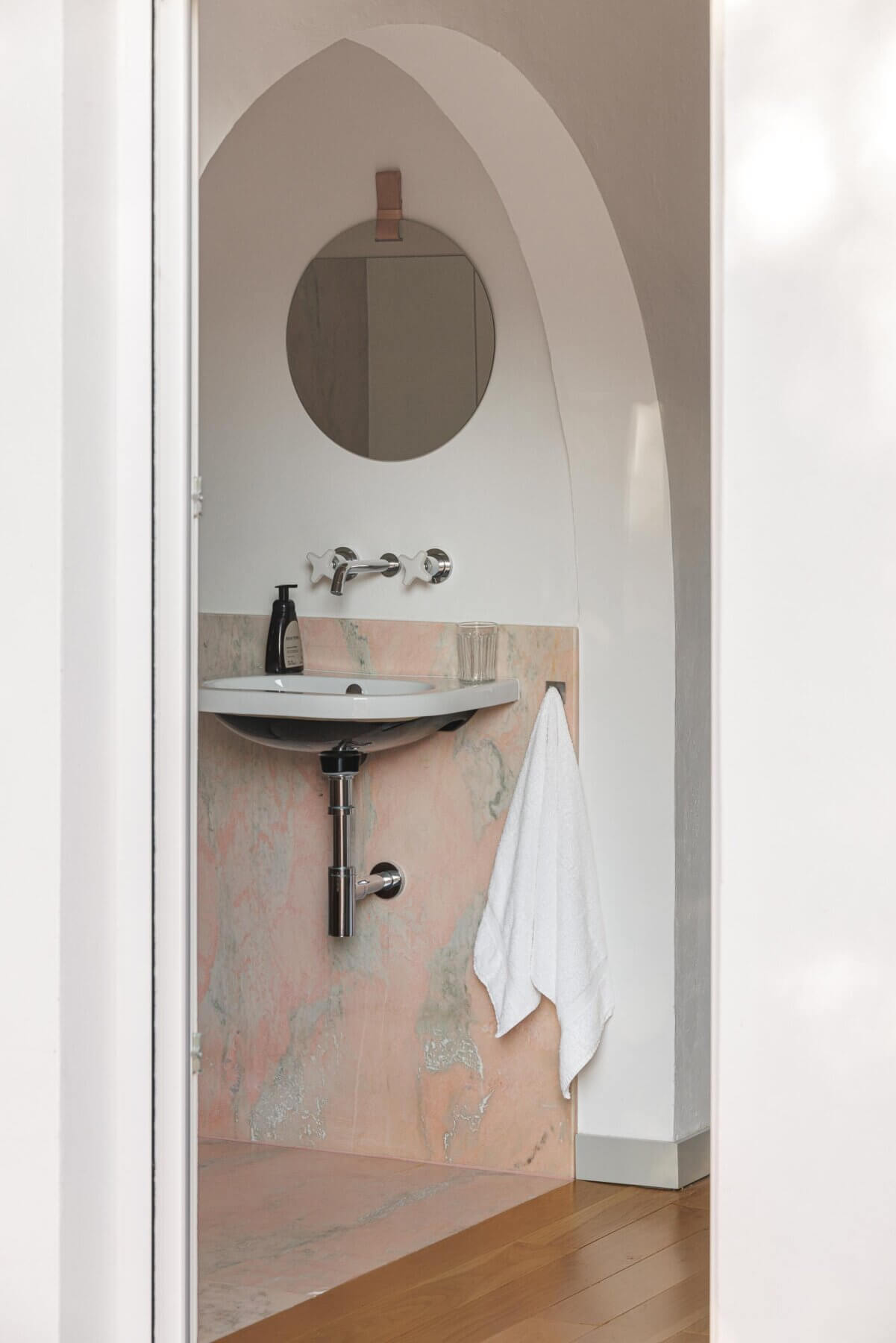
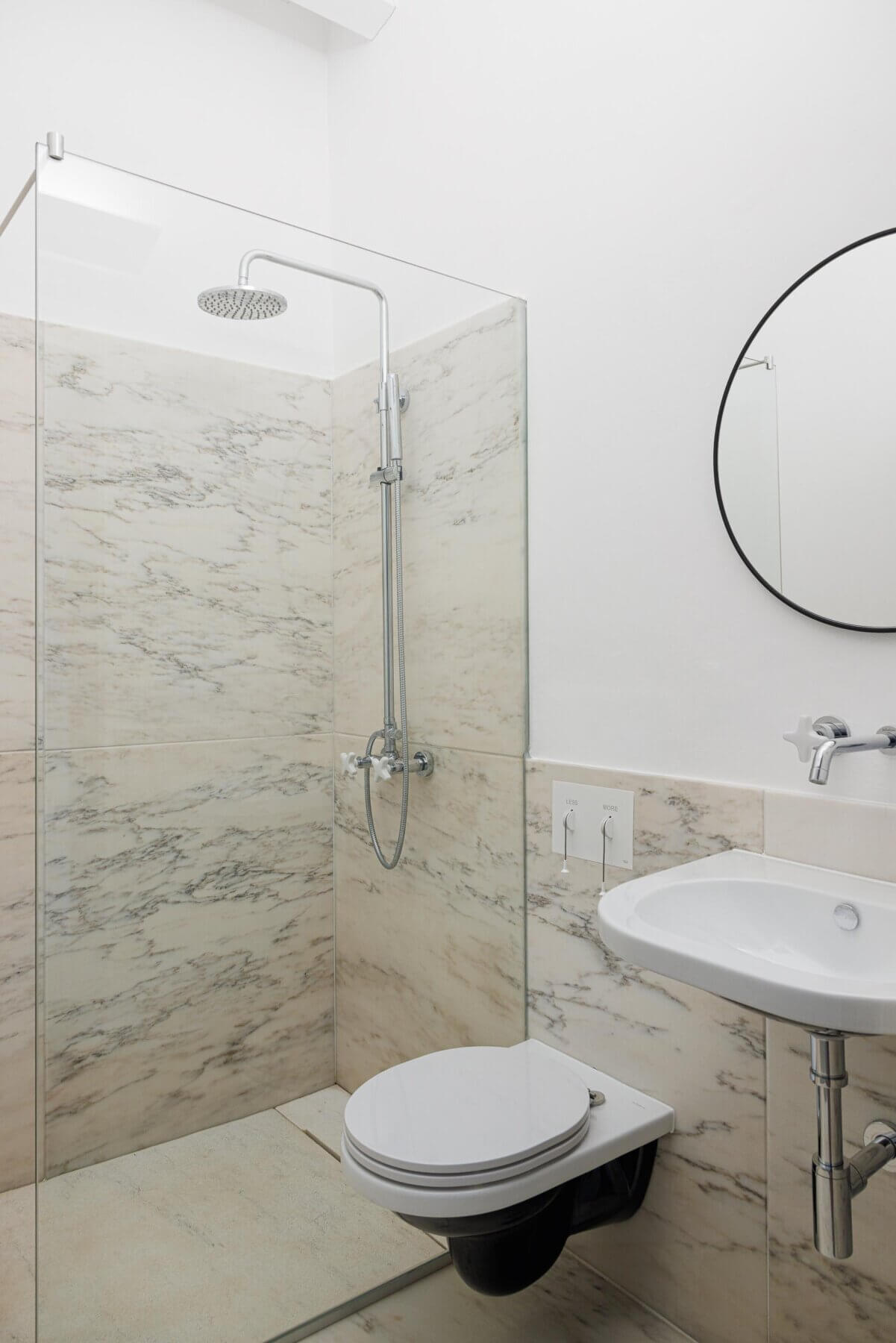
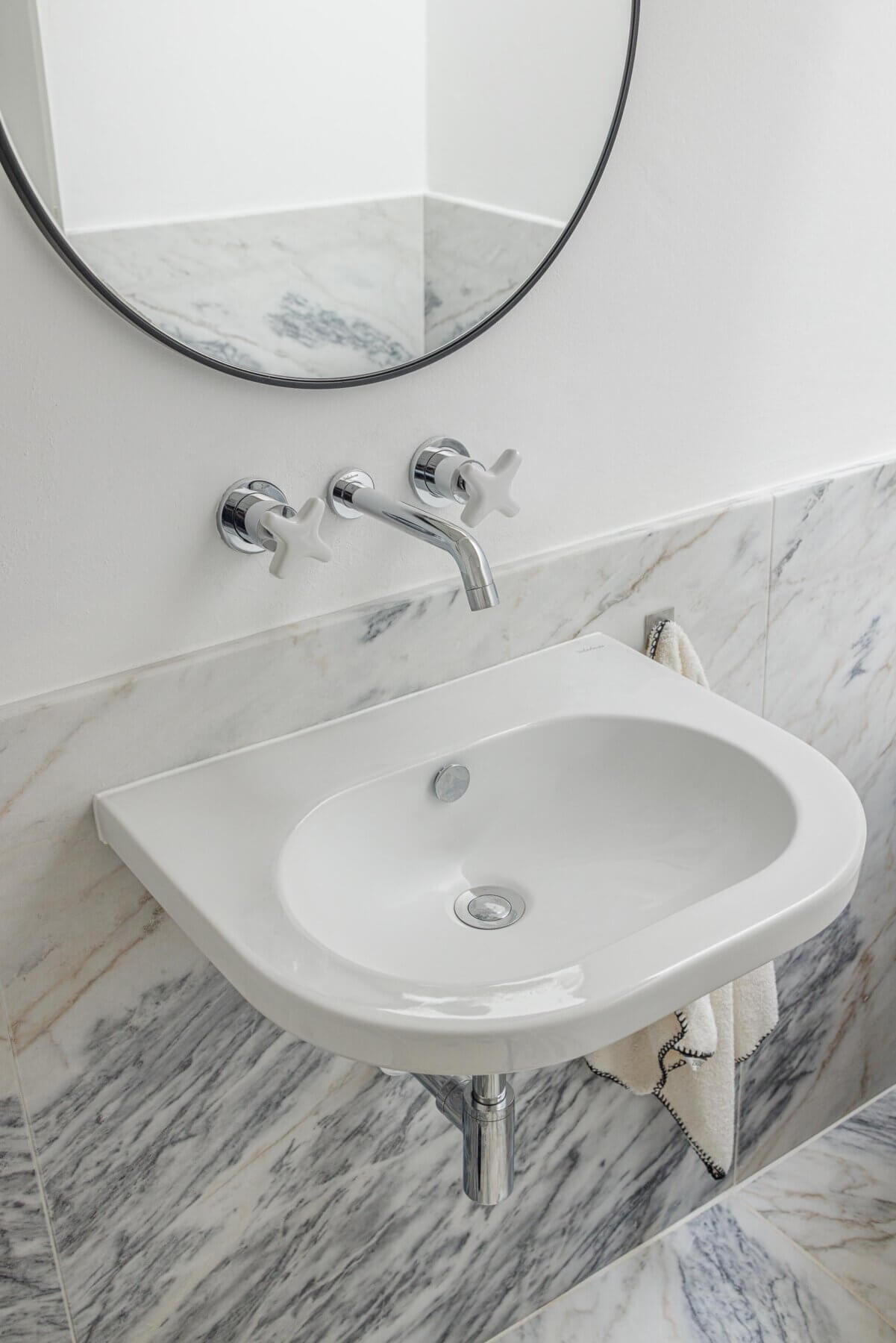
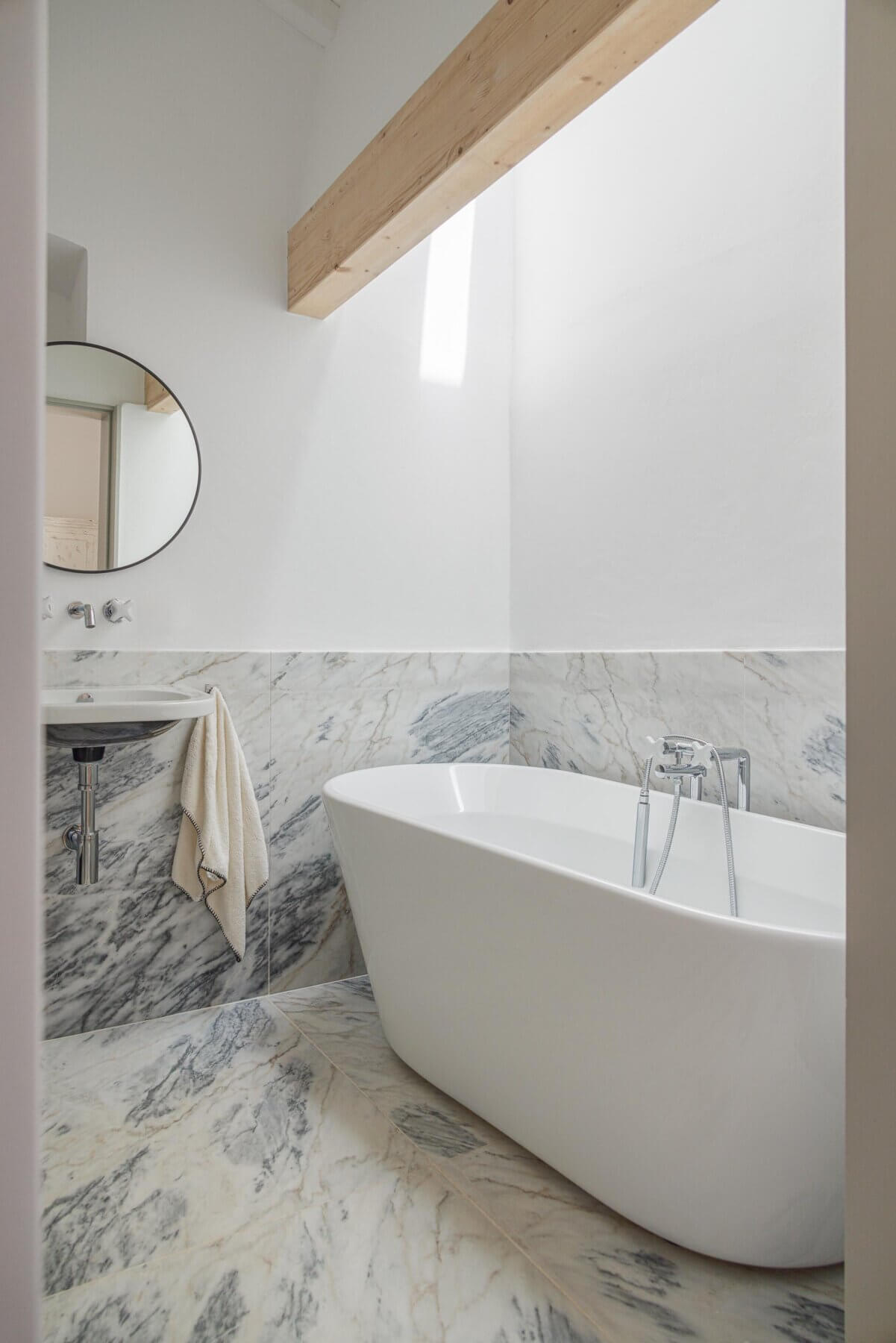
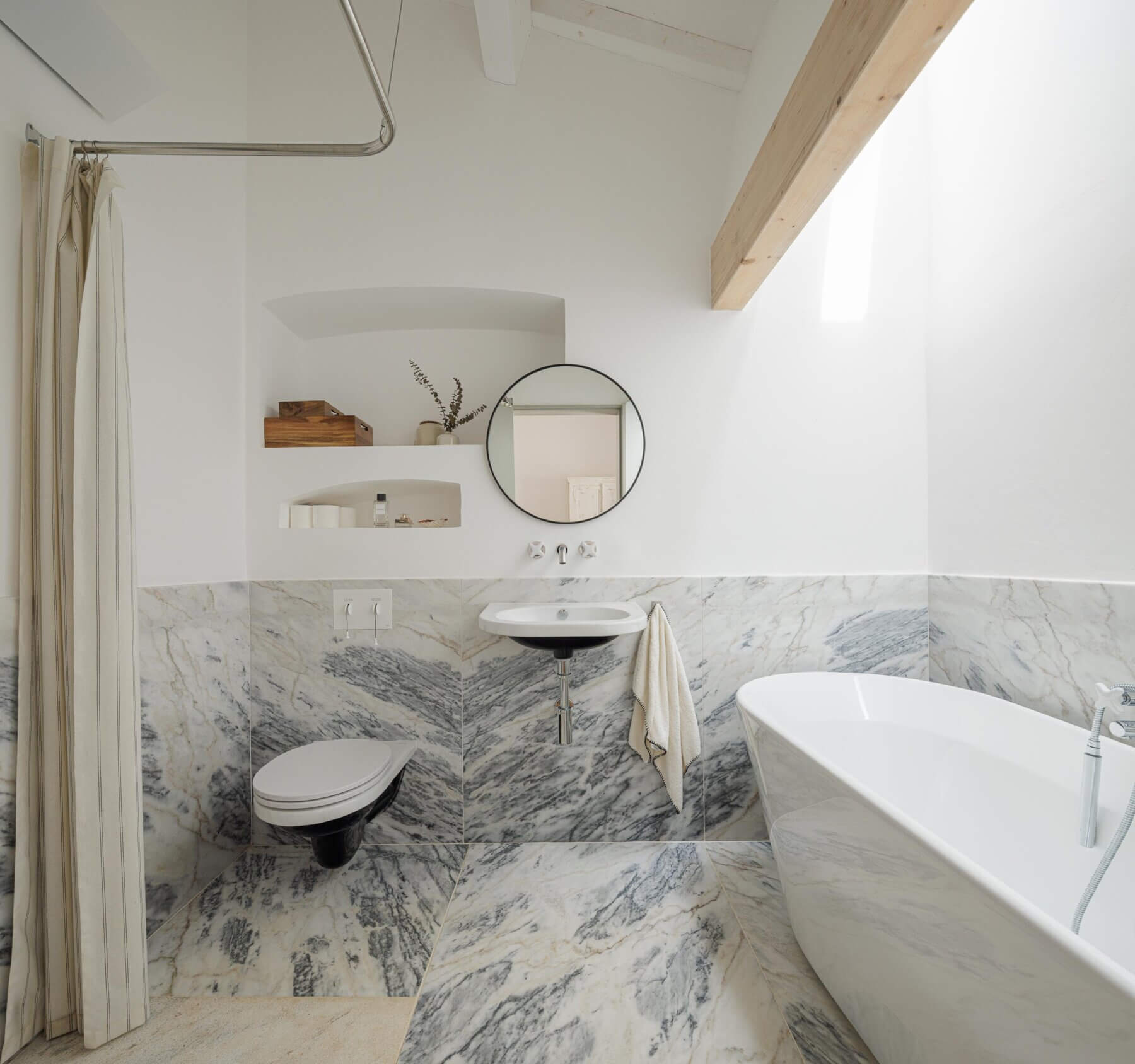
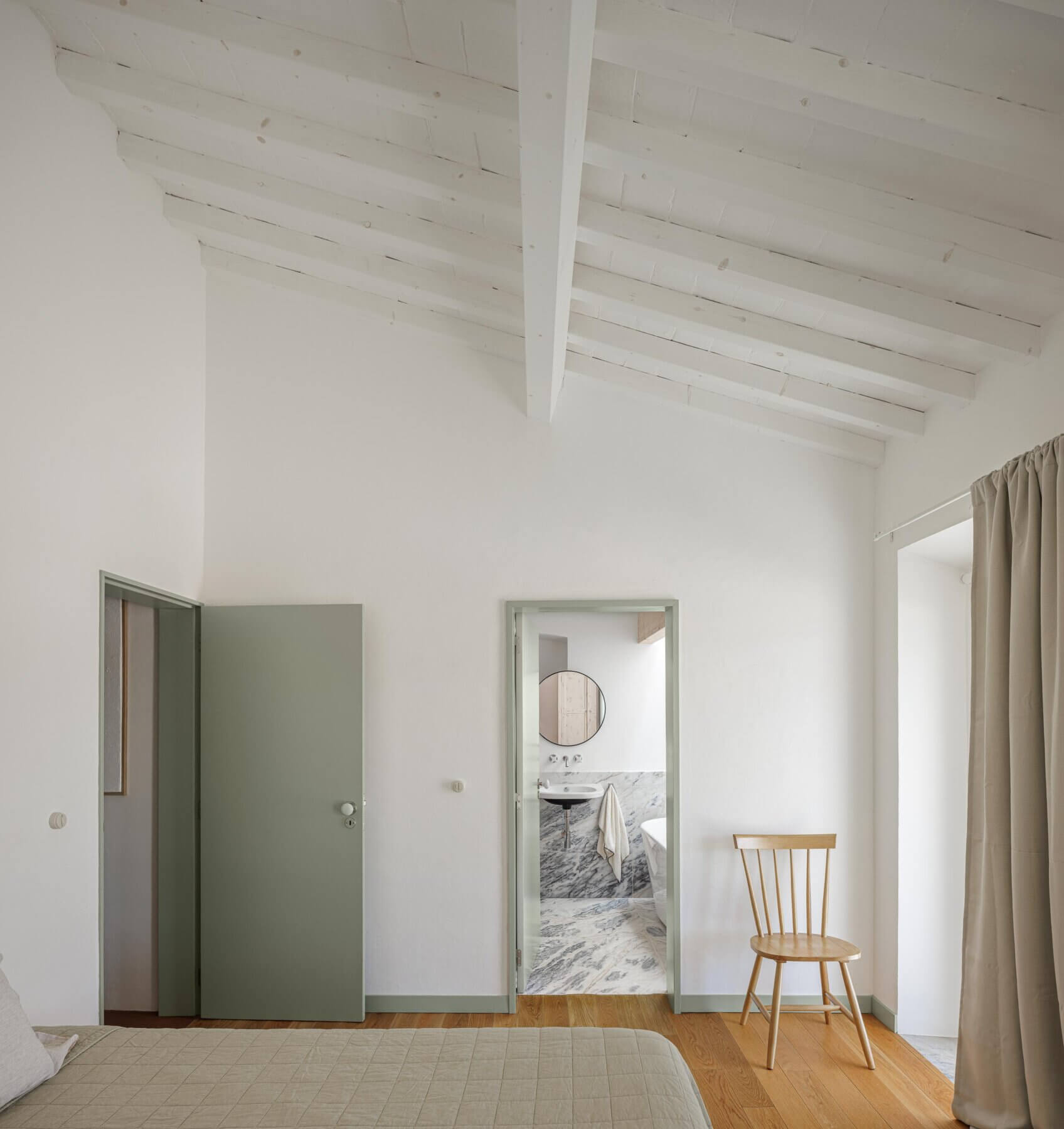
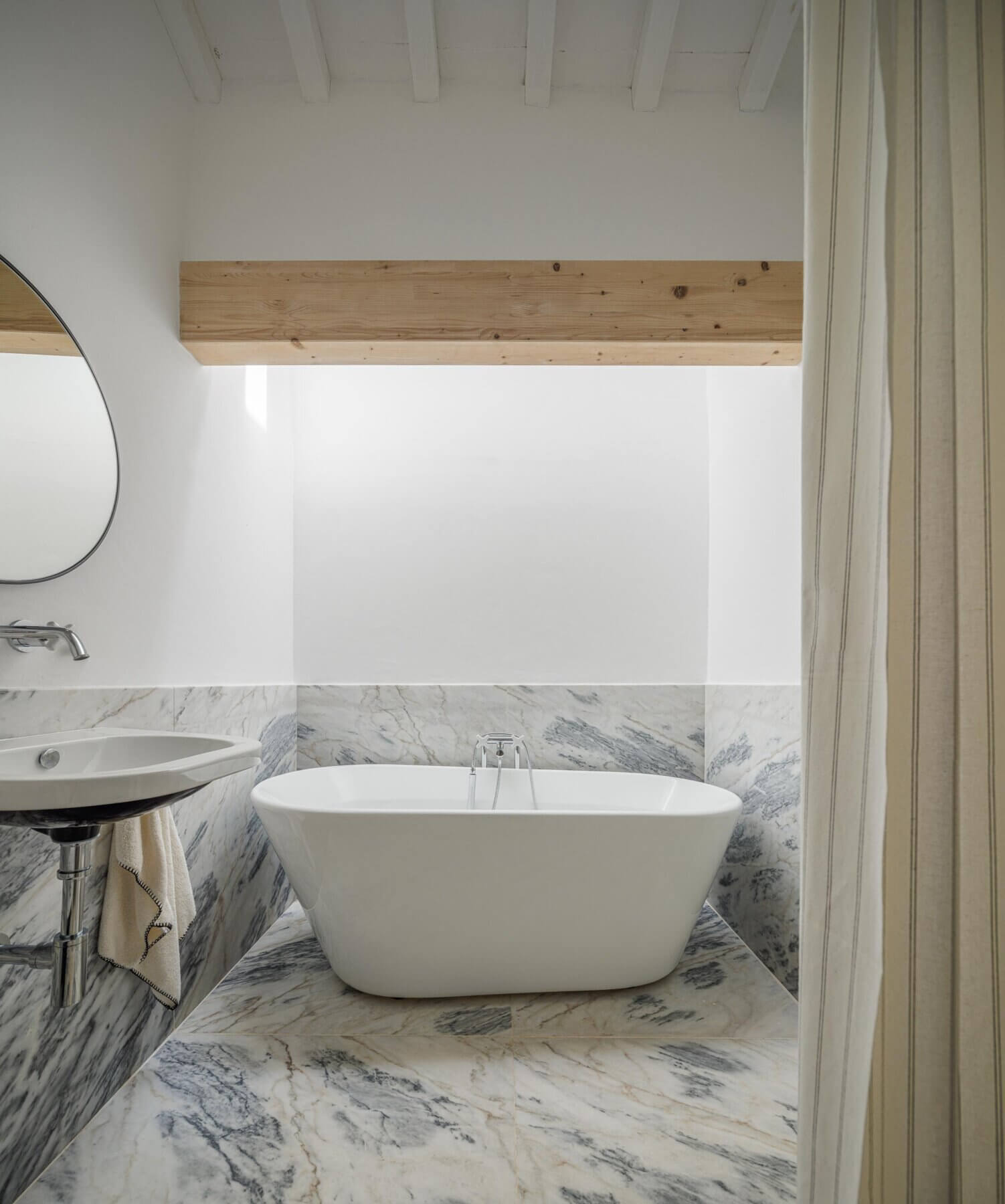
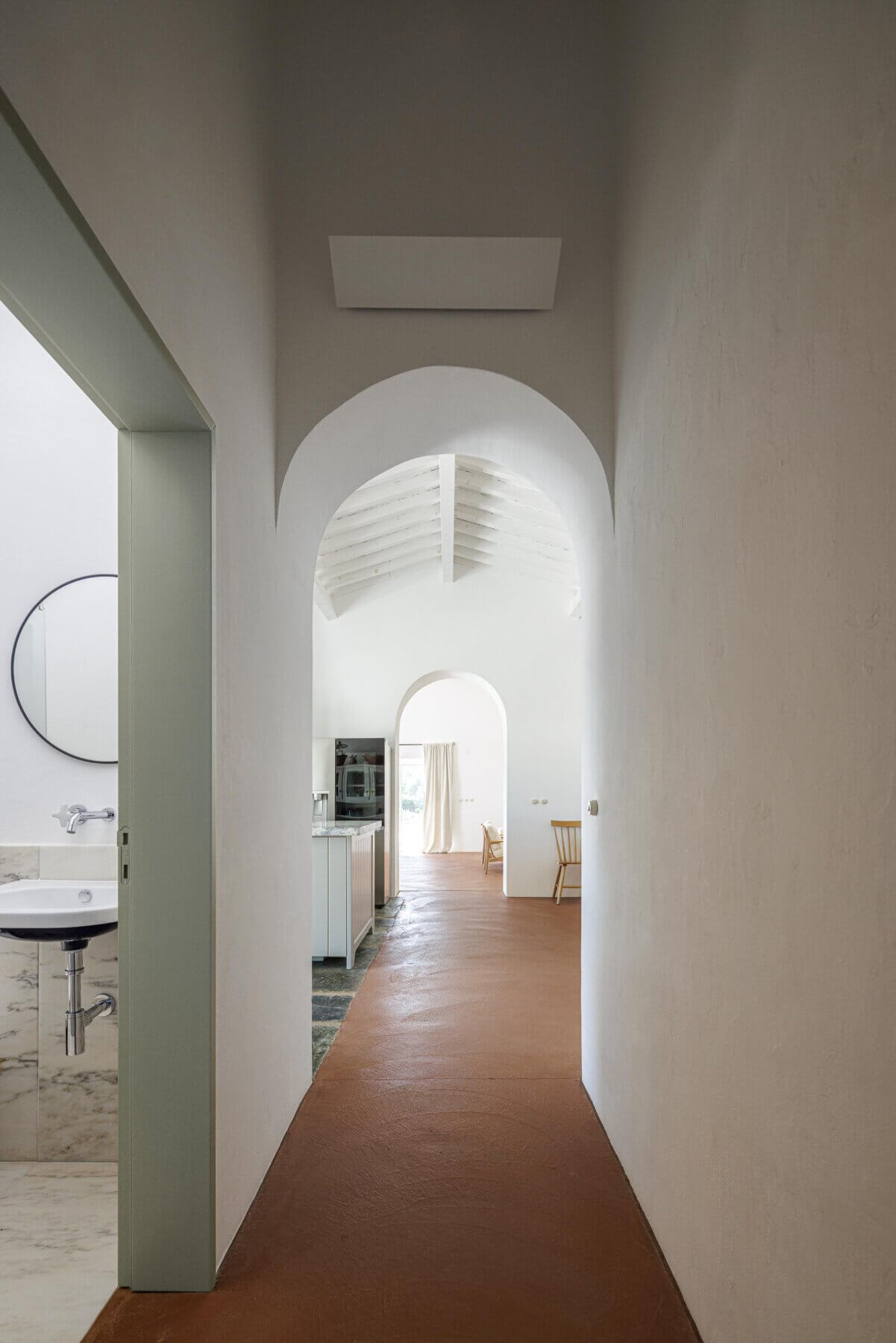
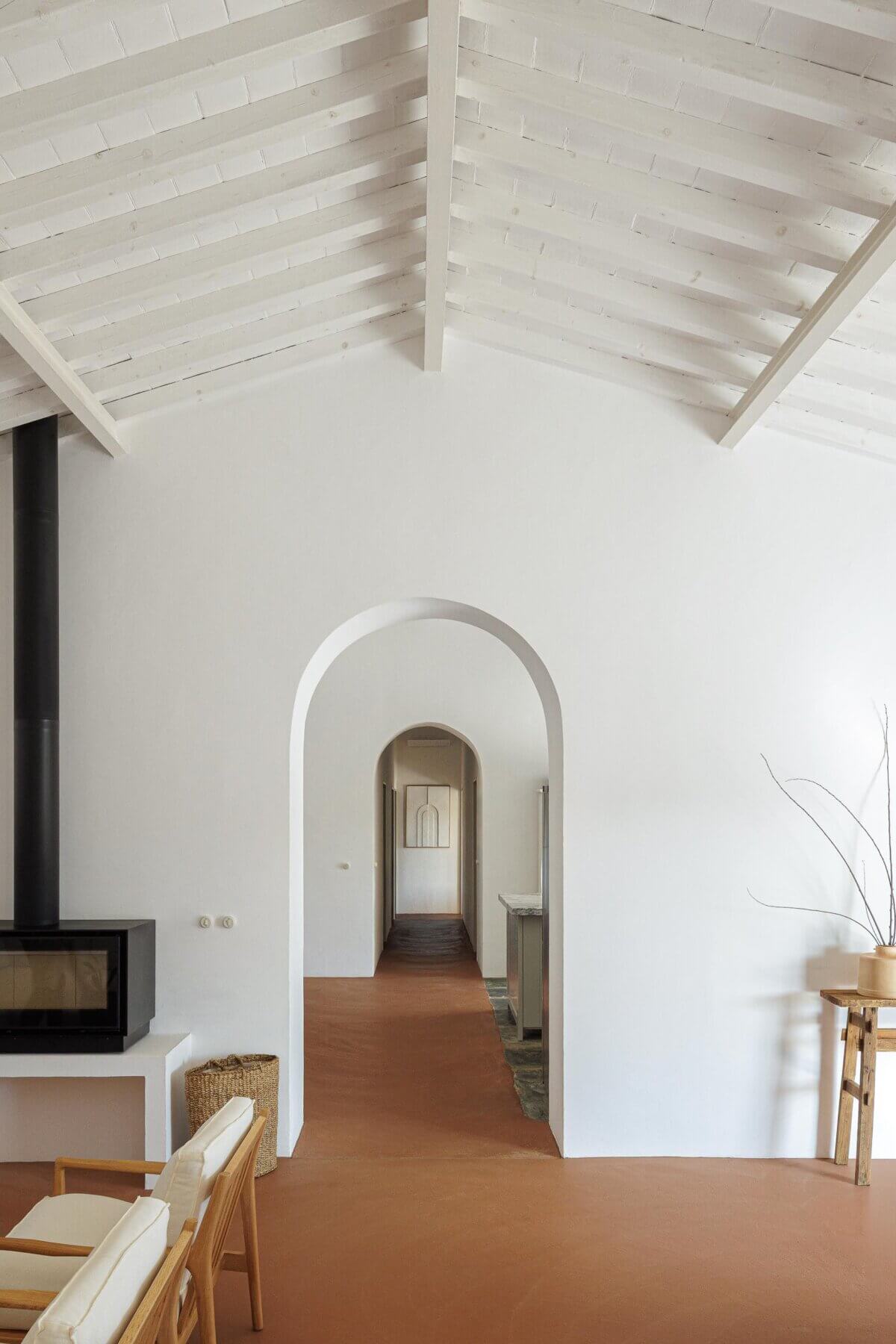
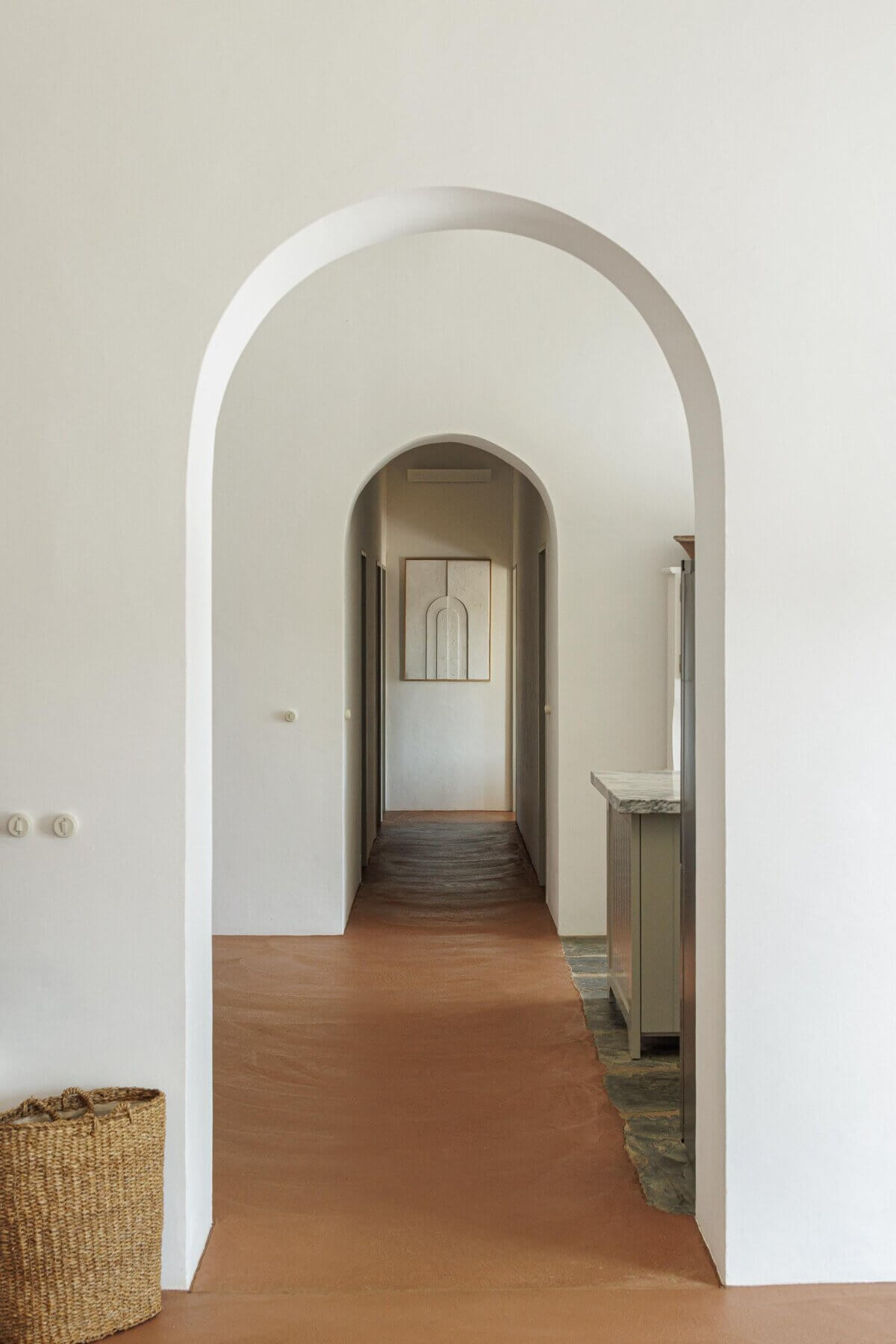
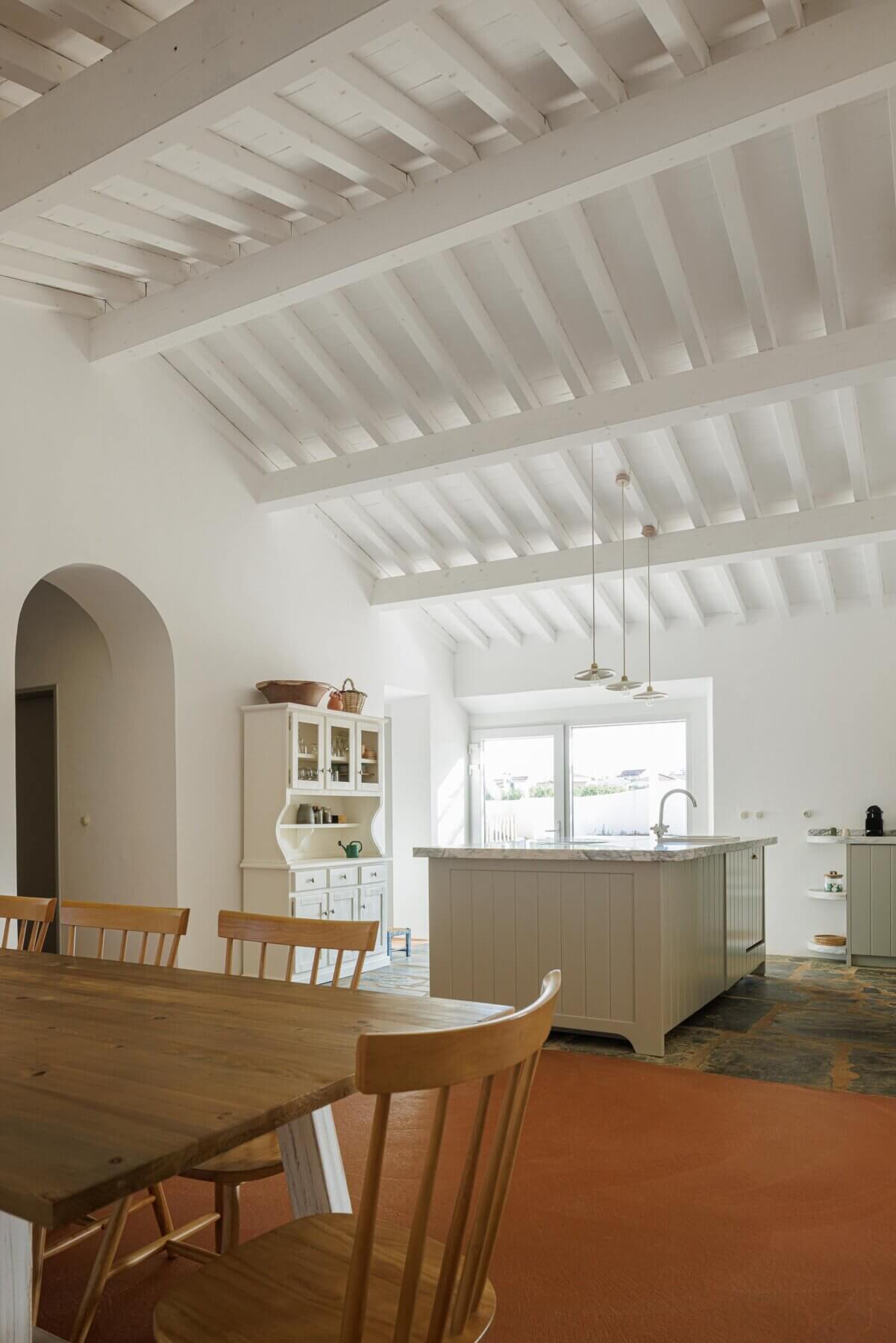
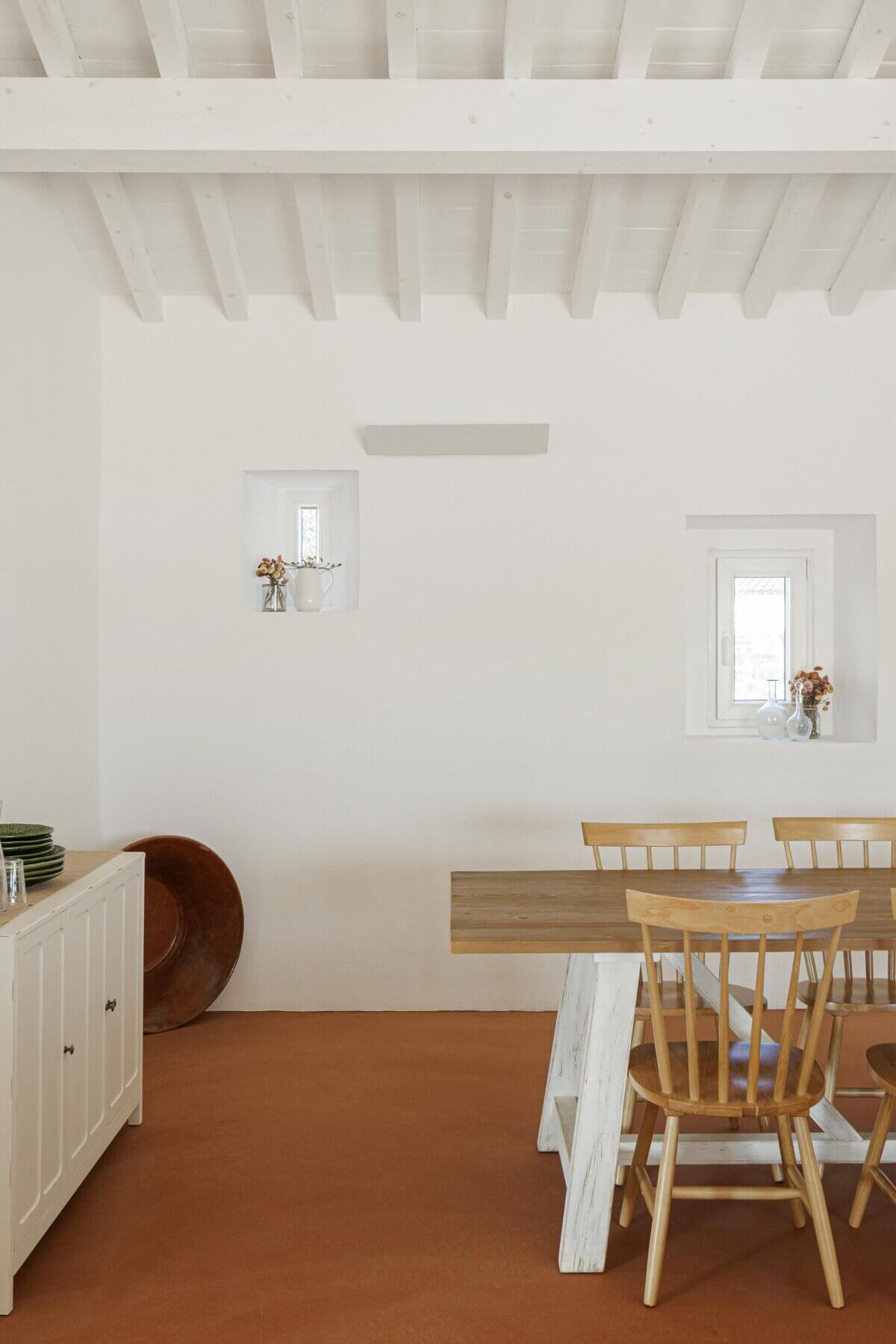
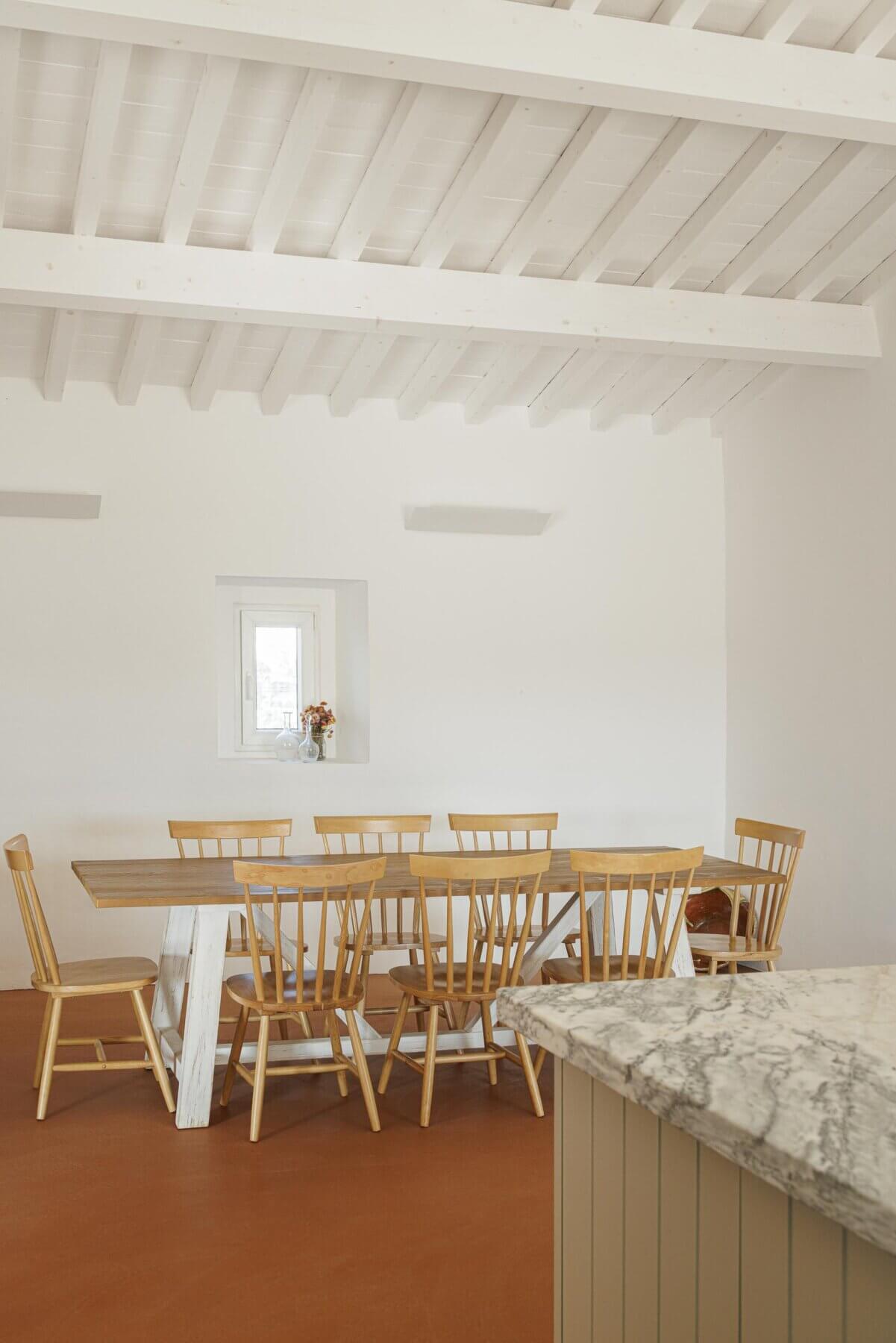
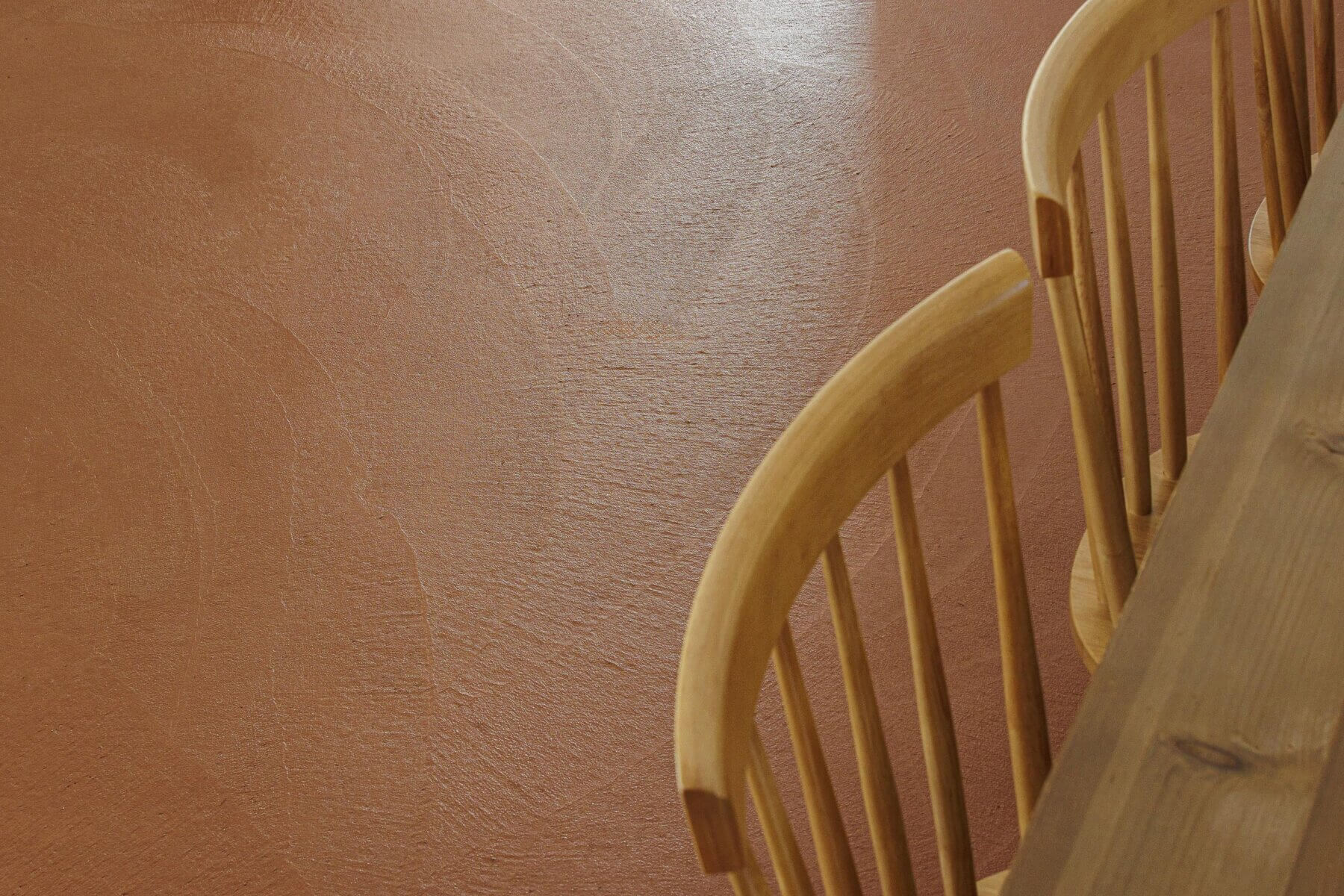
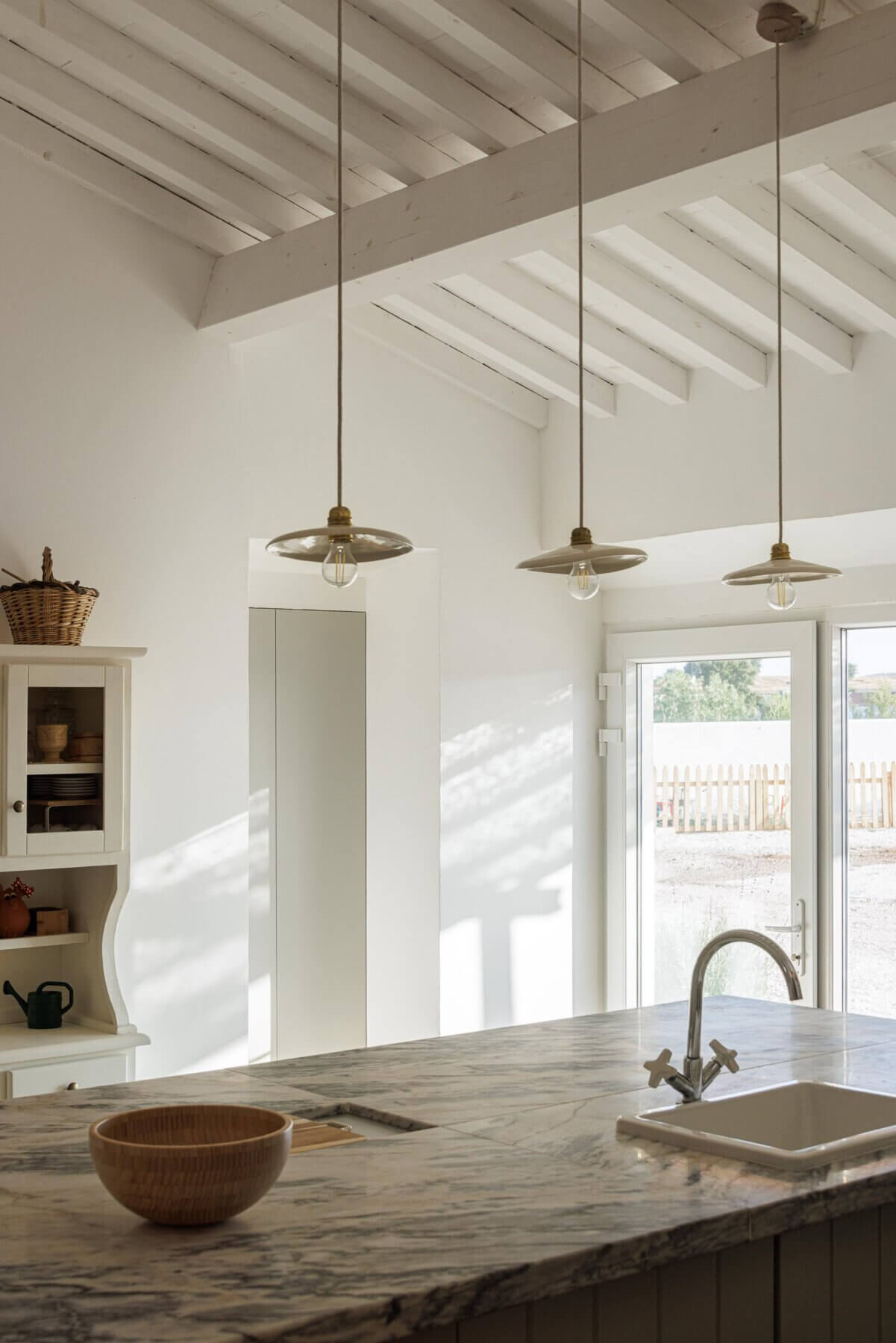
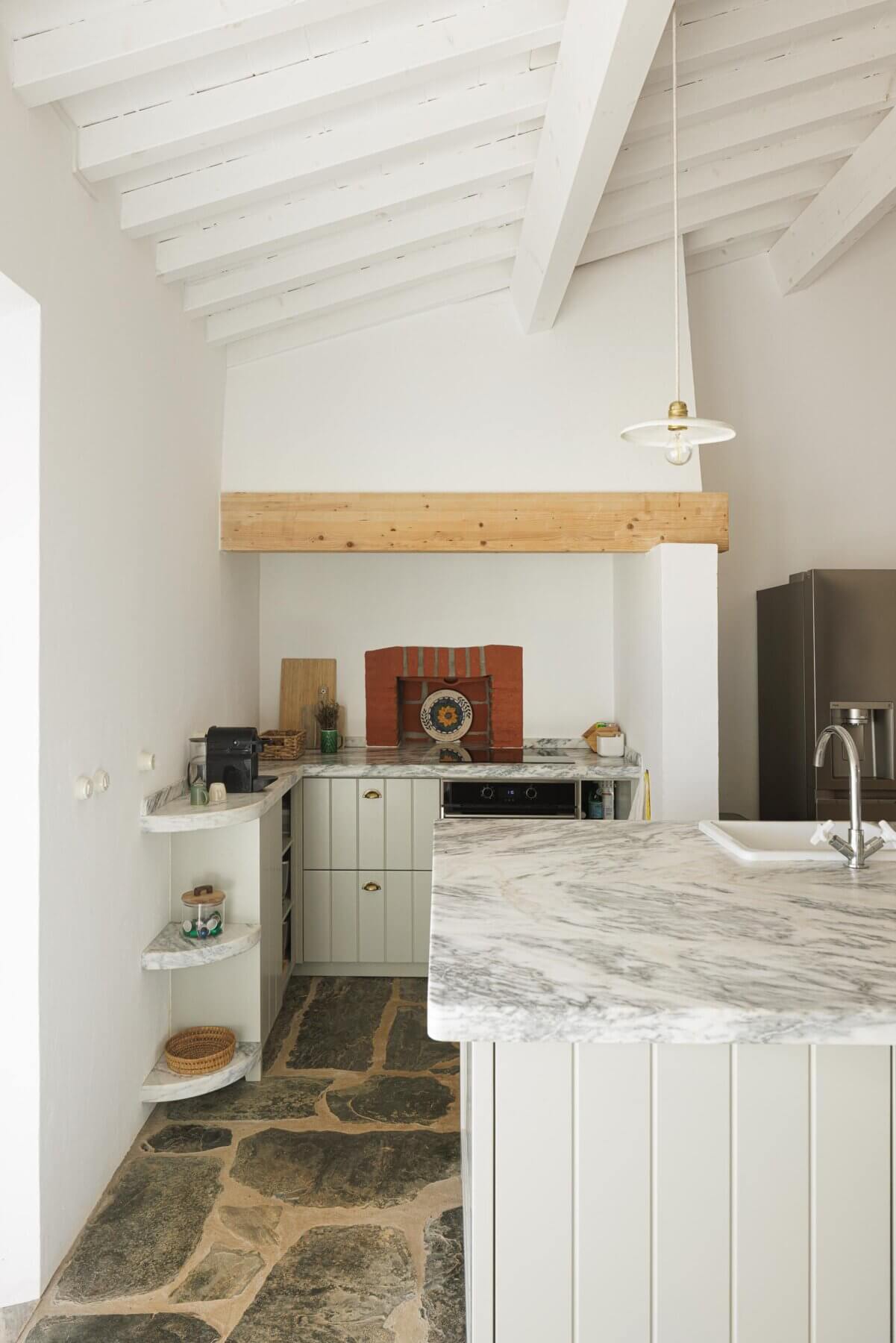
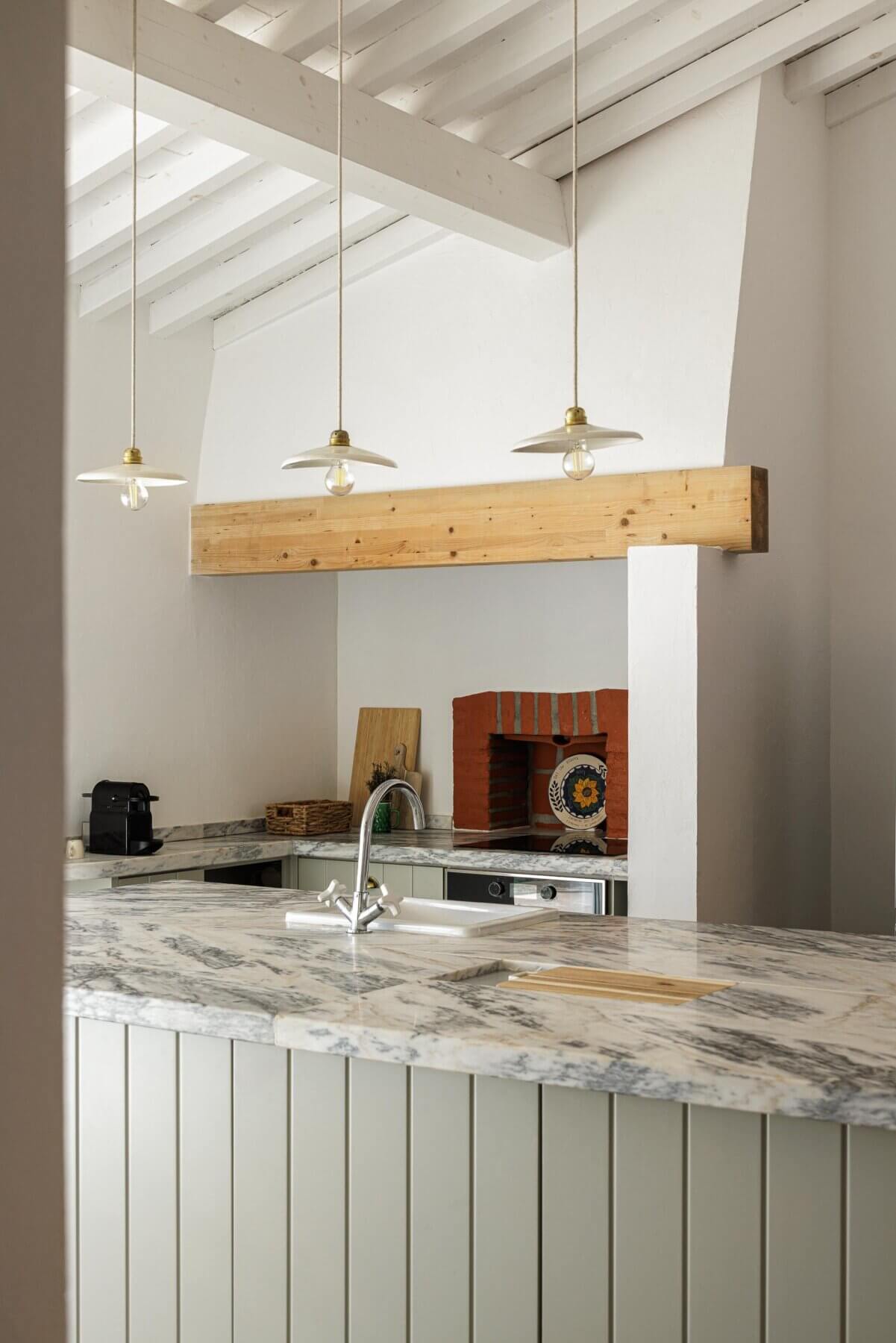
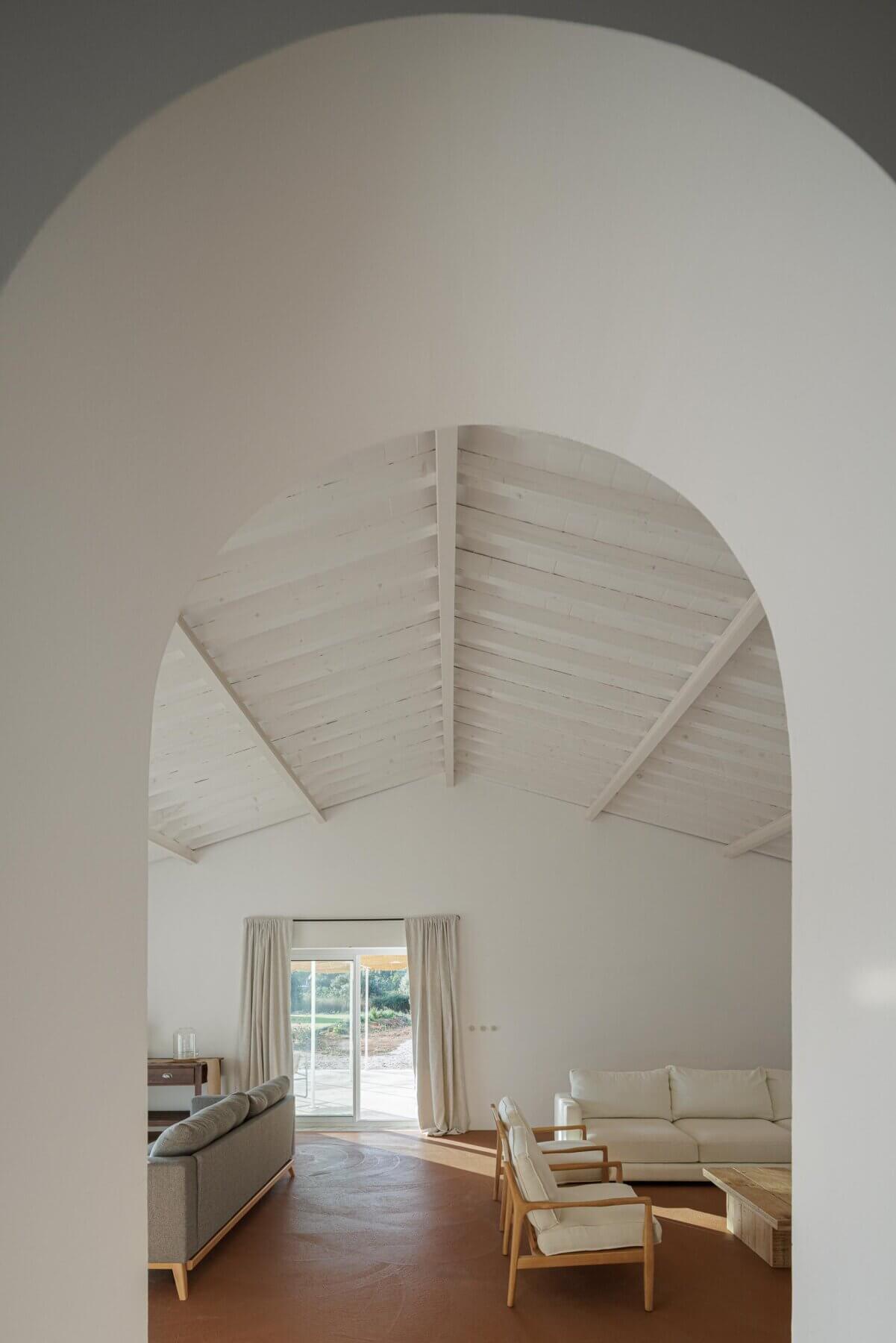
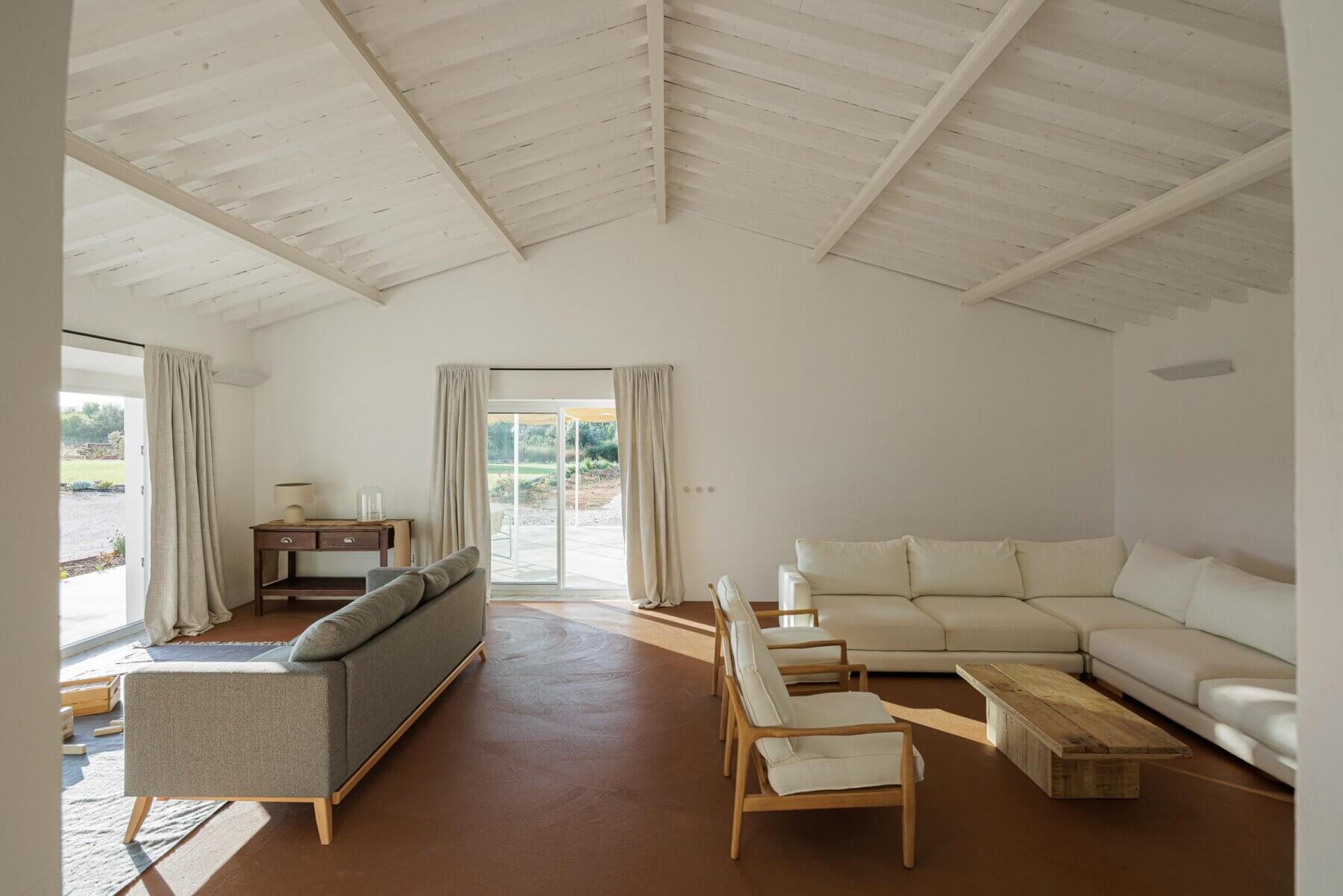
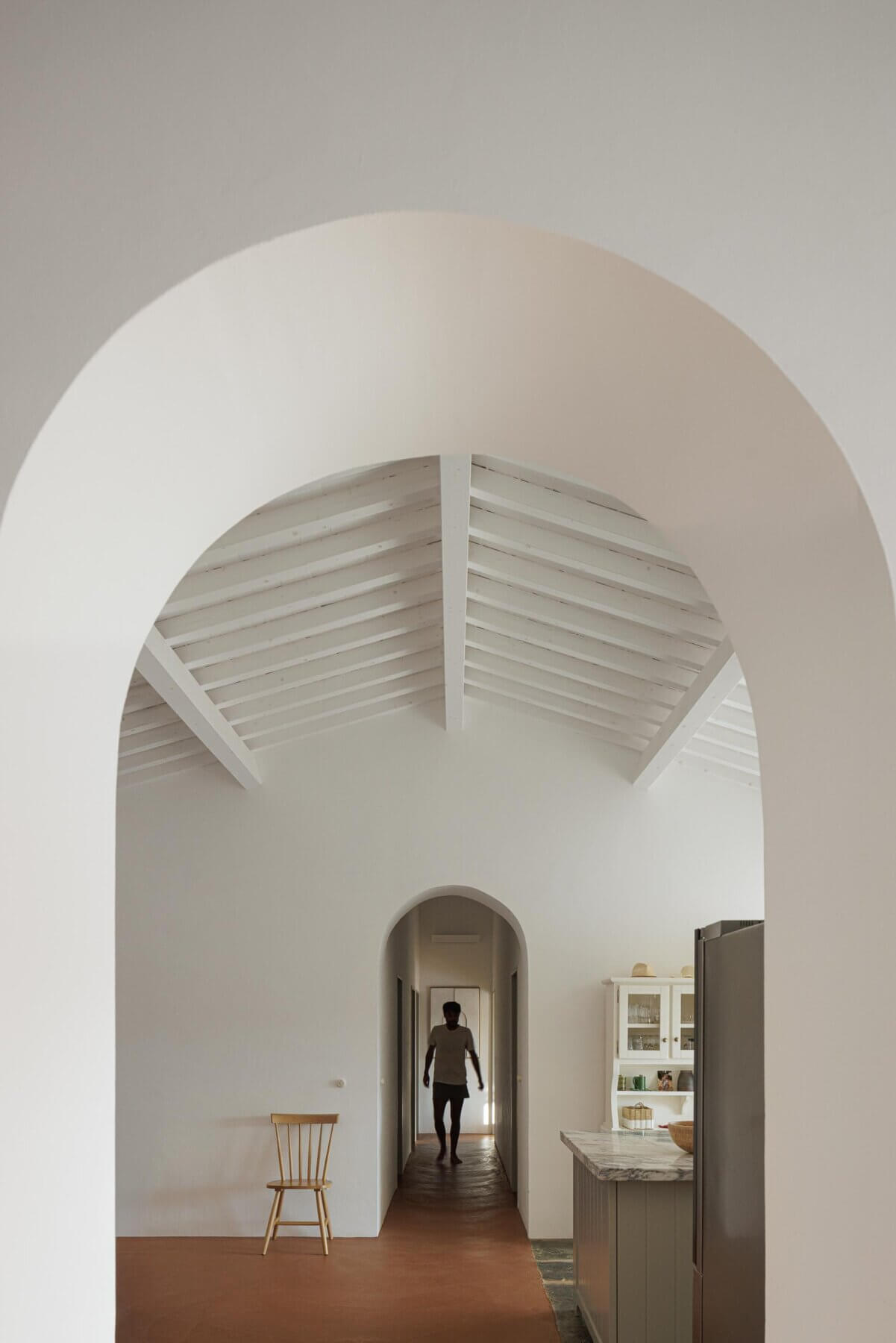
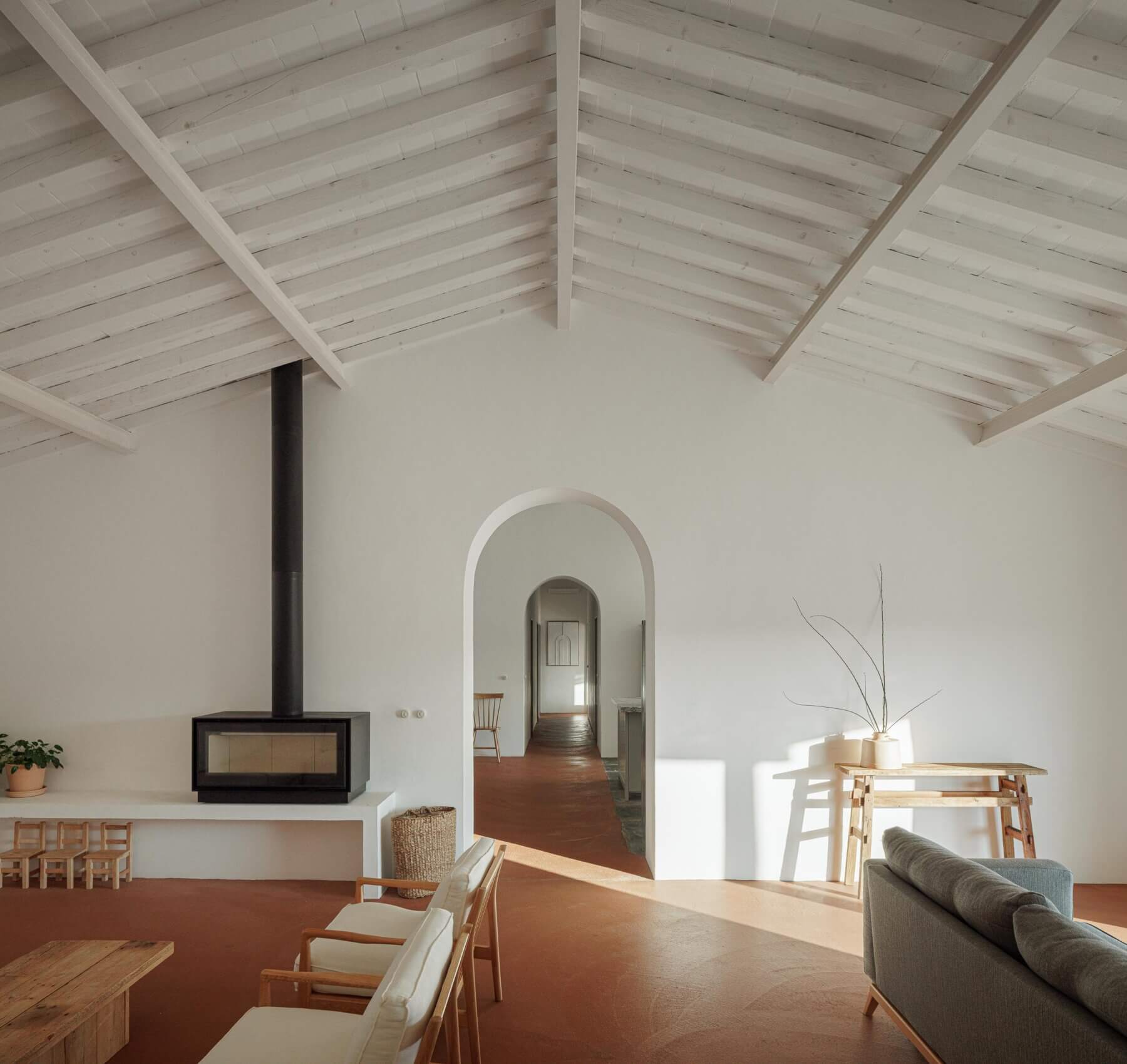
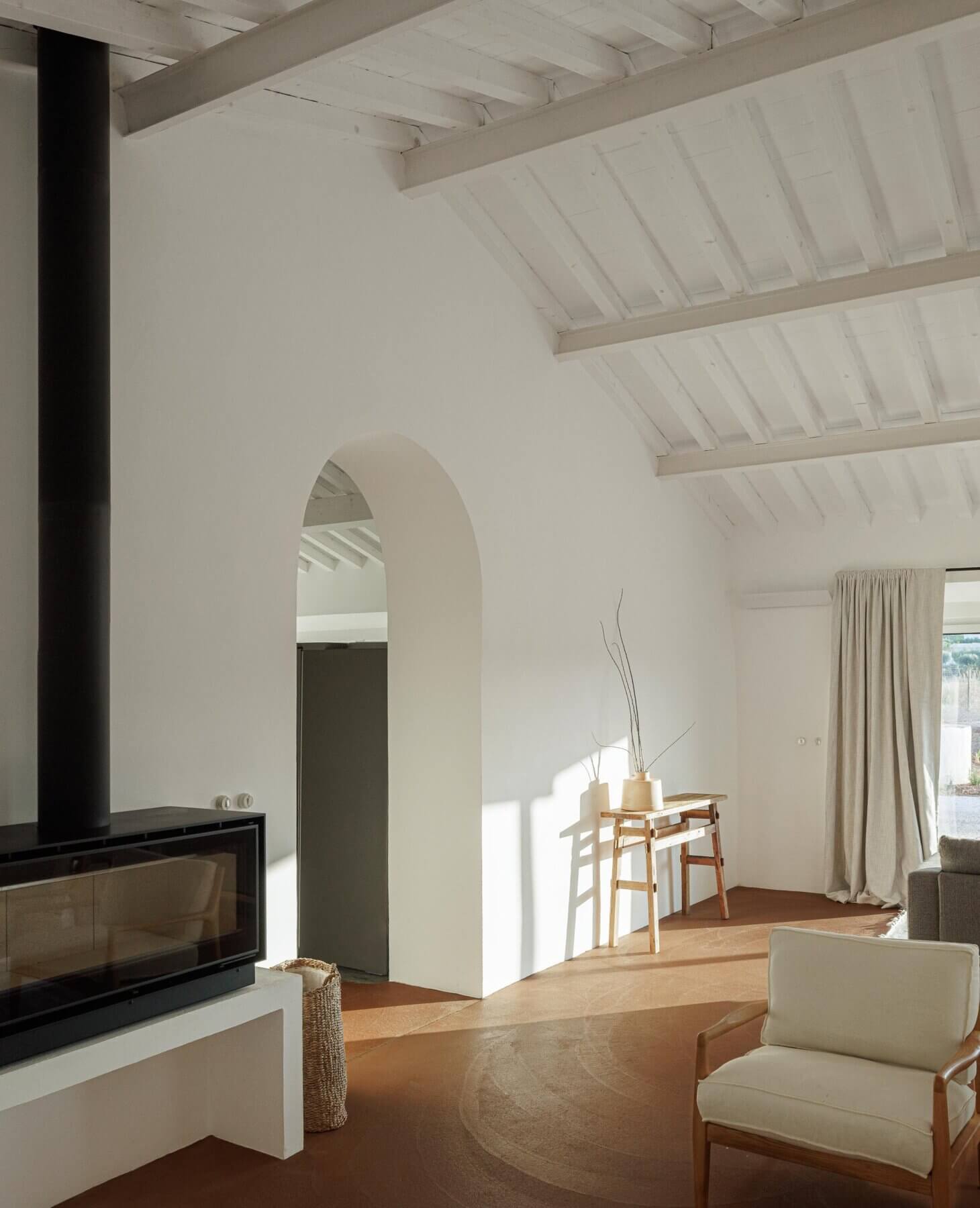
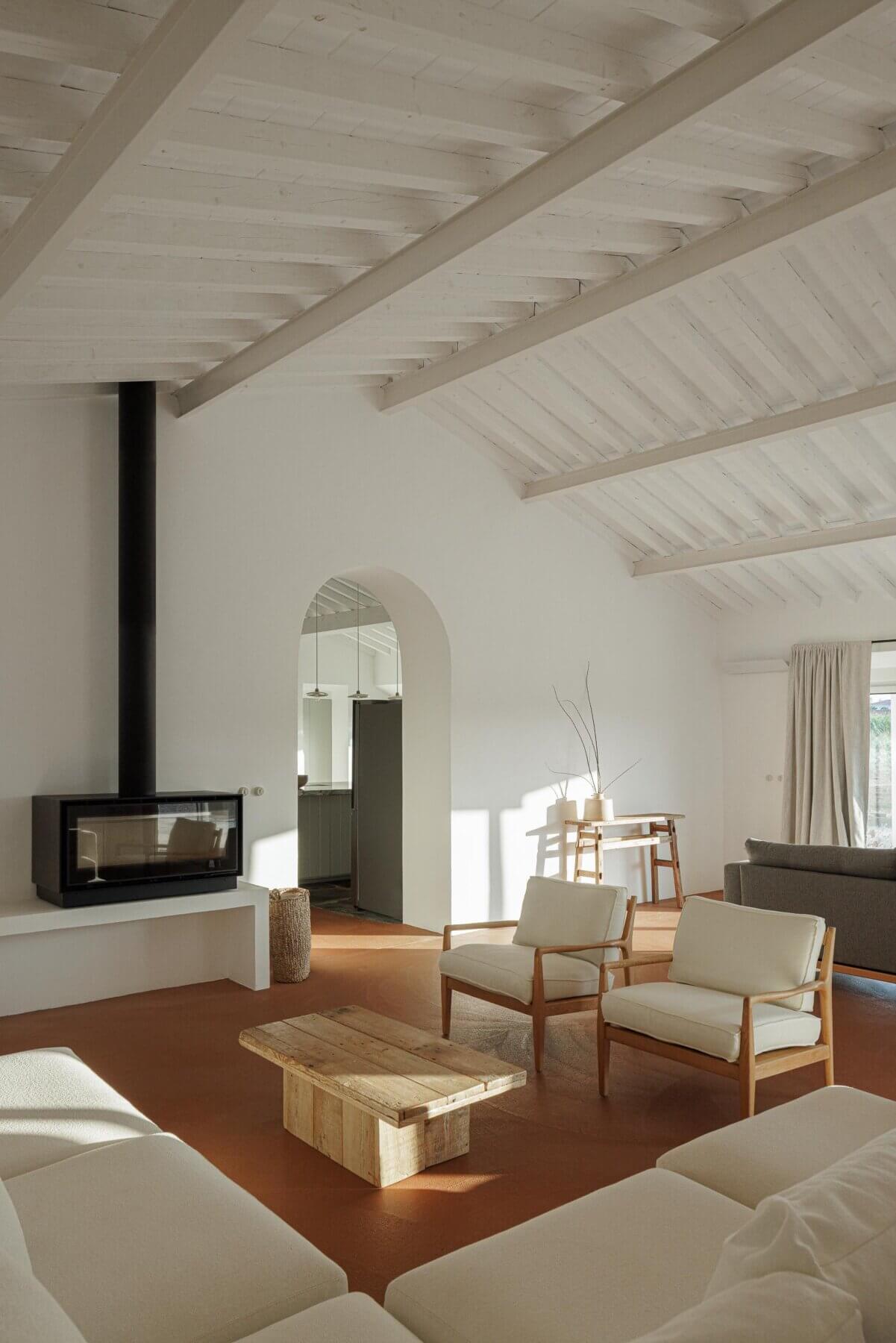
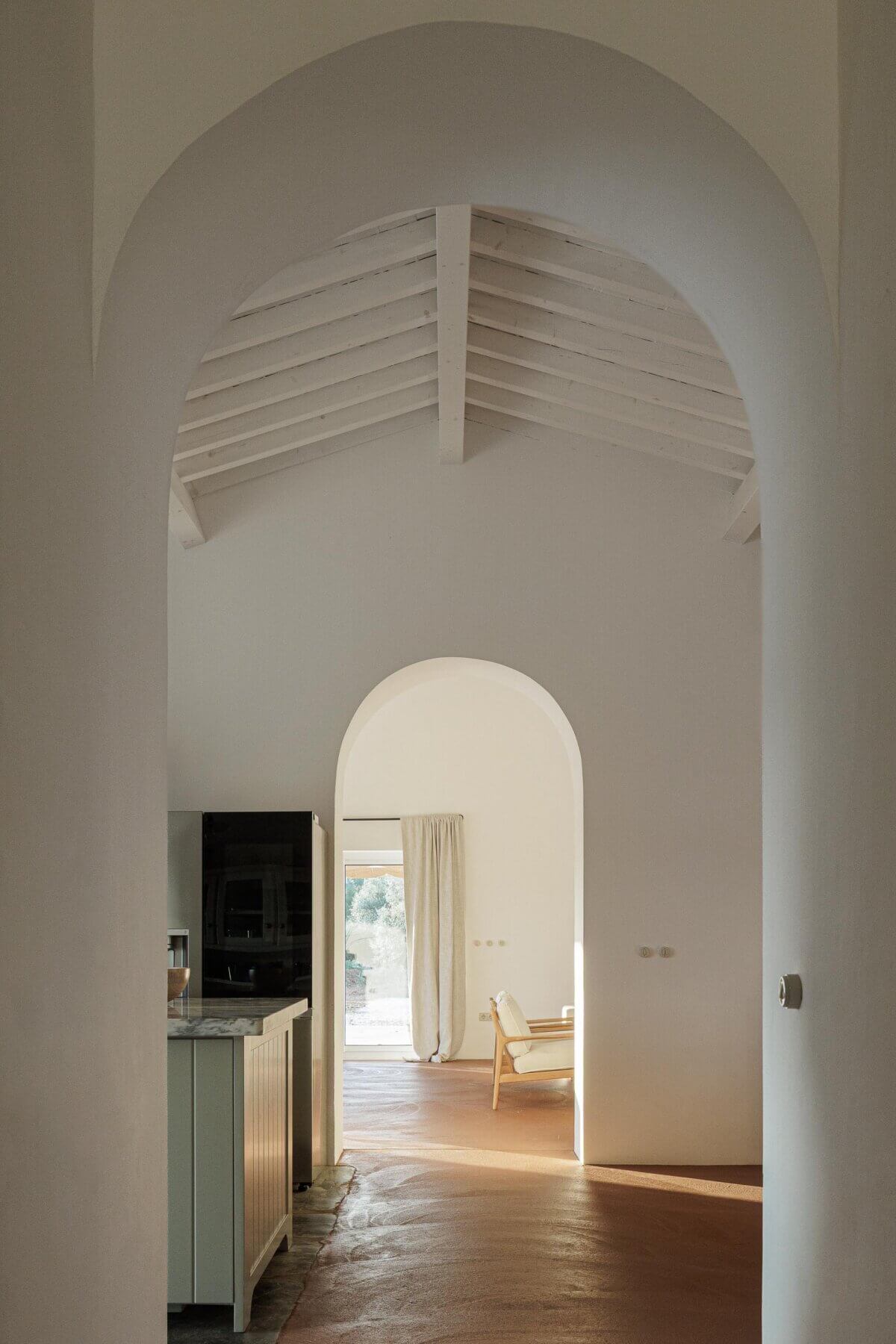
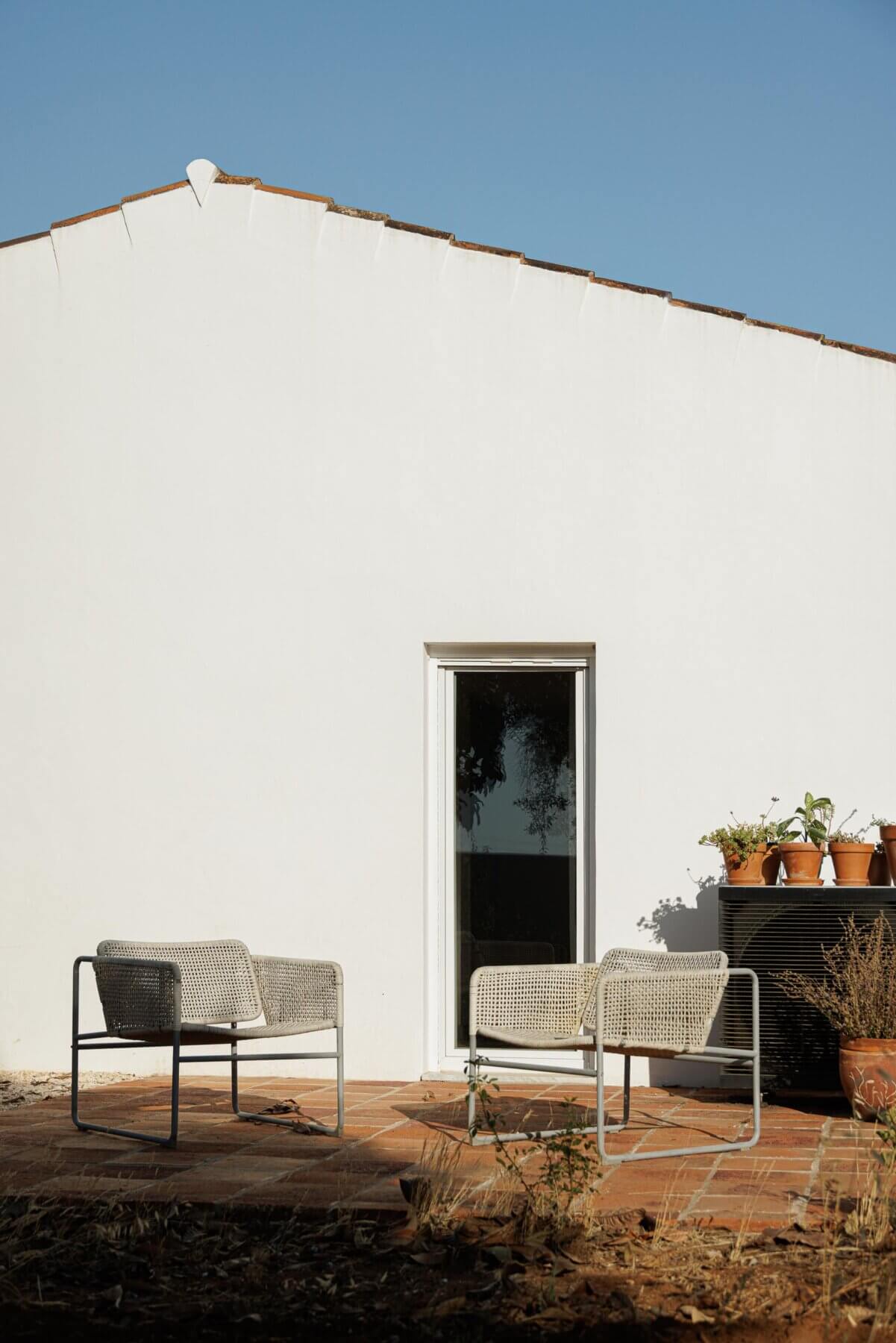
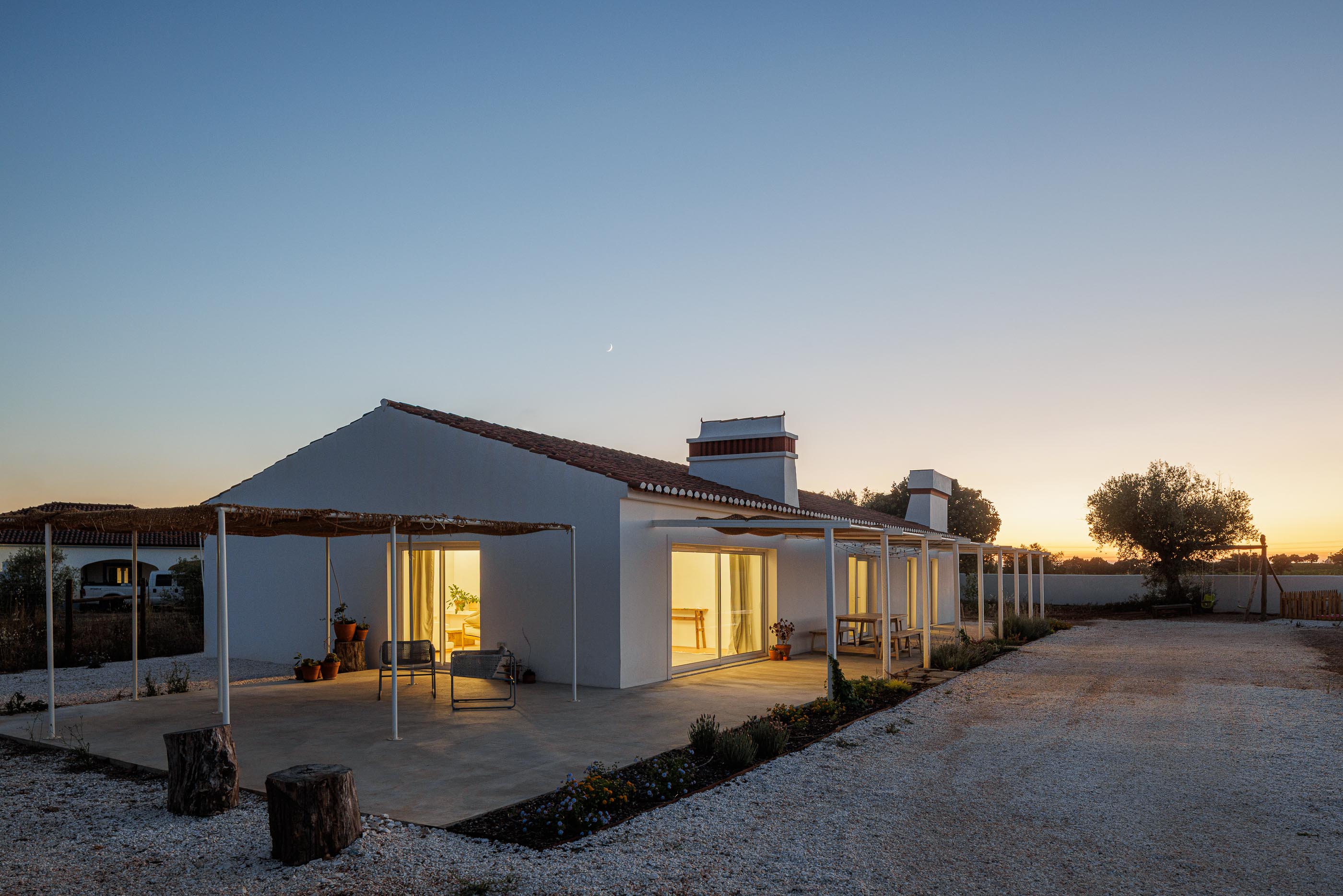
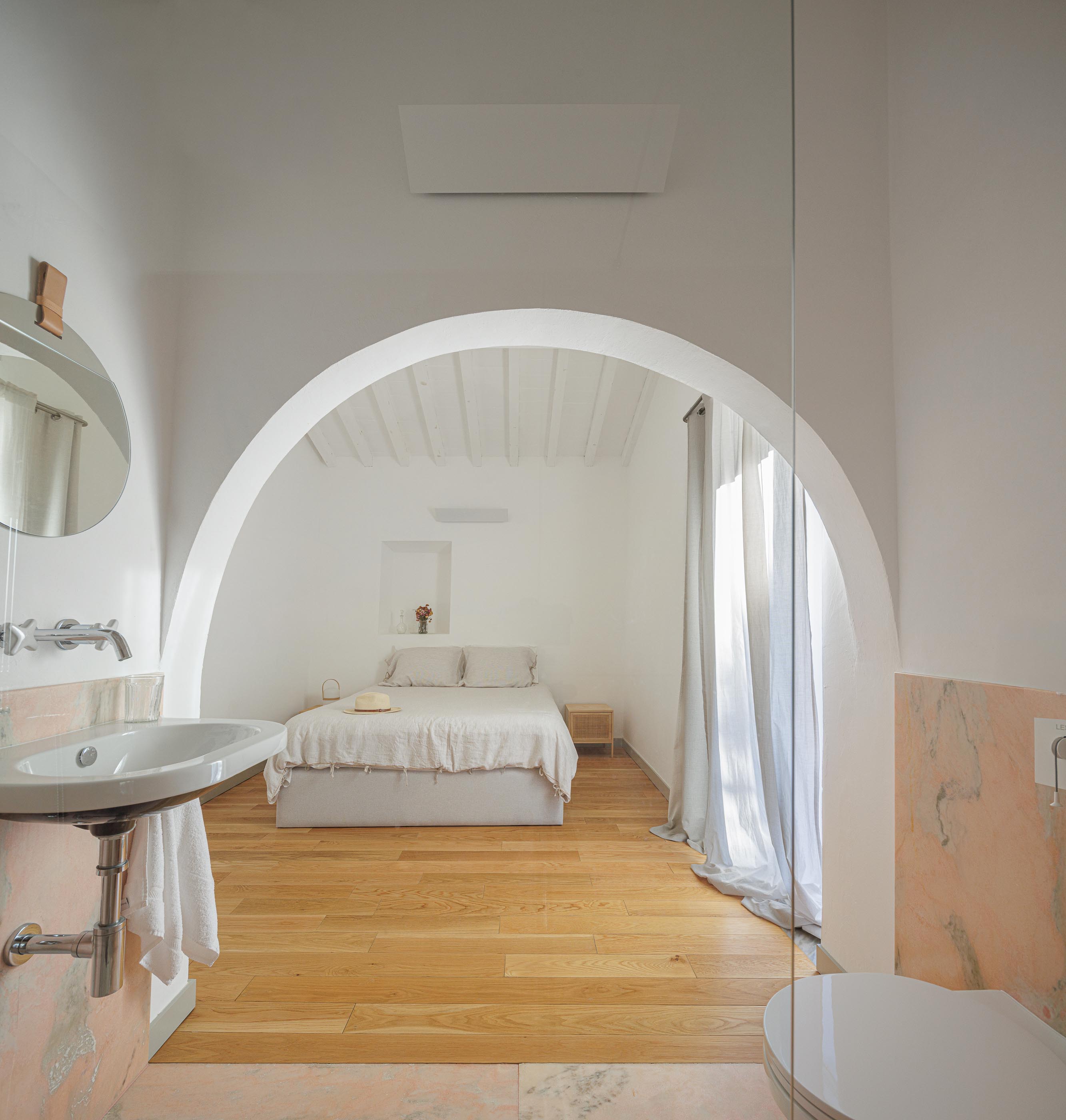
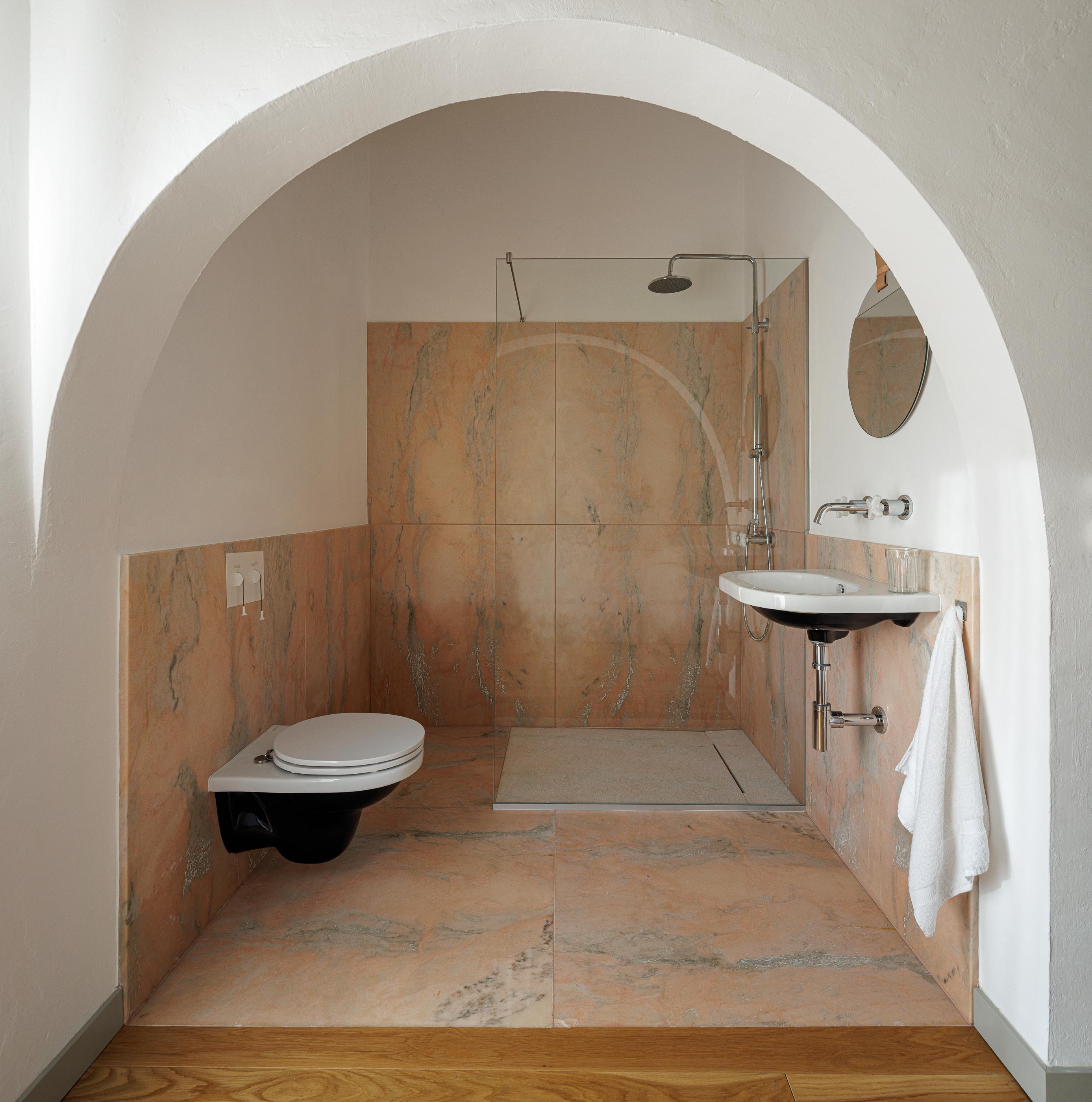
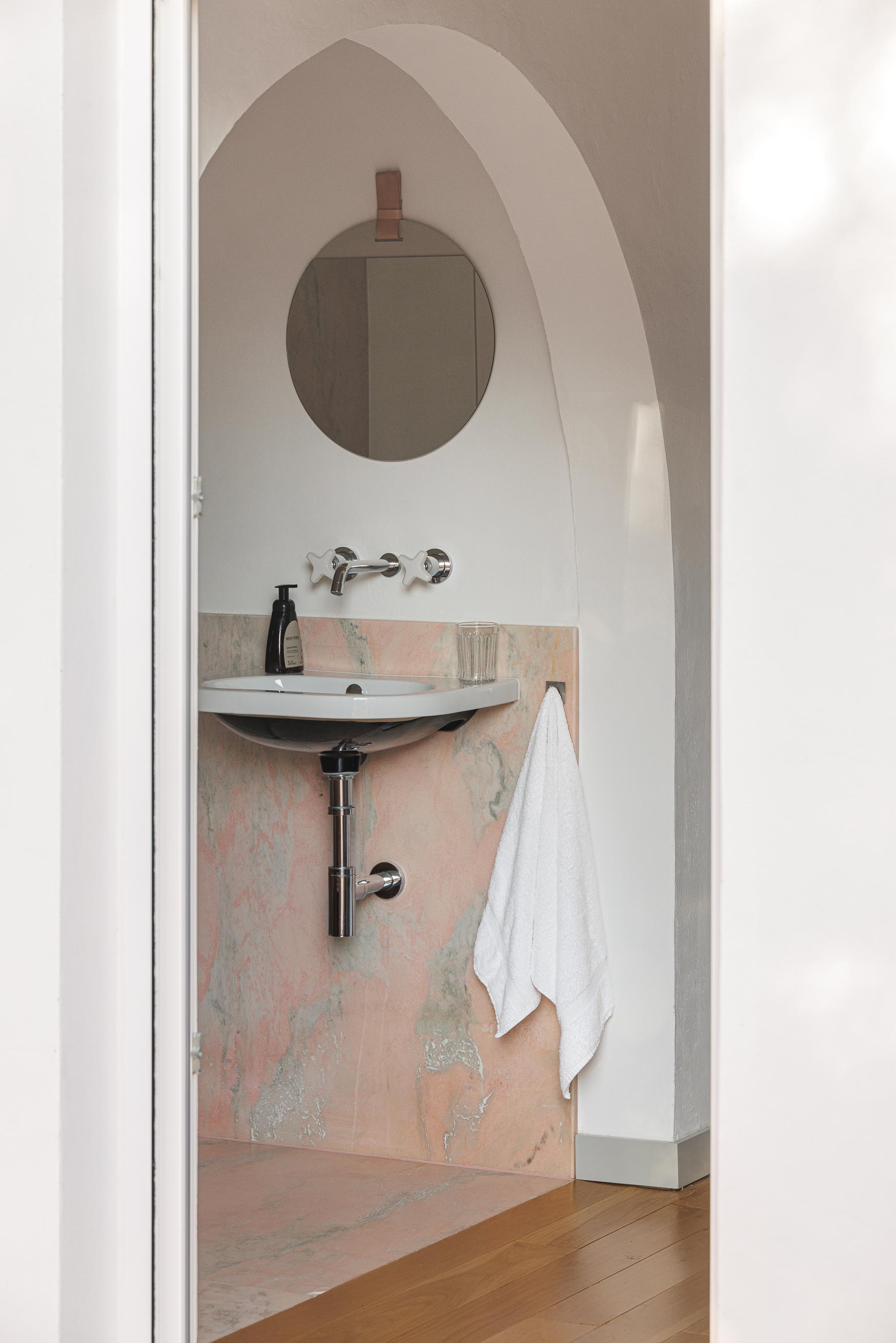
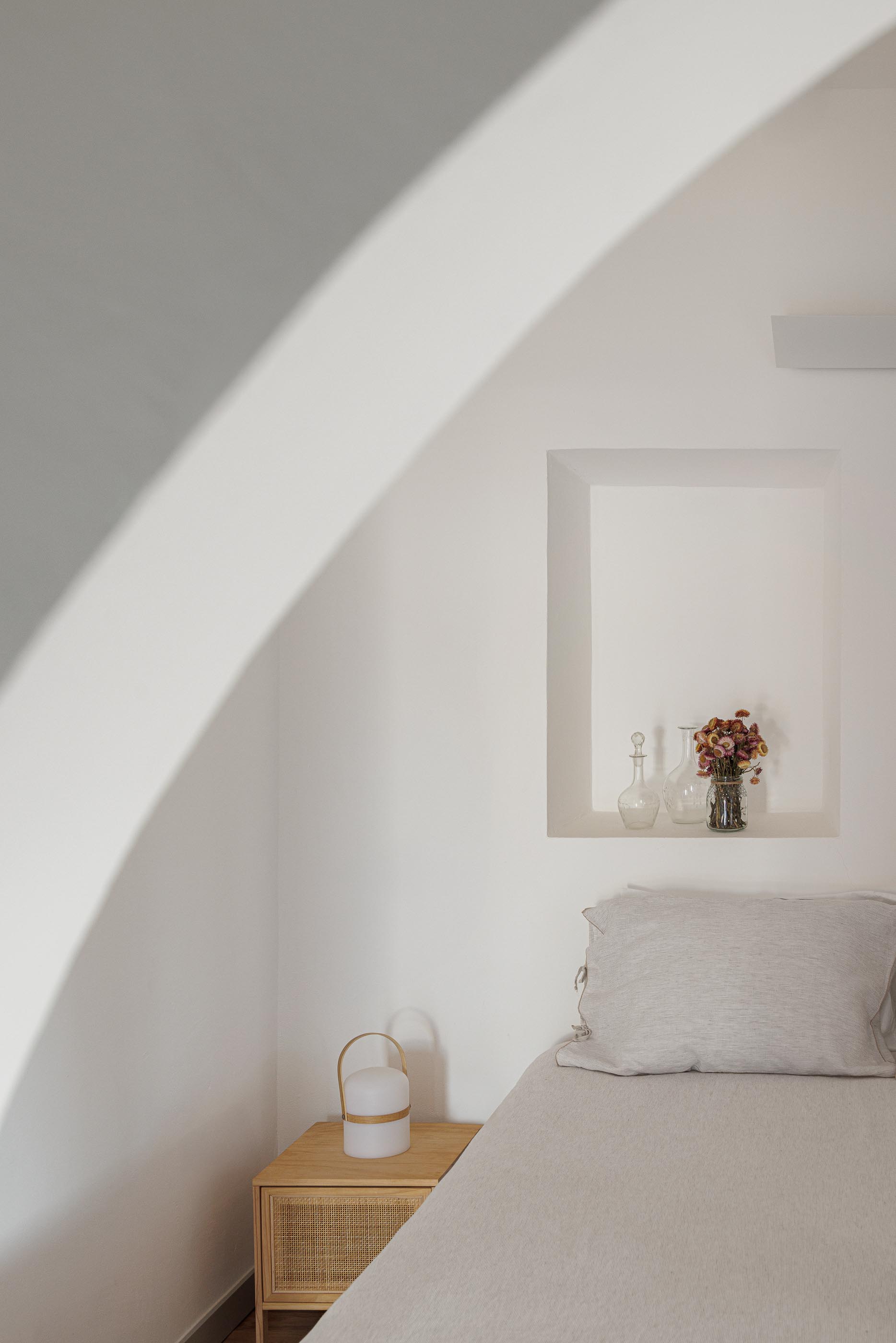
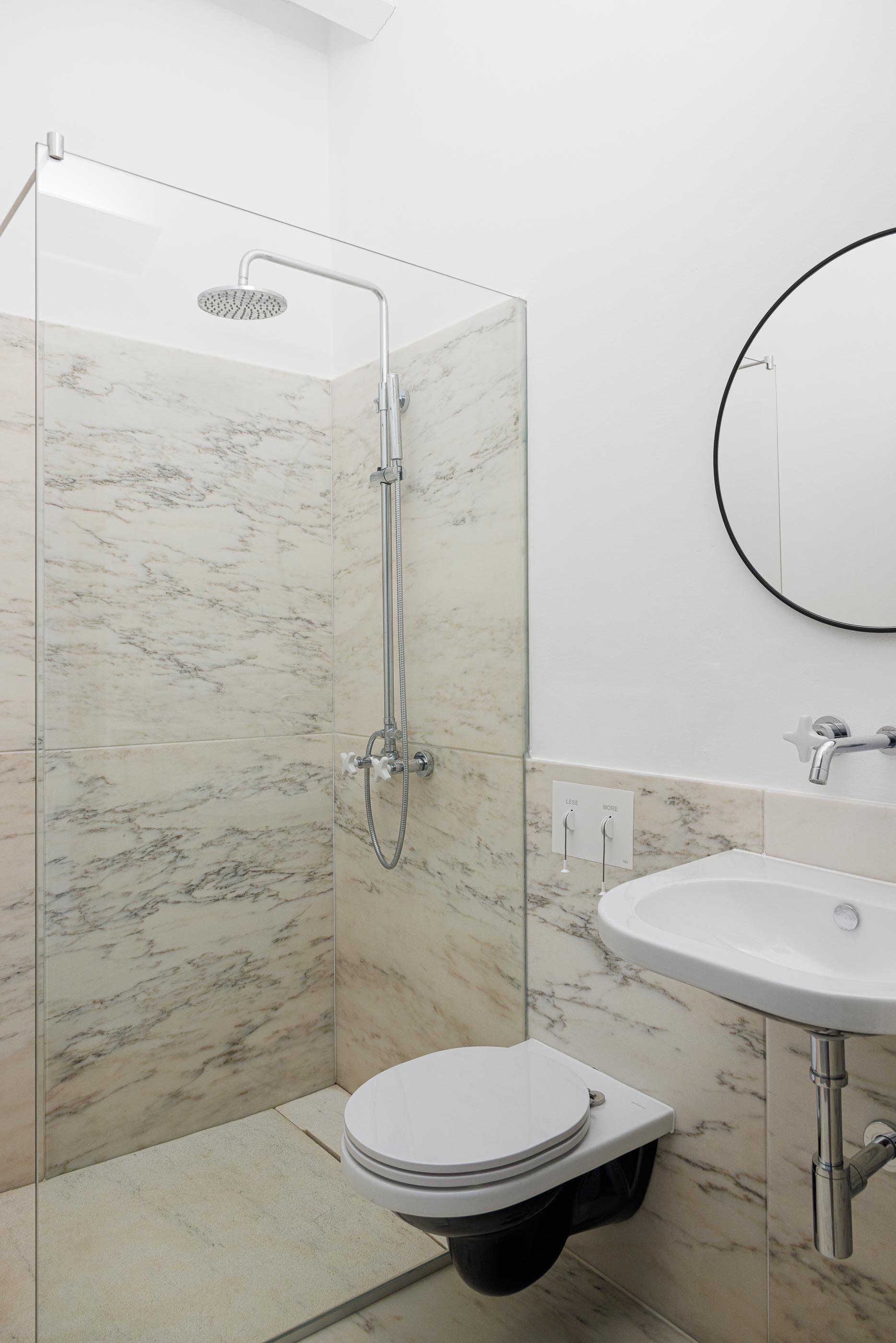
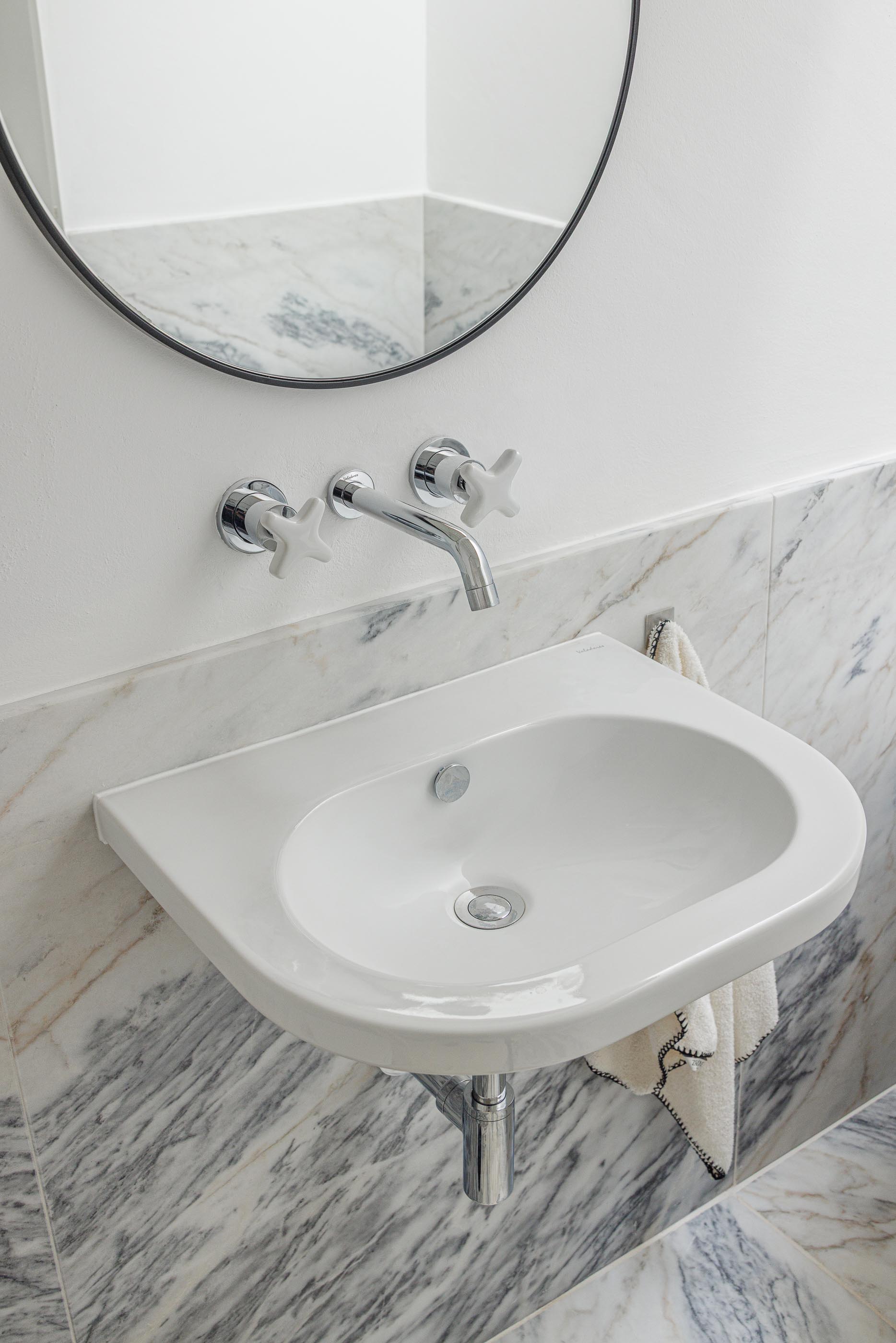
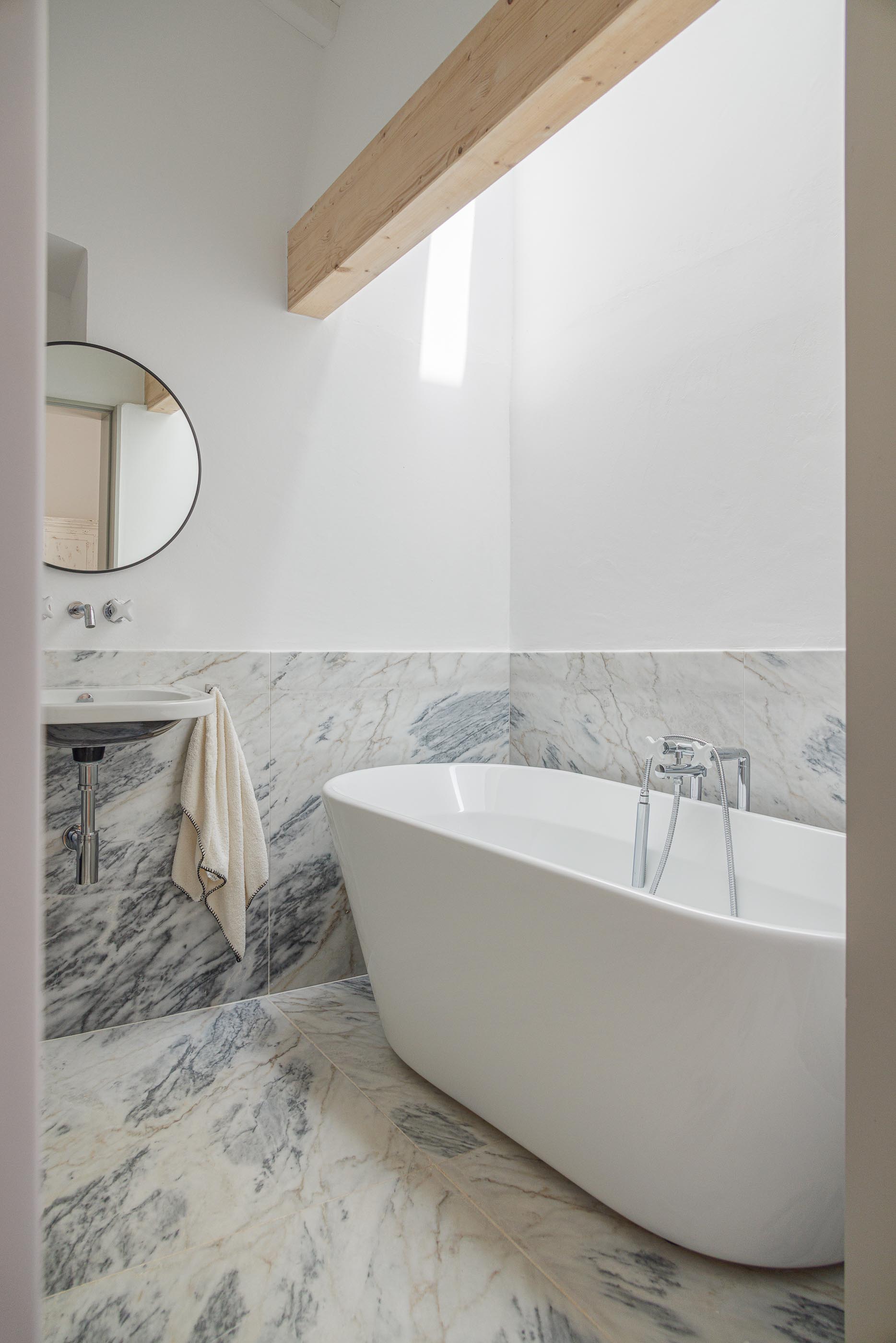
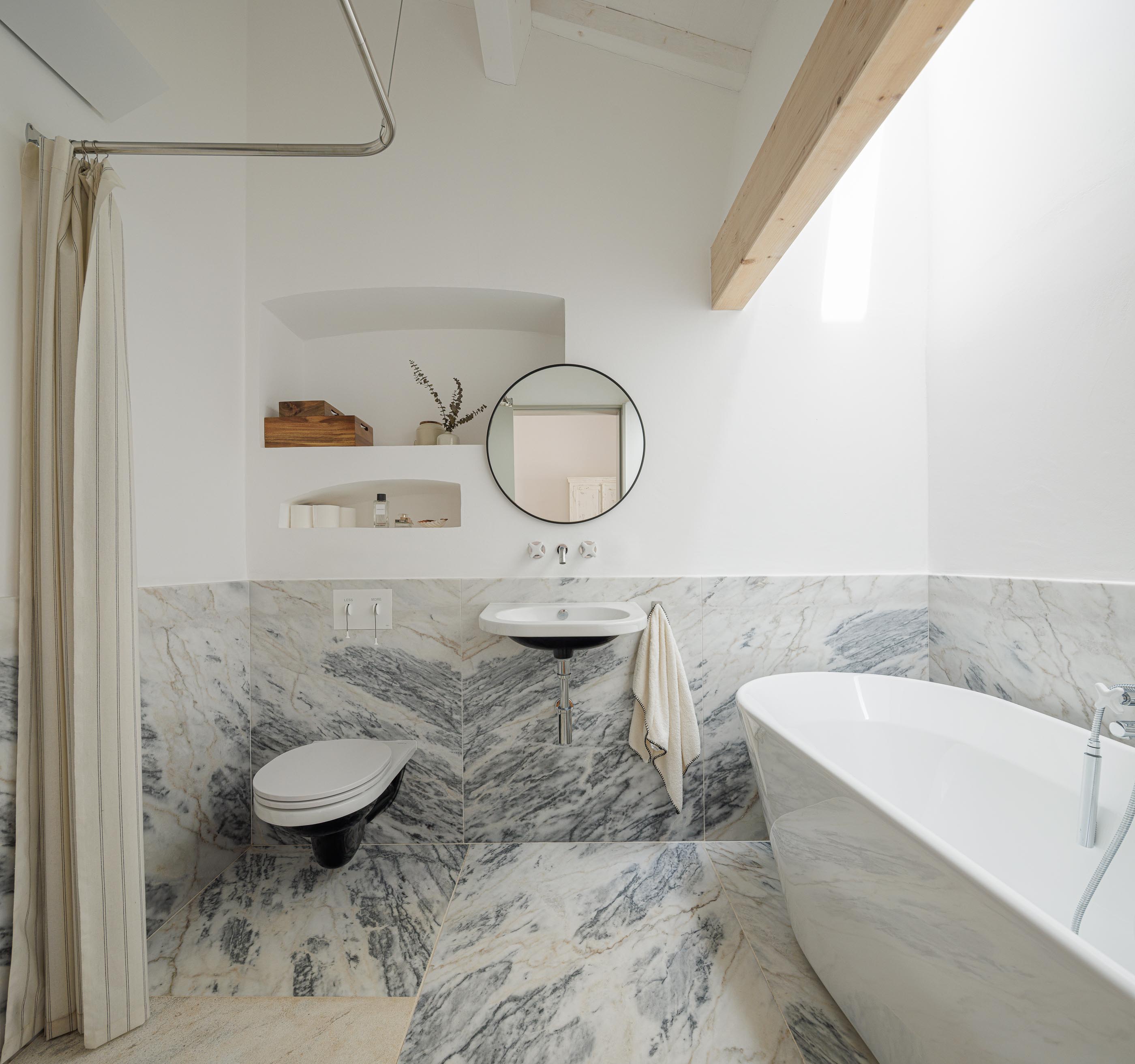
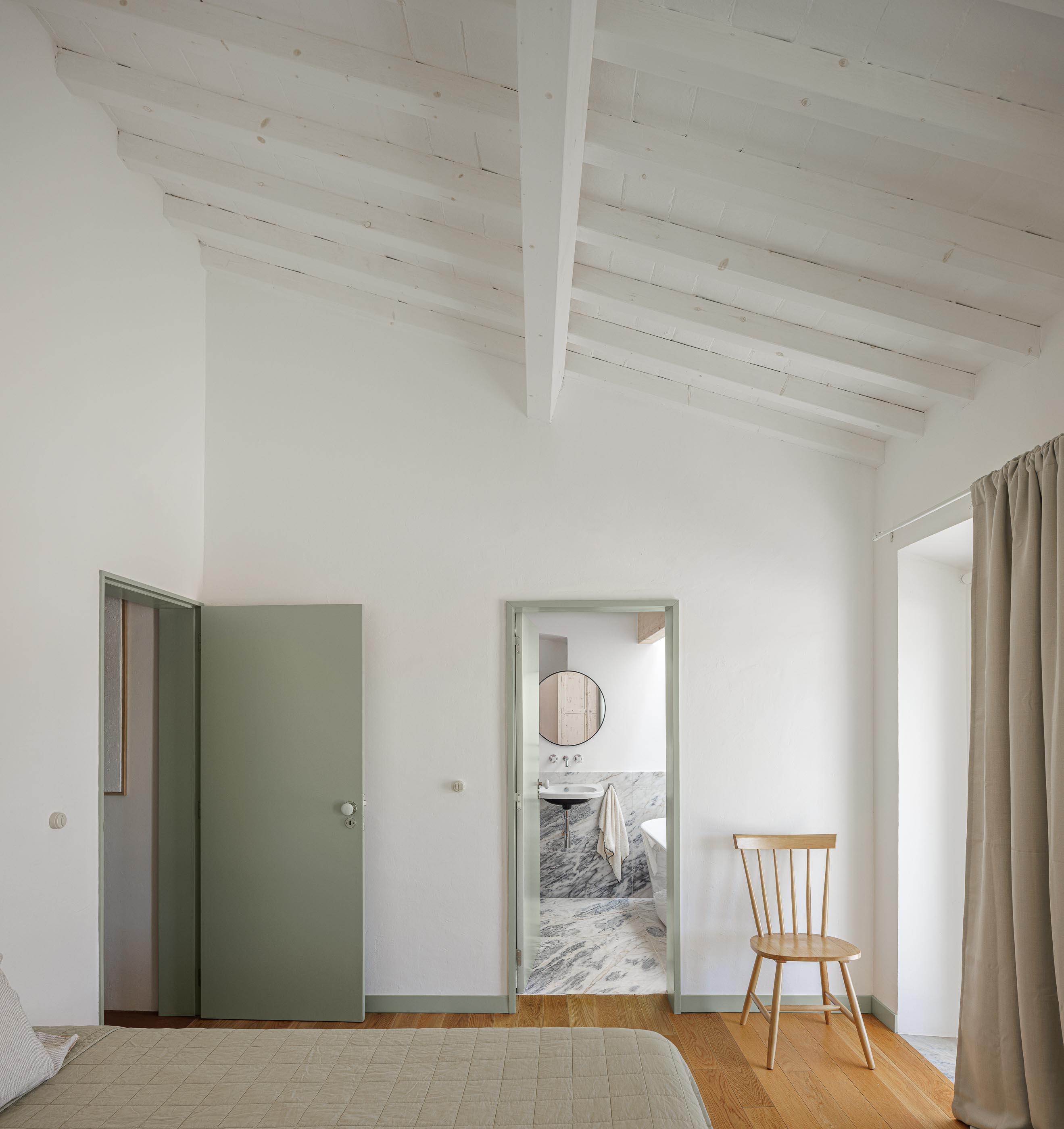
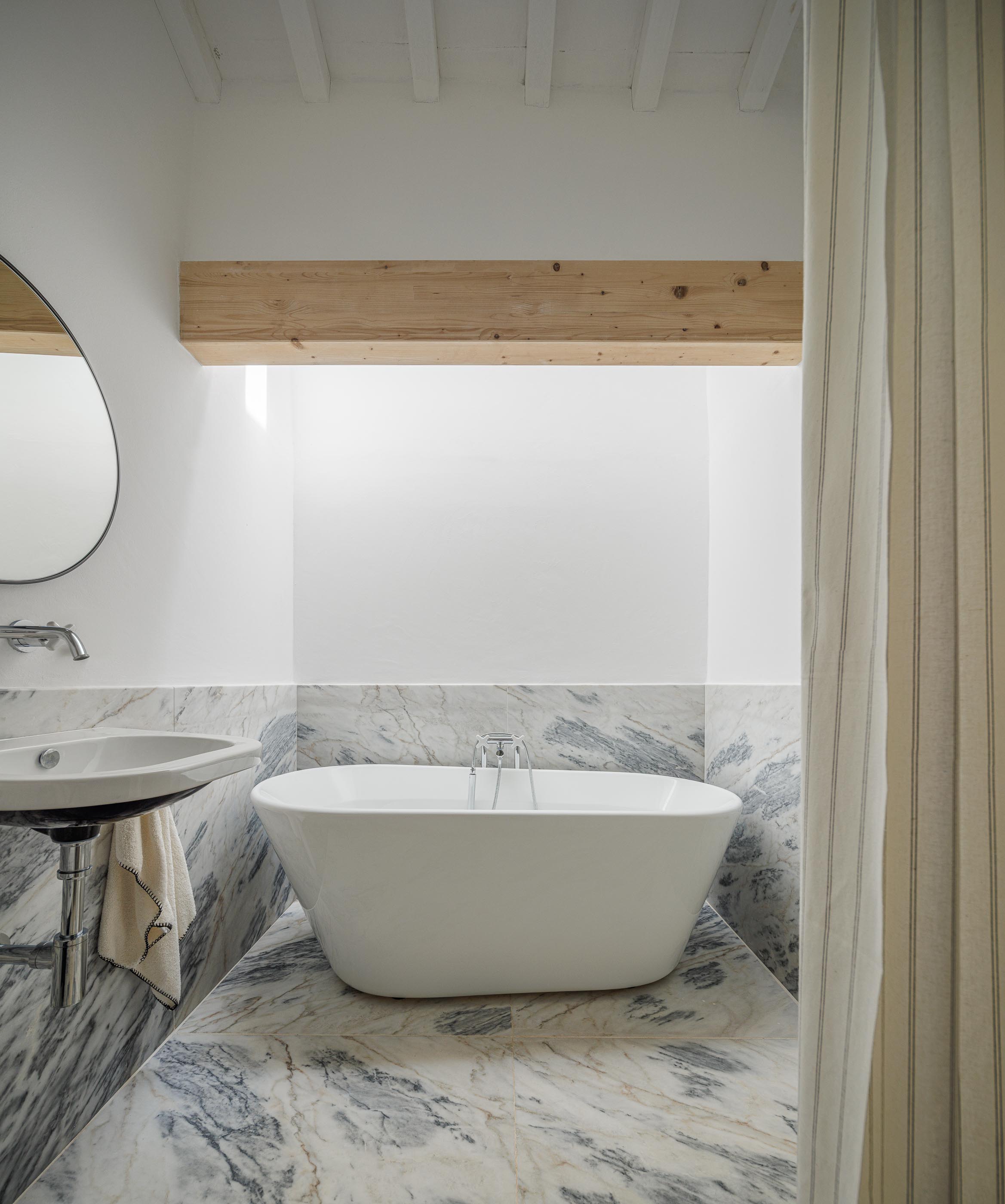
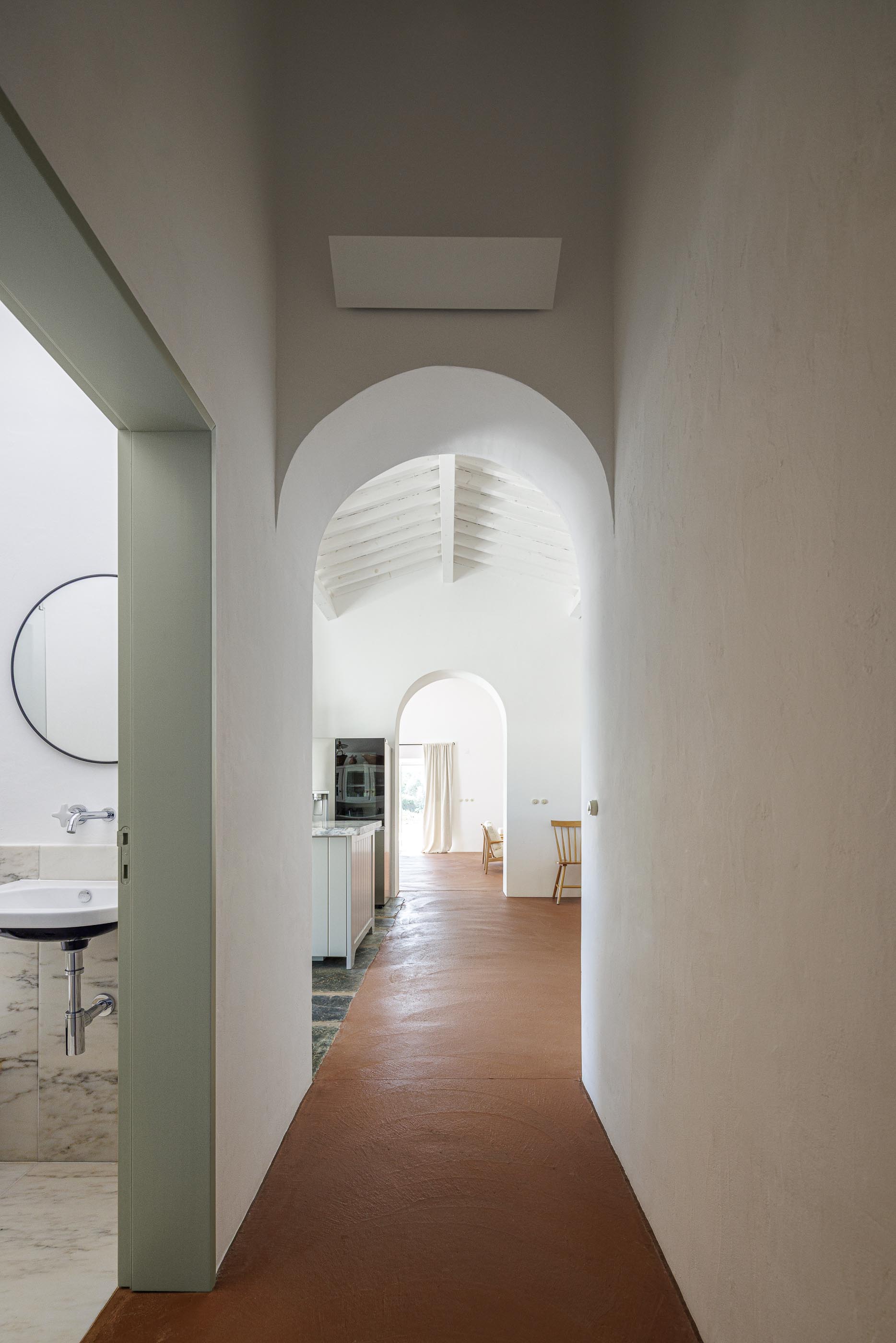
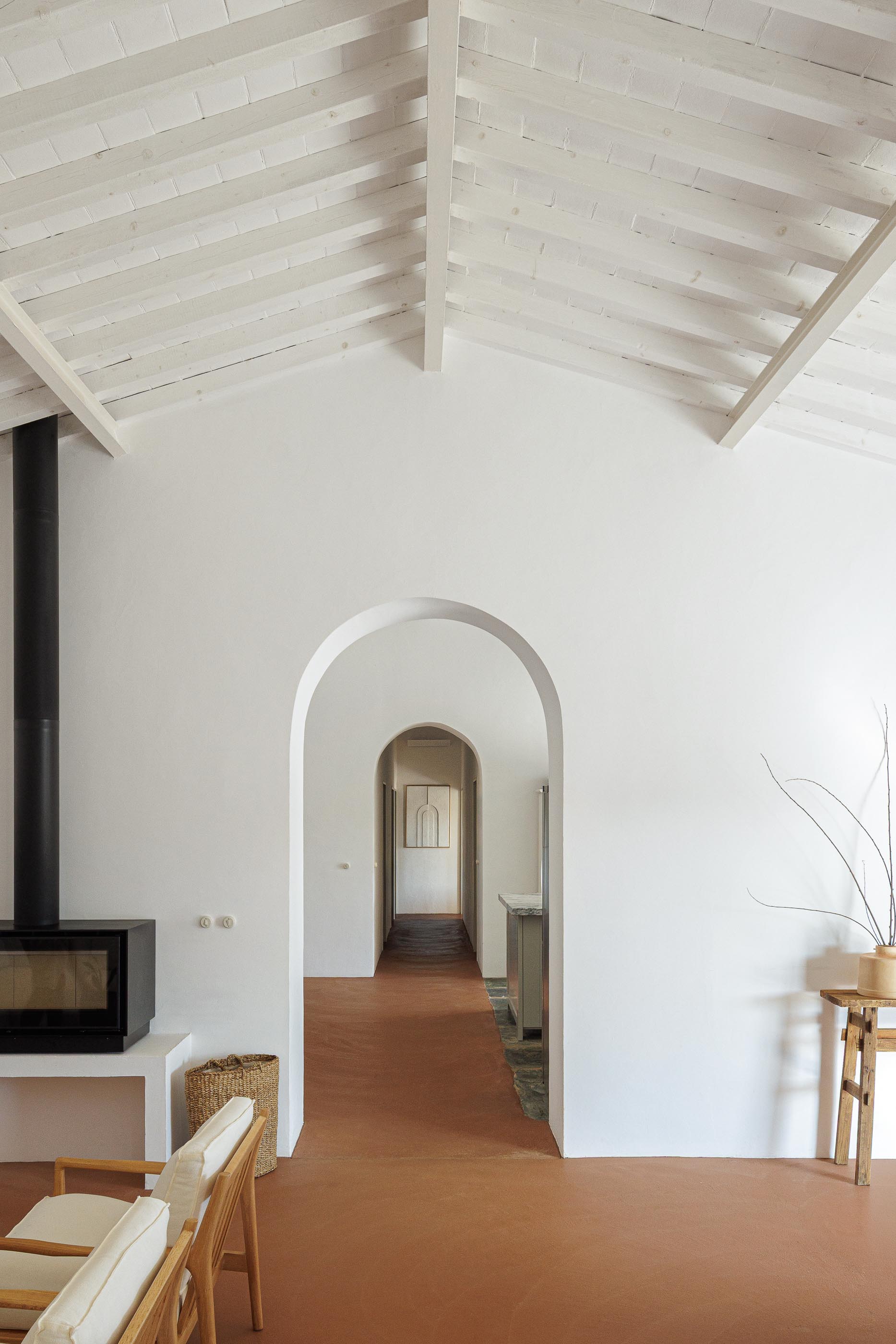
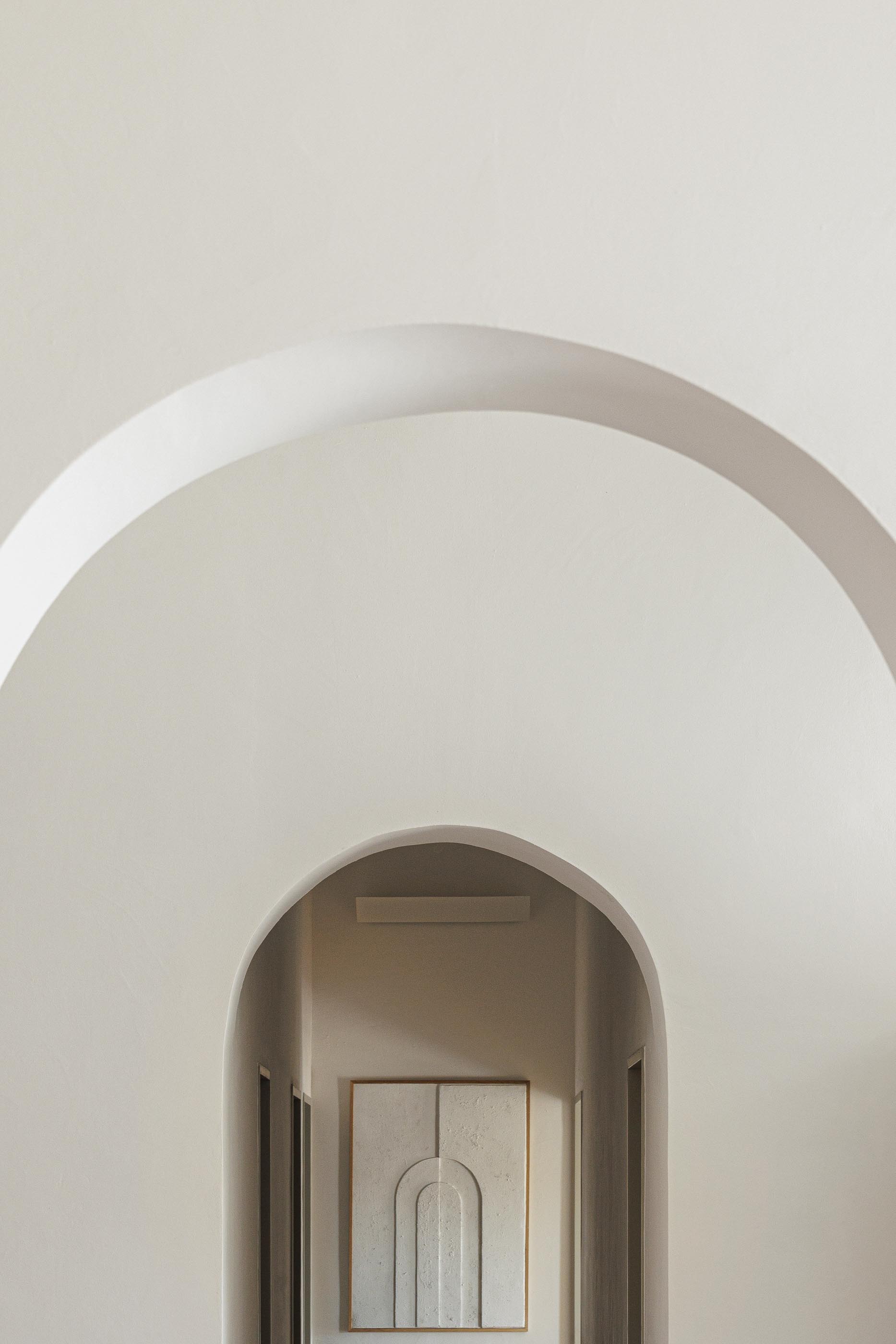
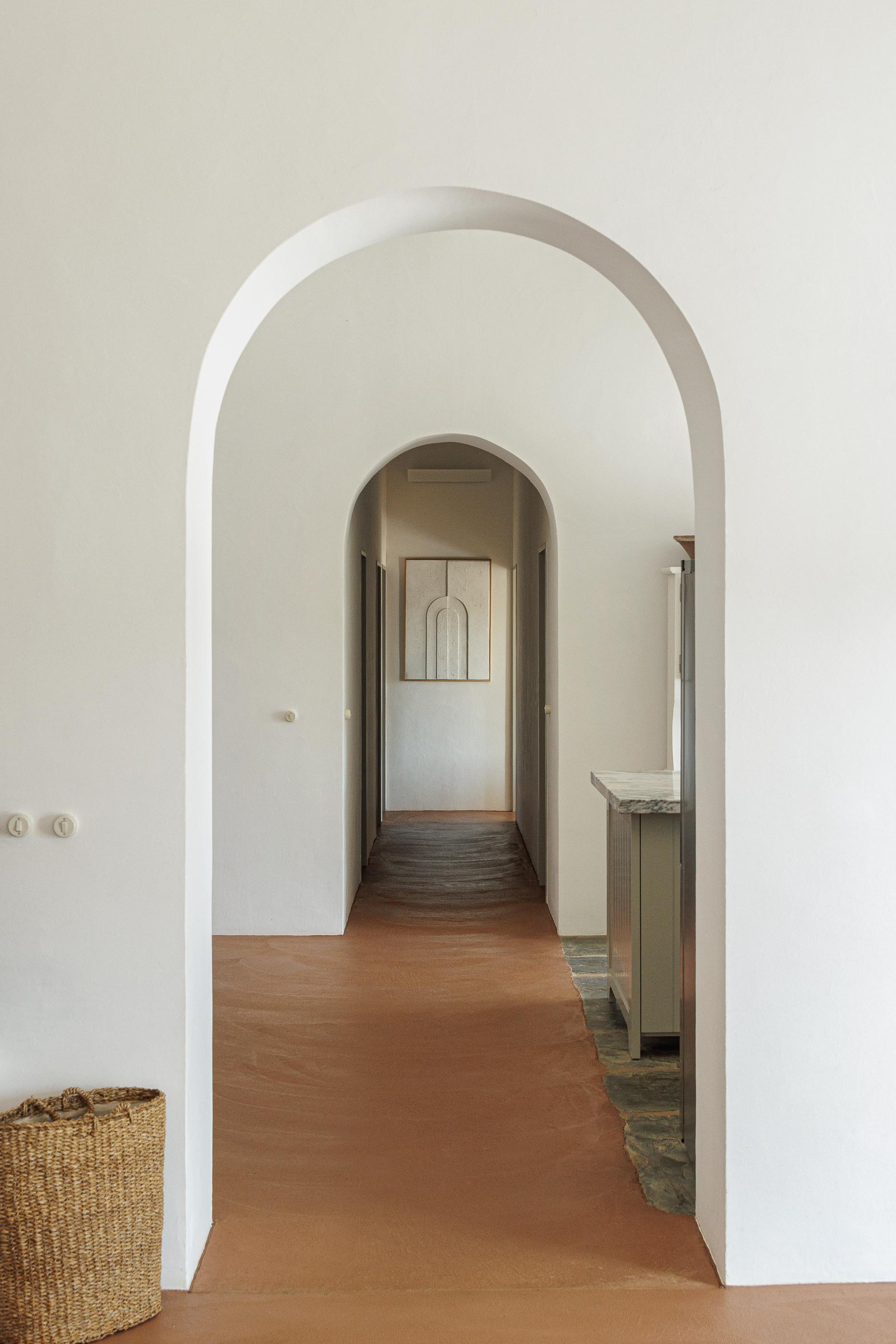
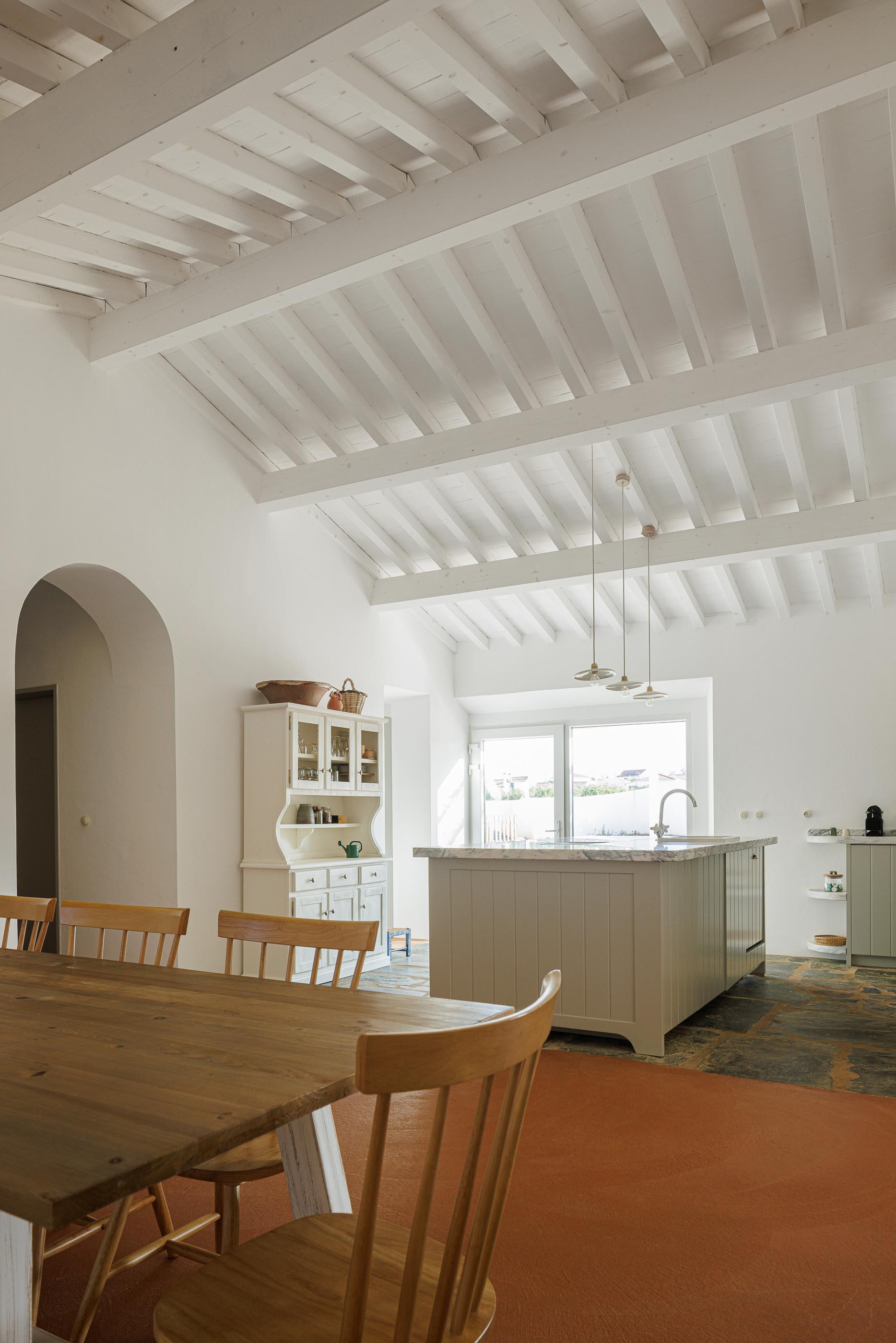
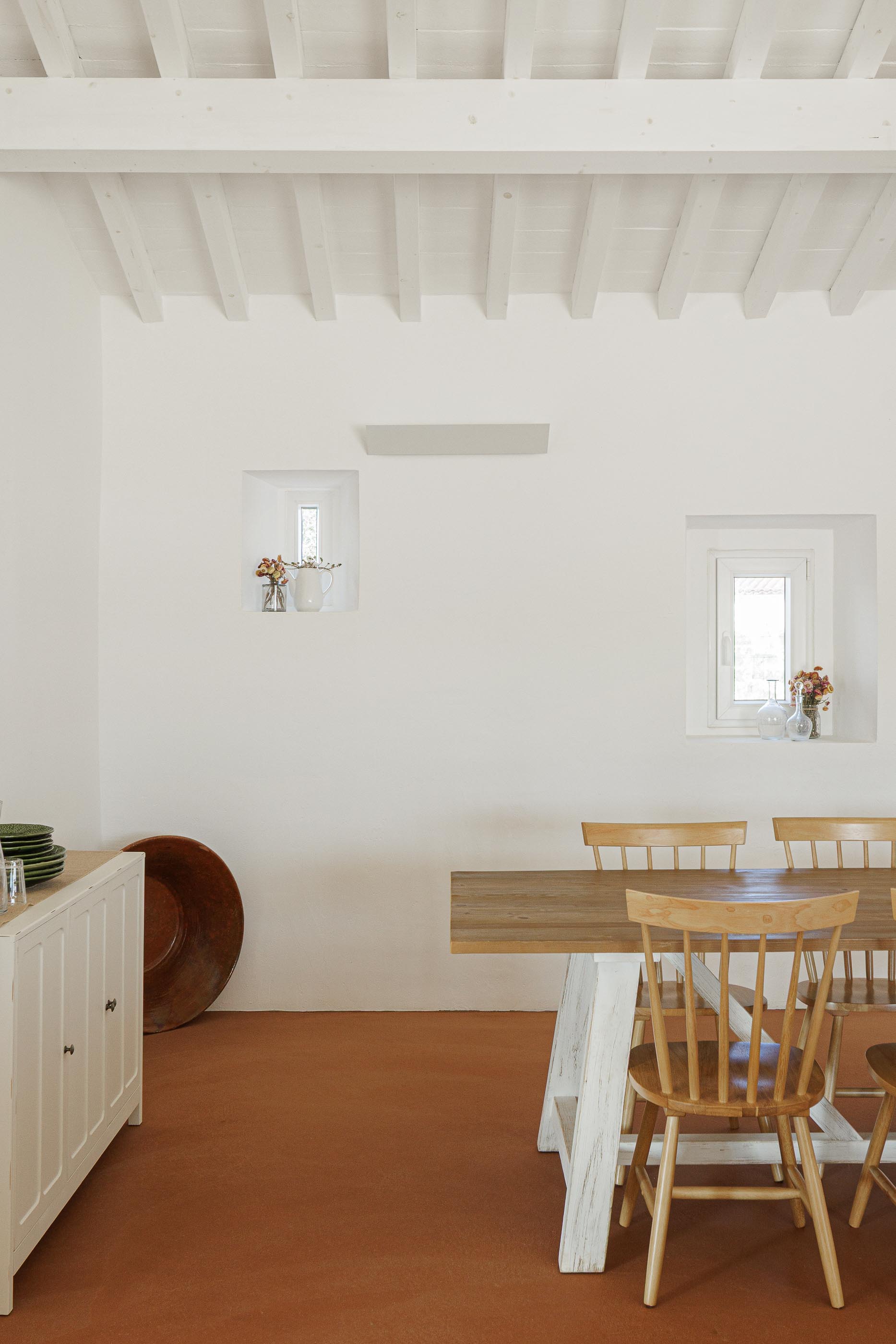
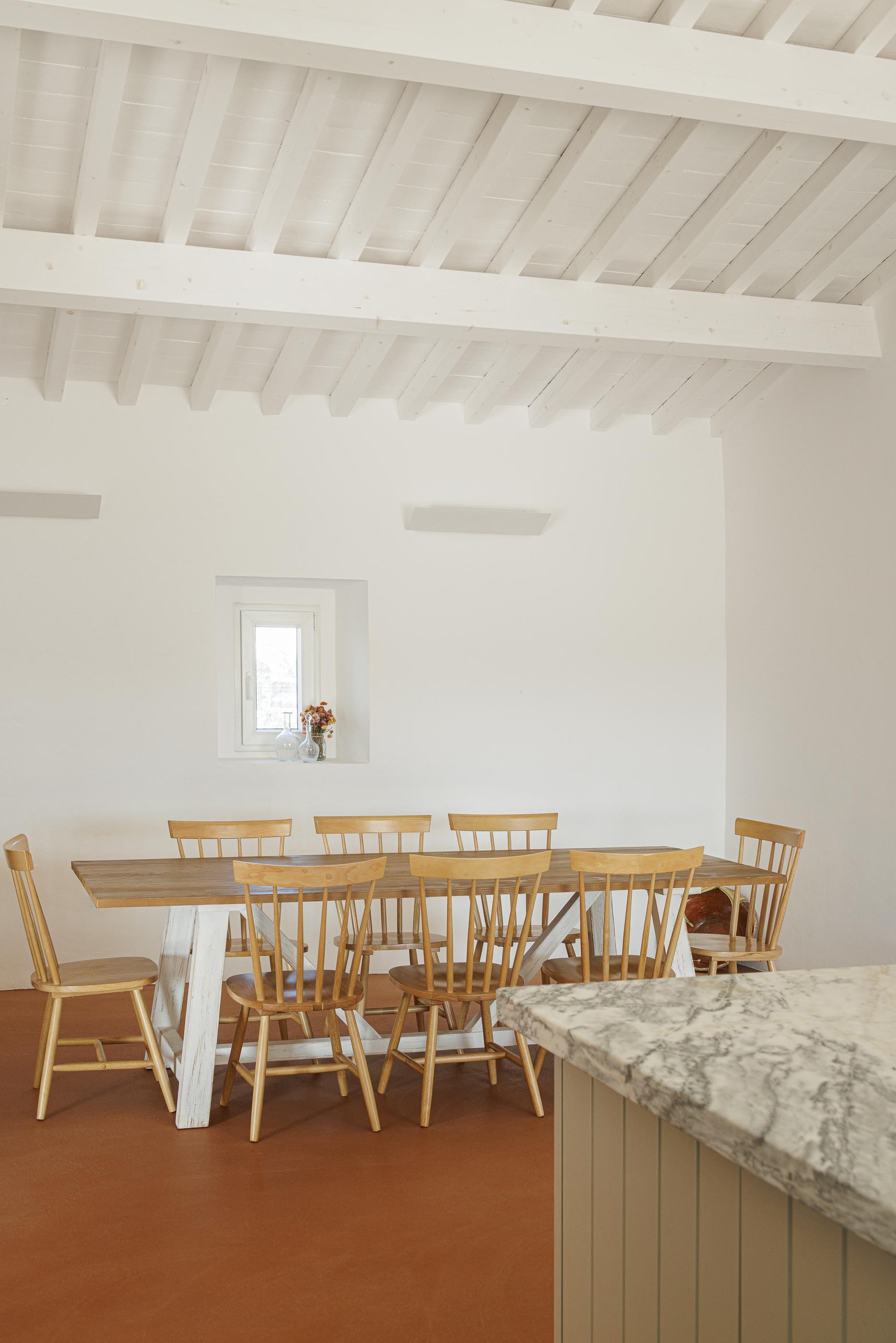
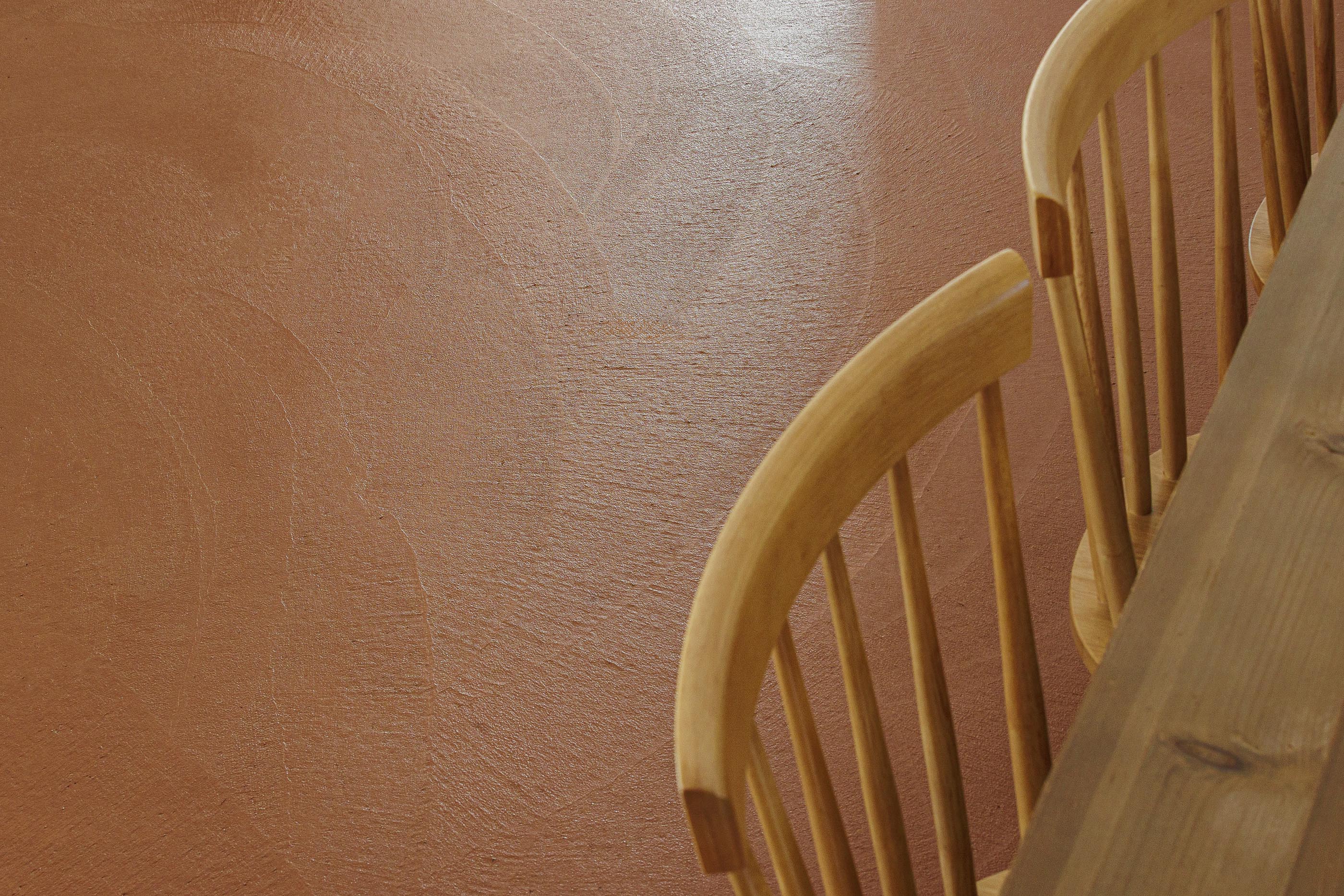
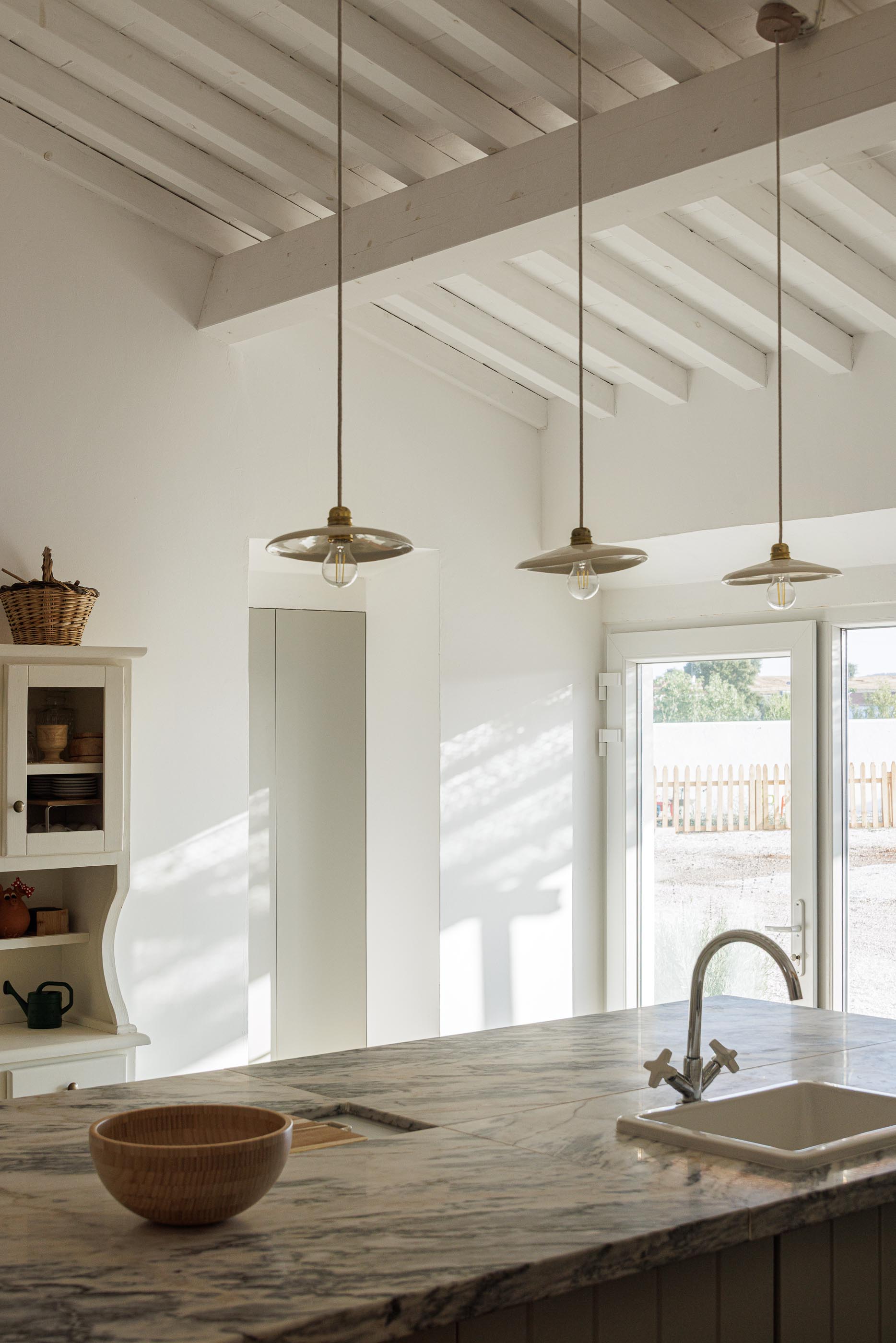
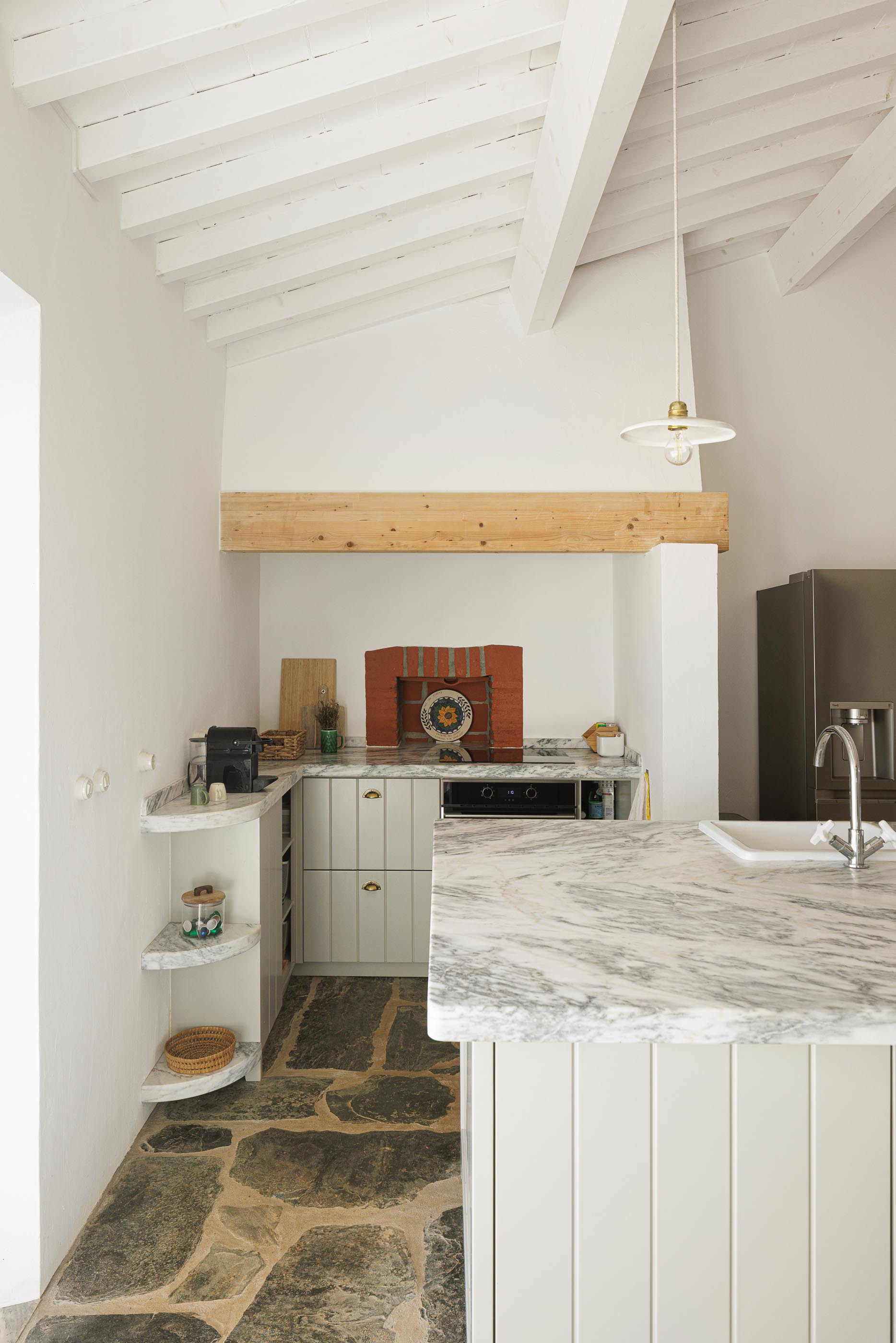
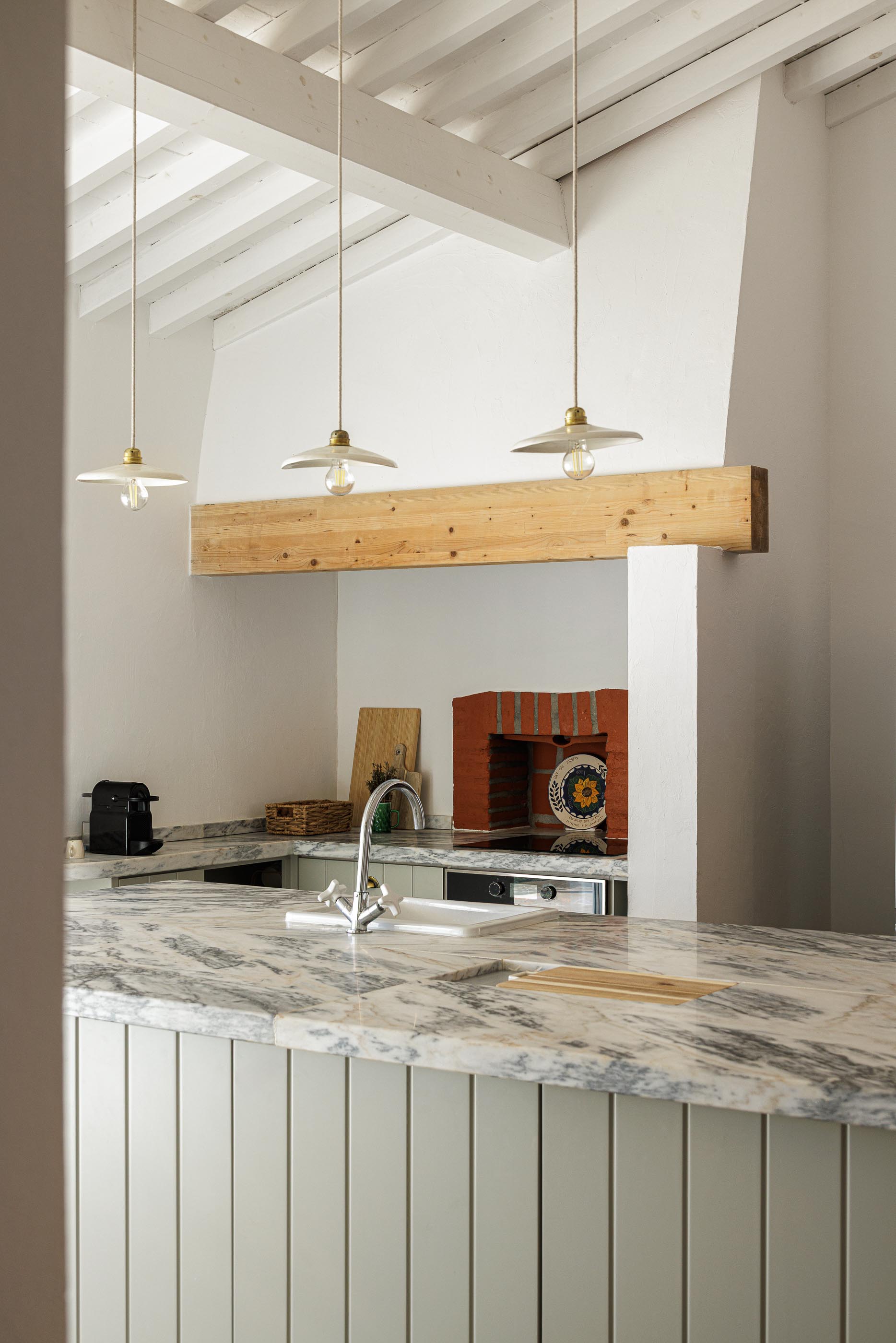
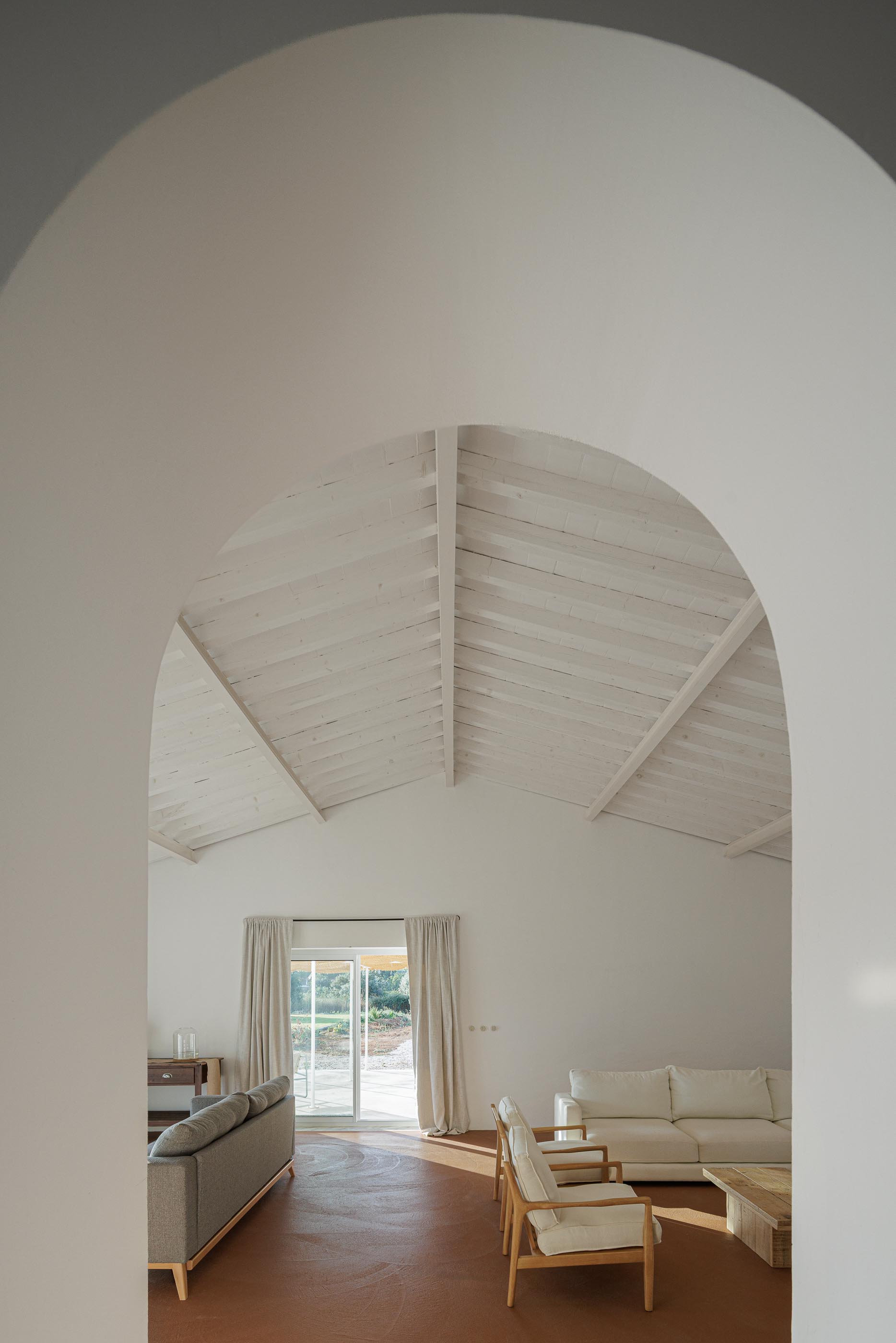
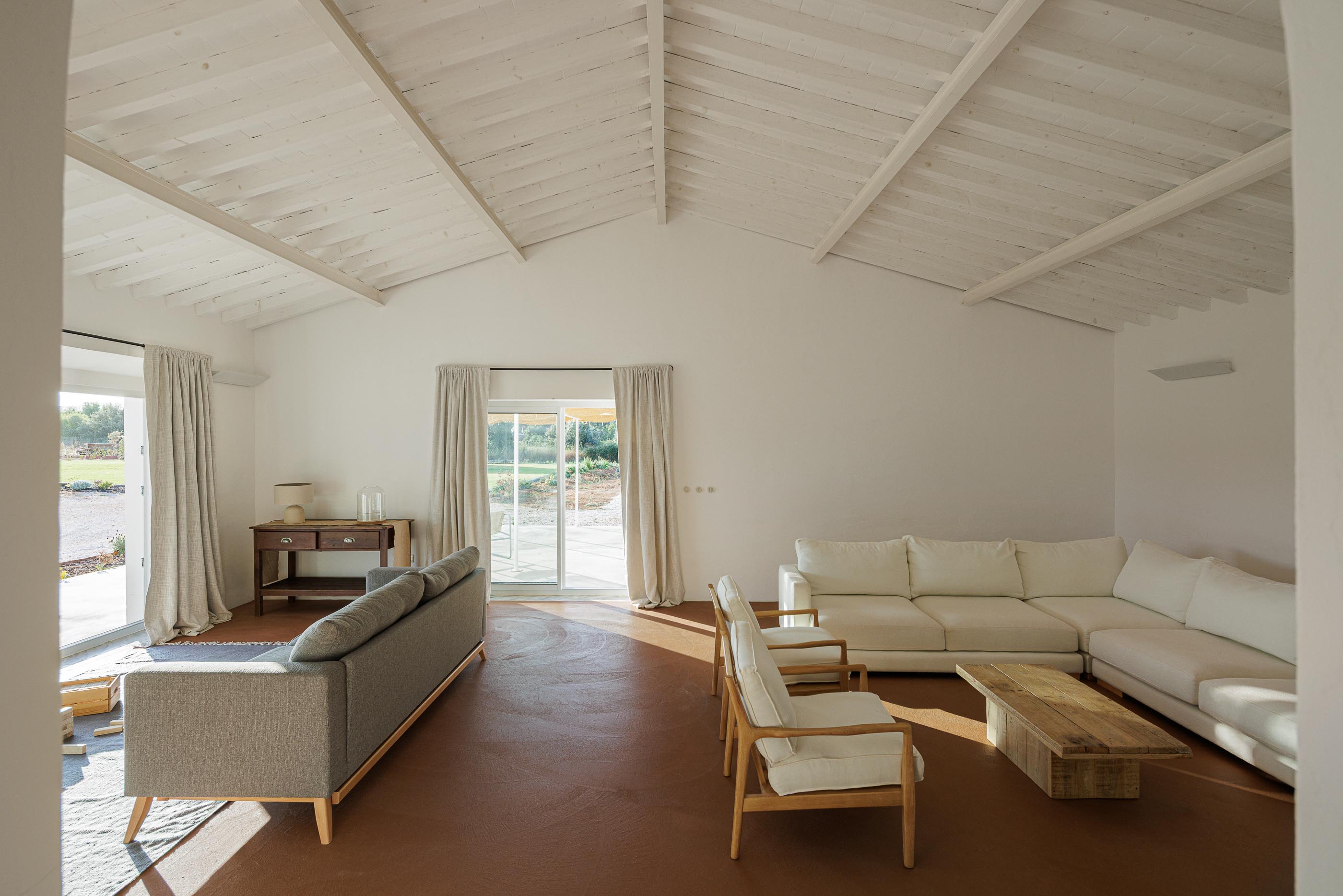
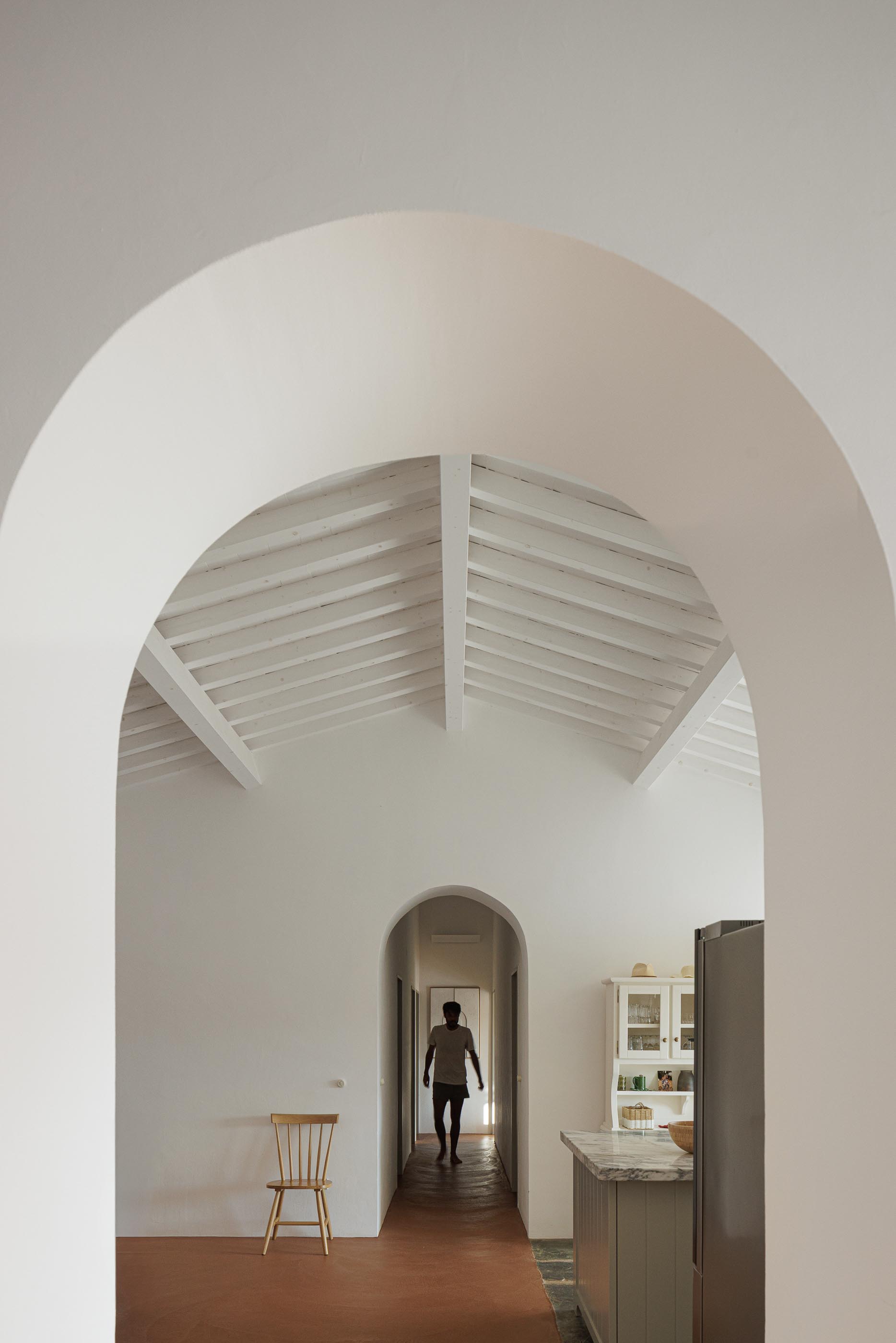
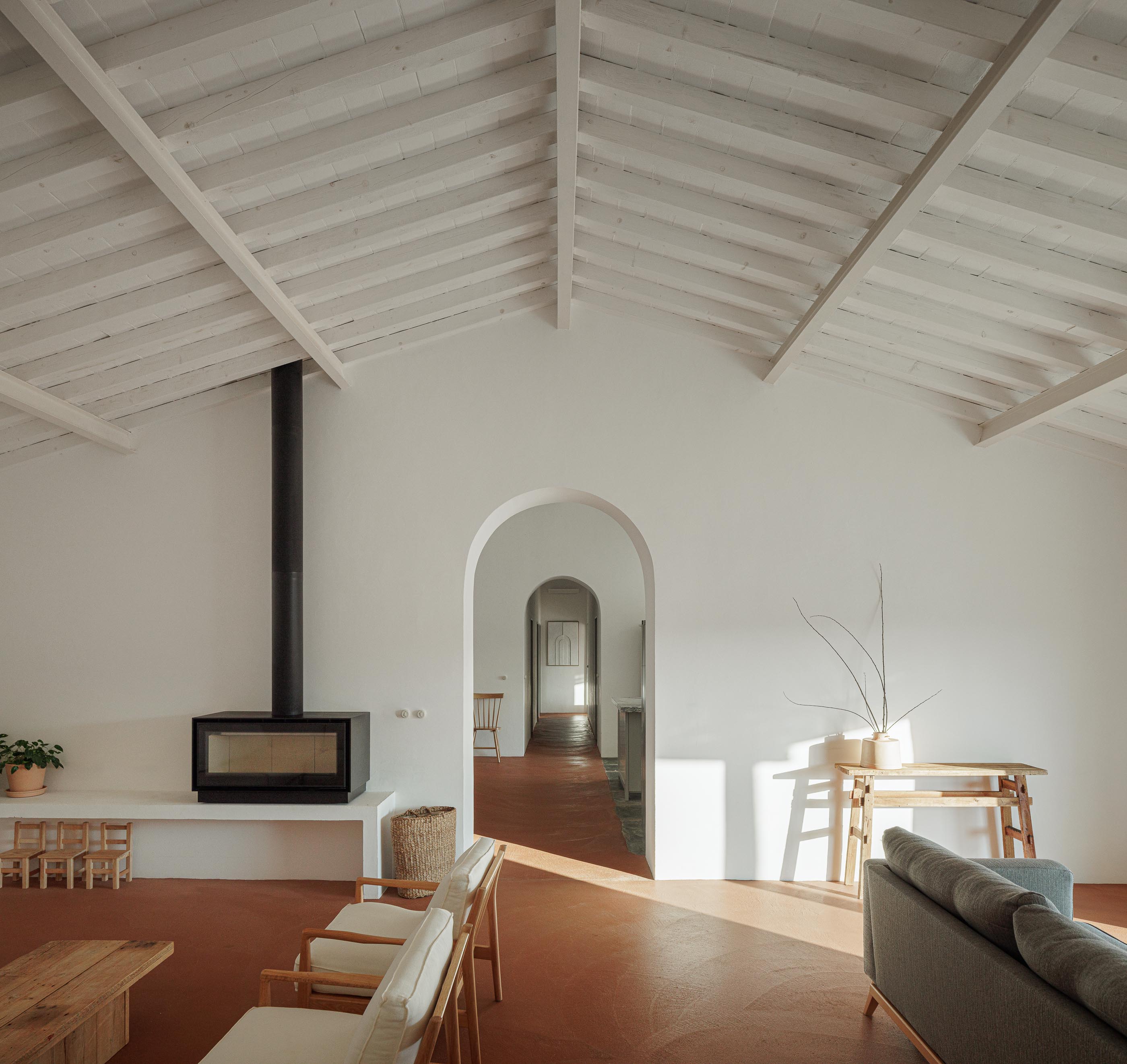
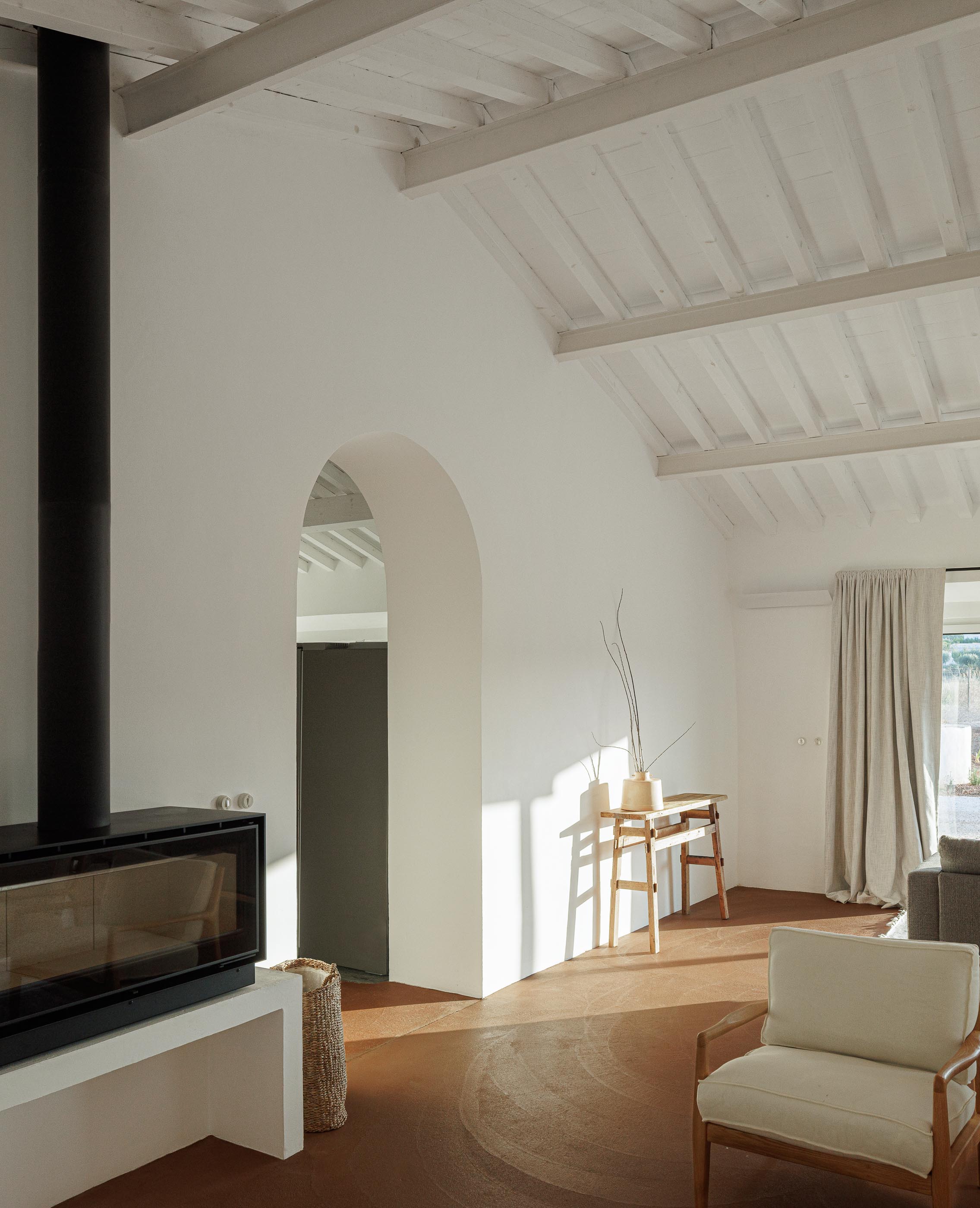
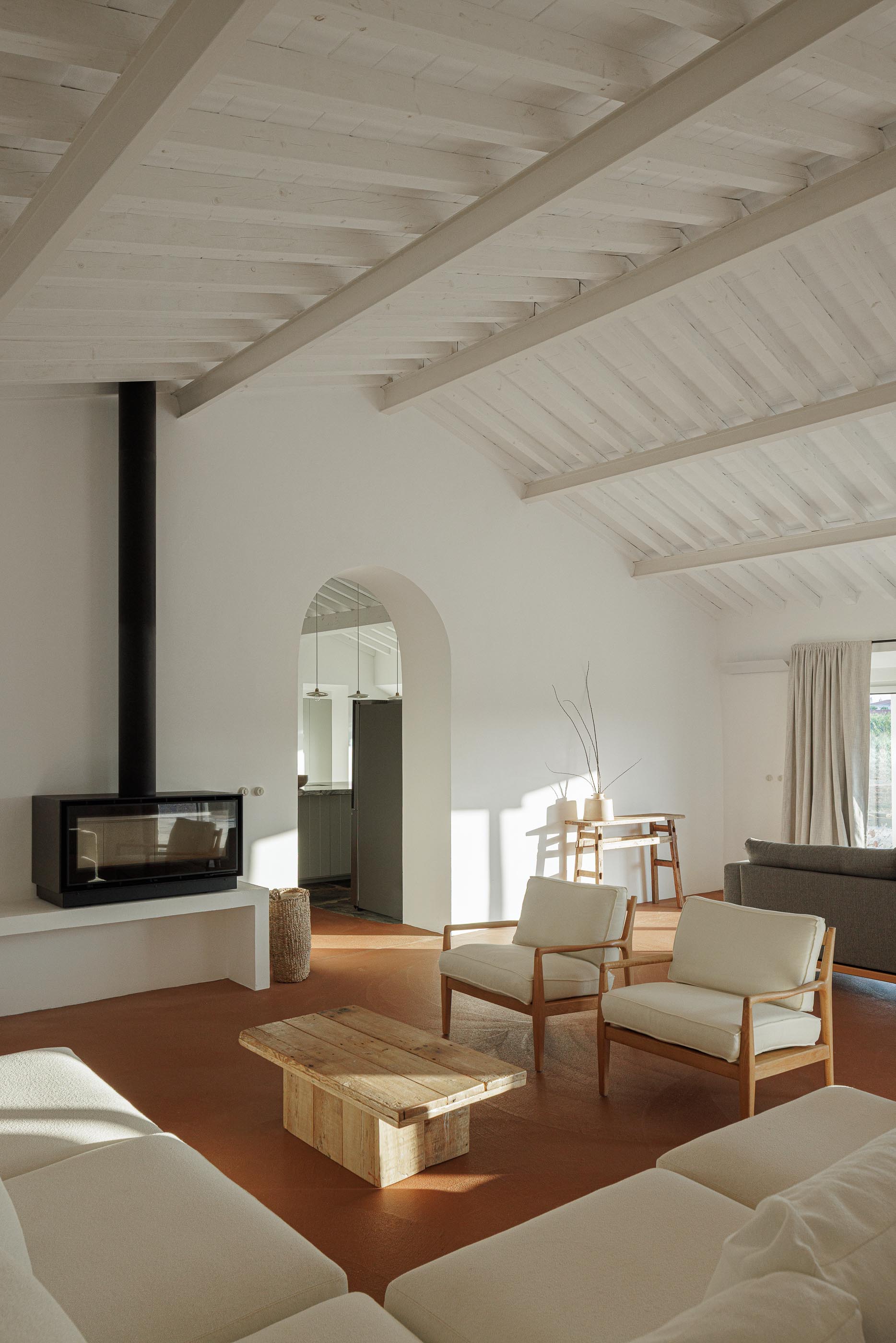
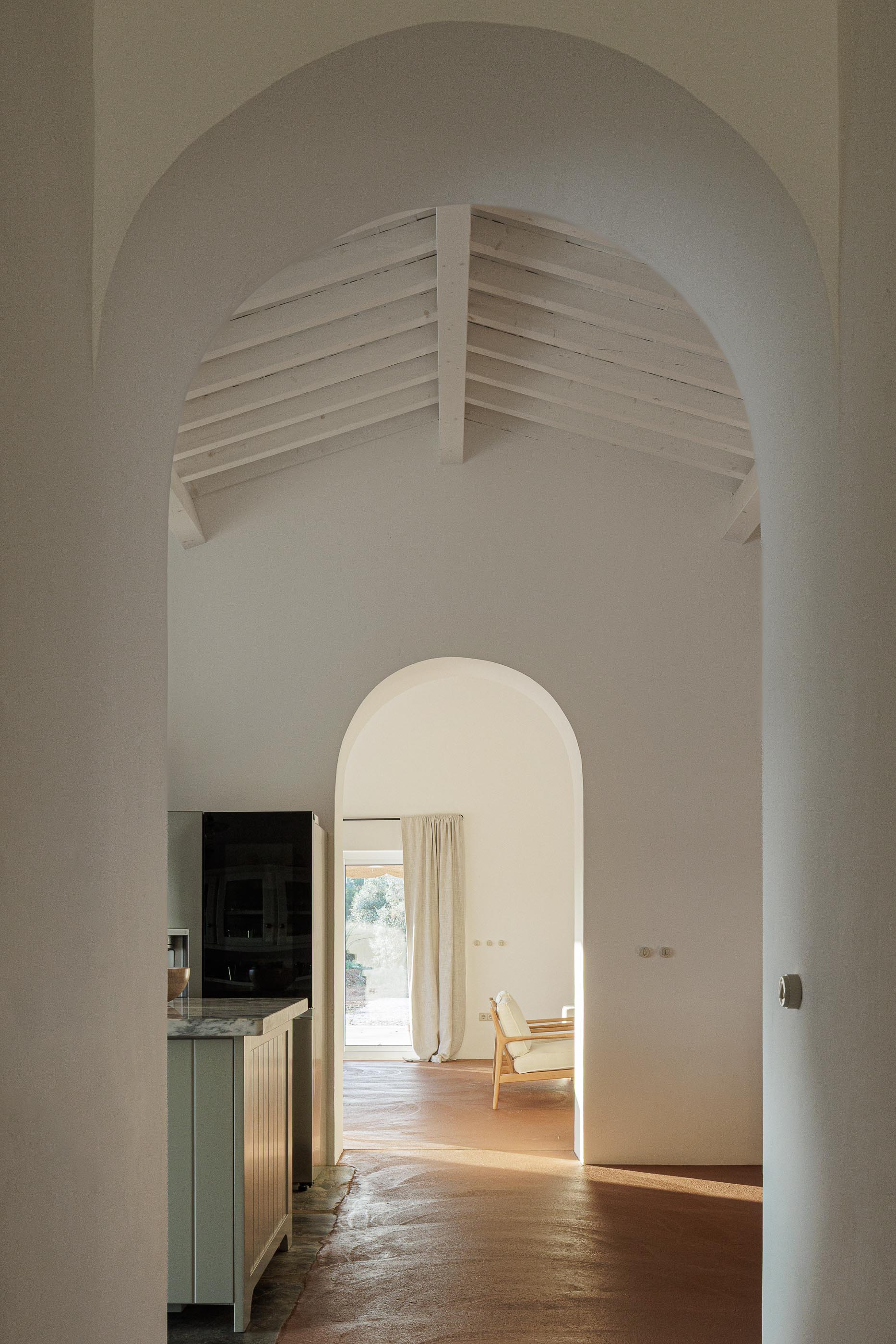
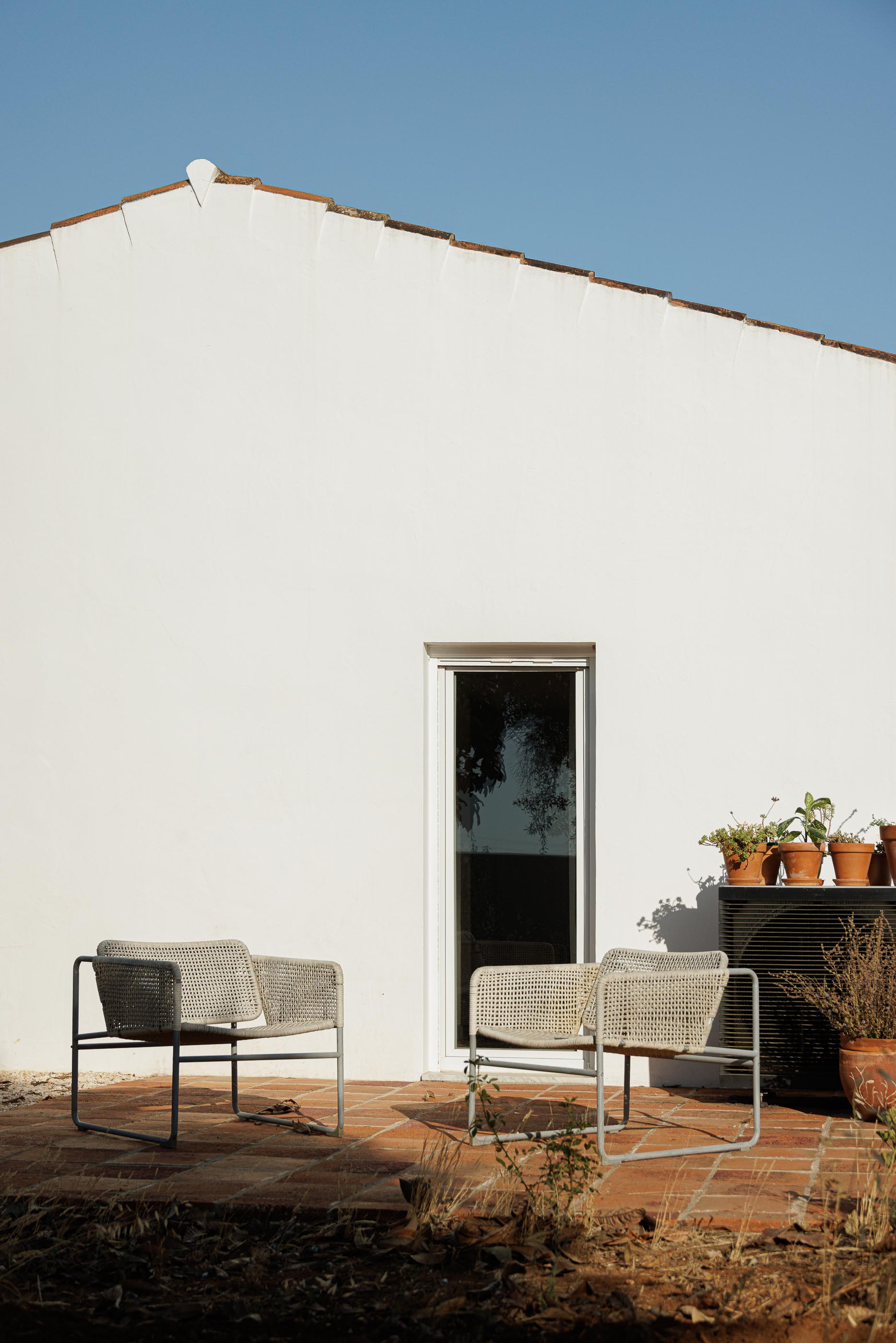
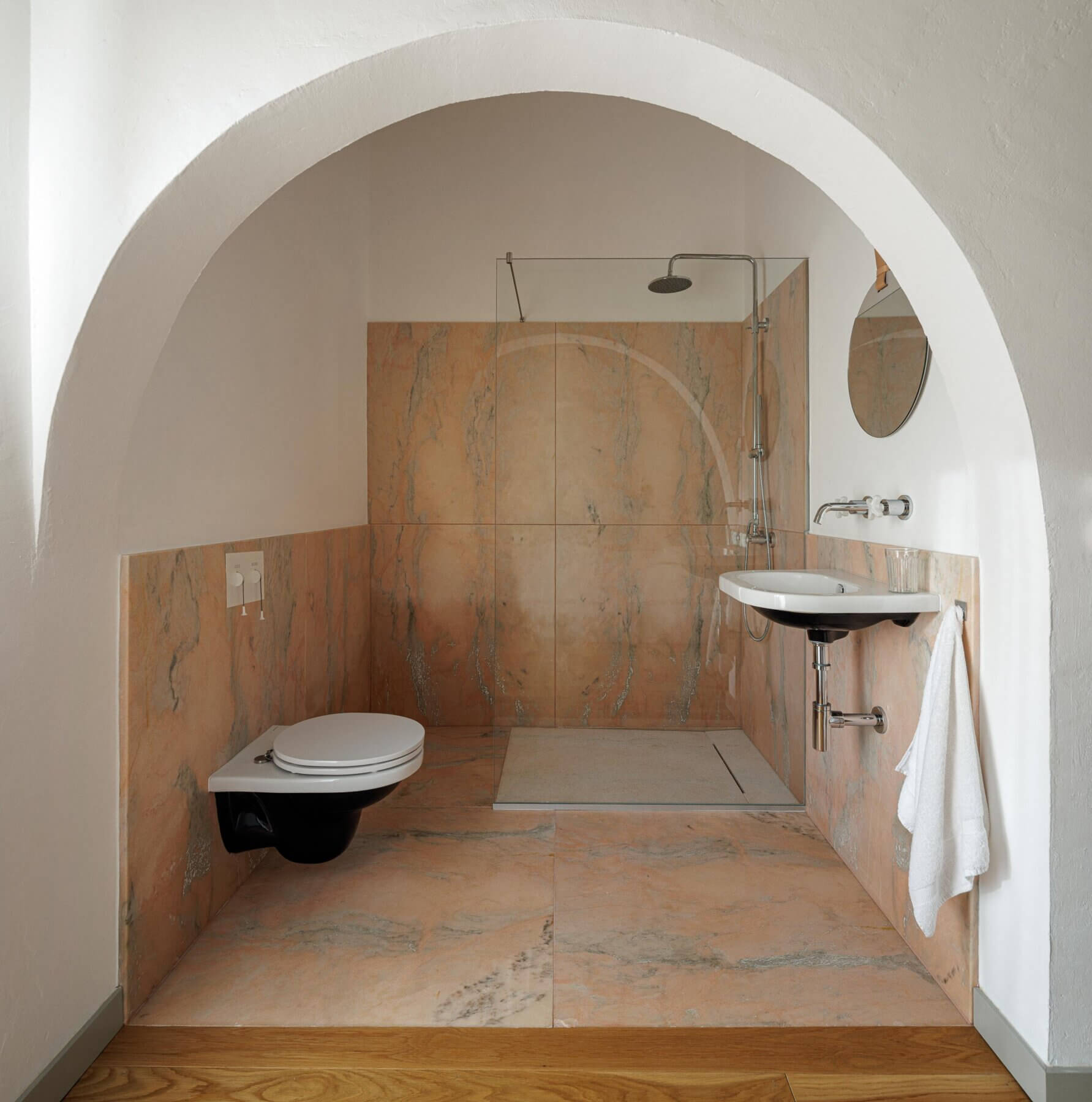
No Monte do Divor, o atelier Vasco Burnay Arquitectura reinterpreta a casa tradicional do Alentejo através de uma abordagem contemporânea, onde o mármore de Estremoz e o chão em terracota prolongam a paisagem alentejana para dentro.

At Monte do Divor, Vasco Burnay Arquitectura reinterprets the traditional Alentejo house through a contemporary approach, where Estremoz marble and terracotta floors extend the Alentejo landscape into the home’s interior.

Monte do Divor arquitetura Vasco Burnay e fotografia Ivo Tavares

INFORMAÇÃO TÉCNICA / TECHNICAL INFORMATION

ATELIER DE ARQUITETURA / ARCHITECTURE OFFICE
ARQUITETO RESPONSÁVEL / MAIN ARCHITECT
Vasco Burnay
LOCALIZAÇÃO / LOCATION
ANO DE CONCLUSÃO DA OBRA / YEAR OF CONCLUSION
ÁREA TOTAL CONSTRUÍDA (M2) / TOTAL AREA
200m²
FOTÓGRAFO / ARCHITECTURAL PHOTOGRAPHER

DESCRIÇÃO DO PROJETO / PROJECT DESCRIPTION

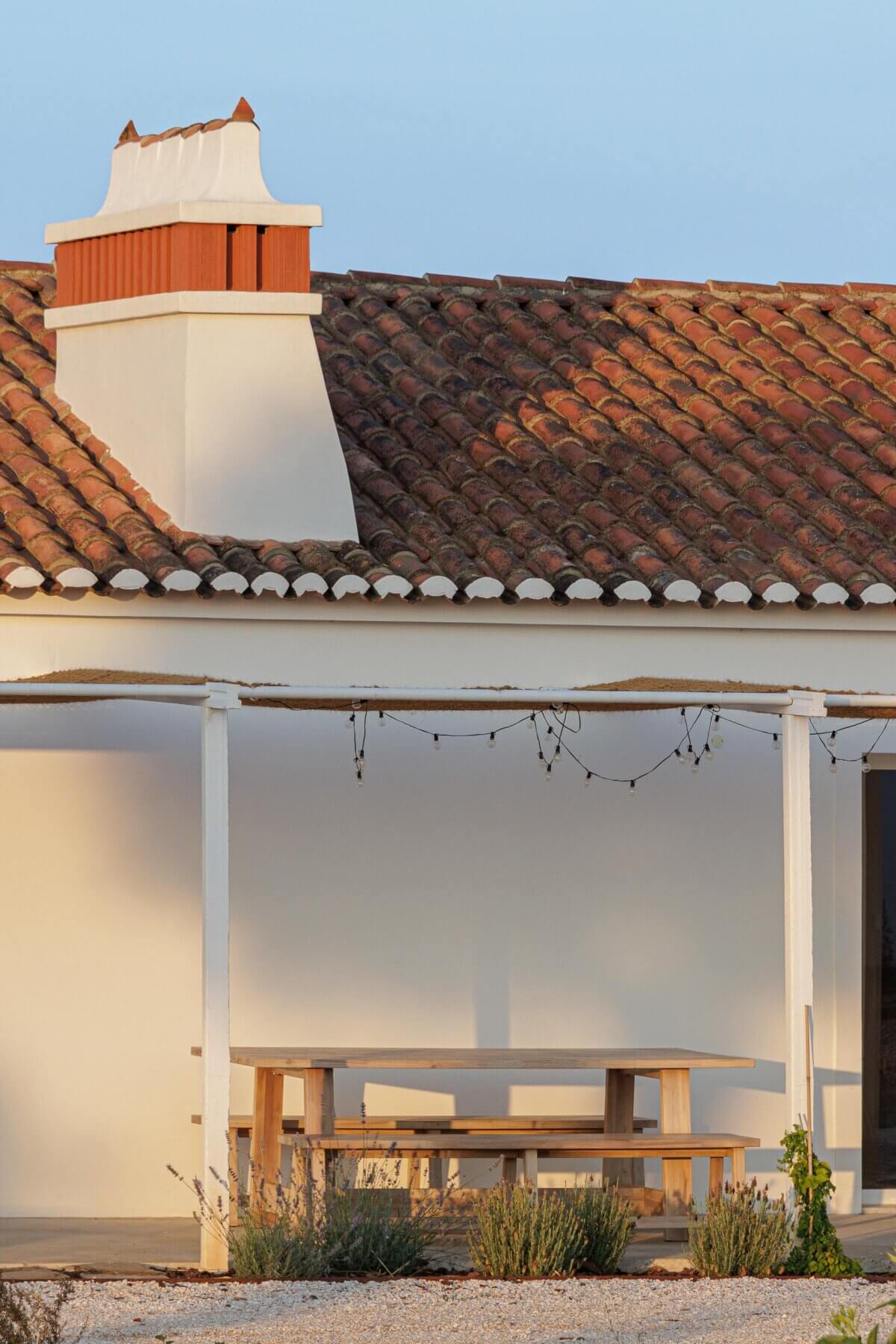
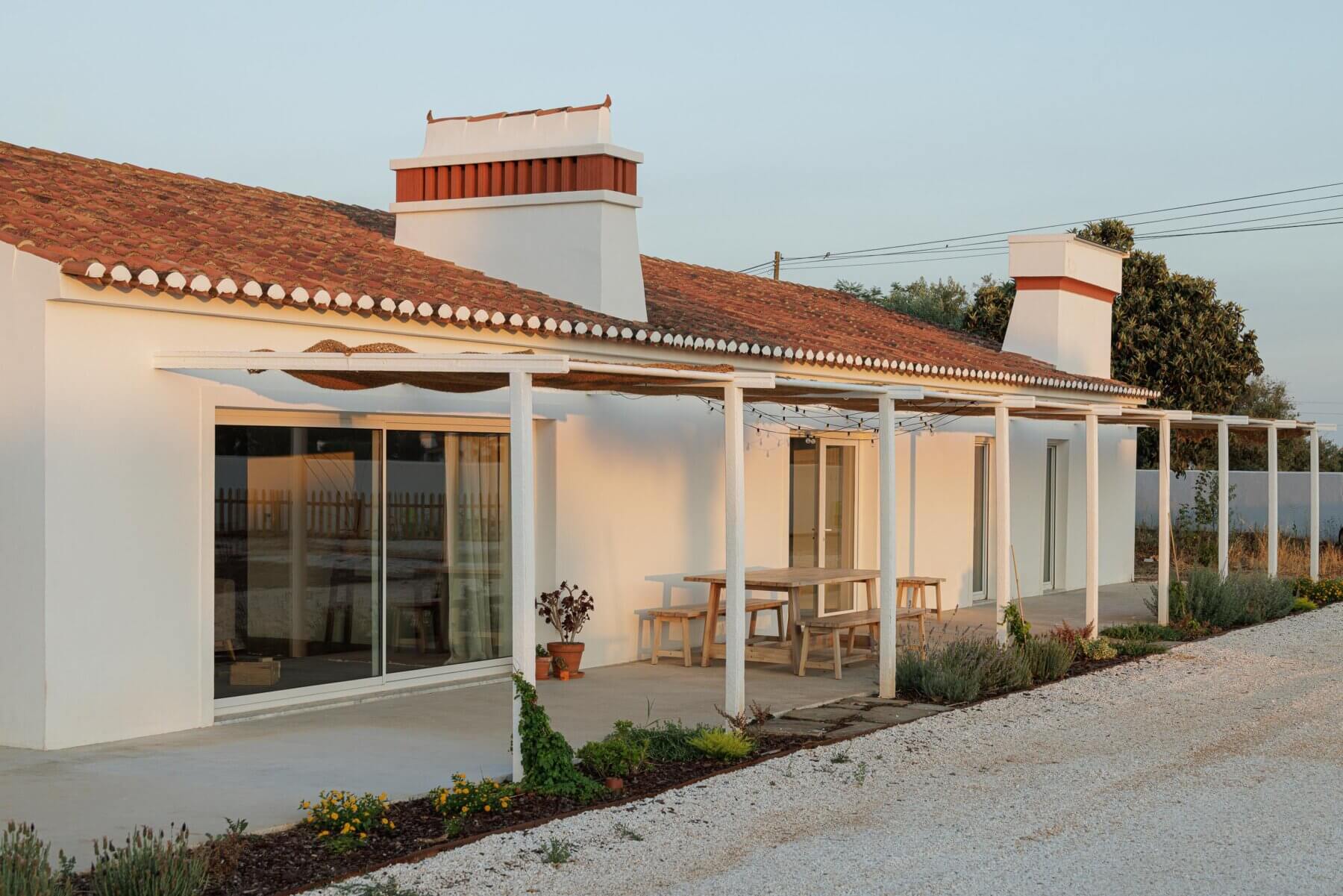
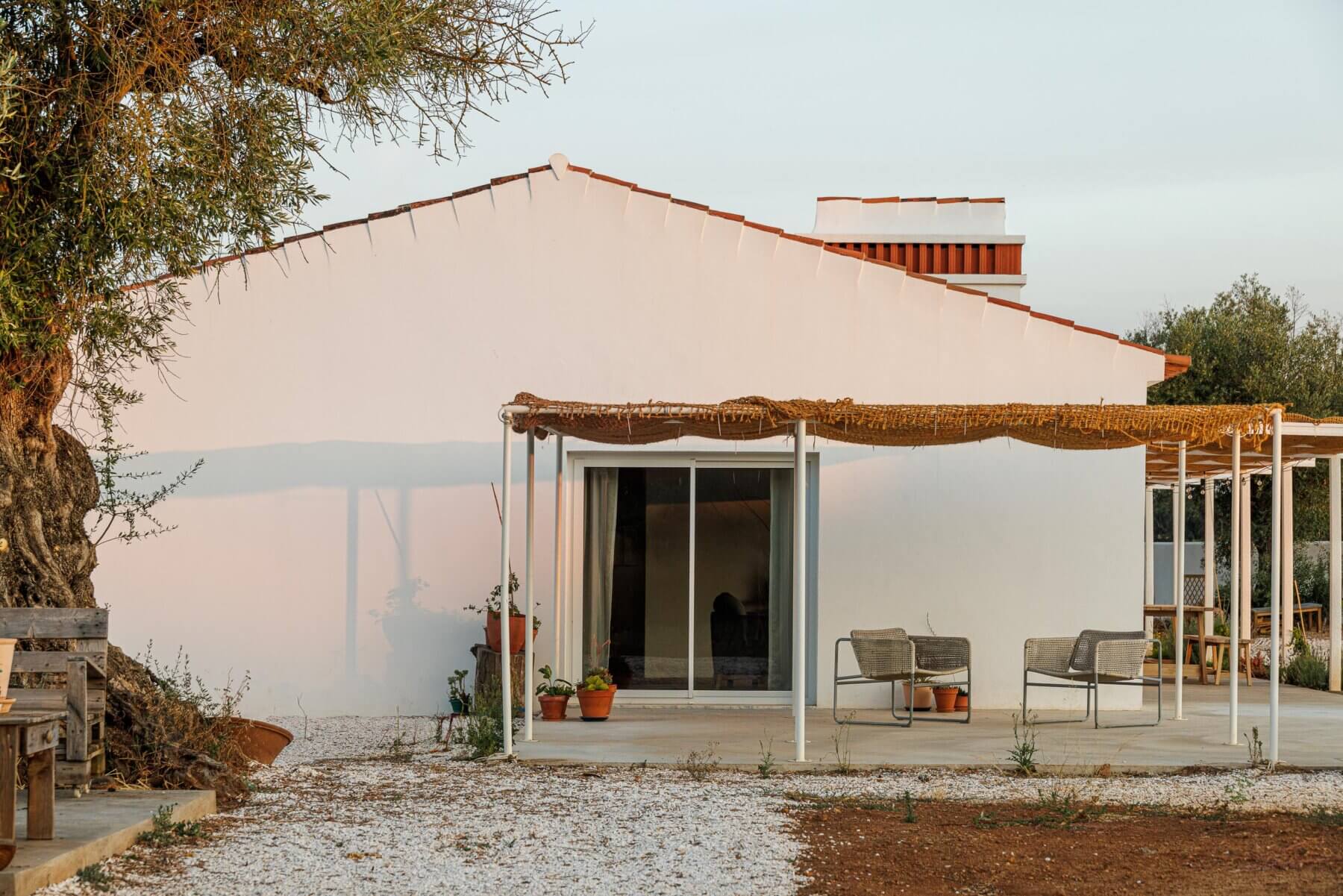
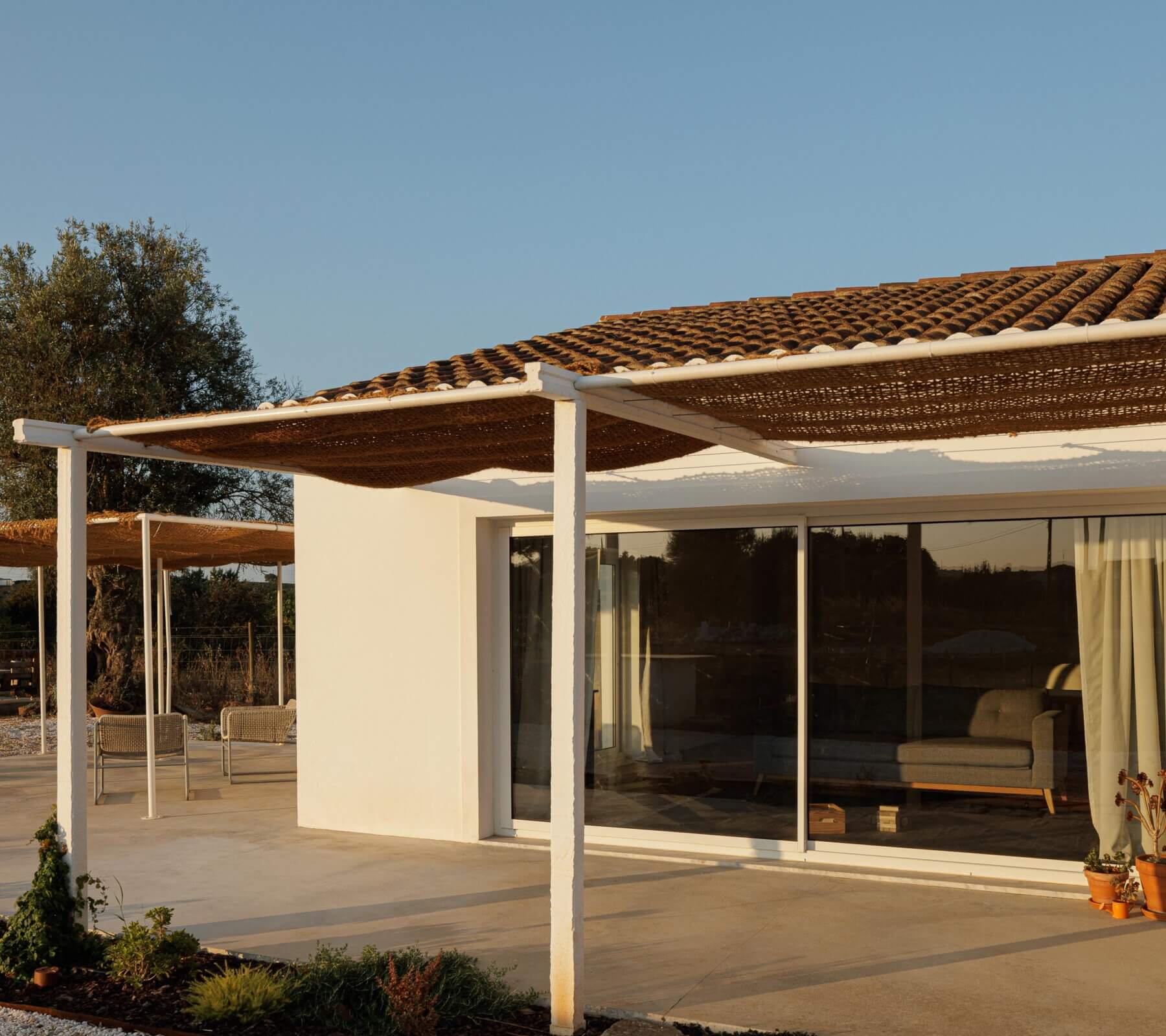
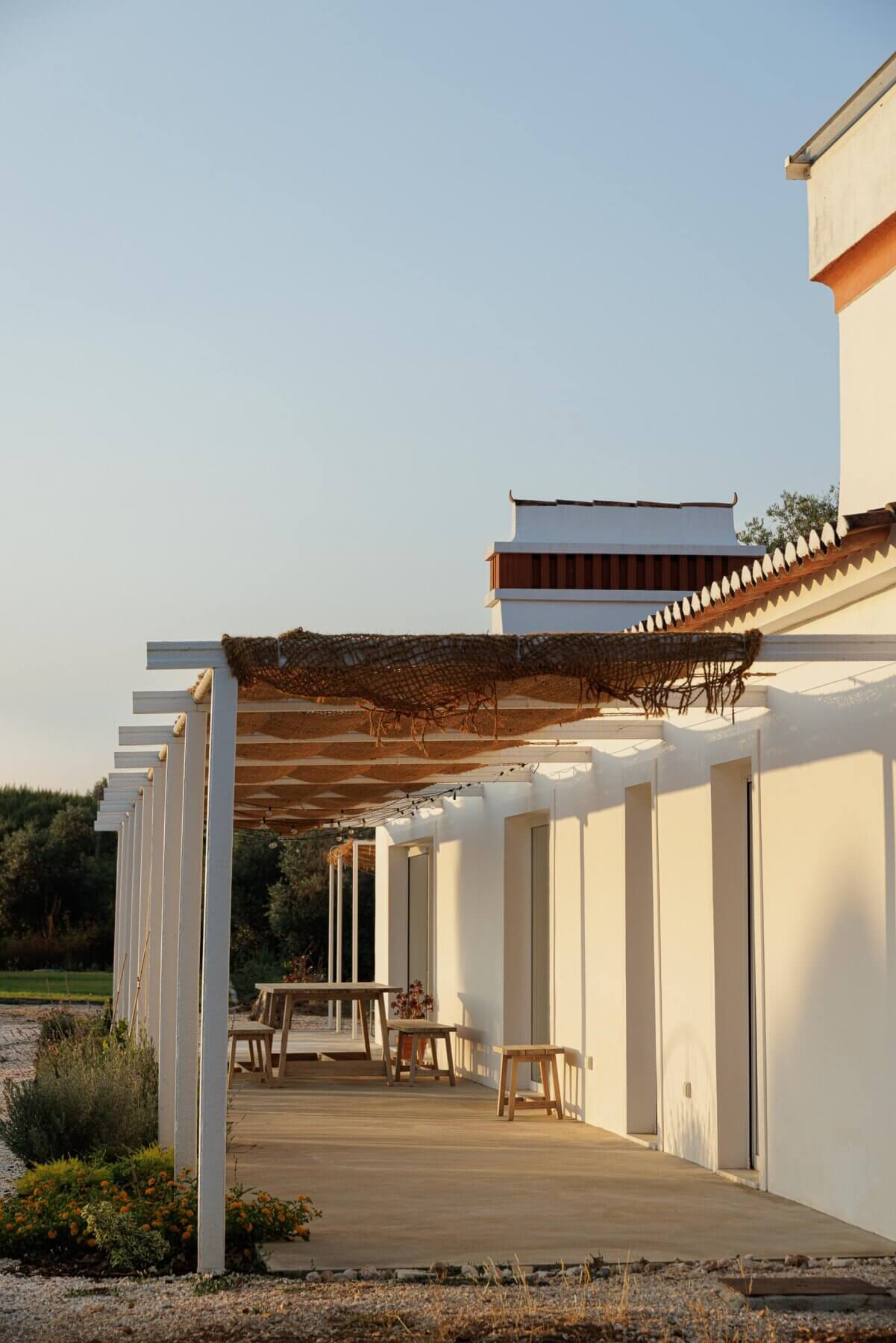
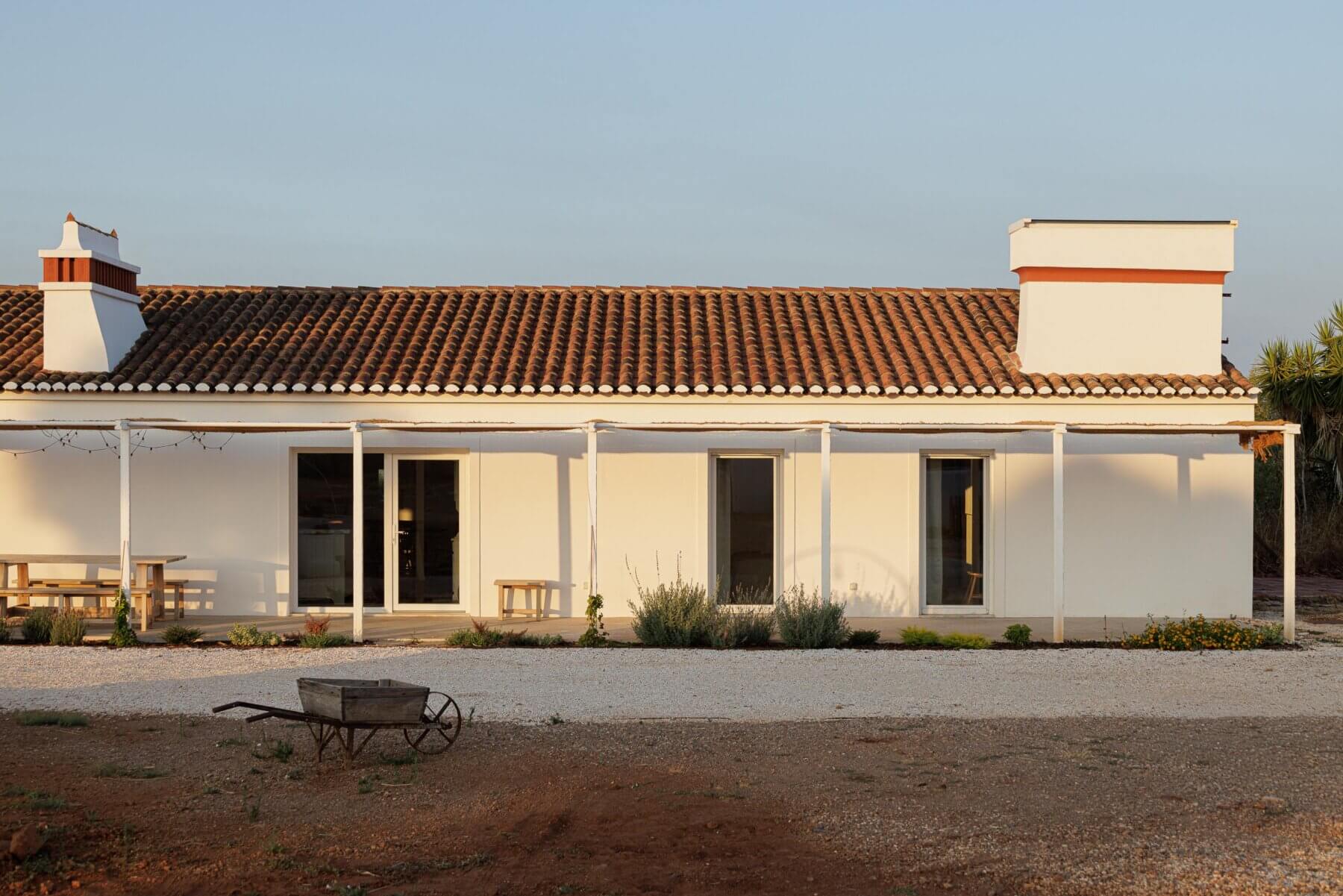
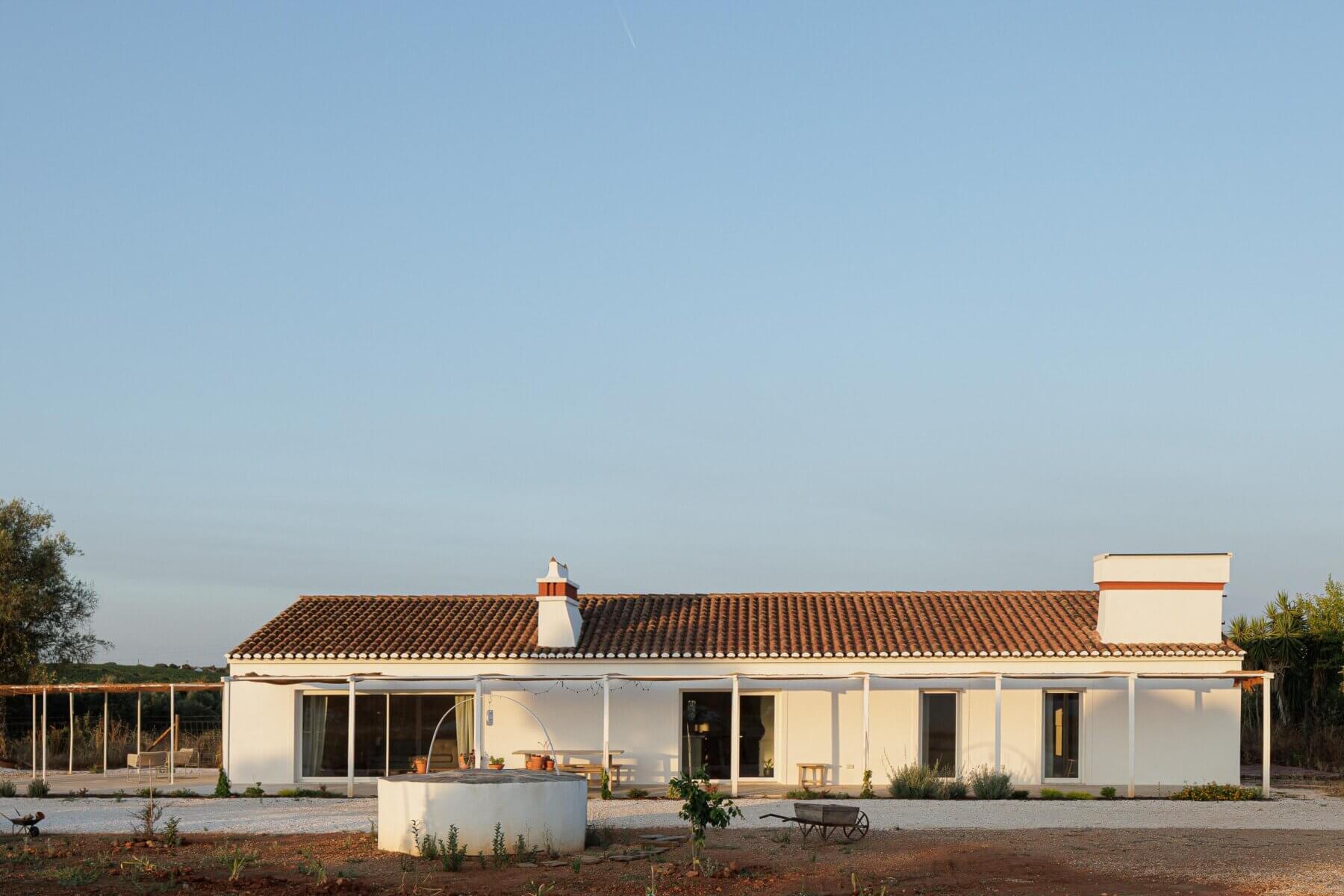
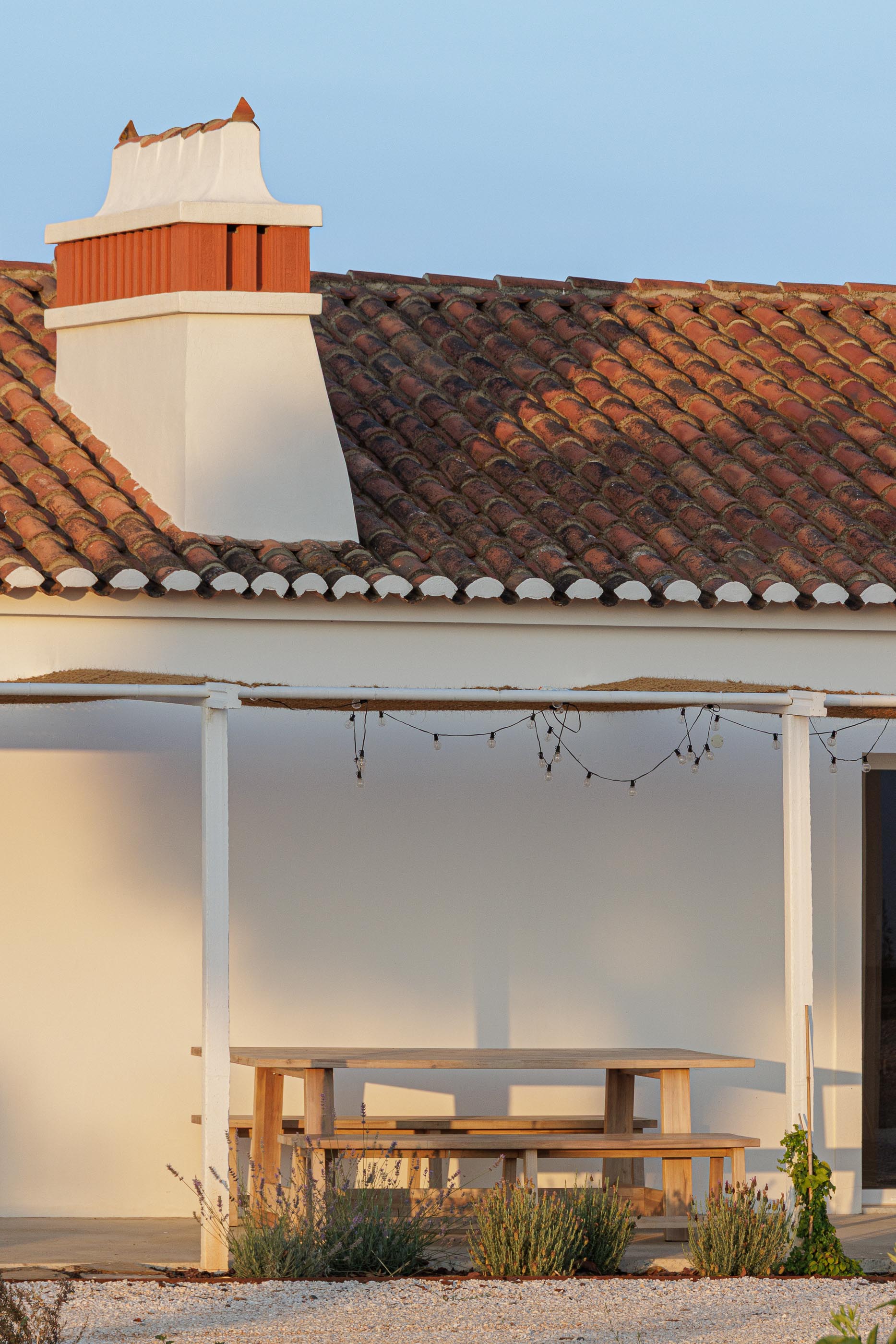
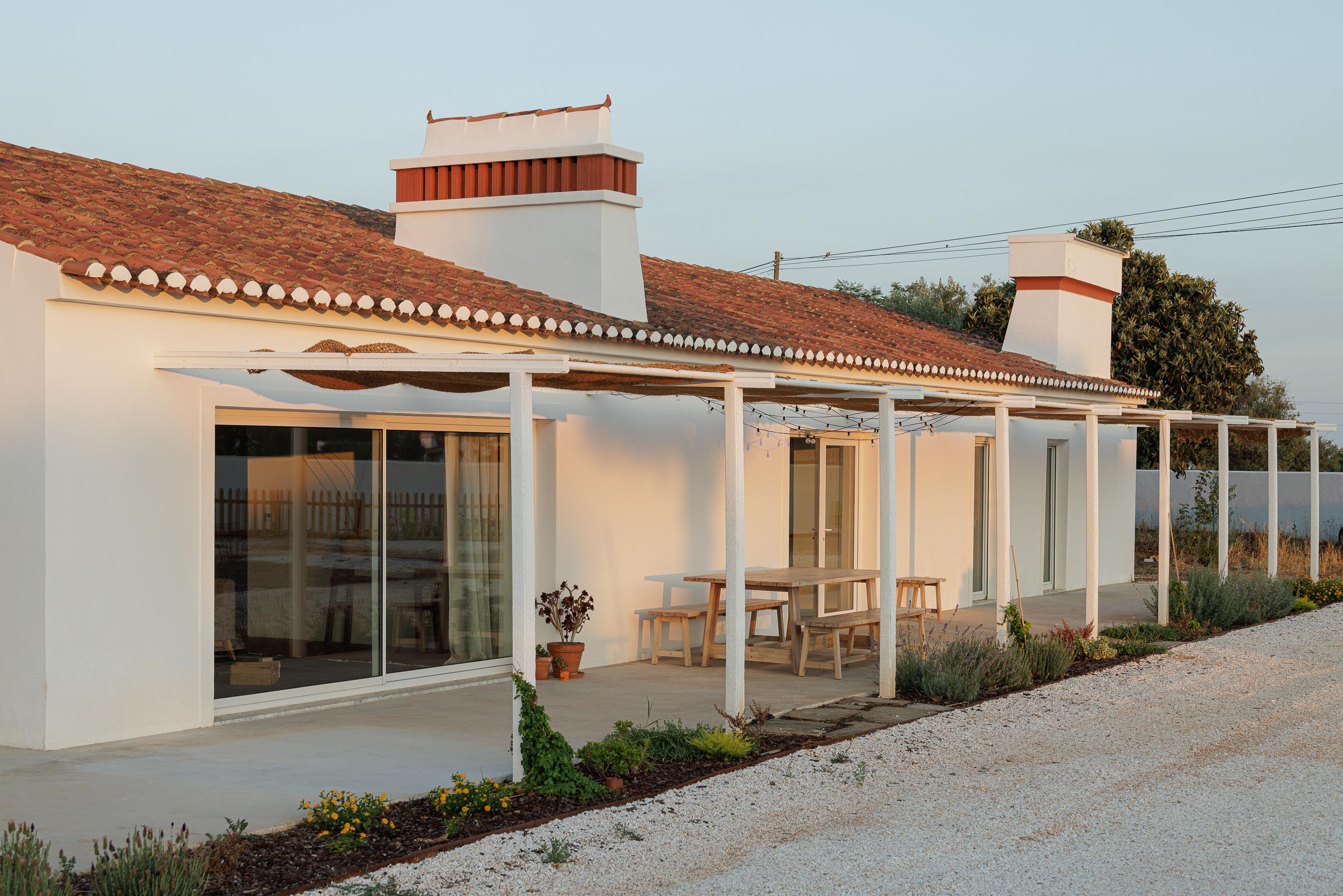
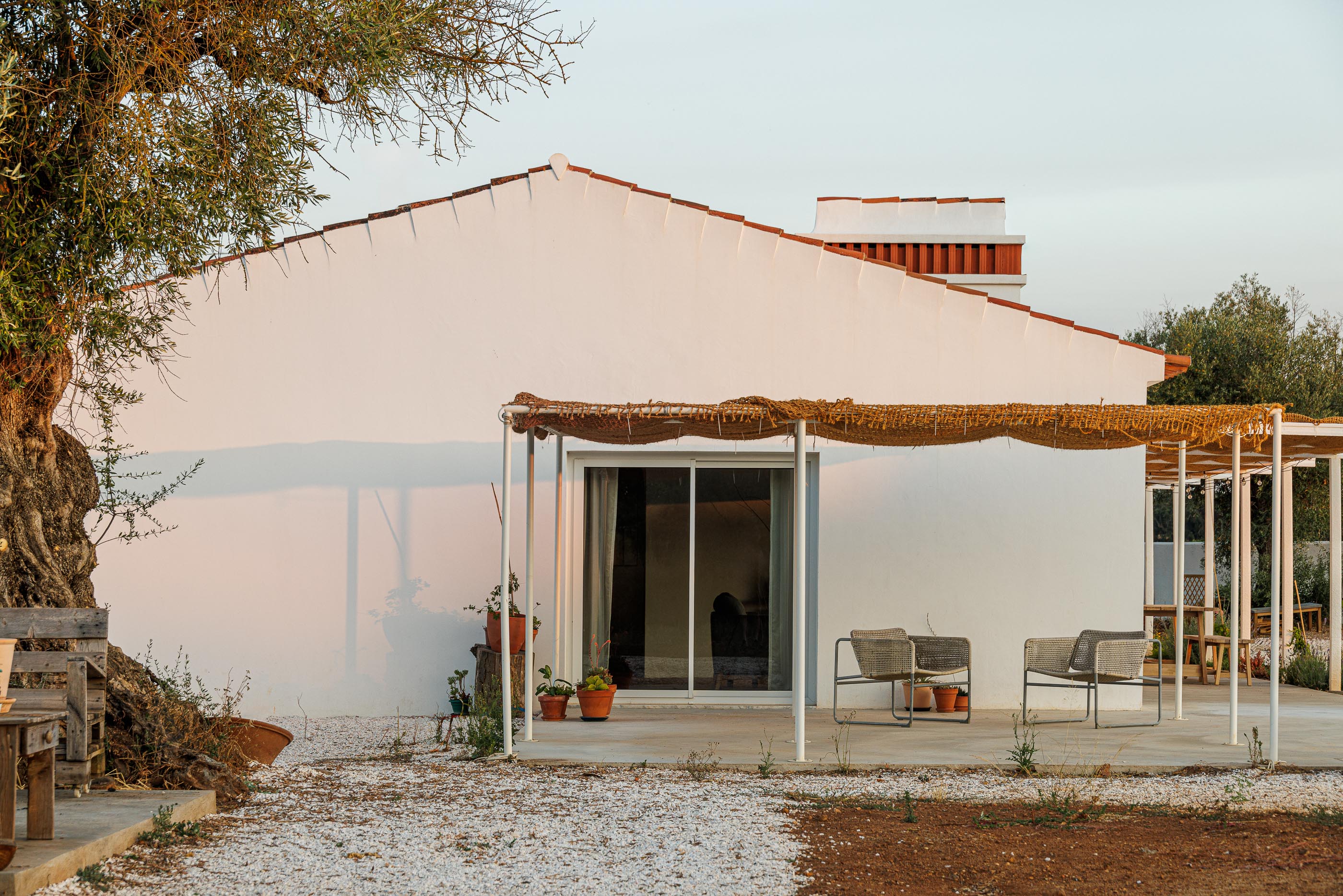
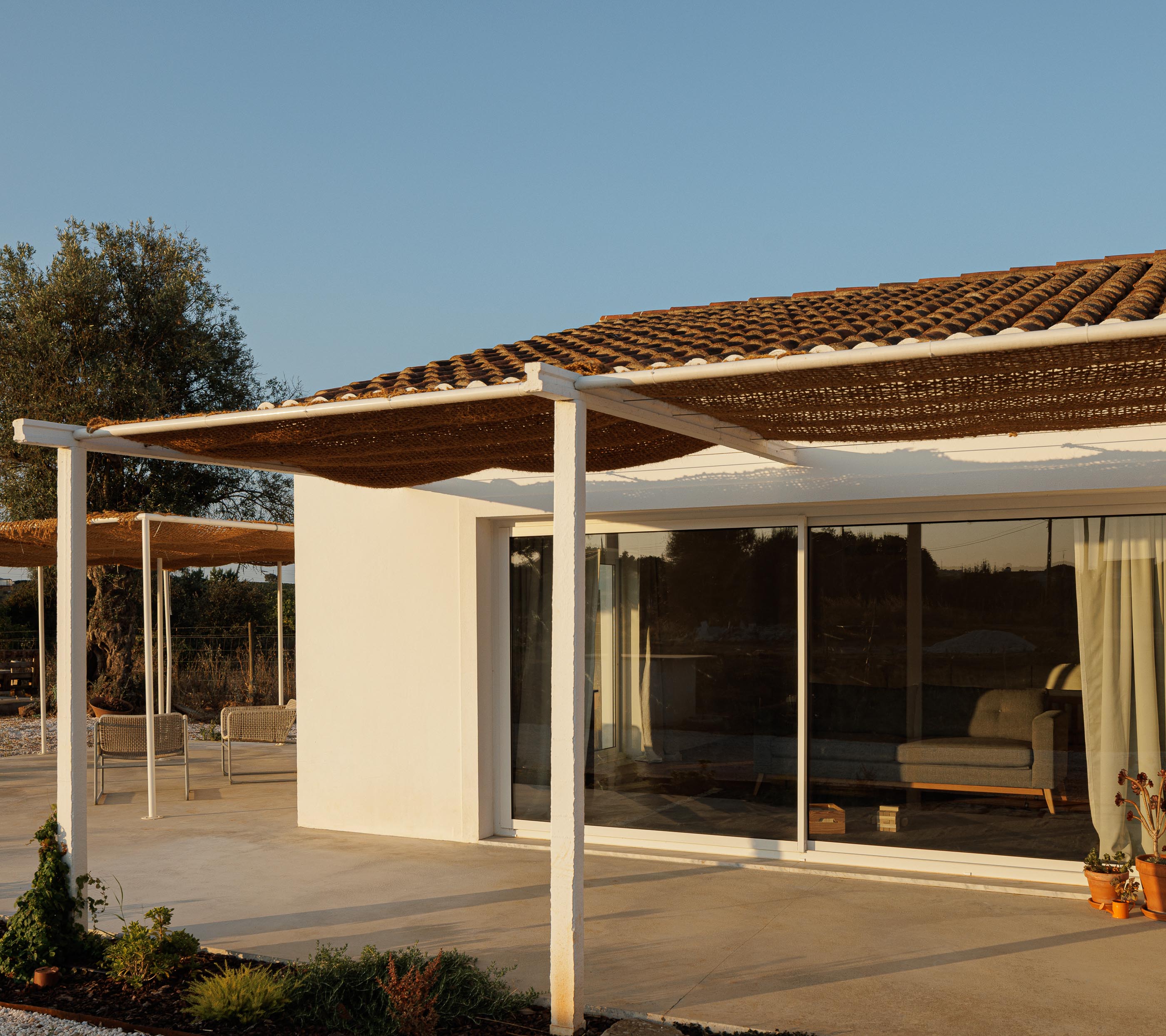
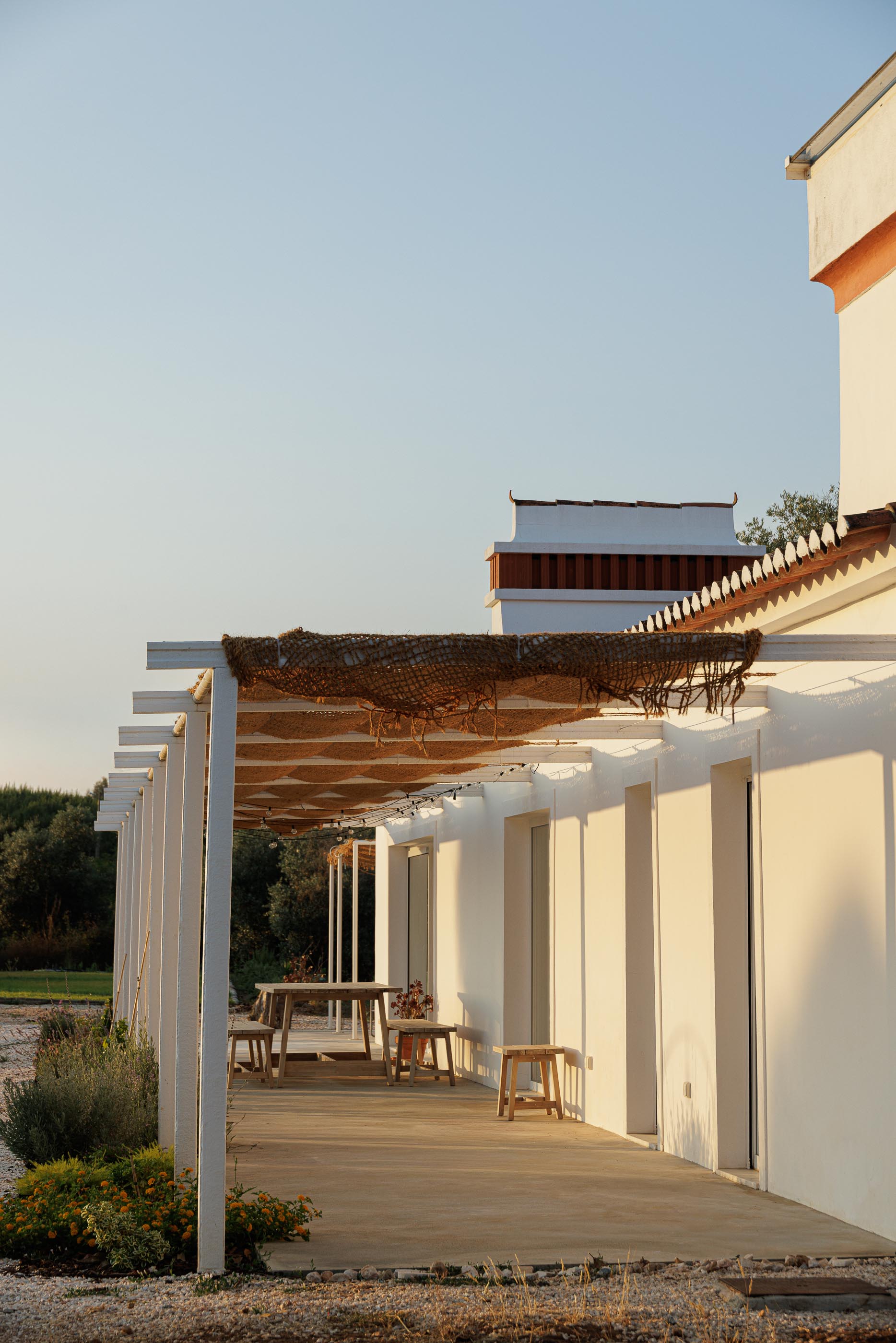
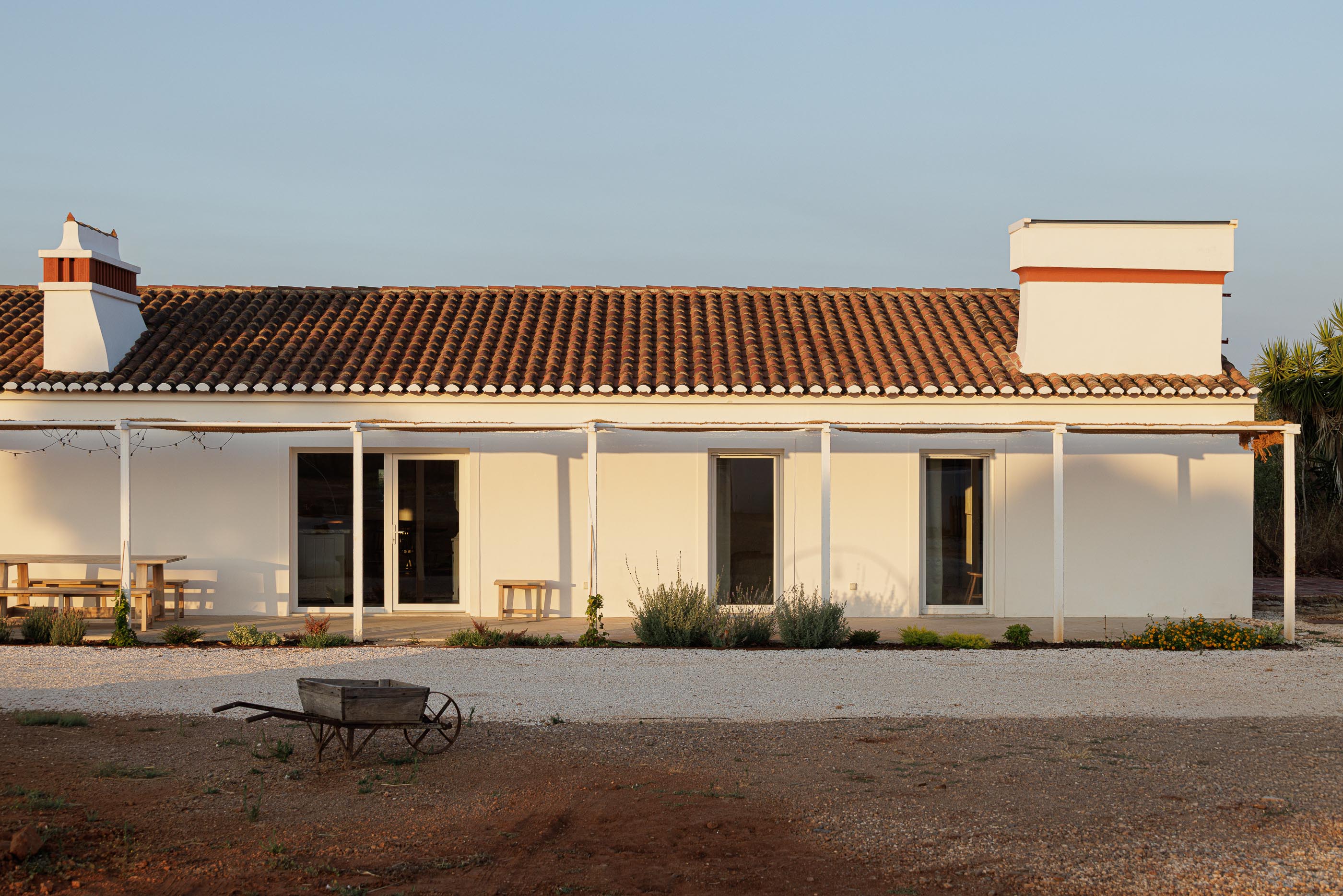
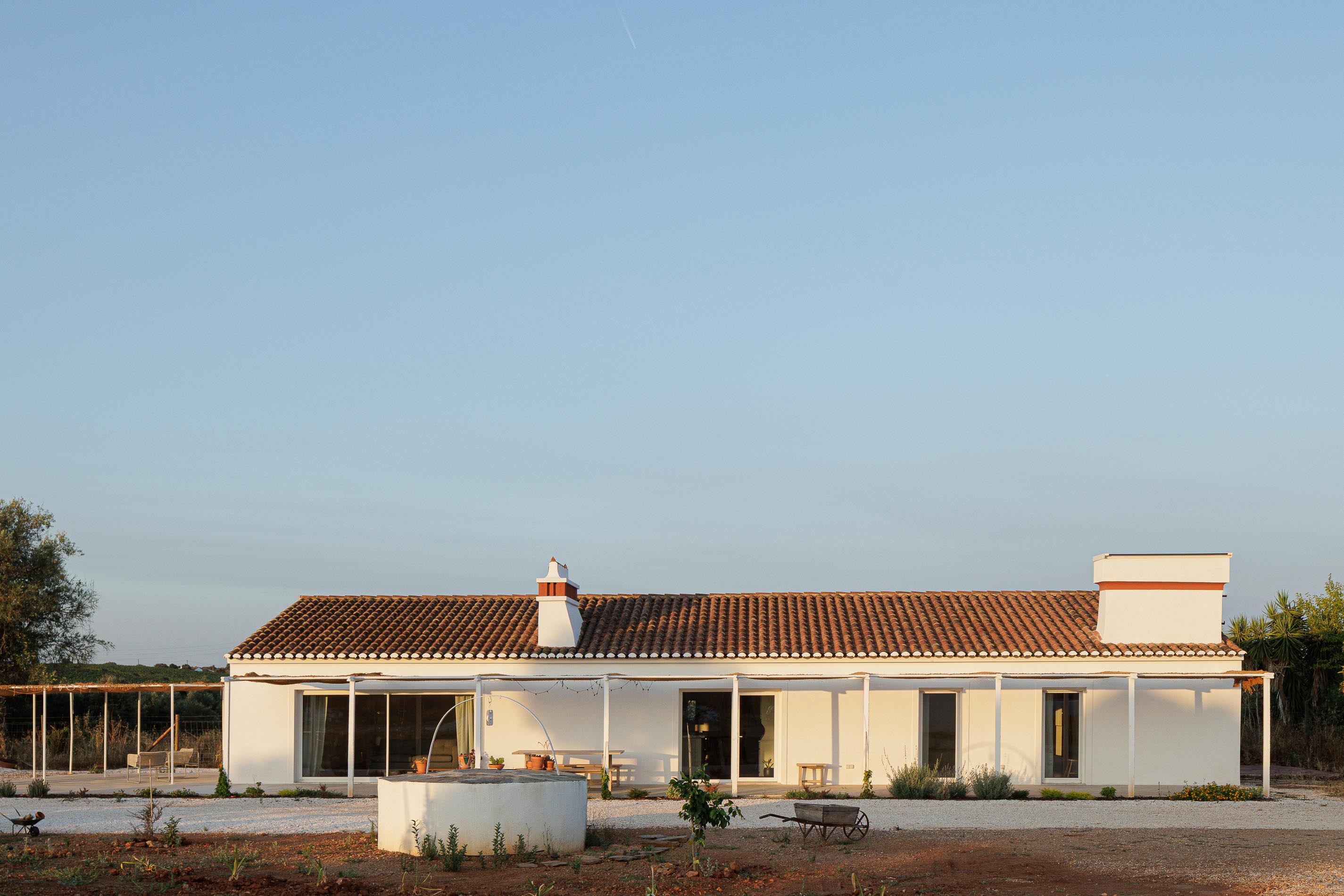
"A intervenção localiza-se fora do perímetro urbano de Estremoz, inserindo-se assim numa paisagem rural com edificação de pequena escala e dispersa. No que concerne à construção existente podemos descreve-la como uma casa típica da região, com planta rectangular, cobertura de duas águas ao longo da maior dimensão da planta e pontuada por duas grandes chaminés.A estratégia de intervenção baseia-se na leitura da pré-existência, tanto na sua presençaexterior quanto nas suas características interiores. A volumetria baixa, longilínea, de duaságuas, pontuada pela afirmação vertical das duas chaminés, é preservada integralmente.A proposta concentra as alterações na compartimentação interior, na adaptação dos vãosexistentes e na abertura criteriosa de novos vãos para ventilação e iluminação.A estrutura da casa existente evidência uma organização em três núcleos espaciais. Istodenota-se tanto pelas imponentes paredes meeiras quanto pela variação na cor e forma dostectos ou na materialidade dos pavimentos.A proposta tira partido desta precedente sectorização, reorganizando apenas a ordem dascoisas. Assim, no núcleo Poente resolvem-se as zonas íntimas, a Nascente a grande zona sociale no centro o programa funcional. A proposta procura também o incremento na permeabilidadeinterior-exterior da zona social pelo alargamento do vão existente de maior dimensão e pelaabertura de um novo vão na empena Nascente, promovendo uma passagem fluida e a penetração mais profunda de luz neste amplo espaço interior.Os dois vãos de maior dimensão (a Norte) acabam por ser o único gesto afirmativo da contemporaneidade sobre o objecto original, tentando uma integração harmoniosa na composição dos alçados, pelo posicionamento, escala e materialidade. Opostamente, no alçado Sul, o novo vão segue a métrica e (des)ordem das janelas primitivas, resultando do “reposicionamento” de outro vão já existente.A proposta conecta a vivência da casa ao exterior através de dois braços que se lançamno espaço livre do terreno, ligando por caminho de terra compactada a área de entrada/estacionamento automóvel e a área de lazer com piscina.Acreditamos que a proposta apresentada se adequa à sua envolvente construída e que asestratégias propostas garantem uma integração sensível no lugar. A realidade urbanísticada construção existente mantém-se praticamente inalterada, defendendo-se a longevidade desistemas construtivos que testemunham uma era da história desta região. Foi feito o maioresforço na preservação do objecto original, não o dilacerando com infraestruturas tecnológicasou contaminando com materiais de nova geração. "Texto fornecido pelo arquiteto
"The intervention is located outside the urban perimeter of Estremoz, thereby situated within a rural landscape characterized by small-scale, scattered buildings. Concerning the existing construction, it may be described as a typical house of the region: rectangular in plan, featuring a gabled roof along the longer axis of the plan, and punctuated by two large chimneys.The intervention strategy is based on reading the pre-existing structure, both in its exterior presence and its interior characteristics. The low, elongated volume with a gabled roof, punctuated by the vertical assertion of the two chimneys, is fully preserved.The proposal concentrates the alterations on interior partitioning, the adaptation of existing openings, and the careful creation of new openings for ventilation and lighting. The structure of the existing house evidences an organization in three spatial cores. This is denoted both by the imposing shared walls and by variations in ceiling color and form or in the materiality of the floors.The proposal takes advantage of this prior sectorization, merely reorganizing the arrangement of functions. Thus, in the westward core, the private areas are resolved; in the eastward part, the large social area; and in the center, the functional program. The proposal also seeks to increase the interior-exterior permeability of the social zone by widening the largest existing opening and by introducing a new opening in the eastern gable, promoting a fluid passage and deeper penetration of light into this expansive interior space.The two largest openings (to the north) ultimately constitute the only assertive gesture of contemporaneity upon the original object, attempting a harmonious integration into the composition of the elevations through their placement, scale, and materiality. Conversely, on the southern façade, the new opening follows the metric and (dis)order of the original windows, resulting from the “repositioning” of a previously existing opening.The proposal connects the living experience of the house to the exterior through two wings that extend into the free outdoor space, linking—via a compacted earth path—the area for entrance/vehicle parking and the leisure area with a swimming pool.We believe that the presented proposal is suitable for its built surroundings and that the proposed strategies ensure sensitive integration into the place. The urbanistic reality of the existing construction remains practically unchanged, advocating for the longevity of construction systems that witness an era of this region’s history. Every effort has been made to preserve the original object, not tearing it apart with technological infrastructure or contaminating it with next-generation materials. "Text provided by the architect

PRIVACIDADE

Utilizamos cookies para analisar o tráfego do site e permitir a exibição de conteúdos interativos do YouTube e Spotify. Para navegar no portefólio, por favor aceite as nossas definições de privacidade.