FOTÓGRAFO DE
ARQUITETURA

IVO TAVARES
STUDIO

NOVO EDIFÍCIO-SEDE PRF

New PRF Headquarters Building
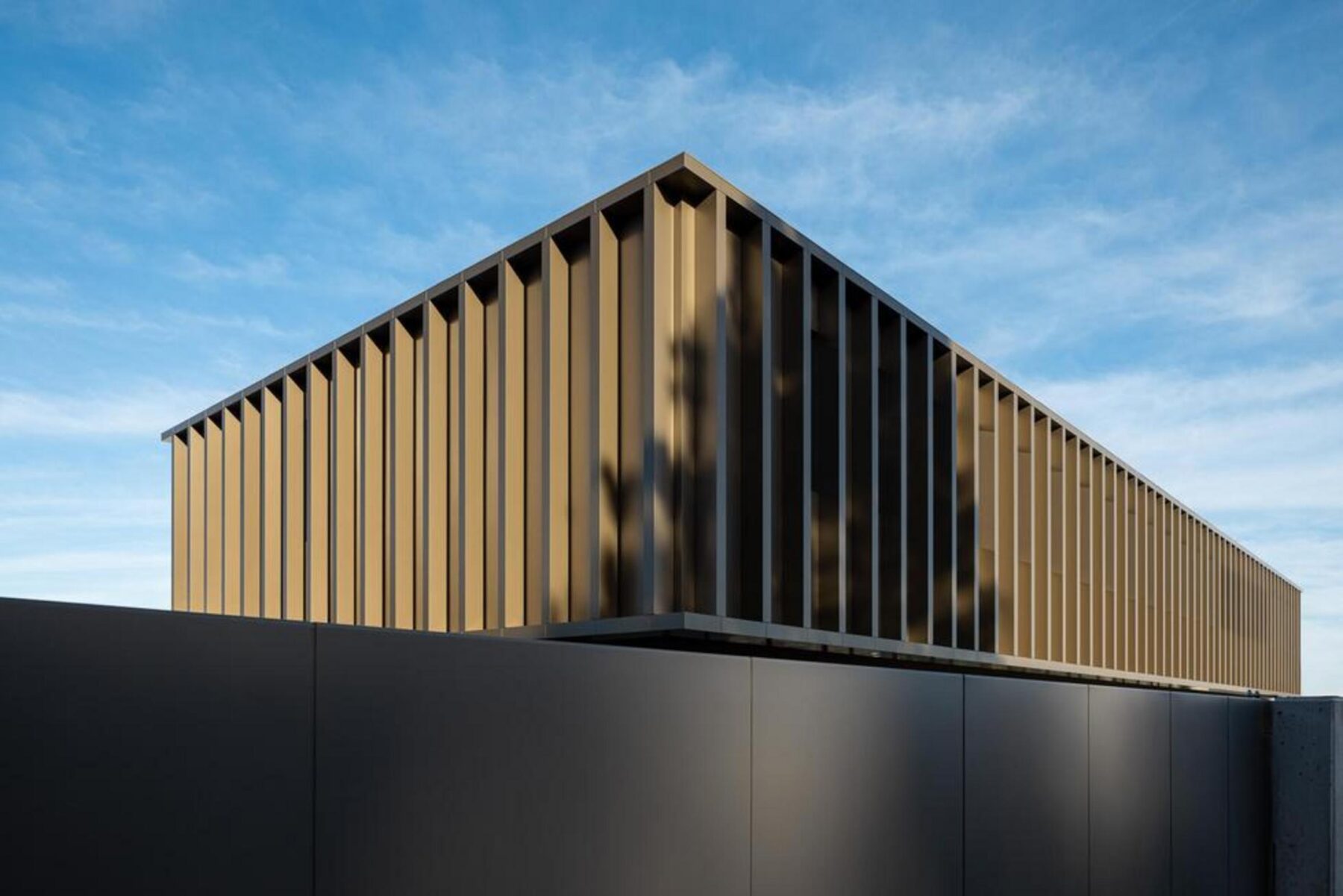
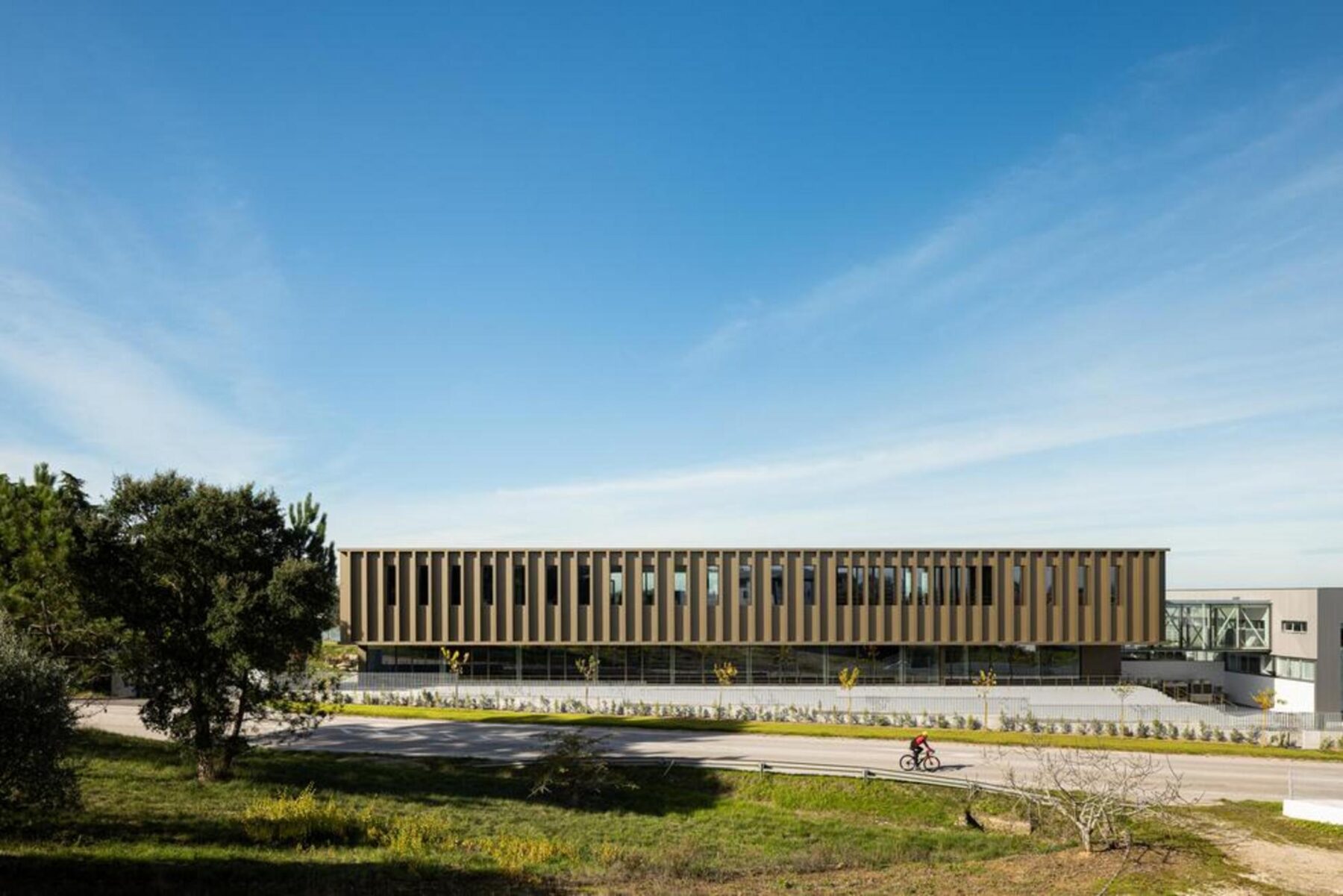
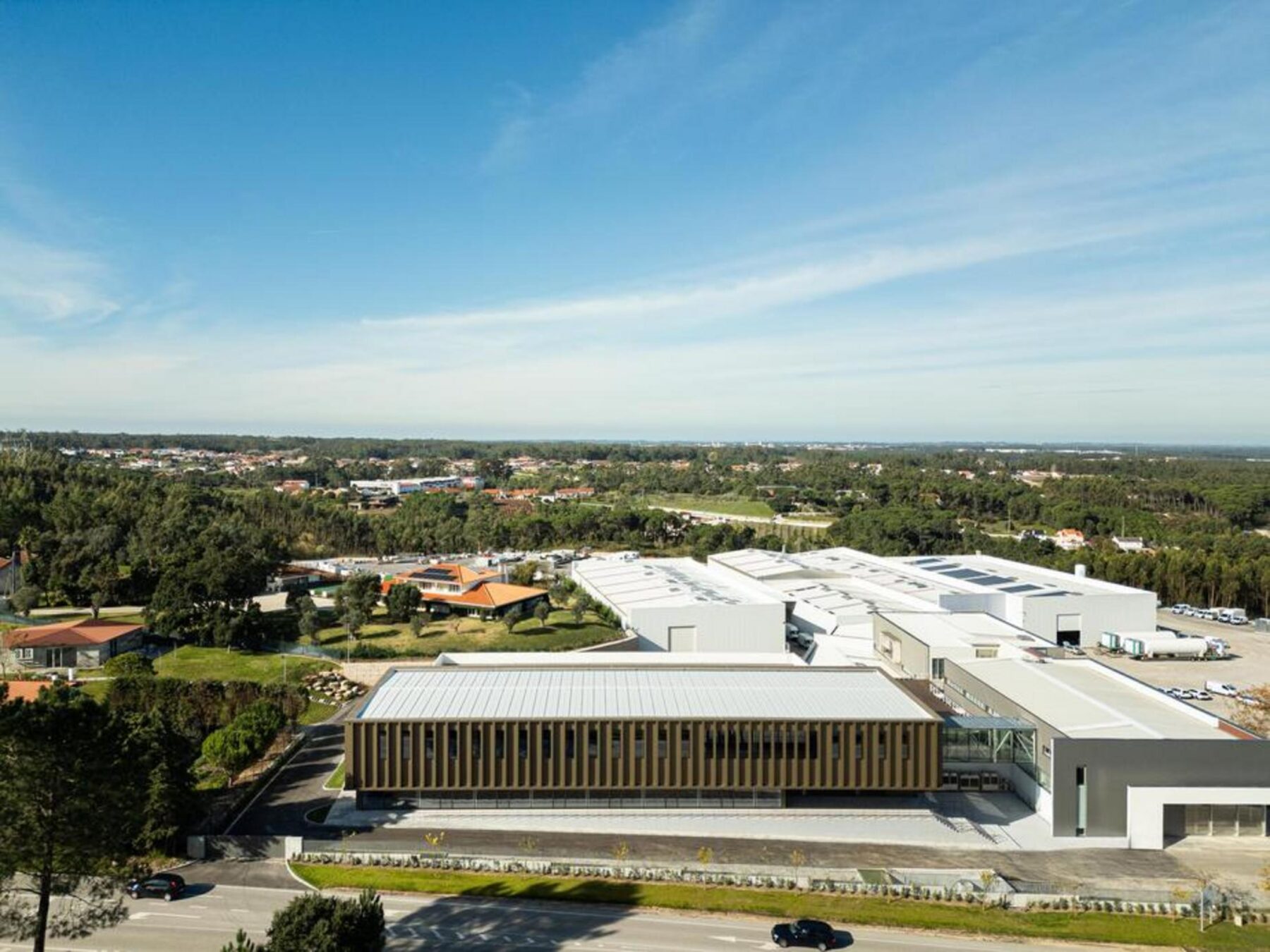
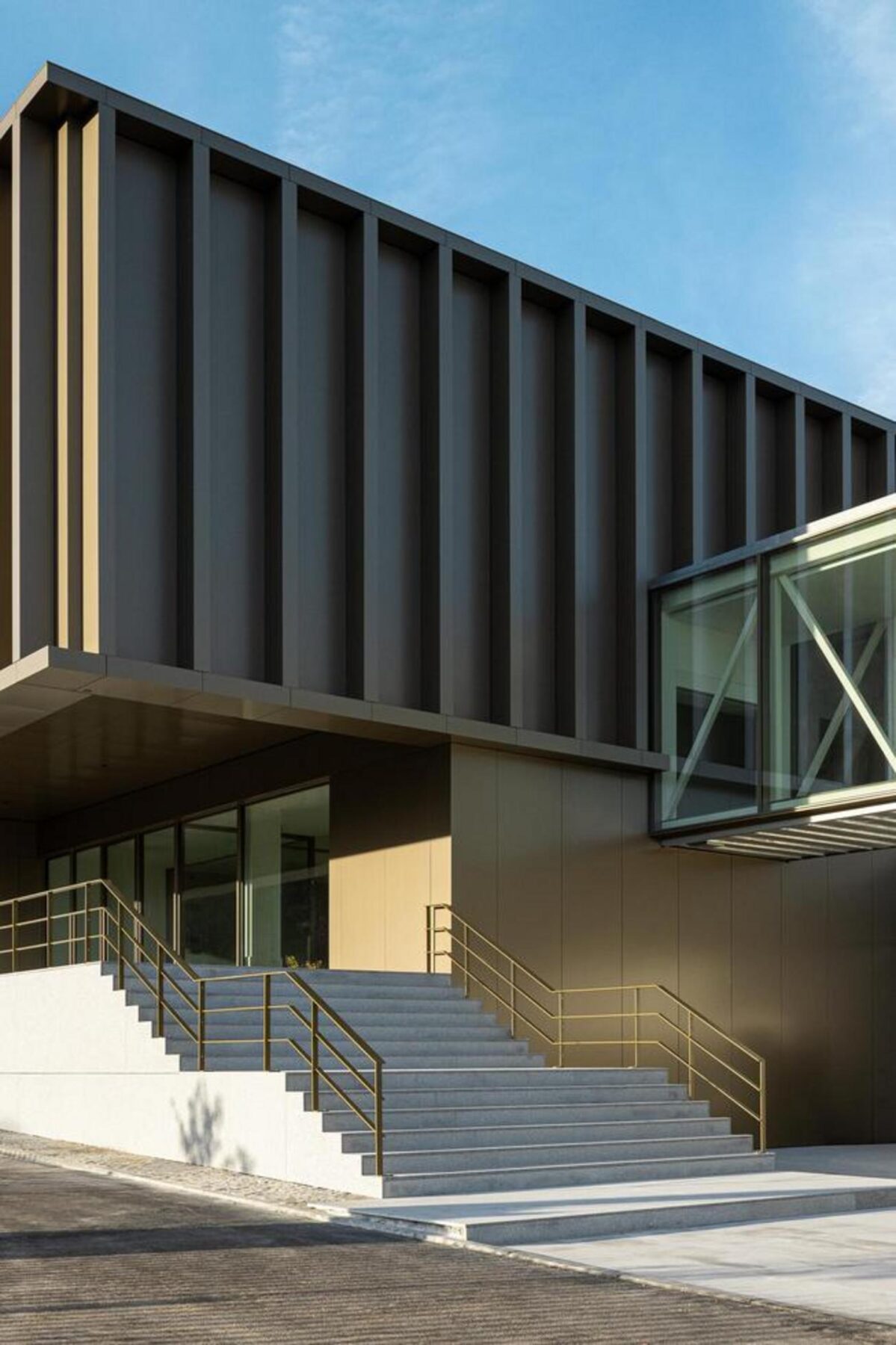
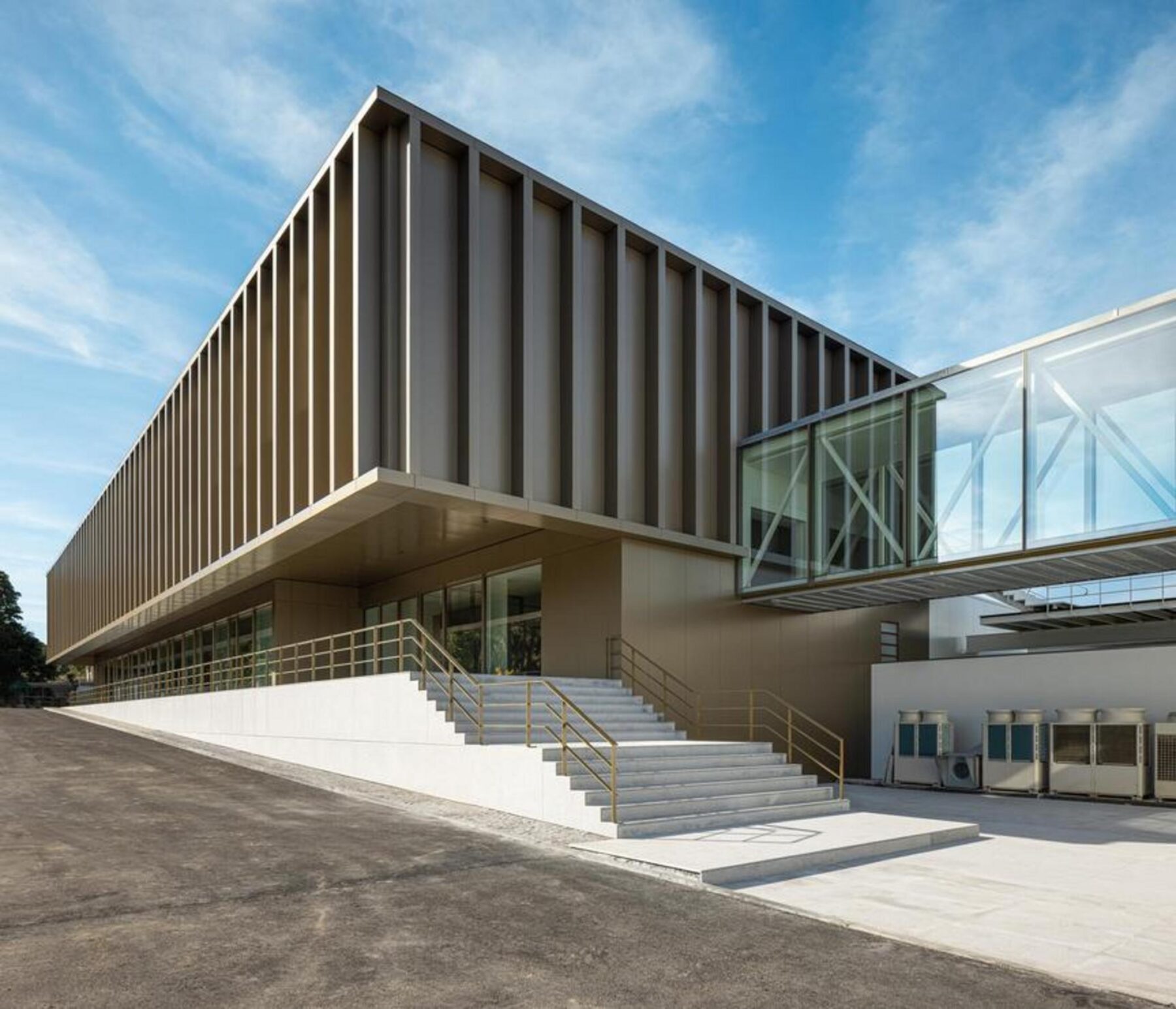
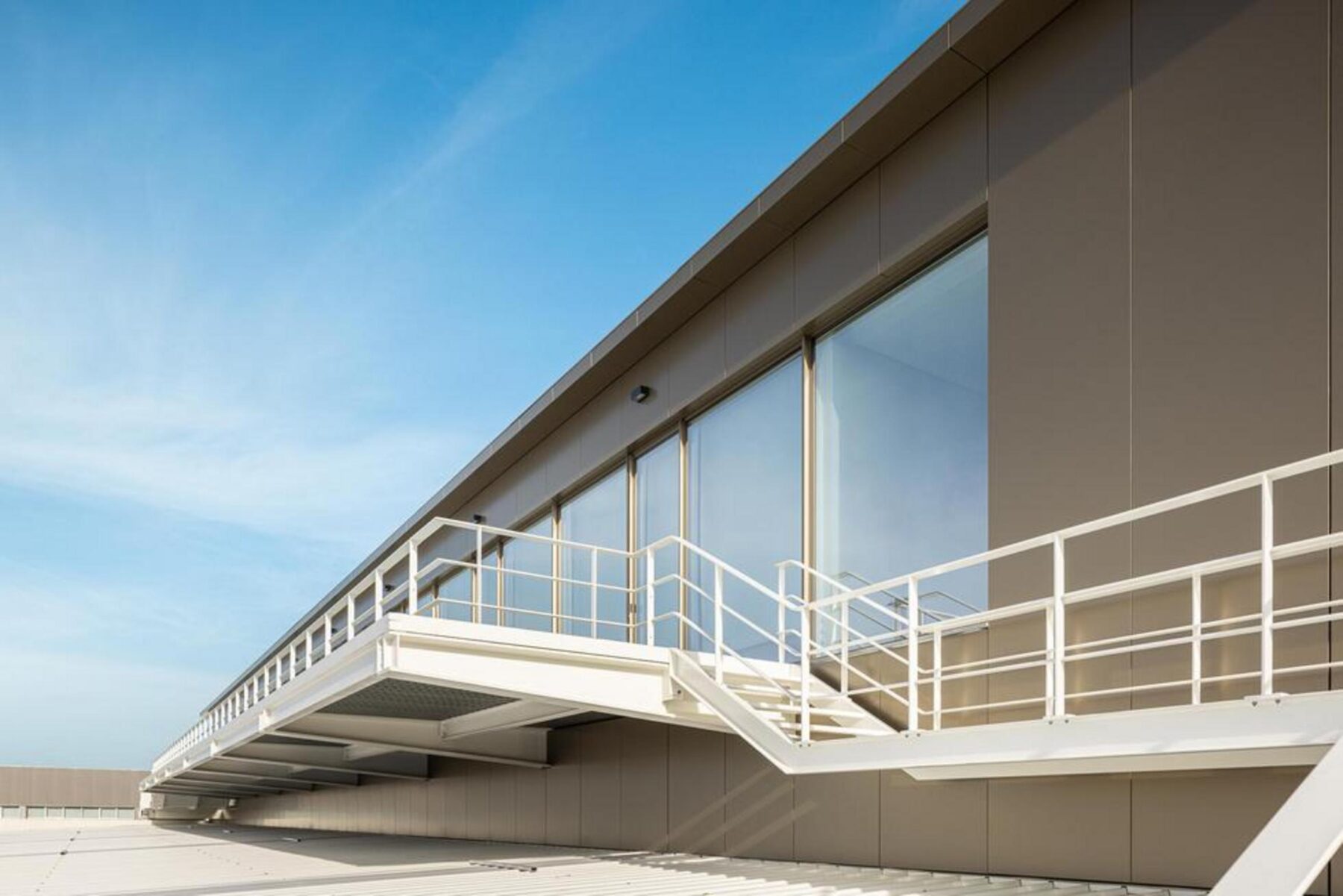
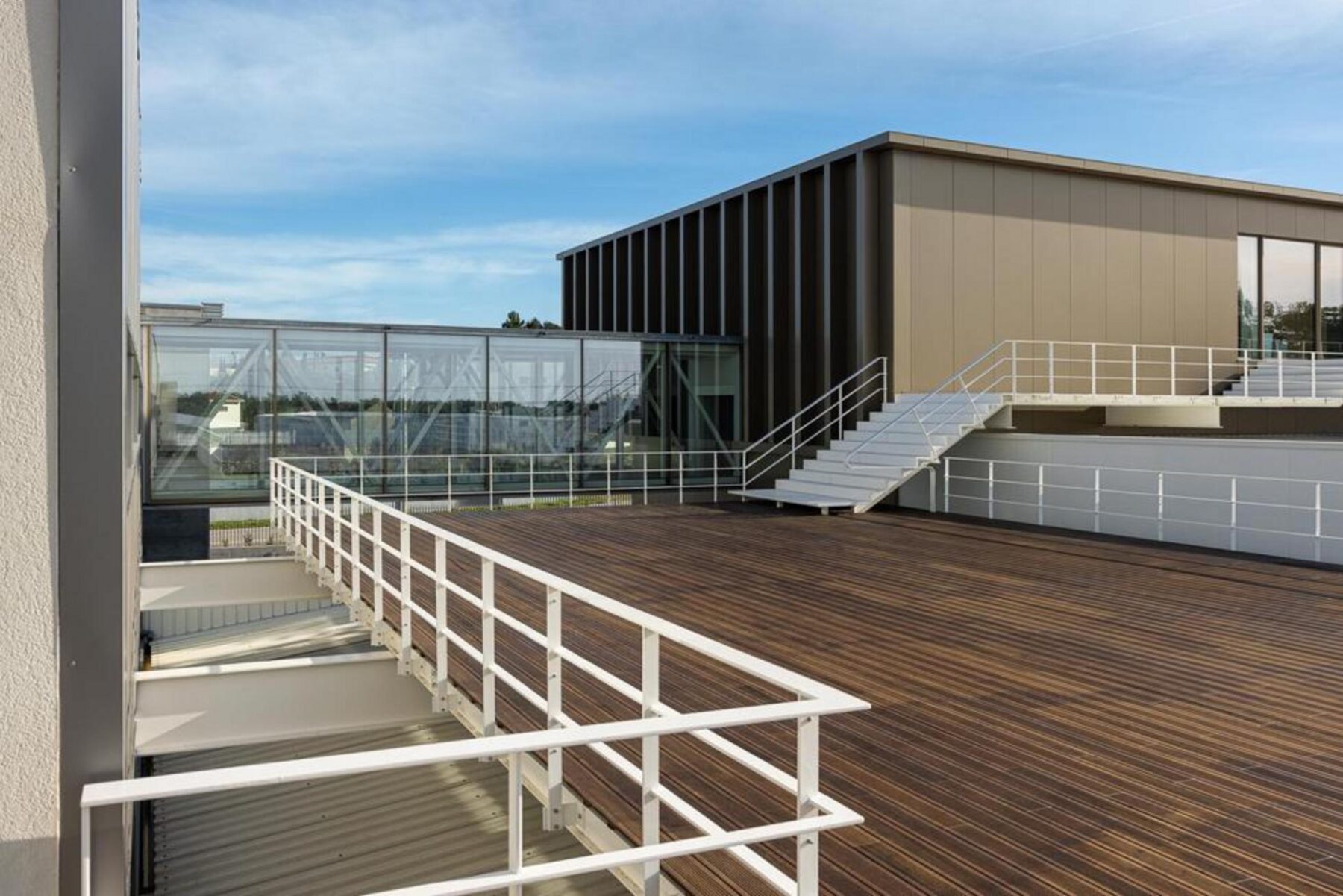
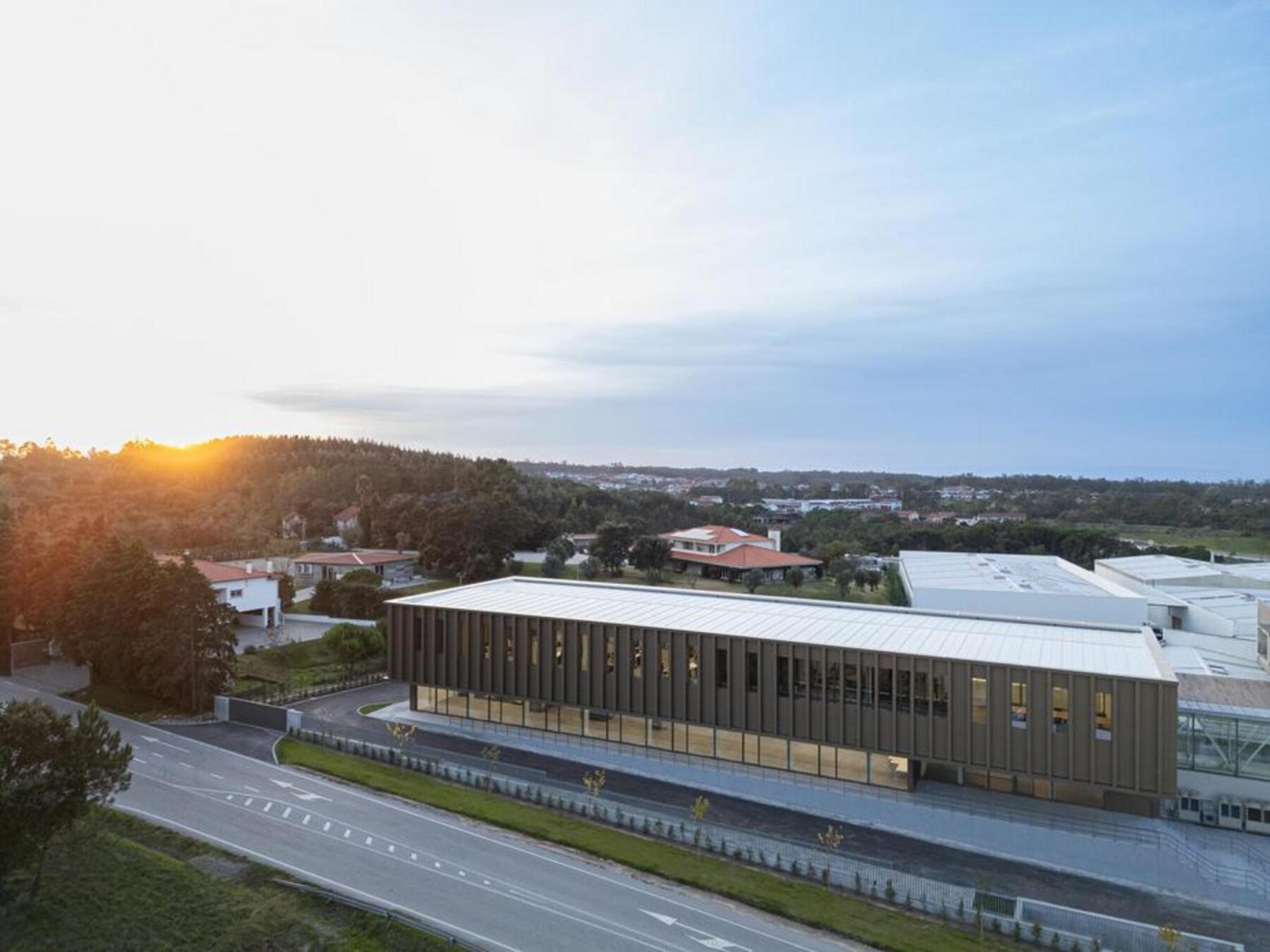
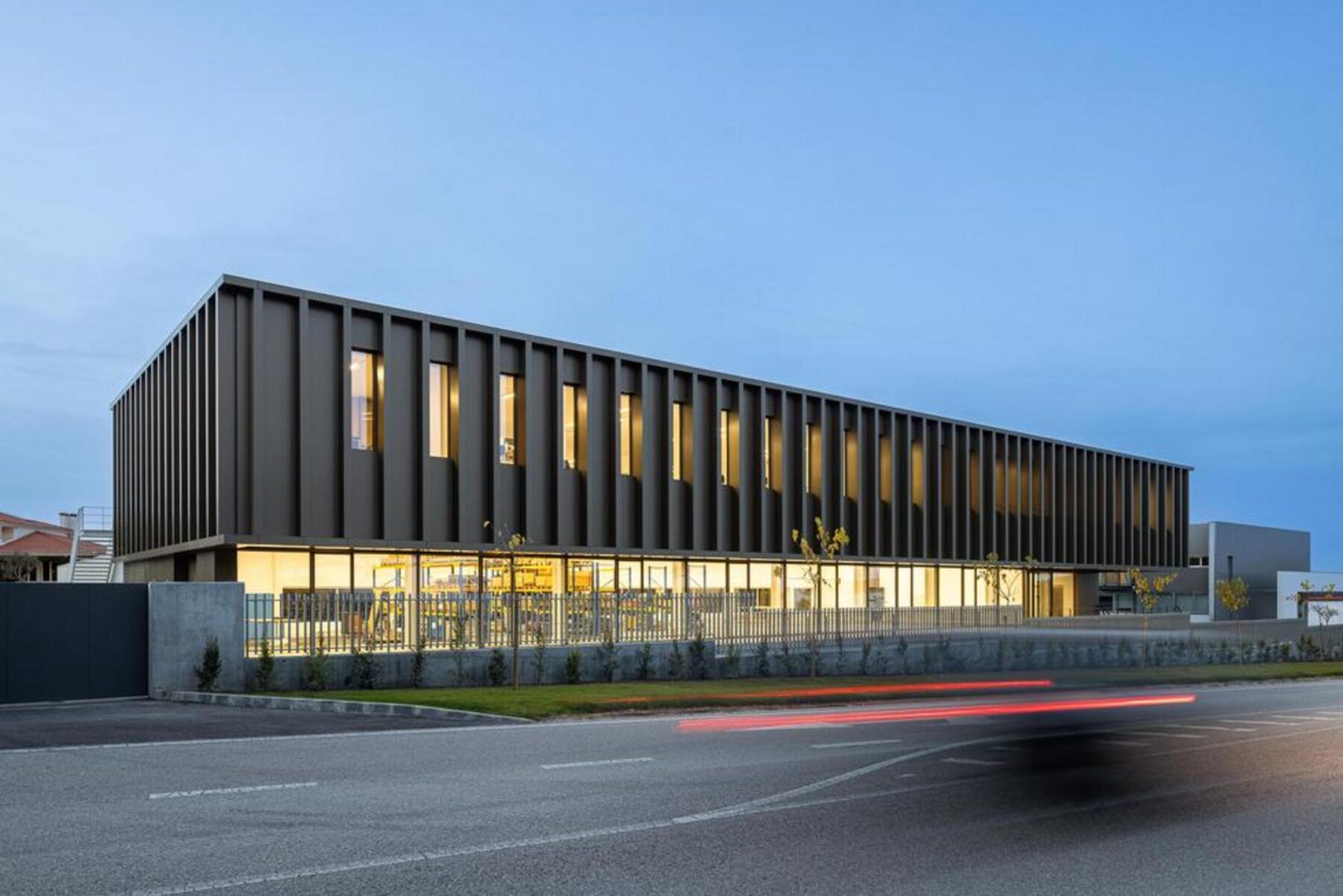
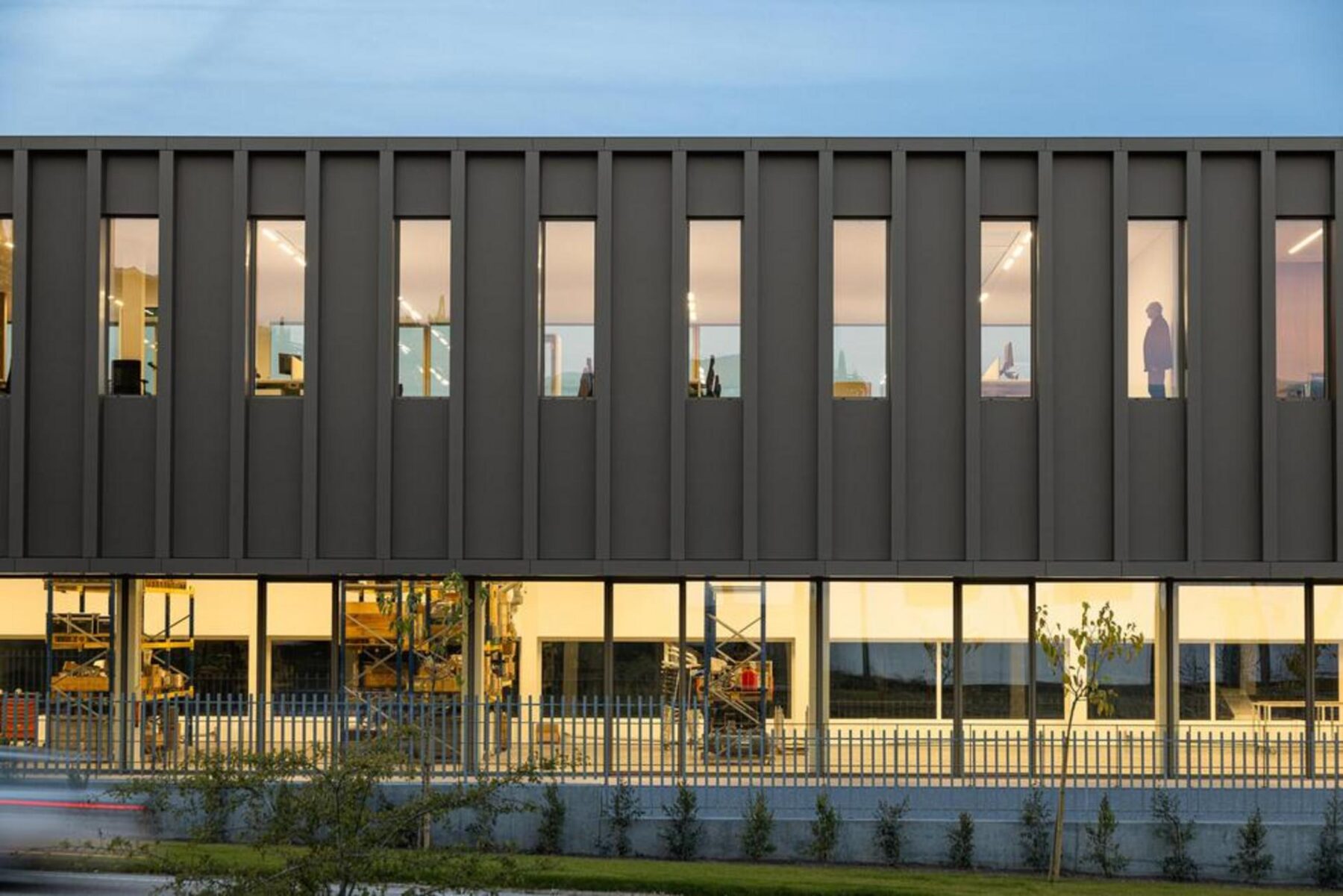
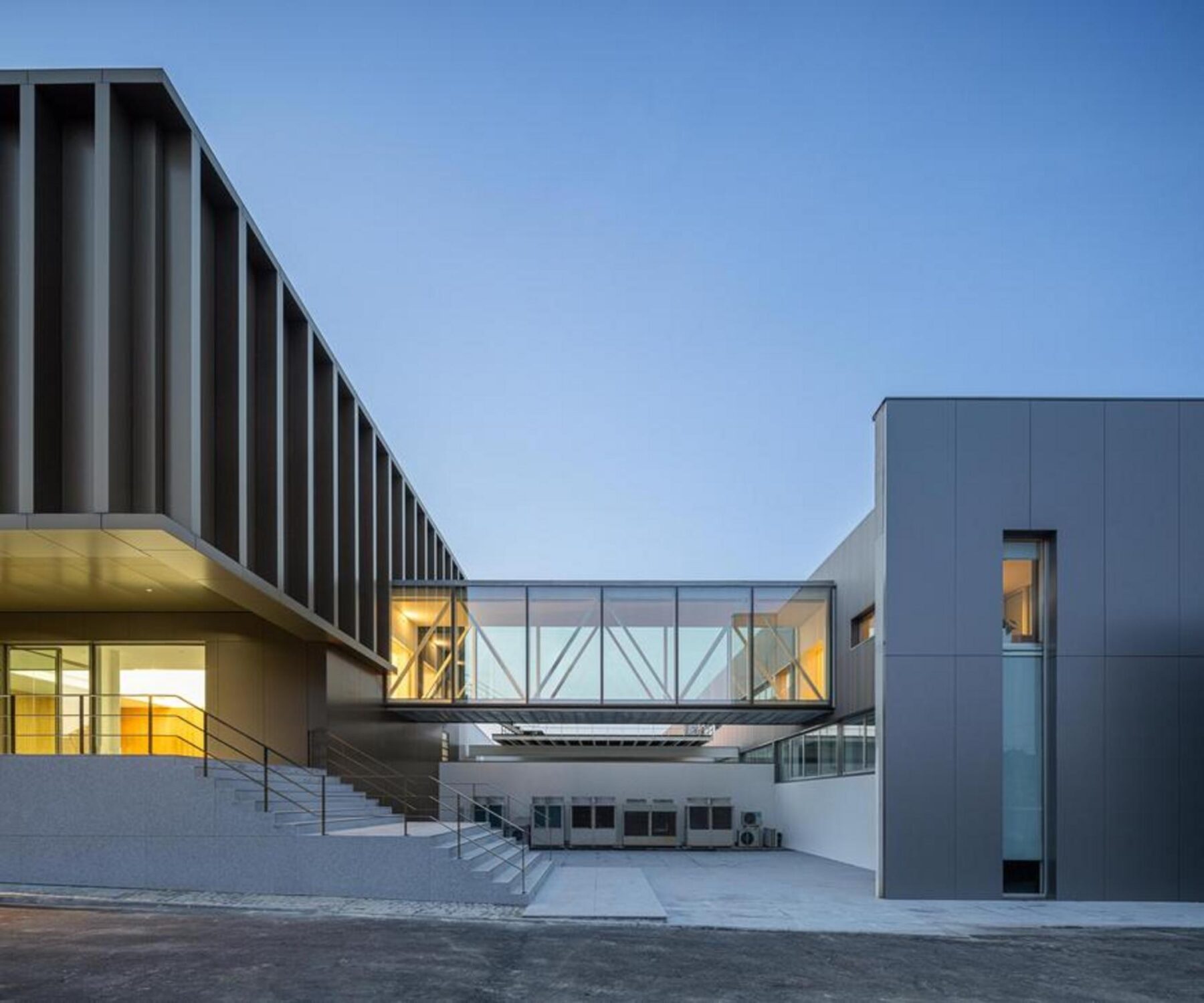
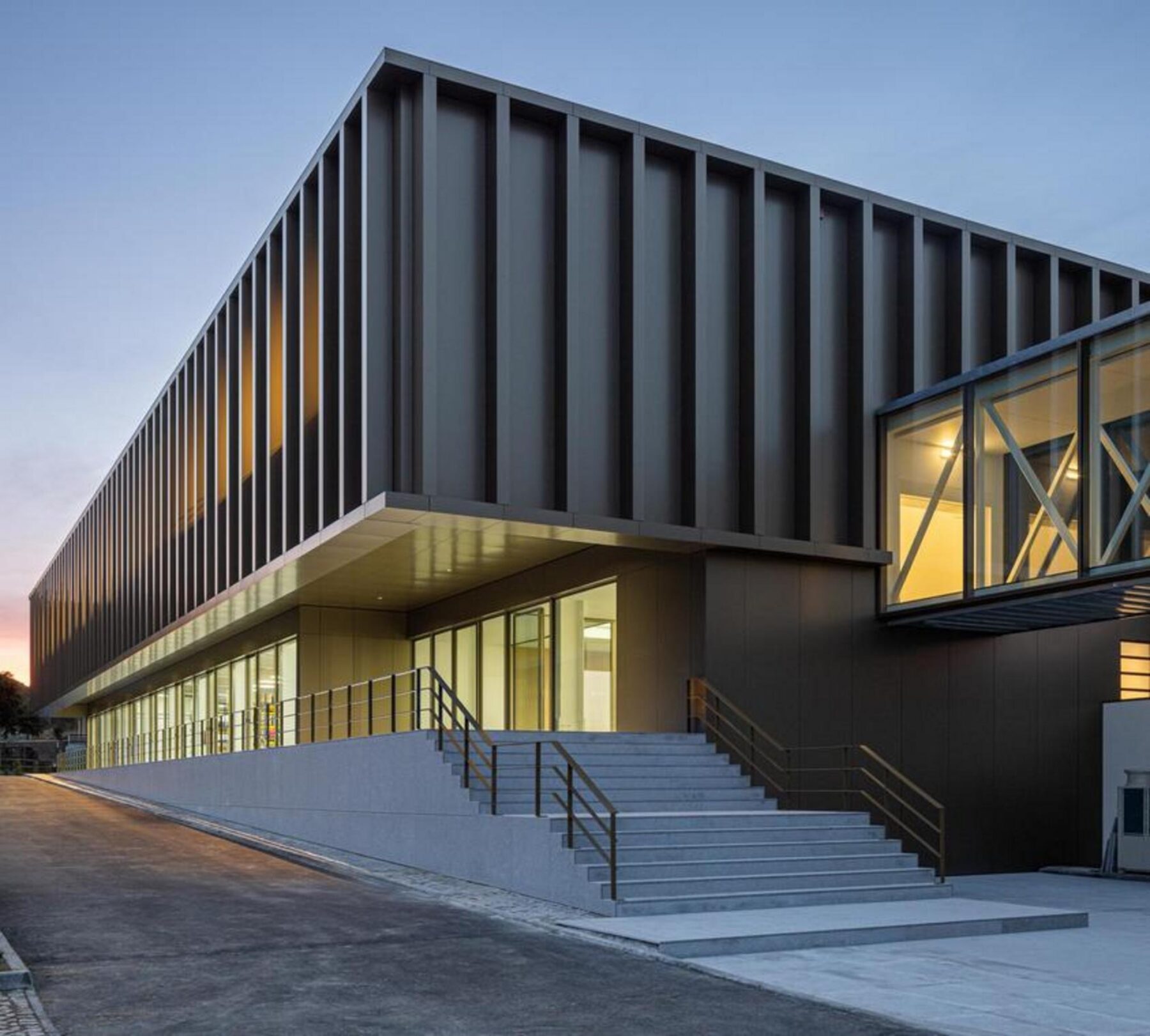
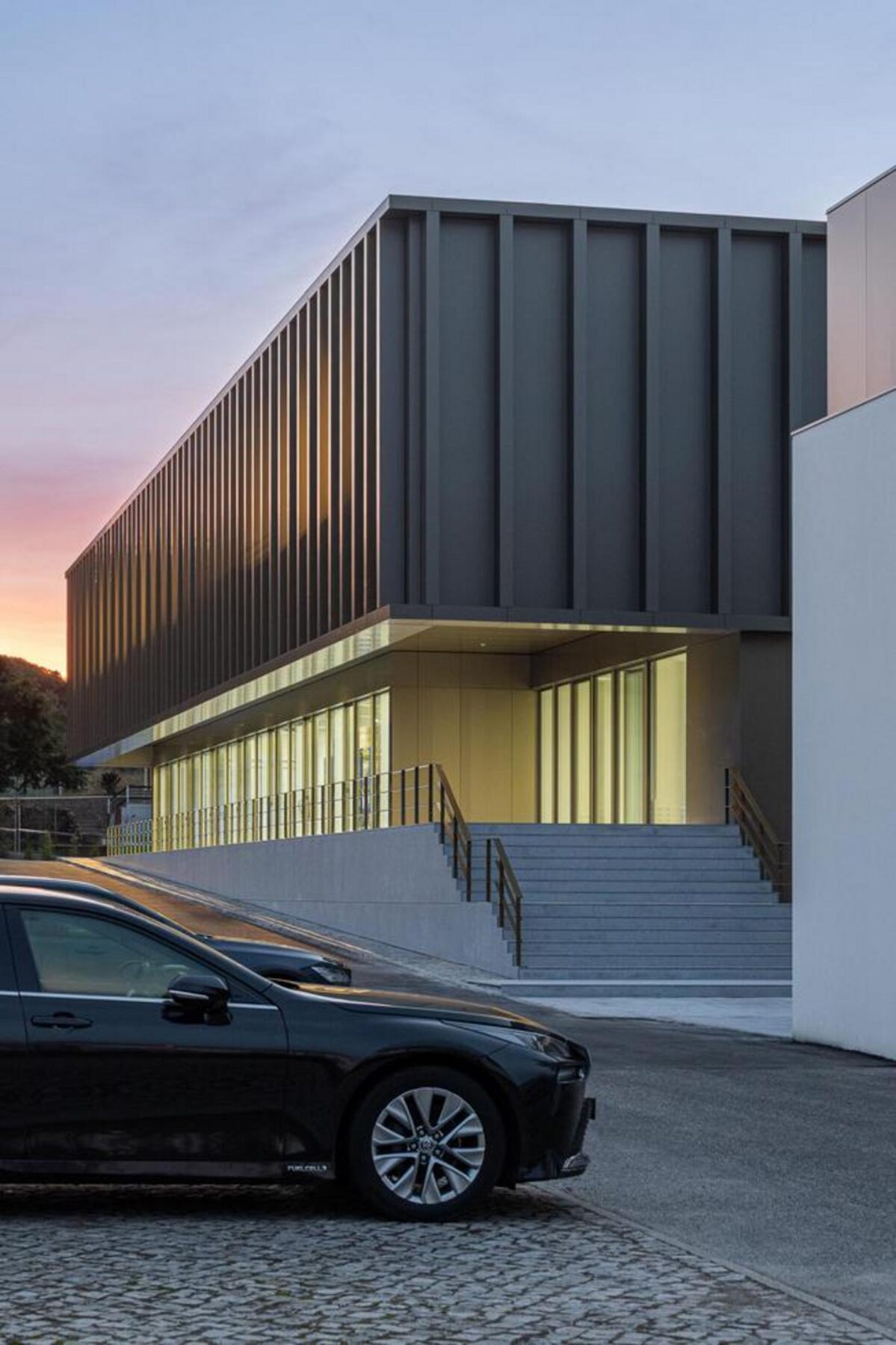
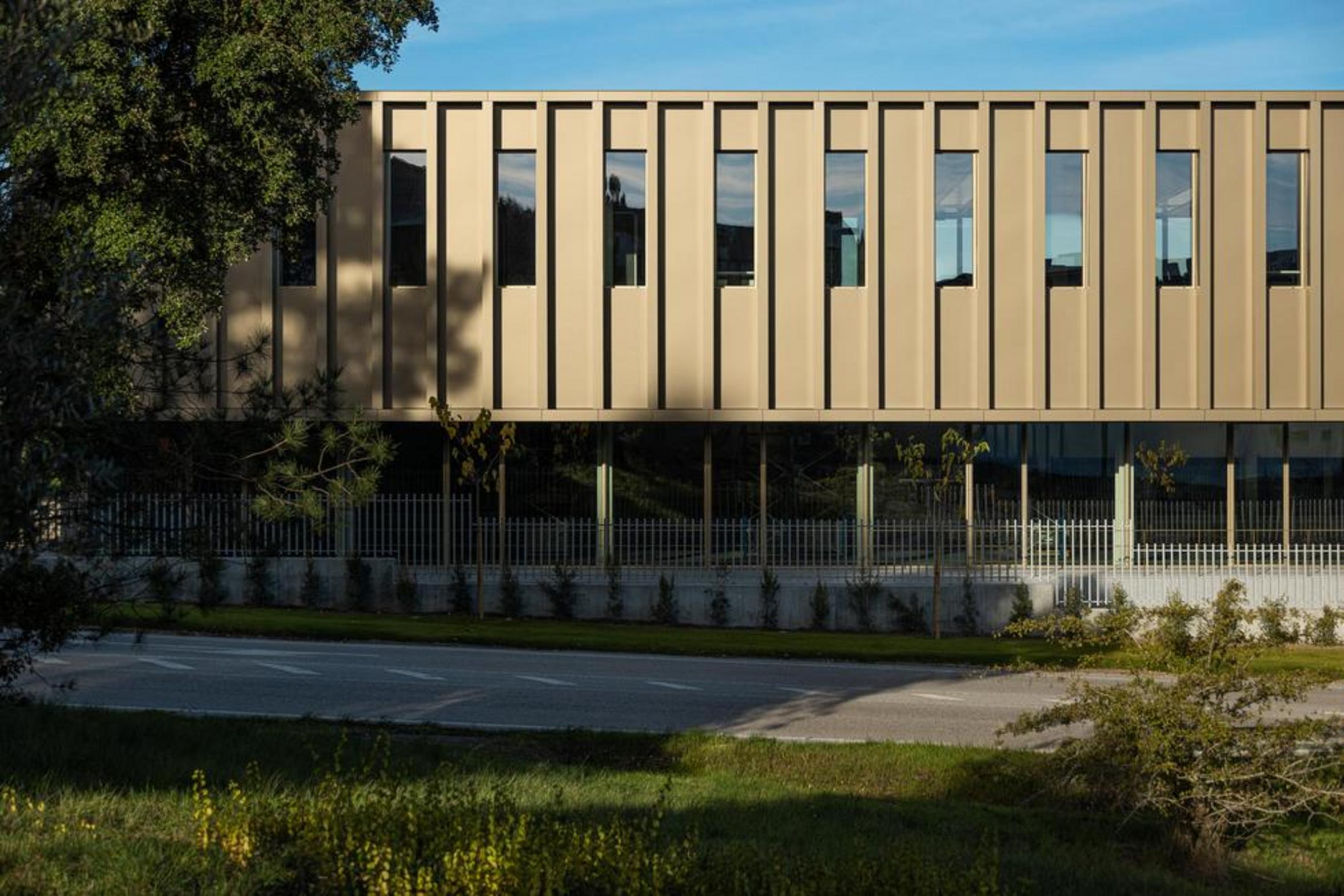
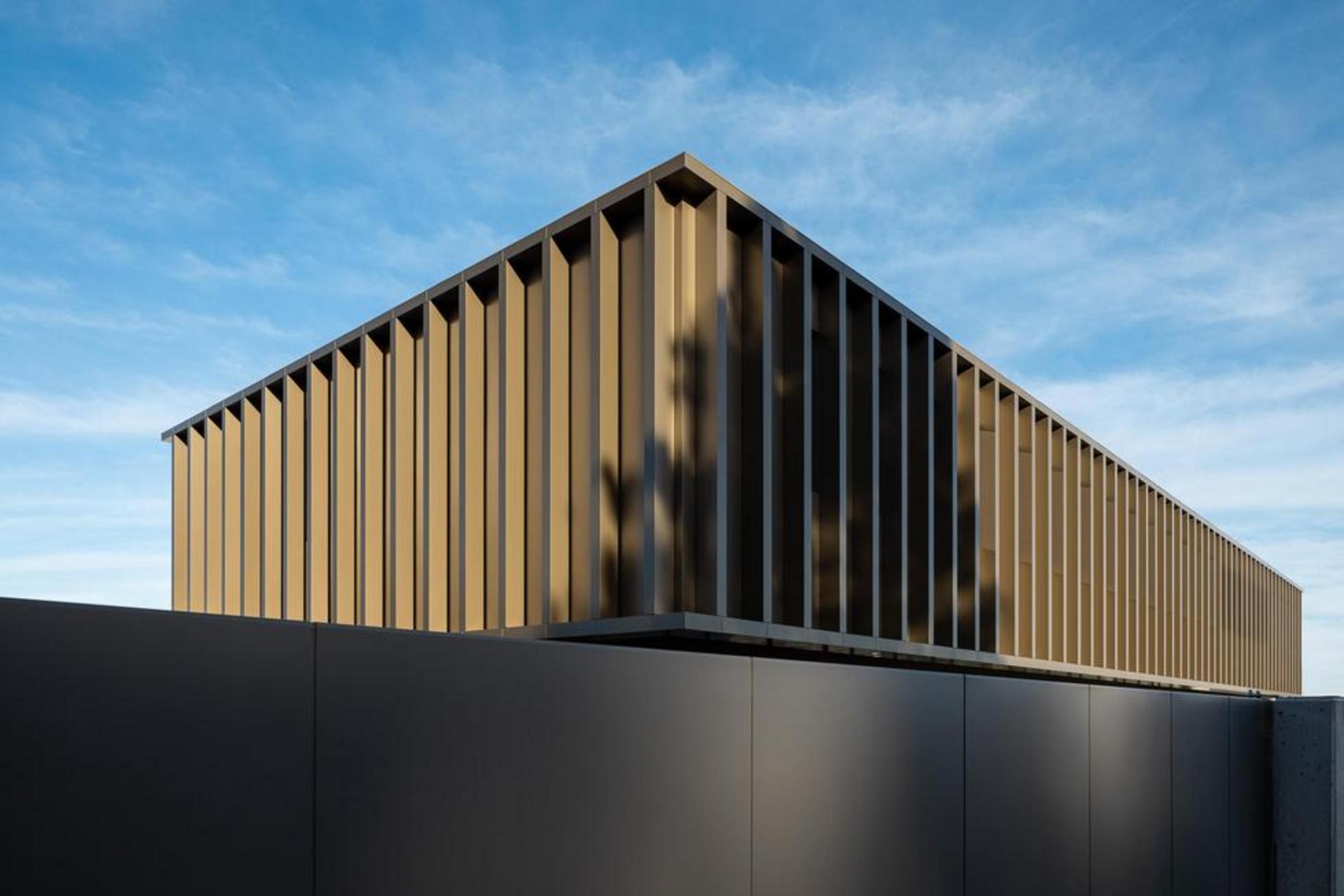
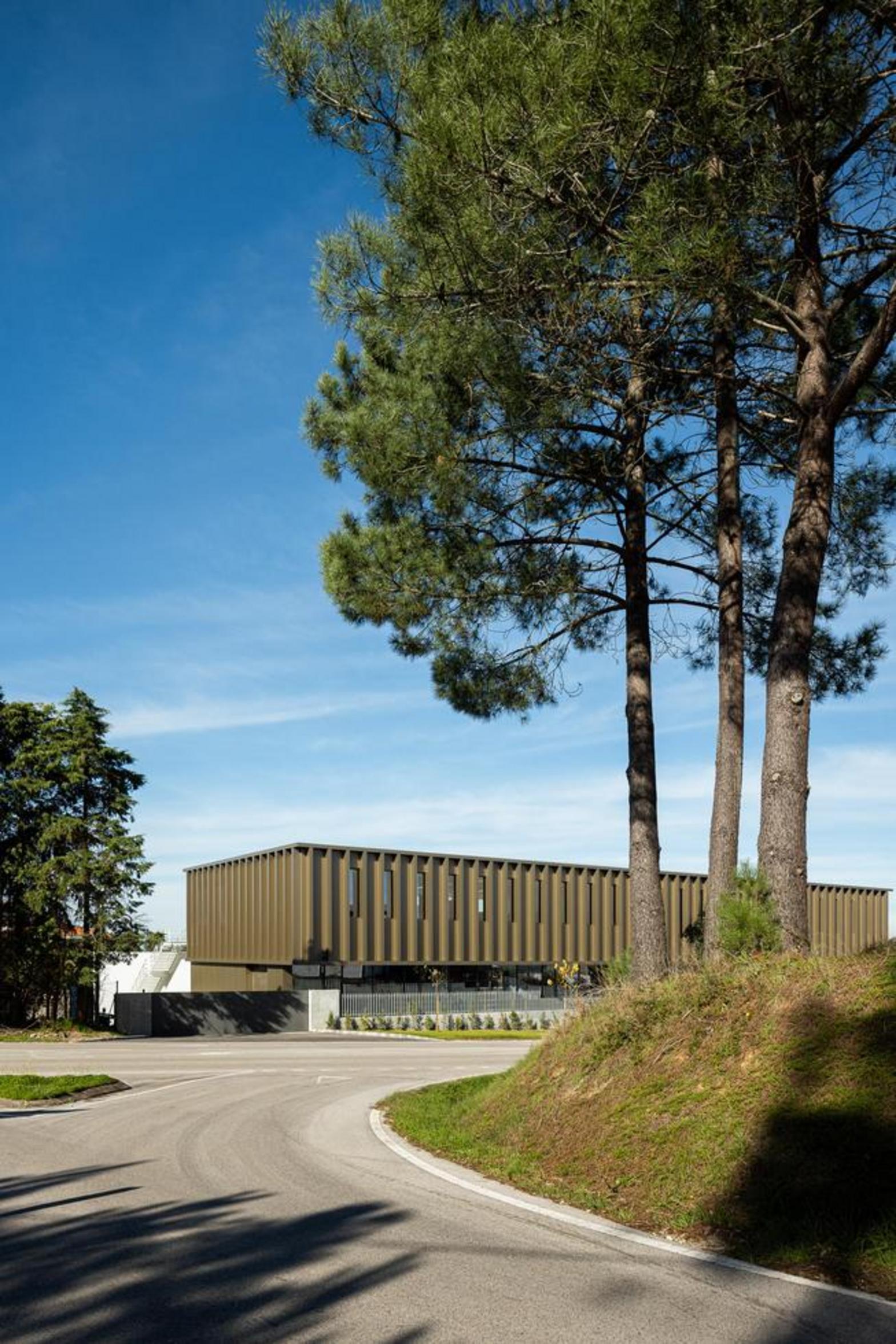
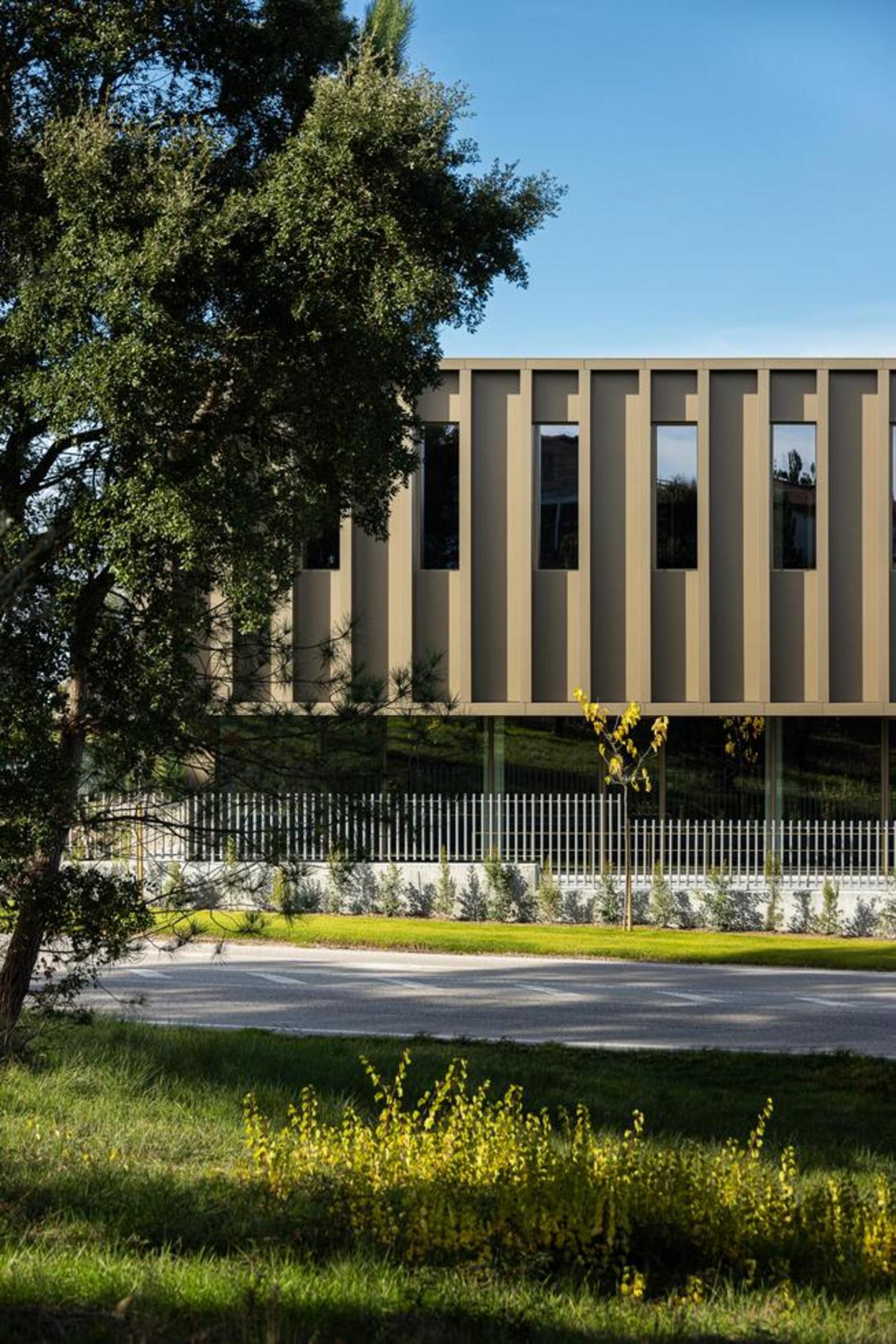
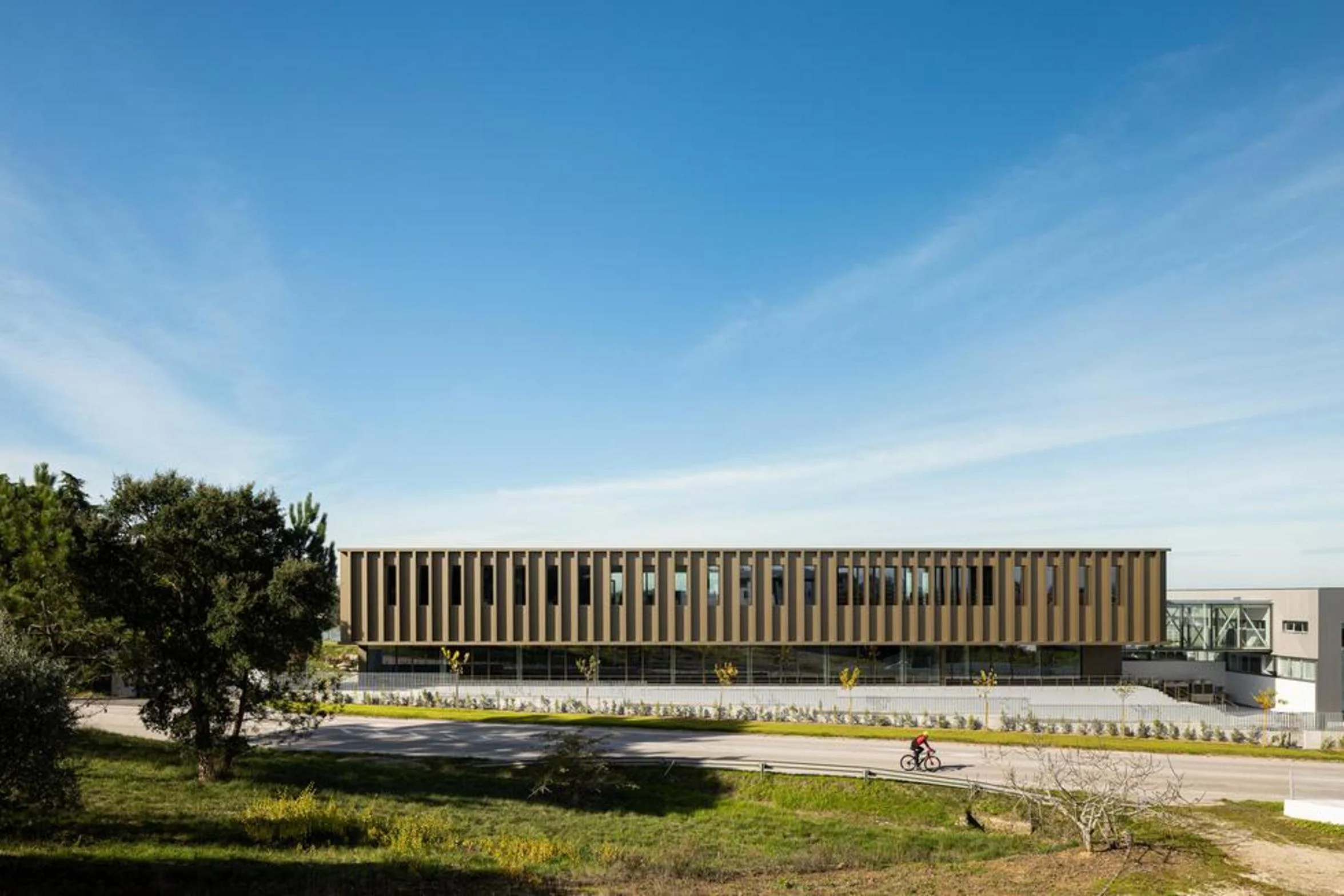
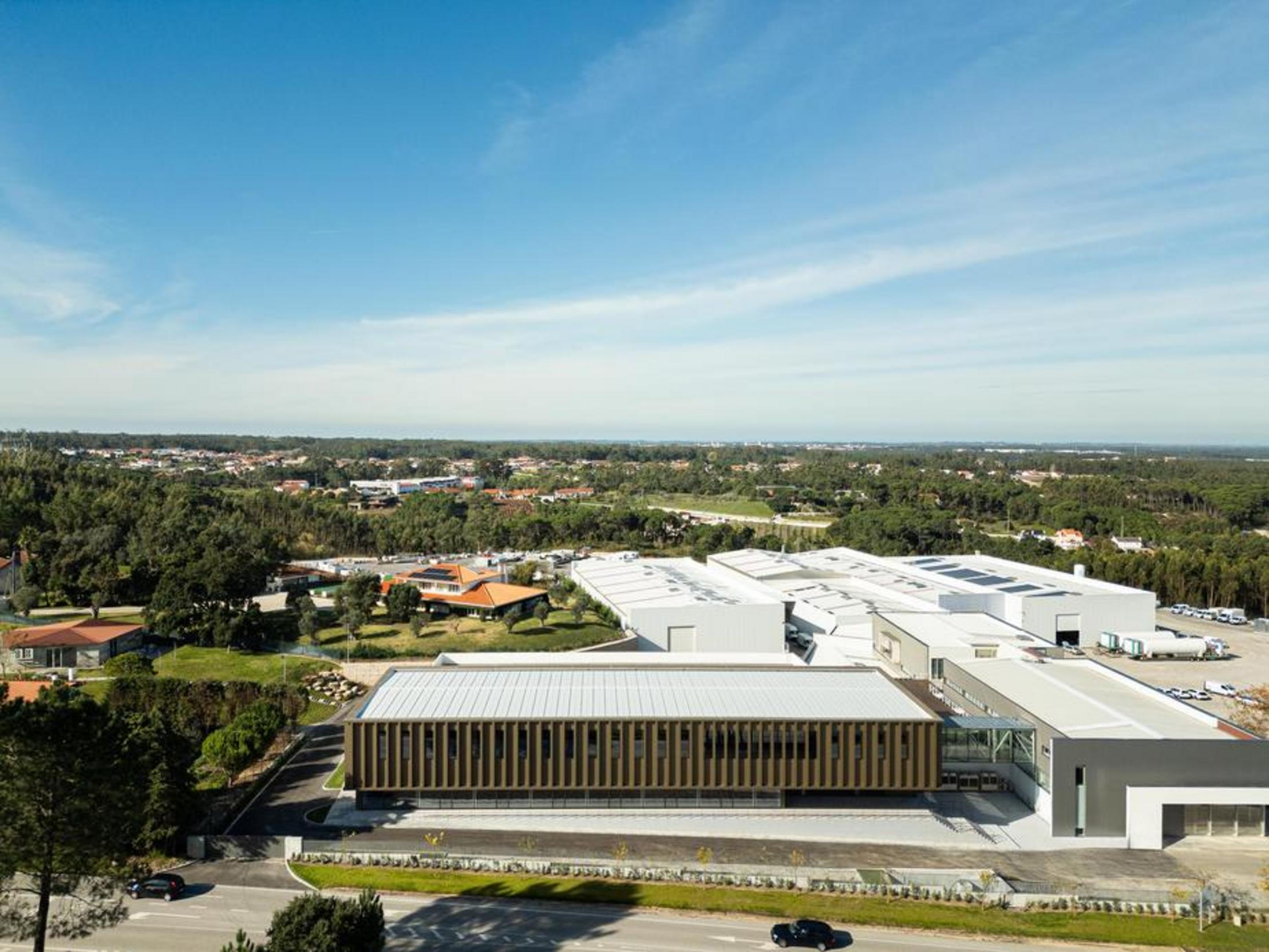
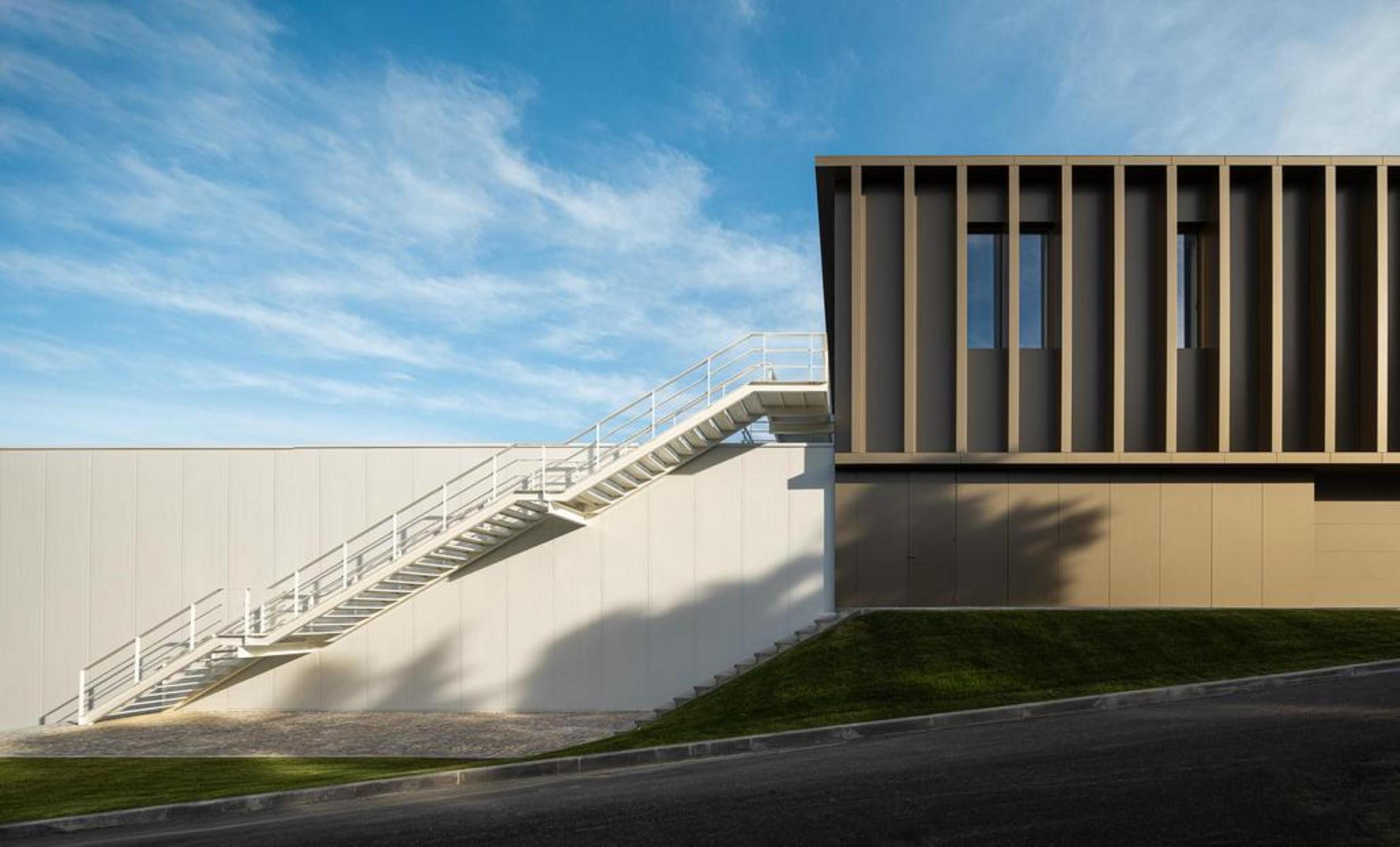
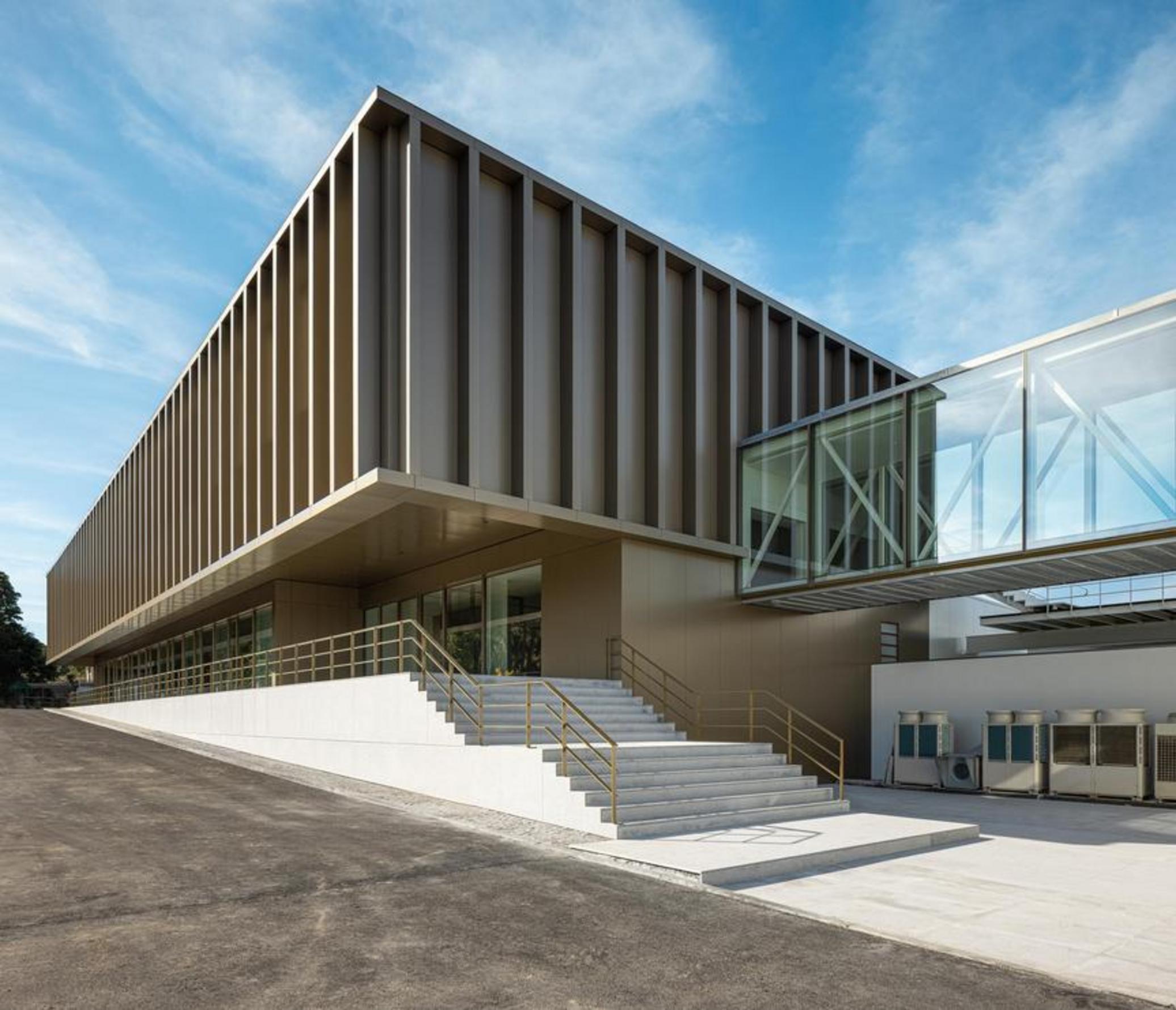
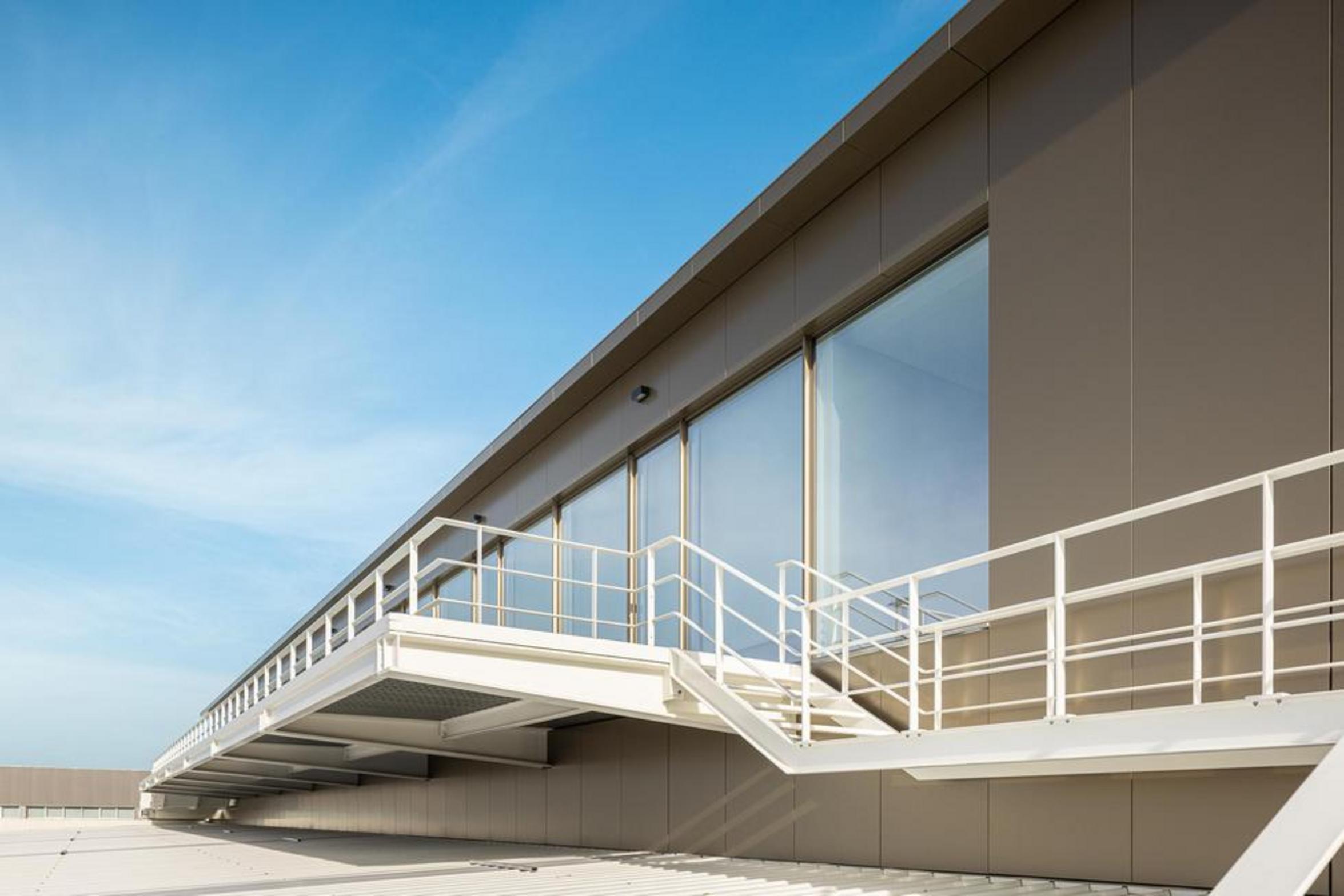
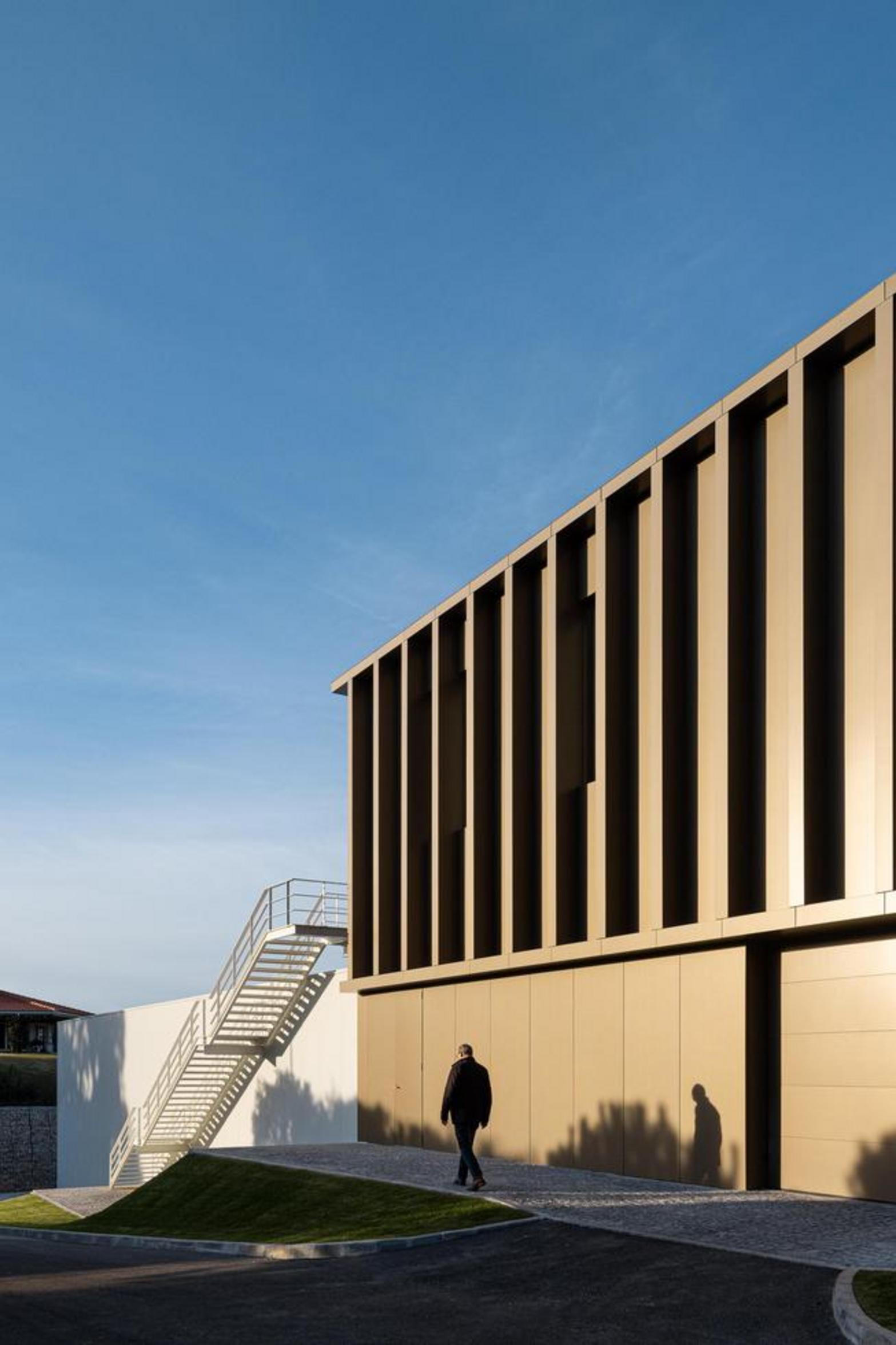
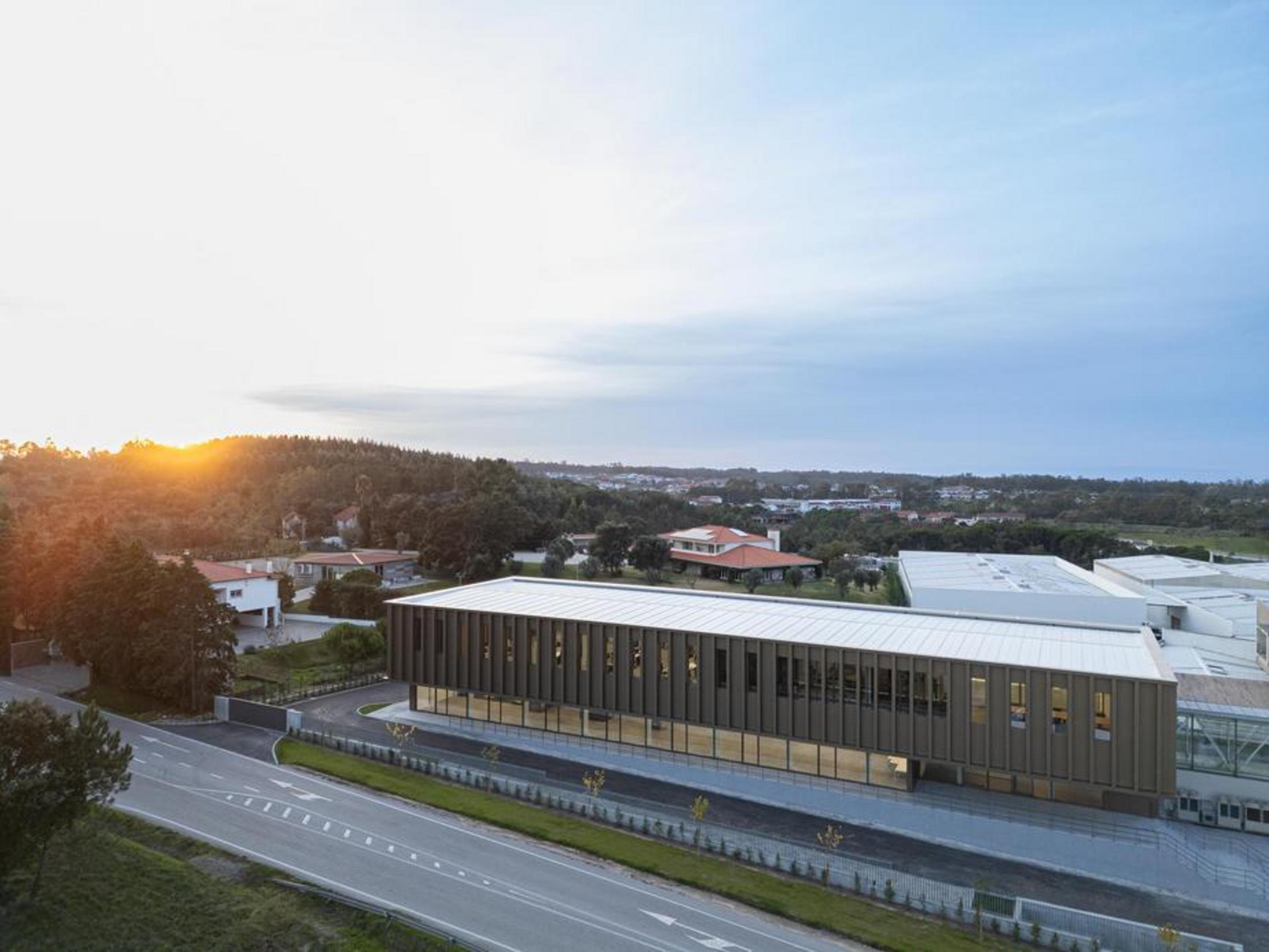
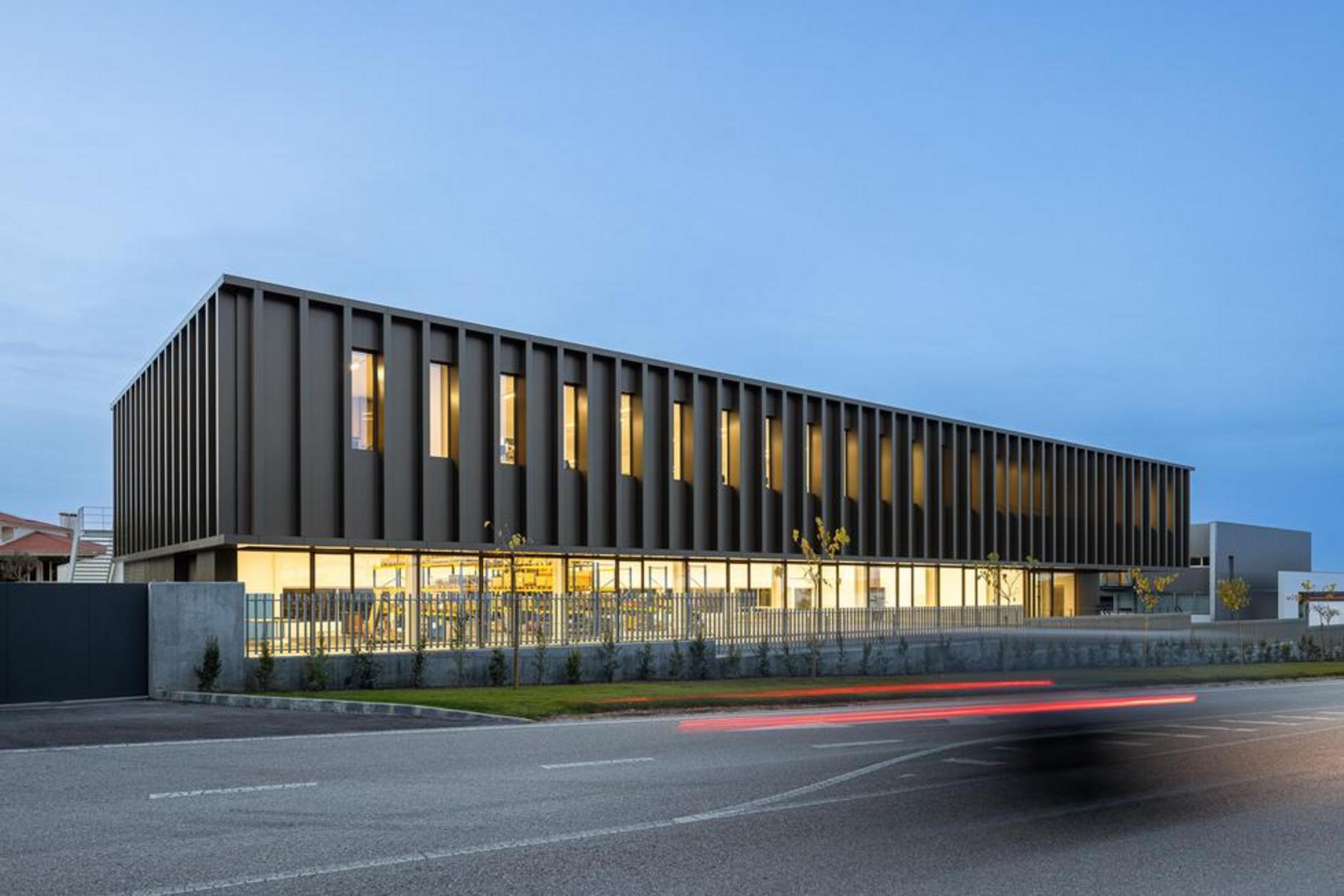
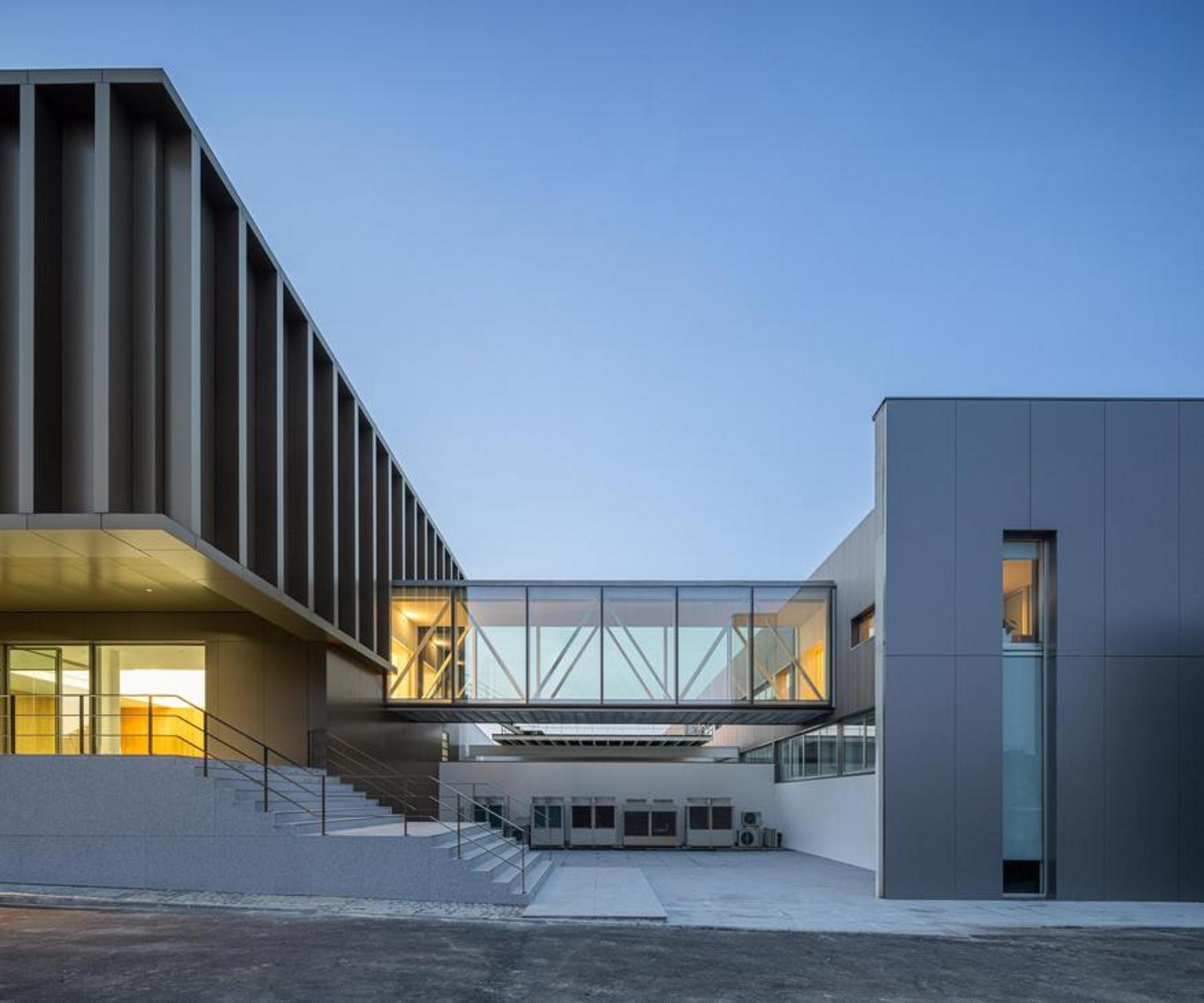
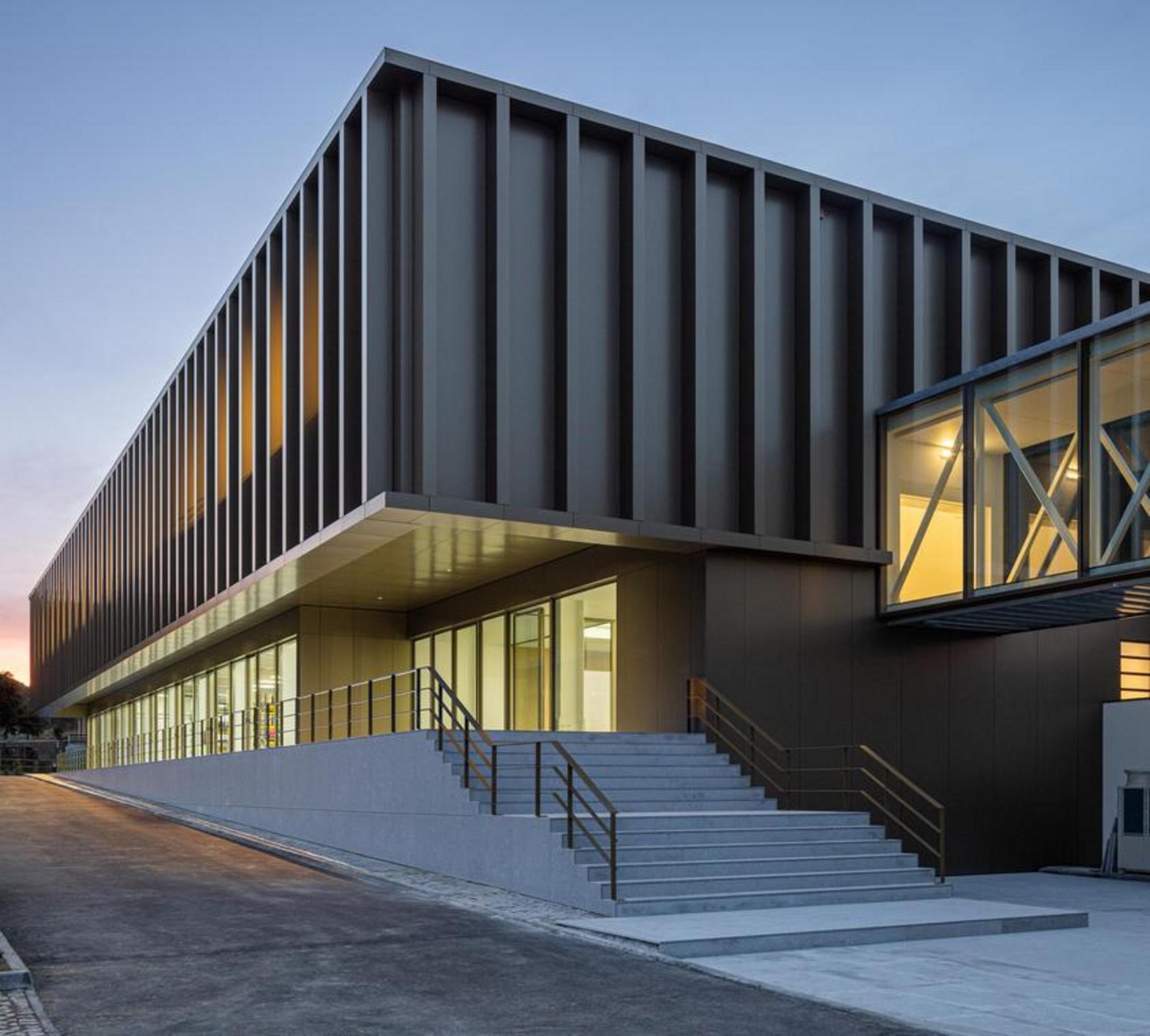
Perspetiva lateral do complexo industrial e administrativo, onde o betão aparente e o vidro estrutural definem a linguagem arquitectónica contemporânea. — EDIFÍCIO-SEDE PRF arquitectura Impare Arquitectura fotografia Ivo Tavares

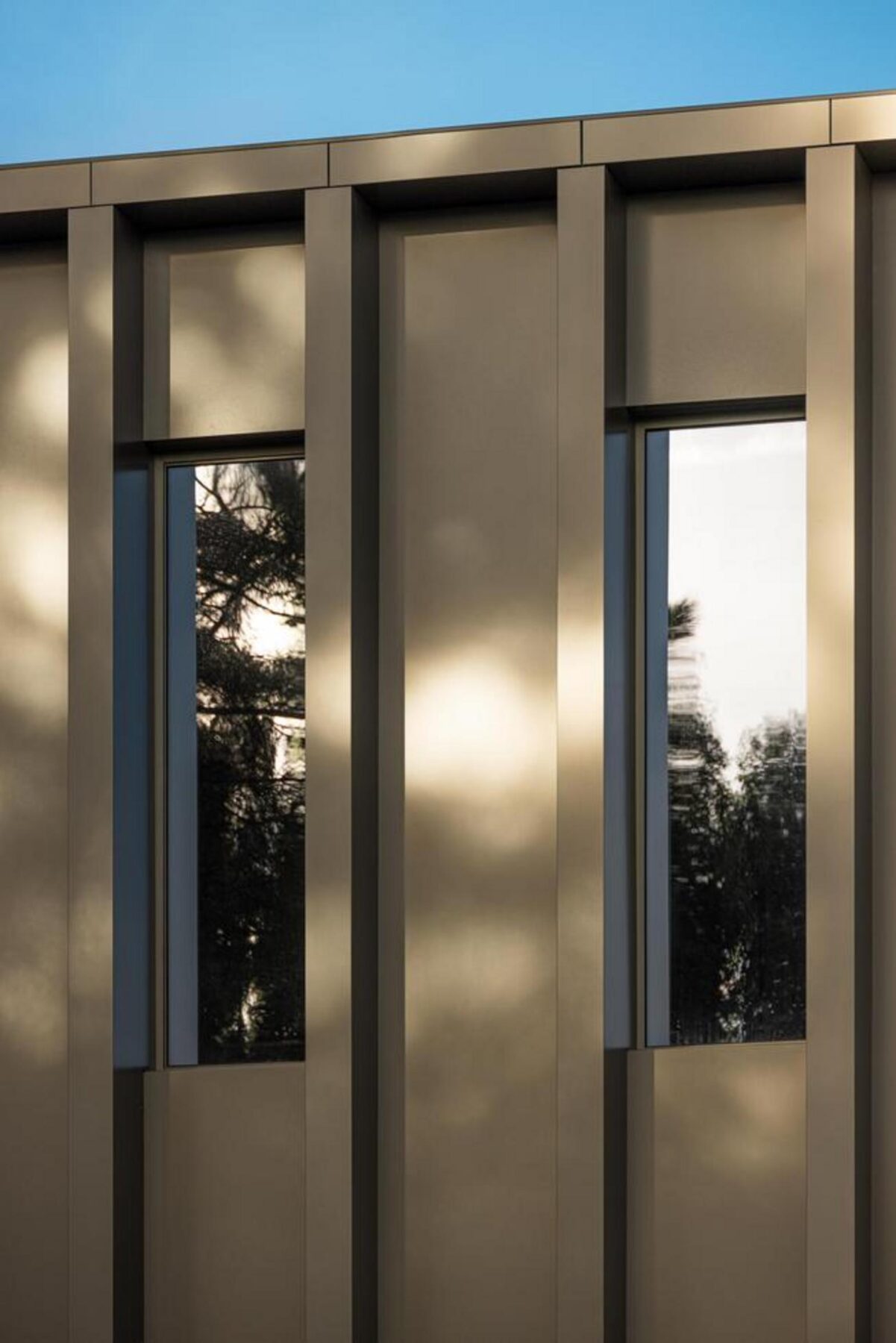
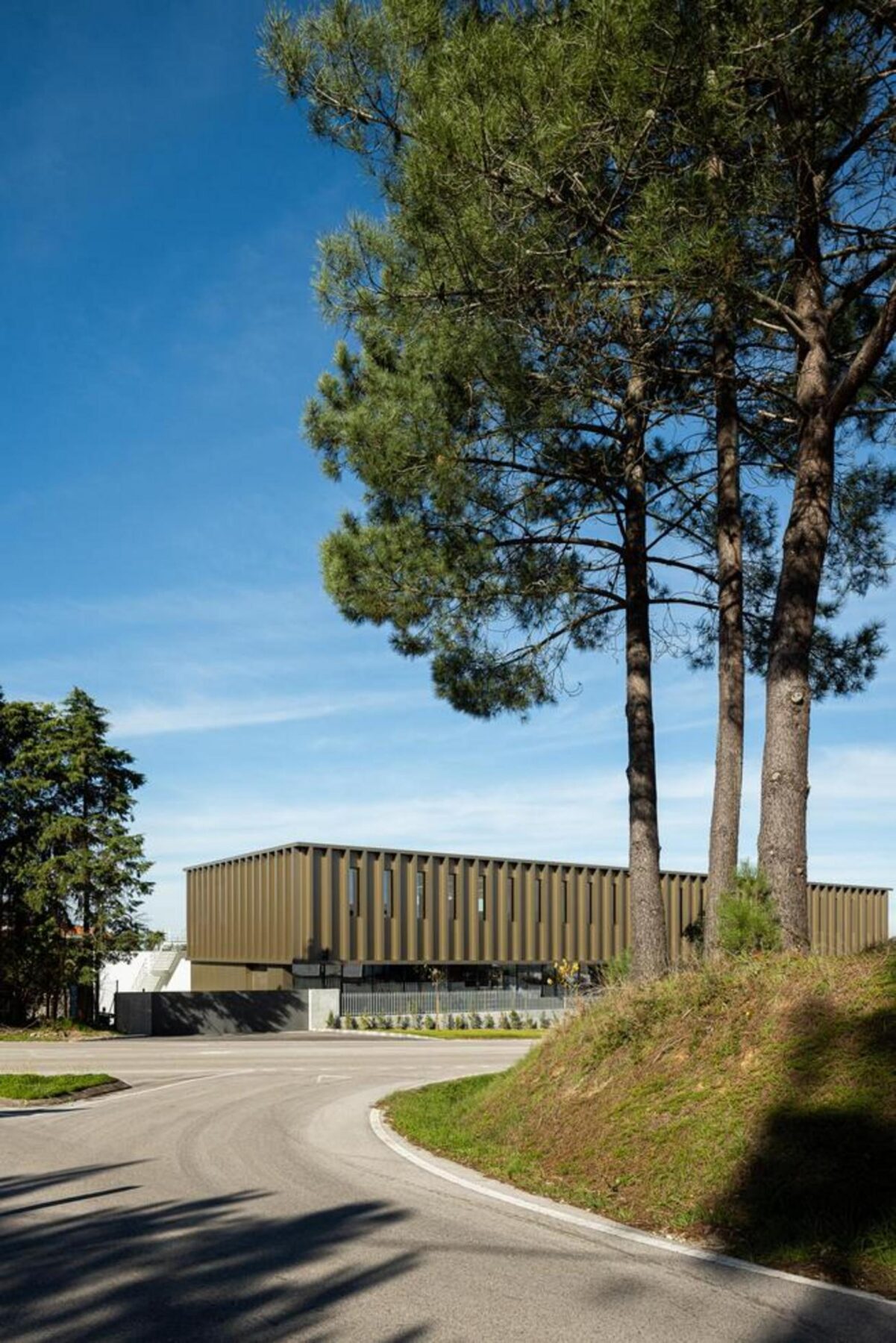
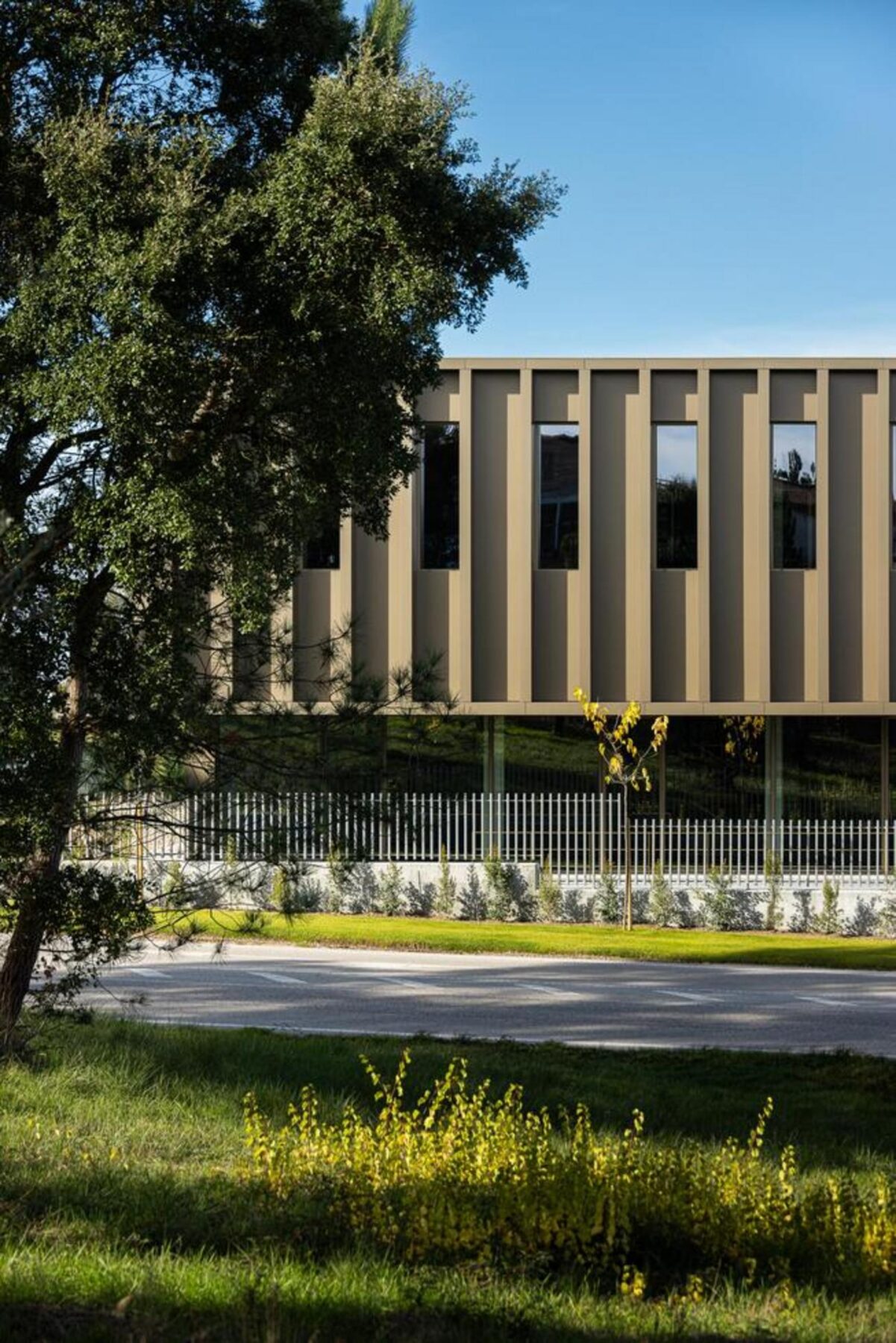
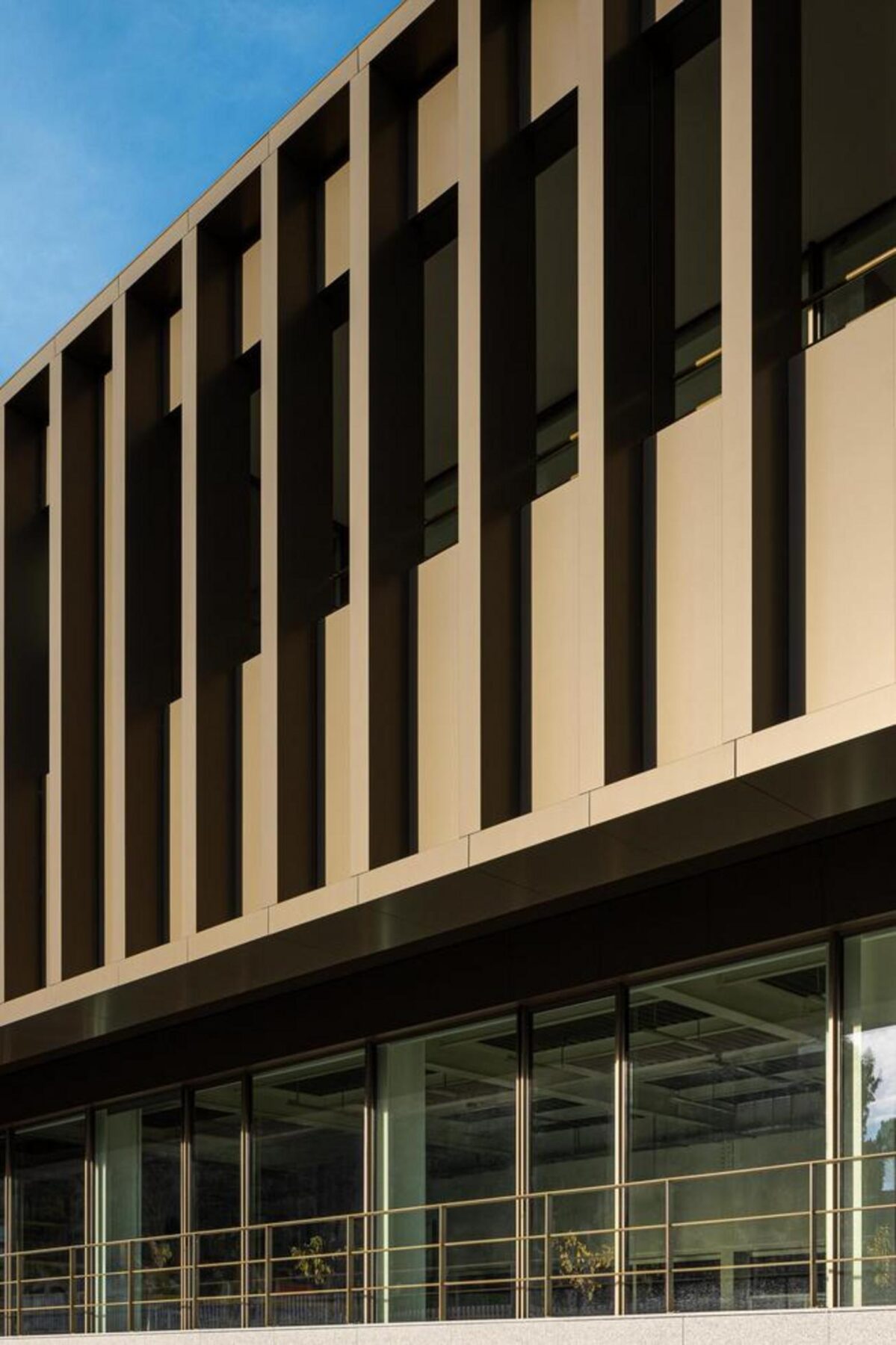
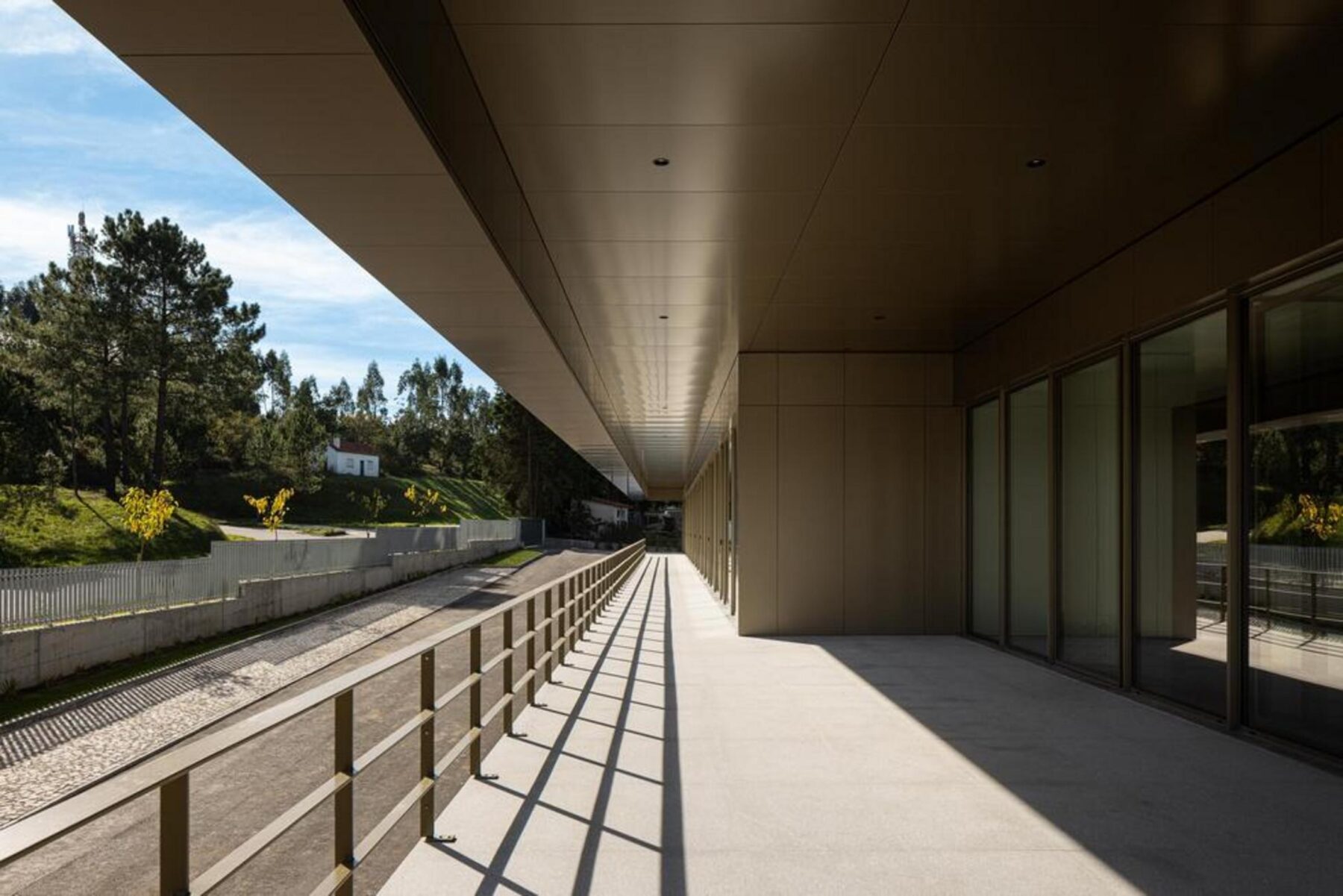
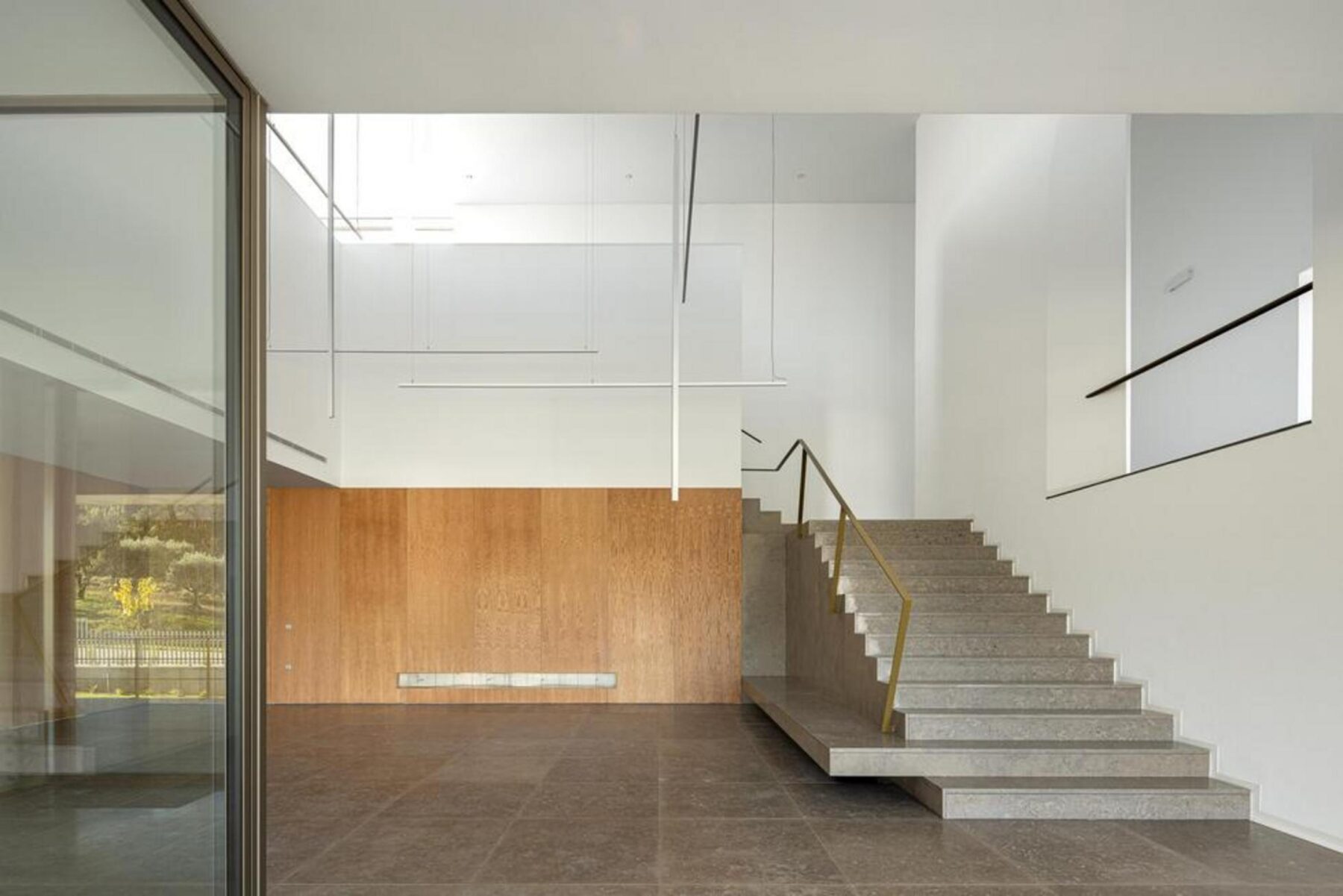
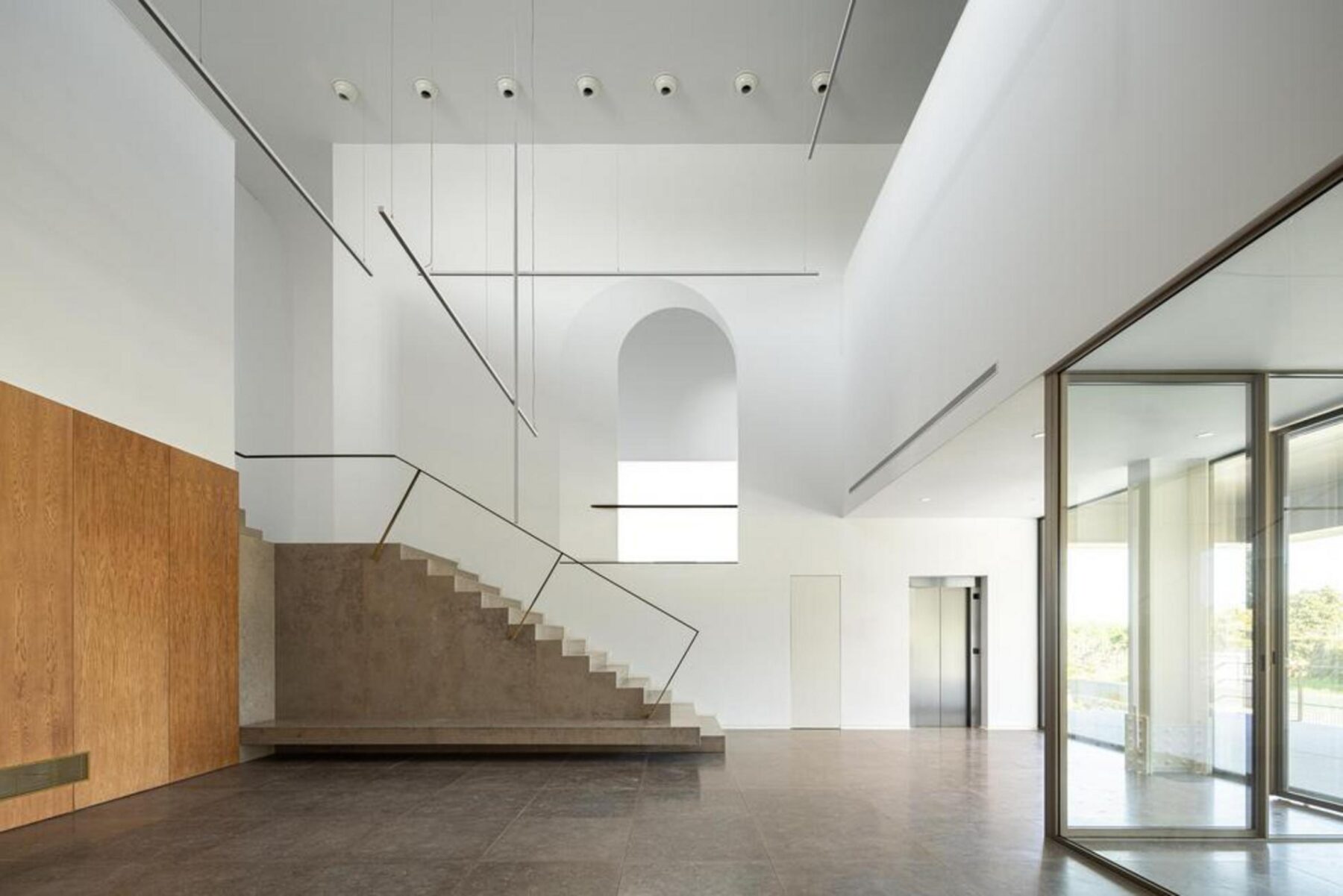
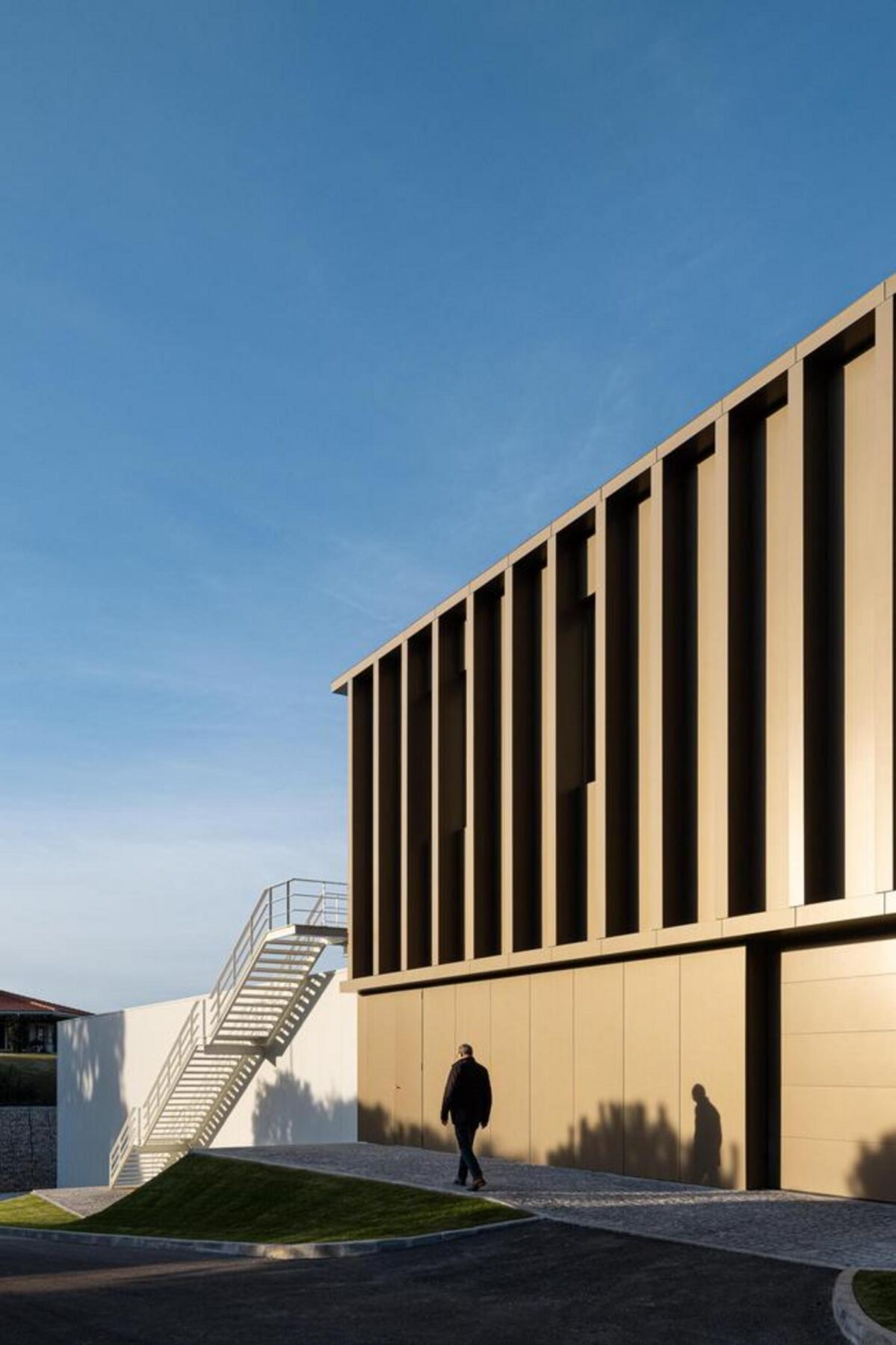
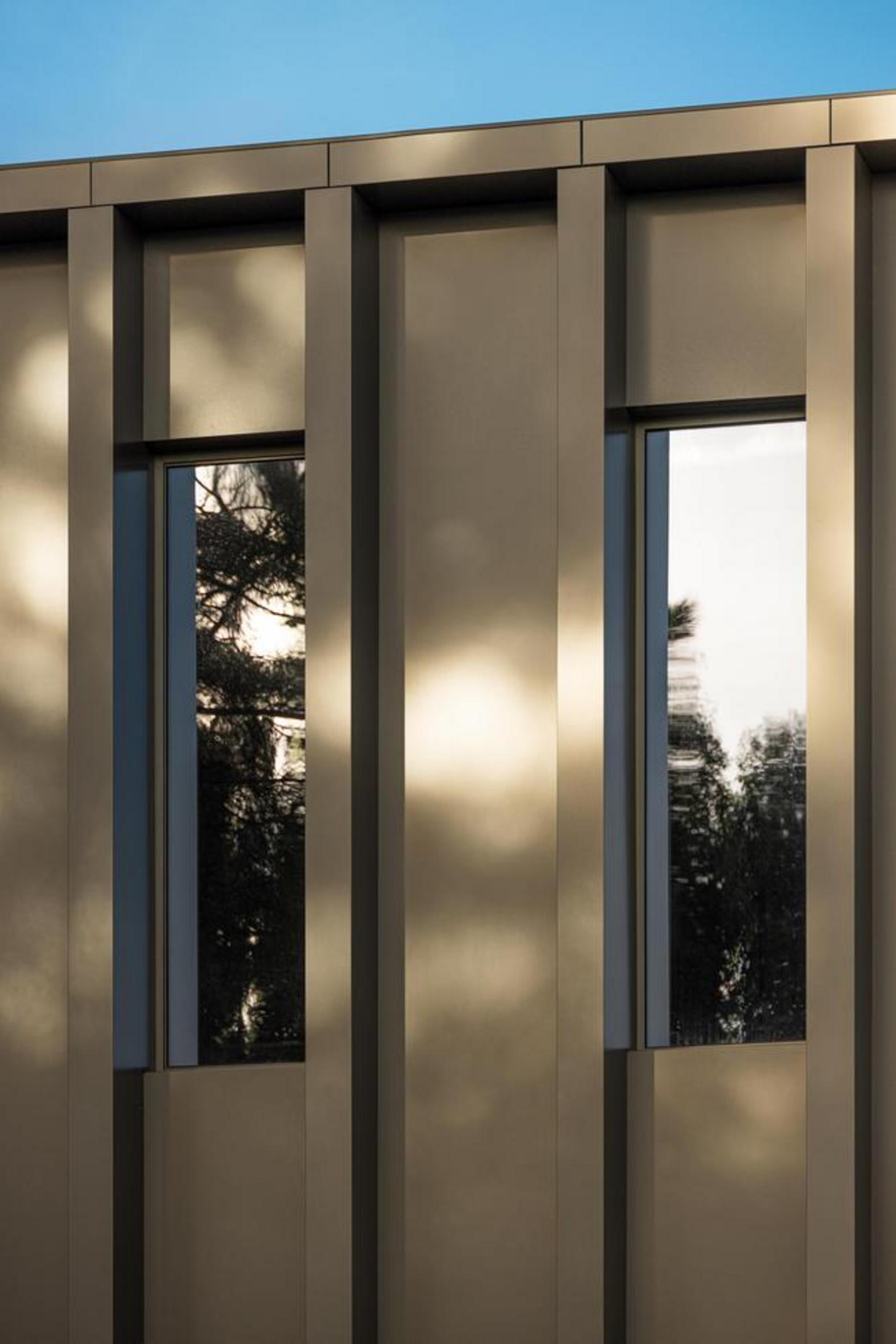
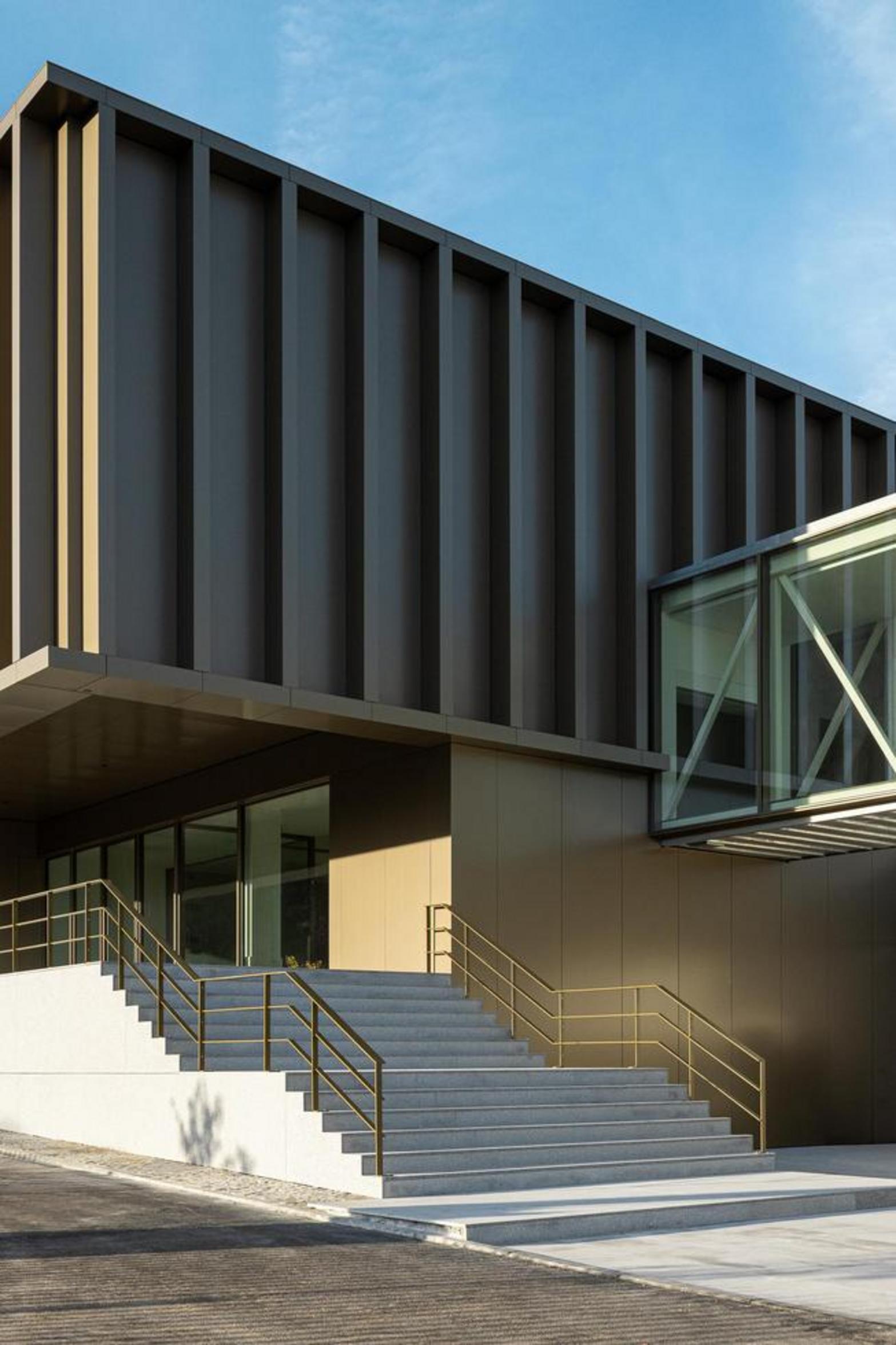
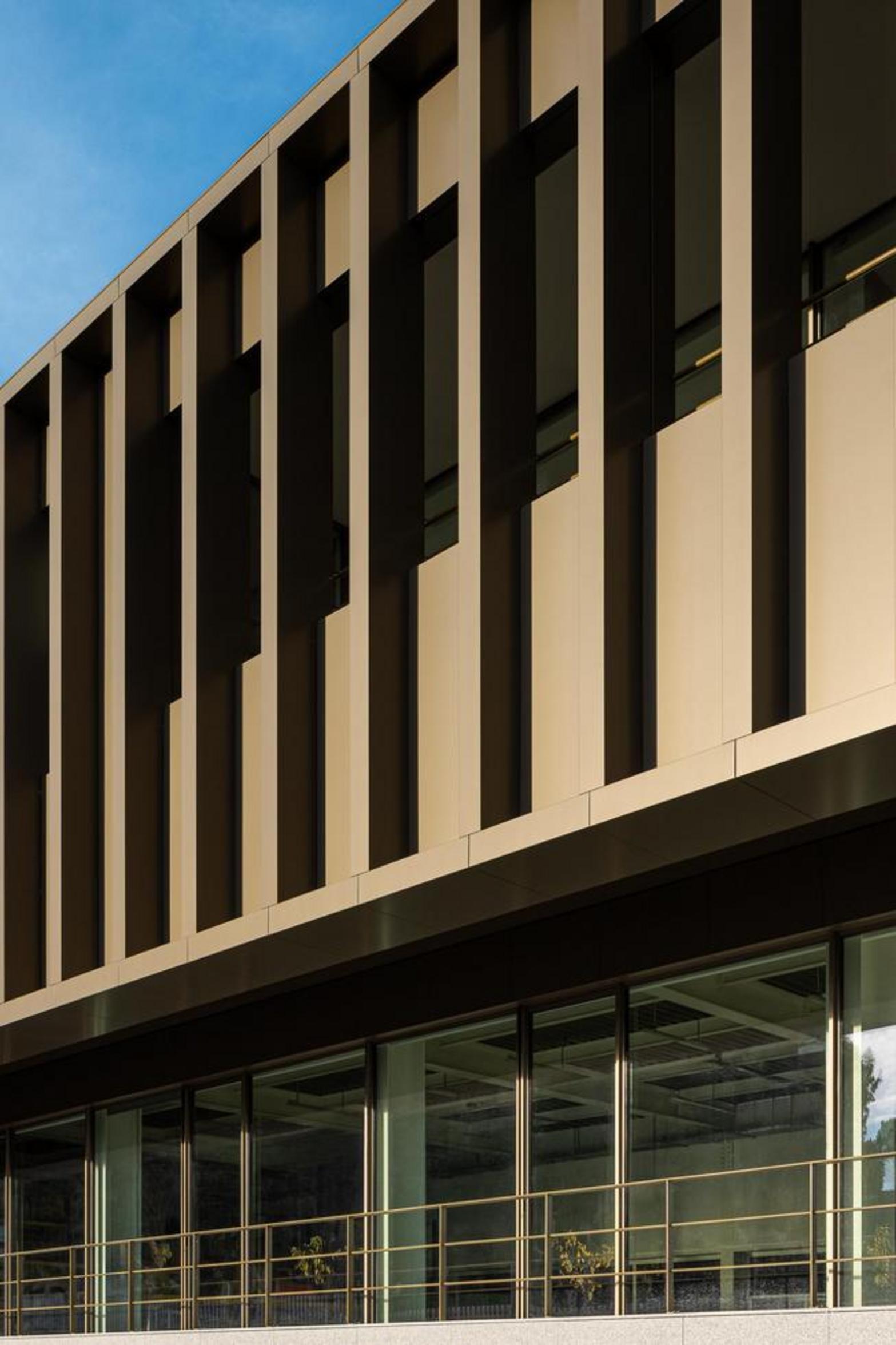
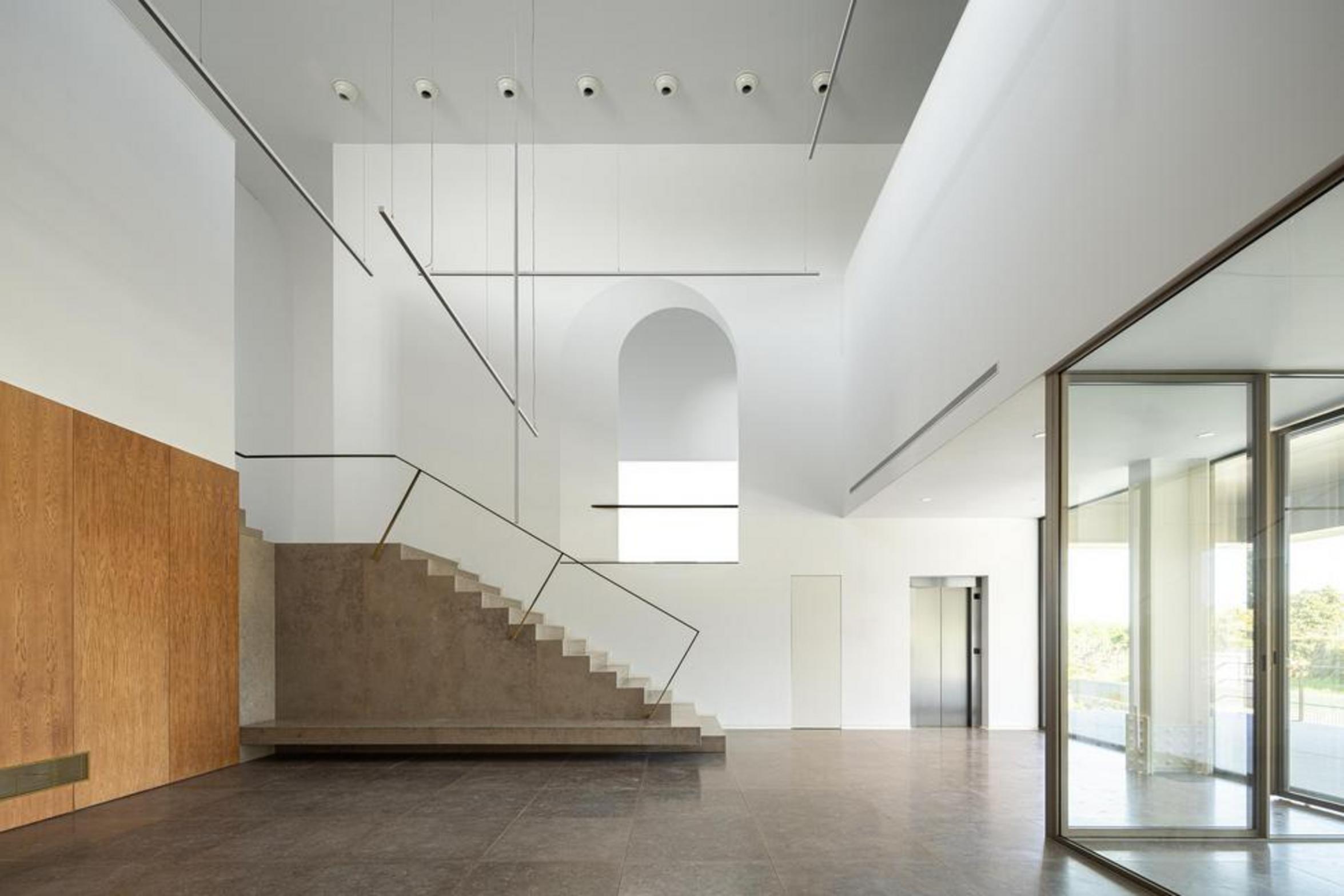
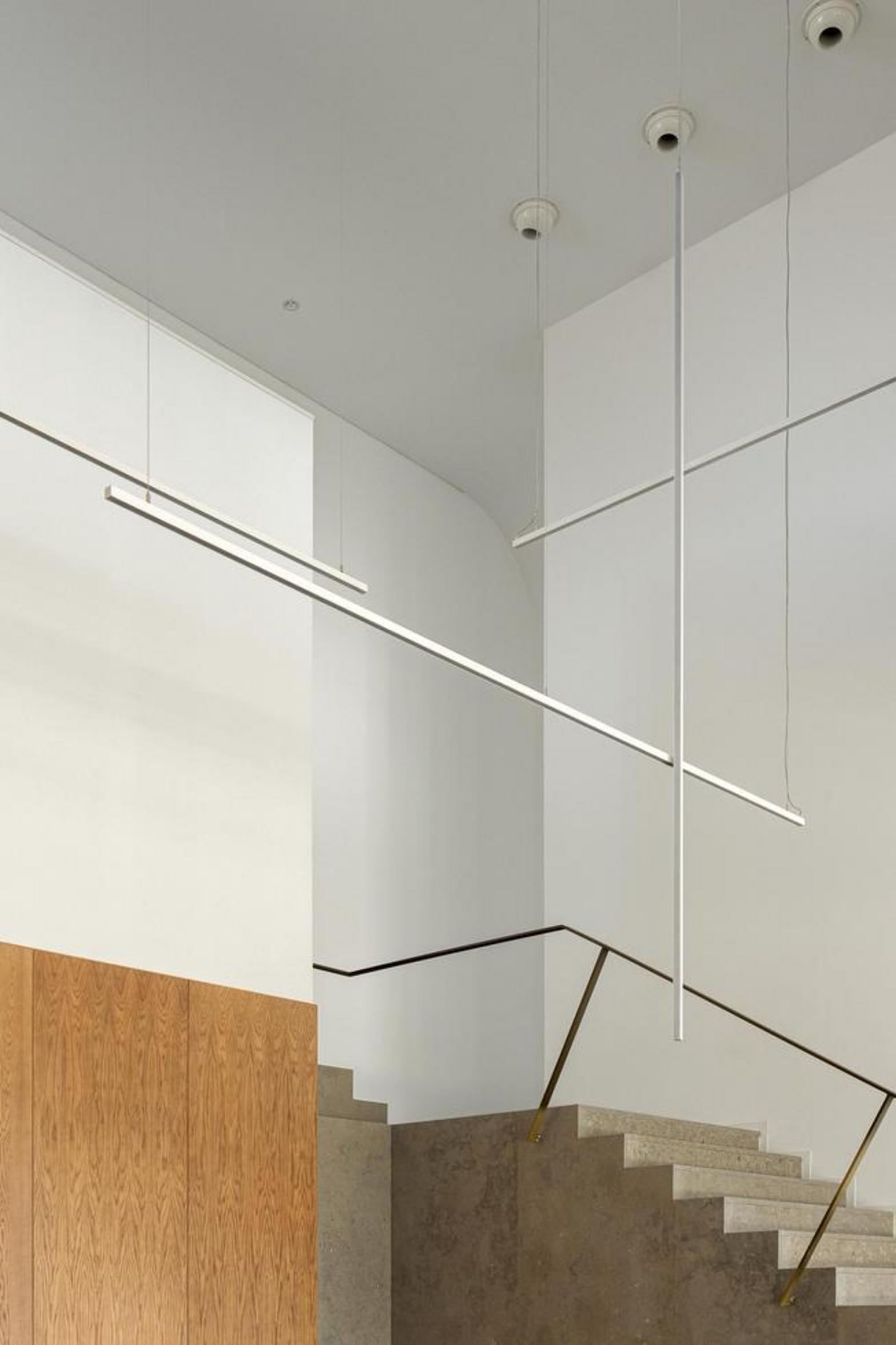
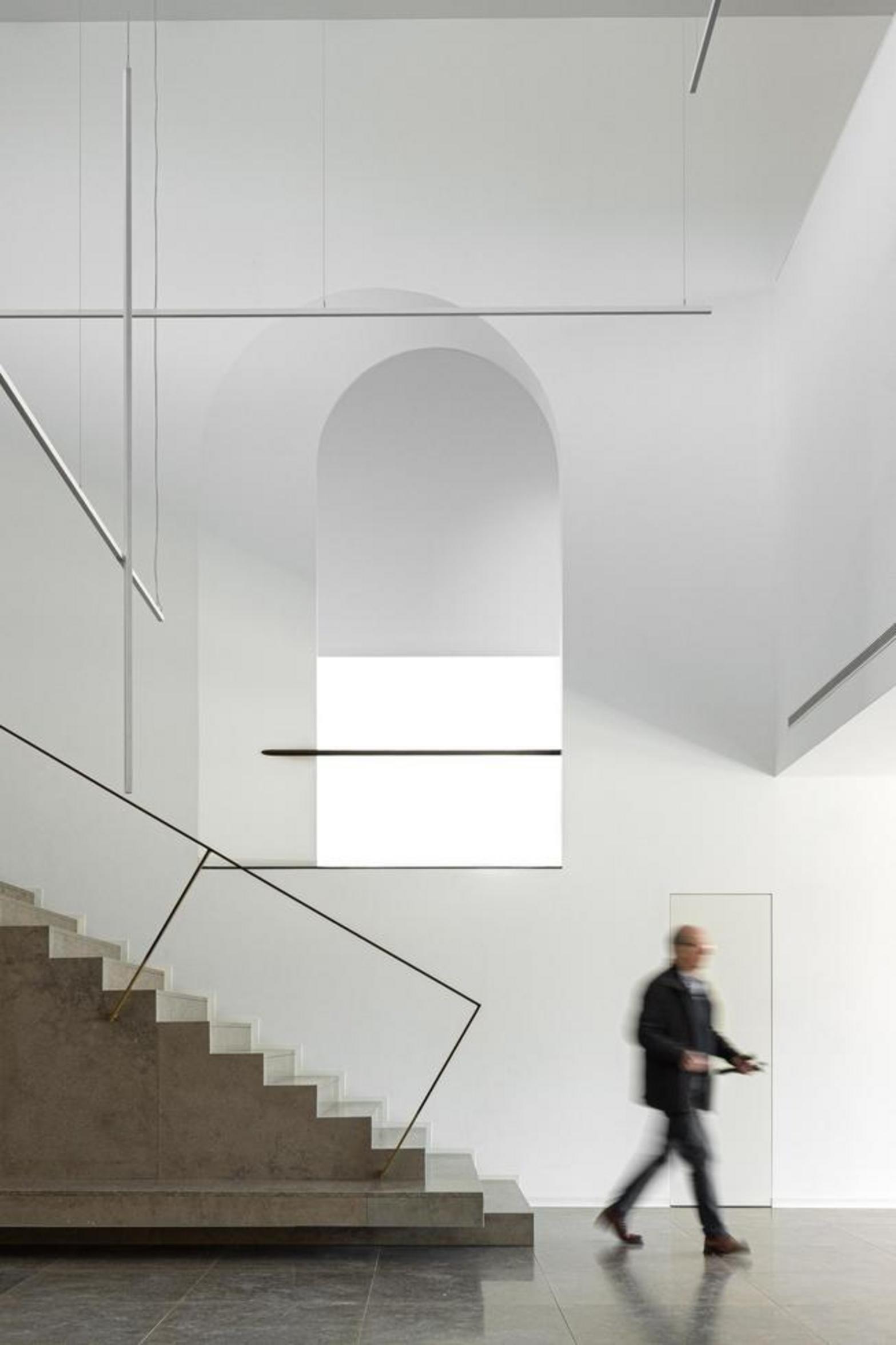
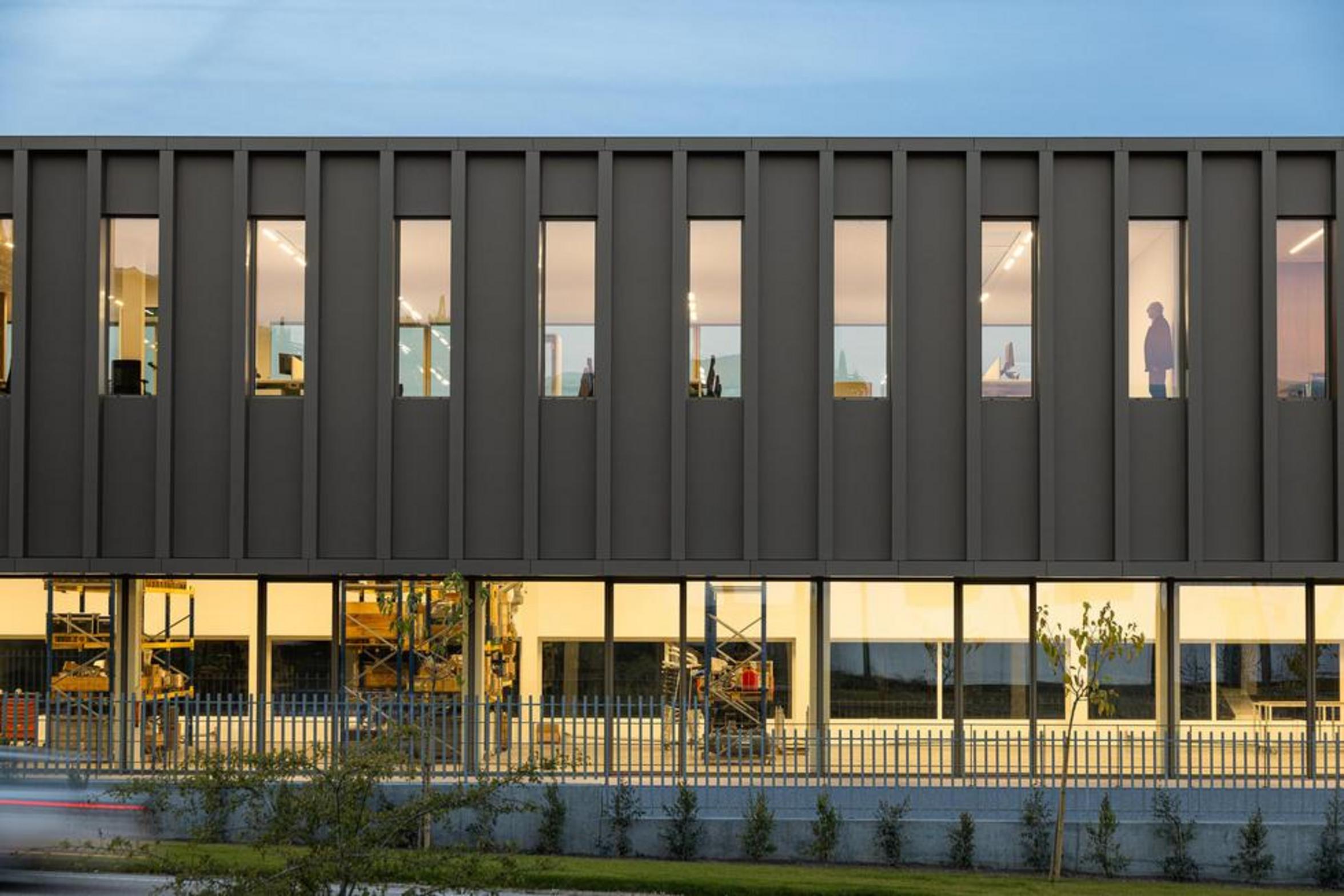
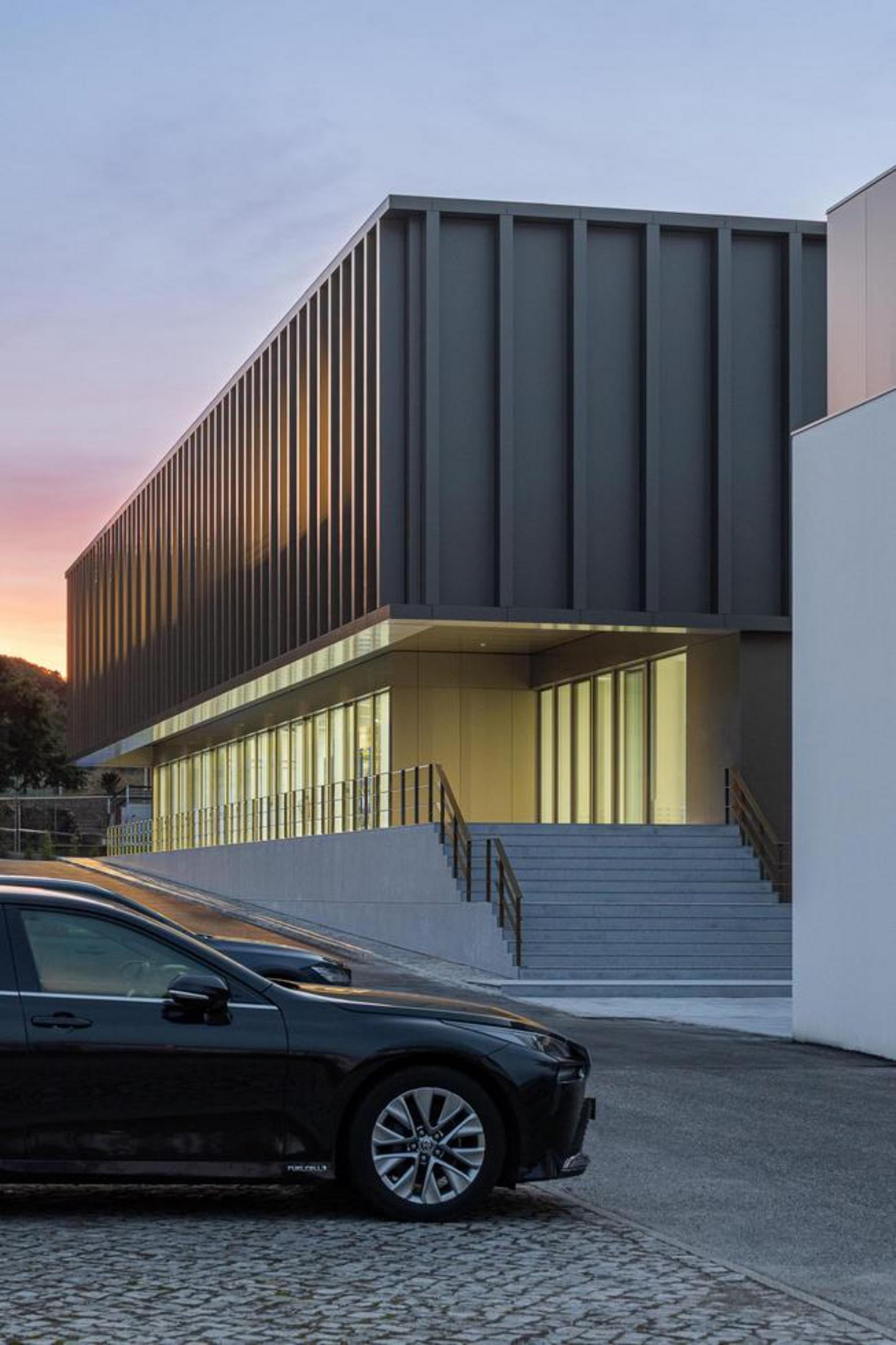
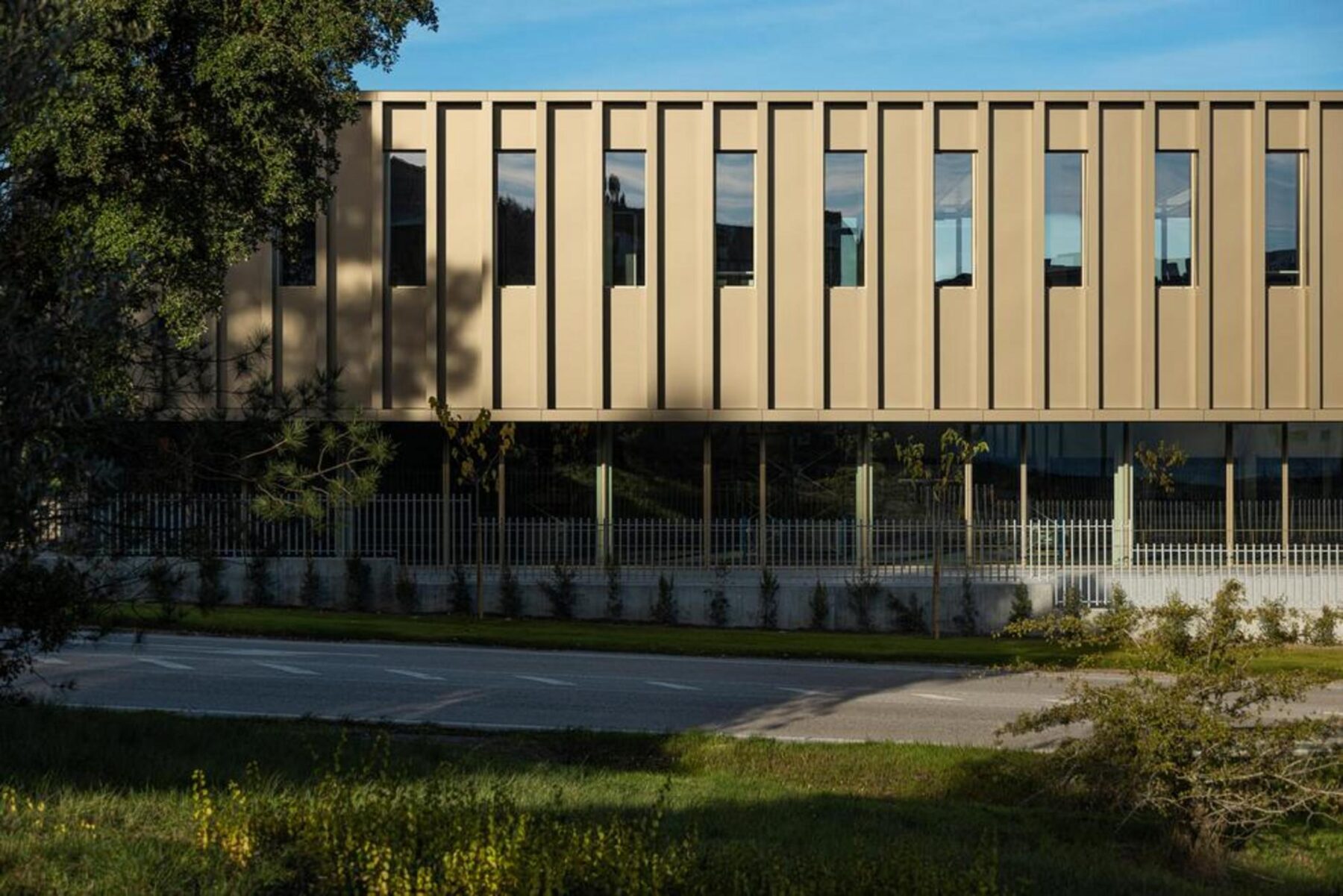
O Novo Edifício-Sede PRF, do atelier Impare Arquitectura em Leiria, é um edifício industrial e de escritórios marcado por uma fachada ritmada em tons de bronze. O projeto articula áreas industriais e administrativas através de um volume contínuo e um espaço central de pé-direito duplo.

New PRF Headquarters Building by Impare Arquitectura in Leiria is an industrial and office building defined by a rhythmic bronze-toned façade. The project combines industrial and workspace functions through a continuous volume and a central double-height space.

Perspetiva lateral do complexo industrial e administrativo, onde o betão aparente e o vidro estrutural definem a linguagem arquitectónica contemporânea. — EDIFÍCIO-SEDE PRF arquitectura Impare Arquitectura fotografia Ivo Tavares

INFORMAÇÃO TÉCNICA / TECHNICAL INFORMATION

ATELIER DE ARQUITETURA / ARCHITECTURE OFFICE
ARQUITETO RESPONSÁVEL / MAIN ARCHITECT
Paulo Seco
COLABORAÇÃO / COLABORATION
Filipe Lourenço | Rita Neves
LOCALIZAÇÃO / LOCATION
ANO DE CONCLUSÃO DA OBRA / YEAR OF CONCLUSION
ÁREA TOTAL CONSTRUÍDA (M2) / TOTAL AREA
10.554,44 m2
FOTÓGRAFO / ARCHITECTURAL PHOTOGRAPHER

DESCRIÇÃO DO PROJETO / PROJECT DESCRIPTION

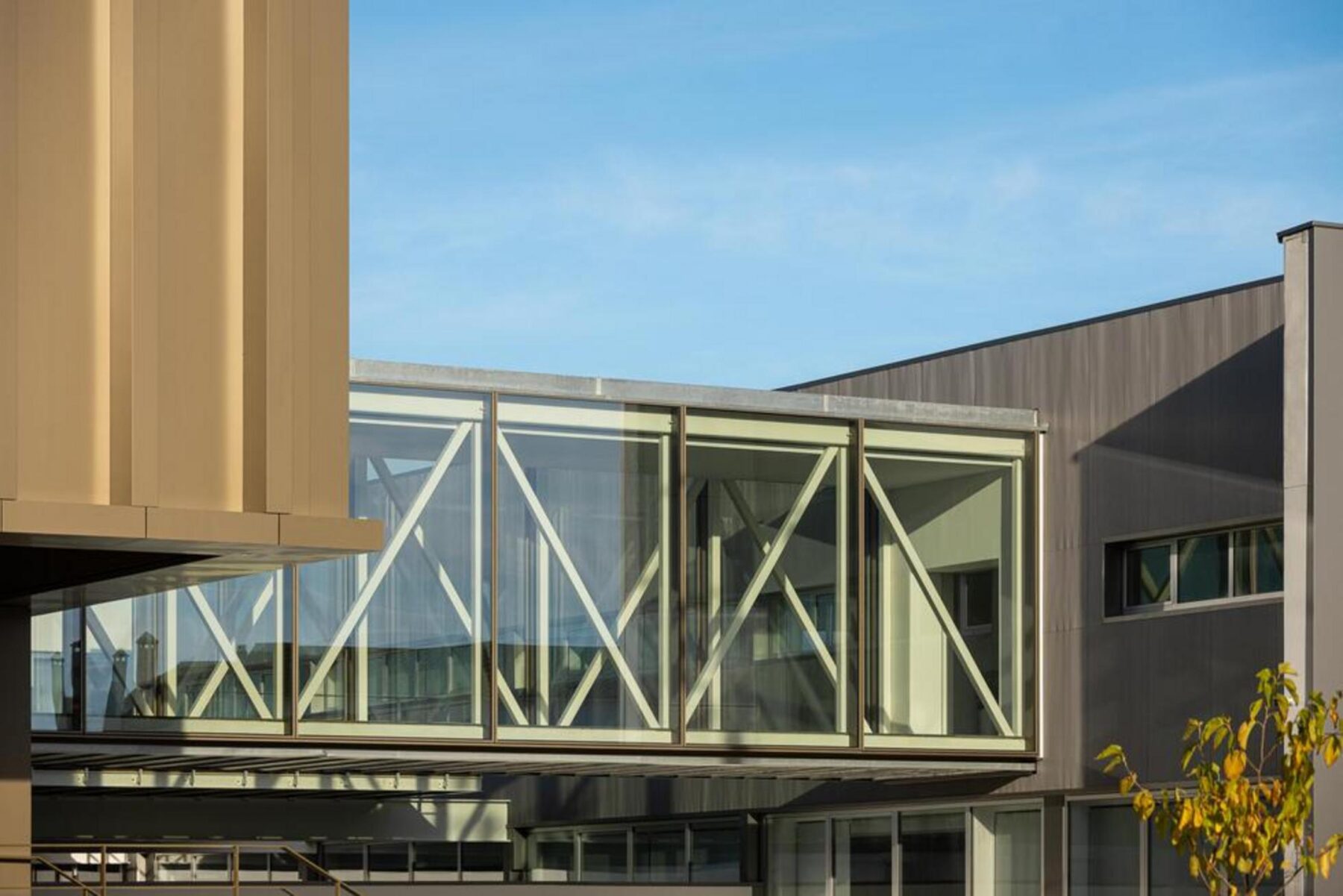
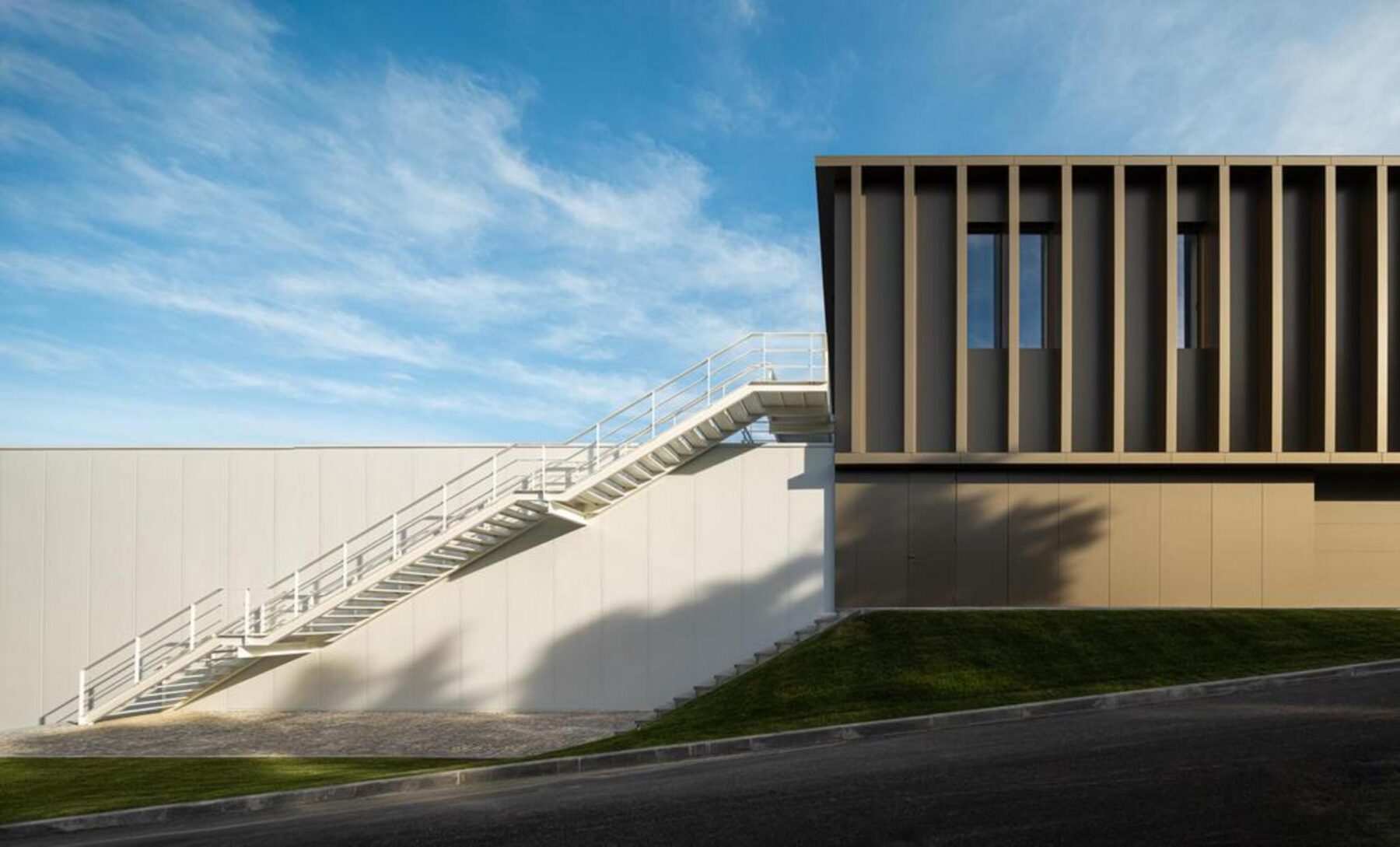
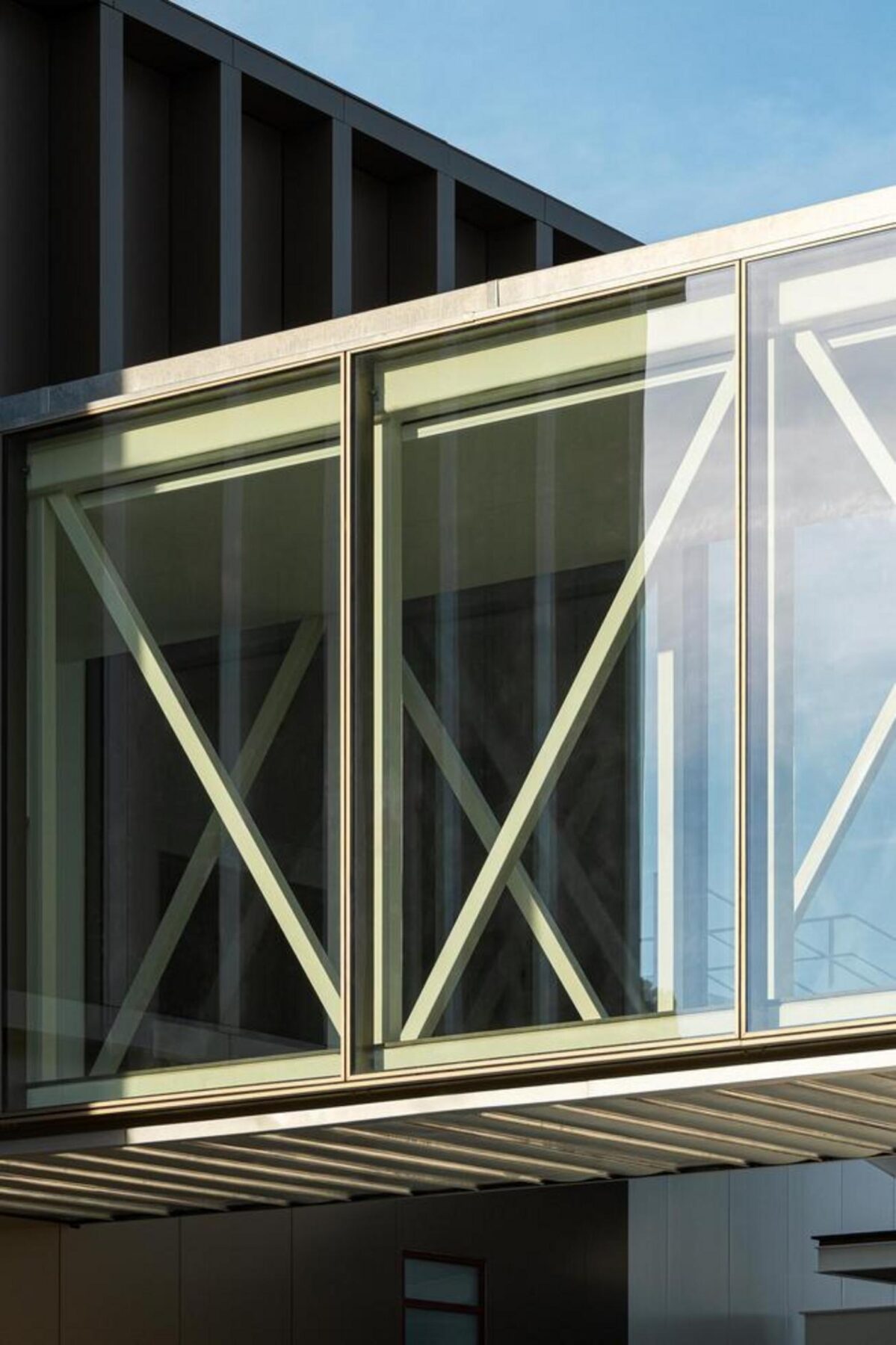
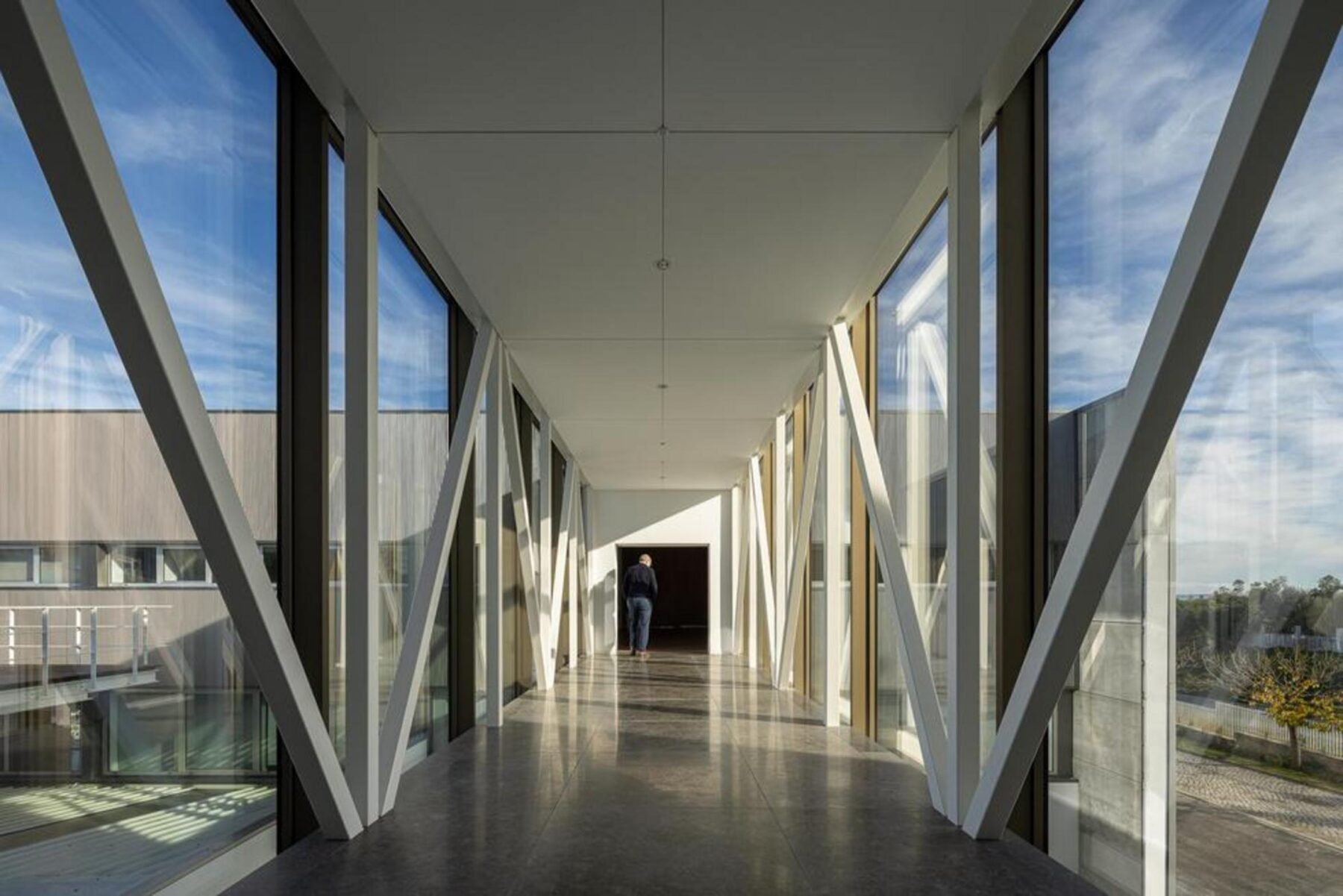
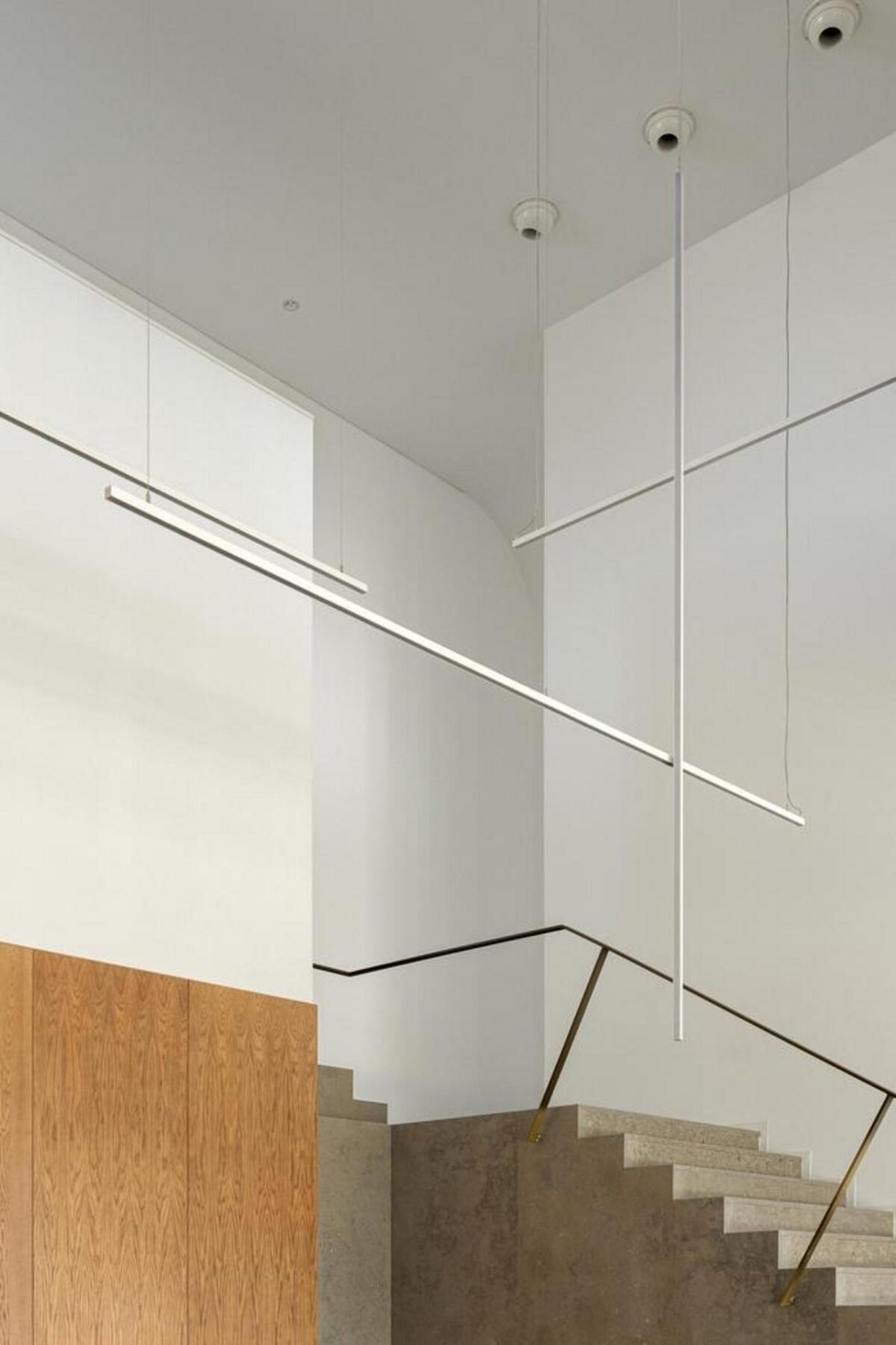
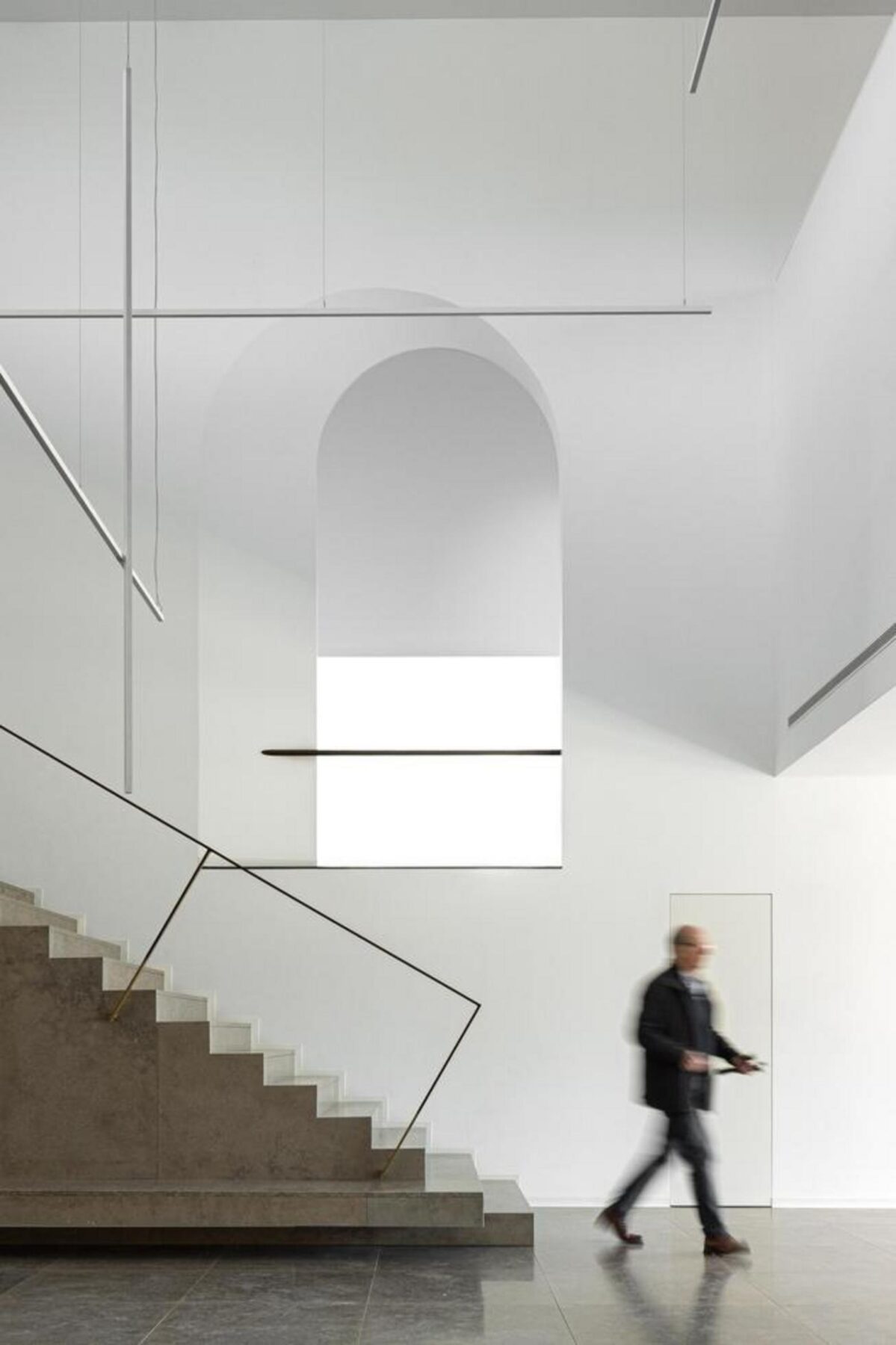
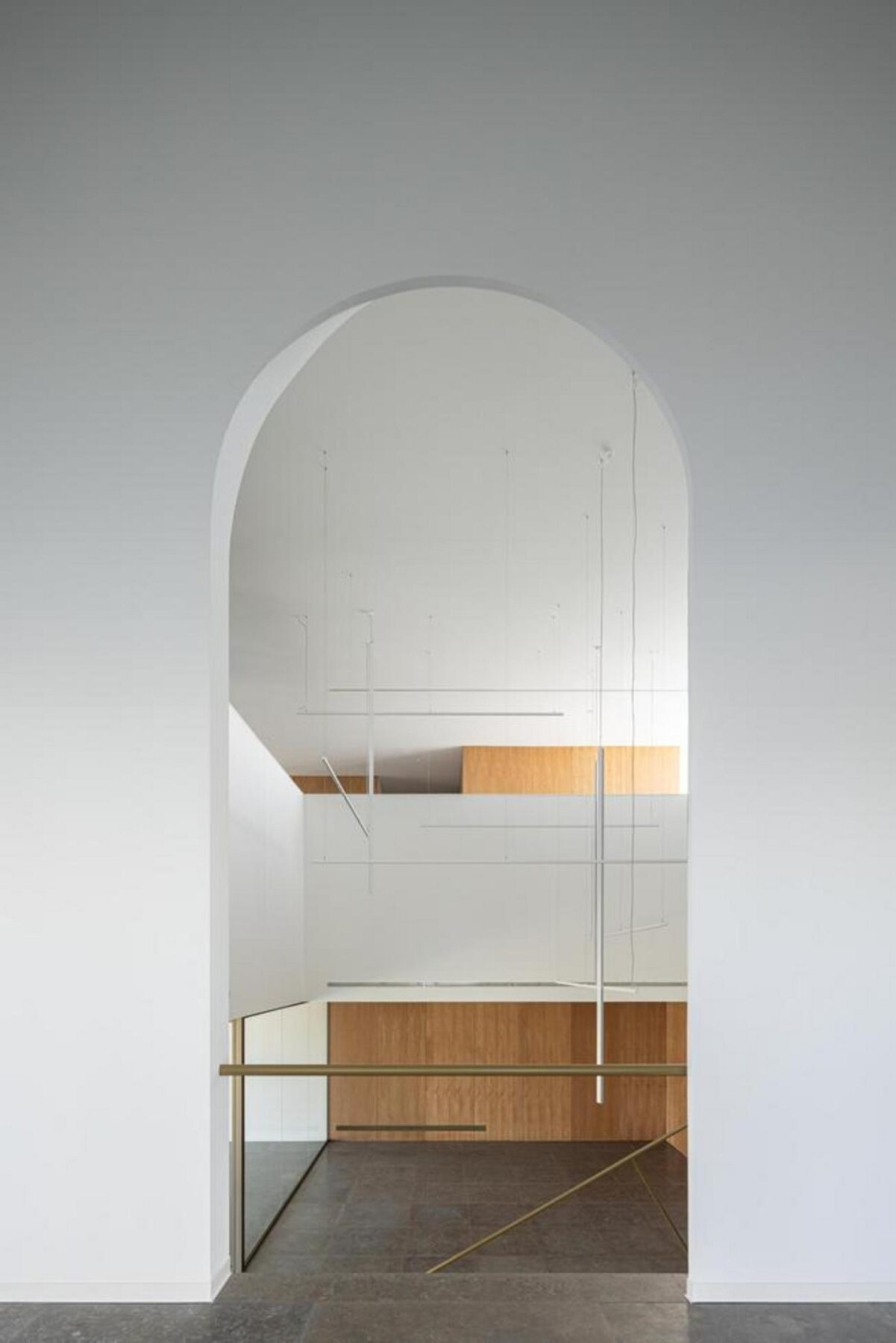
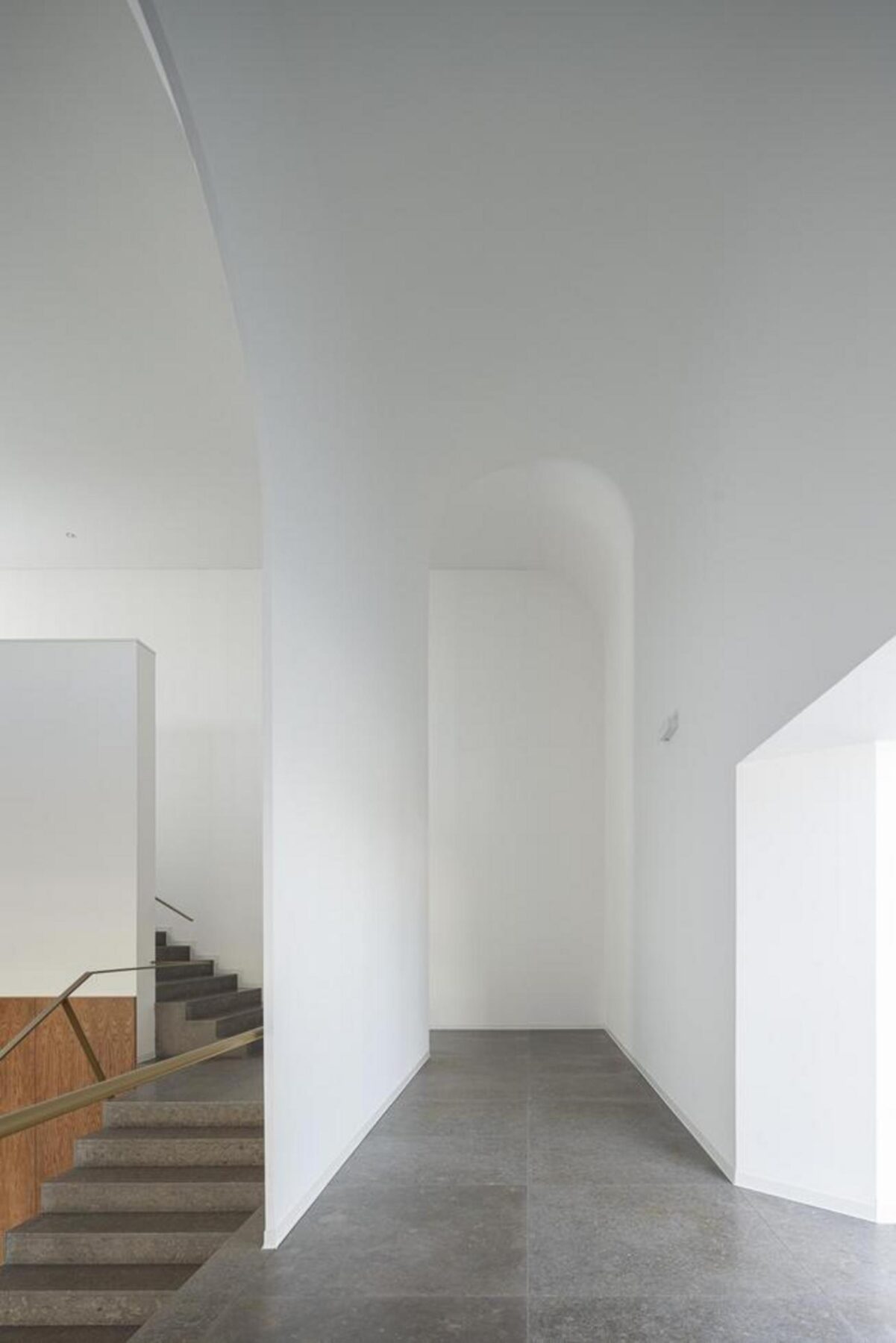
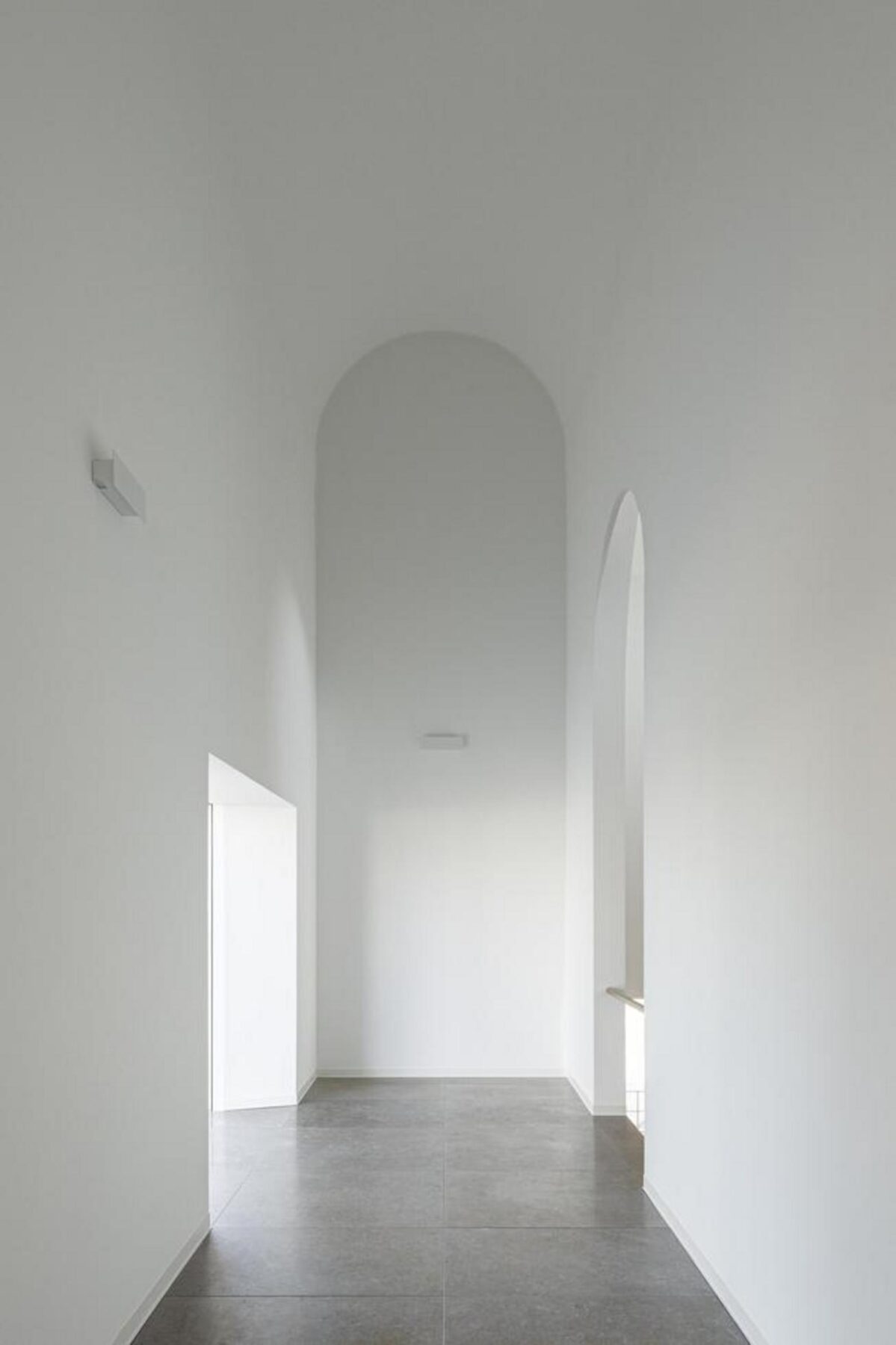
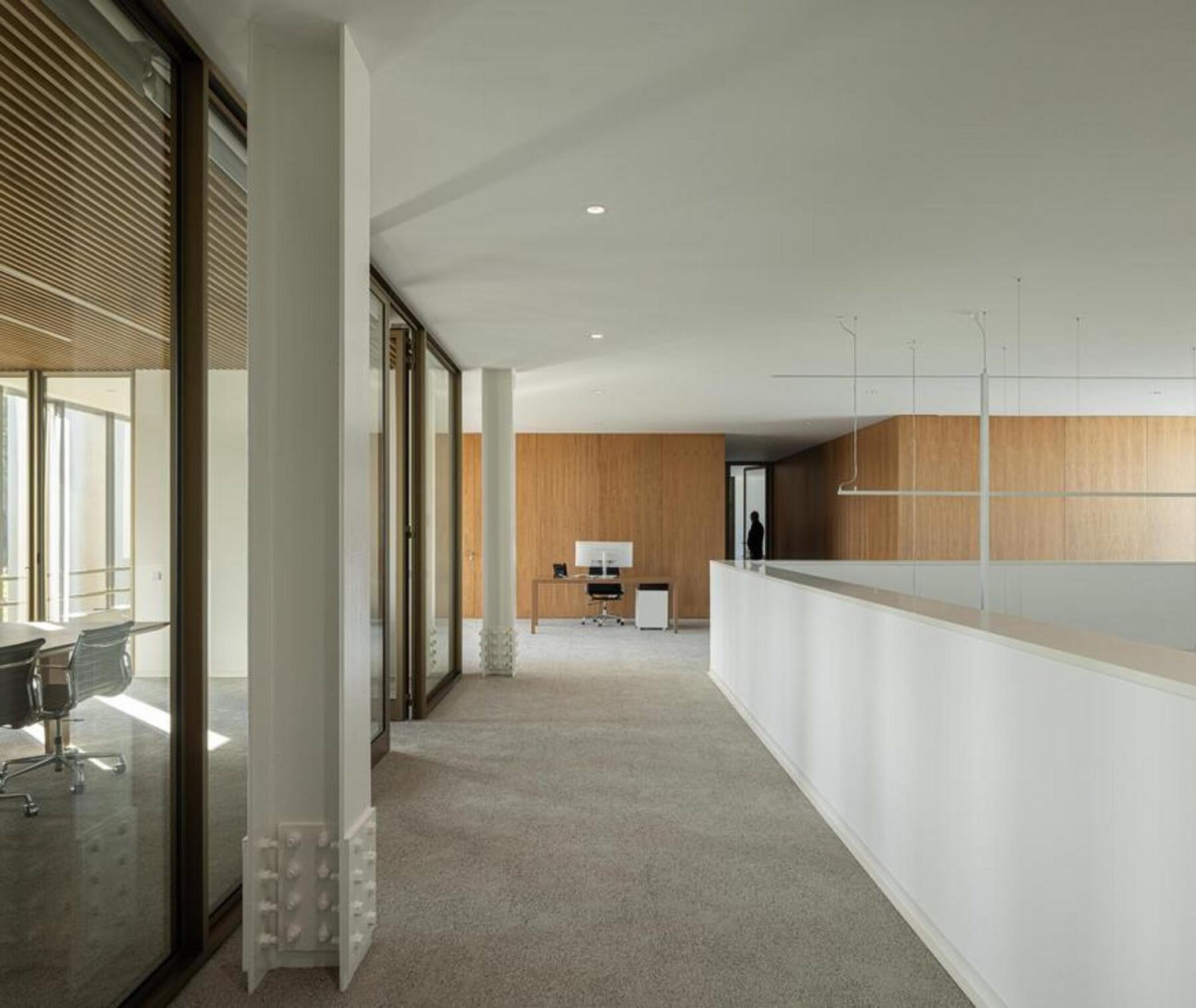
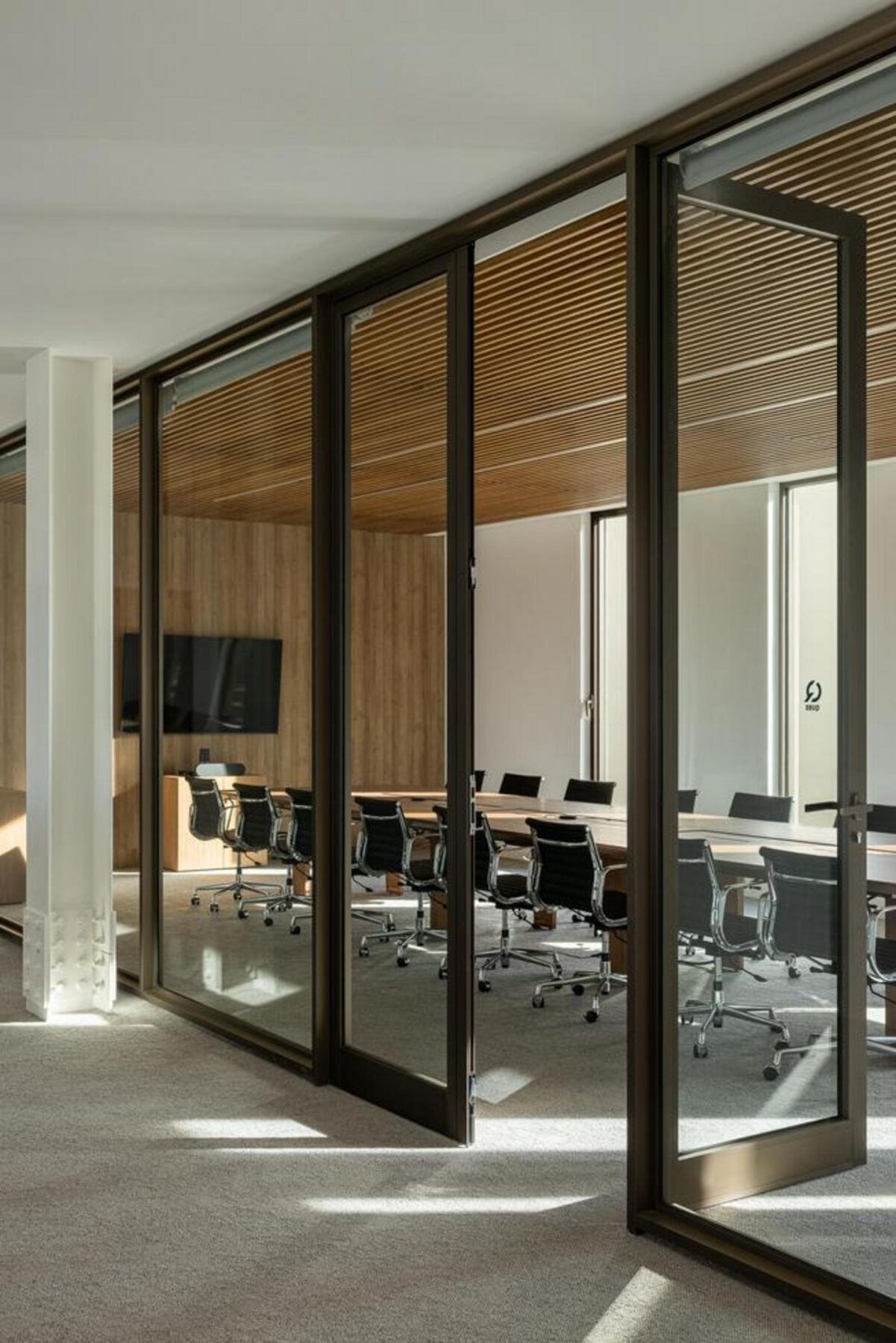
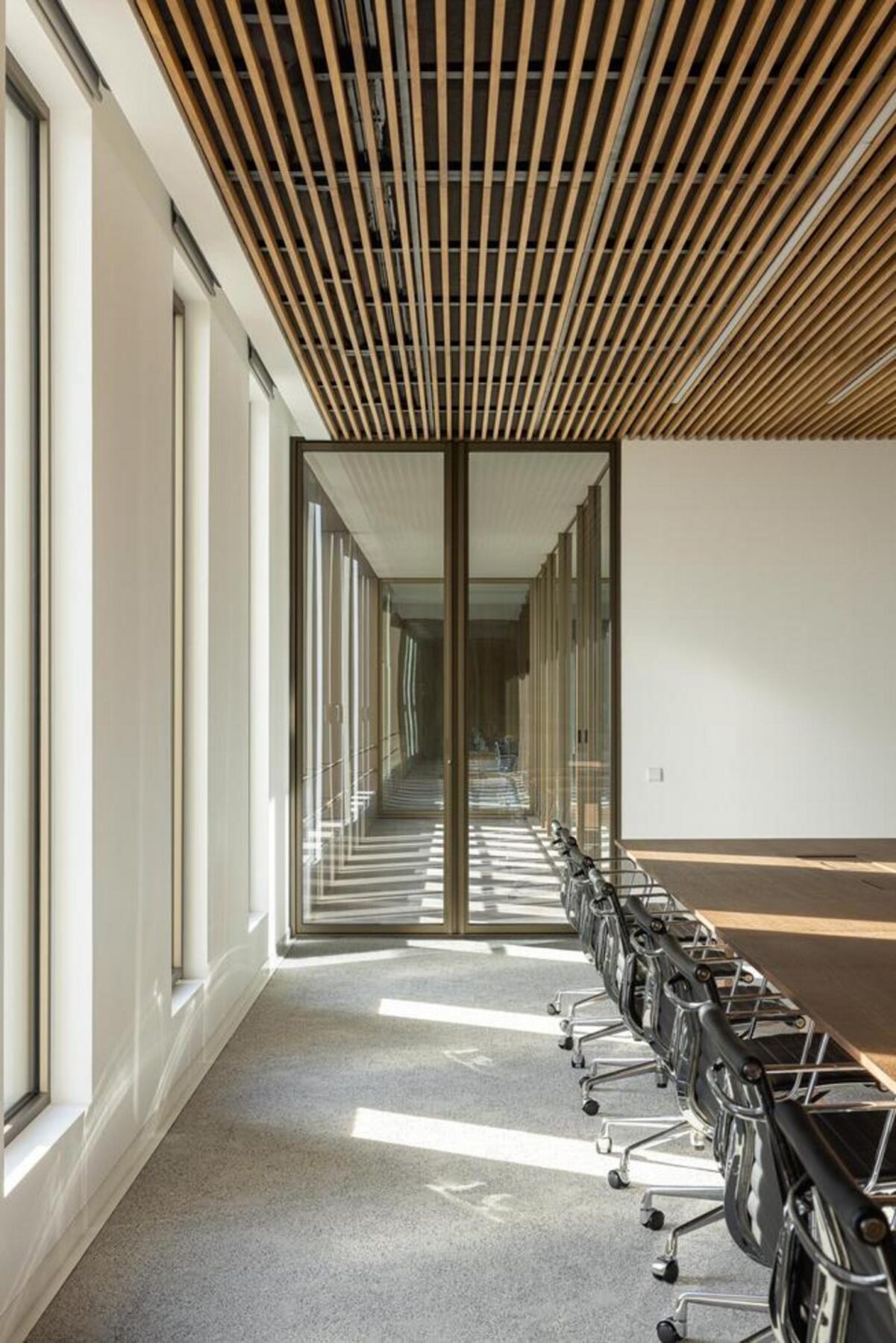
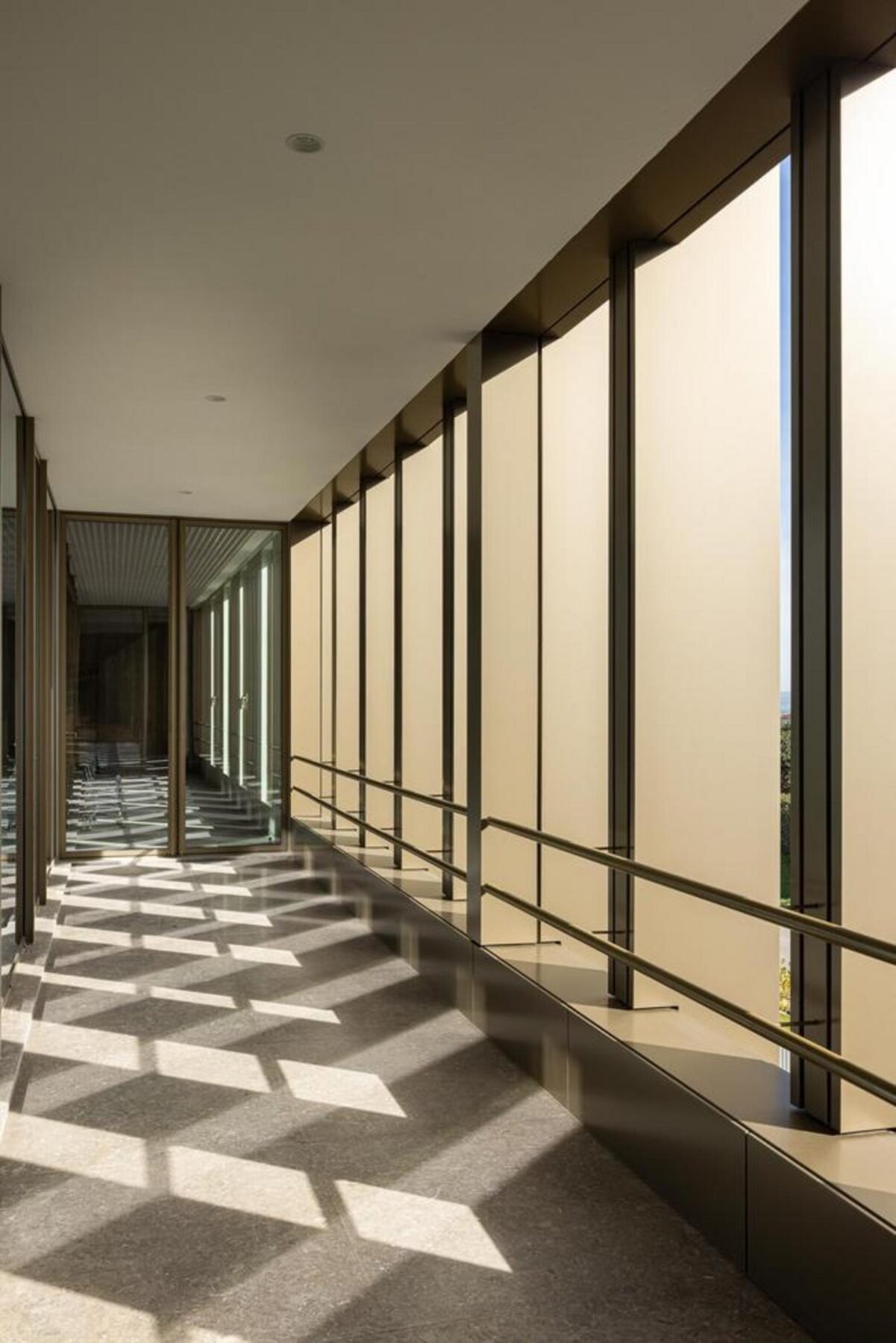
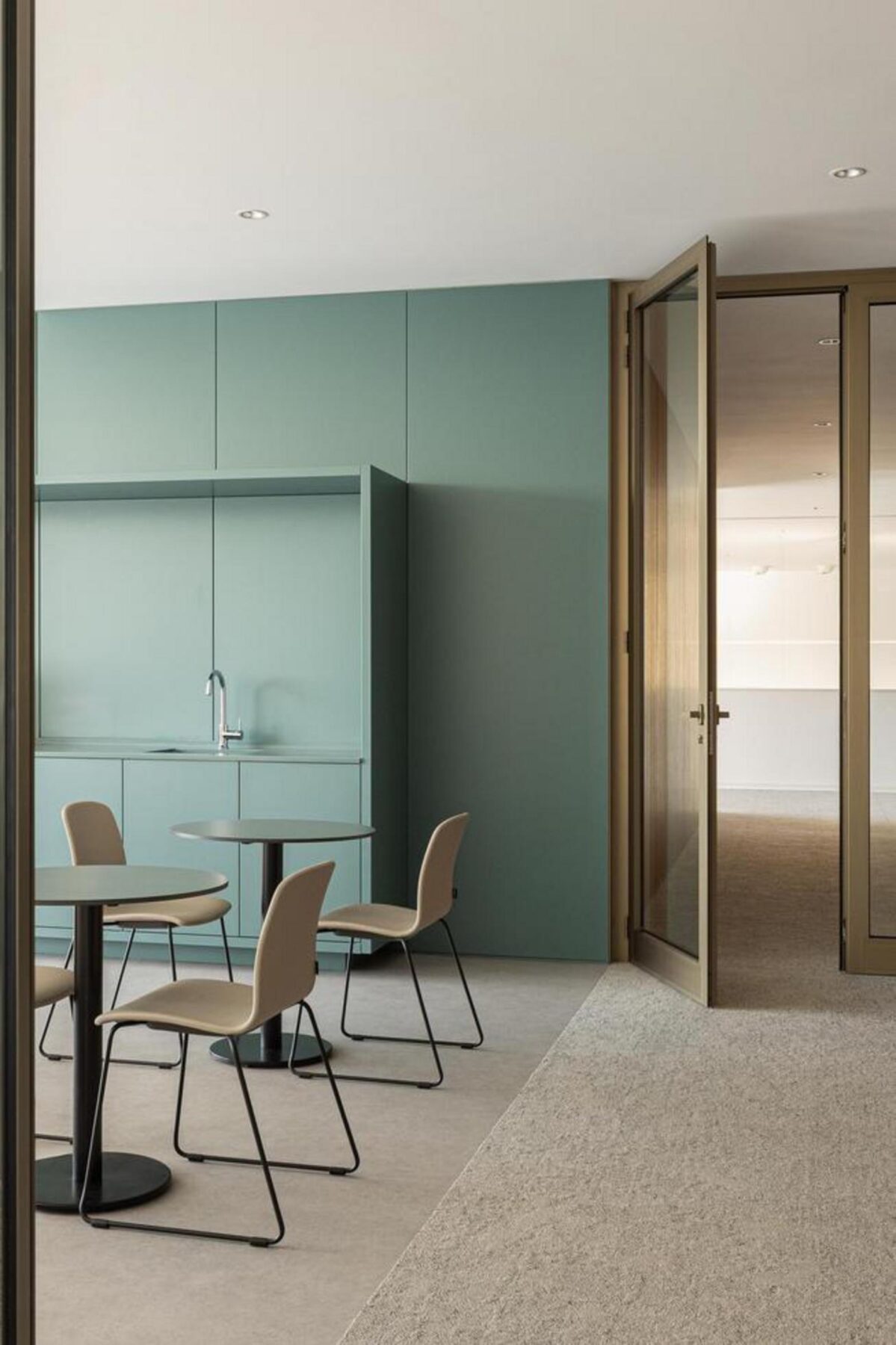
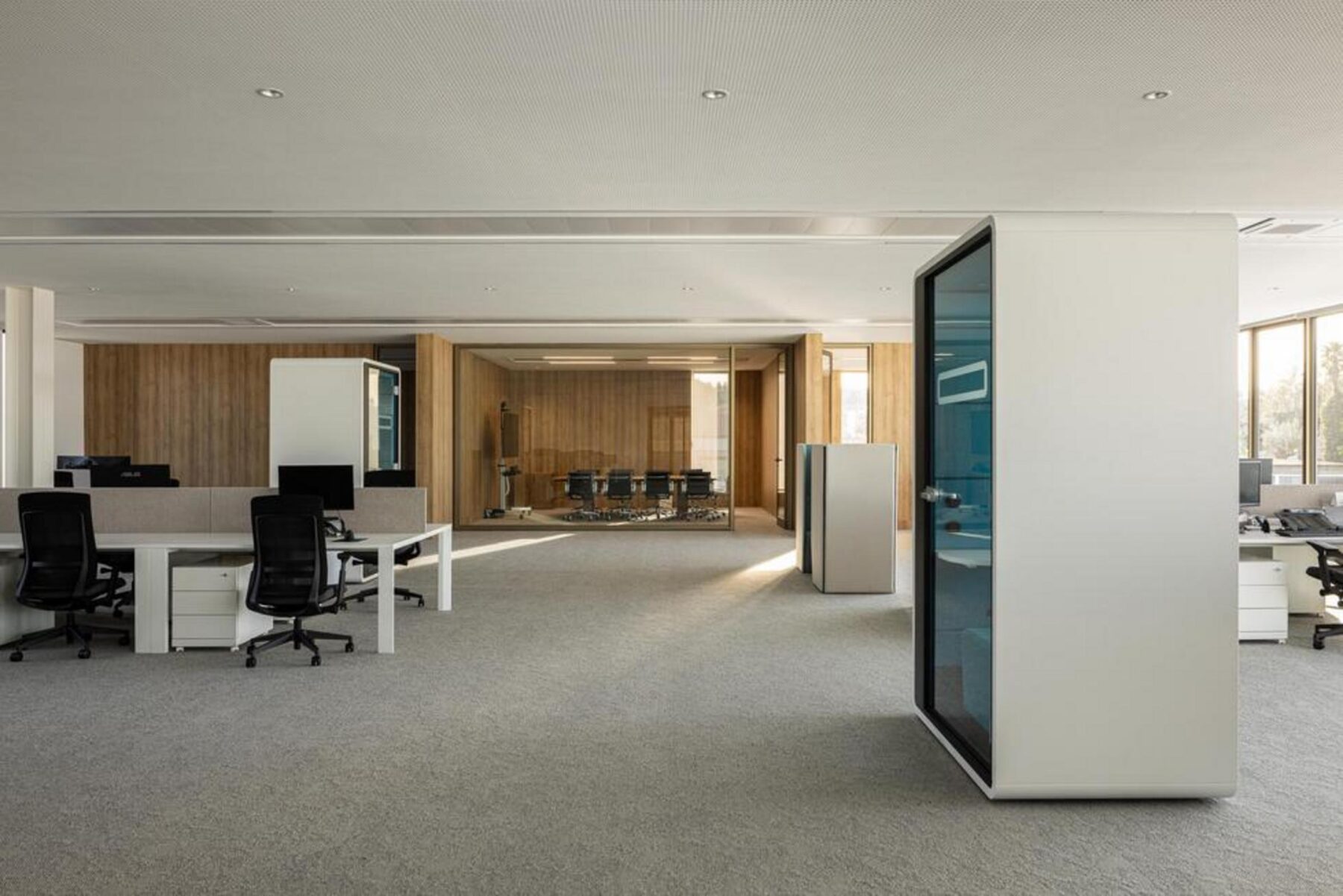
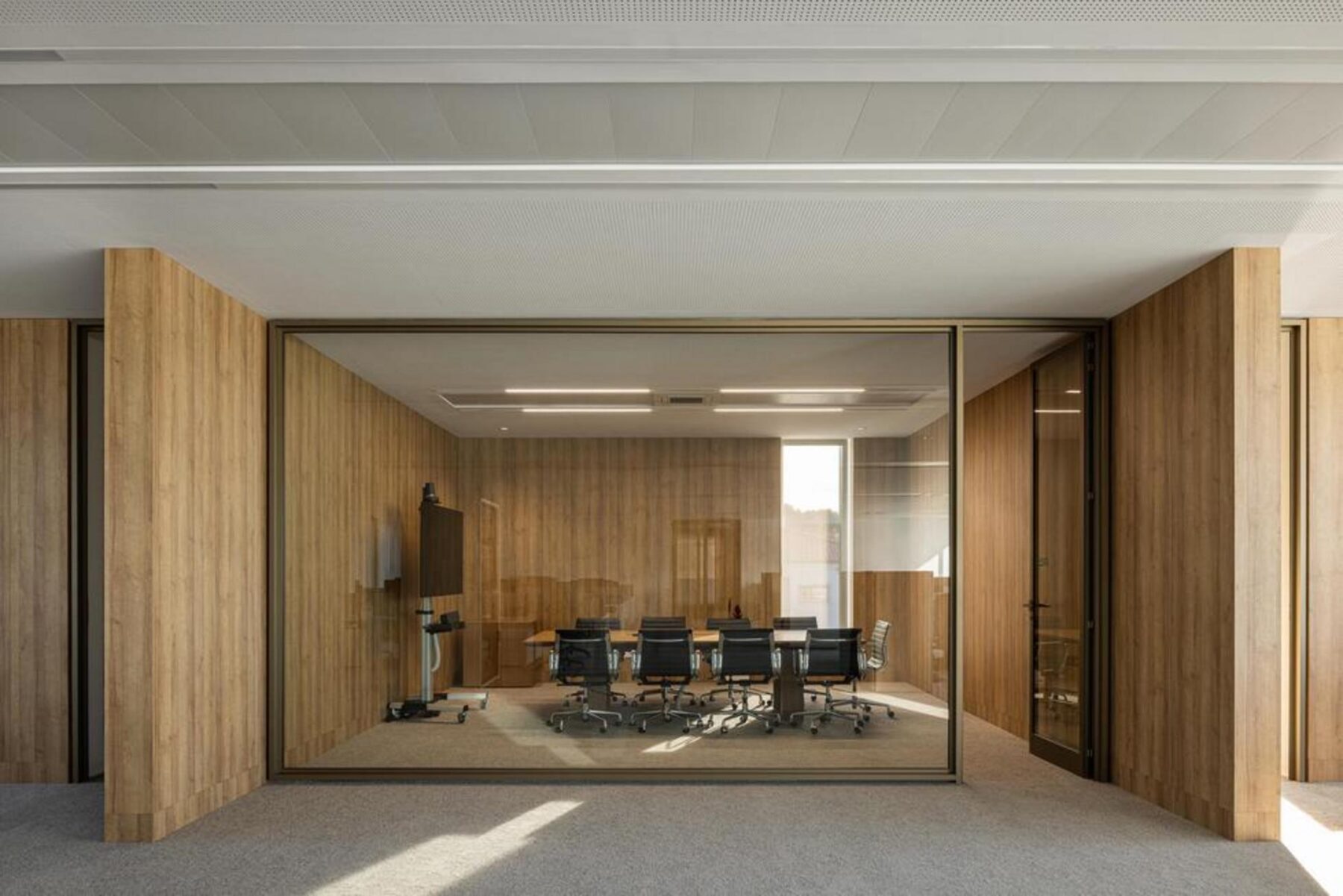
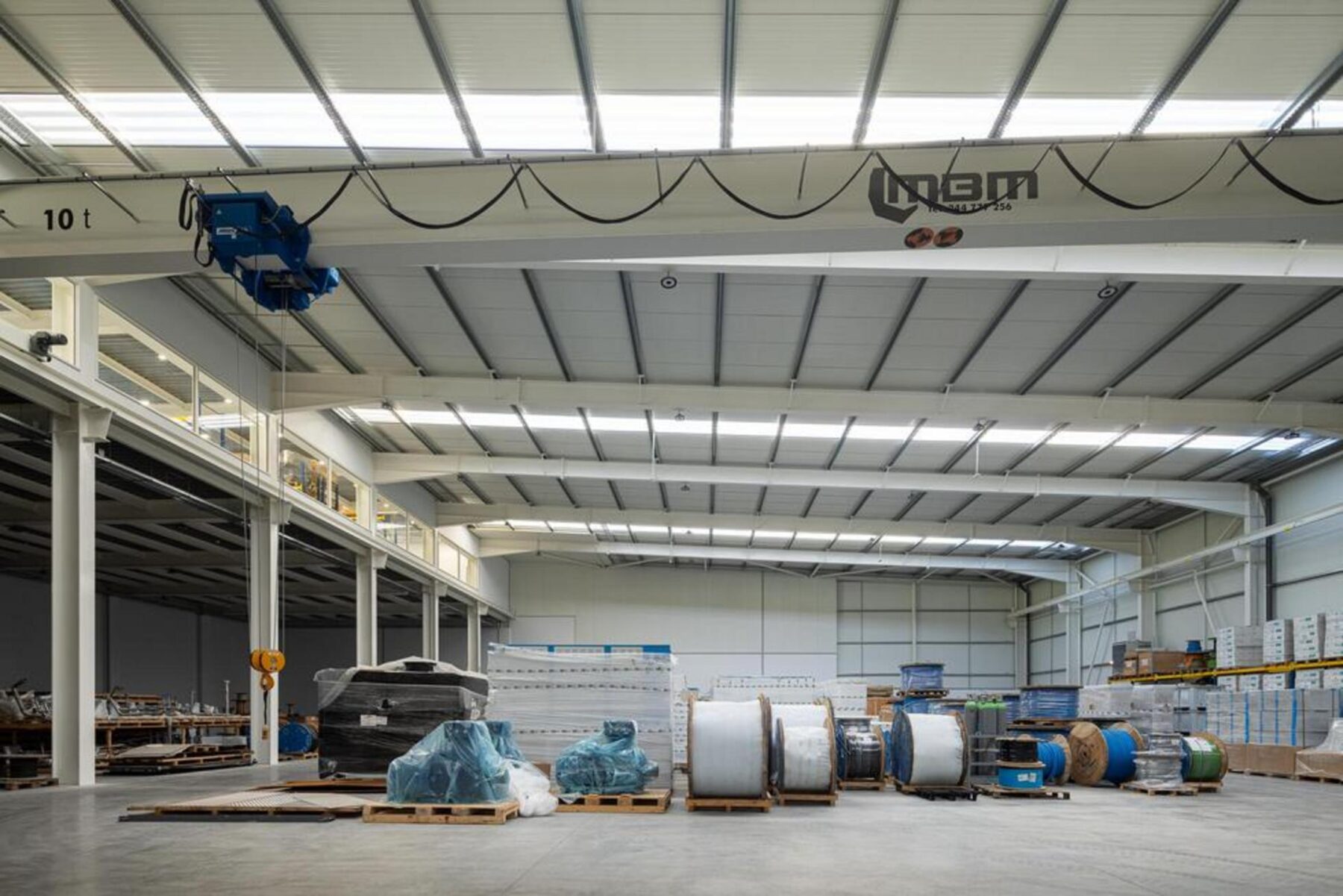
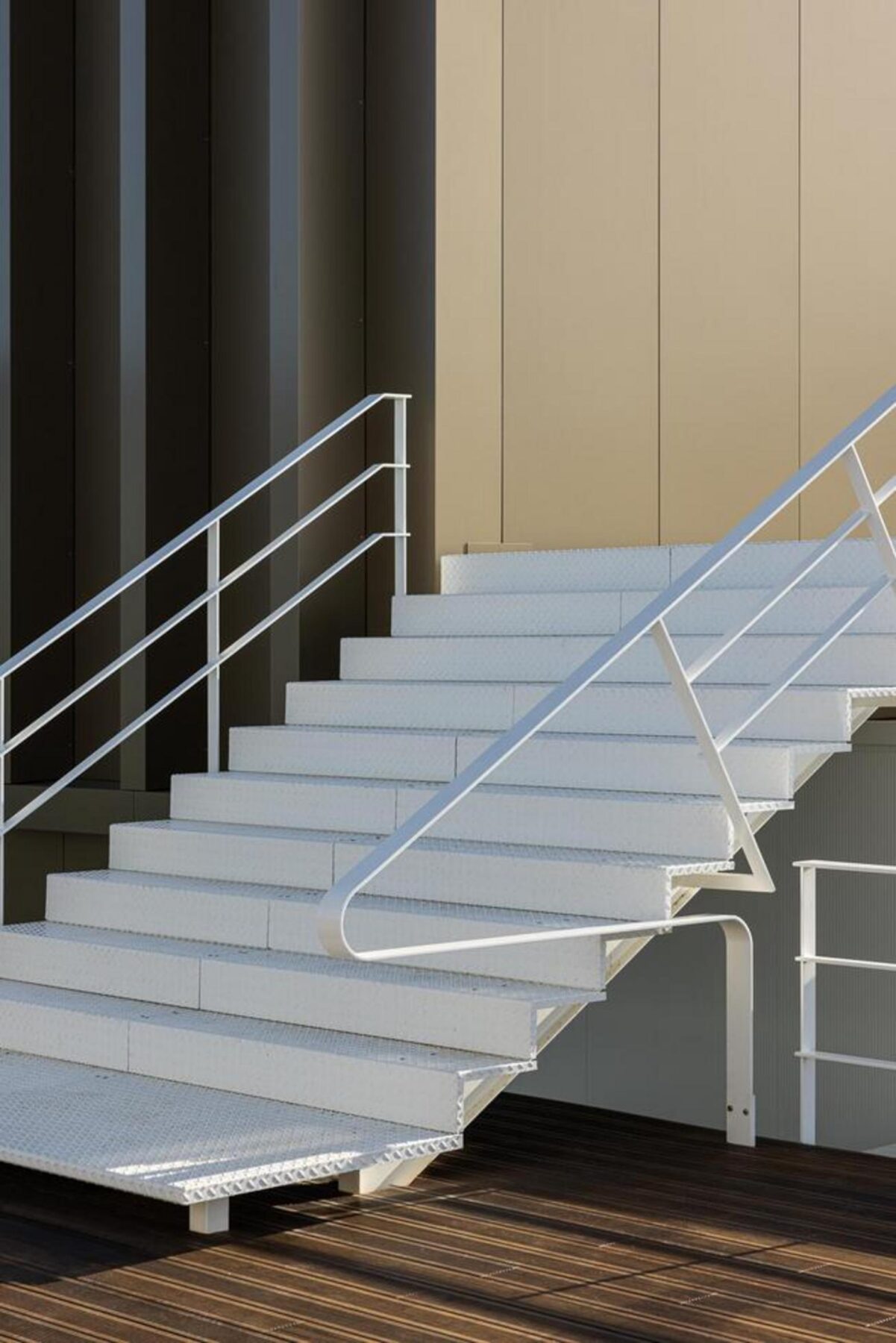
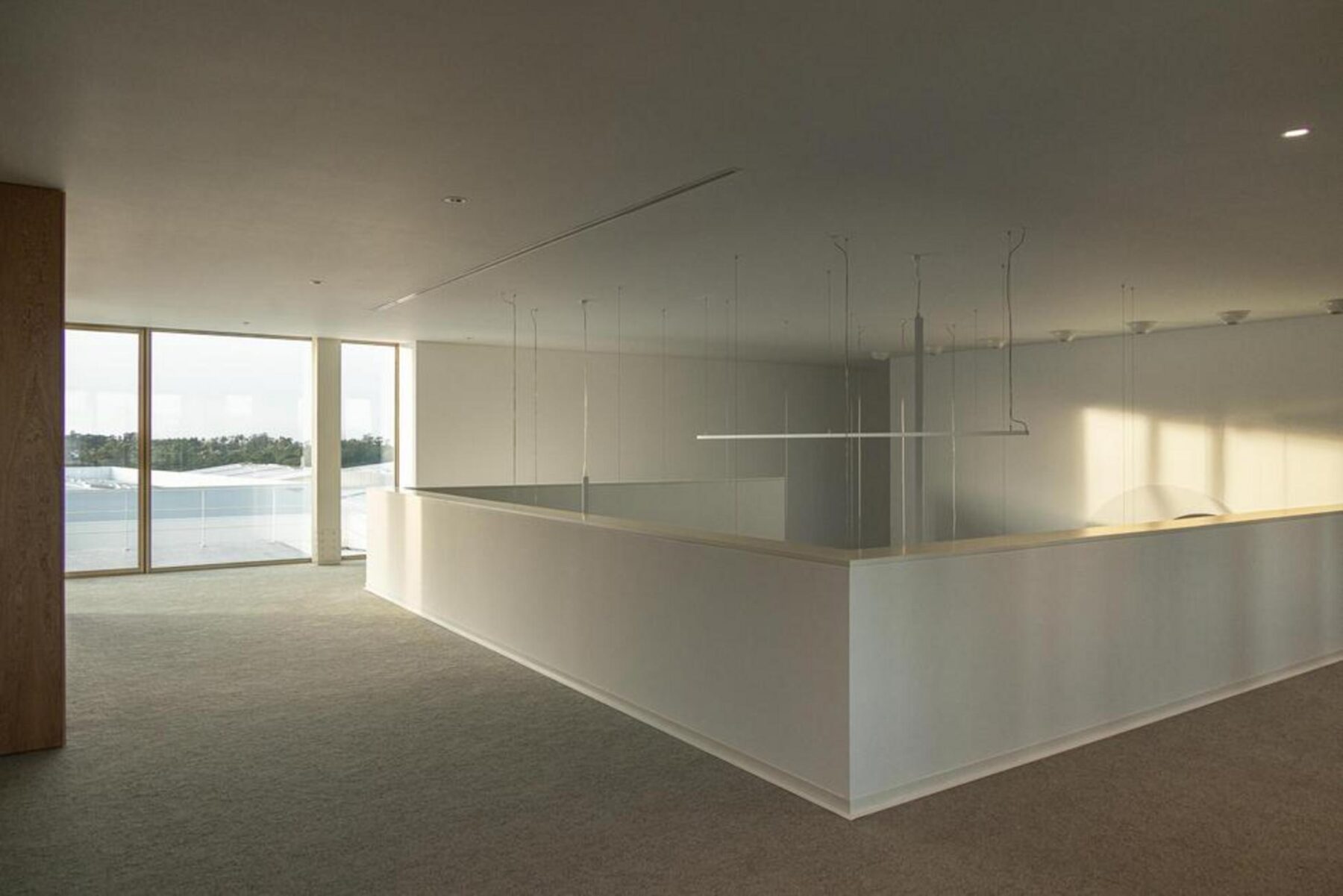
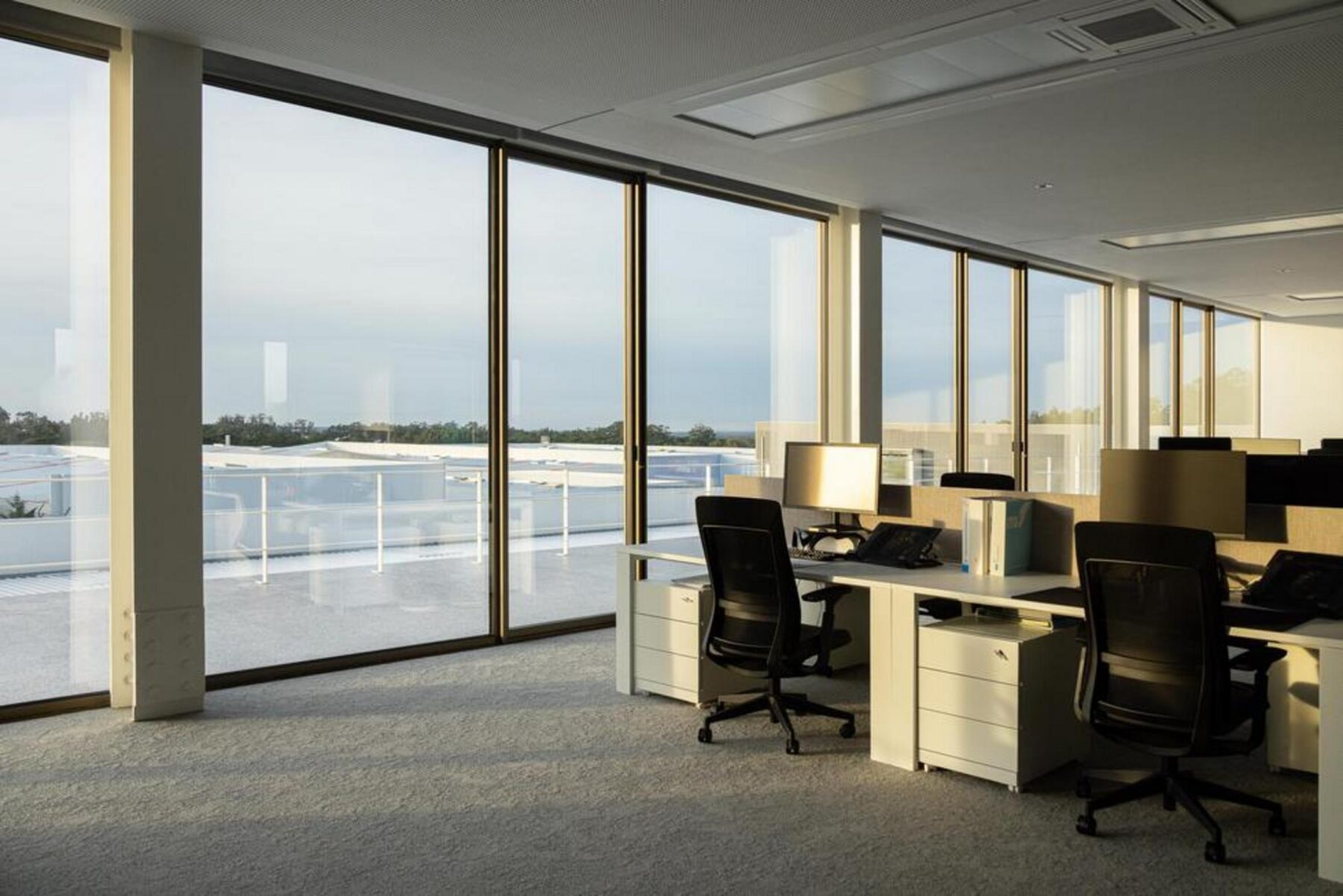
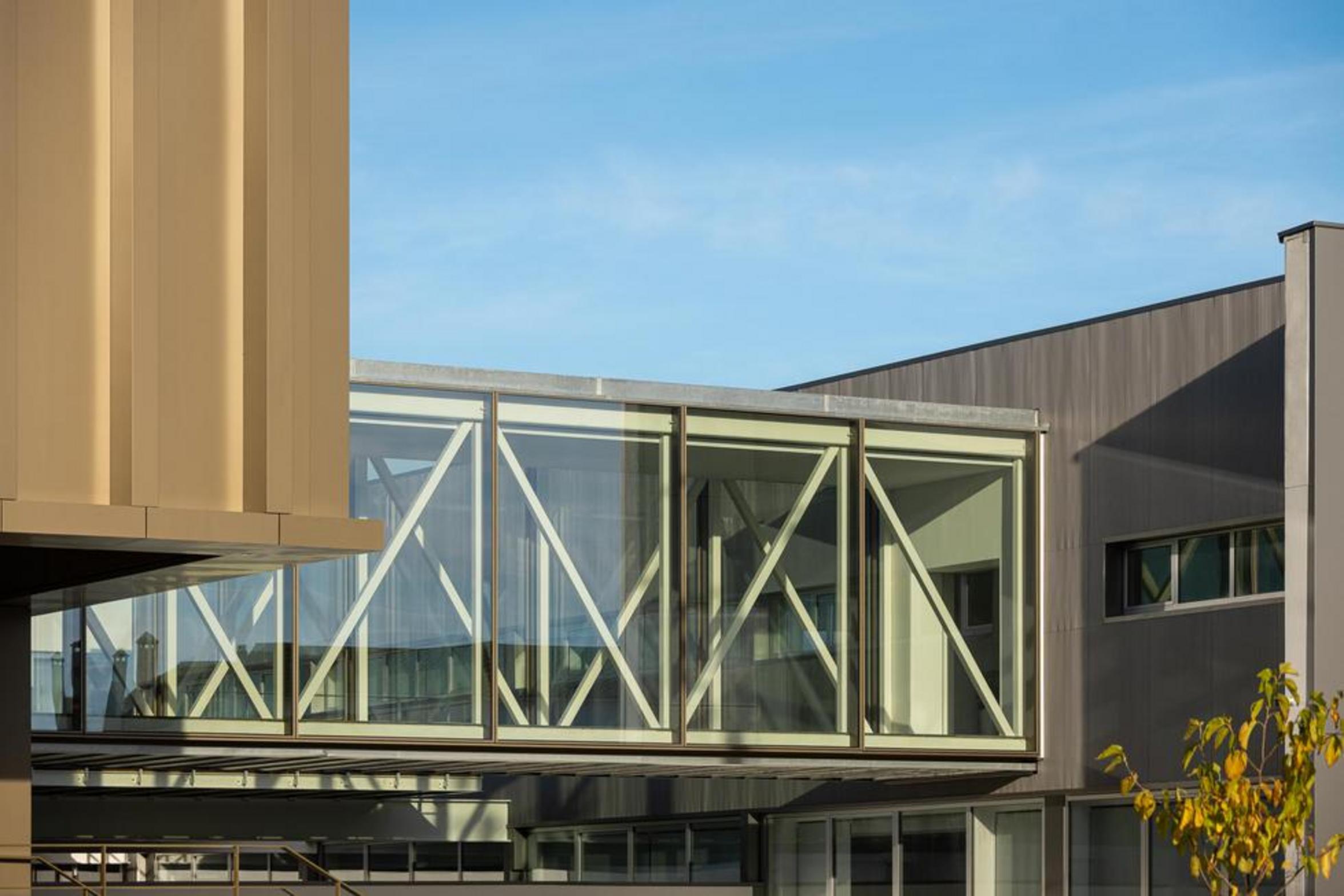
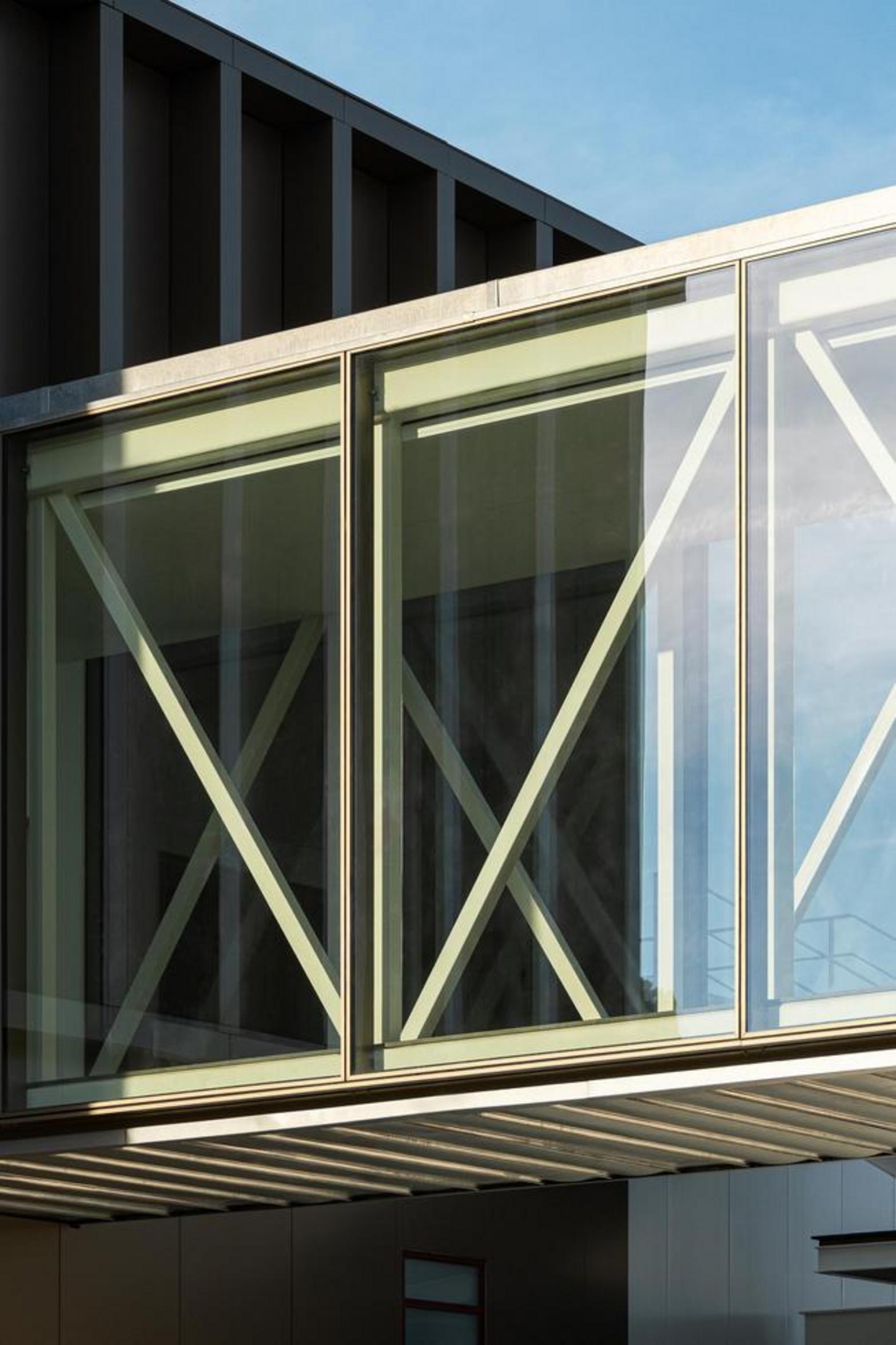
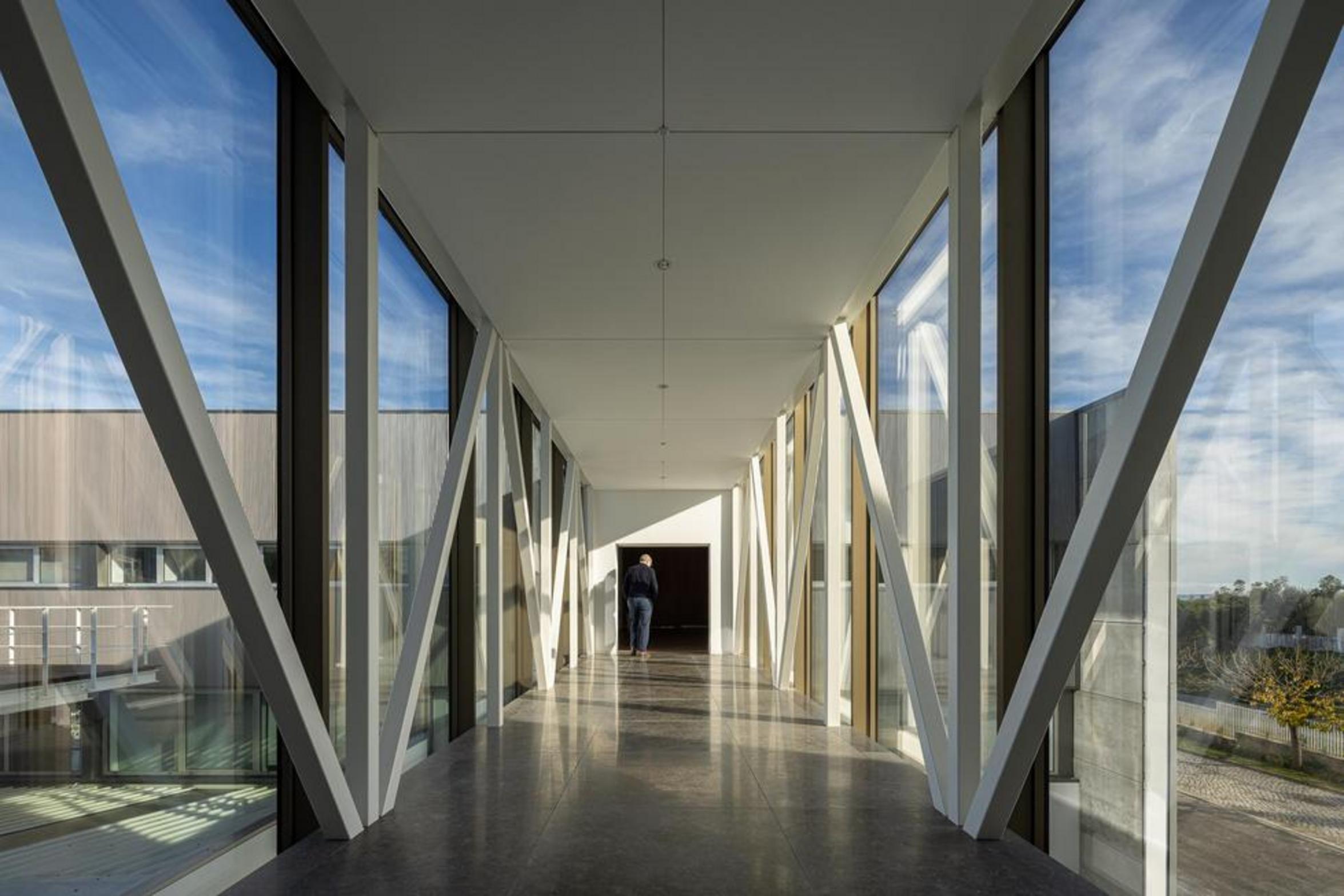
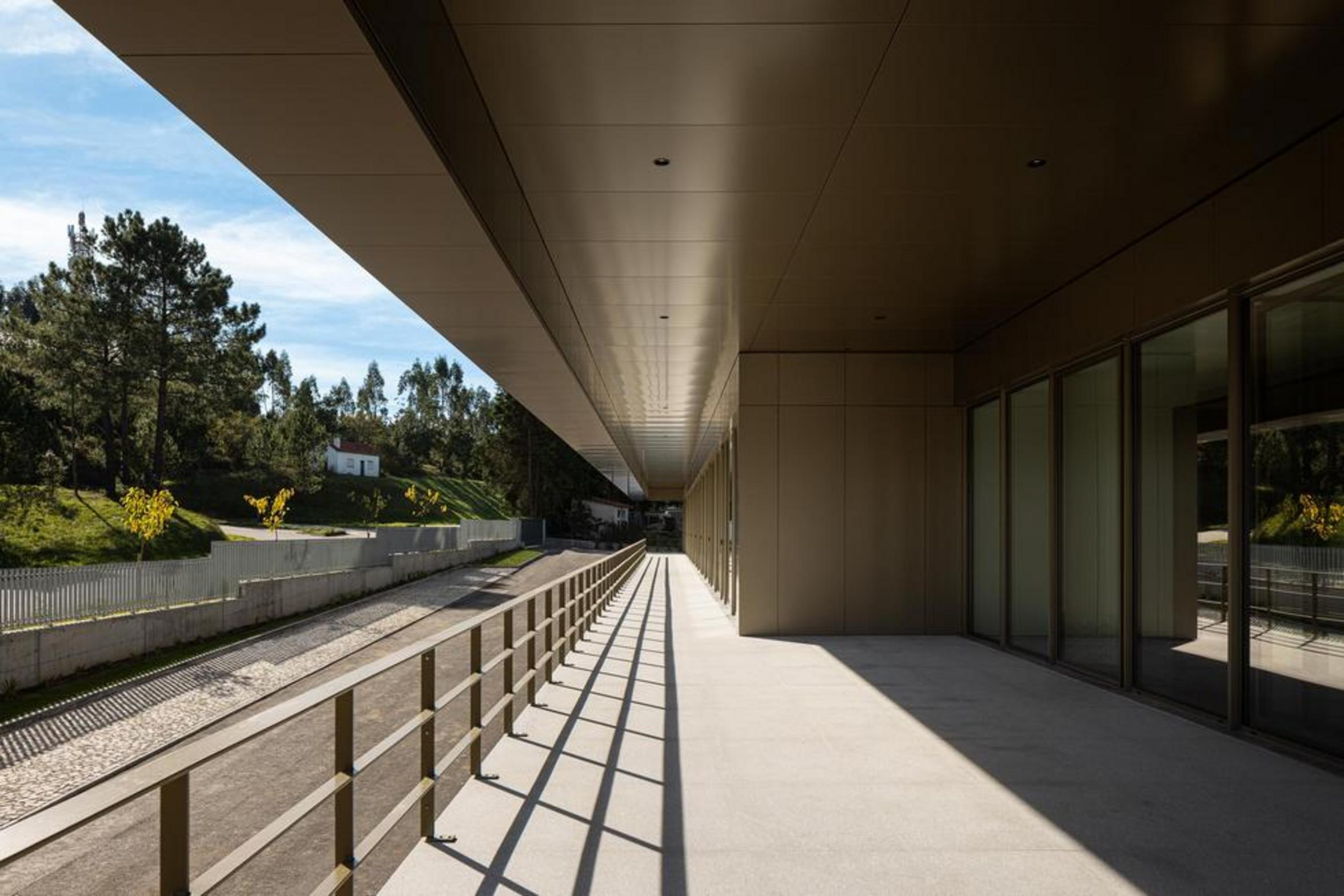
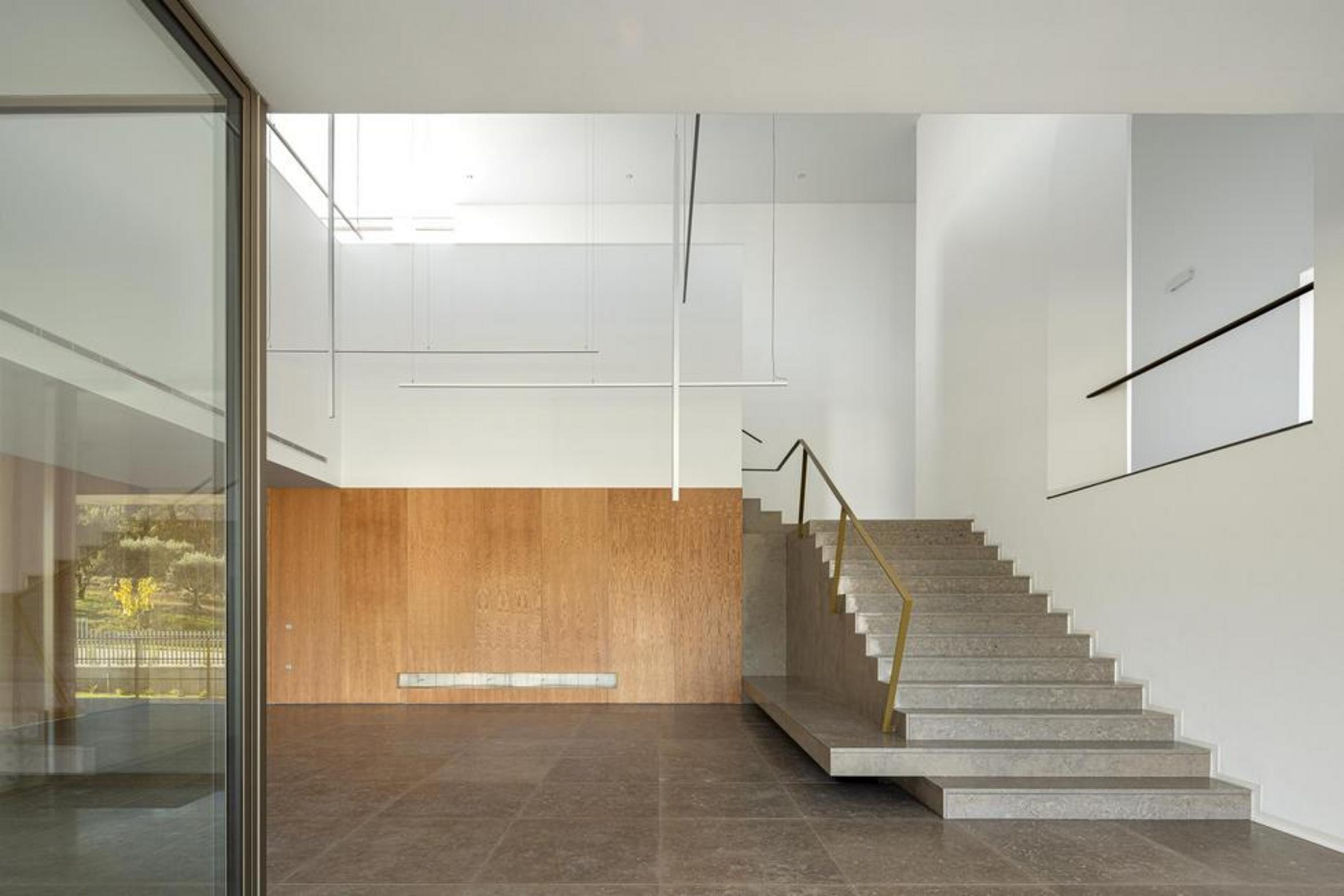
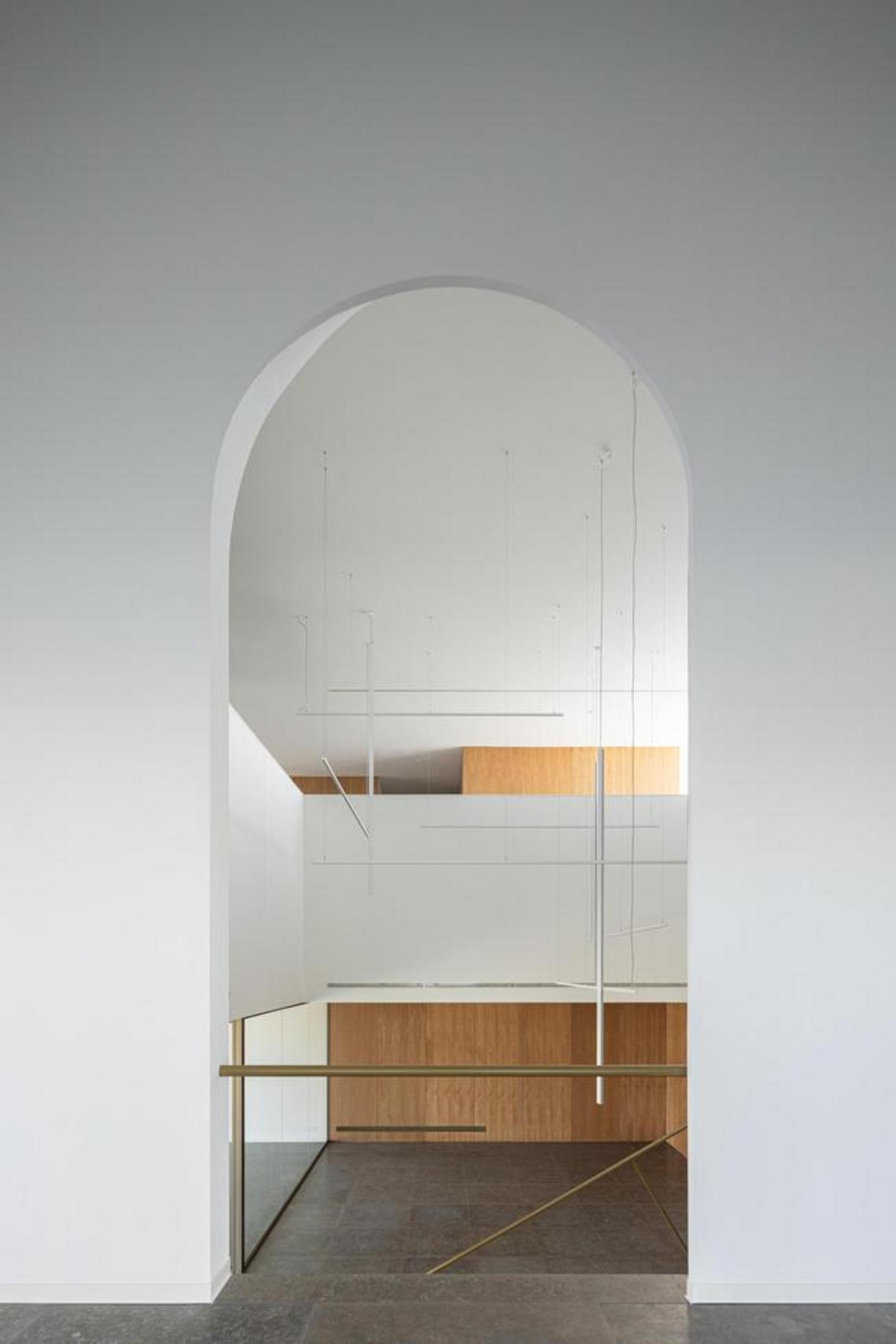
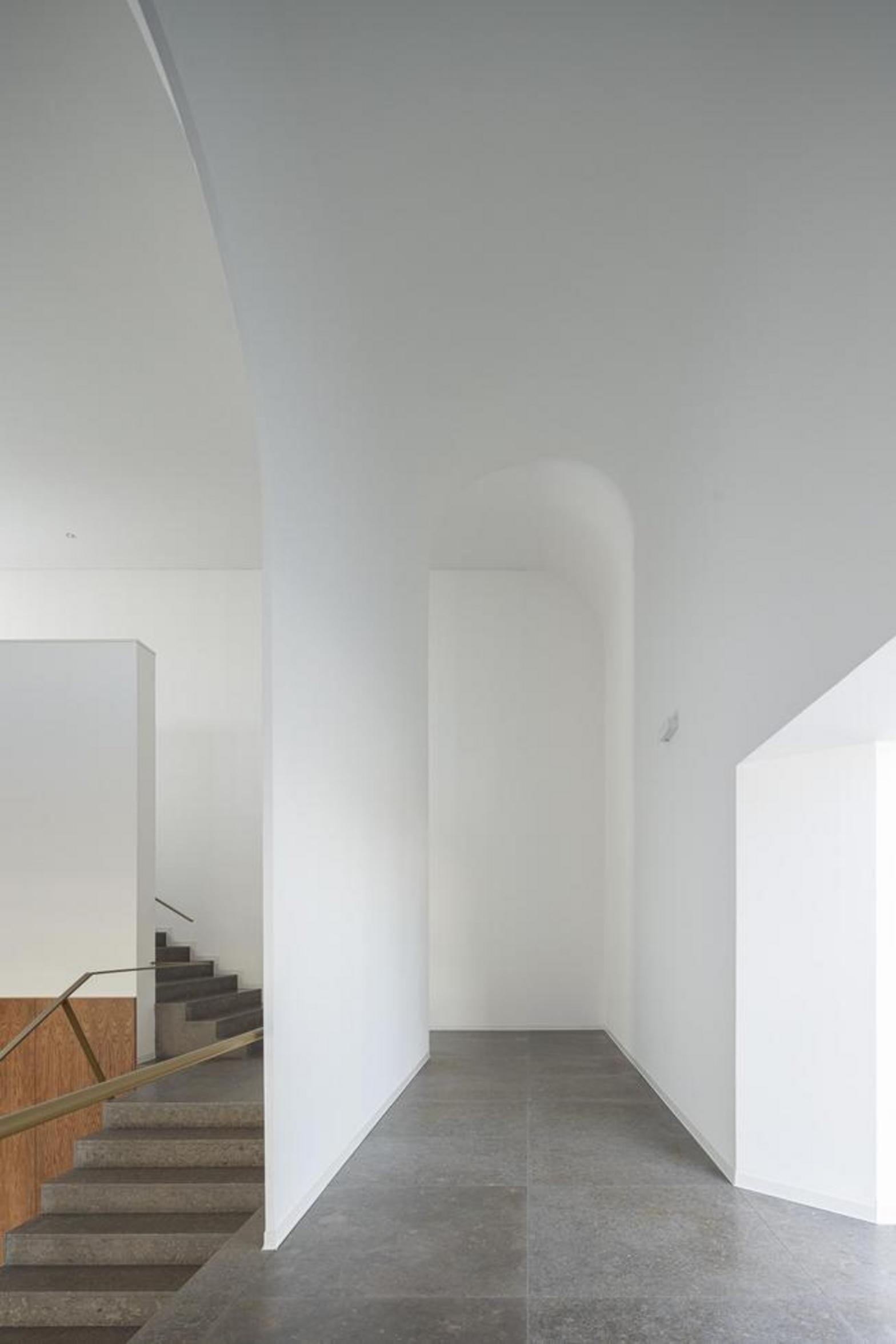
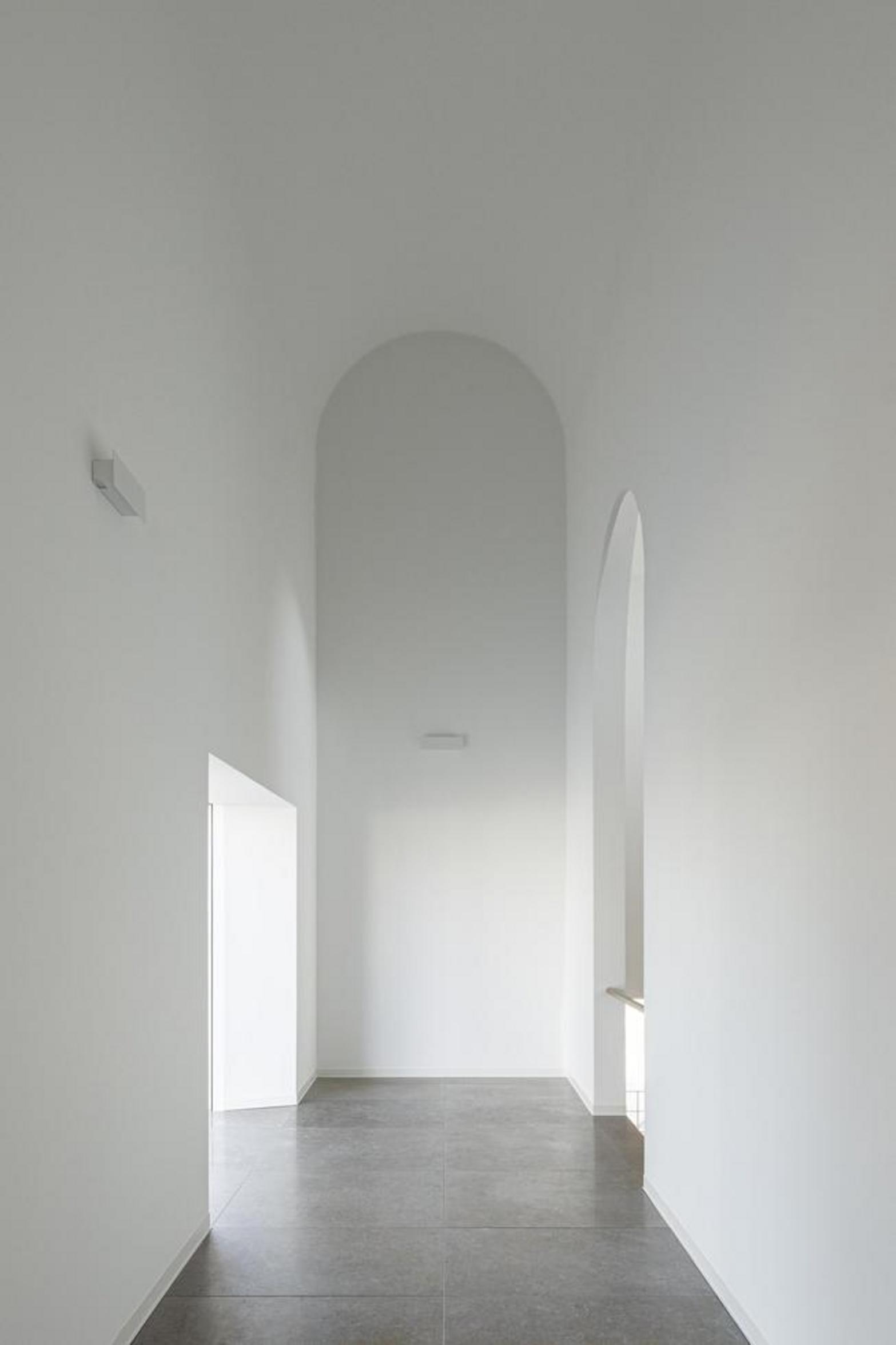
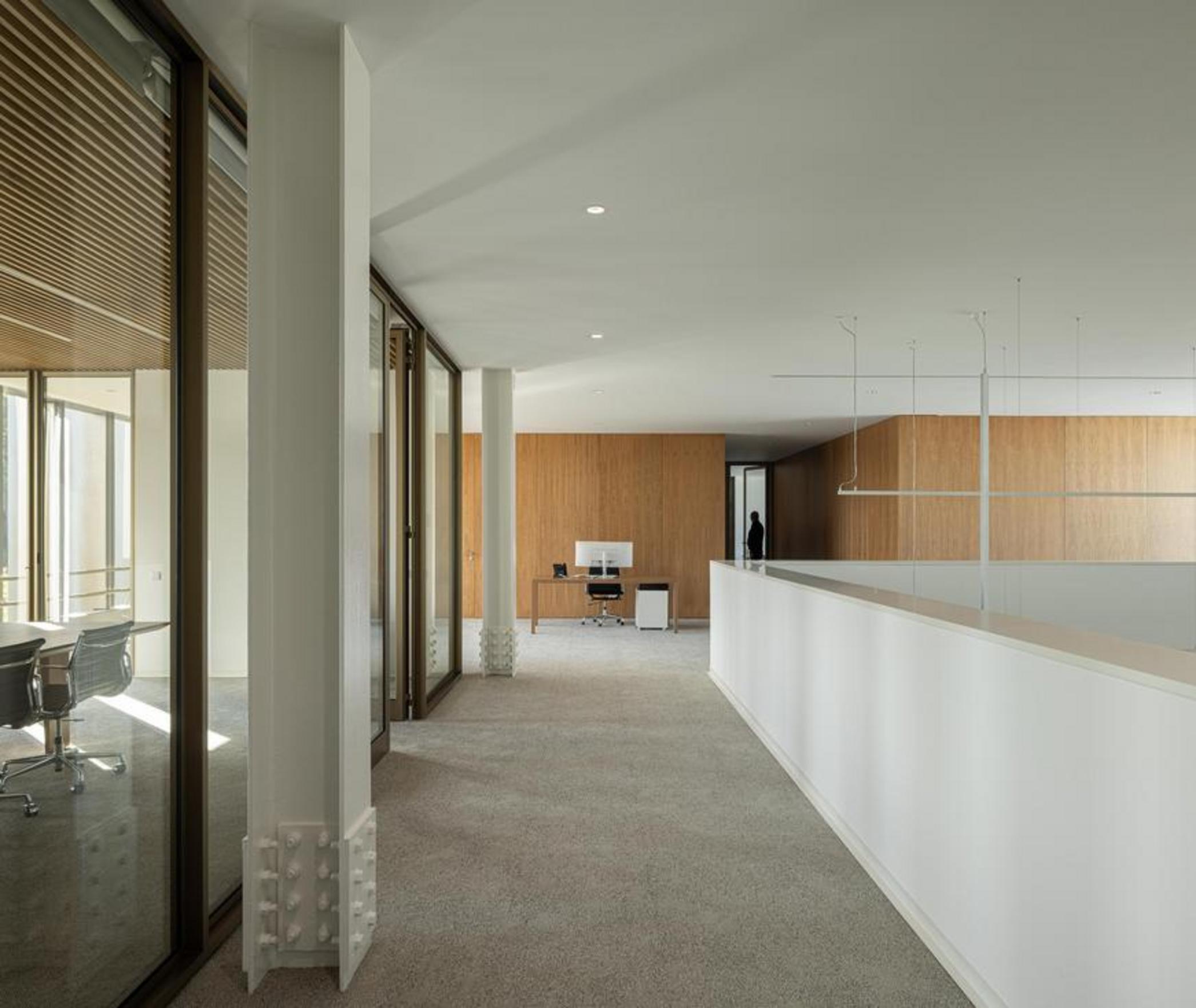
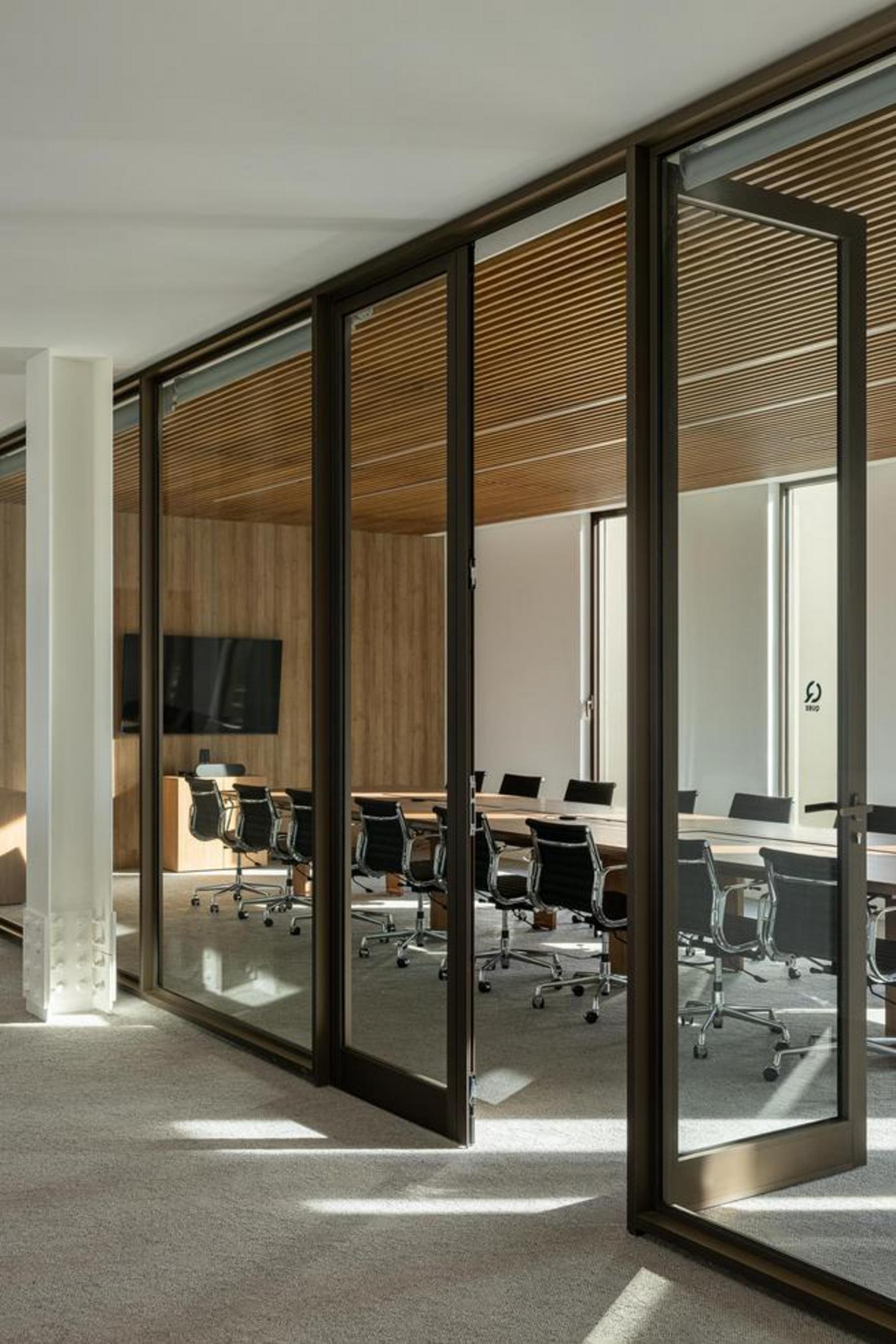
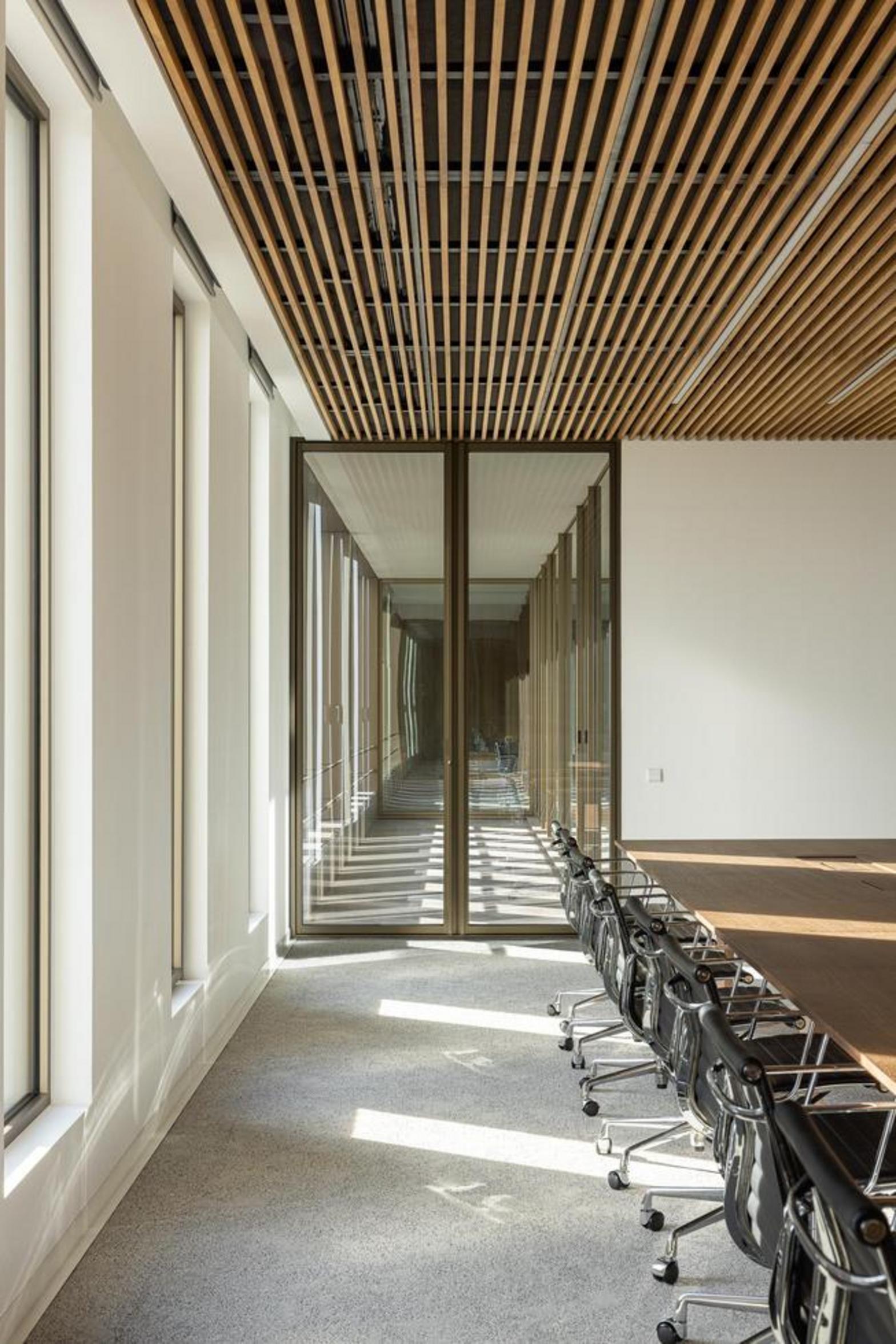
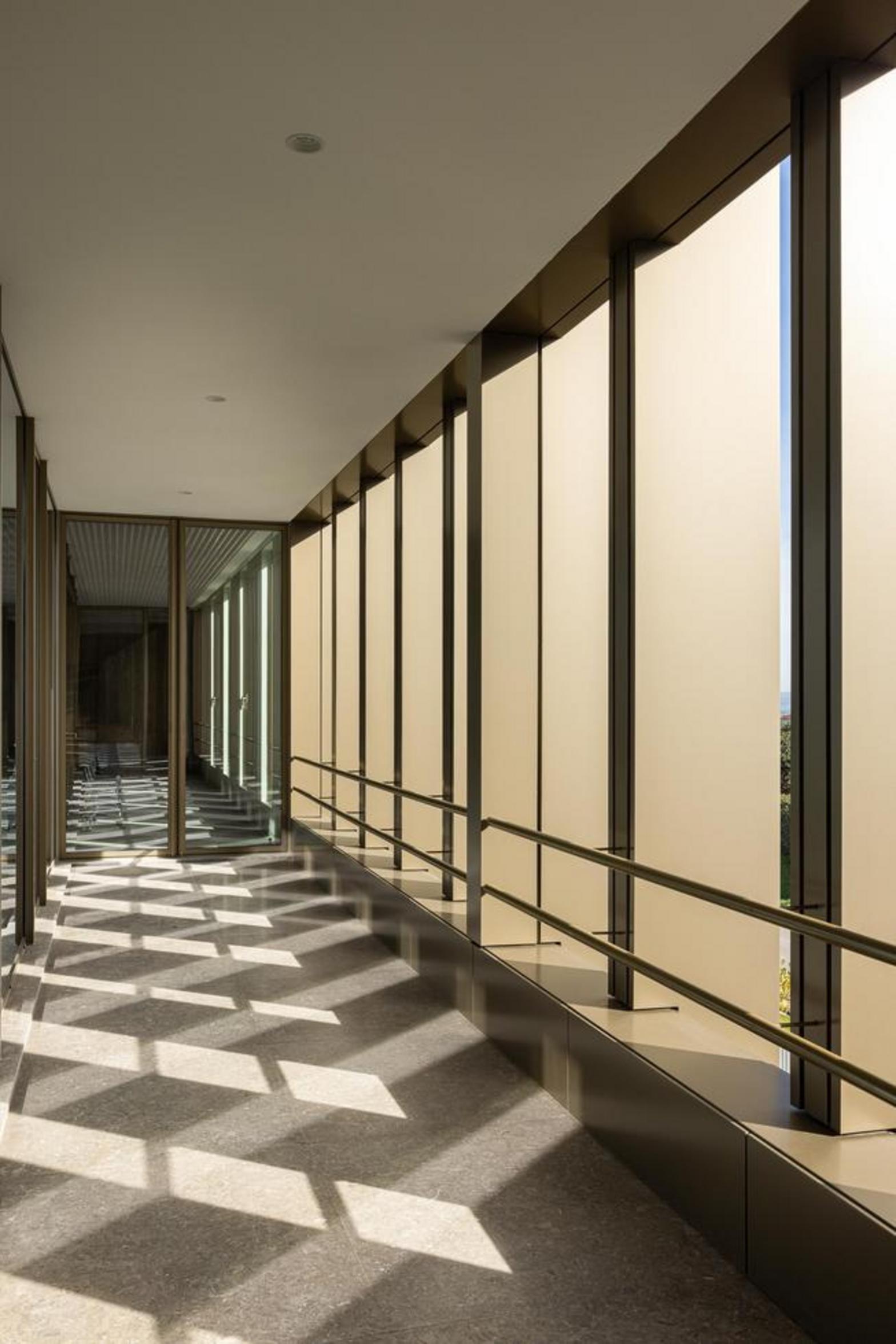
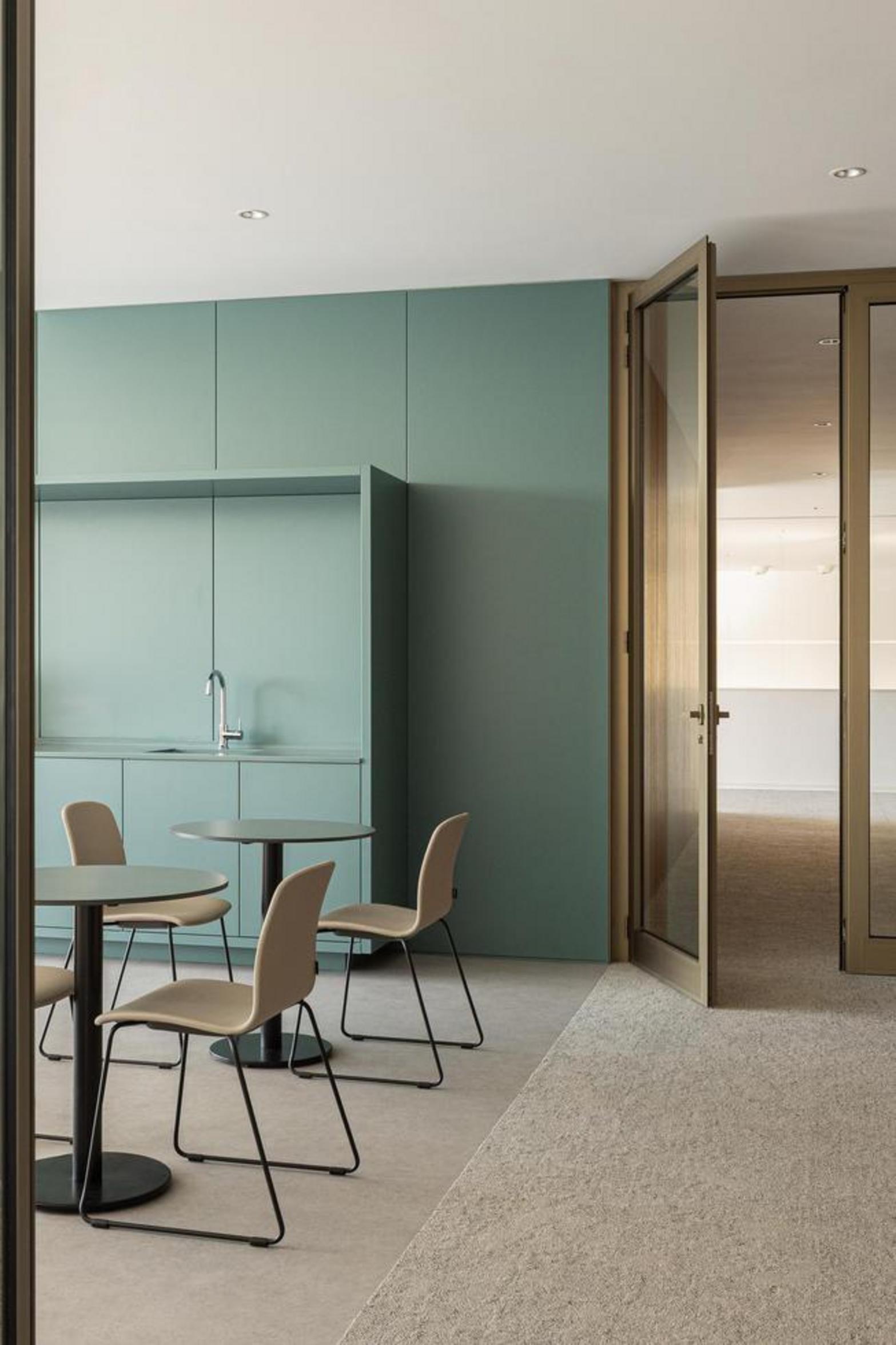
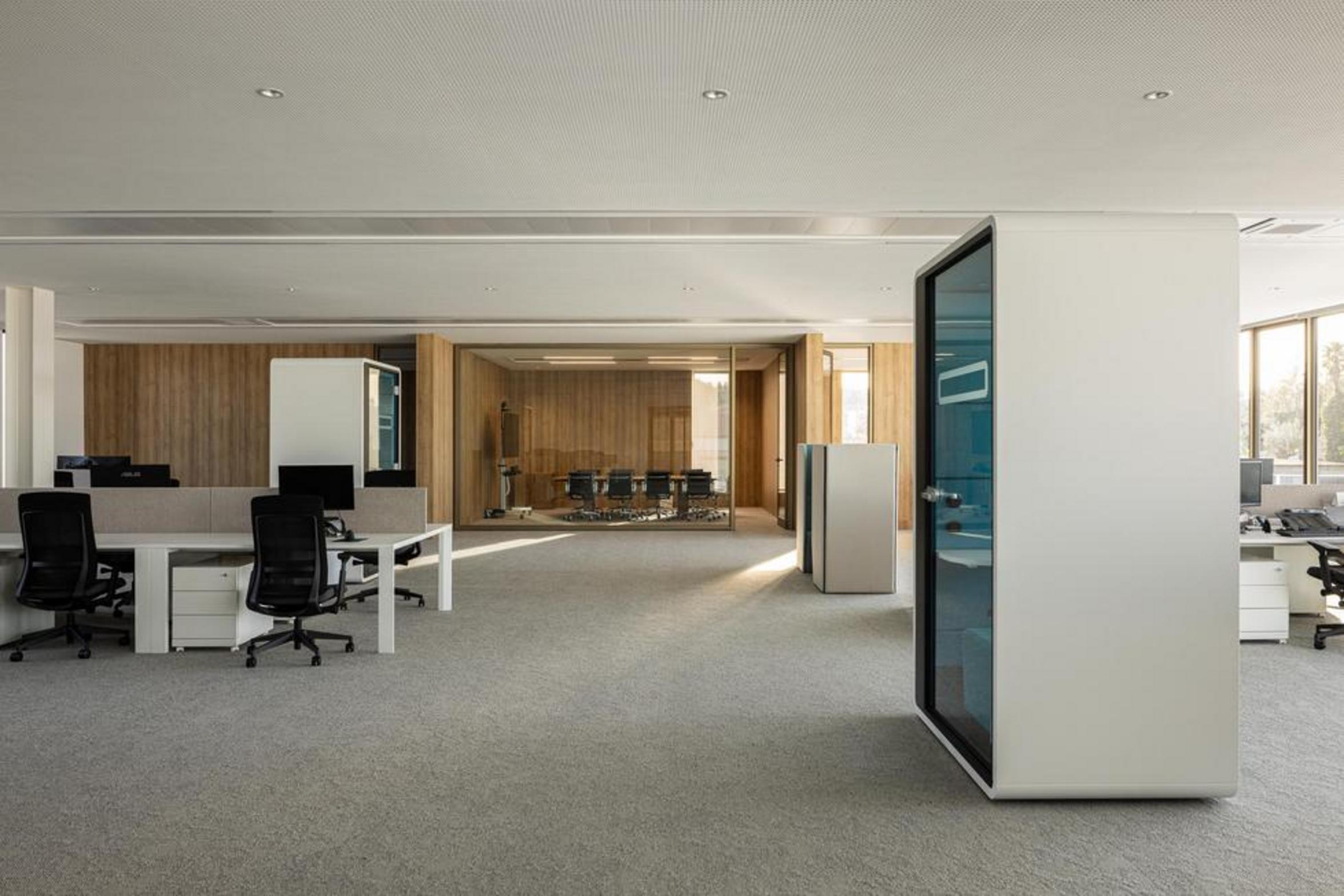
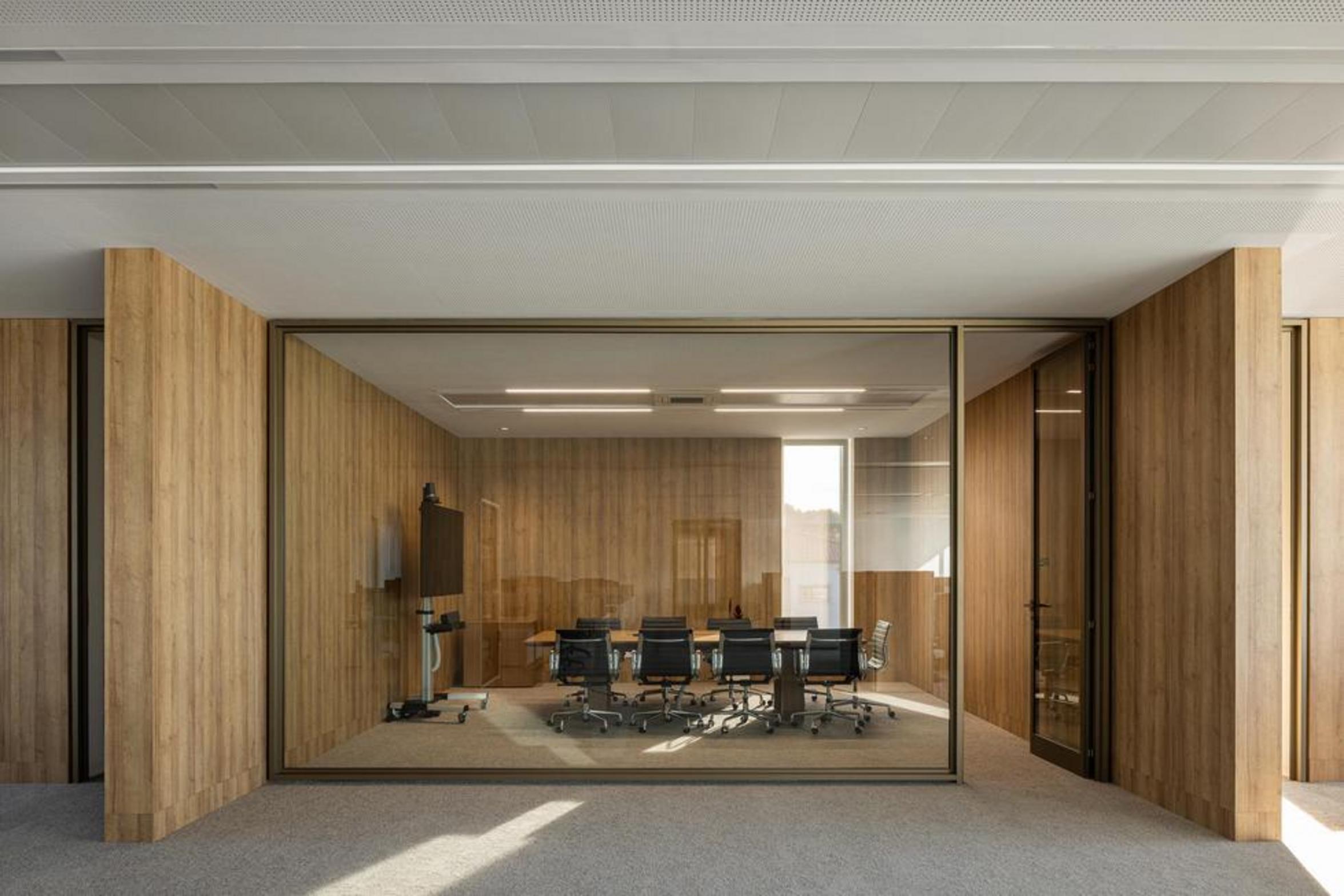
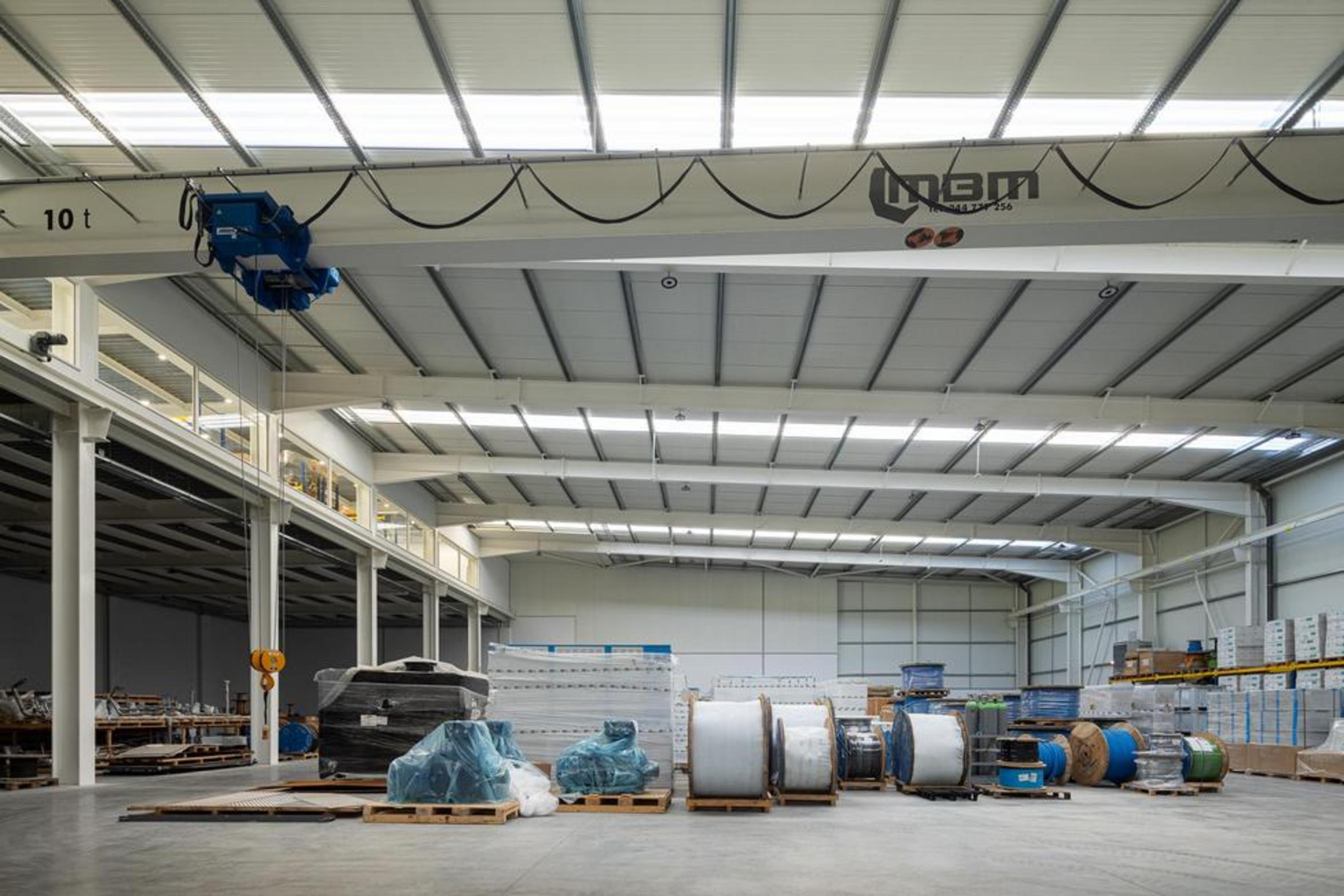
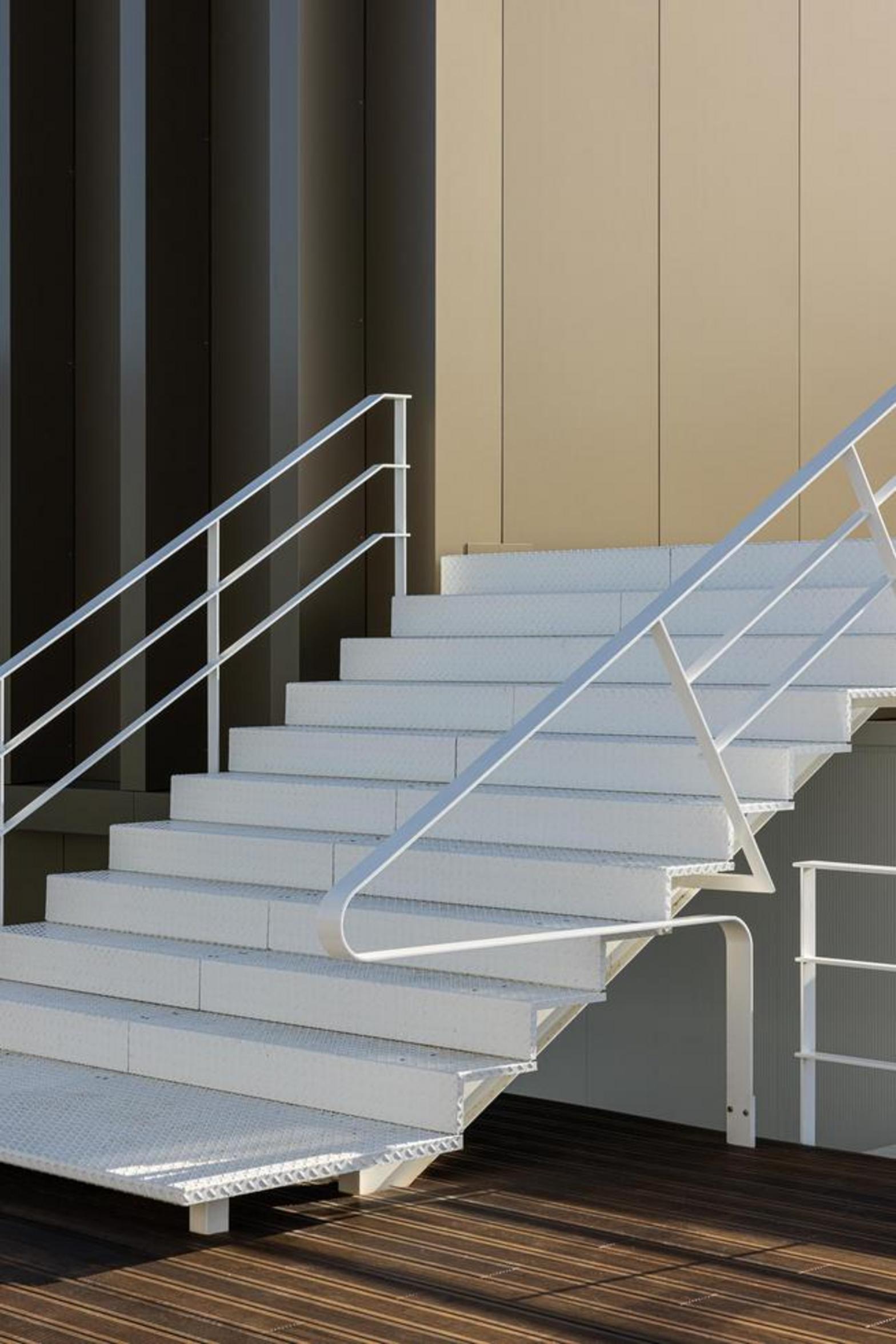
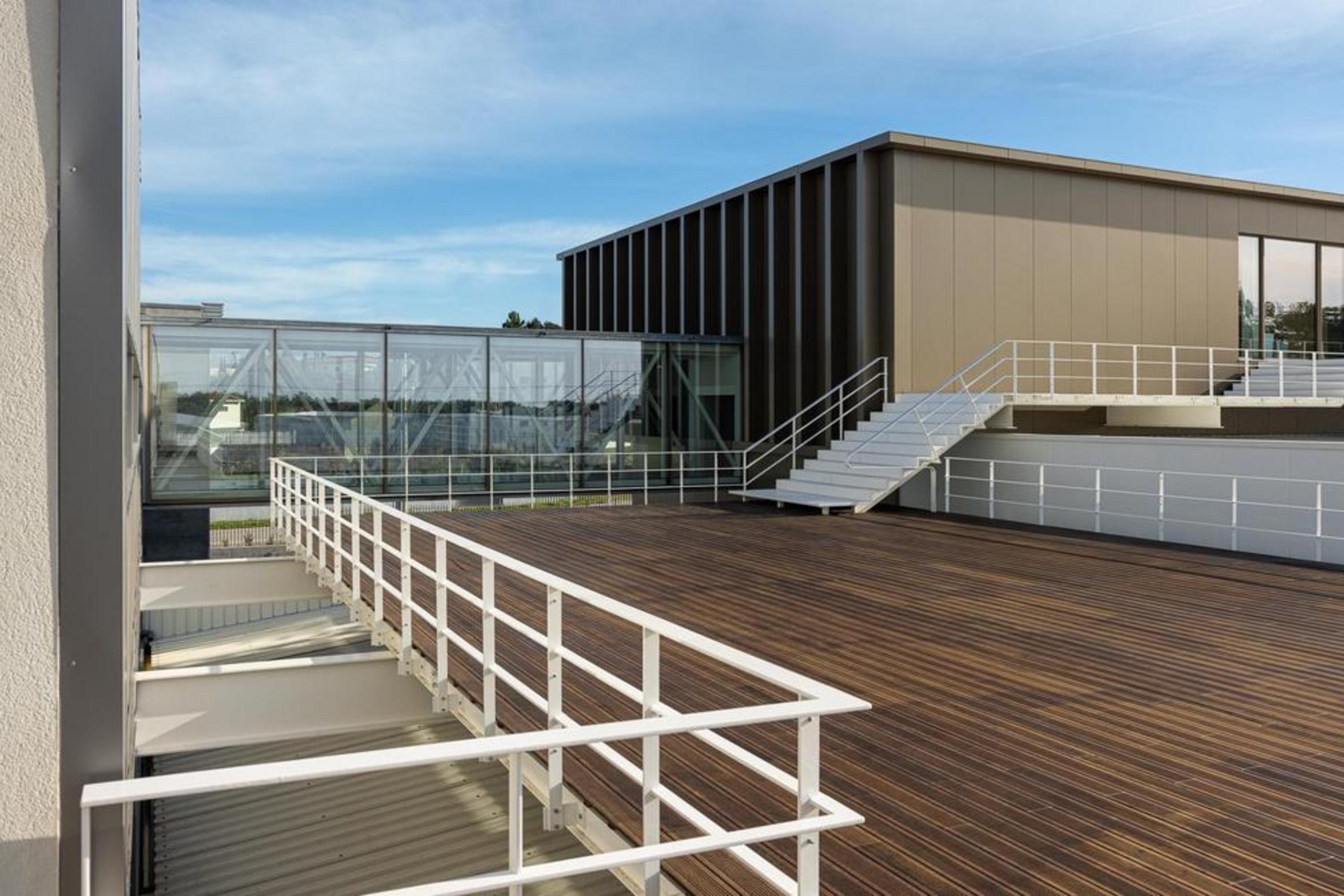
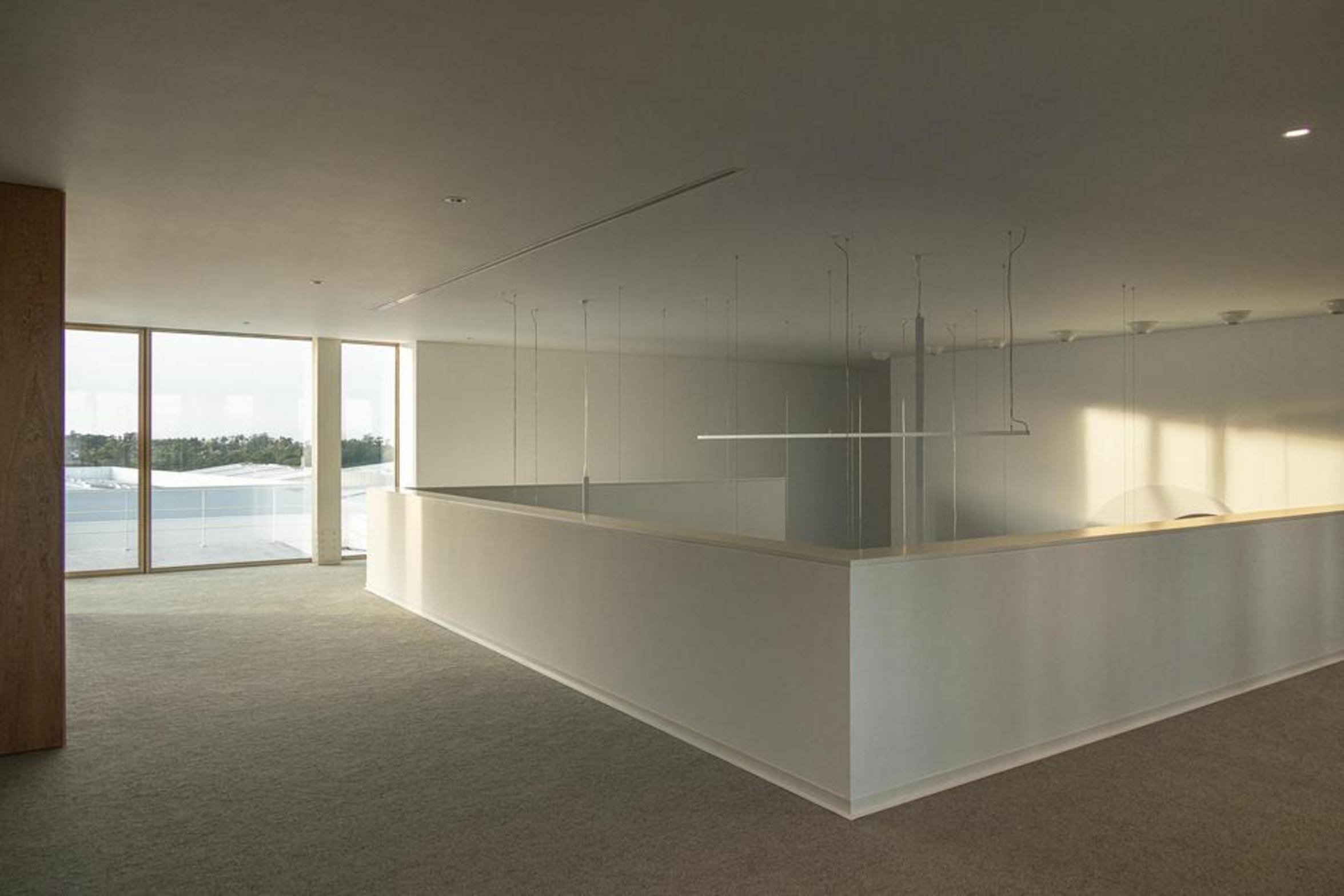
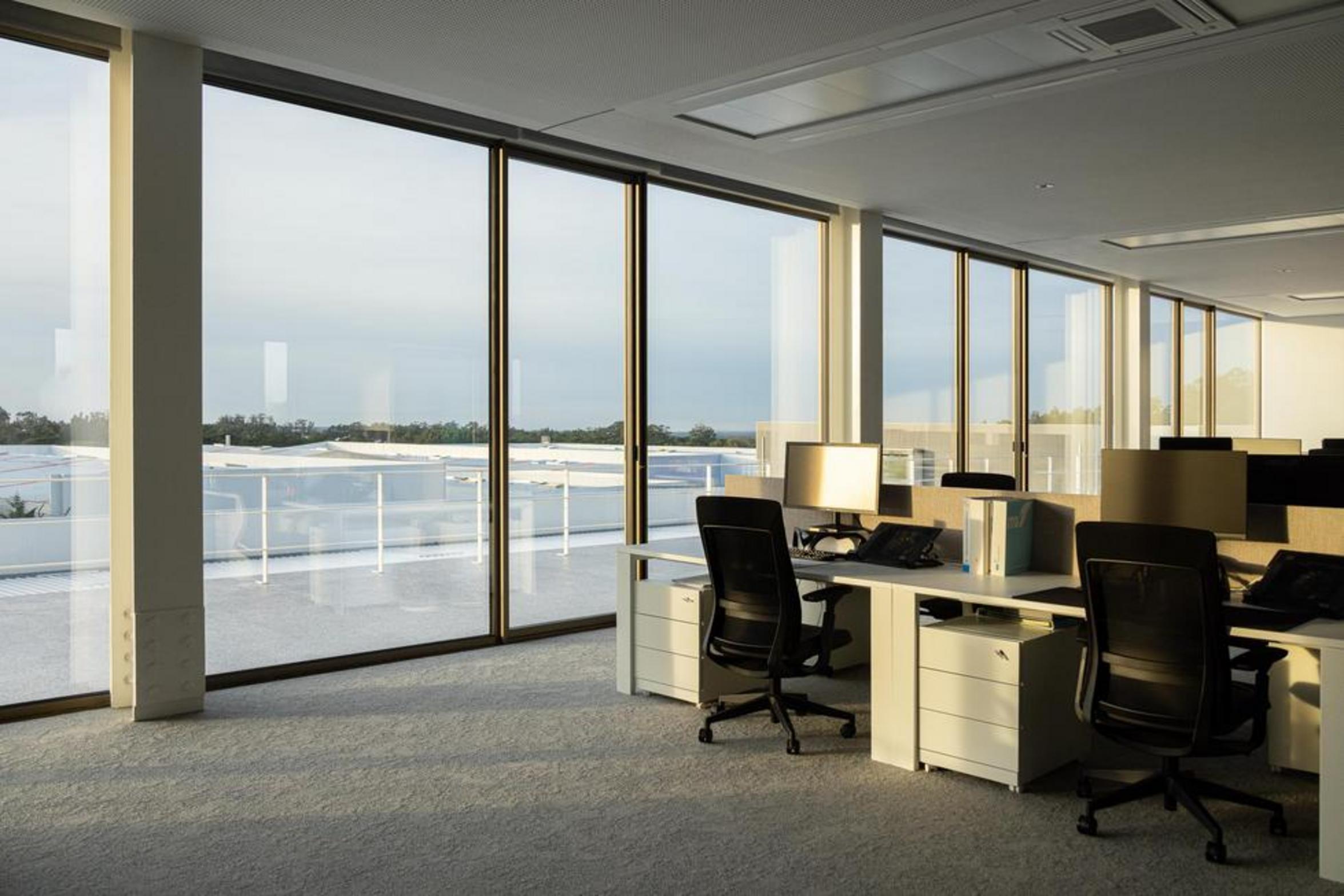
Novo Edifício-Sede PRF "O novo edifício destinado à sede da PRF Gas Solutions, S.A. surge da necessidade de expansão das áreas administrativas, de armazenagem e de oficinas, acompanhando o crescimento sustentado da empresa e a evolução da sua estrutura organizacional. Trata-se de uma entidade ligada ao setor industrial e tecnológico, cuja atividade integra componentes operacionais e administrativas que exigem espaços distintos, mas articulados de forma coerente e eficiente. A intervenção procura dar resposta a essa necessidade de ampliação sem comprometer a continuidade funcional e volumétrica do conjunto existente. O novo volume implanta-se alinhado com o edifício atual e paralelo ao arruamento principal, consolidando a frente edificada e assegurando uma leitura unitária do conjunto. A estratégia adotada privilegia a clareza organizativa e a articulação entre funções, reforçando a identidade institucional da empresa. O programa distribui-se de forma racional por diferentes níveis. À cota inferior, abaixo do nível da rua, desenvolve-se o grande armazém, diretamente associado às necessidades logísticas e operacionais. Este piso integra ainda uma área destinada à automação, refletindo a componente tecnológica da atividade da empresa. No piso superior concentram-se os serviços administrativos, organizados em torno de uma ampla área de trabalho comum. Esta área principal, com cerca de 40 postos organizados em secretárias, constitui o núcleo do espaço administrativo. Para além dos postos de trabalho, o piso integra salas de reuniões, uma pequena cafetaria, serviço de secretariado e o gabinete da administração. A organização espacial incorpora ainda espaços destinados a reuniões informais e cabines insonorizadas, promovendo uma utilização dinâmica e flexível do ambiente laboral, ajustada às exigências contemporâneas de trabalho colaborativo e concentração individual. Um elemento estruturante do projeto é a zona de pé-direito duplo, que estabelece a ligação entre o piso de entrada e o piso superior, reforçando a continuidade espacial e visual com o edifício existente. Este espaço assume um papel central na articulação interna, contribuindo para a permeabilidade e fluidez do conjunto. Os pisos superiores dos dois edifícios encontram-se interligados por uma galeria fechada e por um percurso exterior constituído por uma varanda contínua e uma plataforma elevada. Esta solução assegura não apenas a fluidez de circulação entre volumes, mas também uma integração funcional clara entre os diferentes setores da empresa. O projeto distingue-se, assim, pela forma como conjuga expansão e continuidade, articulando funções industriais e administrativas num sistema coerente, funcional e adaptado às necessidades atuais da PRF Gas Solutions, S.A., garantindo eficiência operacional e qualidade espacial. O projeto integra ainda peças de design de reconhecido valor cultural e internacional, como o Sofá Capitoné de Álvaro Siza Vieira, bem como elementos da marca Minotti (design de Rodolfo Dordoni e Marcio Kogan) e a cadeira Catifa 46 da Arper, que reforçam a identidade contemporânea dos espaços interiores."
Texto fornecido pelo atelier de arquitetura.
"The new building for the headquarters of PRF Gas Solutions, S.A. arises from the need to expand administrative, storage, and workshop areas, keeping pace with the company’s sustained growth and the evolution of its organizational structure. It is an entity linked to the industrial and technological sector, whose operations combine both operational and administrative components that require distinct yet coherently and efficiently integrated spaces. The intervention aims to address this need for expansion without compromising the functional and volumetric continuity of the existing complex. The new volume is aligned with the current building and parallel to the main street, consolidating the built frontage and ensuring a unified reading of the ensemble. The adopted strategy prioritizes organizational clarity and the articulation between functions, reinforcing the company’s institutional identity. The program is rationally distributed across different levels. On the lower level, below street level, the large warehouse is located, directly linked to logistical and operational needs. This floor also includes an area dedicated to automation, reflecting the technological aspect of the company’s activities. The upper floor houses the administrative services, organized around a spacious common work area. This main area, with approximately 40 desk positions, forms the core of the administrative space. In addition to the workstations, the floor includes meeting rooms, a small cafeteria, secretarial services, and the management office. The spatial organization also incorporates informal meeting spaces and soundproof booths, promoting a dynamic and flexible use of the workplace, adapted to contemporary demands for both collaborative work and individual concentration. A defining element of the project is the double-height space, which connects the entrance floor with the upper level, reinforcing spatial and visual continuity with the existing building. This area plays a central role in the internal articulation, contributing to the permeability and fluidity of the overall complex. The upper floors of the two buildings are interconnected by an enclosed gallery and an external pathway composed of a continuous balcony and an elevated platform. This solution not only ensures smooth circulation between the volumes but also provides clear functional integration between the different sectors of the company. The project stands out for the way it combines expansion and continuity, integrating industrial and administrative functions into a coherent, functional system adapted to the current needs of PRF Gas Solutions, S.A., ensuring operational efficiency and spatial quality. The project also incorporates design pieces of recognized cultural and international value, such as the Serralves Sofa by Álvaro Siza Vieira, as well as elements from Minotti (designs by Rodolfo Dordoni and Marcio Kogan) and the Catifa 46 chair by Arper, reinforcing the contemporary identity of the interior spaces. "
Text provided by the architecture firm.
subscreve a newsletter mensal cartas para quem habita

PRIVACIDADE

Utilizamos cookies para analisar o tráfego do site e permitir a exibição de conteúdos interativos do YouTube e Spotify. Para navegar no portefólio, por favor aceite as nossas definições de privacidade.