FOTÓGRAFO DE
ARQUITETURA

IVO TAVARES
STUDIO

Duas casas em Guimarães

Duas casas em Guimarães
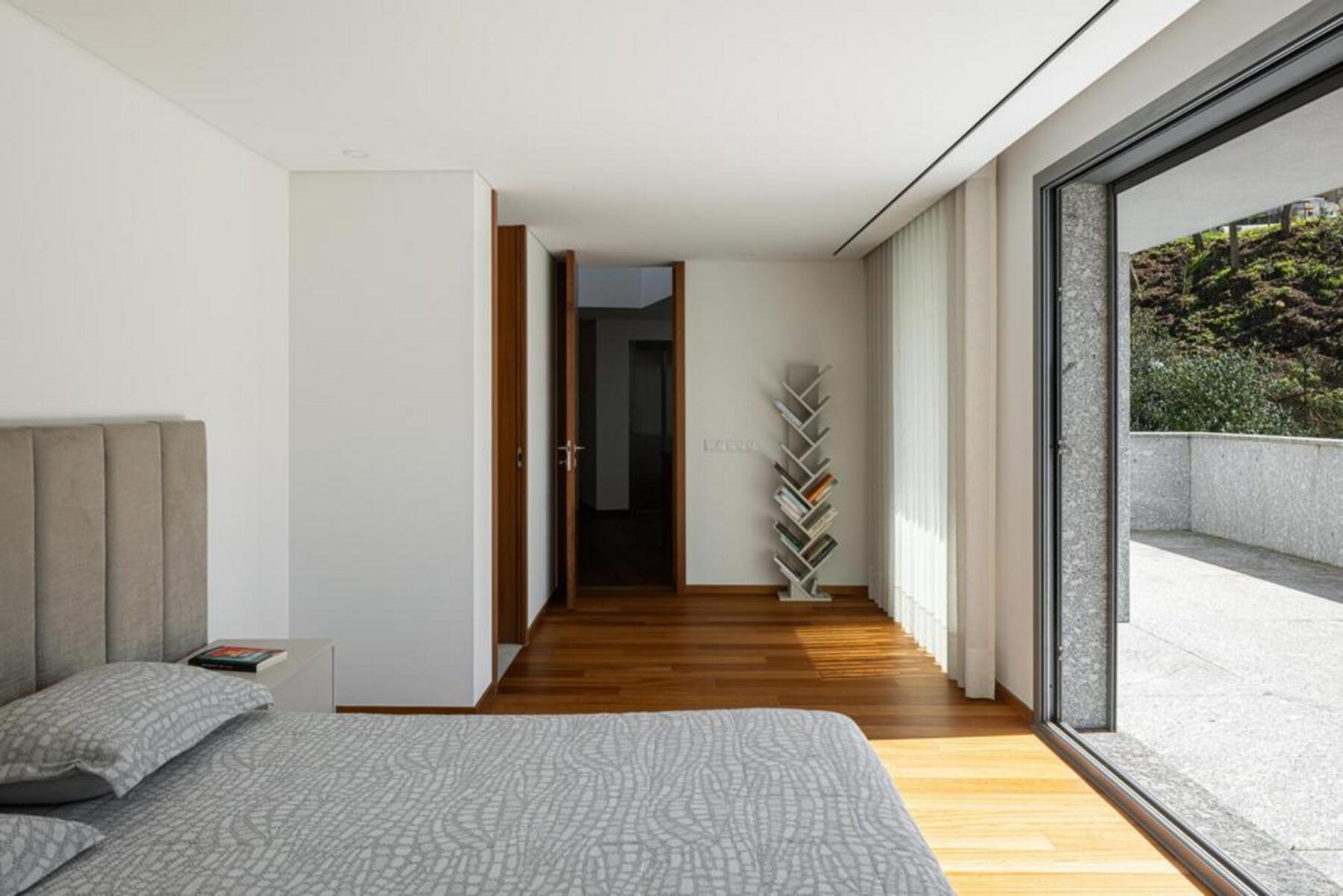
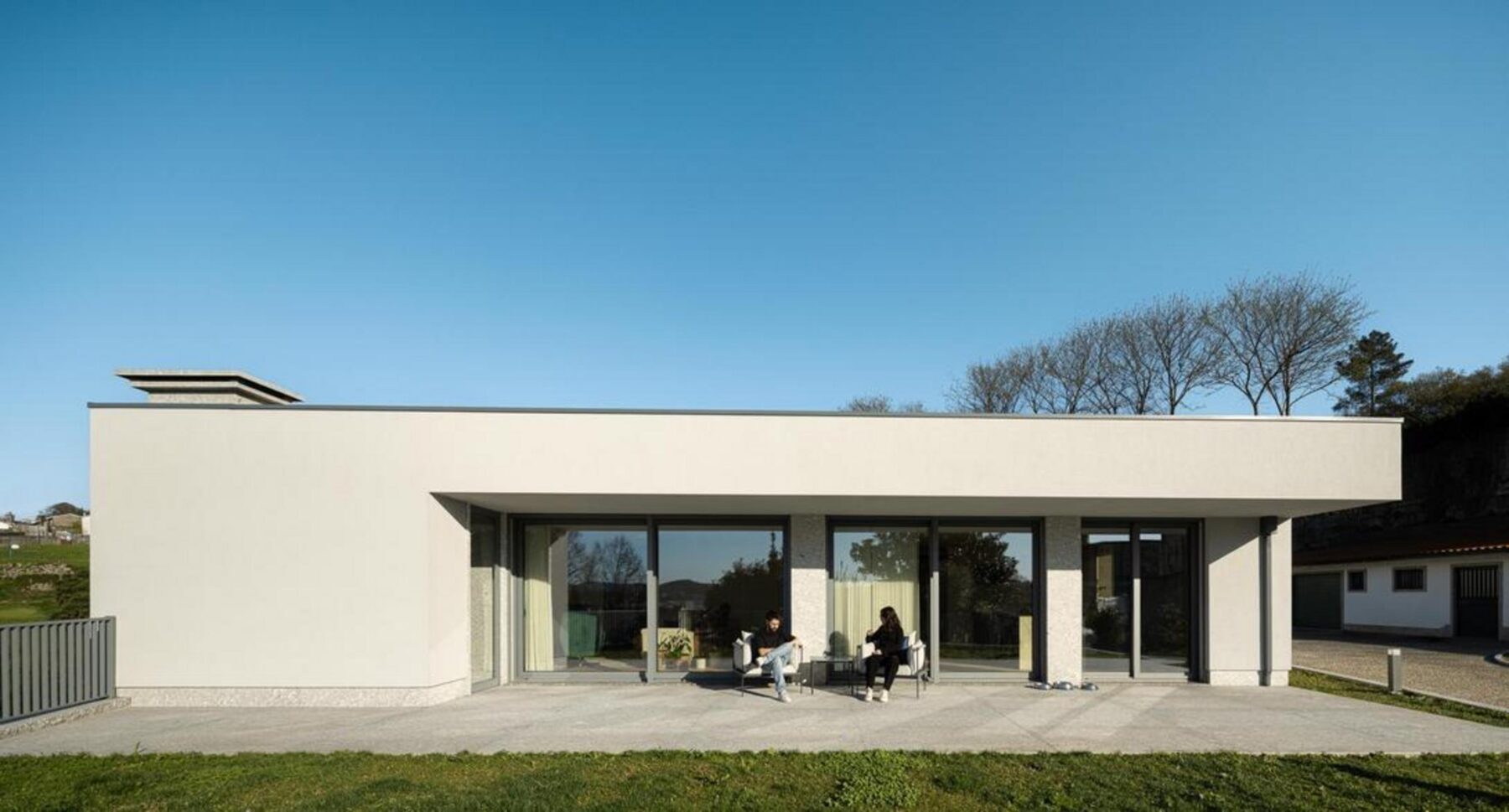
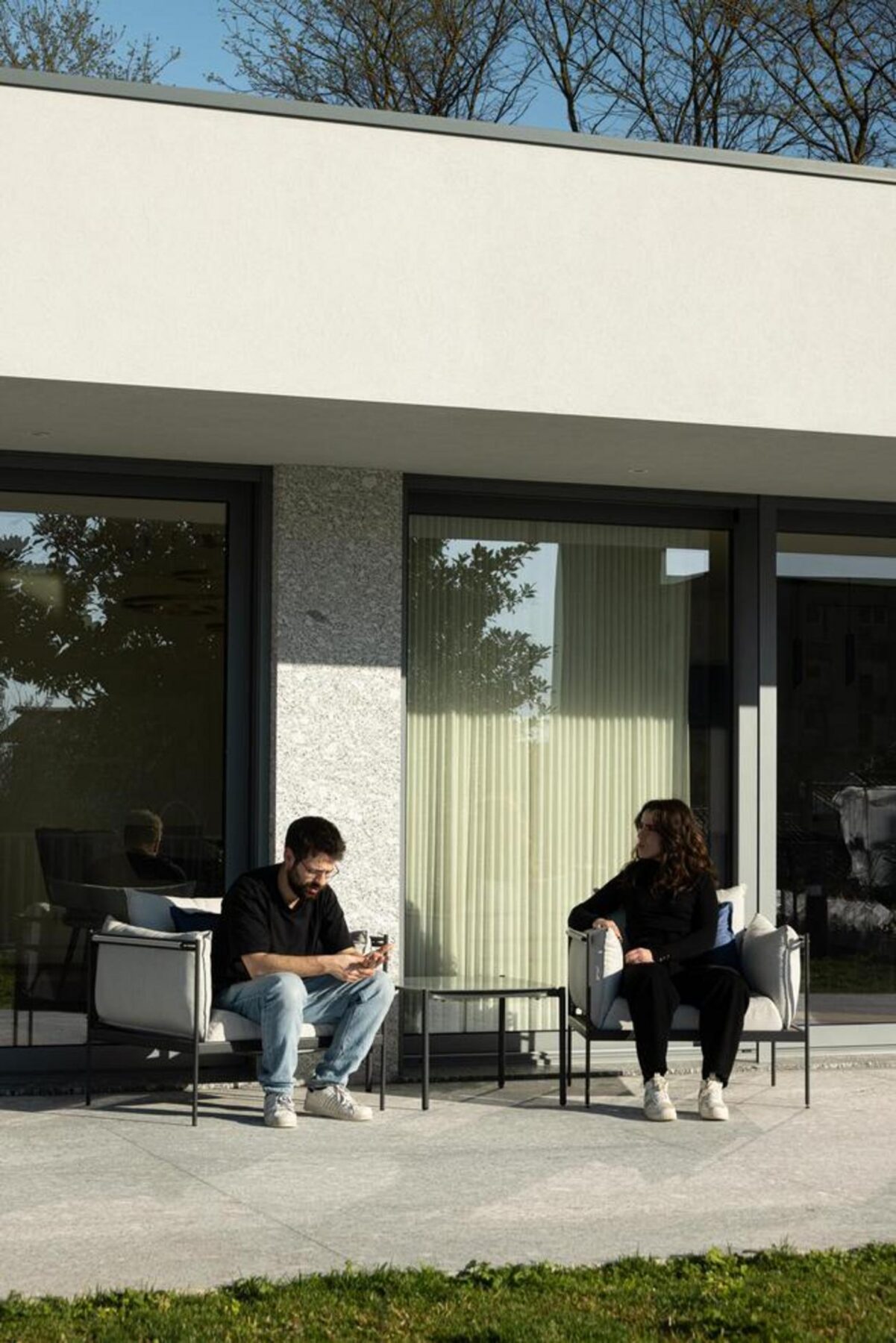
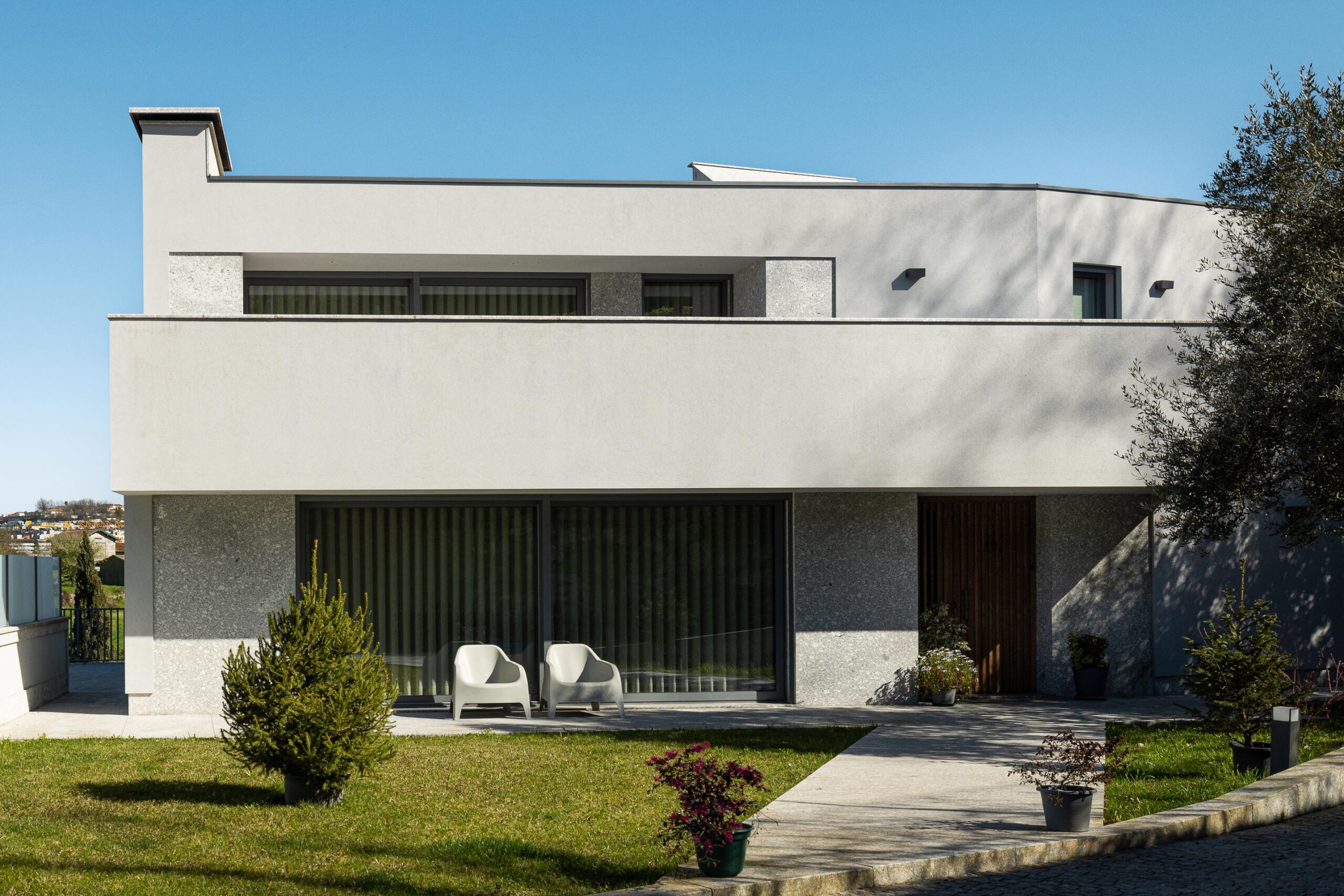
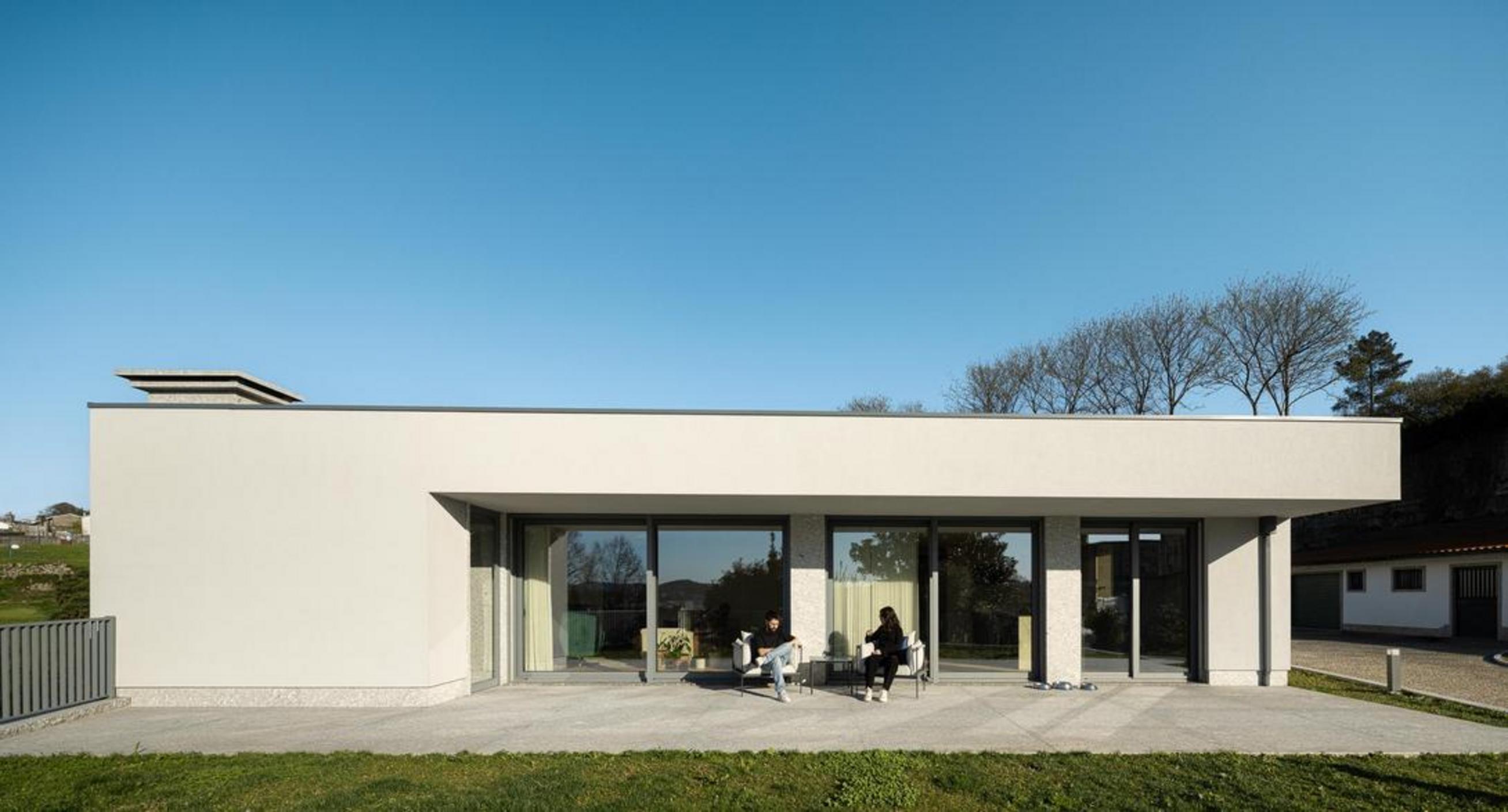
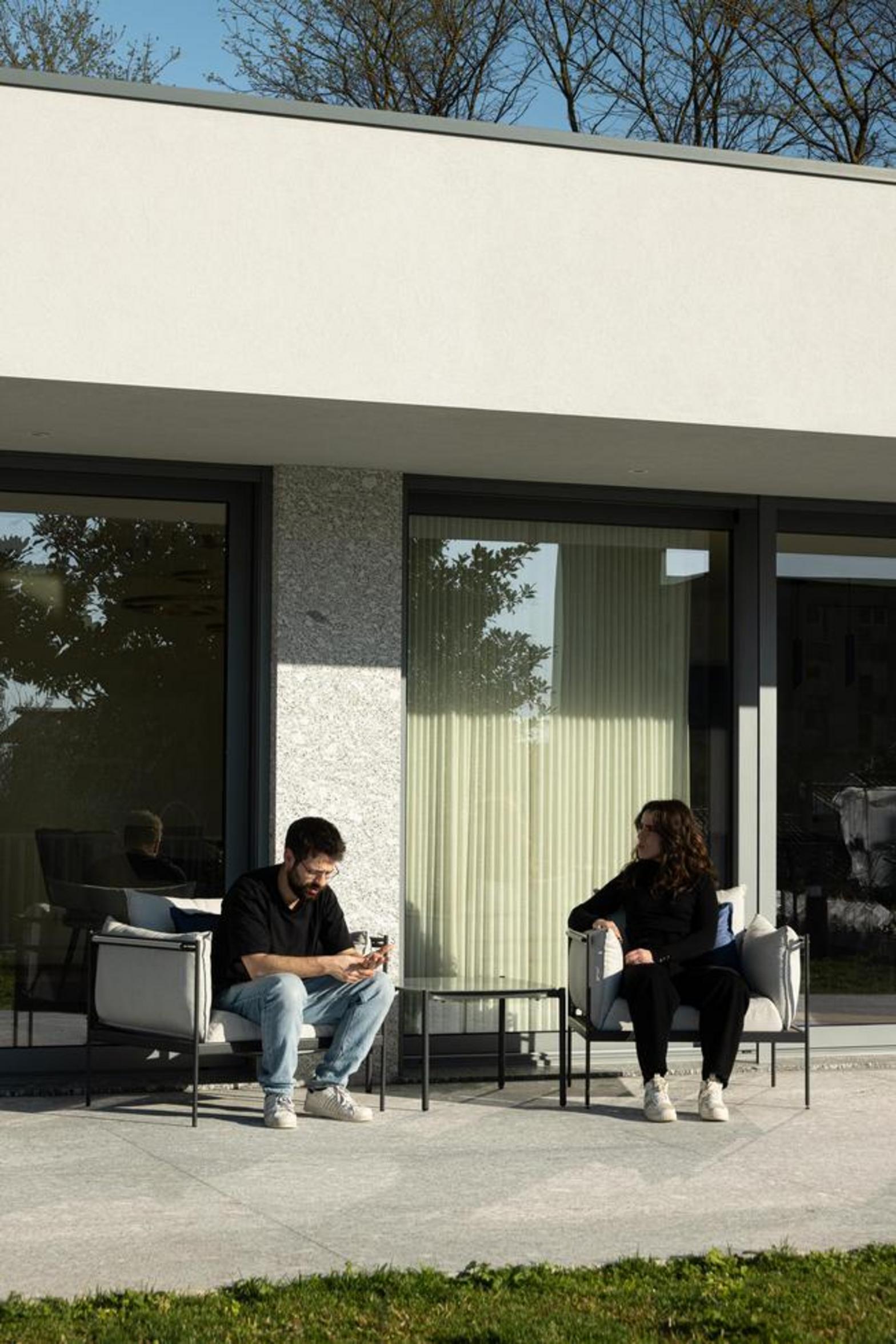
Perspetiva interior que mostra a fluidez entre a sala de estar e um pátio exterior, através de um grande vão de correr. — Duas casas em Guimarães arquitectura felixARQS – Daniel Félix Arquitectos fotografia Ivo Tavares

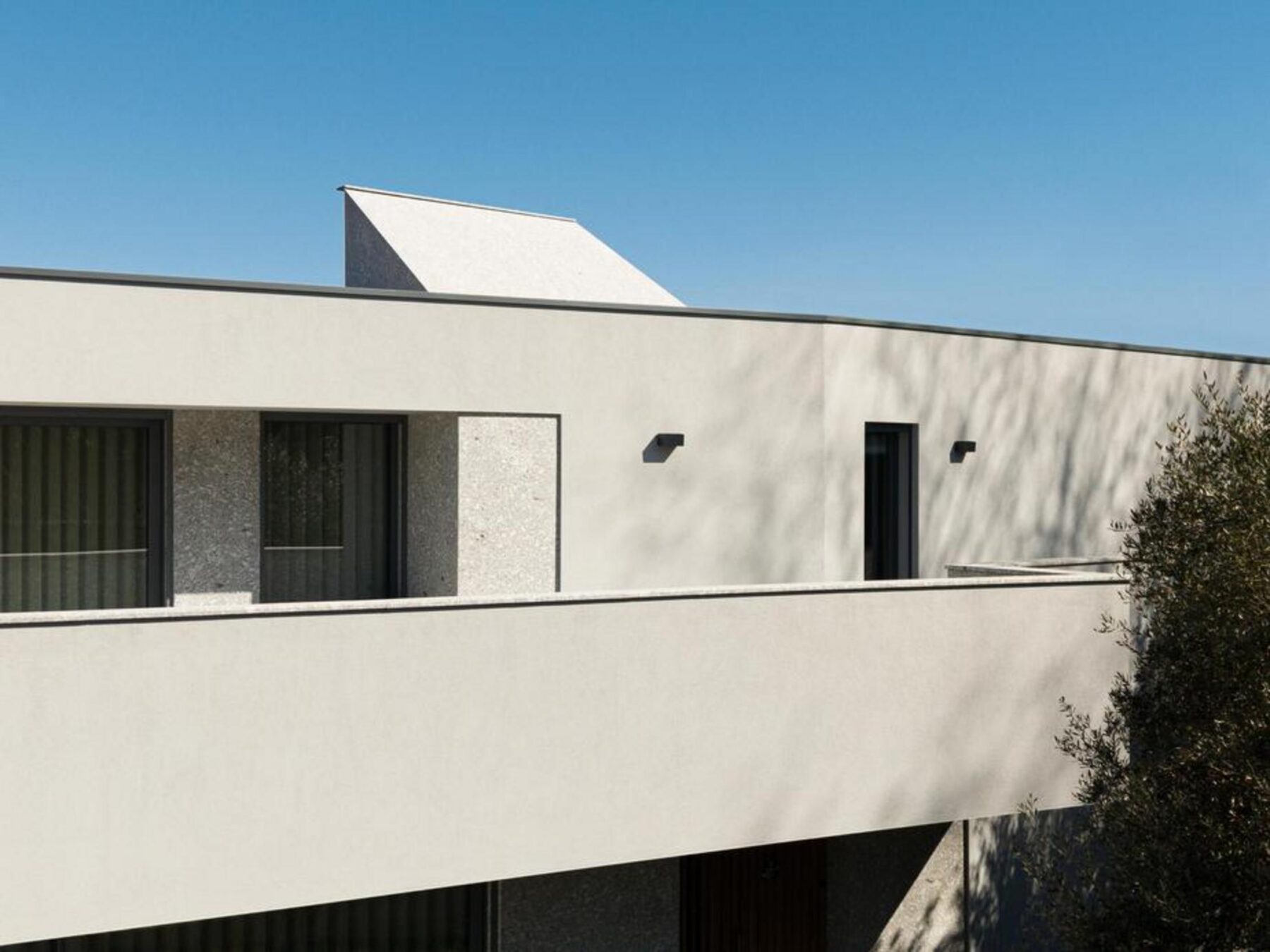
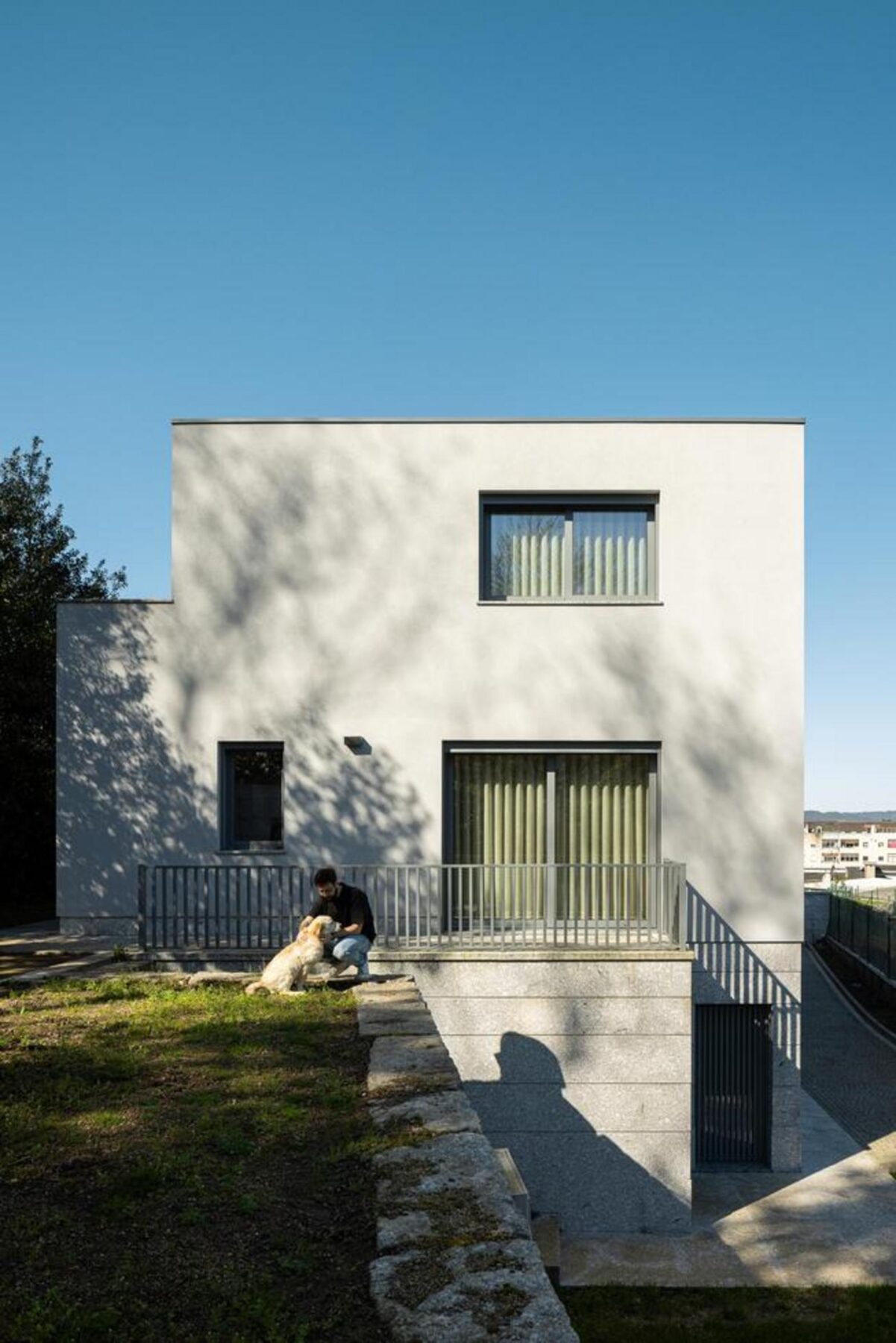
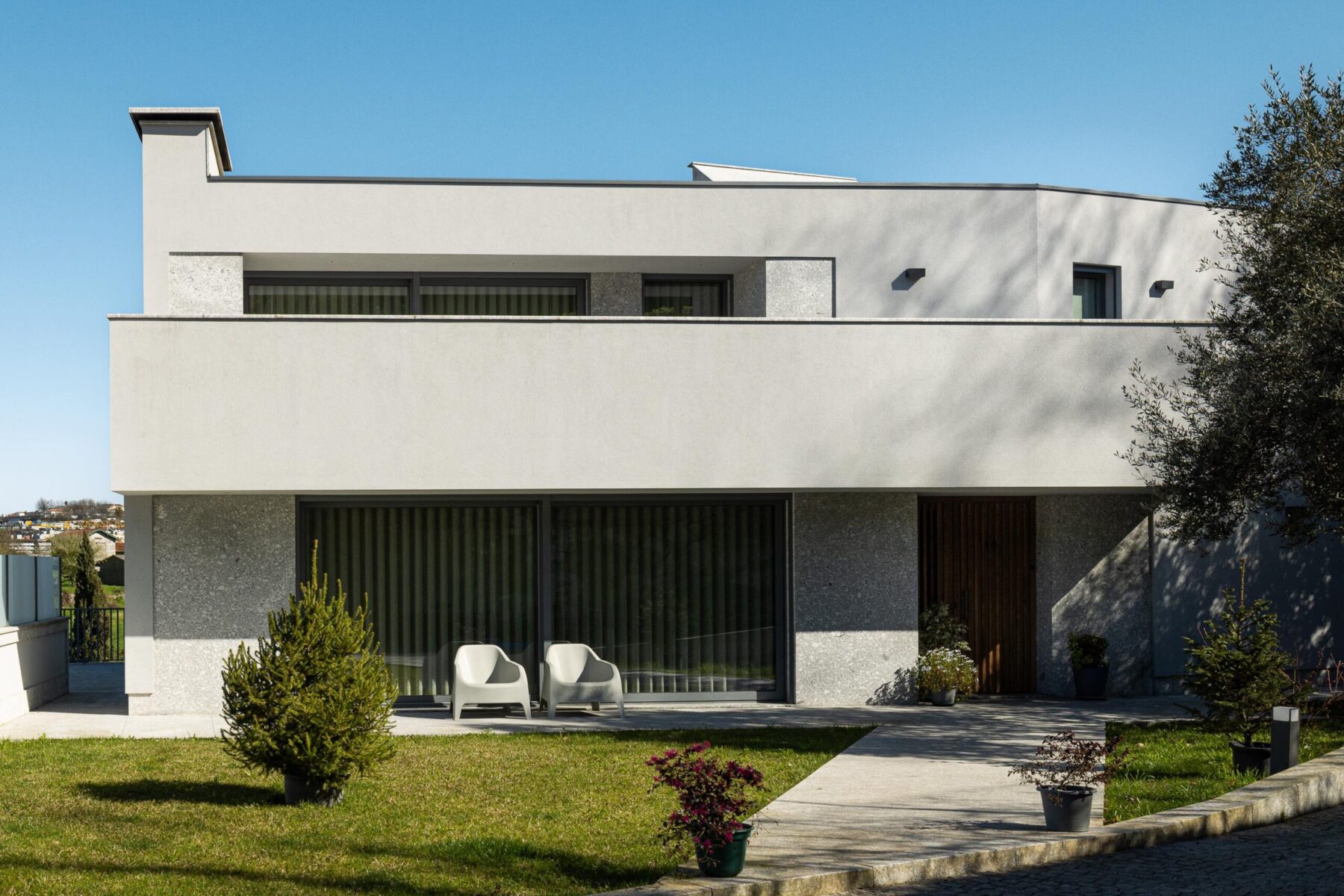
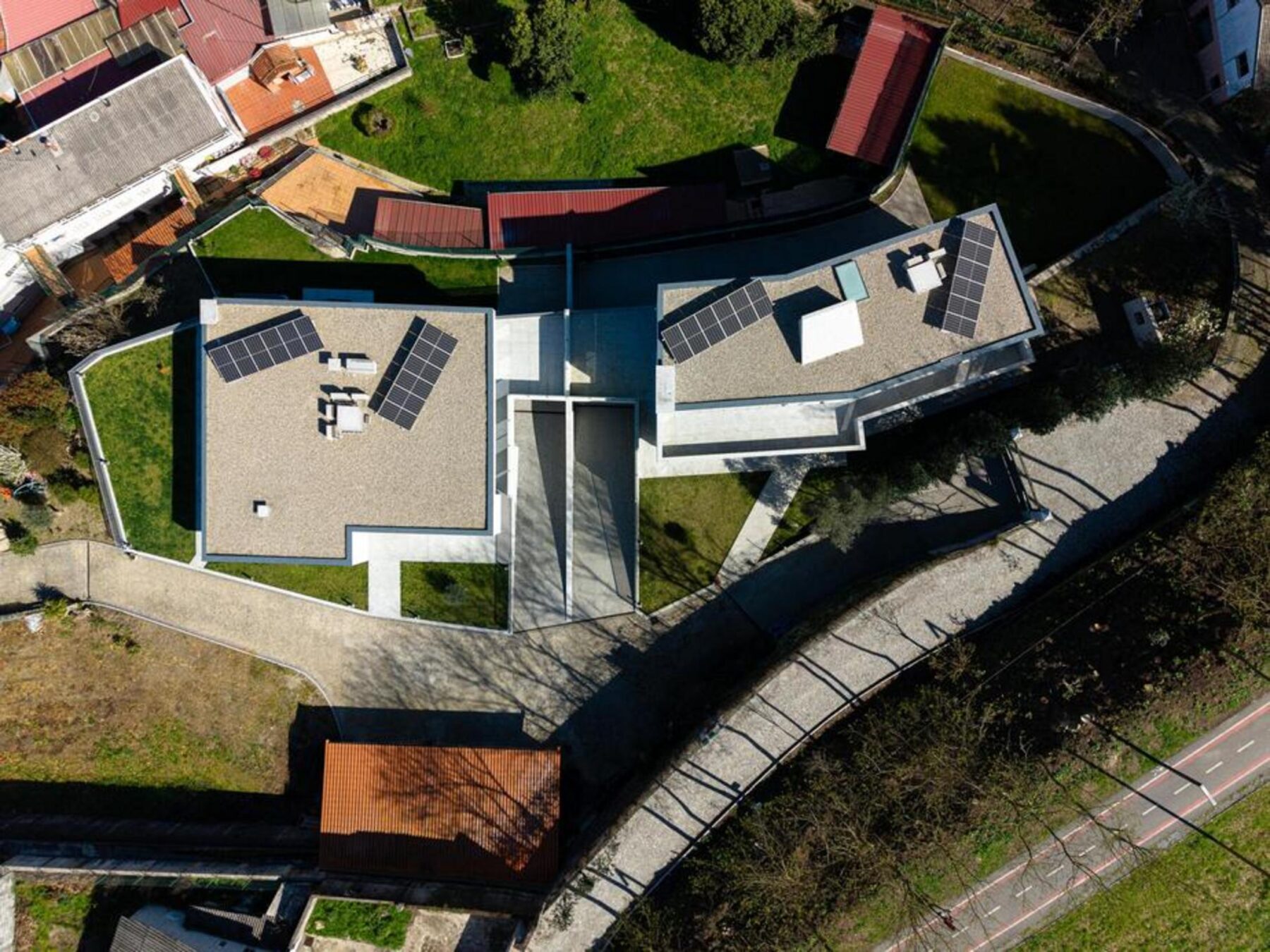
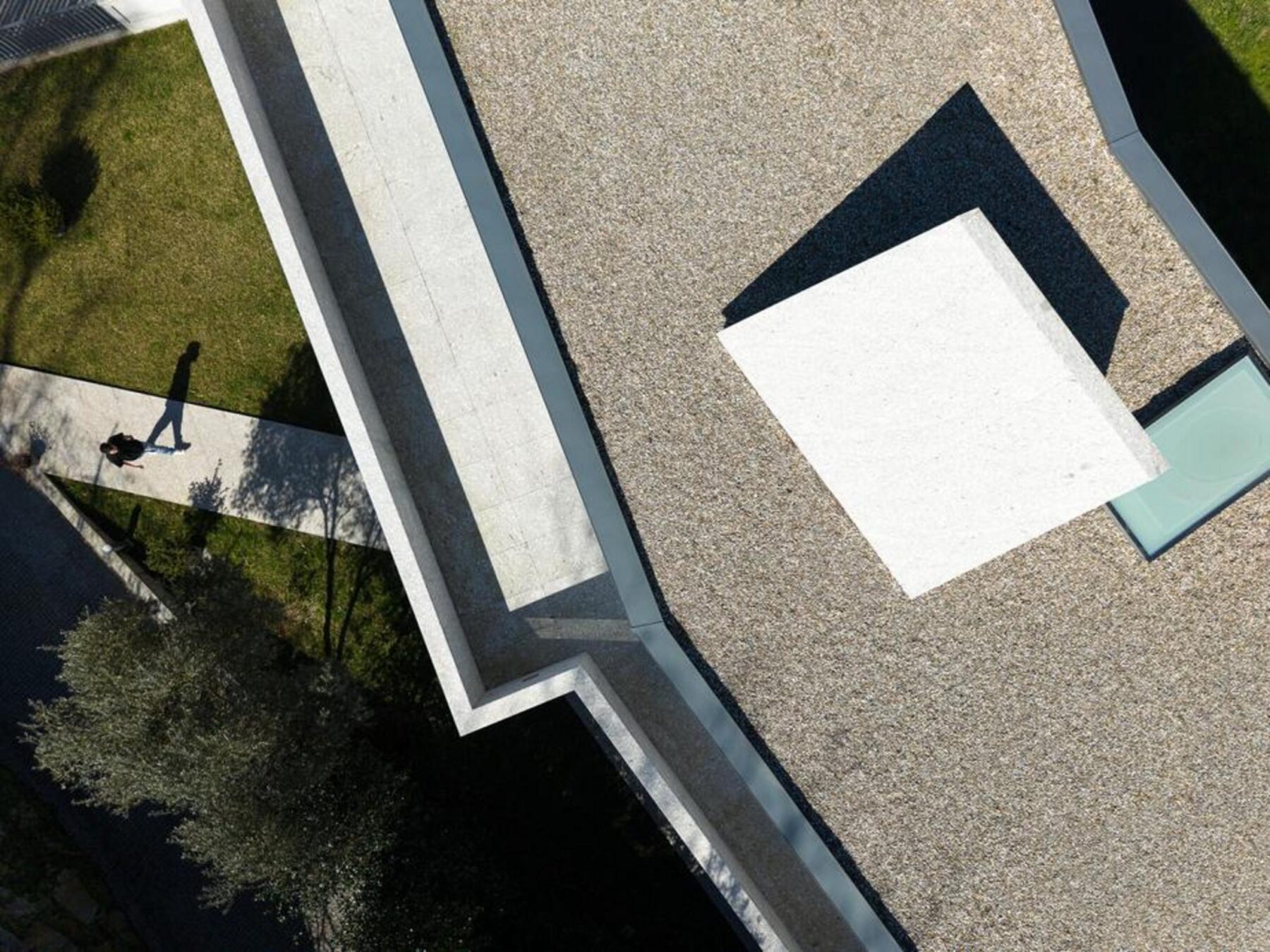
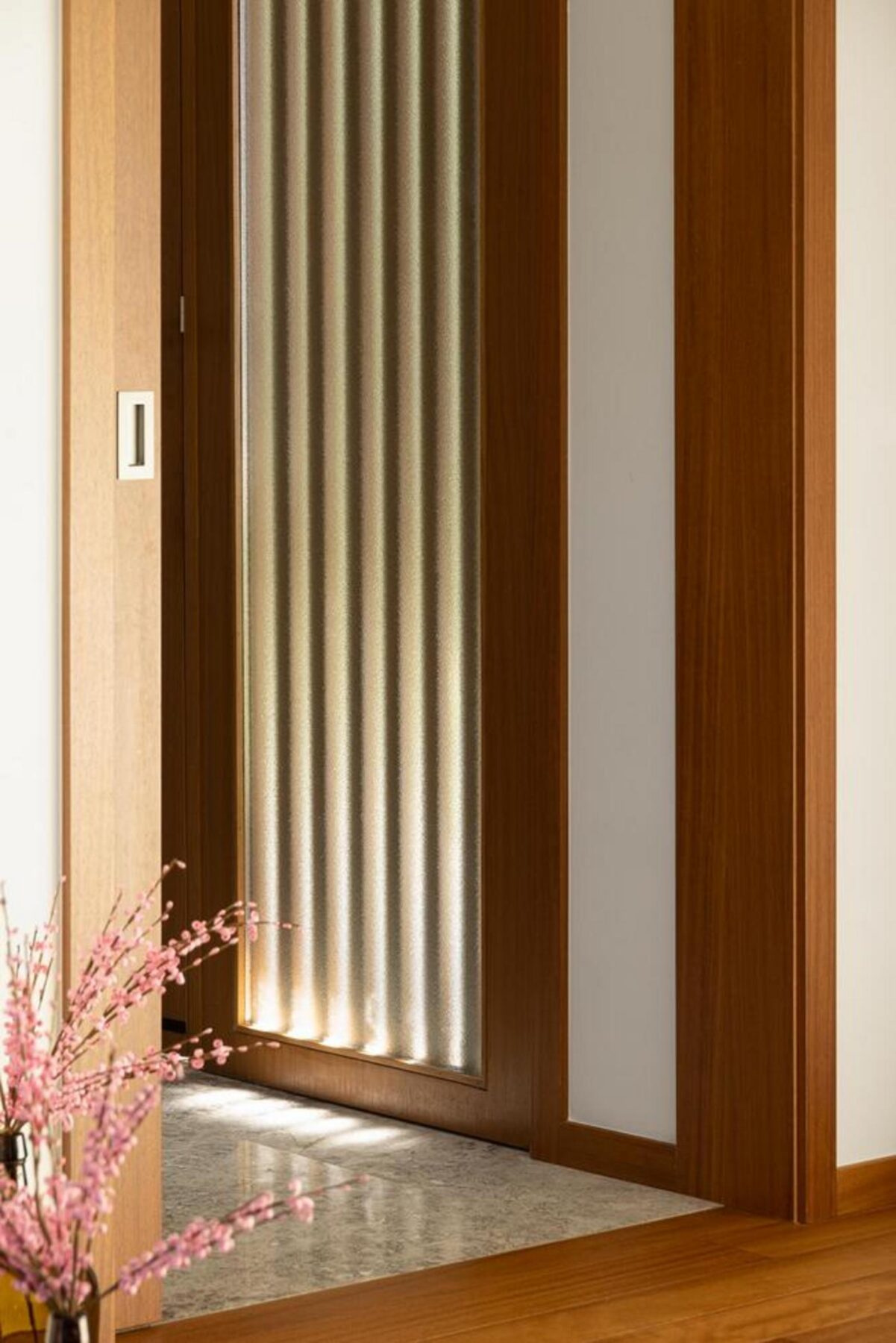
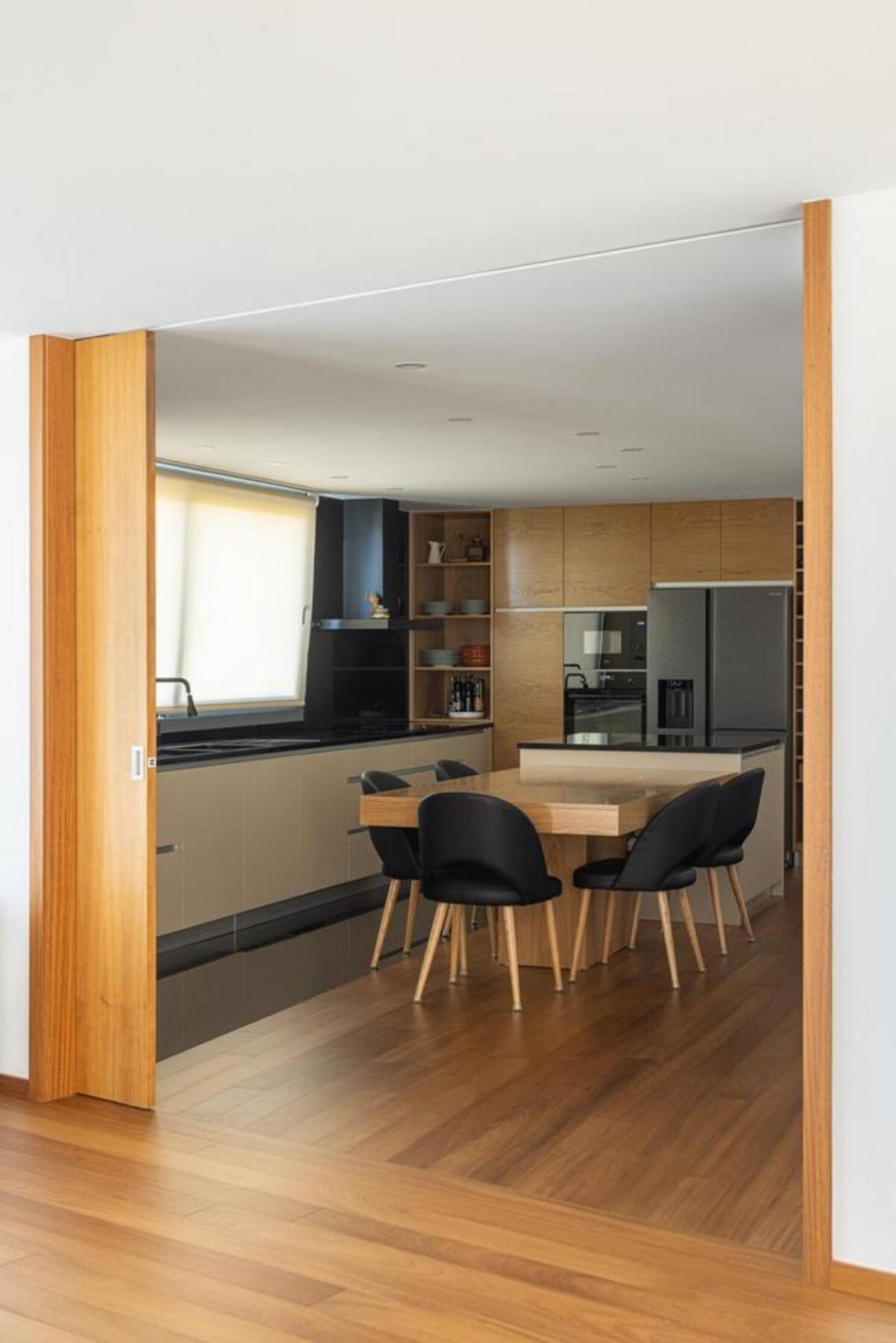
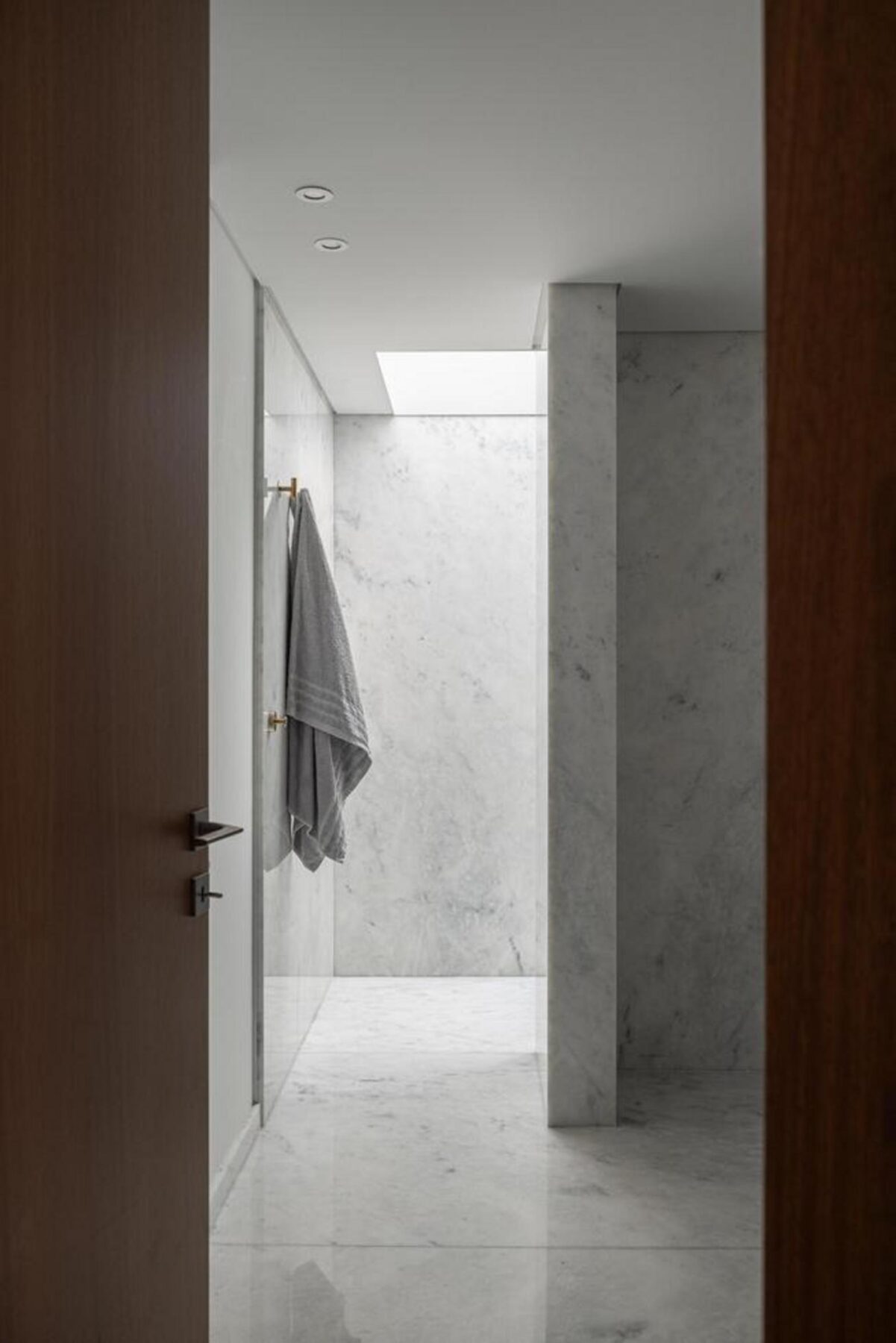
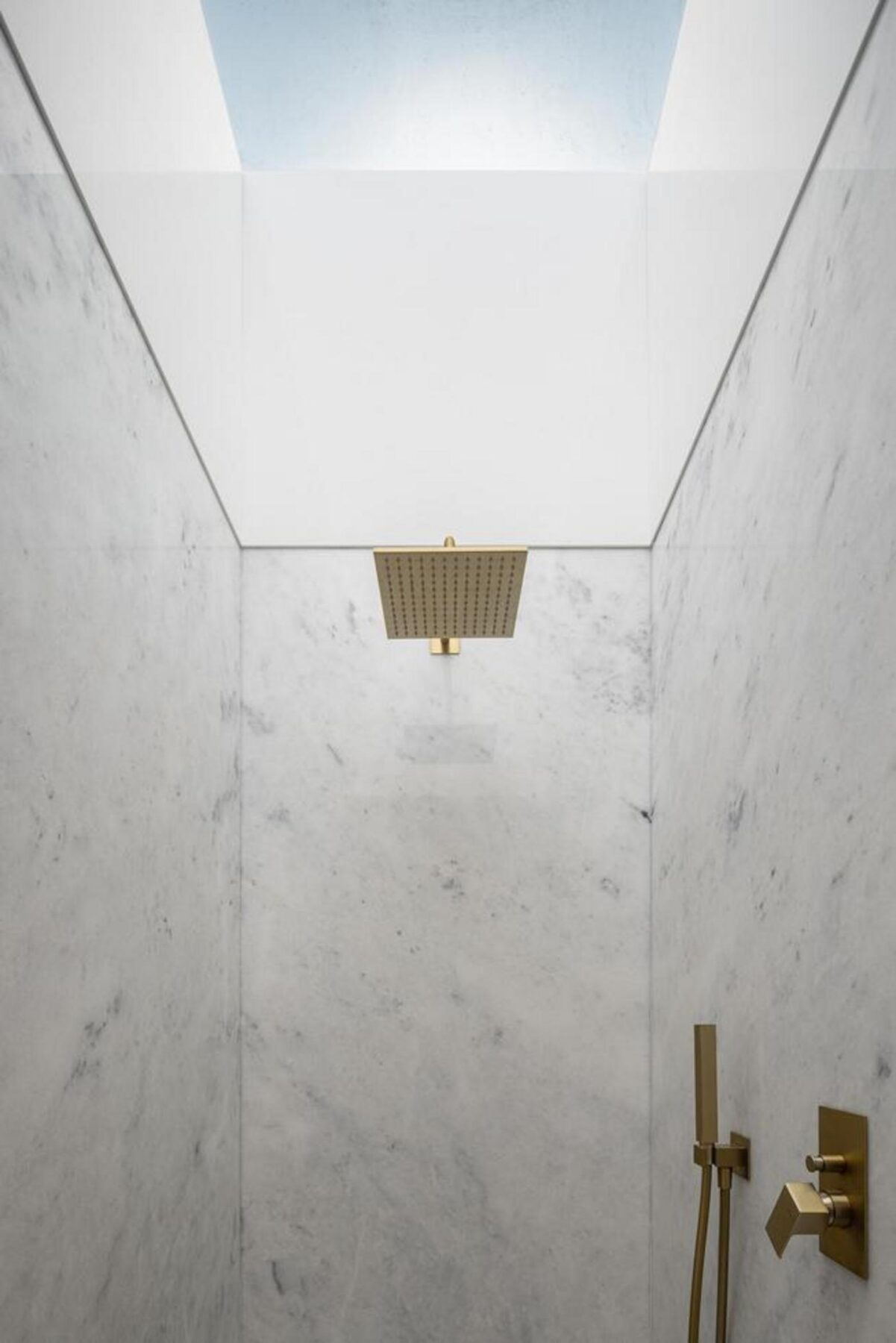
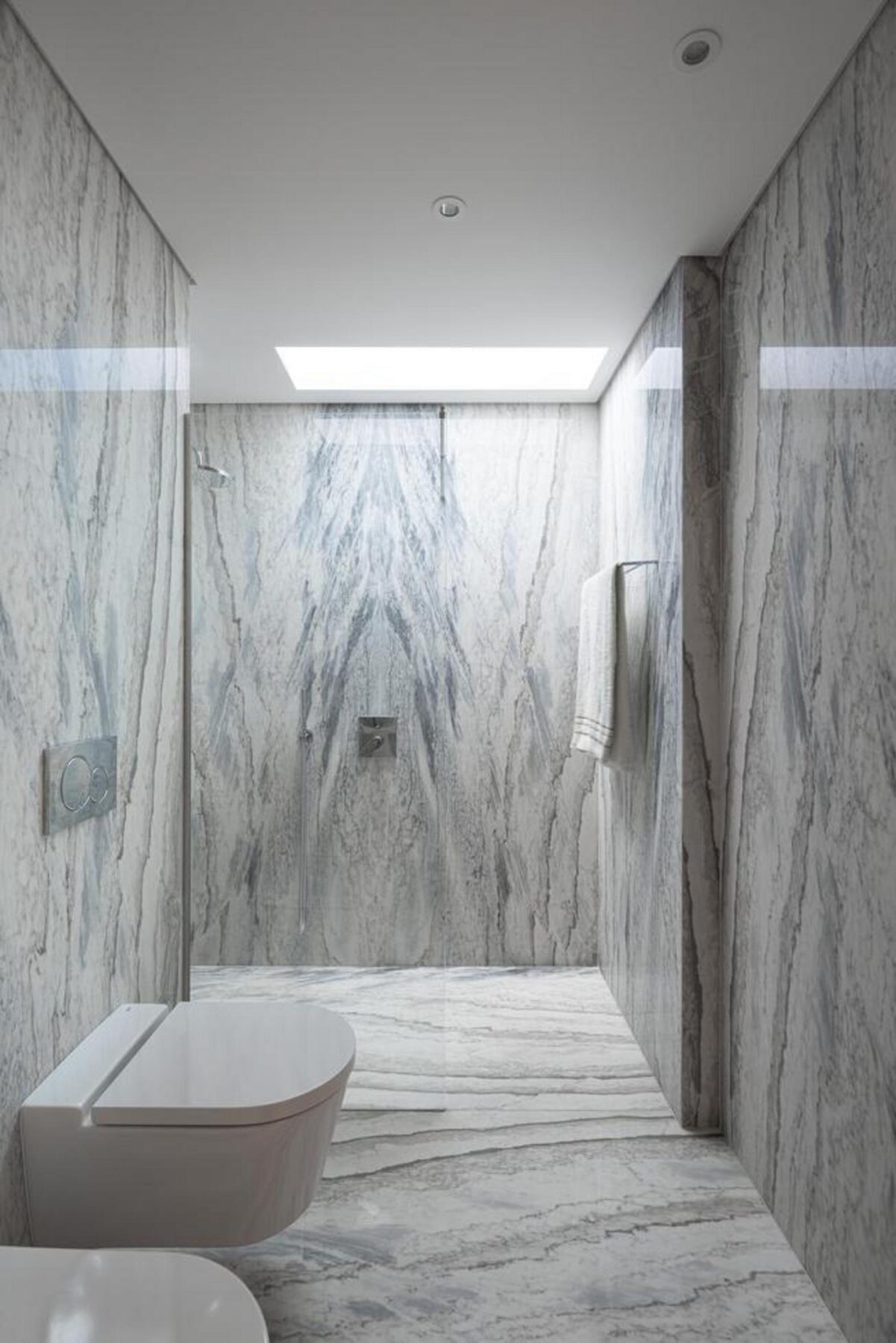
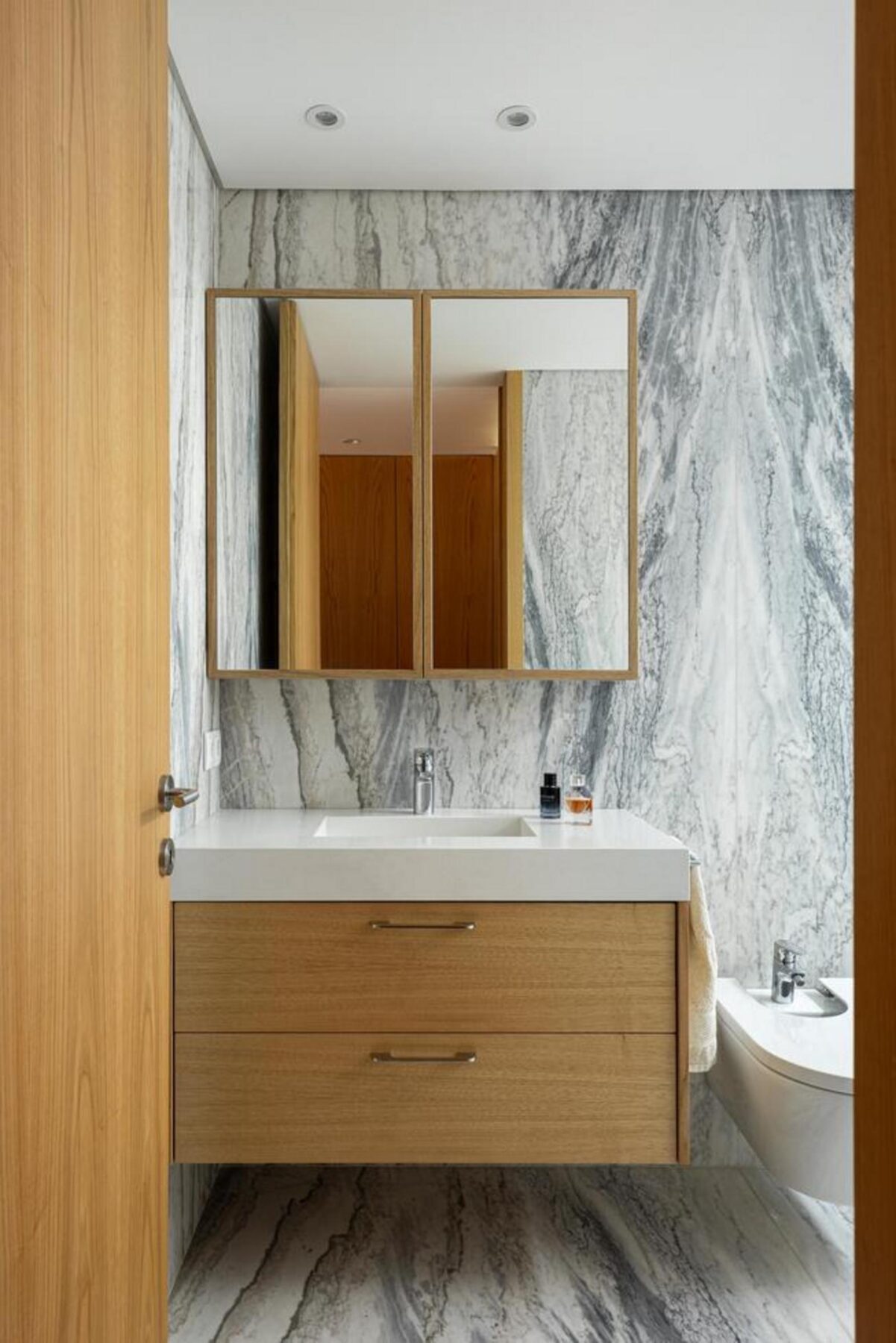
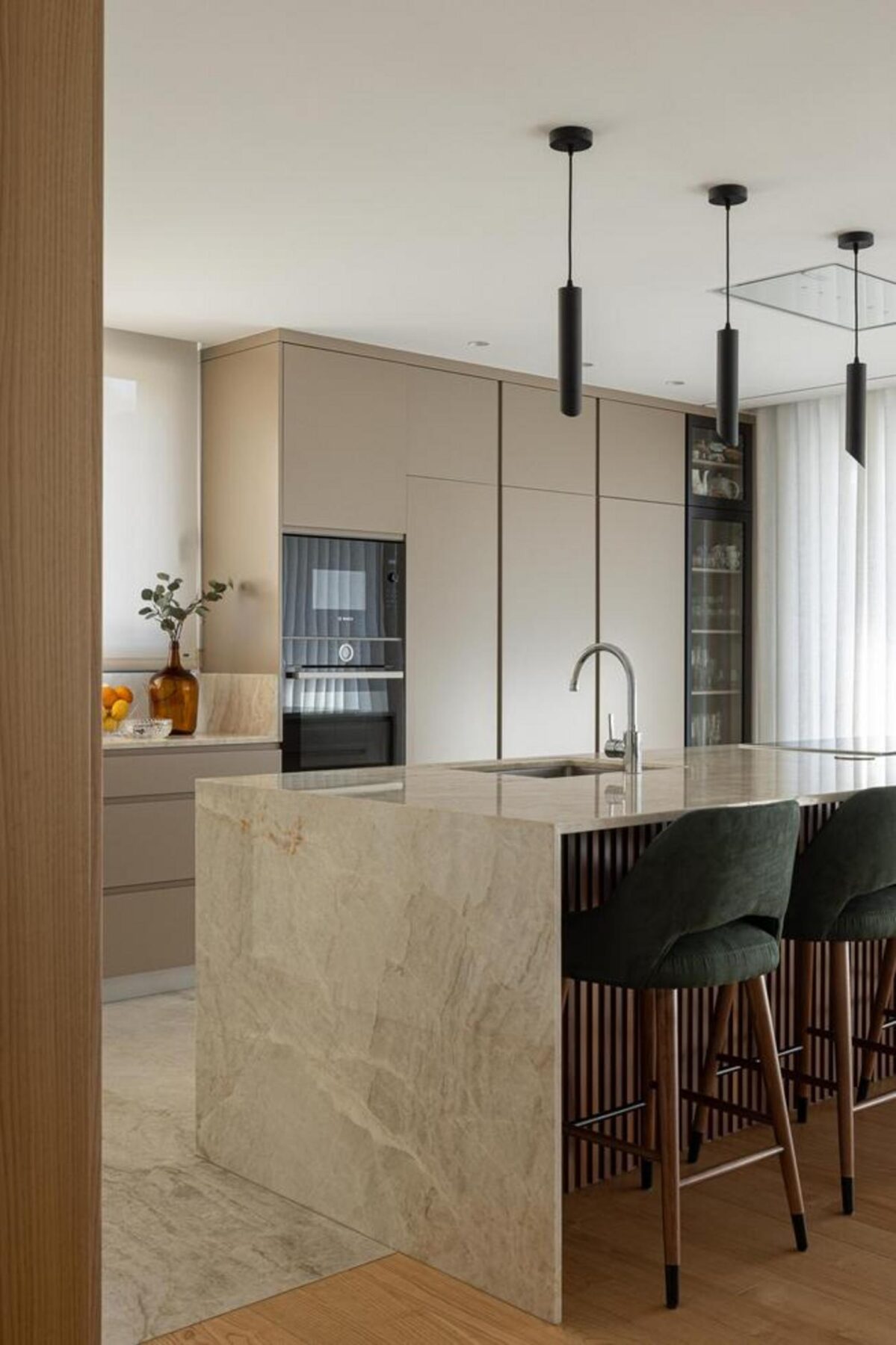
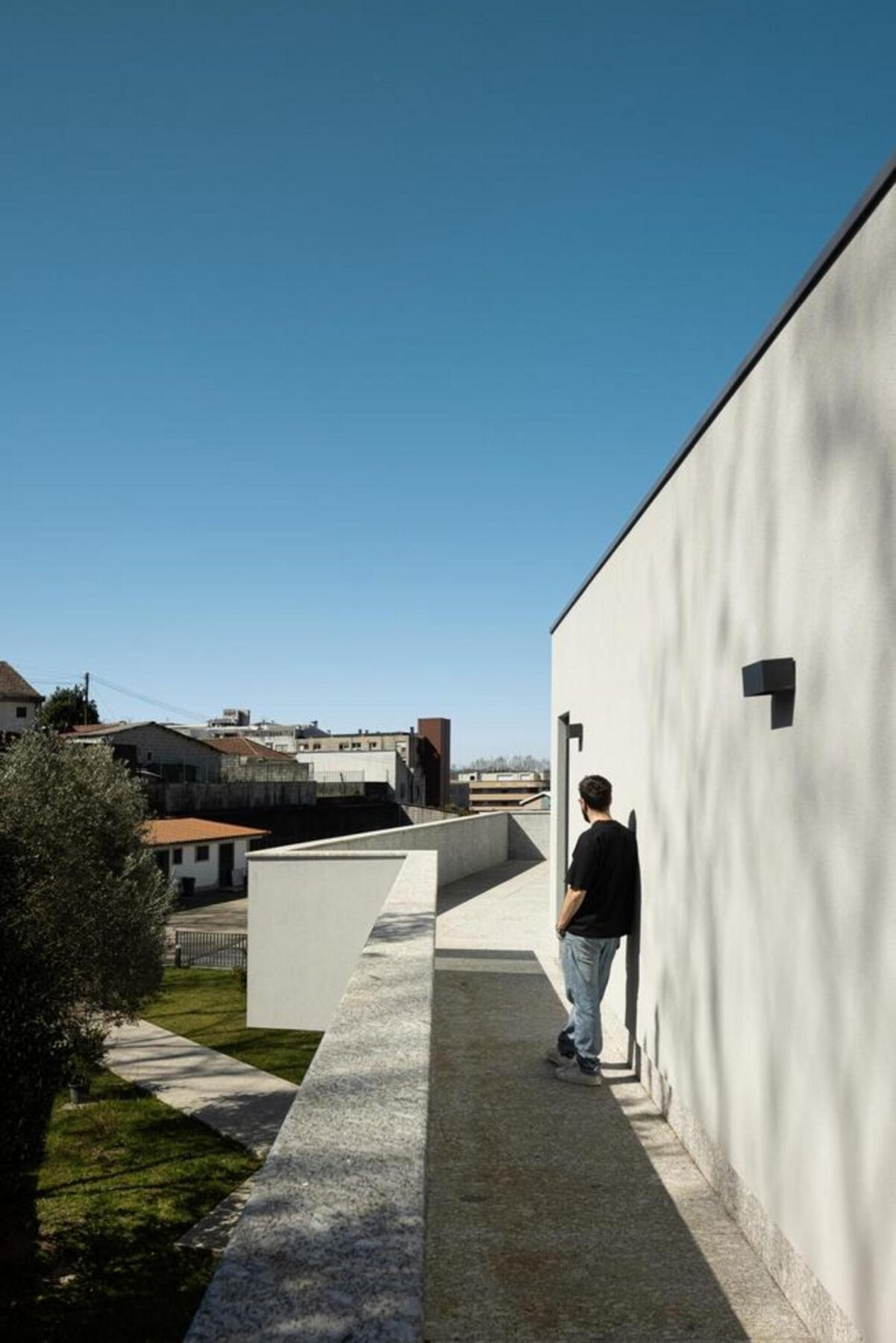
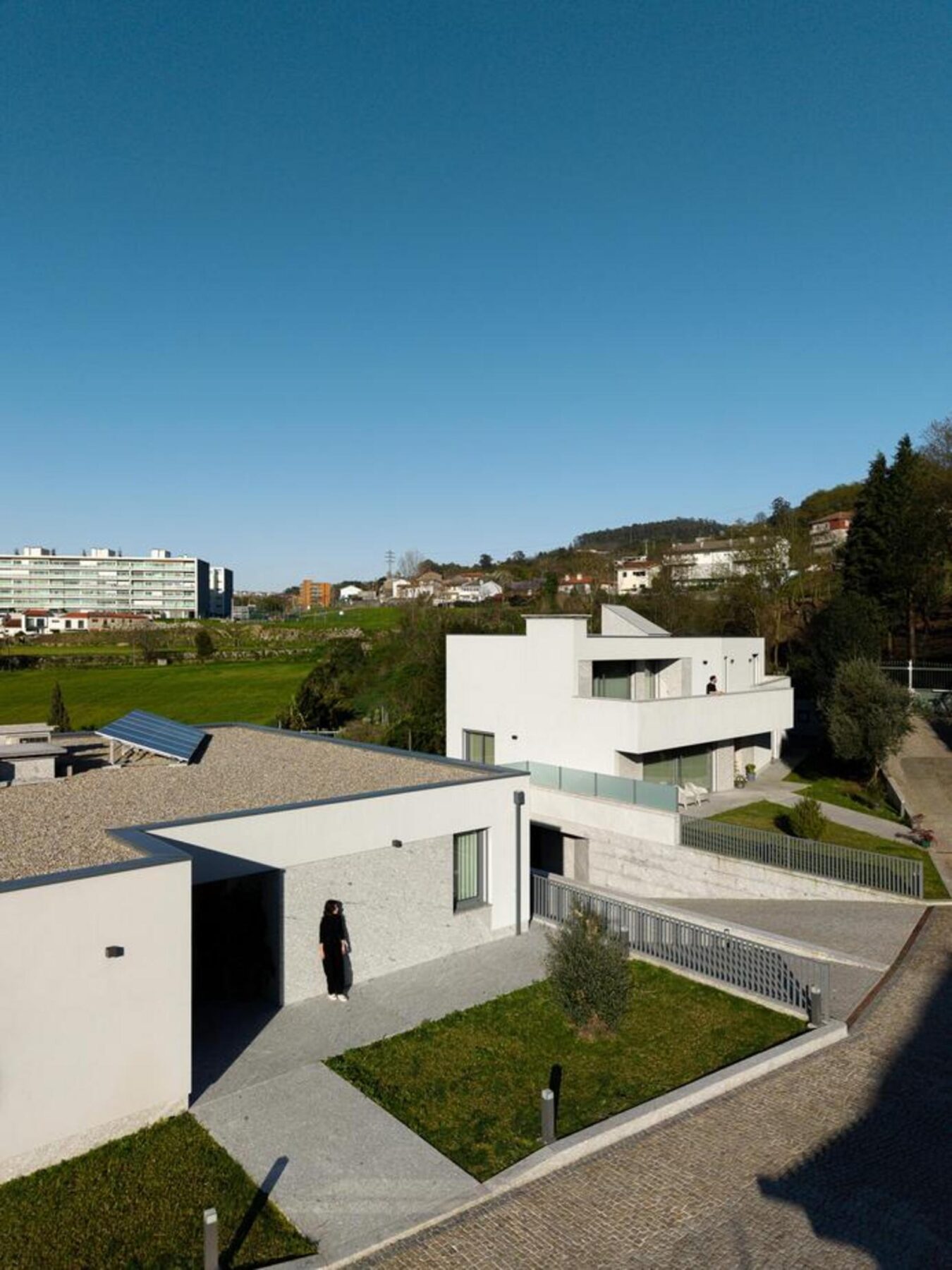
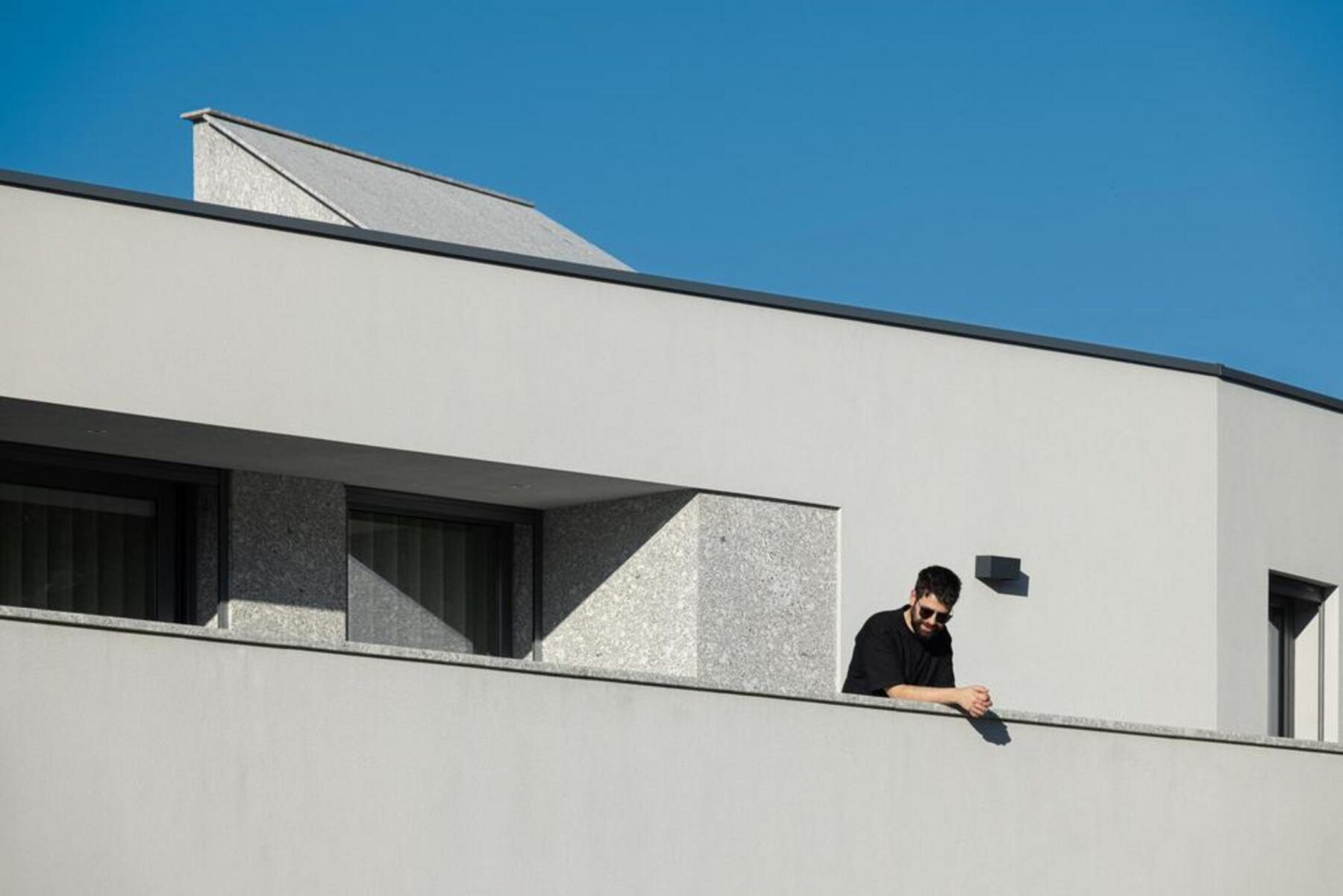
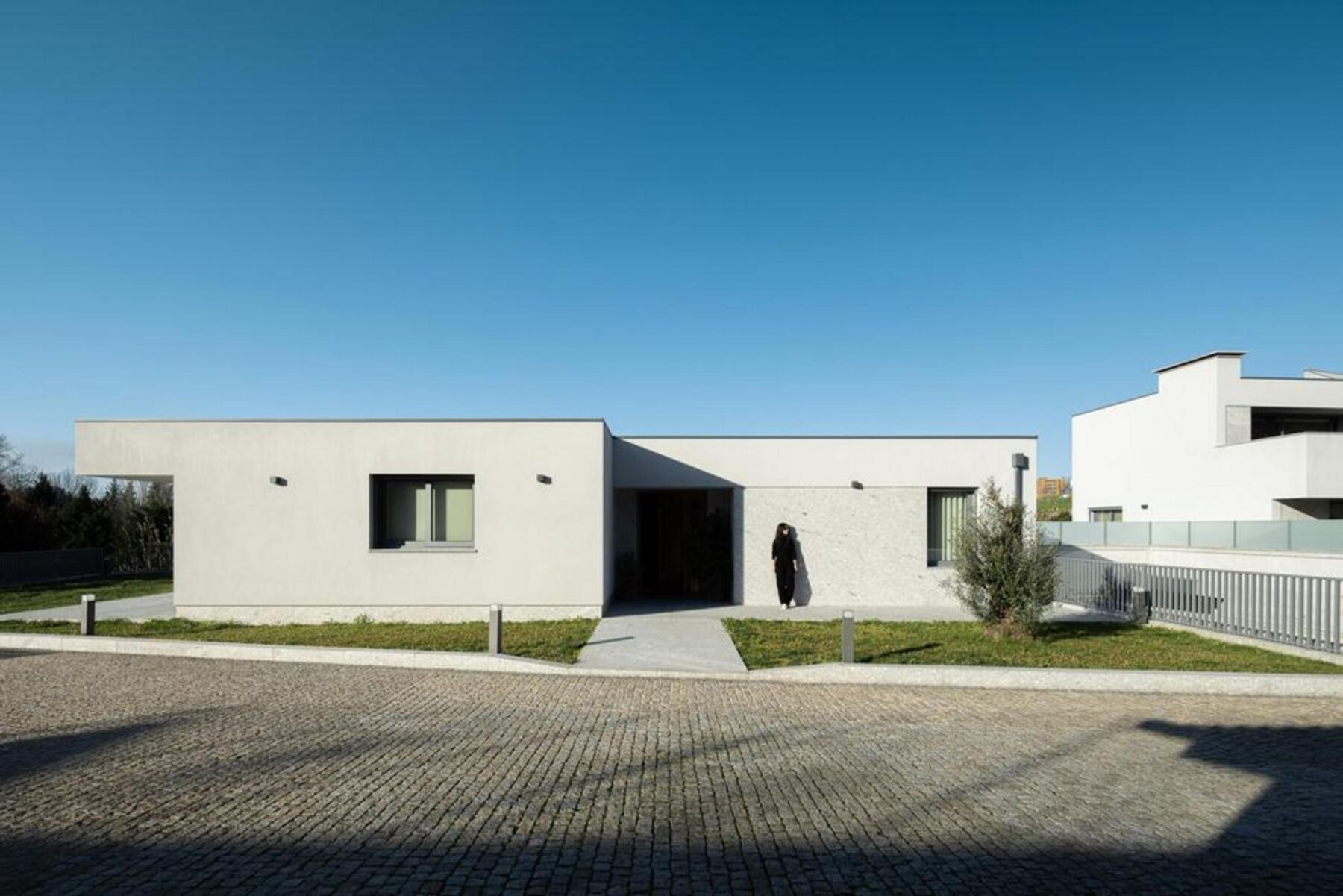
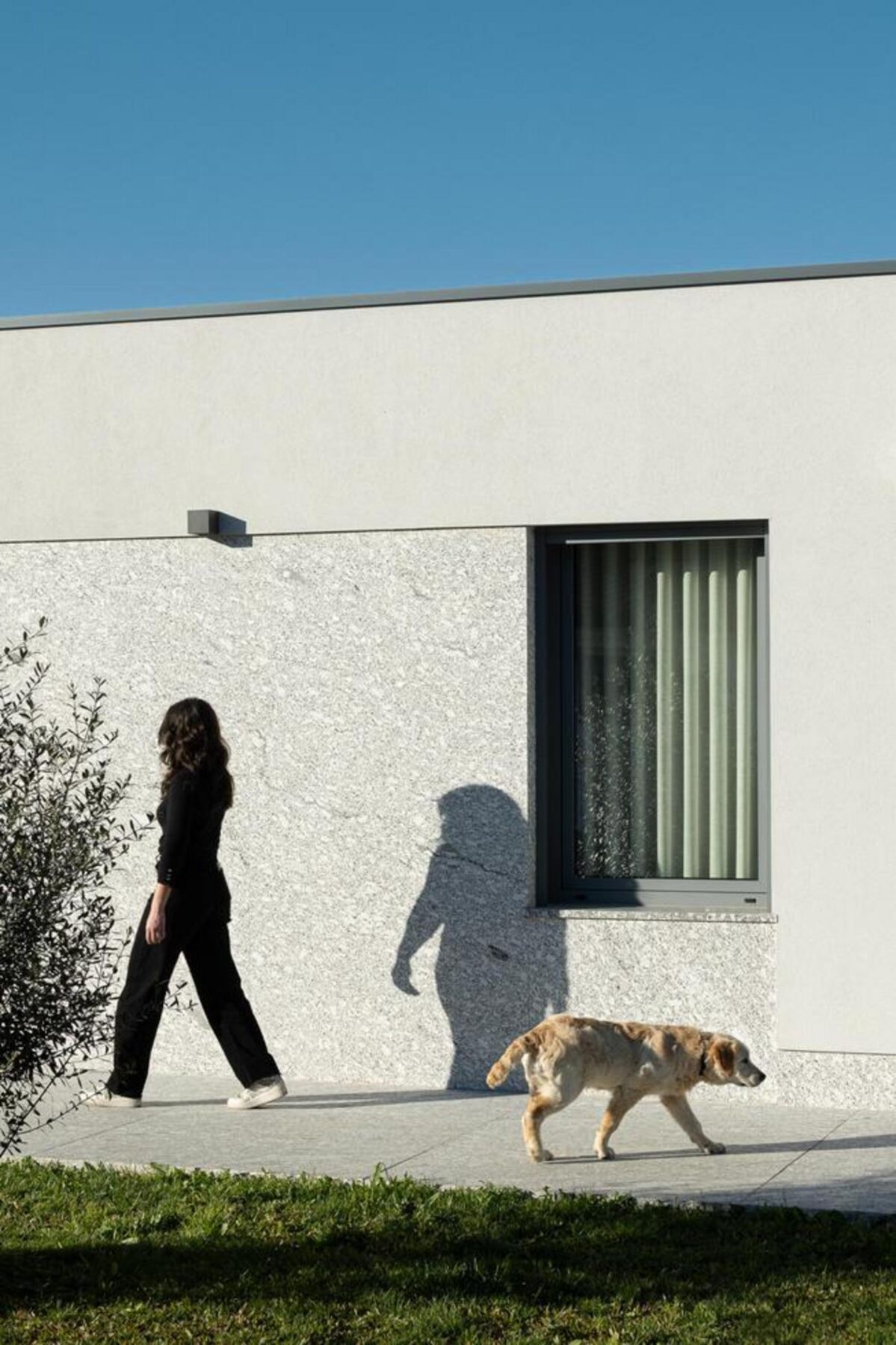
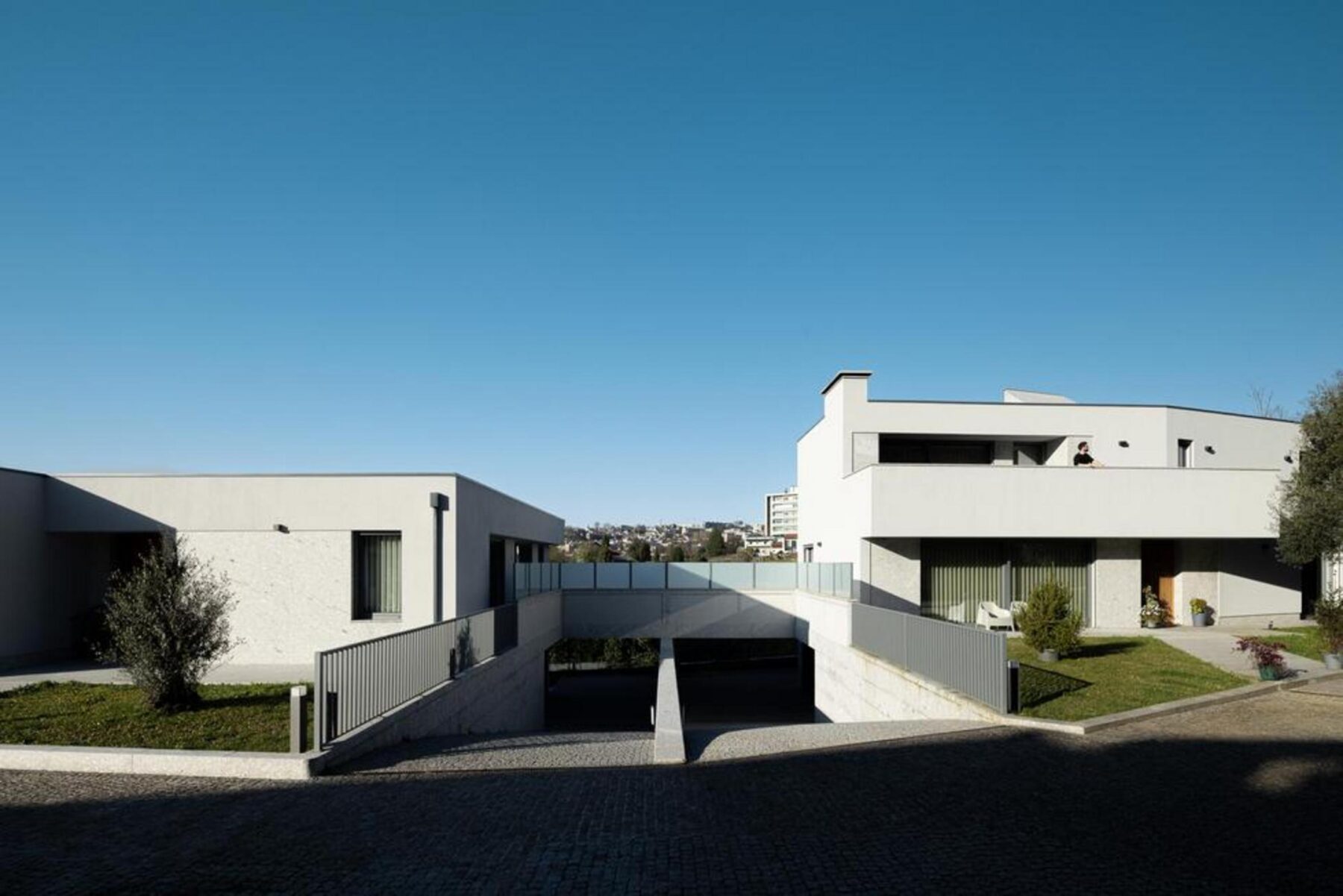
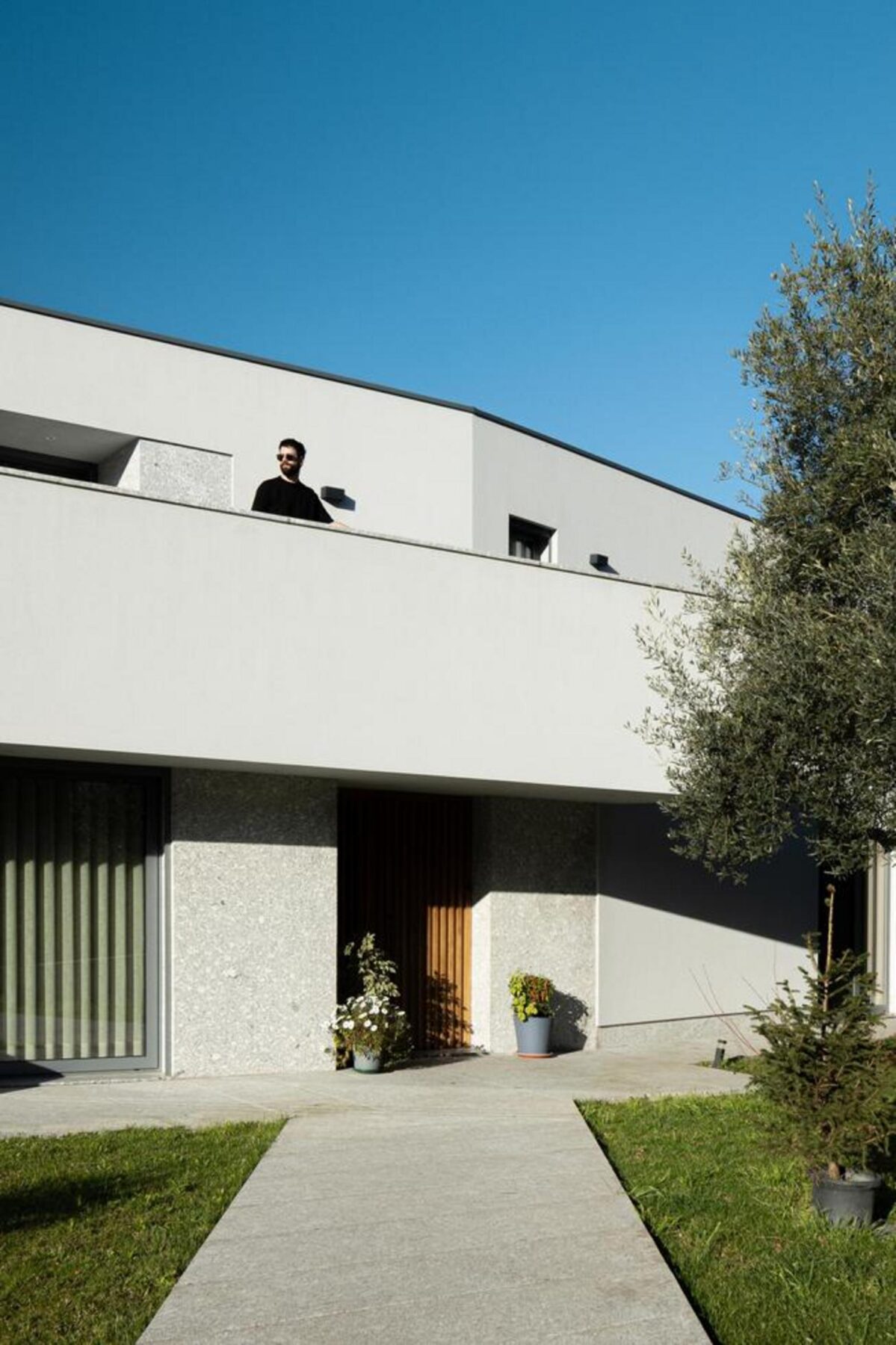
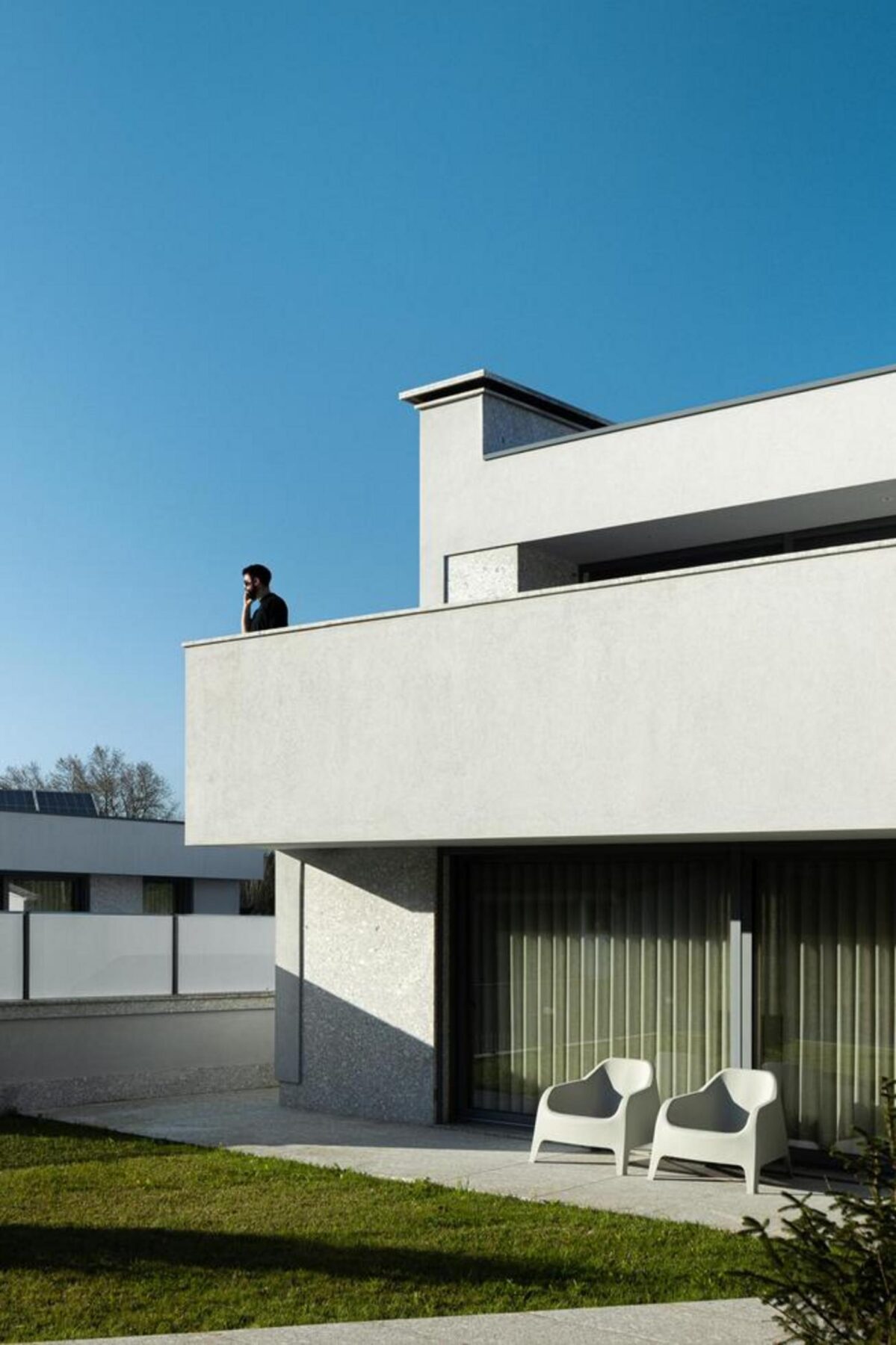
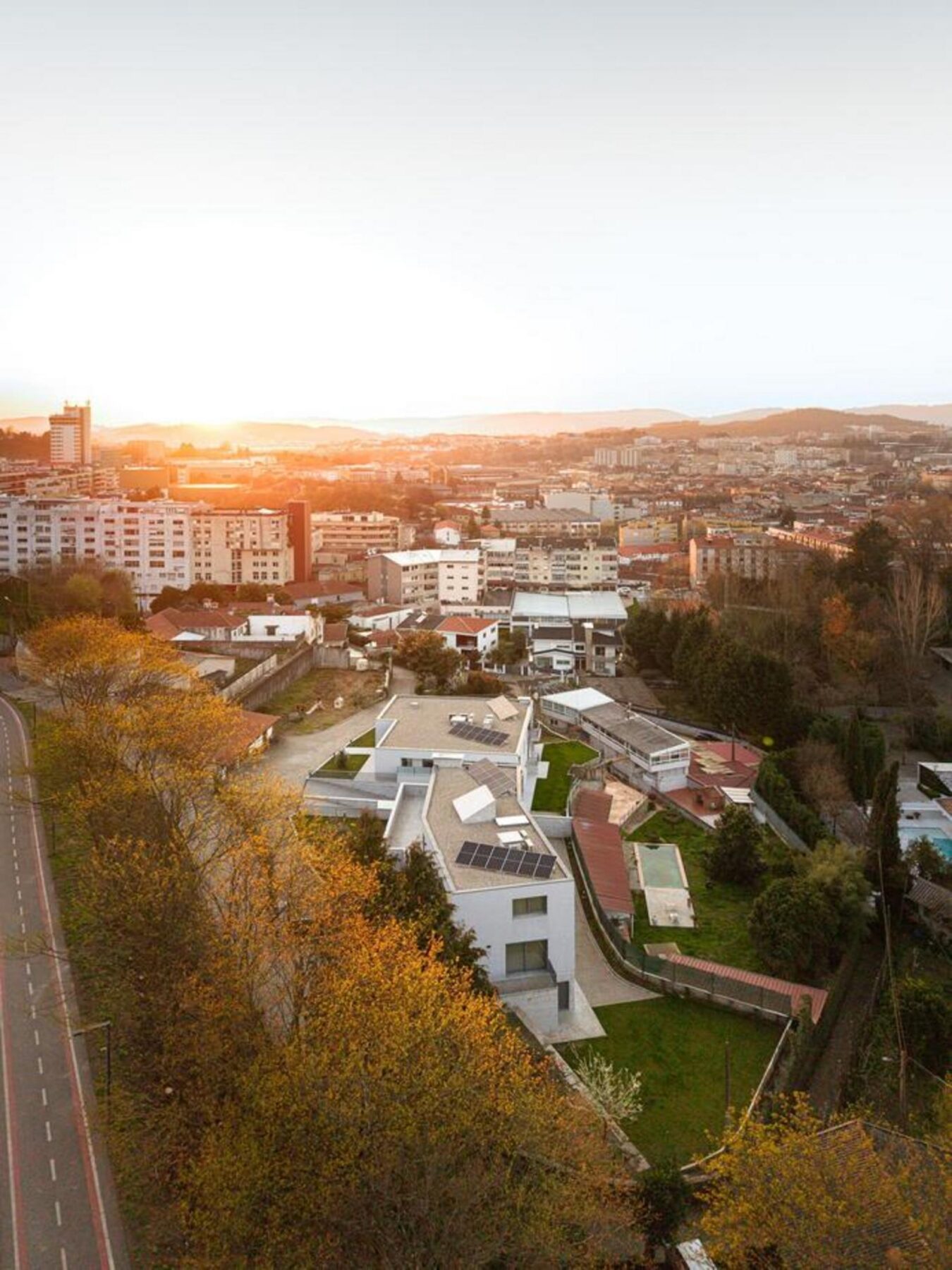
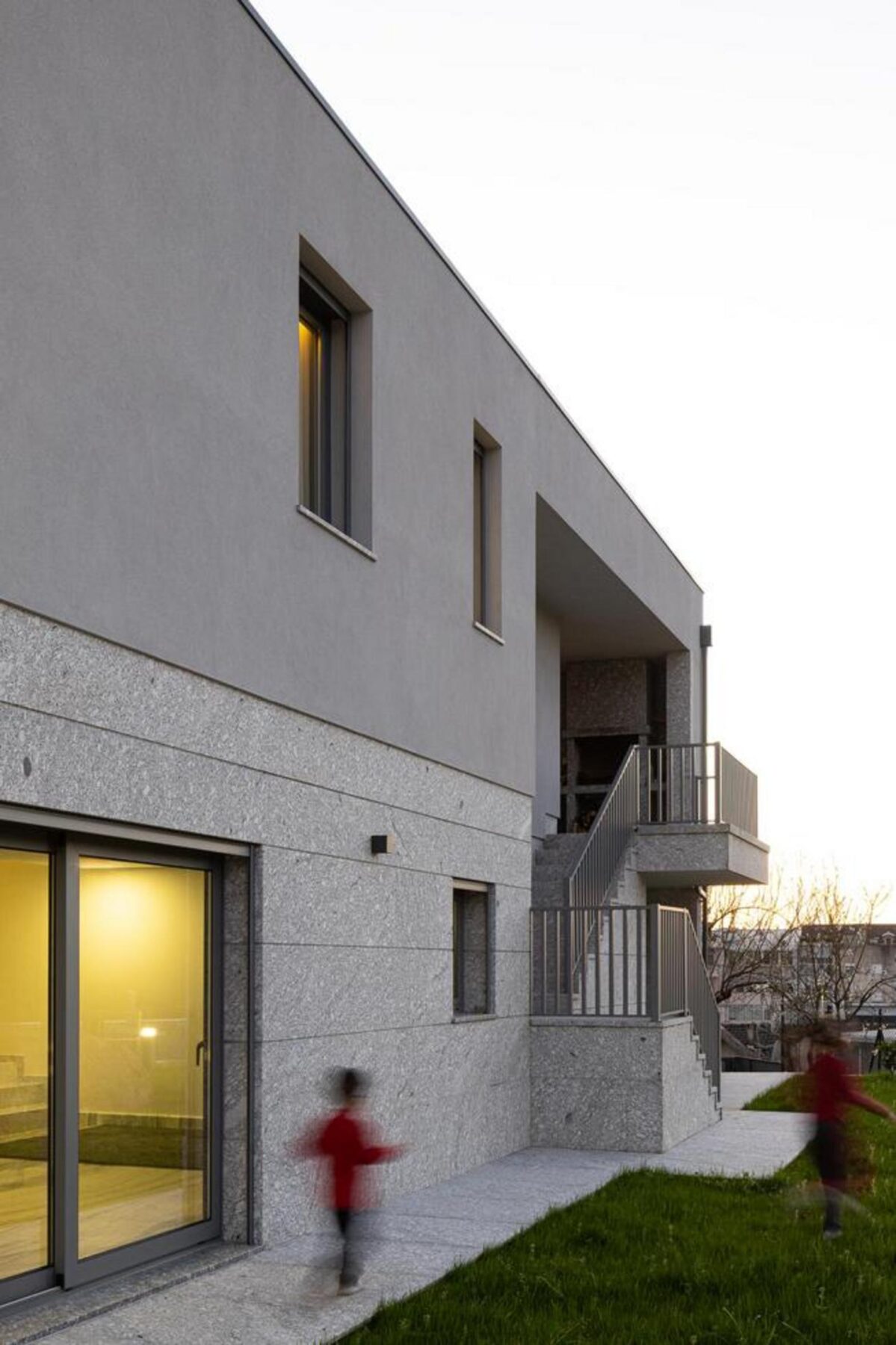
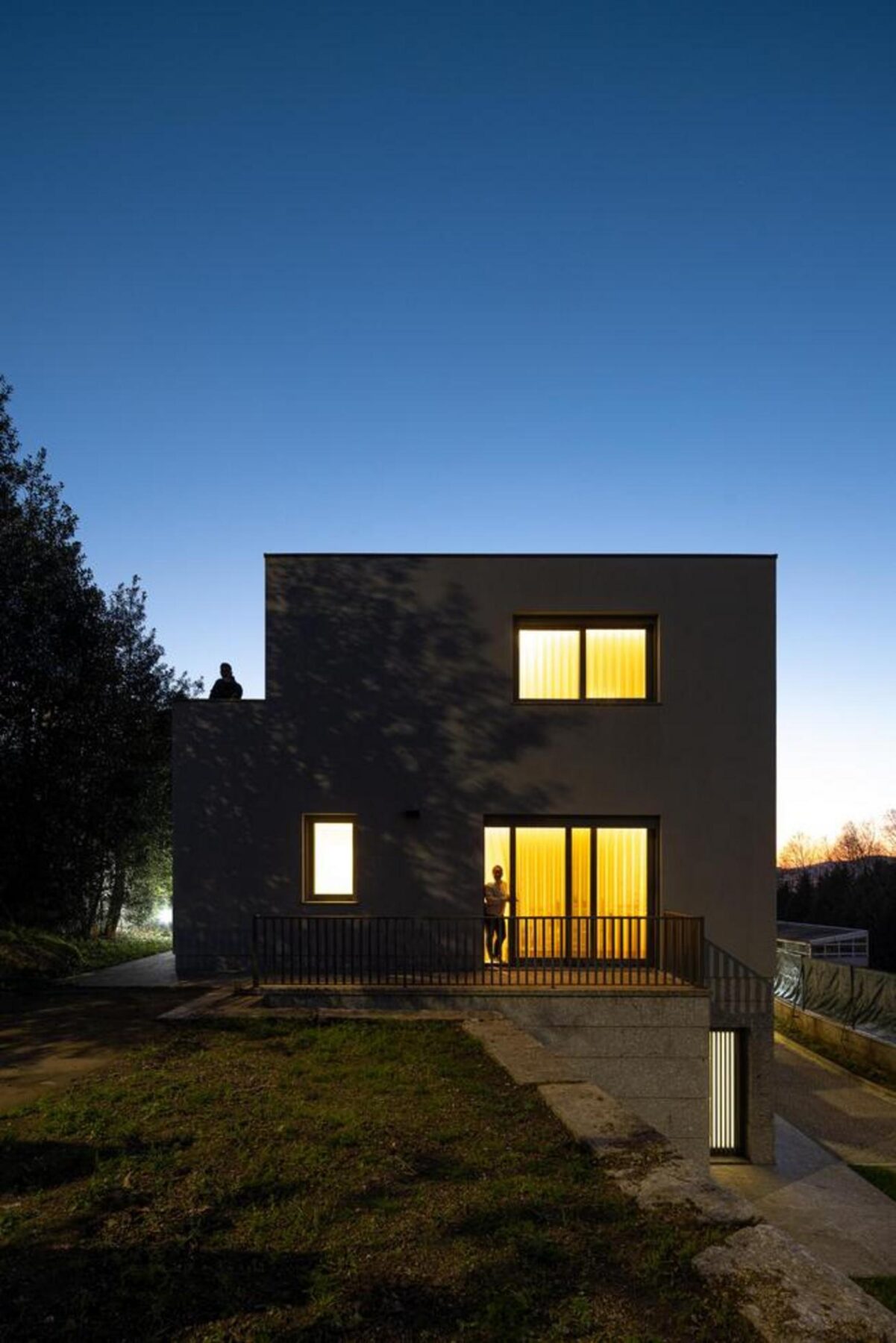
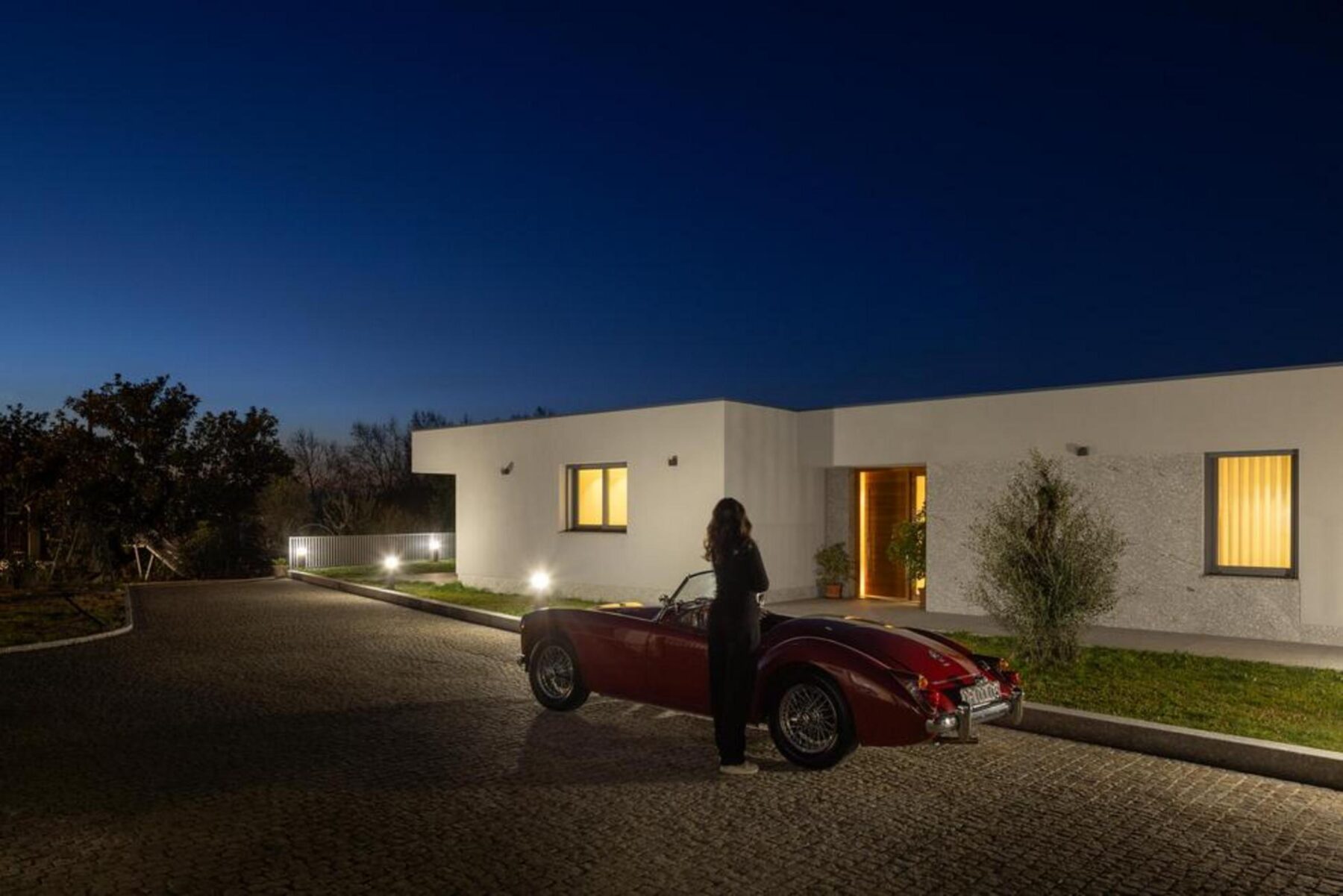
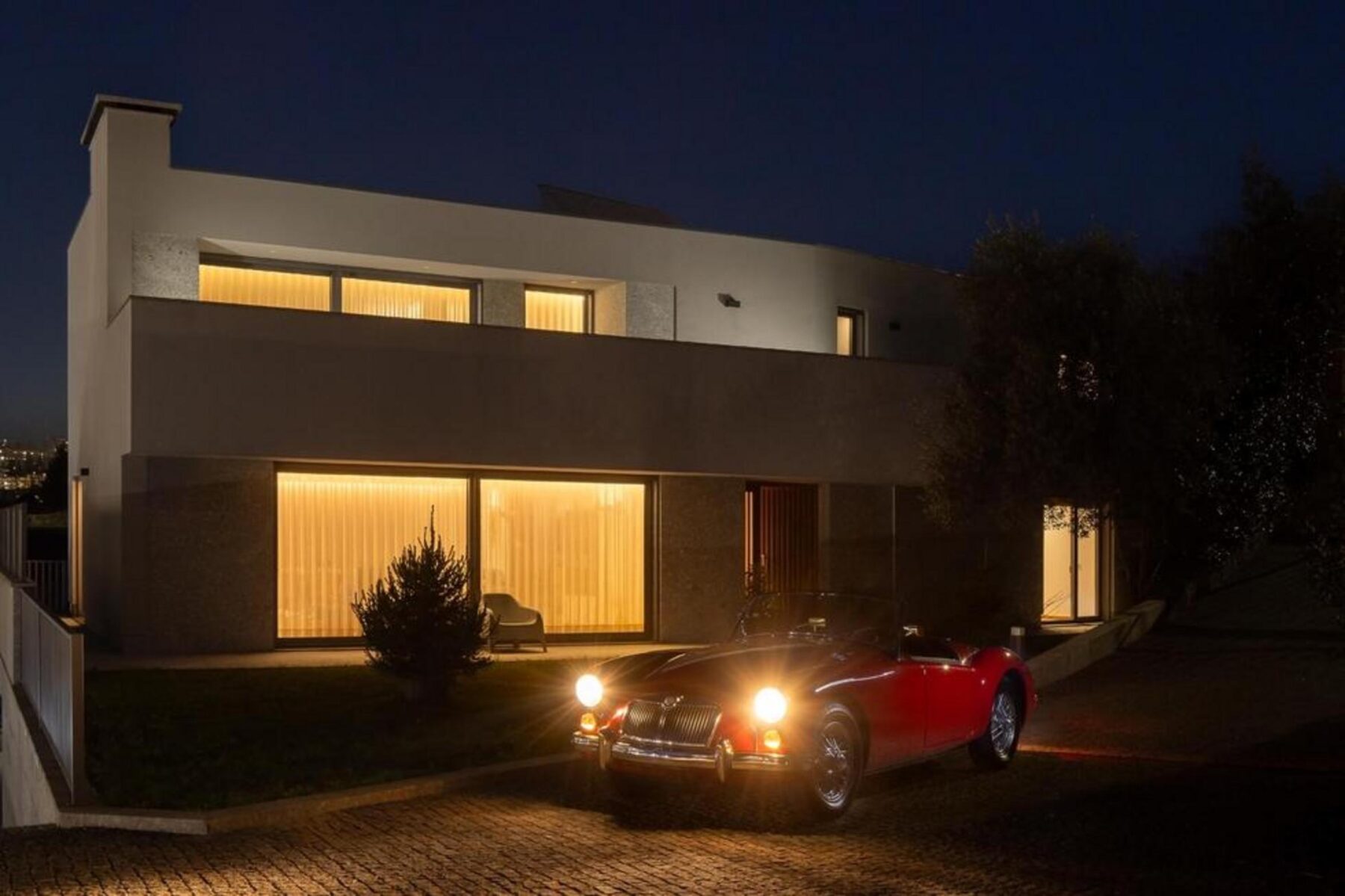
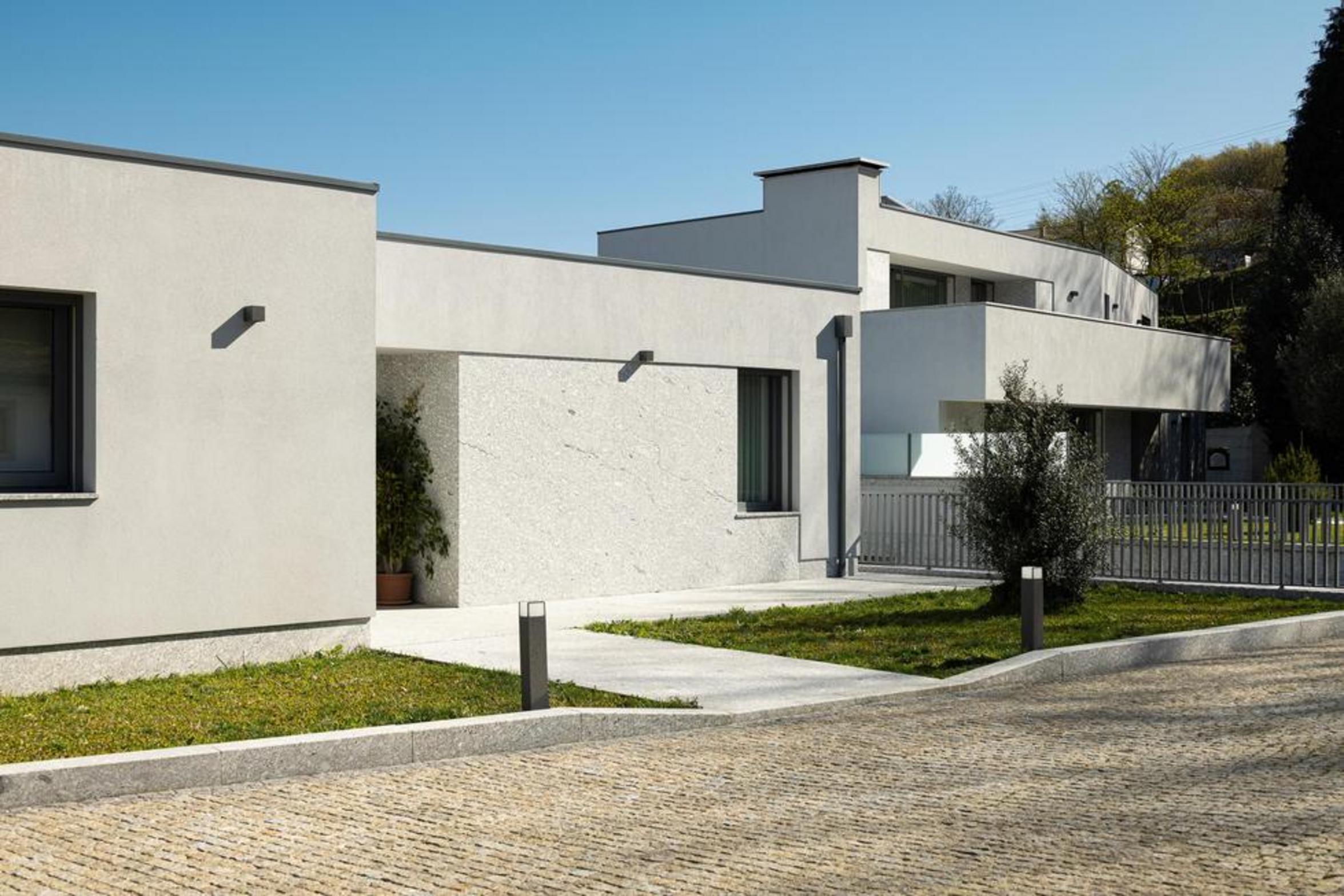
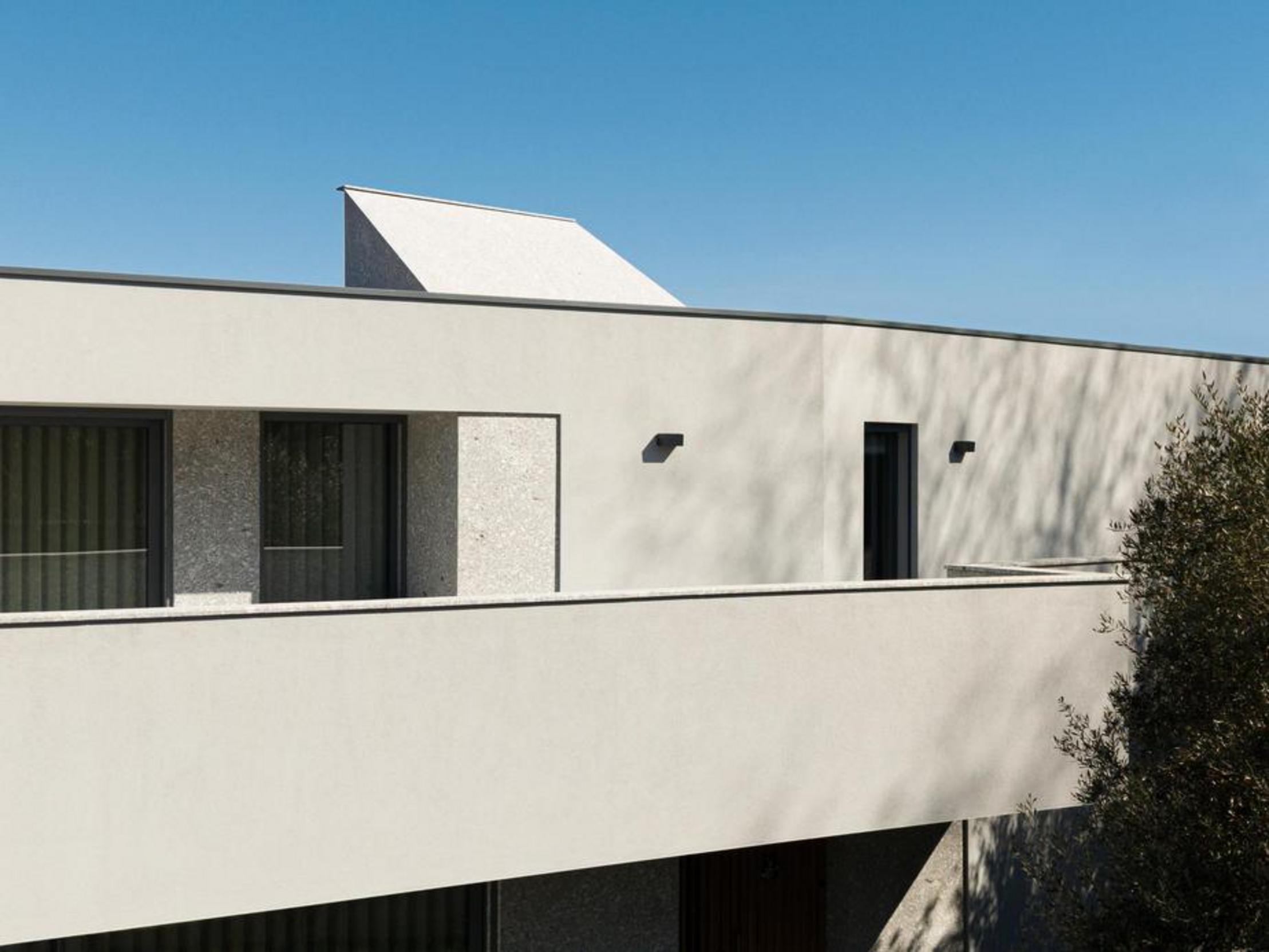
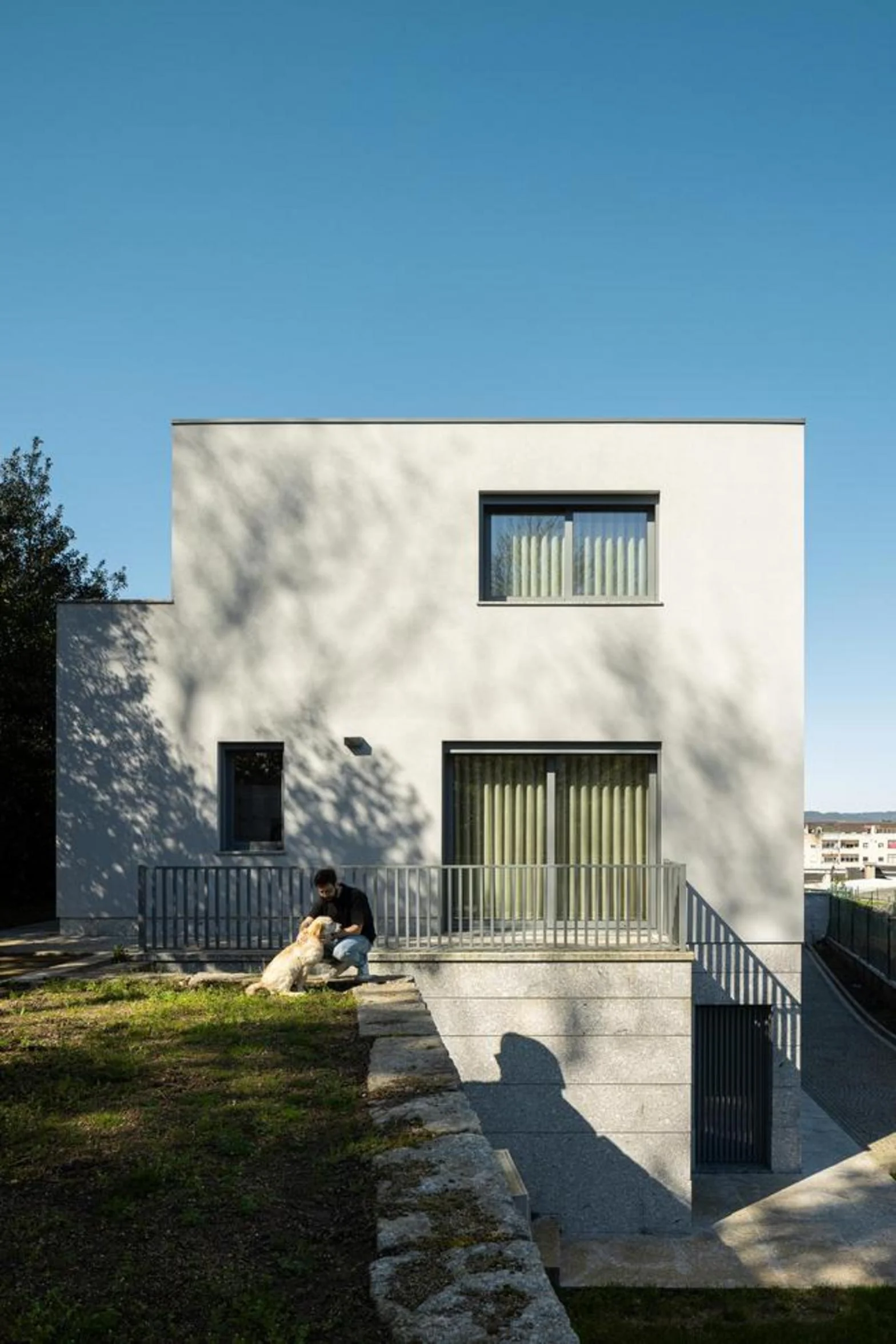
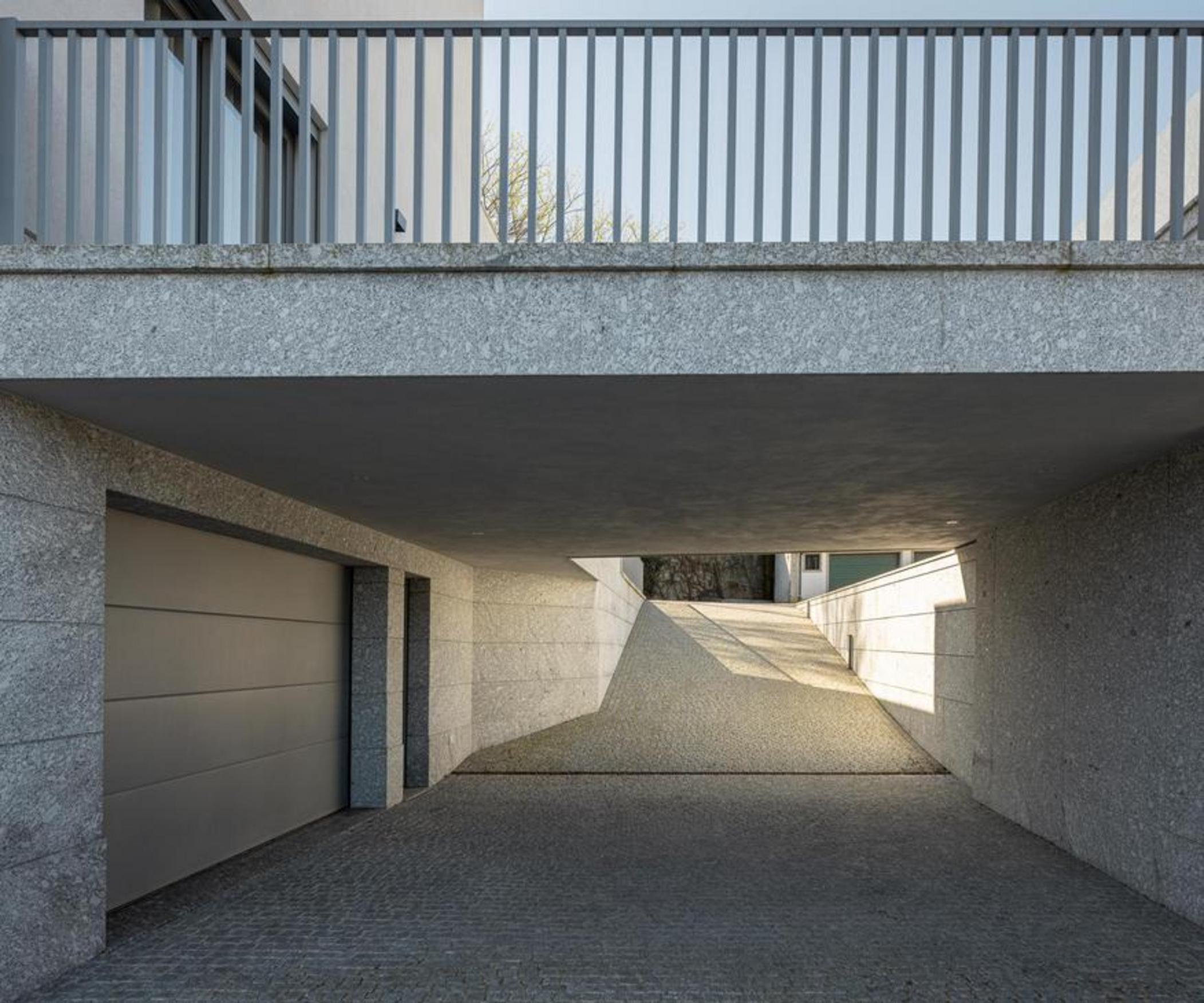
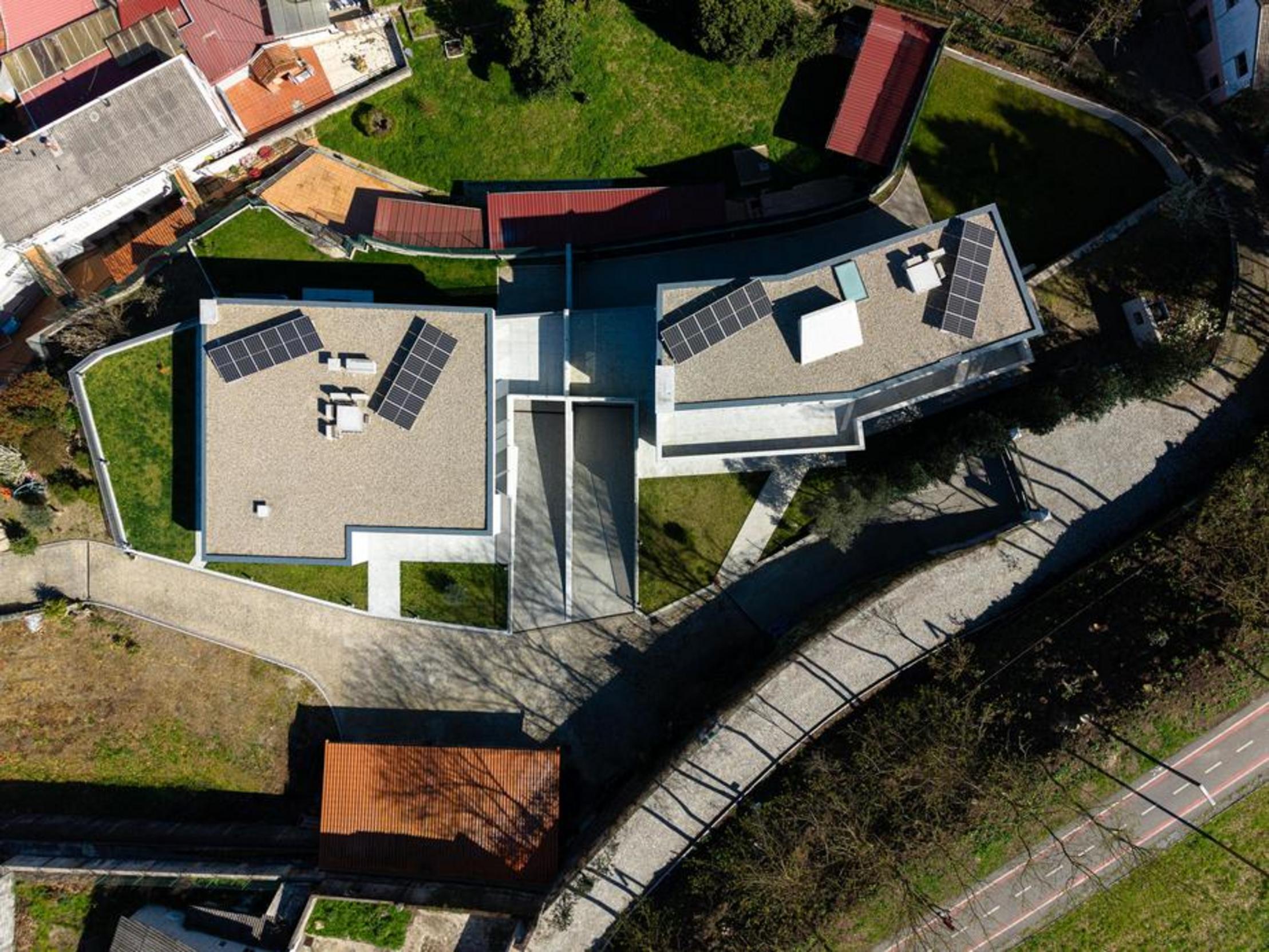
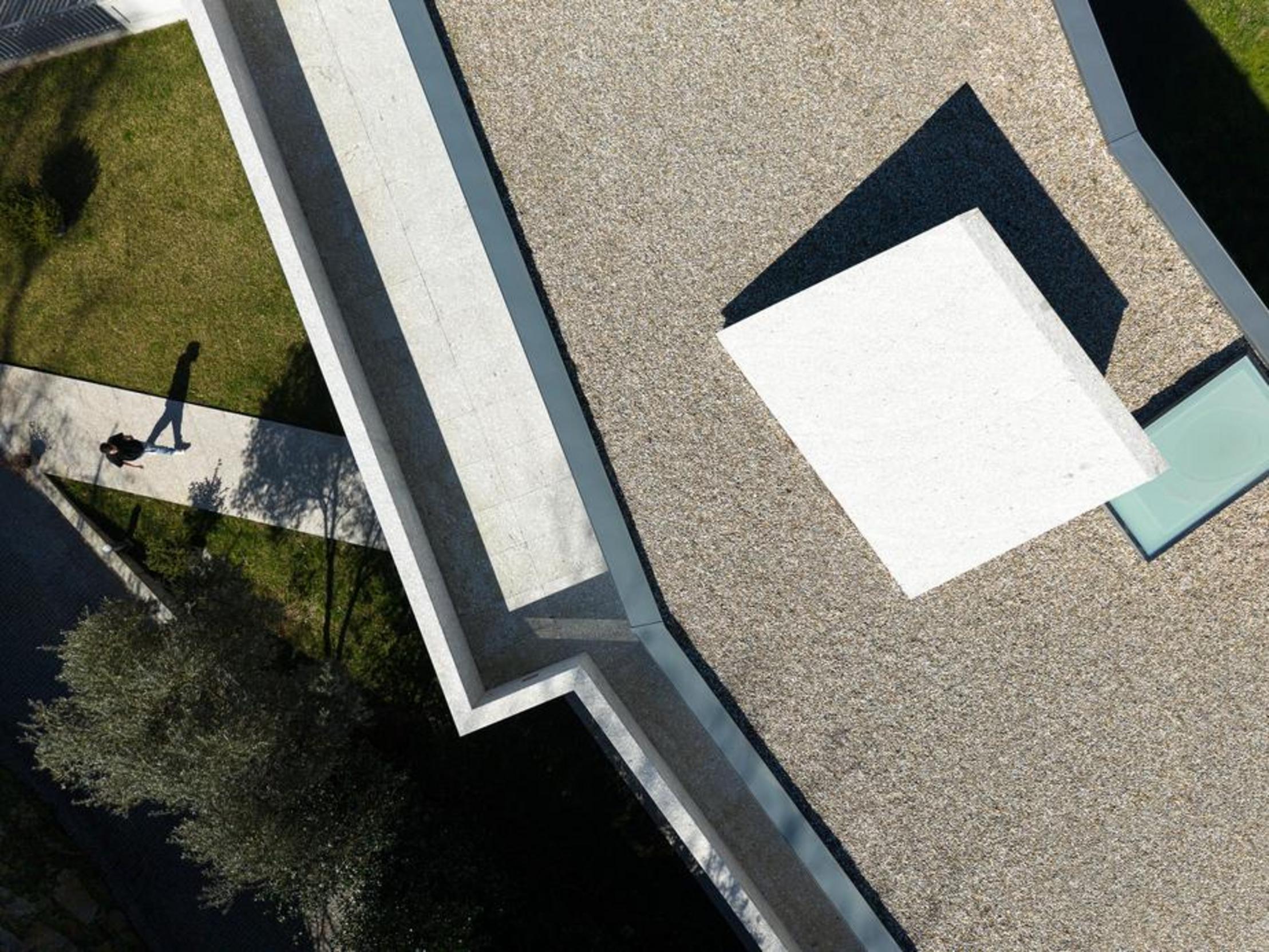
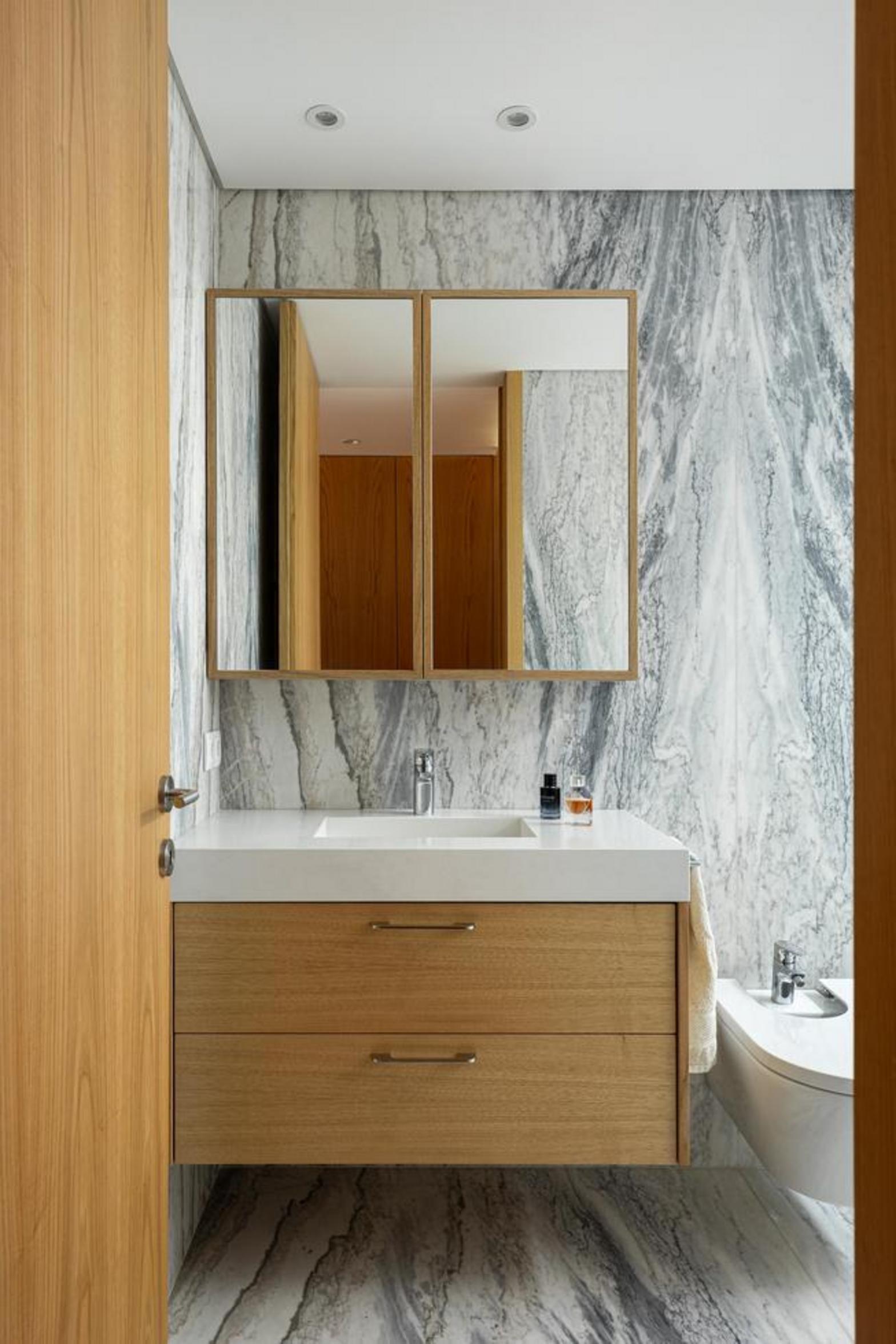
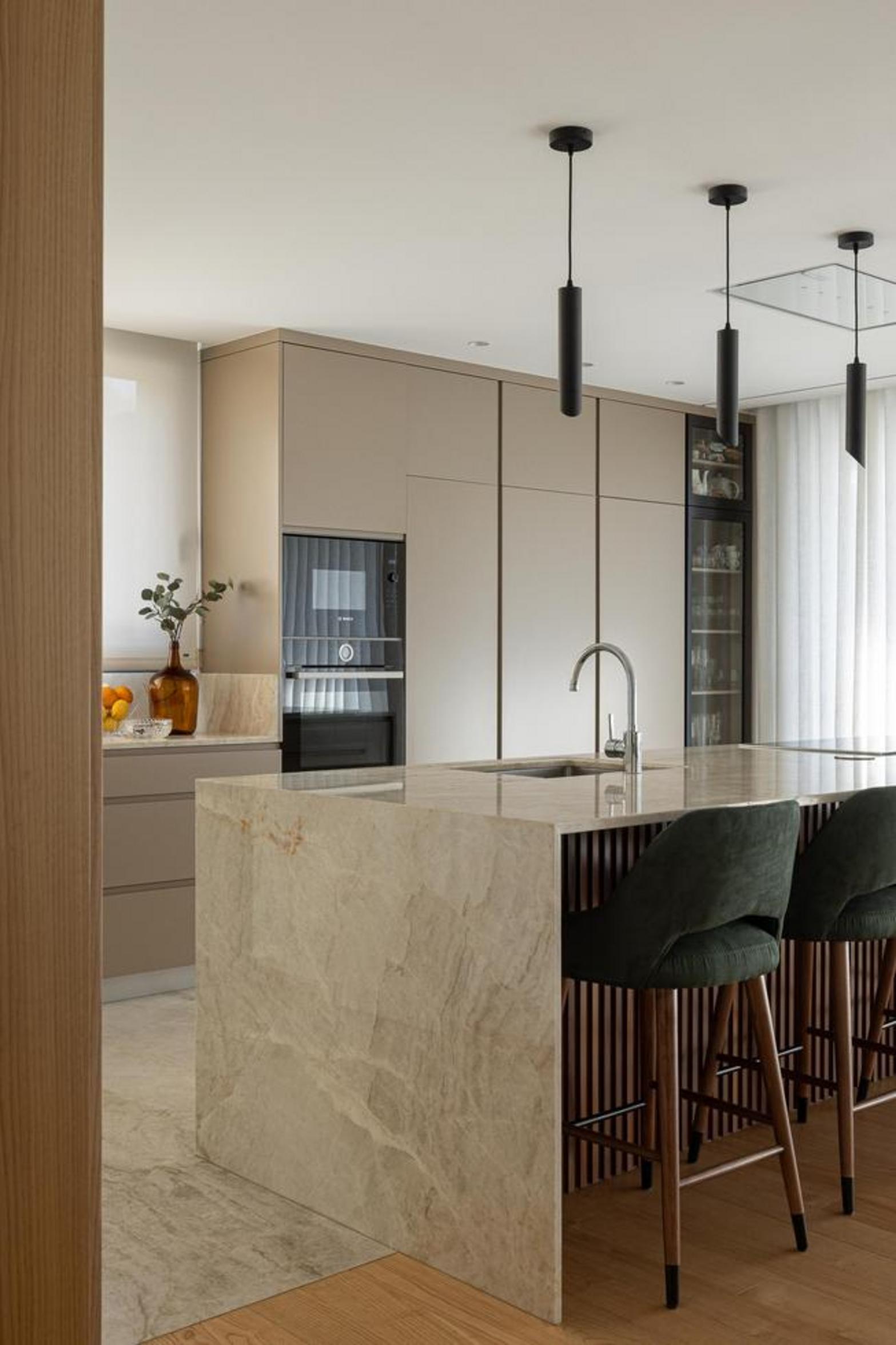
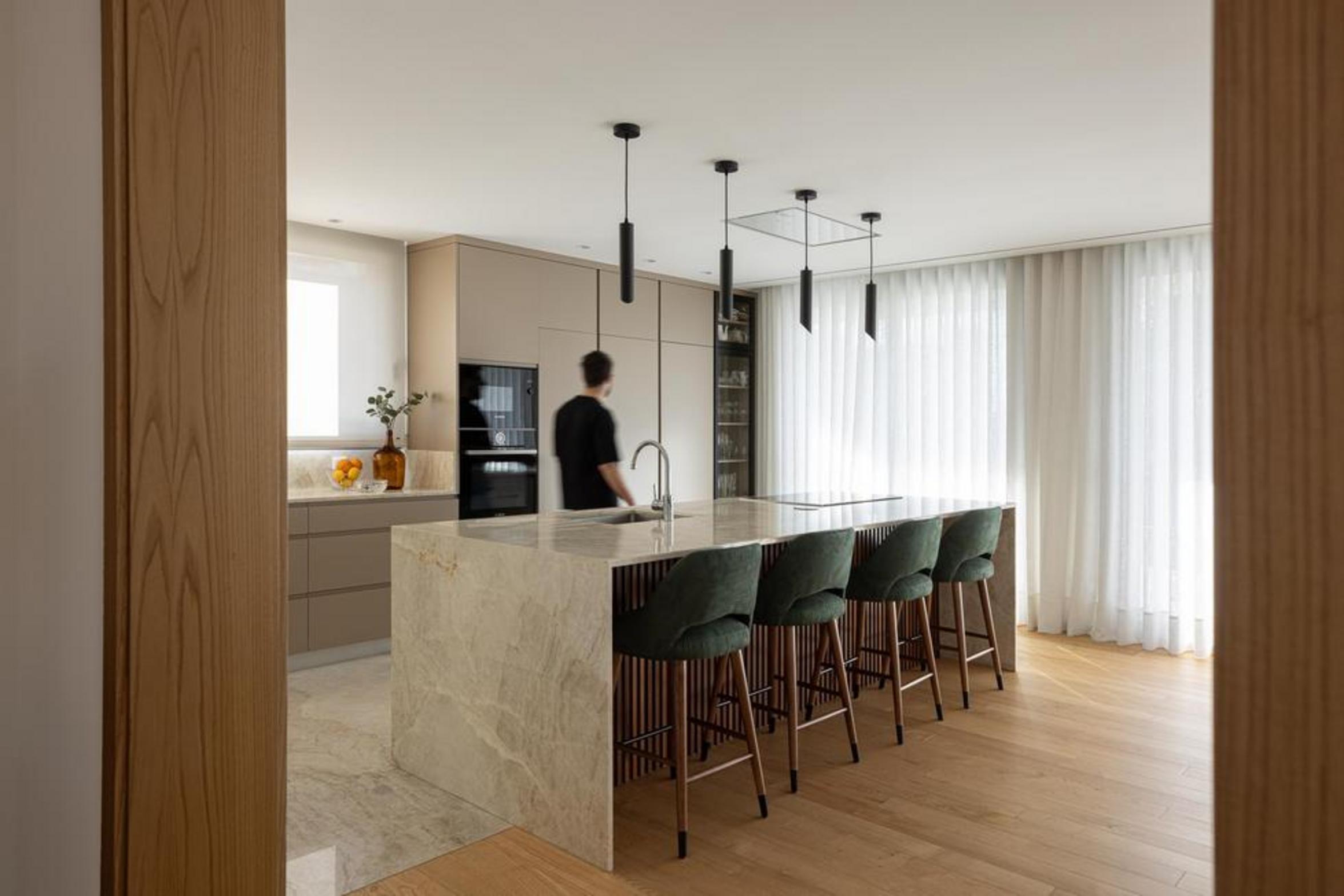
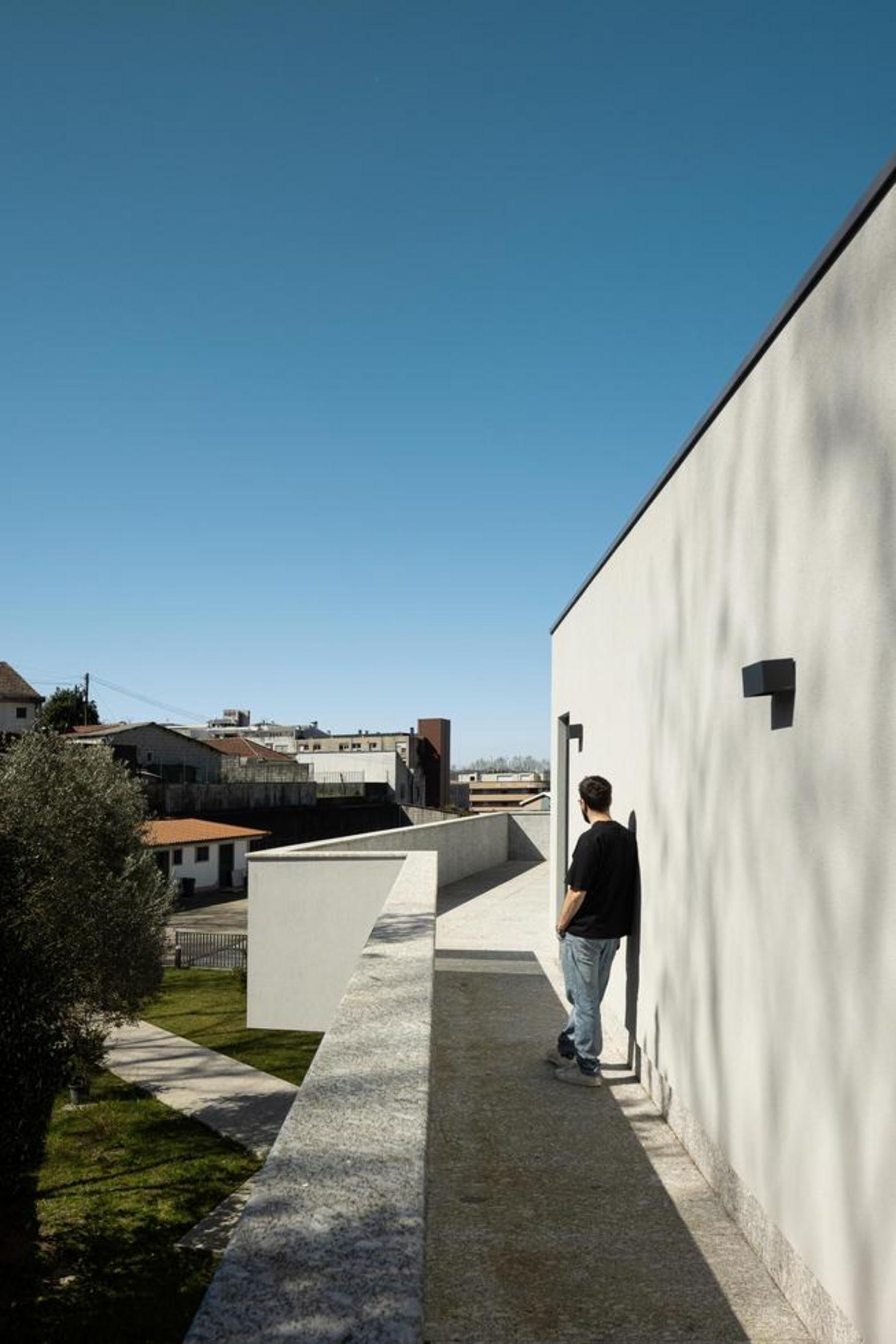
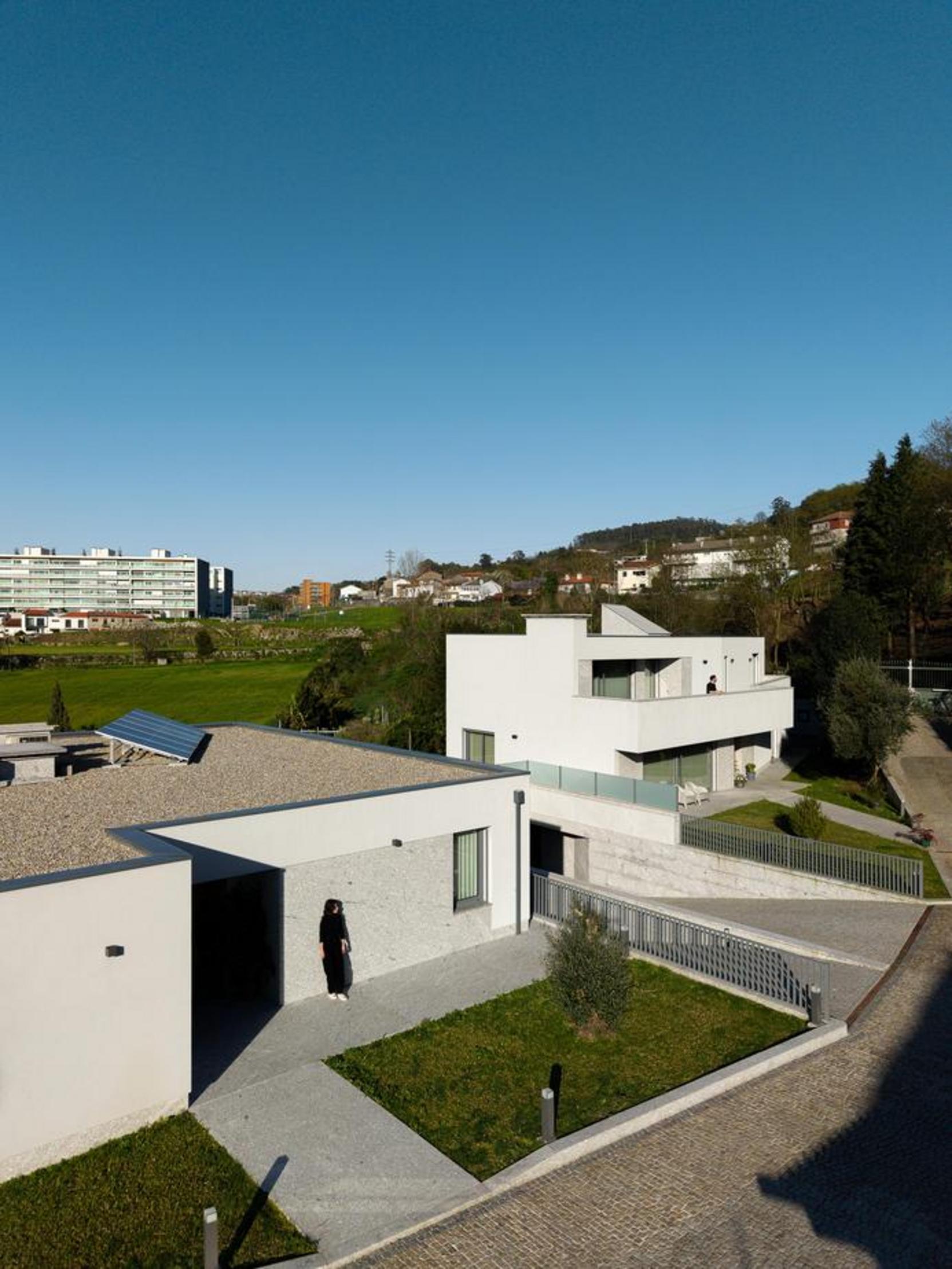
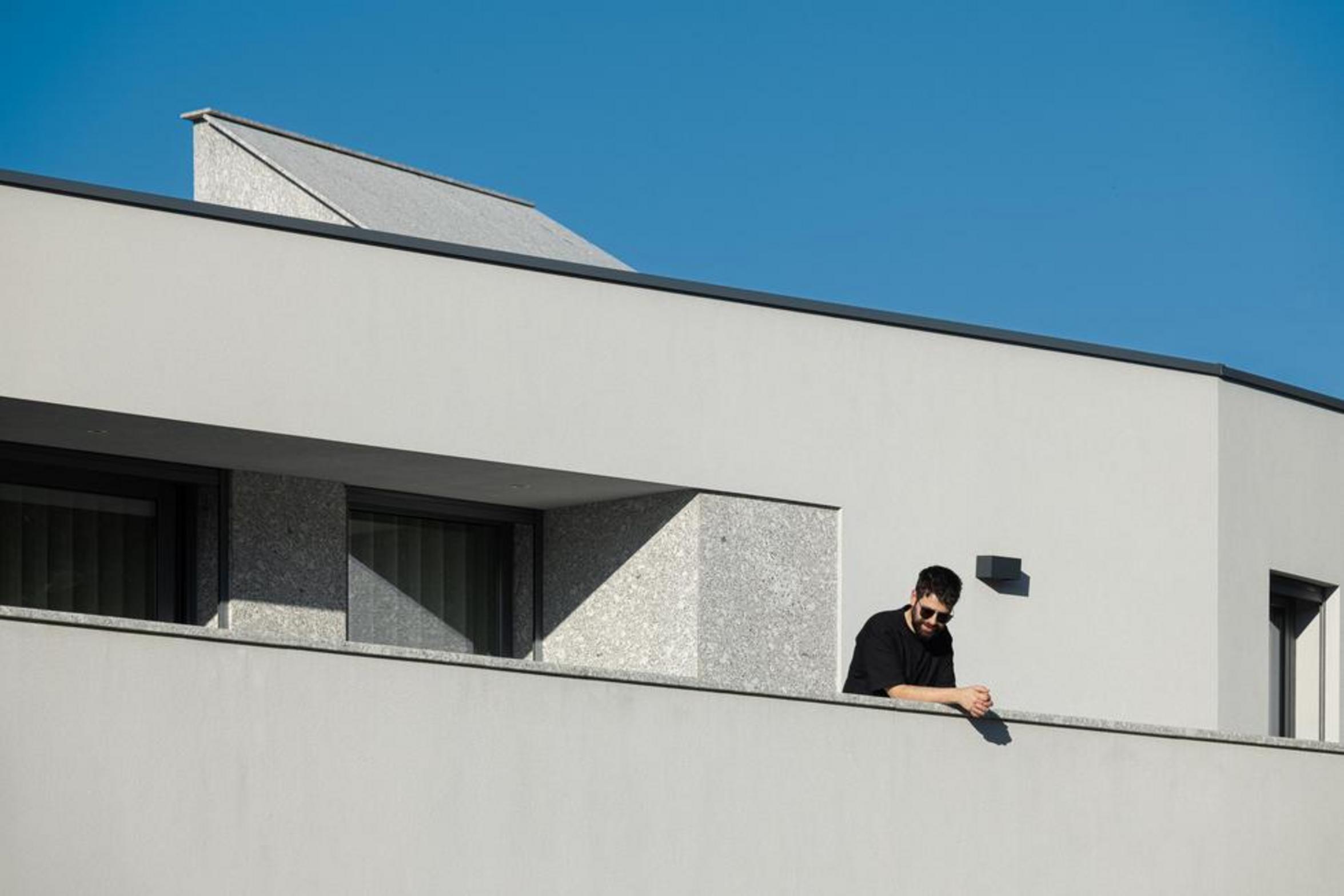
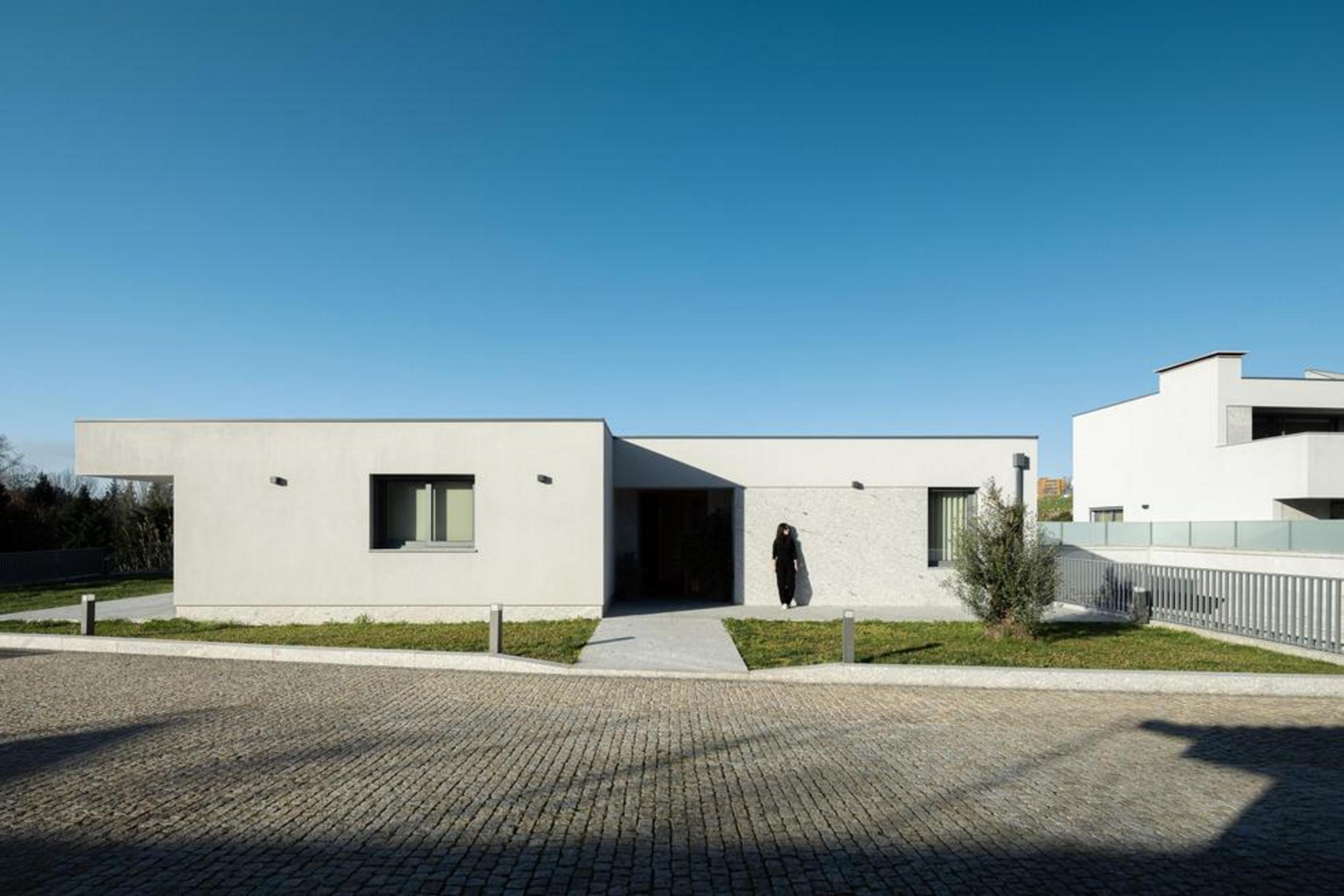
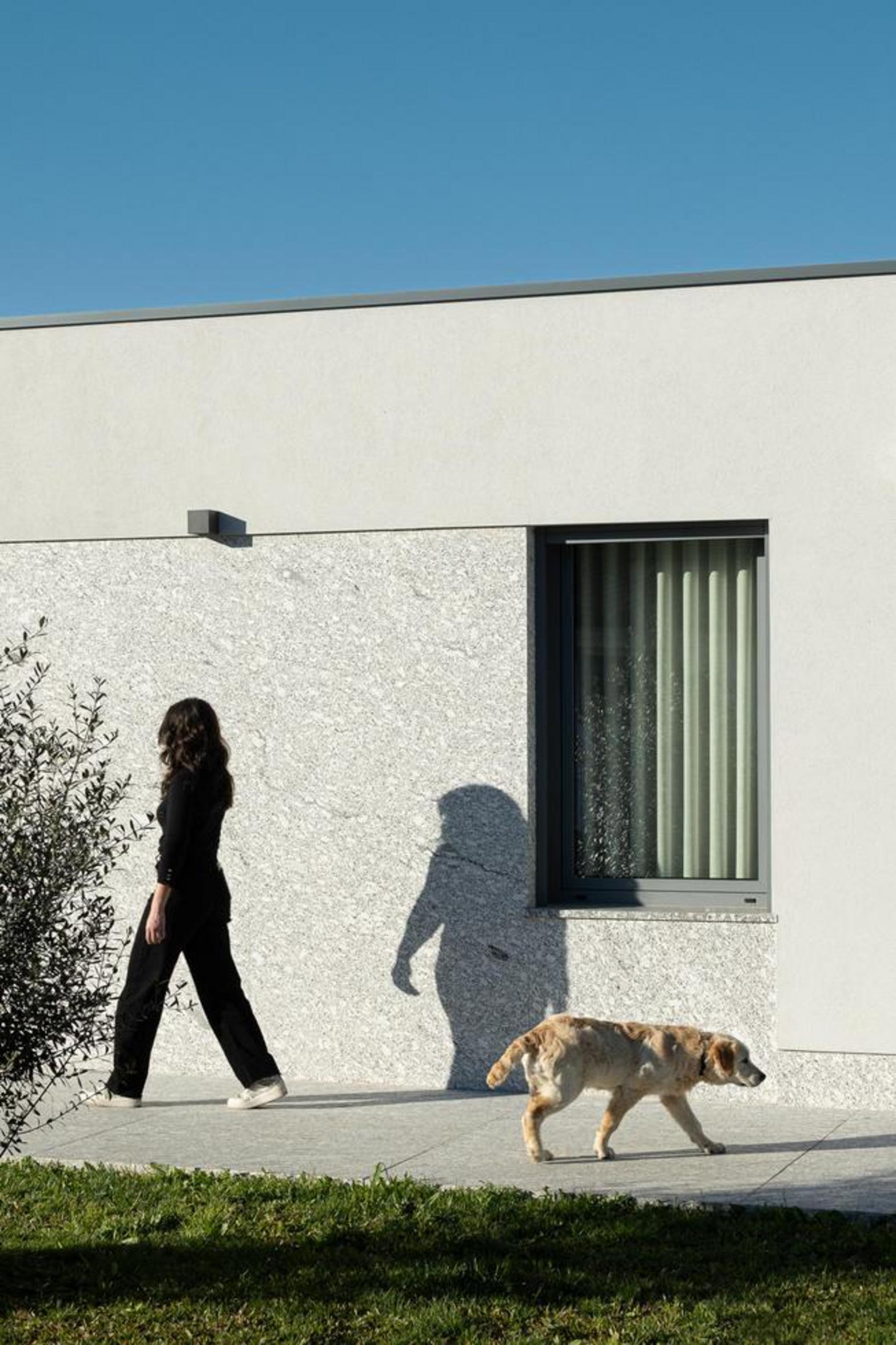
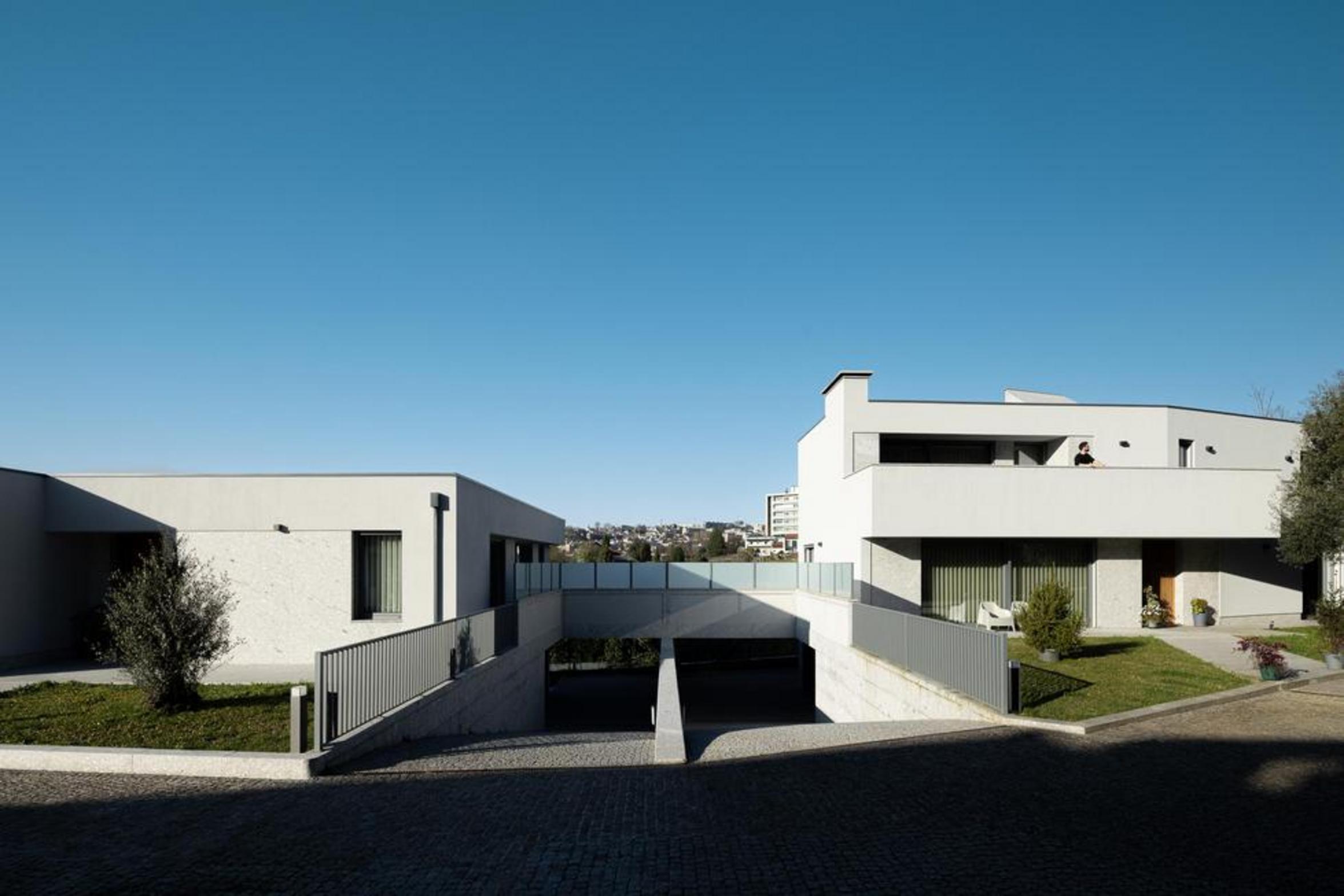
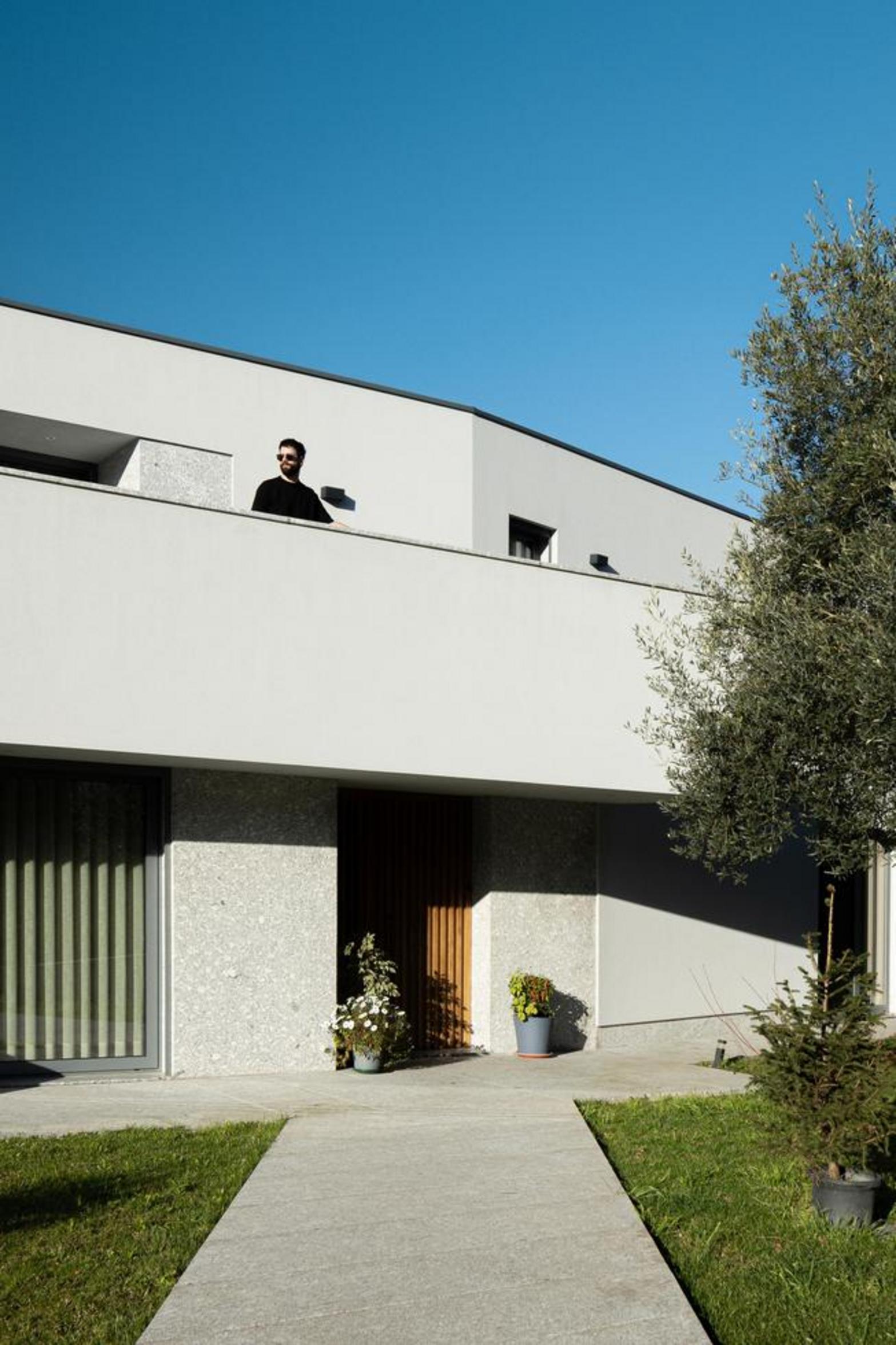
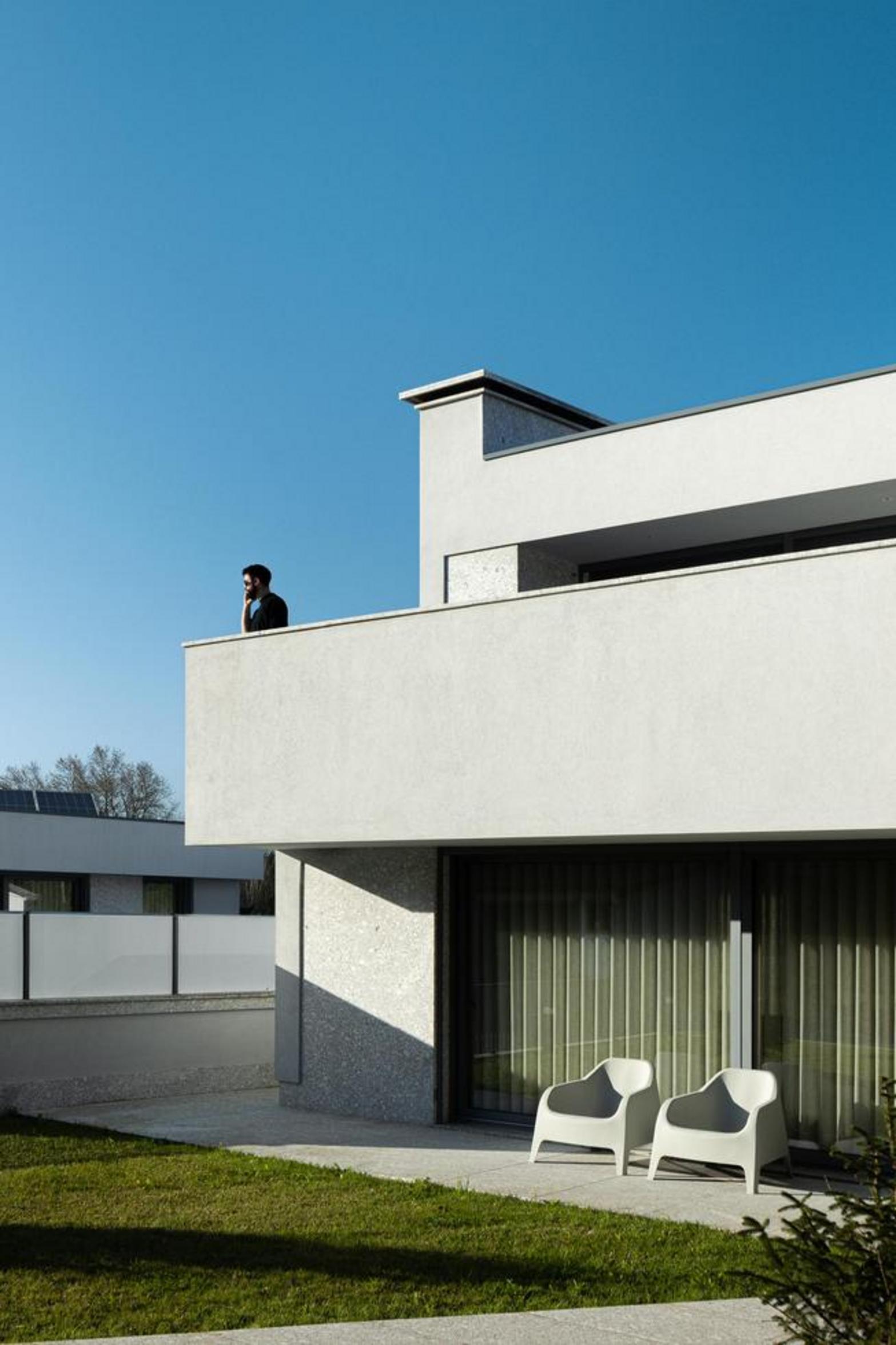
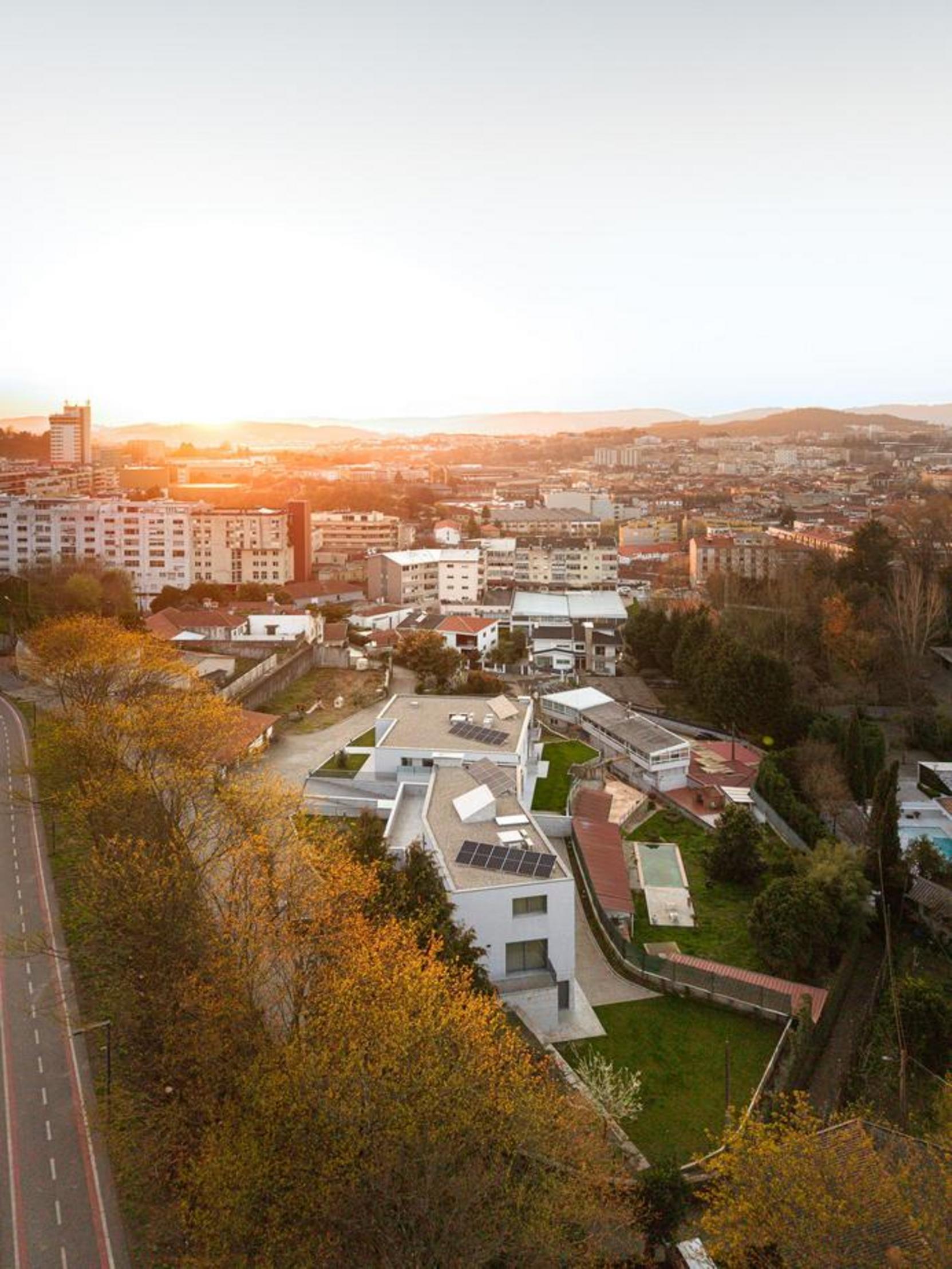
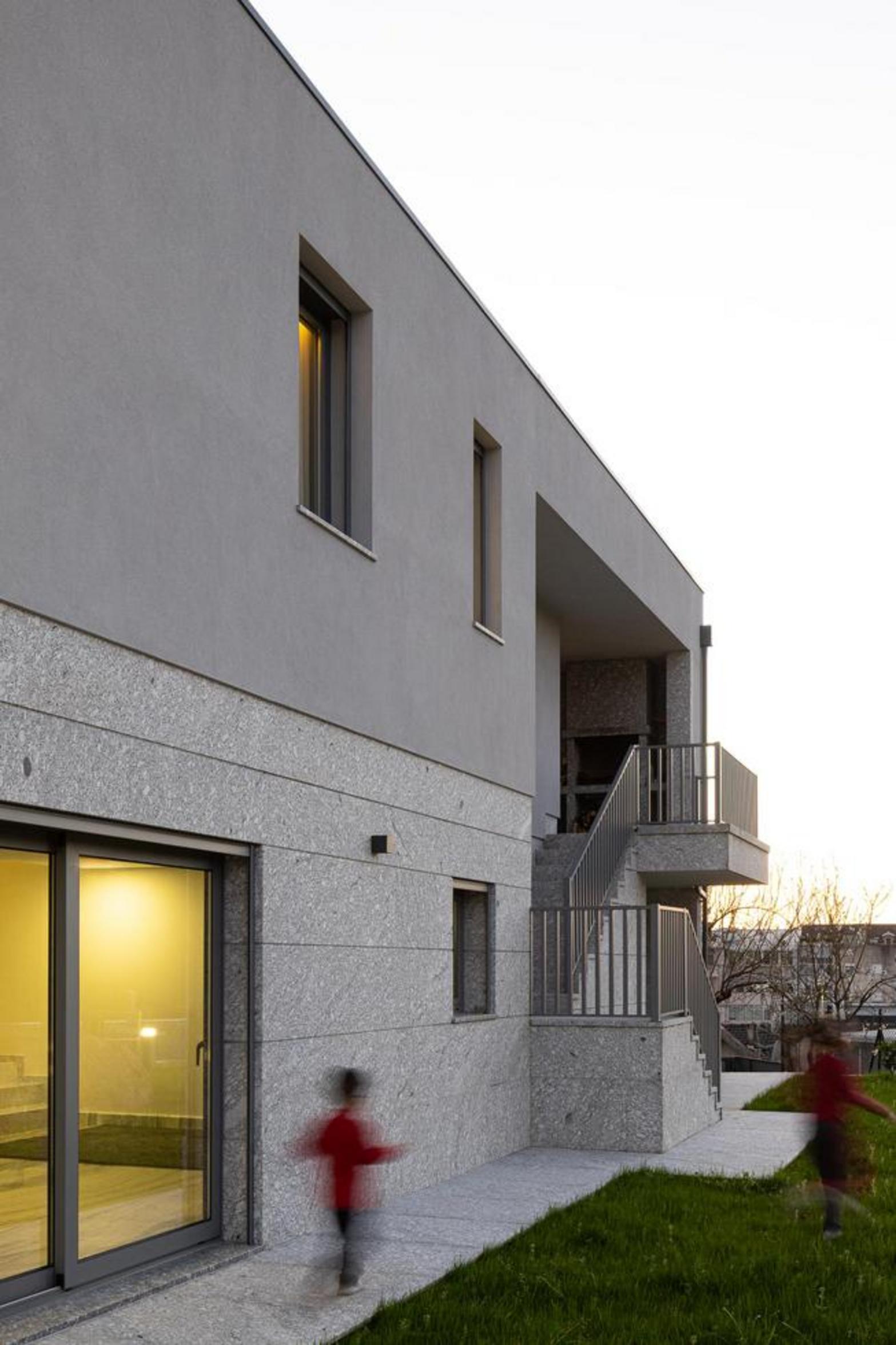
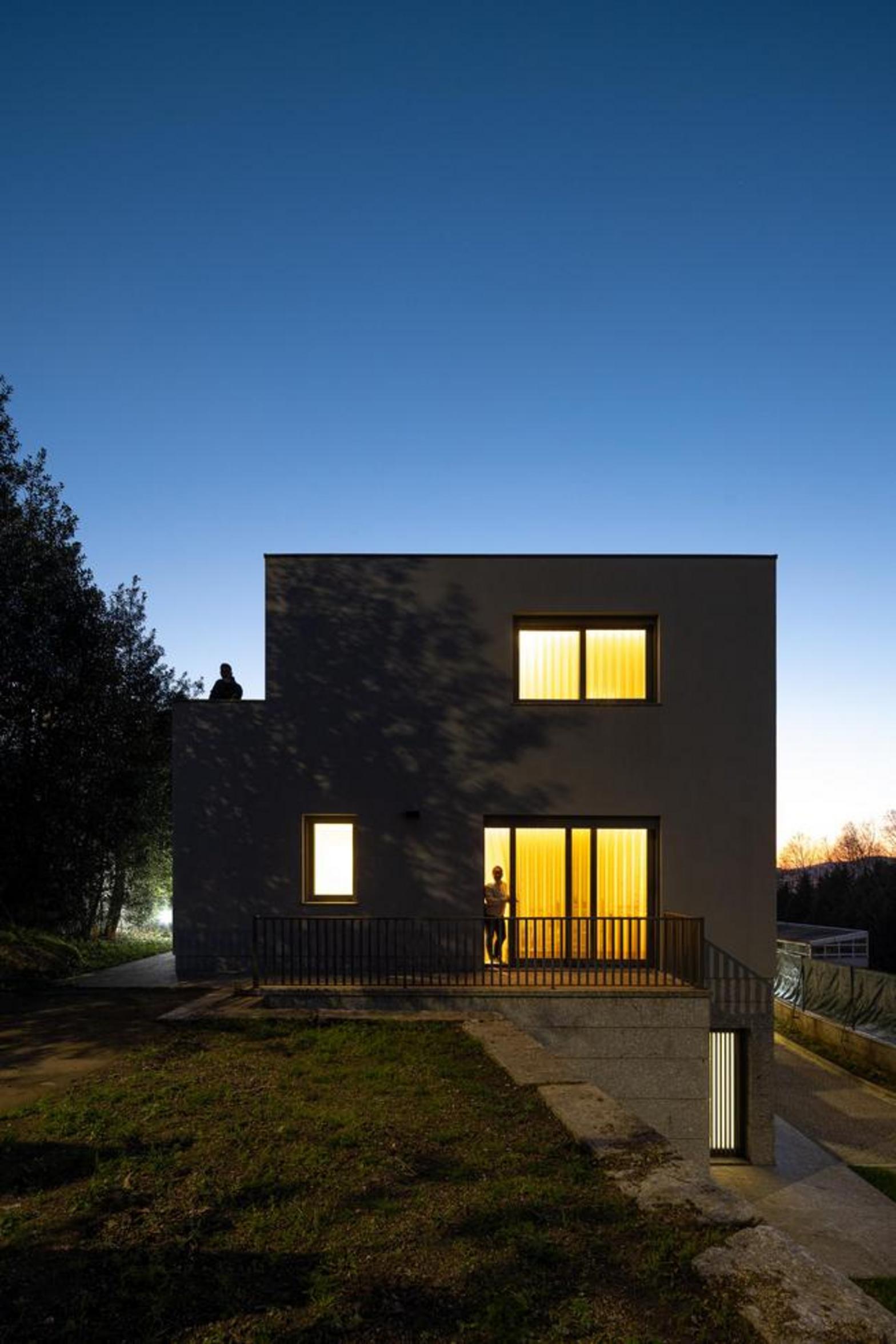
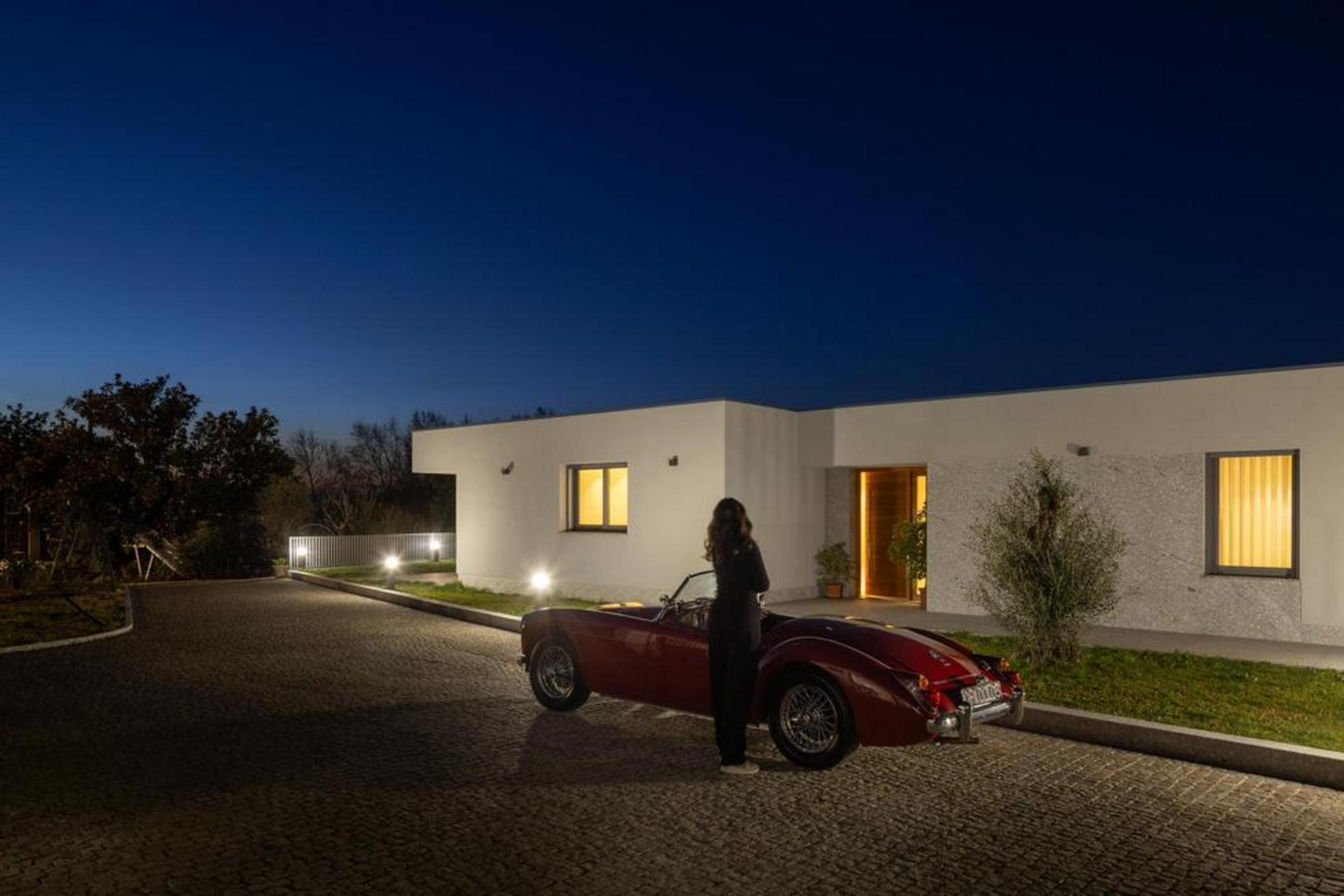
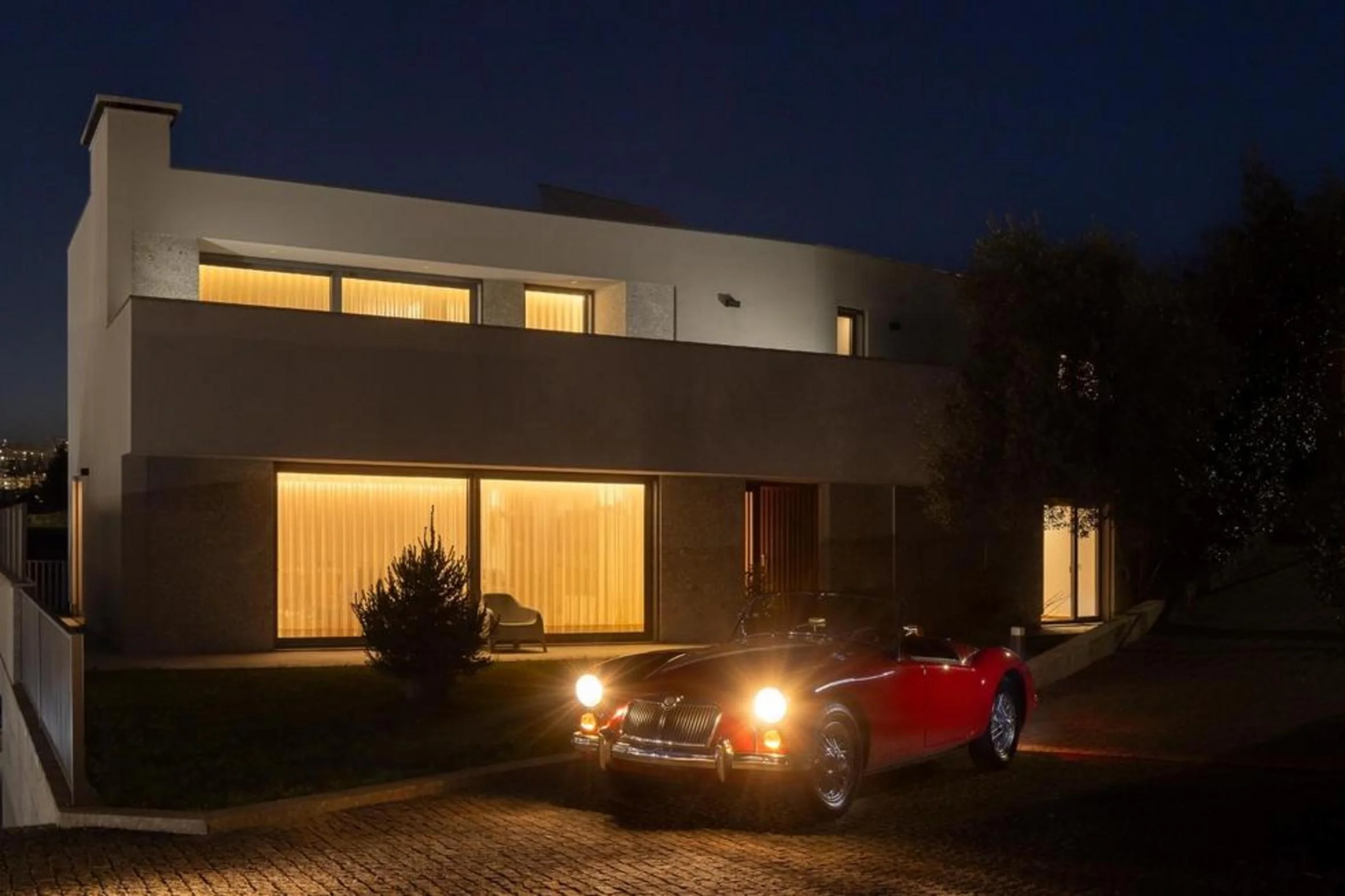
Duas Casas em Guimarães, projeto de arquitetura residencial do atelier felixARQS – Daniel Félix Arquitectos, cria dois lares autónomos para duas irmãs num único volume. Uma rocha preexistente no terreno tornou-se o material identitário da obra: presente no embasamento, nas fachadas brancas e nos interiores.

Duas Casas in Guimarães, Portugal, a residential architecture project by felixARQS – Daniel Félix Arquitectos, creates two autonomous homes for two sisters within a single structure. A large pre-existing rock on the site became the project's defining material: running through the base, the white facades, and the interiors.

Perspetiva interior que mostra a fluidez entre a sala de estar e um pátio exterior, através de um grande vão de correr. — Duas casas em Guimarães arquitectura felixARQS – Daniel Félix Arquitectos fotografia Ivo Tavares

INFORMAÇÃO TÉCNICA / TECHNICAL INFORMATION

ATELIER DE ARQUITETURA / ARCHITECTURE OFFICE
ARQUITETO RESPONSÁVEL / MAIN ARCHITECT
Daniel Félix
COLABORAÇÃO / COLABORATION
Daniel Monteiro; Florbela Moura
LOCALIZAÇÃO / LOCATION
ANO DE CONCLUSÃO DA OBRA / YEAR OF CONCLUSION
ÁREA TOTAL CONSTRUÍDA (M2) / TOTAL AREA
1160m2
FISCALIZAÇÃO / INSPECTION
felixARQS
PAISAGISMO / LANDSCAPE
felixARQS
FOTÓGRAFO / ARCHITECTURAL PHOTOGRAPHER

DESCRIÇÃO DO PROJETO / PROJECT DESCRIPTION

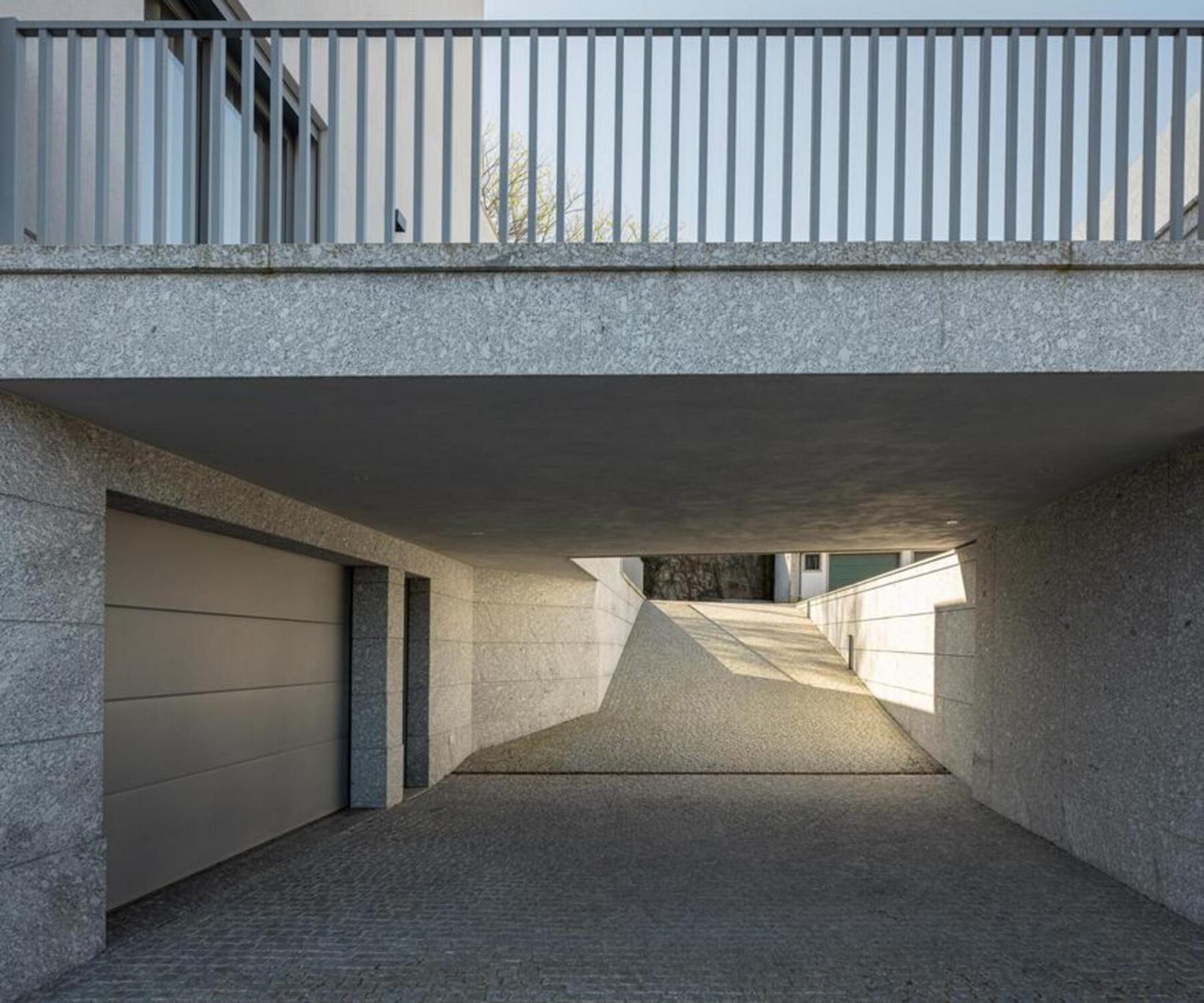
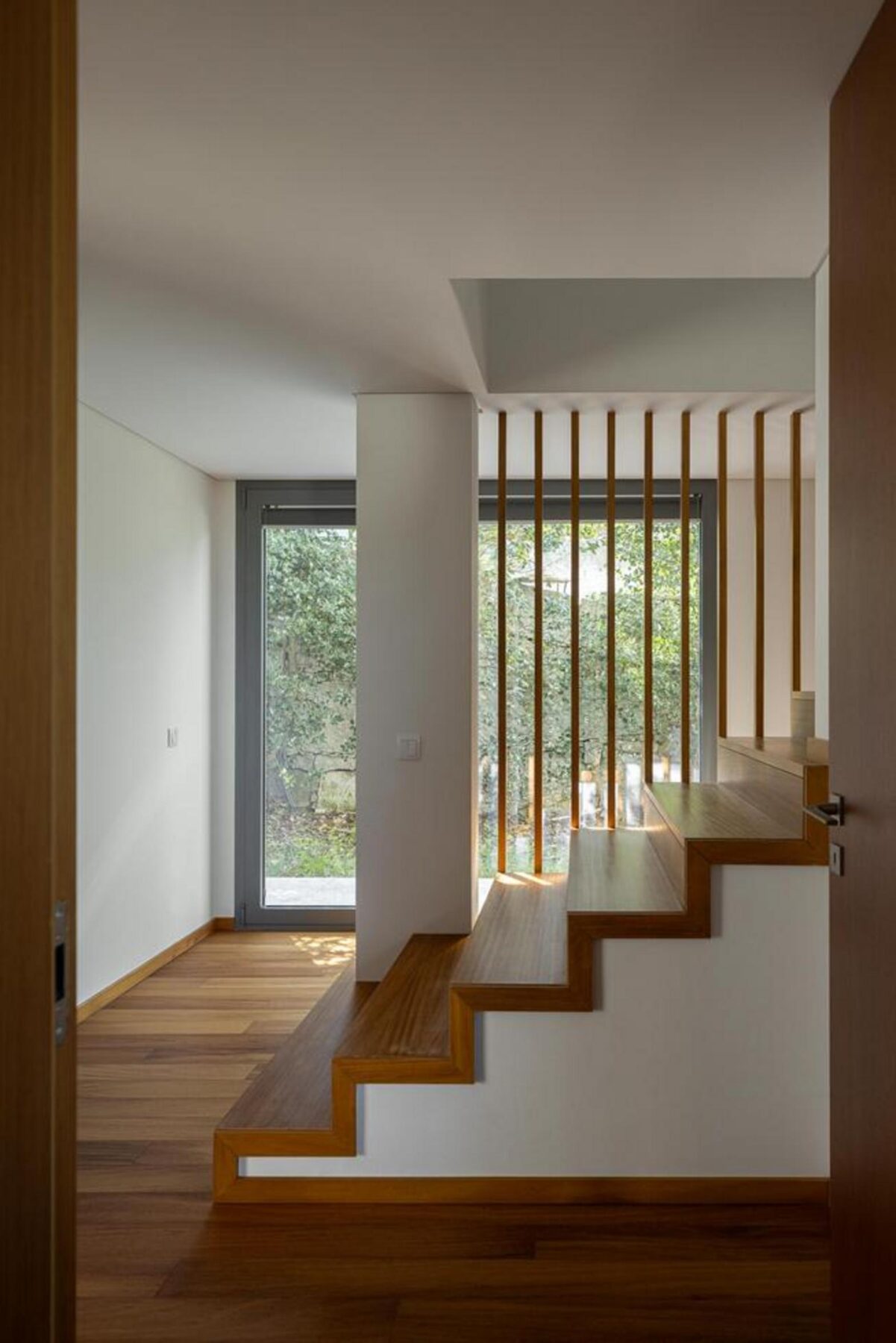
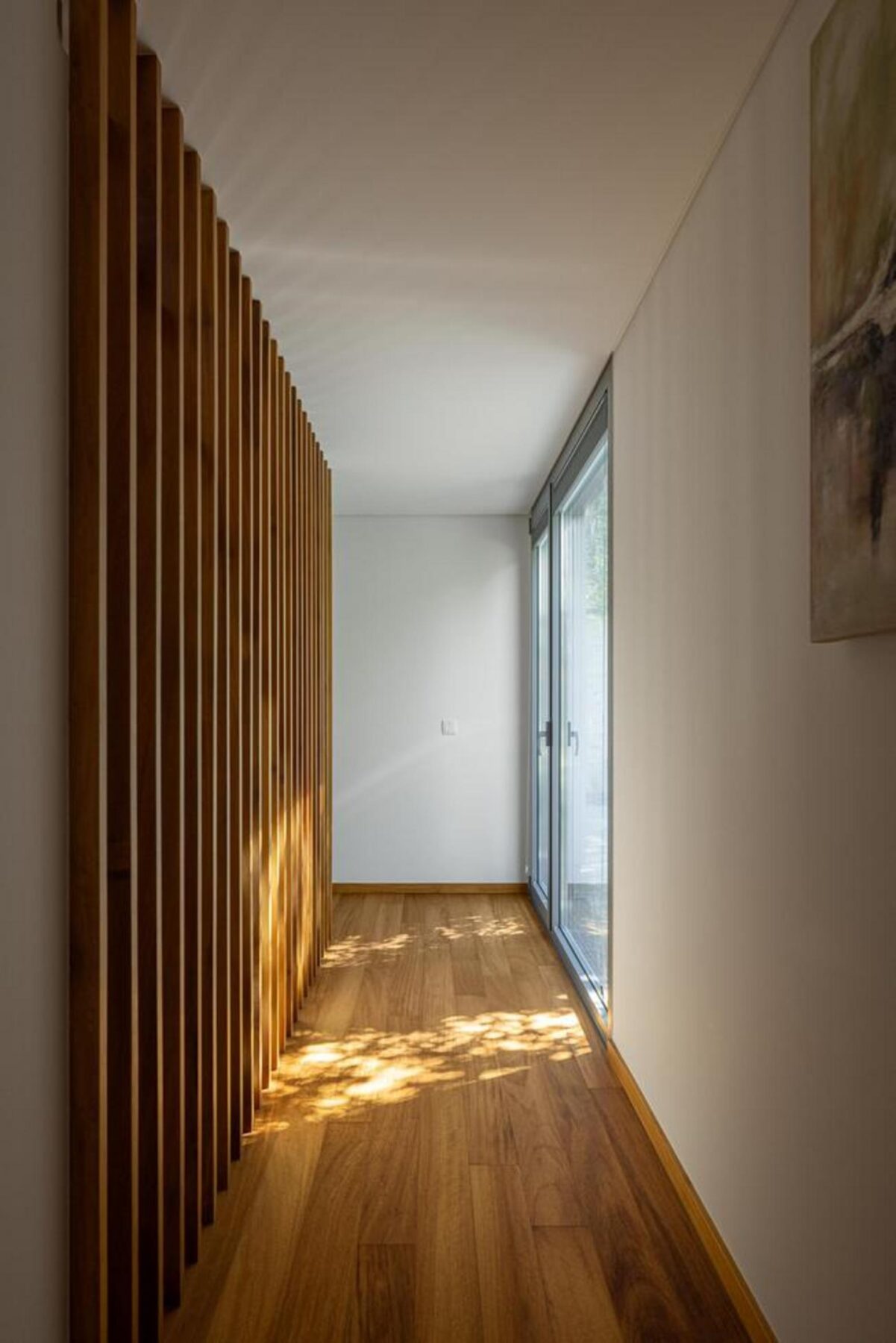
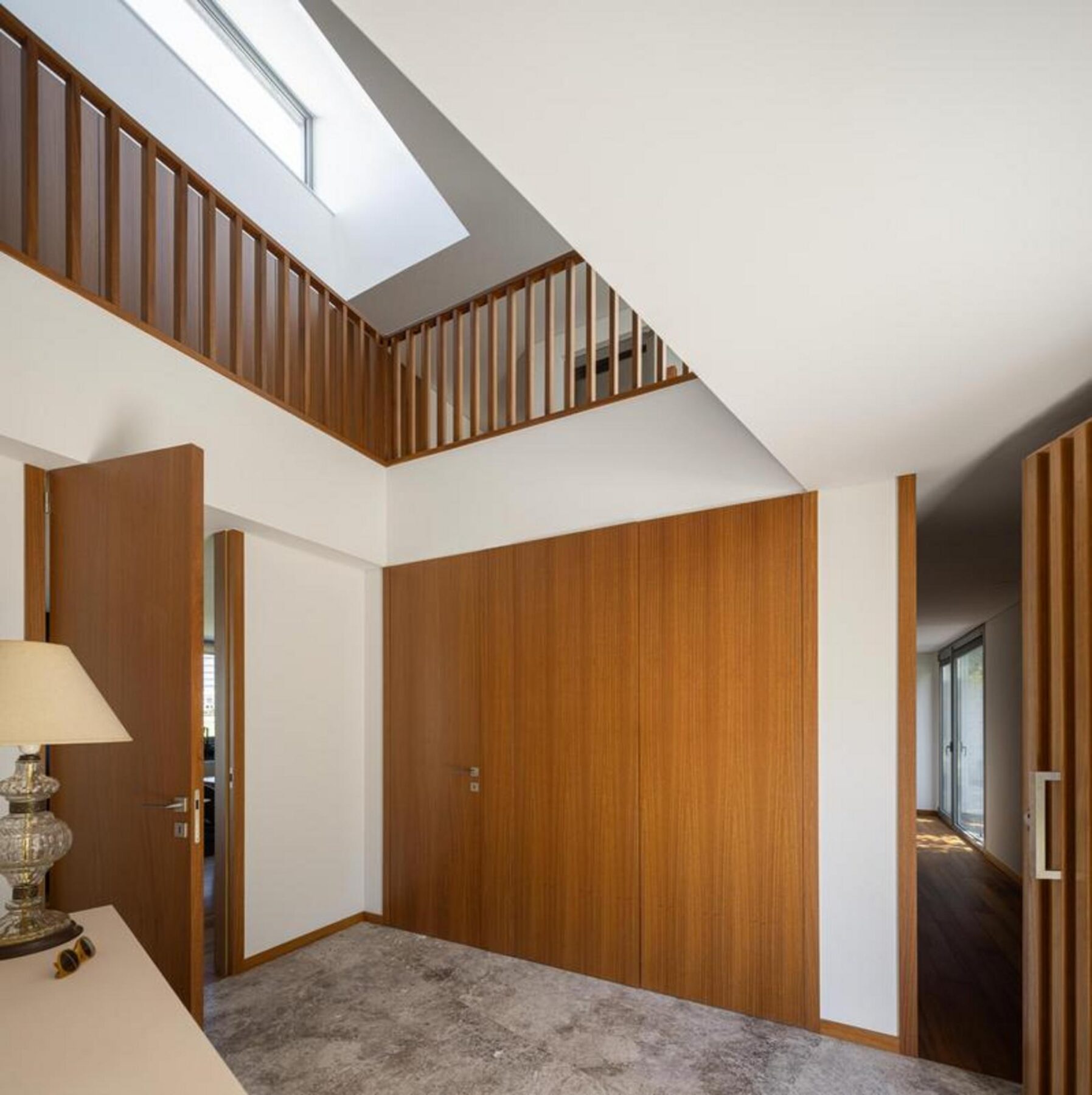
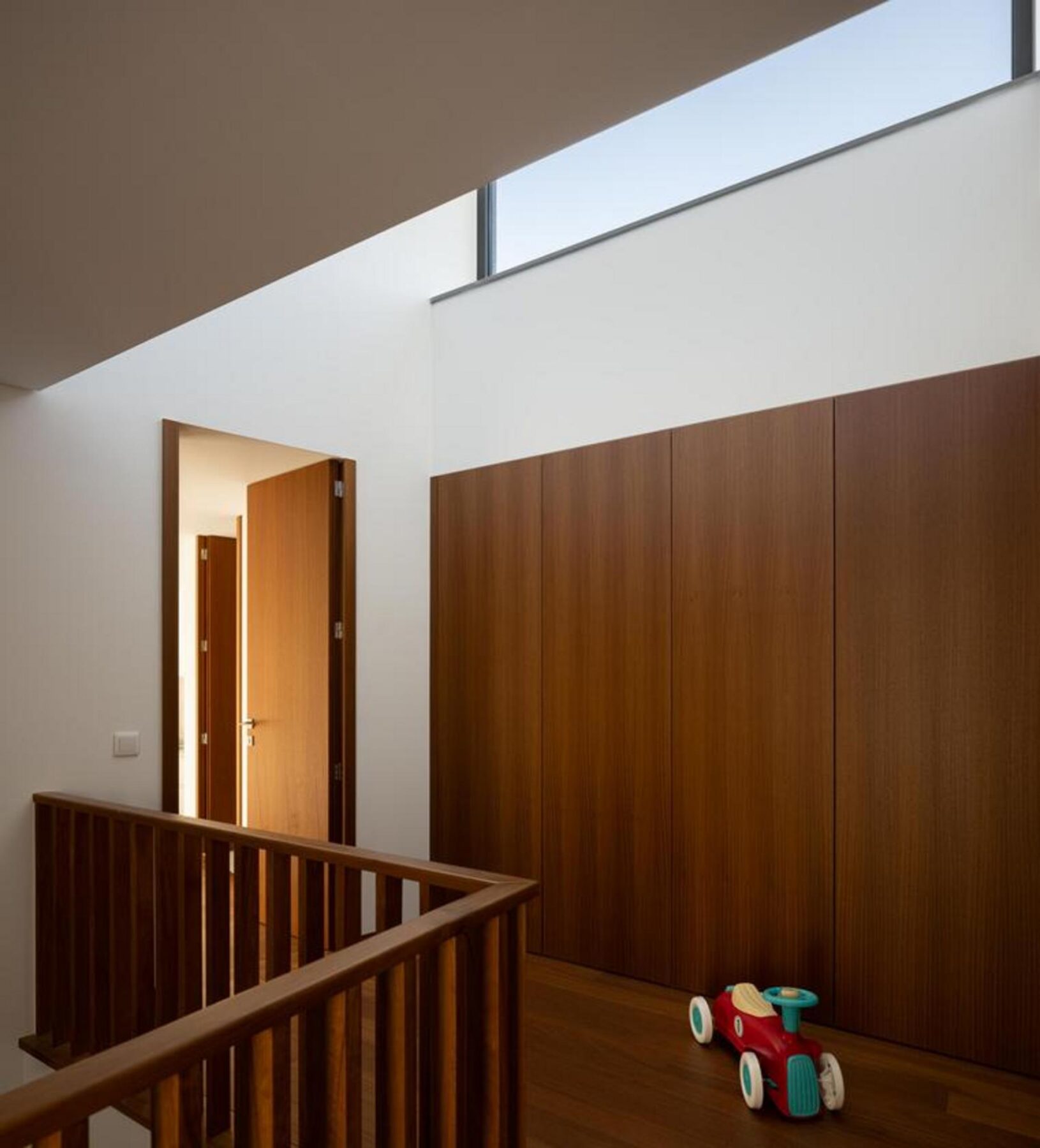
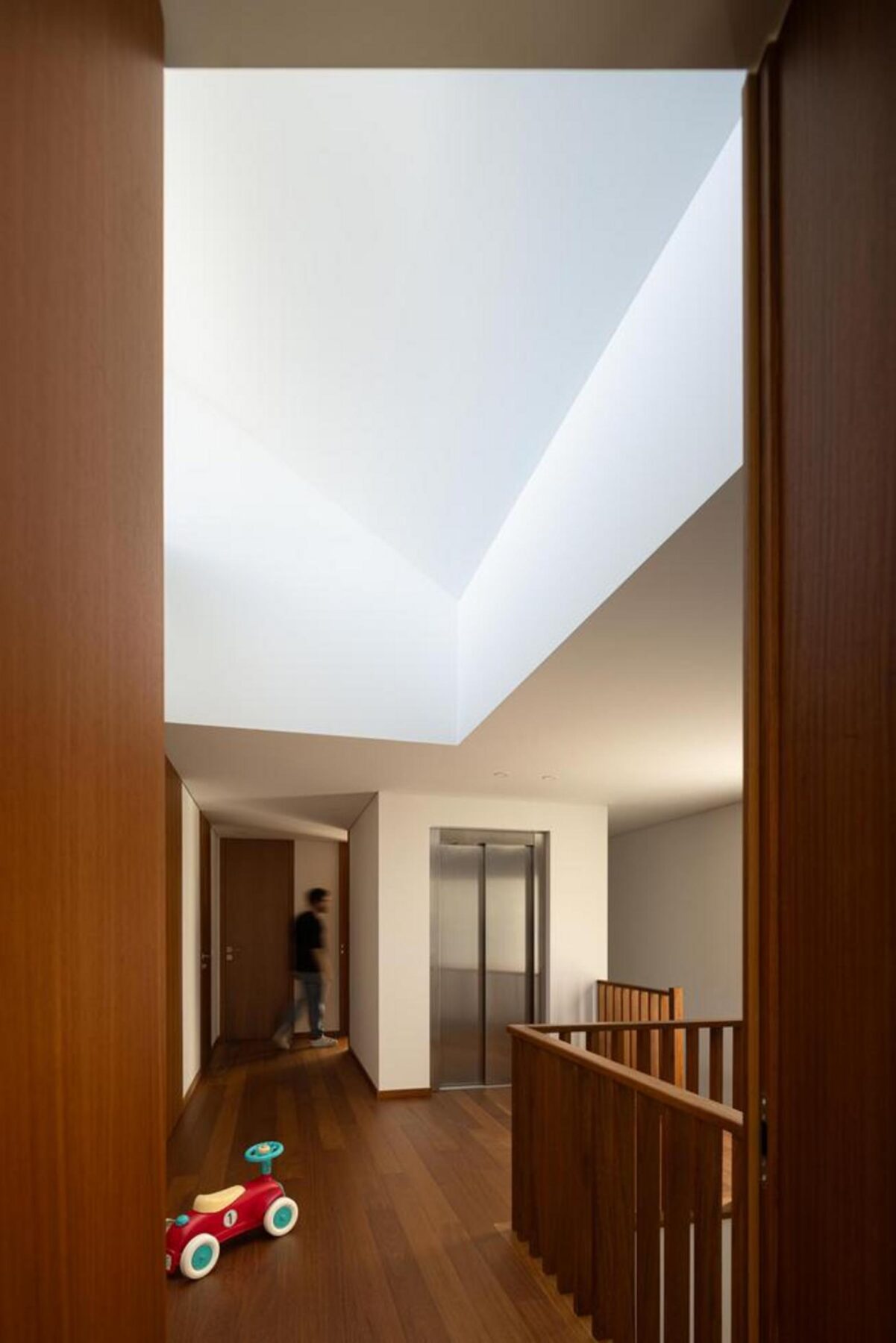
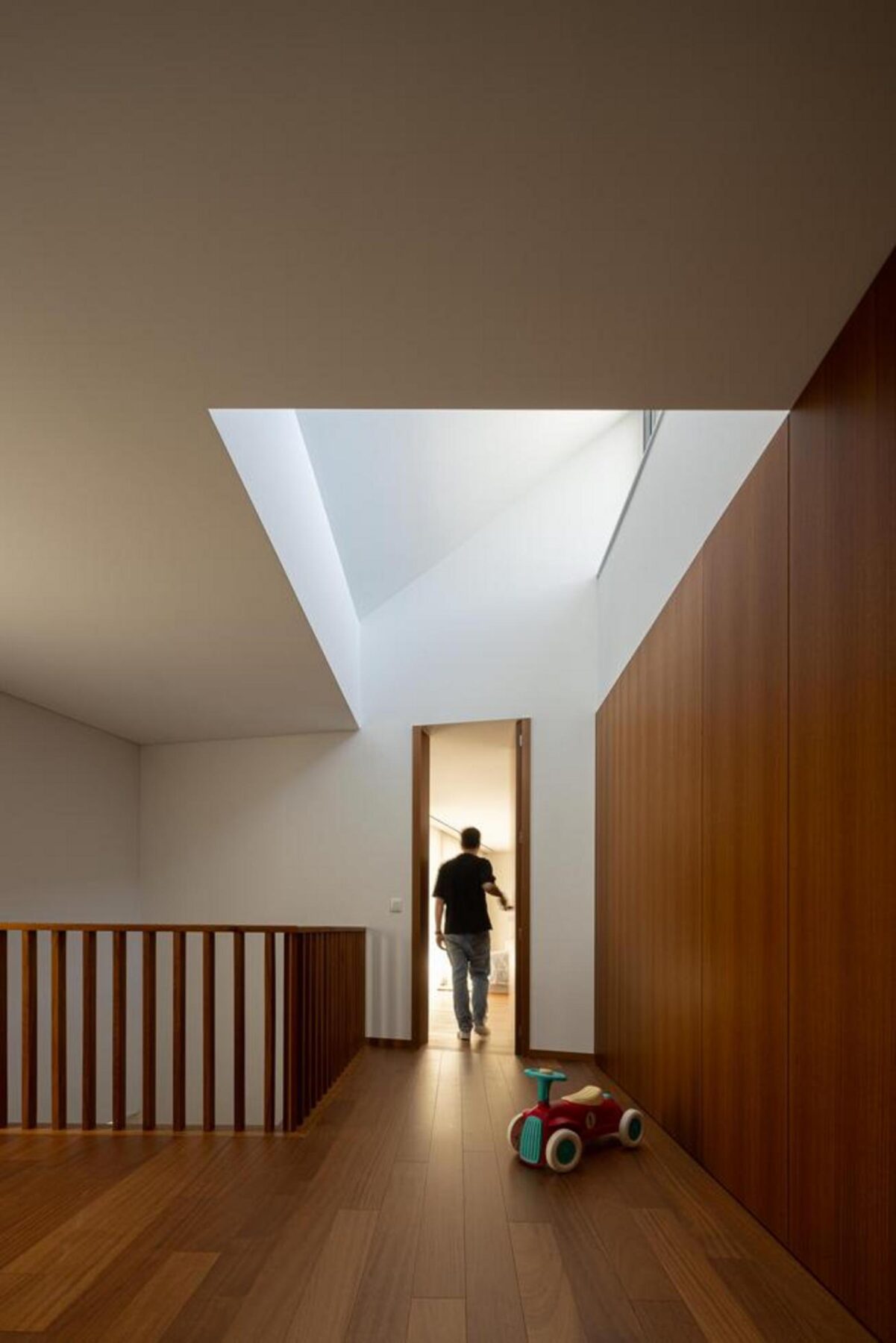
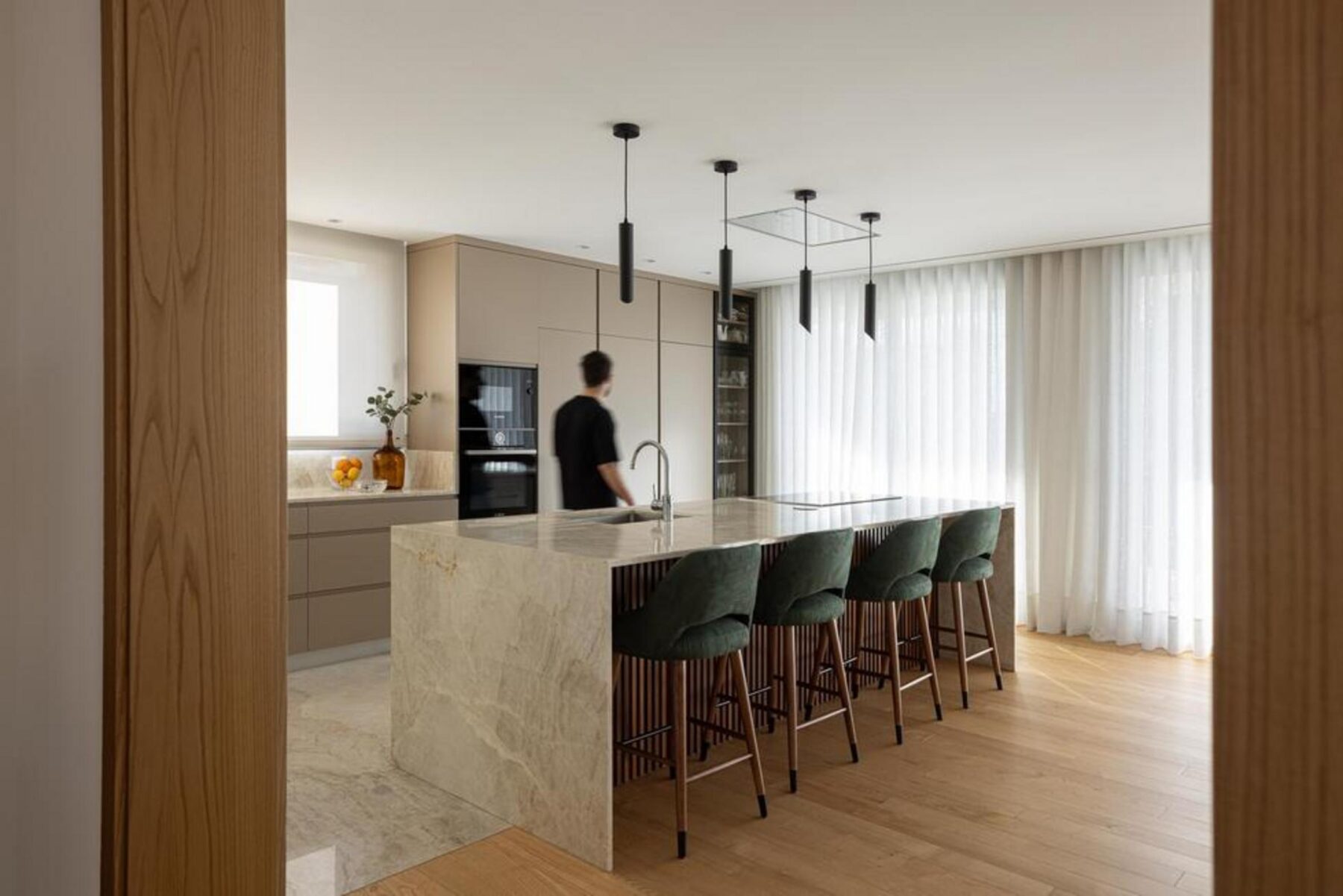
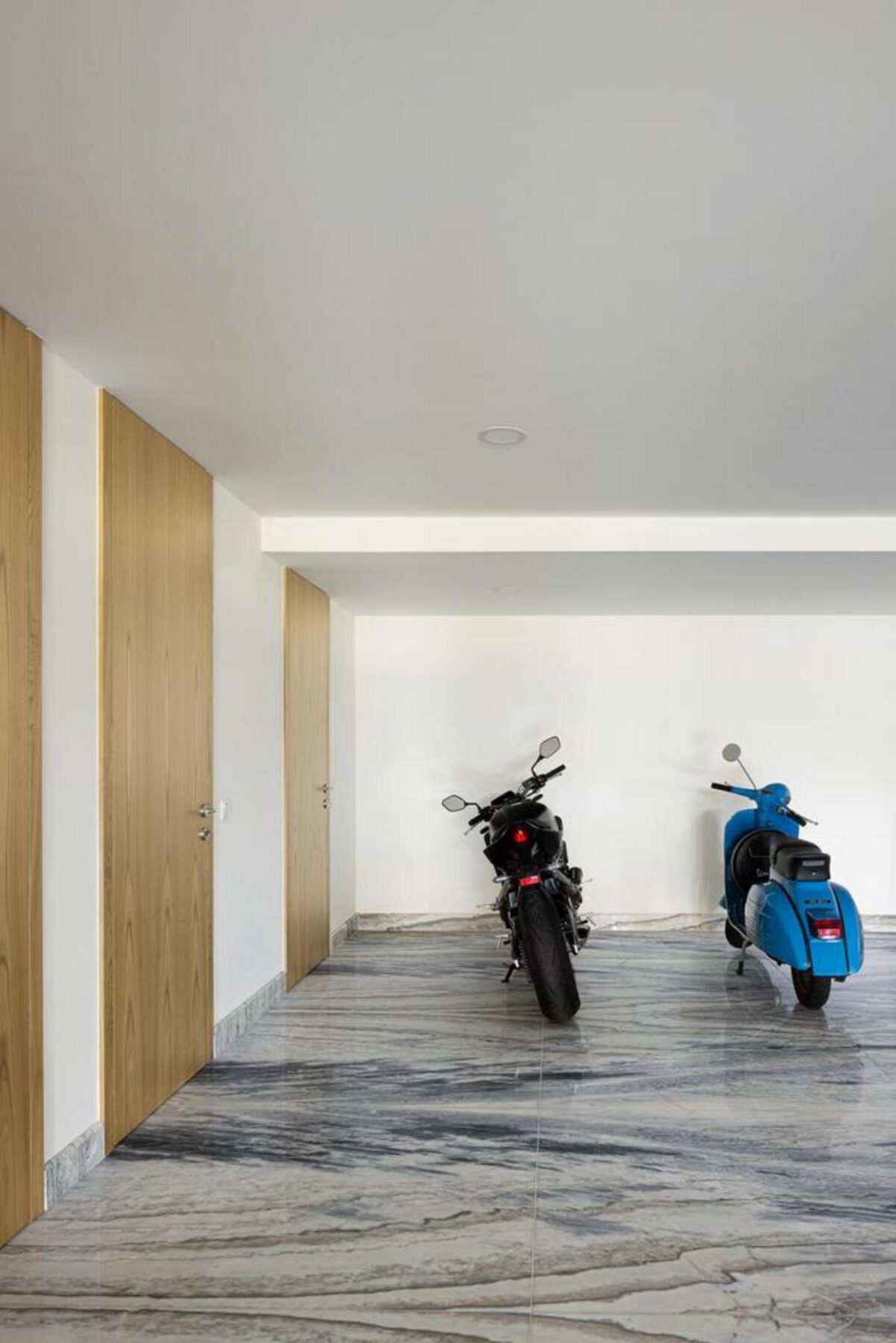
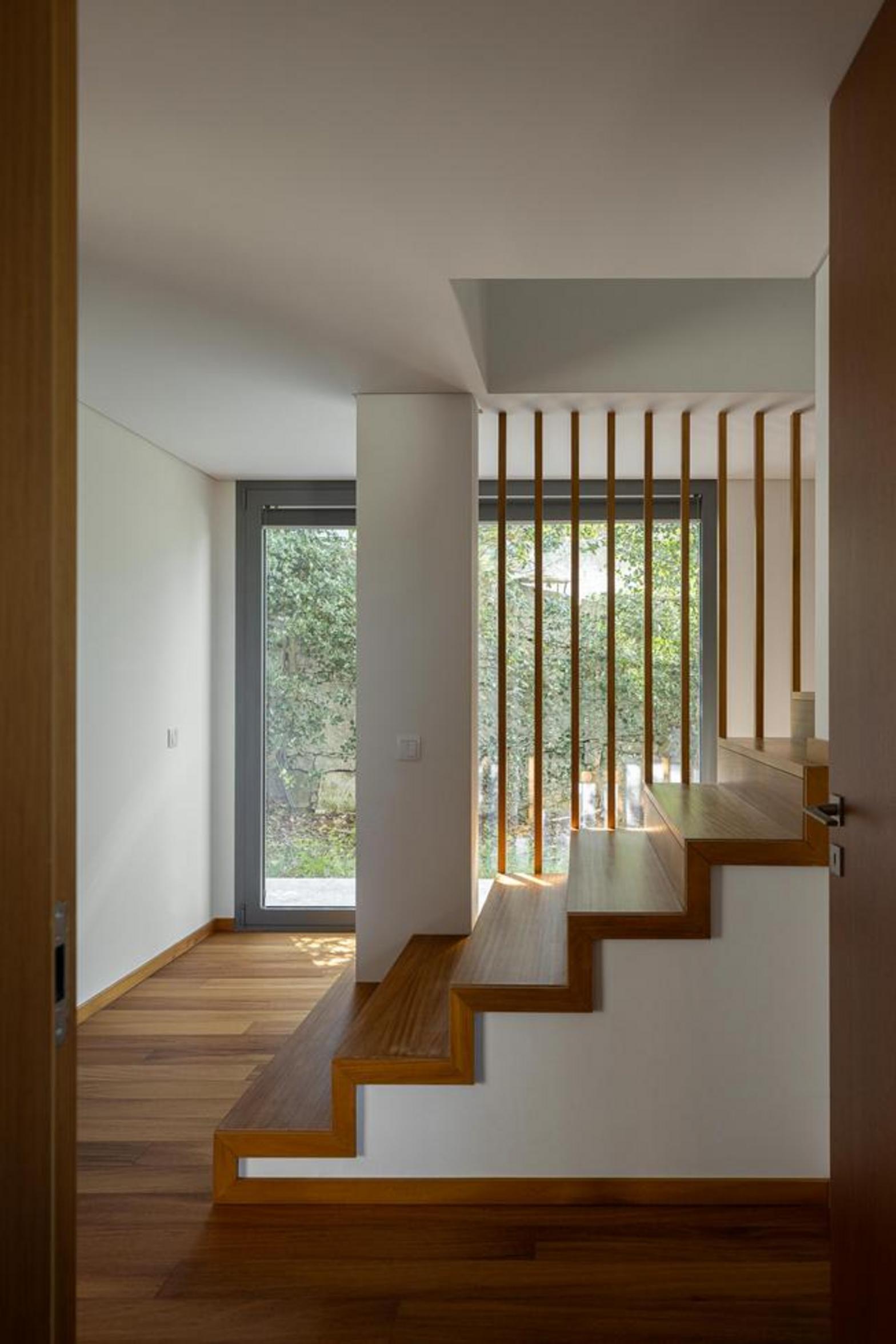
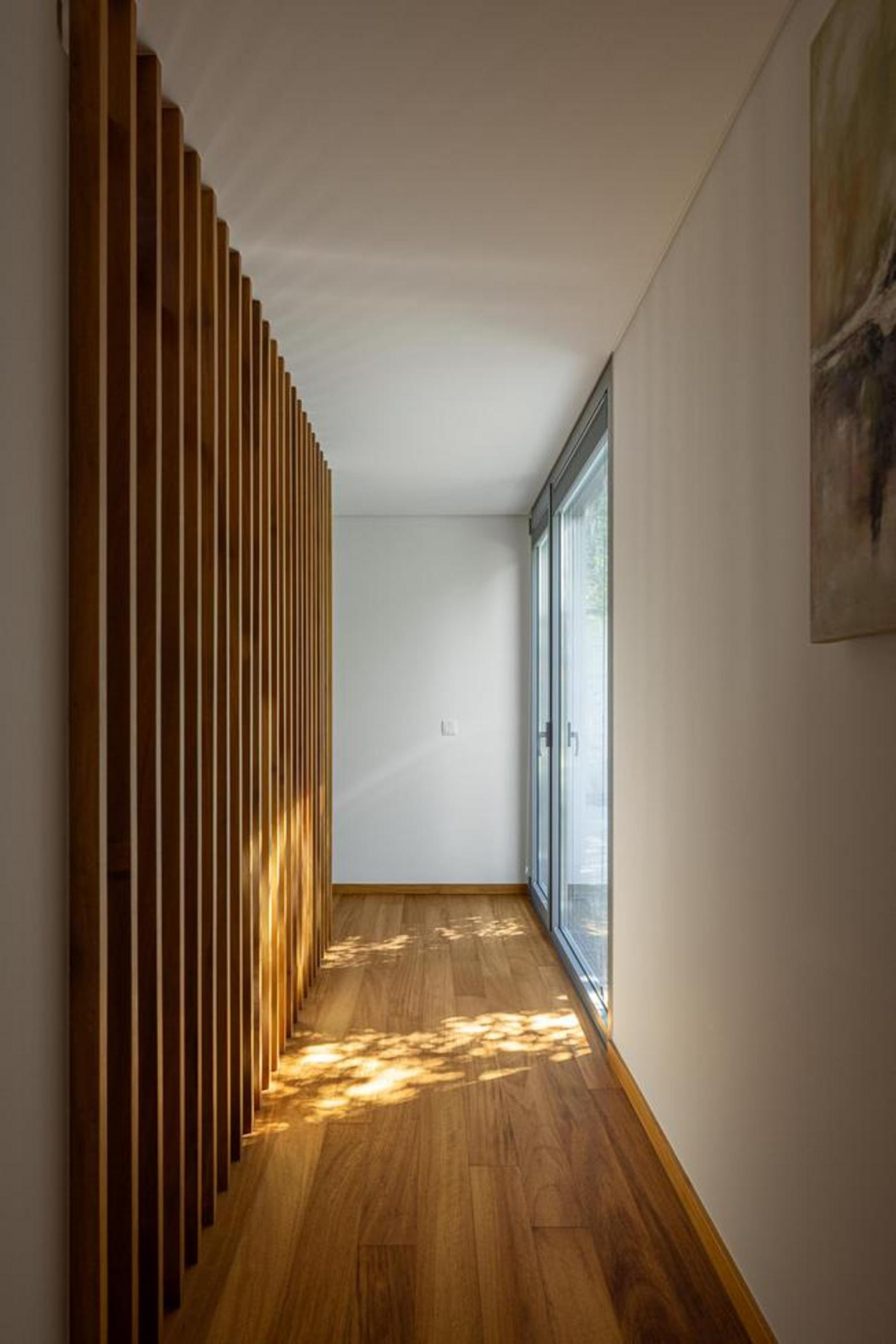
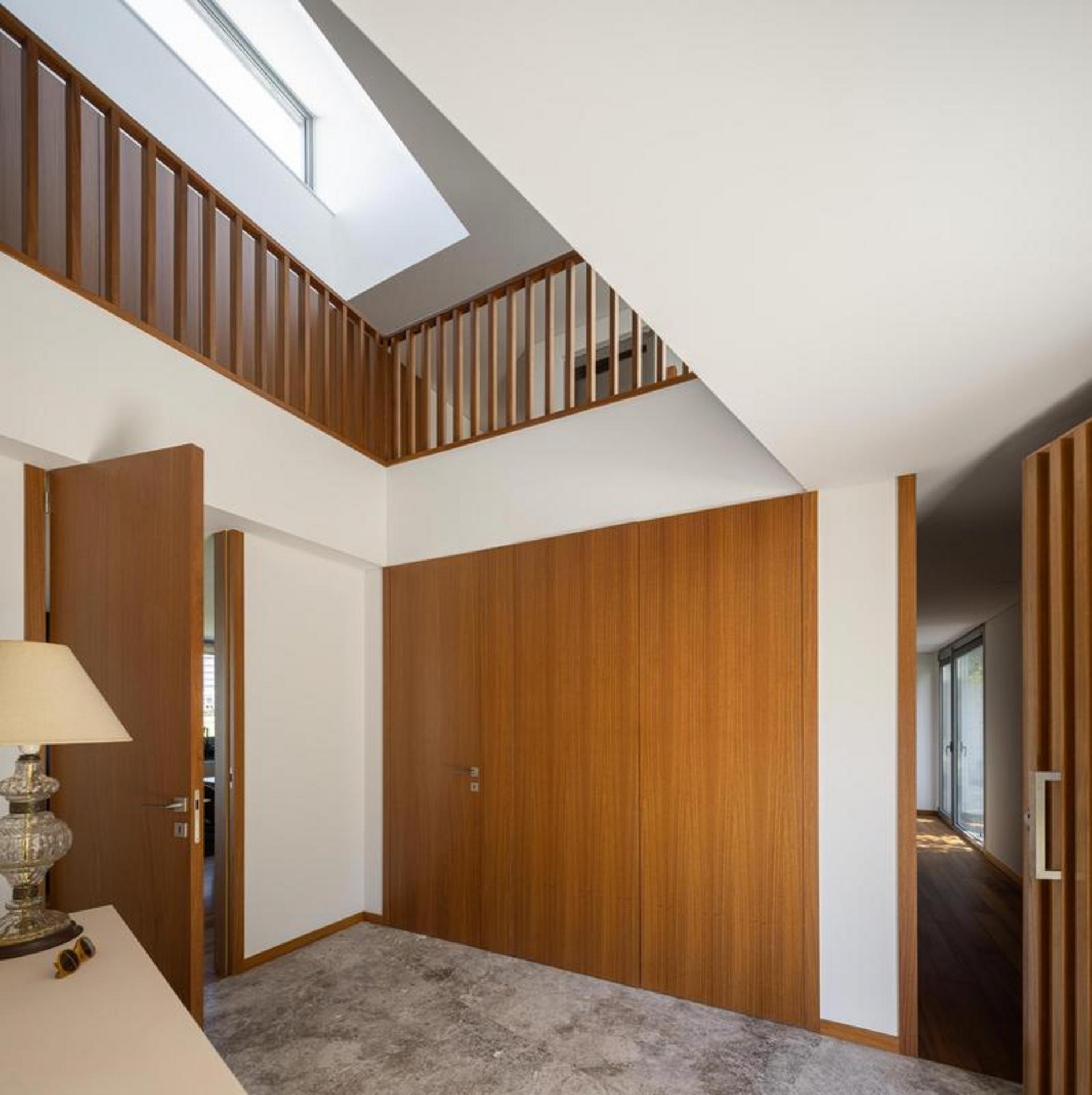
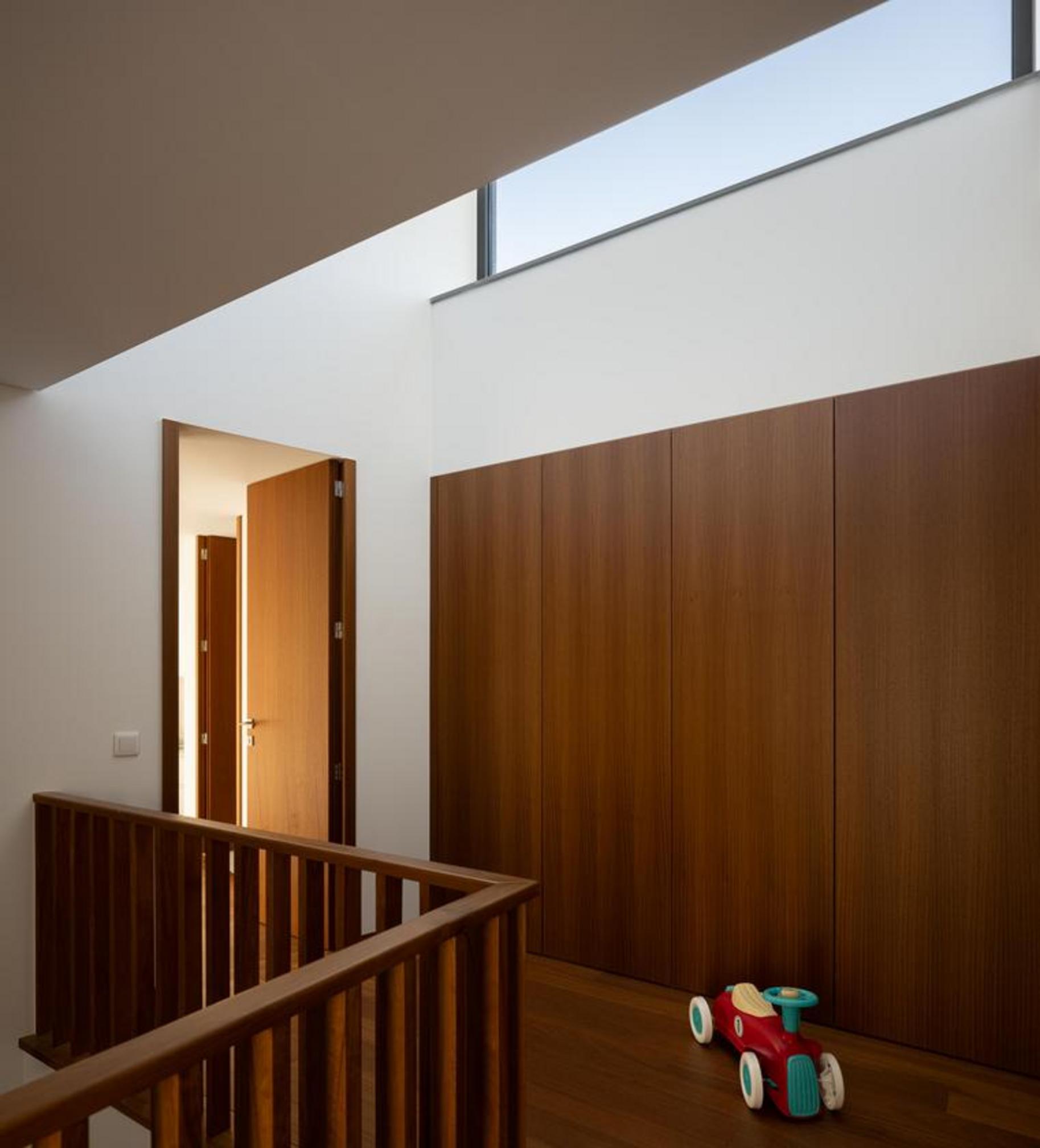
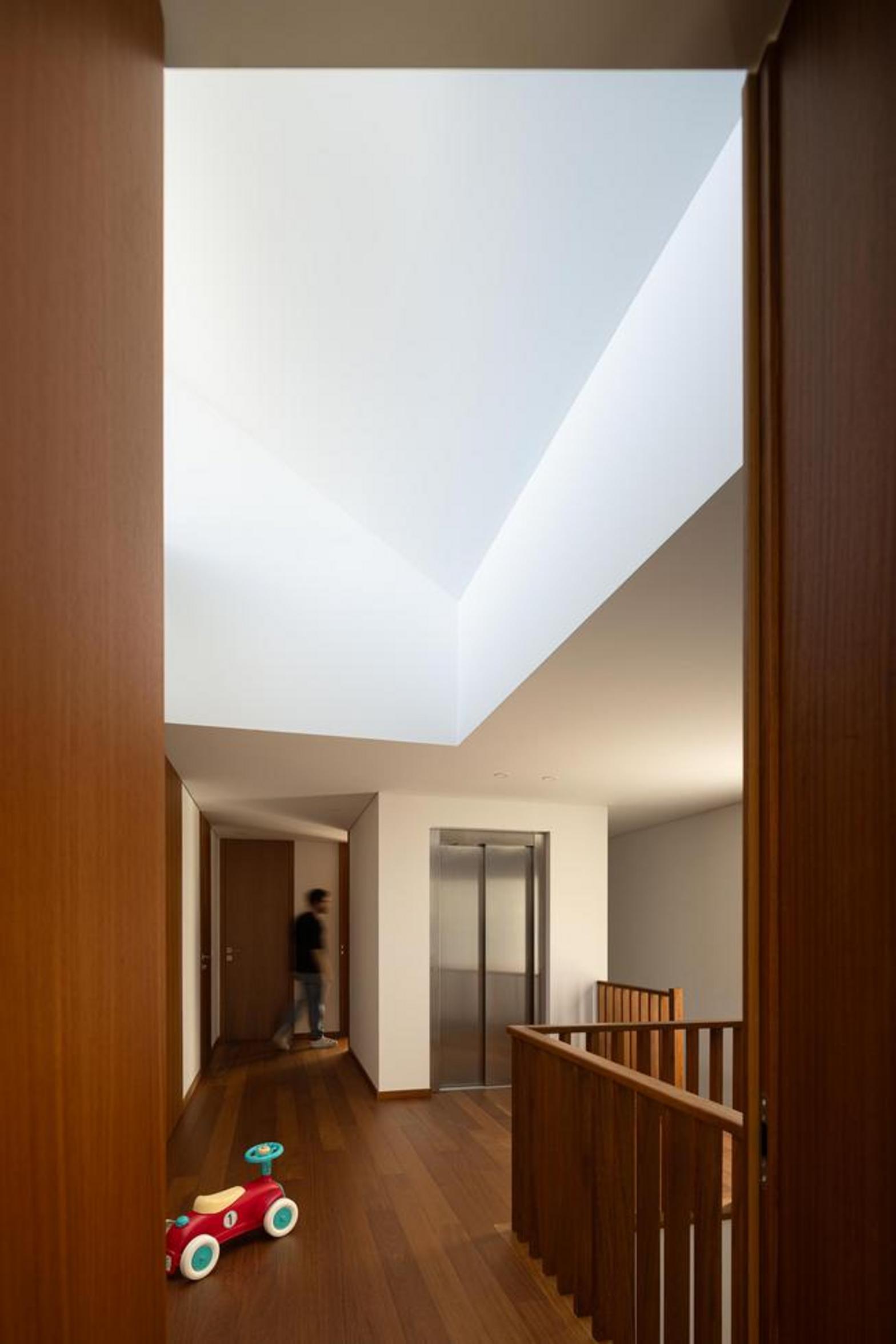
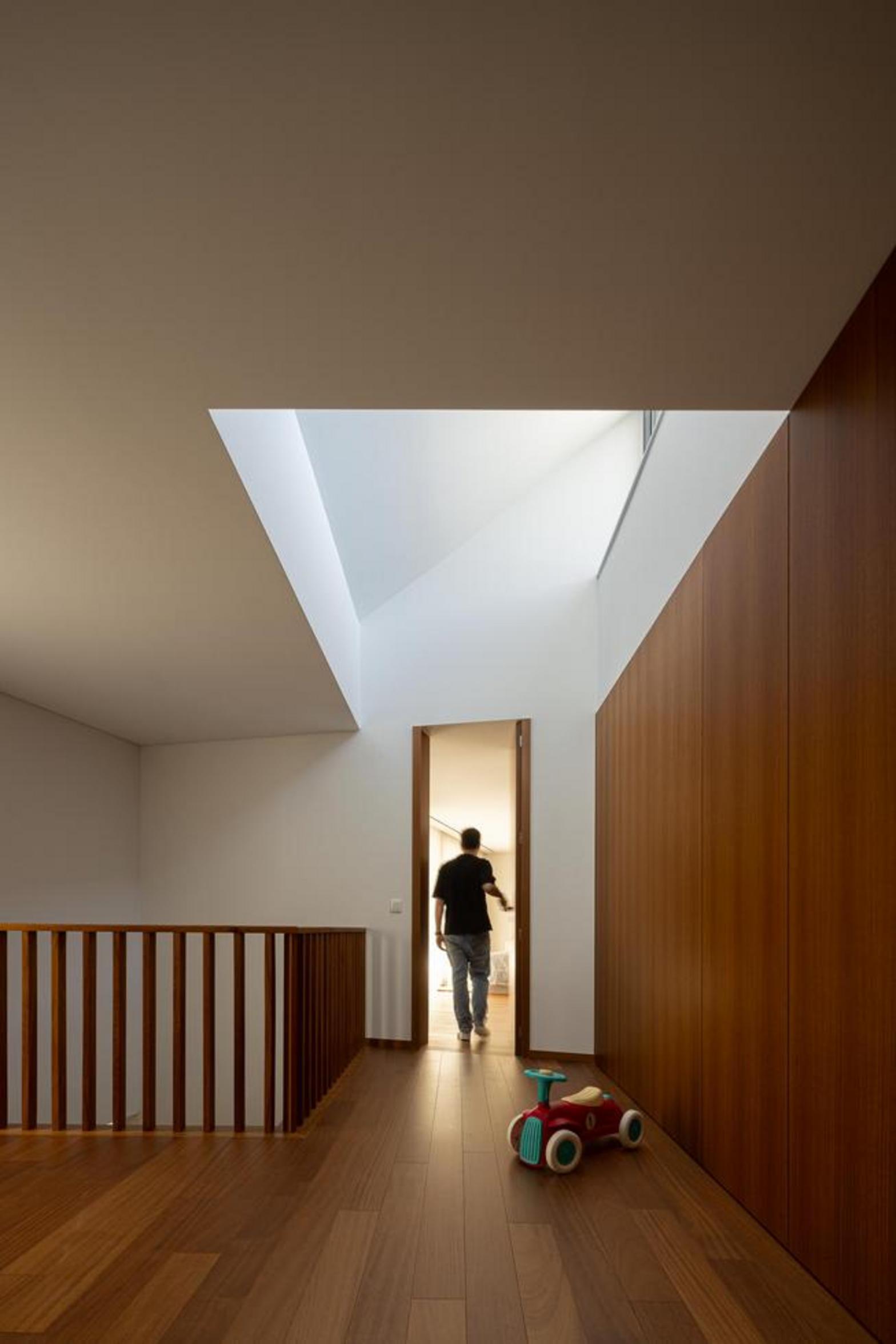
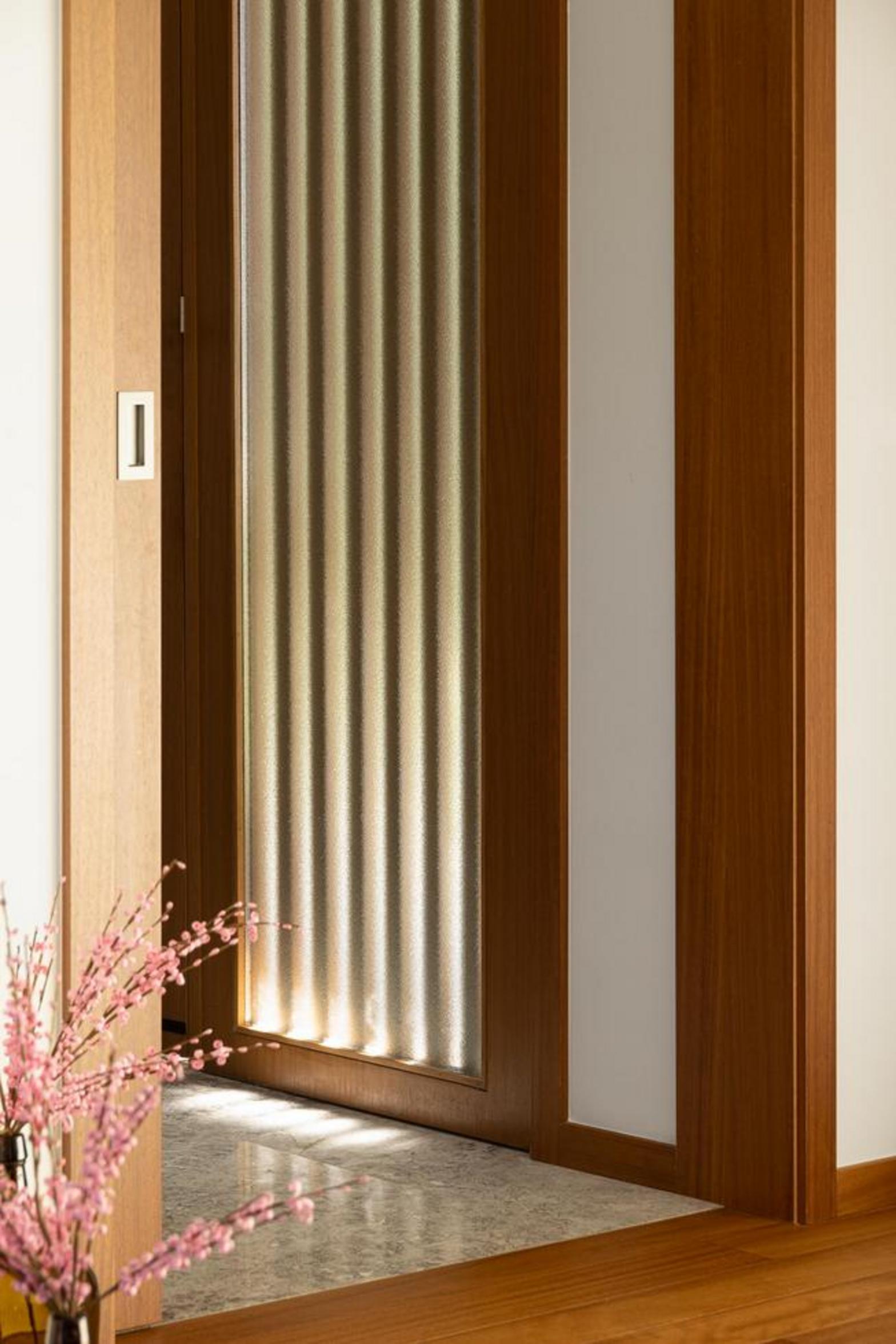
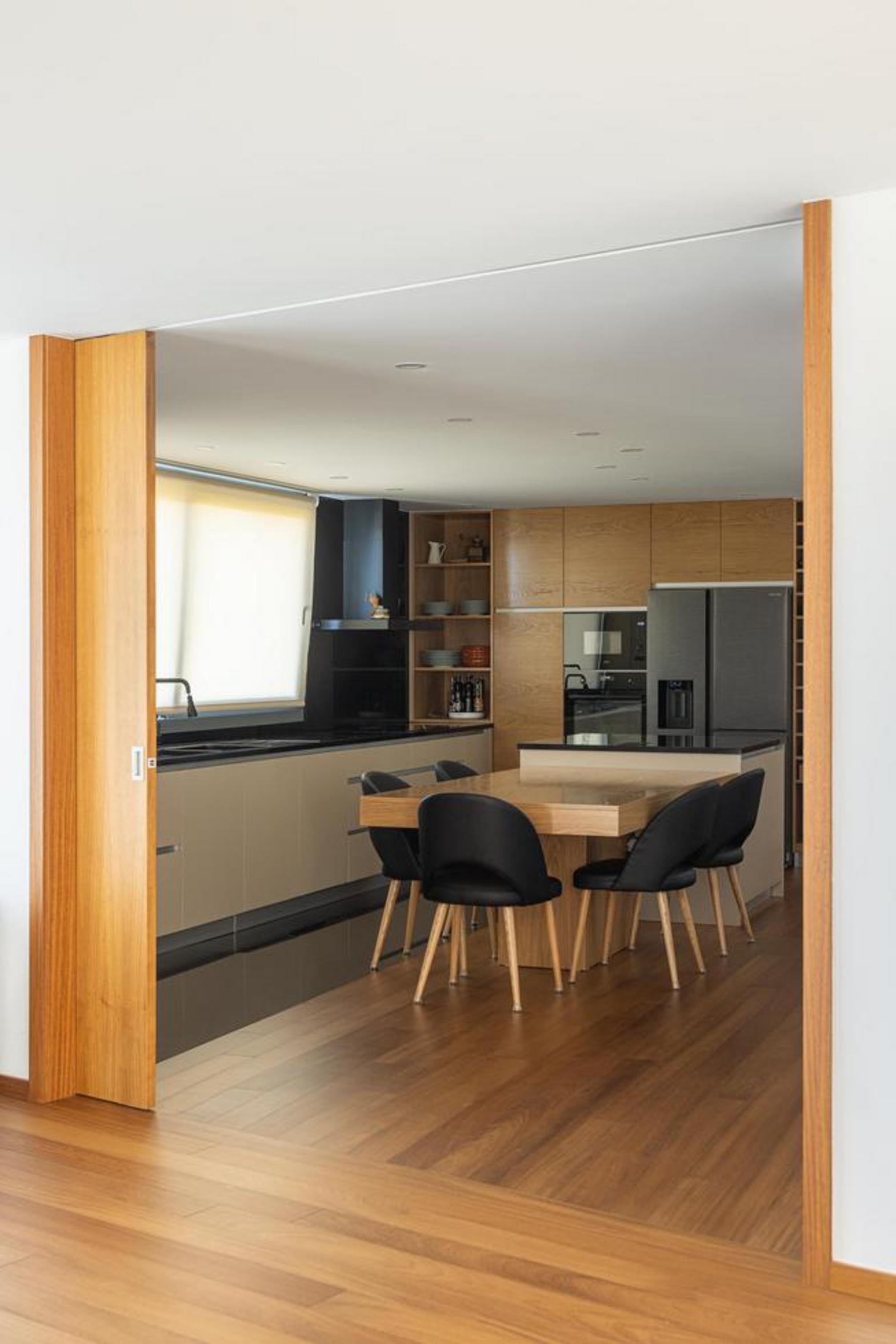
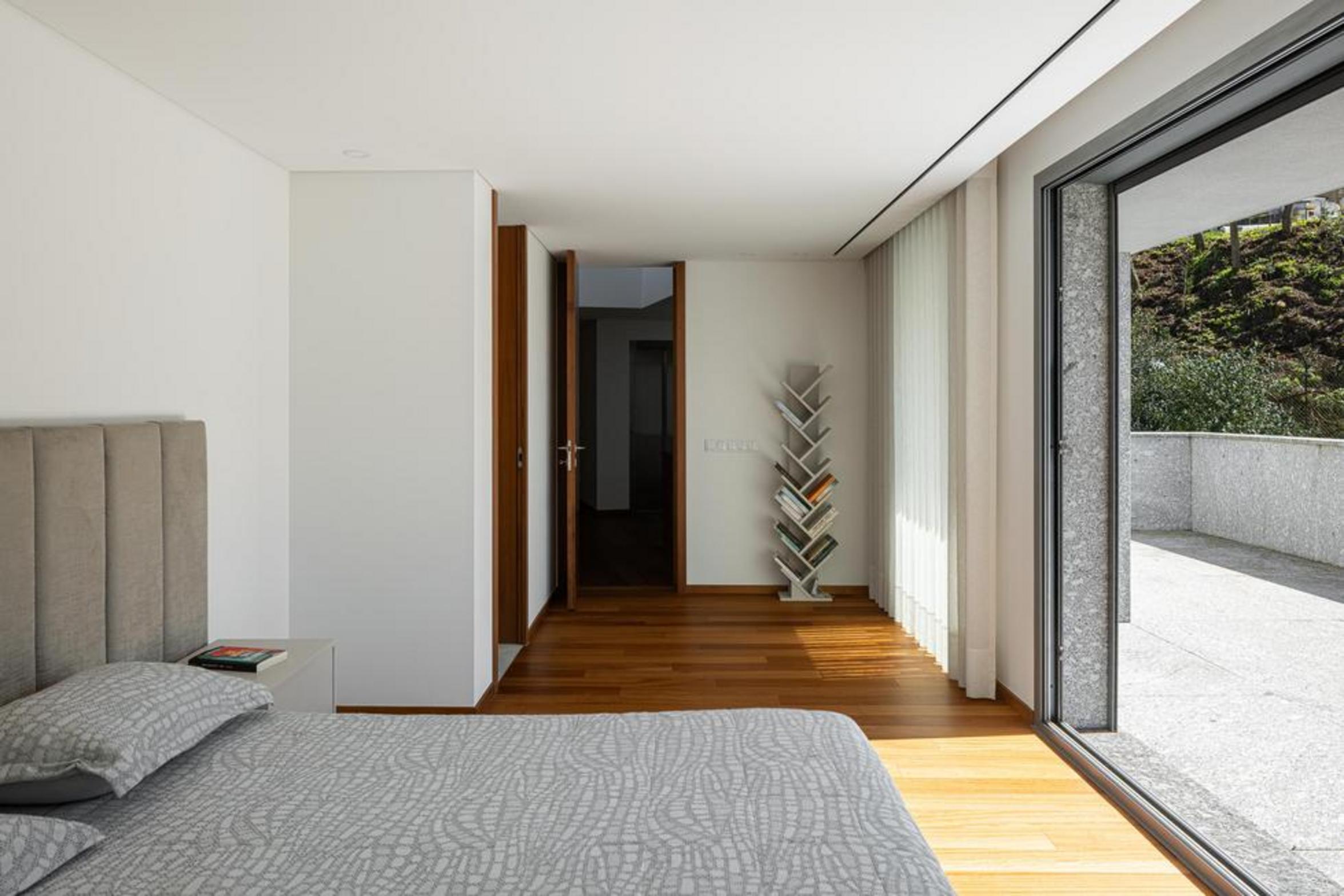
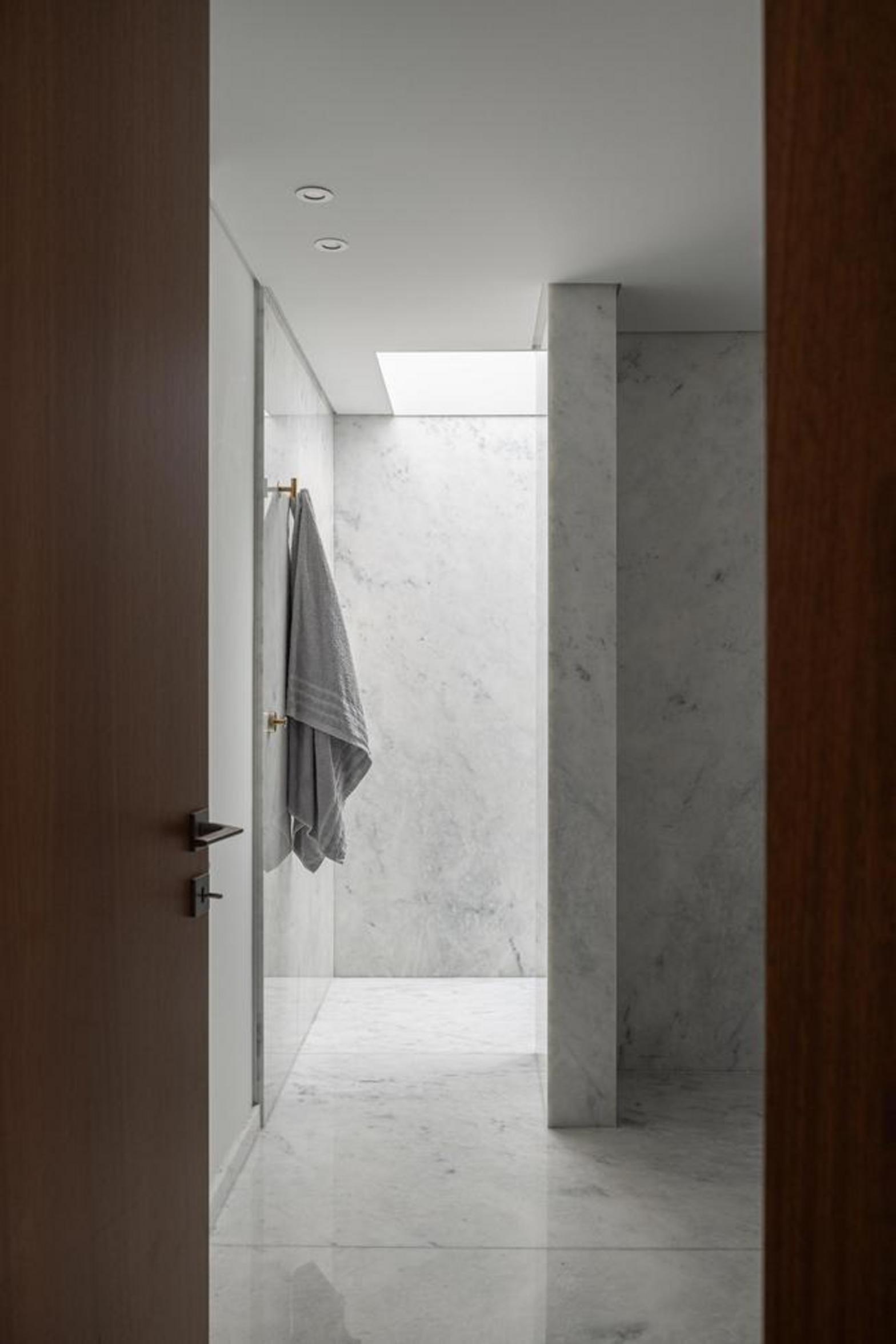
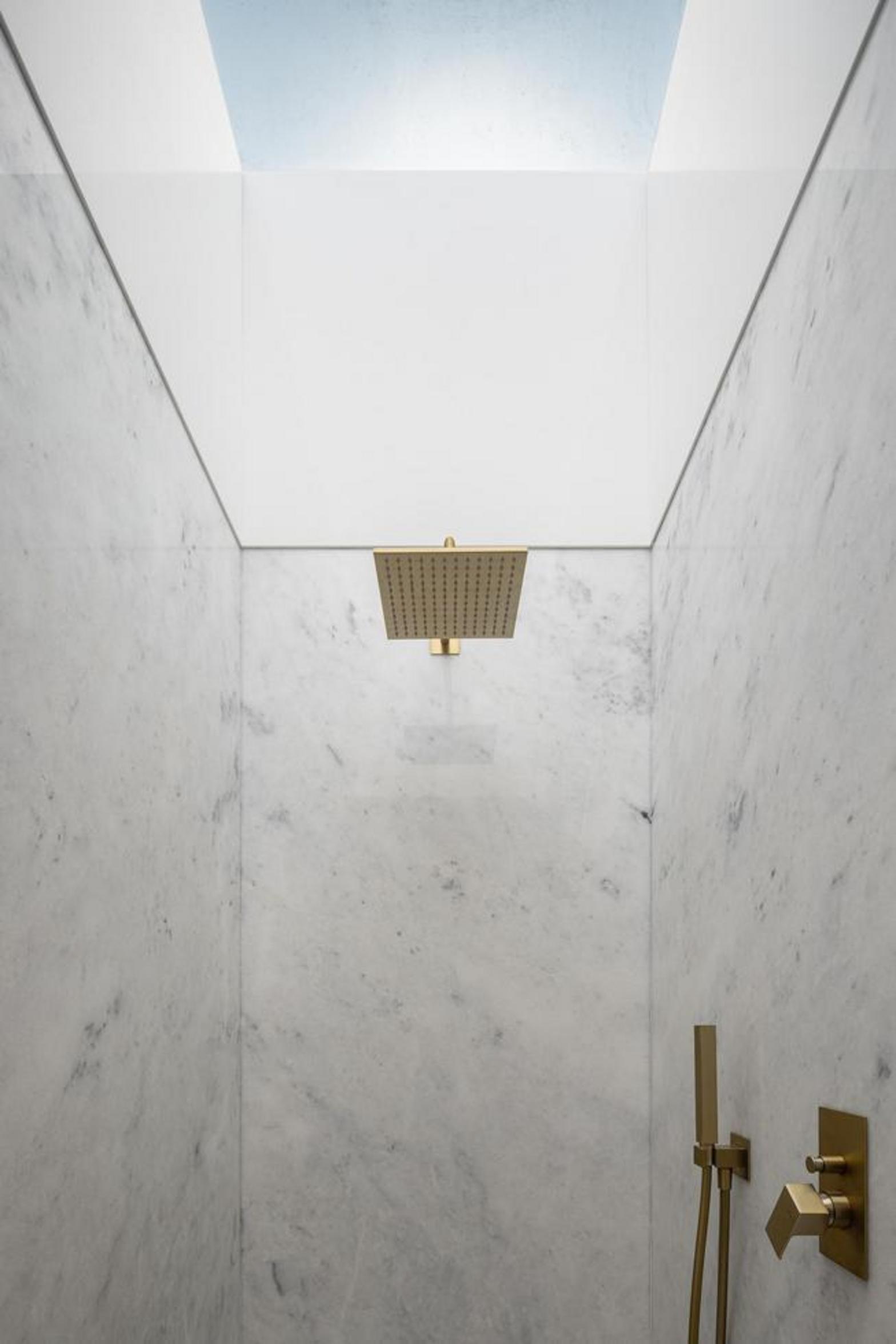
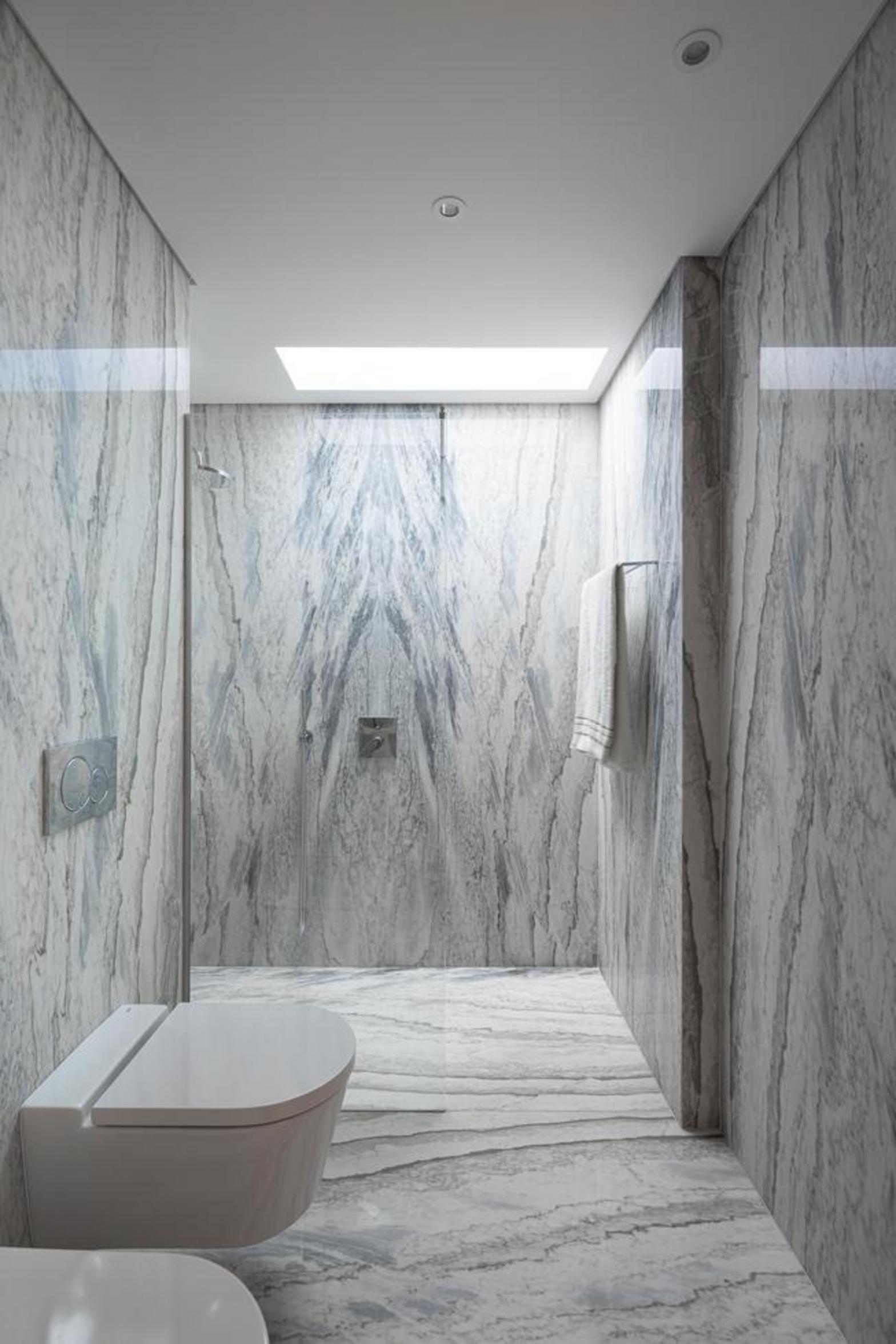
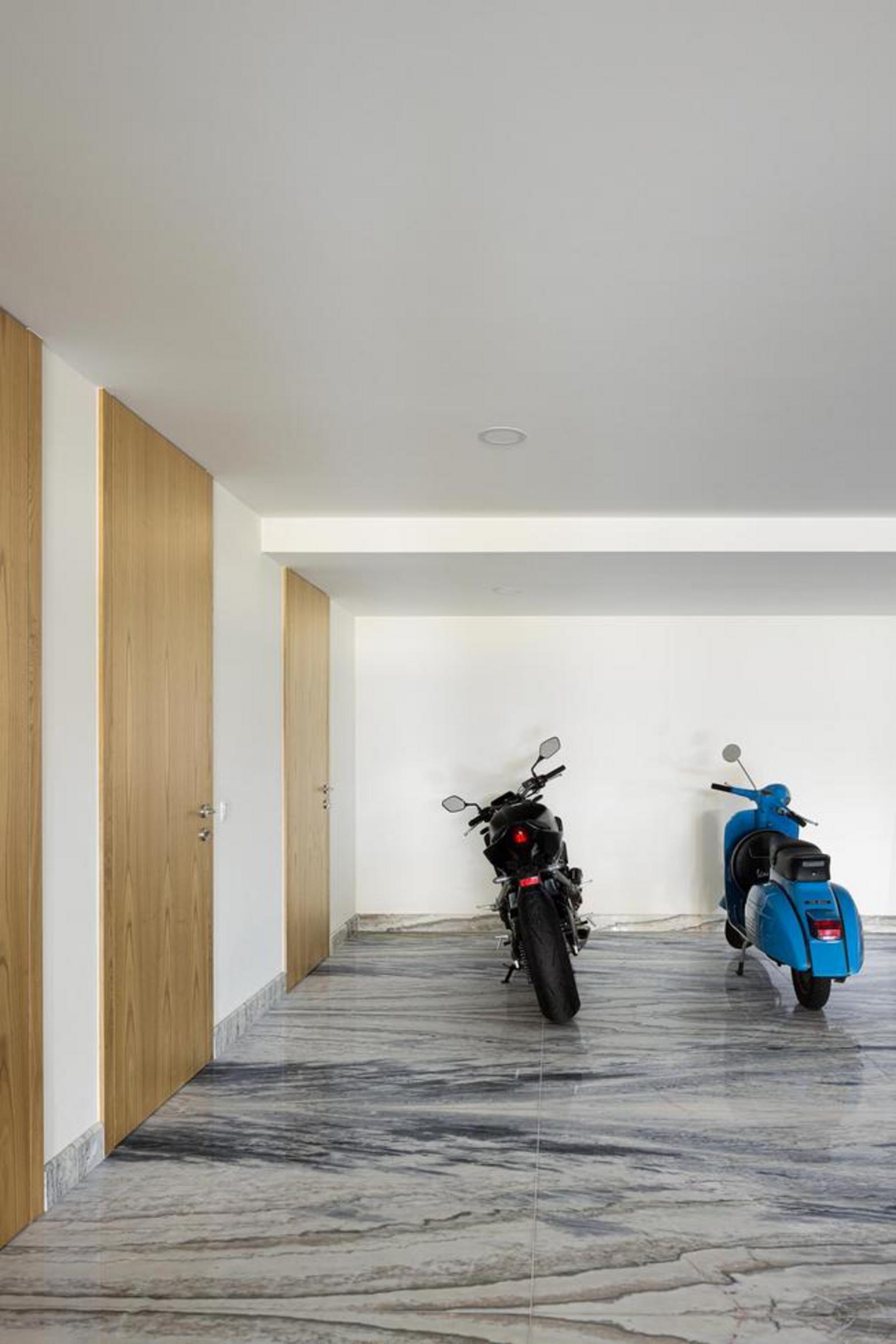
"Duas irmãs. Duas casas. Uma construção. Uma família que quis permanecer unida criando a intimidade de cada uma.A limitação regulamentar a apenas uma construção, torna o projeto num pedido particular: criar duas casas autónomas, dentro da mesma construção, num terreno contíguo à casa onde vivem os pais e as duas cresceram. Ambas com filhos, ambas com a necessidade de espaço para a vida acontecer — dentro e fora de casa. A proximidade era desejada e o desafio foi criá-la sem a tornar limitativa.O terreno apresentava condições exigentes: área de construção reduzida, acentuada diferença de cotas, e uma rocha de grande dimensão a poente, impossível de ignorar.O projeto incorporou estes obstáculos e a rocha tornou-se inspiração. A pedra, presente na paisagem e na memória do lugar, passou a ser o material estruturante da identidade da obra, desde o embasamento comum que cria uma plataforma de nível, e que alberga garagens e áreas técnicas, até aos apontamentos que pontuam as fachadas brancas e se prolongam pelos interiores. O que era condicionante tornou-se identidade.No interior, os espaços são generosos e fluídos, com uma relação cuidada com o exterior. A pedra e a madeira dialogam com a luz natural, que exalta a beleza dos materiais. Os detalhes são decisões: emolduram vistas, marcam transições, integram objetos com significado.O mesmo cuidado estende-se ao exterior, definindo espaços cobertos, integrados na própria volumetria das casas, que criam áreas protegidas onde a vida com as crianças pode acontecer — abrigam com liberdade, não condicionam. O exterior não é o que sobrou, é parte importante do projeto.O resultado são duas casas muito diferentes entre si, que partilham uma origem, uma linguagem e a ligação ao solo, tal como as duas irmãs que as habitam. "
Texto fornecido pelo atelier de arquitetura.
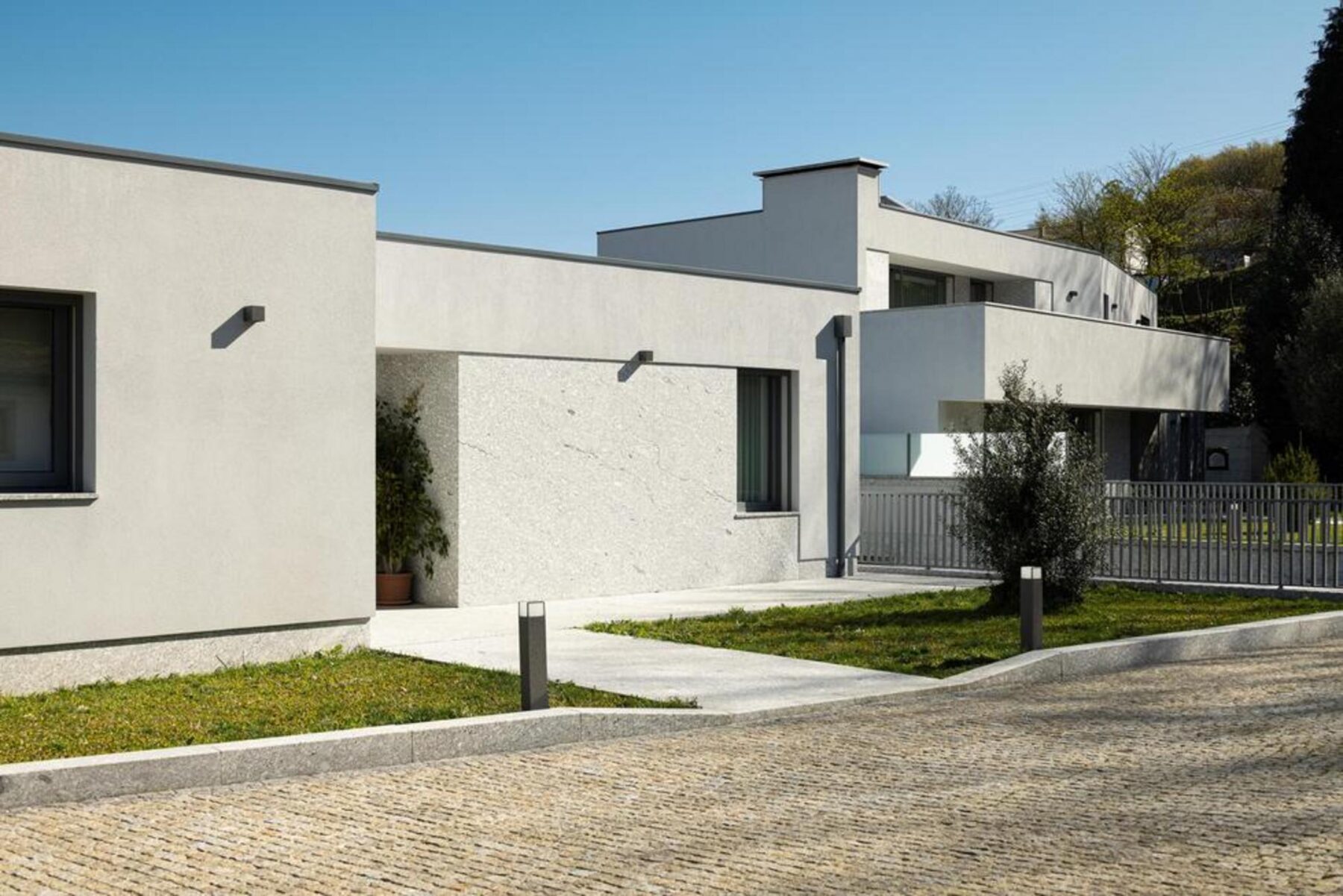
"Two sisters. Two houses. One construction. A family that wanted to remain close but designing their own privacy.A regulatory constraint limiting the plot to a single building made this a particular brief: to design two autonomous homes within the same building, on a plot adjacent to the parents’ house where the two sisters grew up. Both with children, both with the need for space where life could unfold — inside and outside. Proximity was desired, and the challenge was to create it without making it feel restrictive.The site presented demanding conditions: a reduced buildable area, a significant difference in ground levels, and a large rock formation to the west, impossible to ignore.The project embraced these obstacles, and the rock became an inspiration. The stone, present in the landscape and in the memory of the place, became the defining material of the work's identity, from the shared base that creates a level platform (garages and technical areas), to the accents that punctuate the white rendered façades and extend into the interiors. What was a constraint became identity.Inside, the spaces are generous and fluid, with a intended relationship to the exterior. Stone and timber dialogue with natural light, which draws out the beauty of the materials. The details are decisions: they frame views, mark transitions, anchor objects with meaning.The same care extends to the exterior, where covered spaces, integrated into the volumetry of the houses, create sheltered areas where life with children can happen freely, without feeling confined. The exterior is not what was left over, it is an essential part of the project.The result is two very different homes that share an origin, a language, and a bond to the ground, much like the two sisters who inhabit them. "
Text provided by the architecture firm.

PRIVACIDADE

Utilizamos cookies para analisar o tráfego do site e permitir a exibição de conteúdos interativos do YouTube e Spotify. Para navegar no portefólio, por favor aceite as nossas definições de privacidade.