















DESCRIÇÃO DO PROJETO
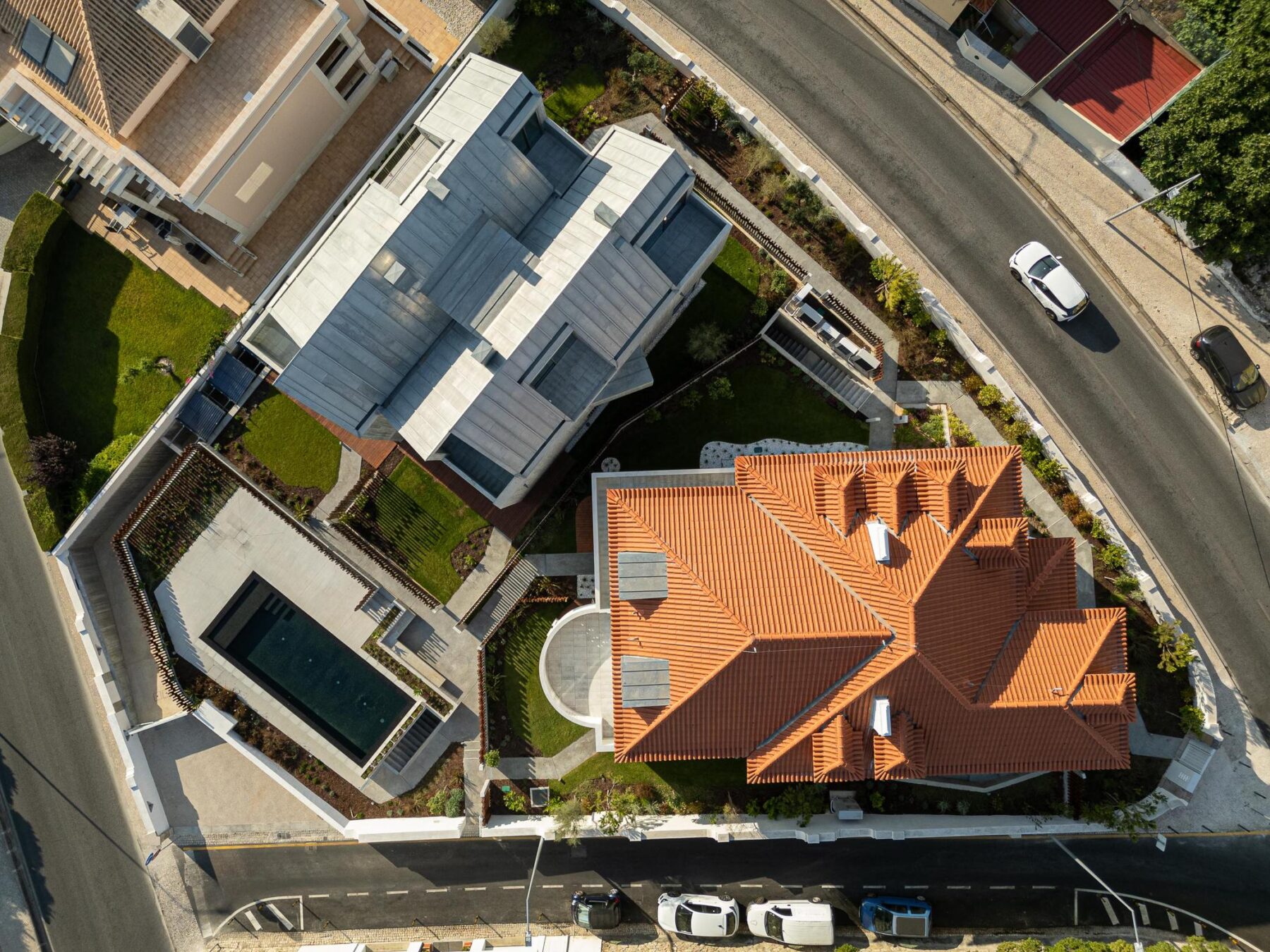
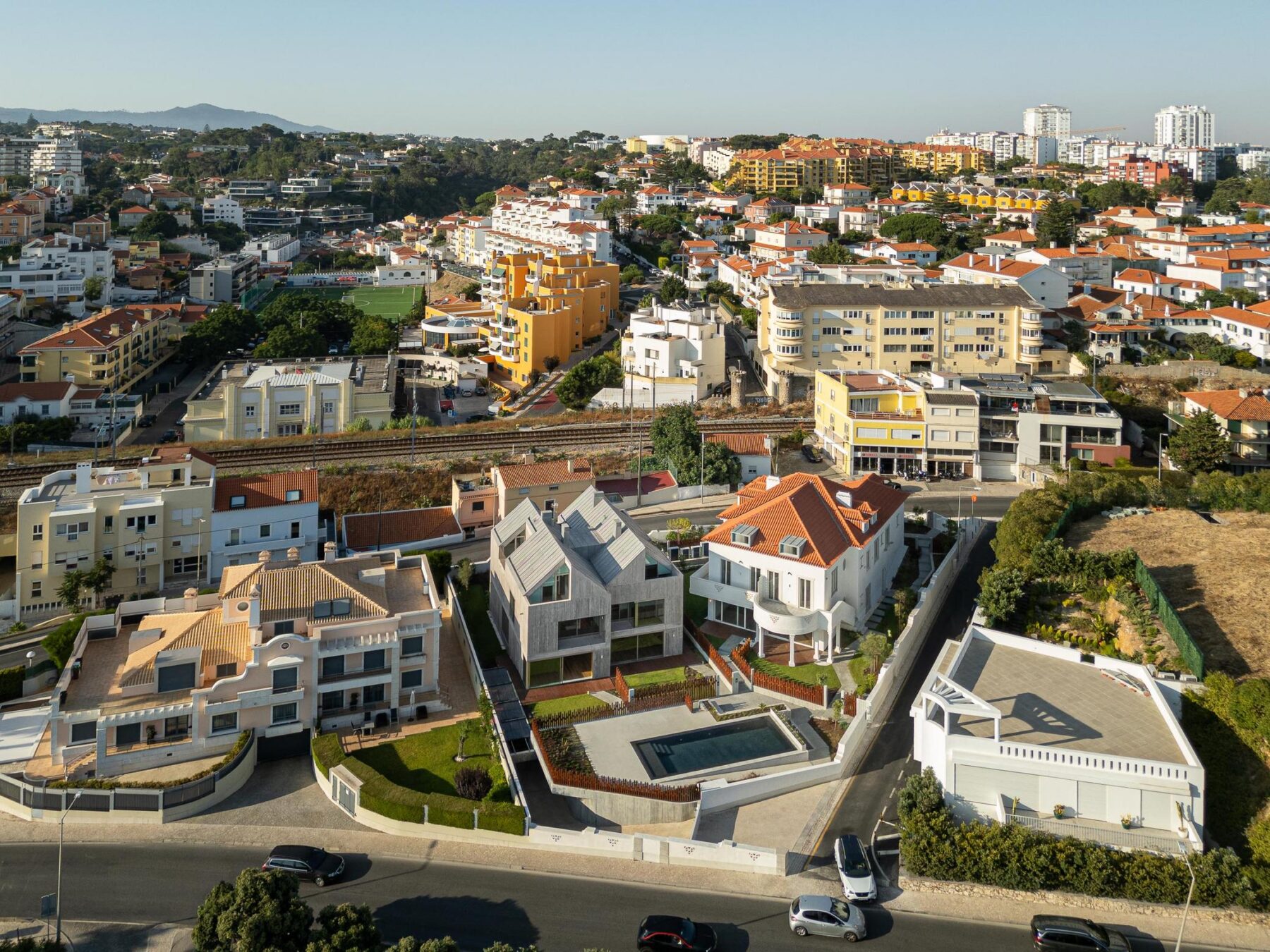
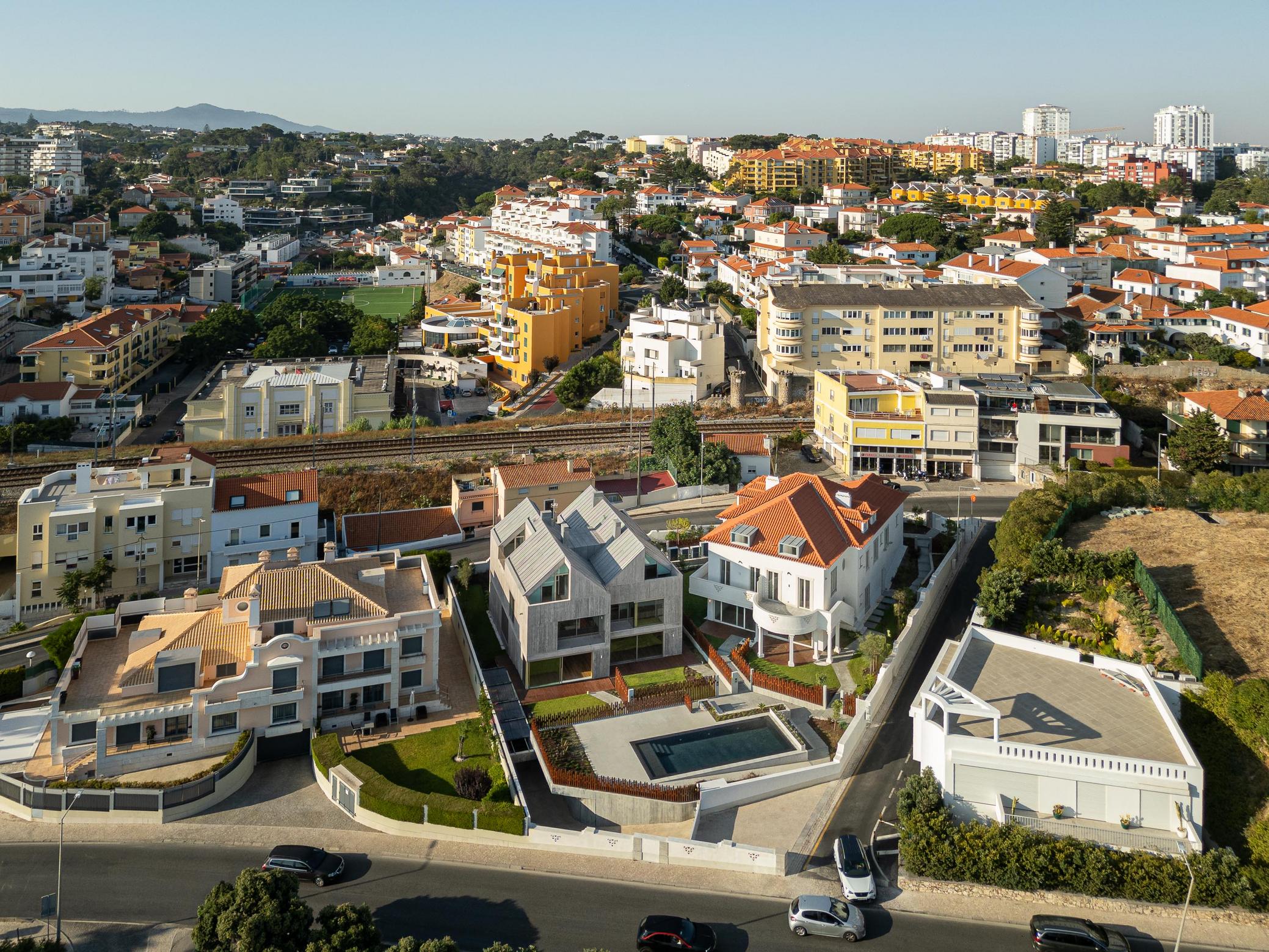
"O presente projeto de arquitetura incide sobre a reabilitação e ampliação de um edifício existente, bem como sobre a construção de duas novas moradias geminadas, num lote situado em São João do Estoril, junto à Praia da Poça e confrontante com a Avenida Marginal, a Avenida Marques Leal e a Rua Narcisa Sousa Graça. O terreno, com uma área total de cerca de 1600 m², apresenta uma configuração irregular e um declive no sentido Nascente–Poente, sendo atualmente ocupado por uma moradia unifamiliar devoluta, designada por Casal São João Batista, datada de 1921 e identificada no Catálogo-Inventário Municipal do Património Arquitetónico como um exemplar relevante da arquitetura de veraneio característica desta frente costeira.
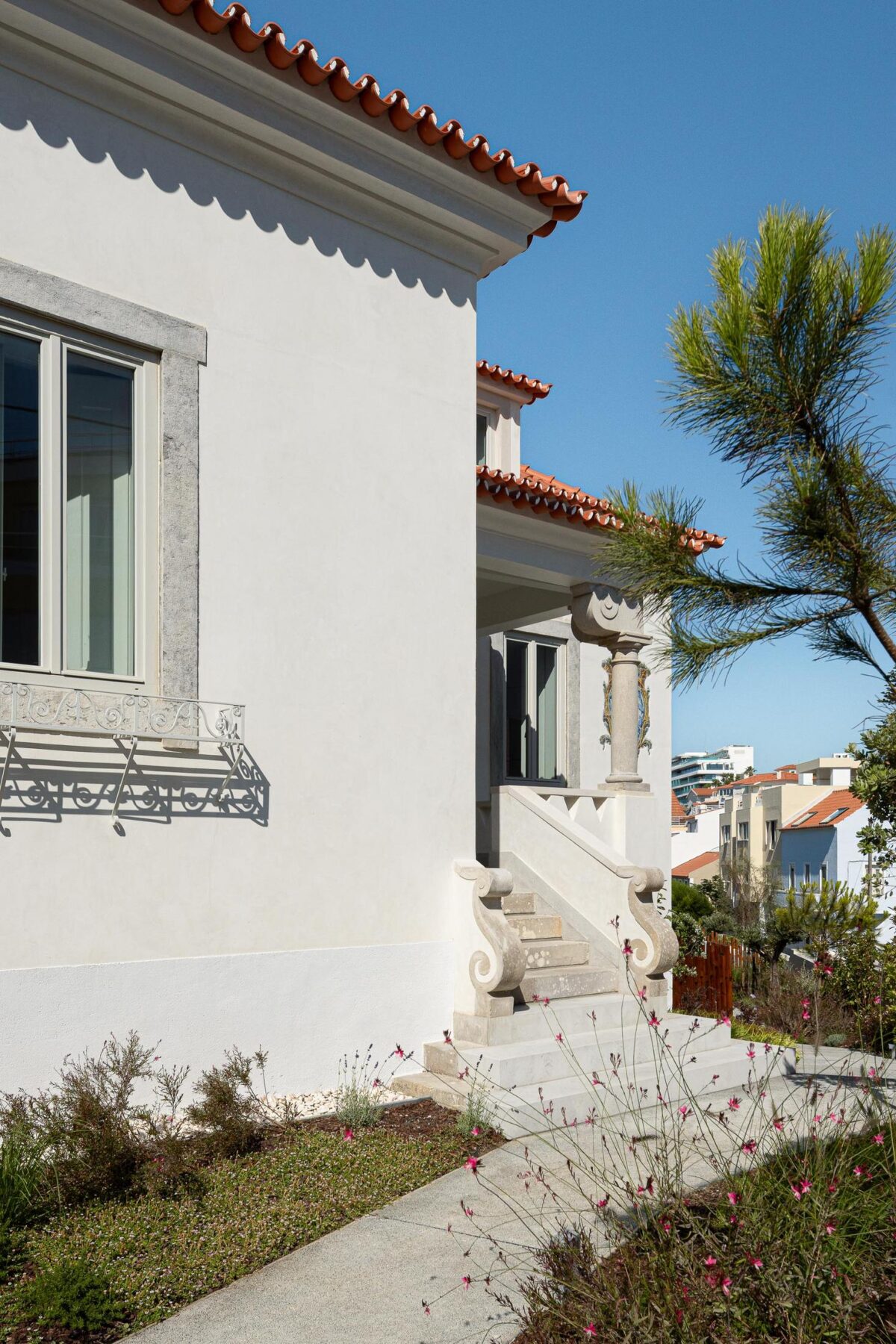
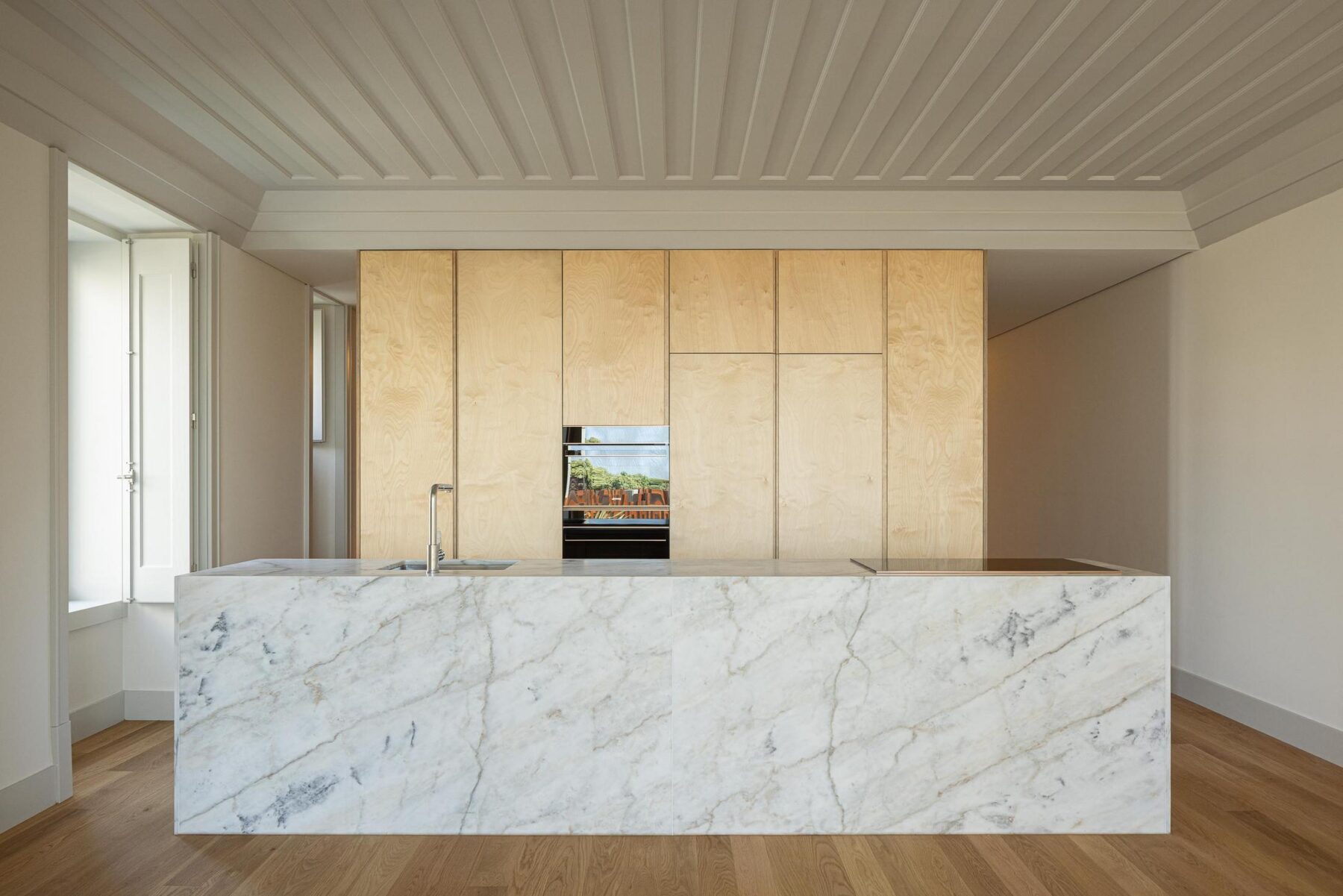
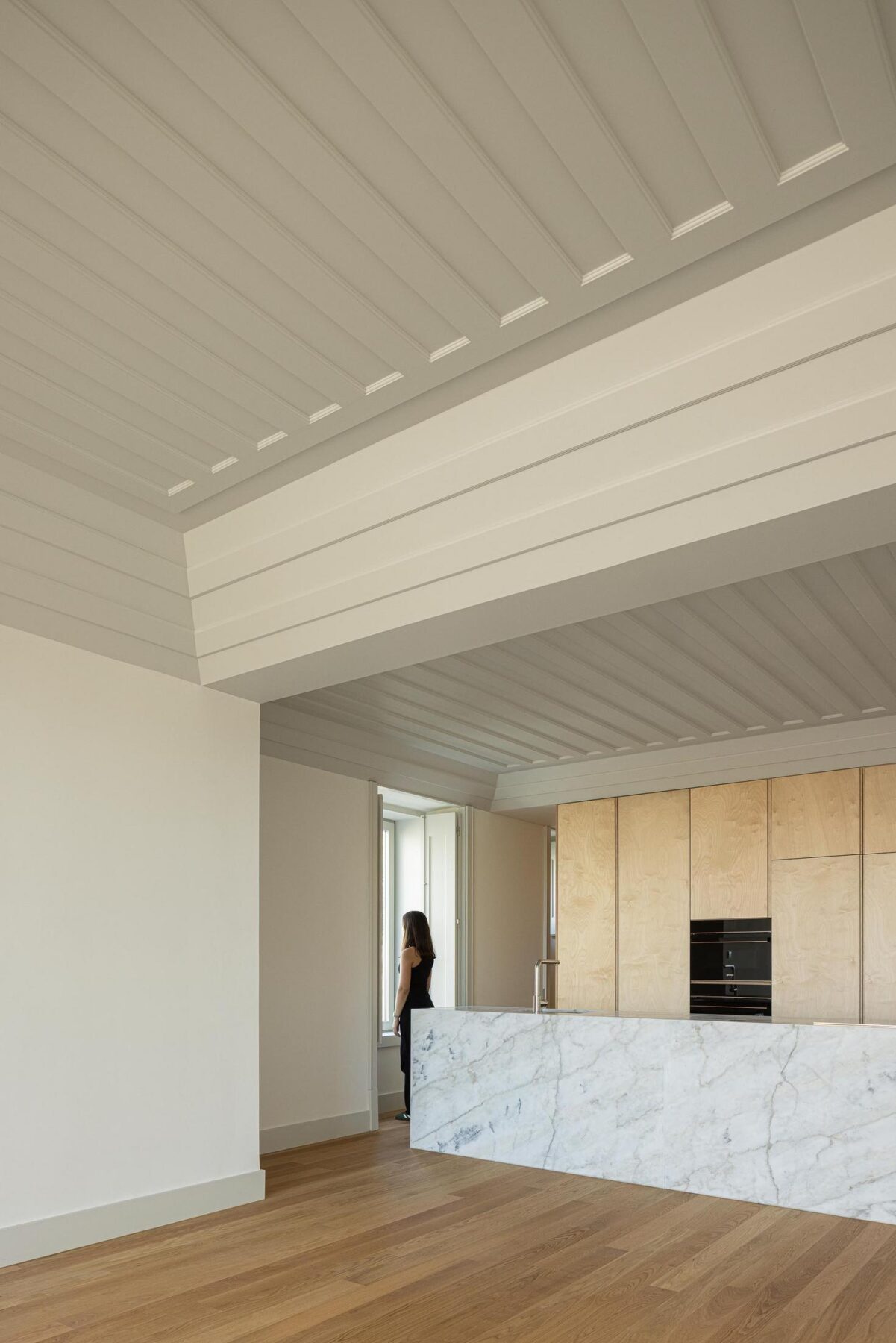
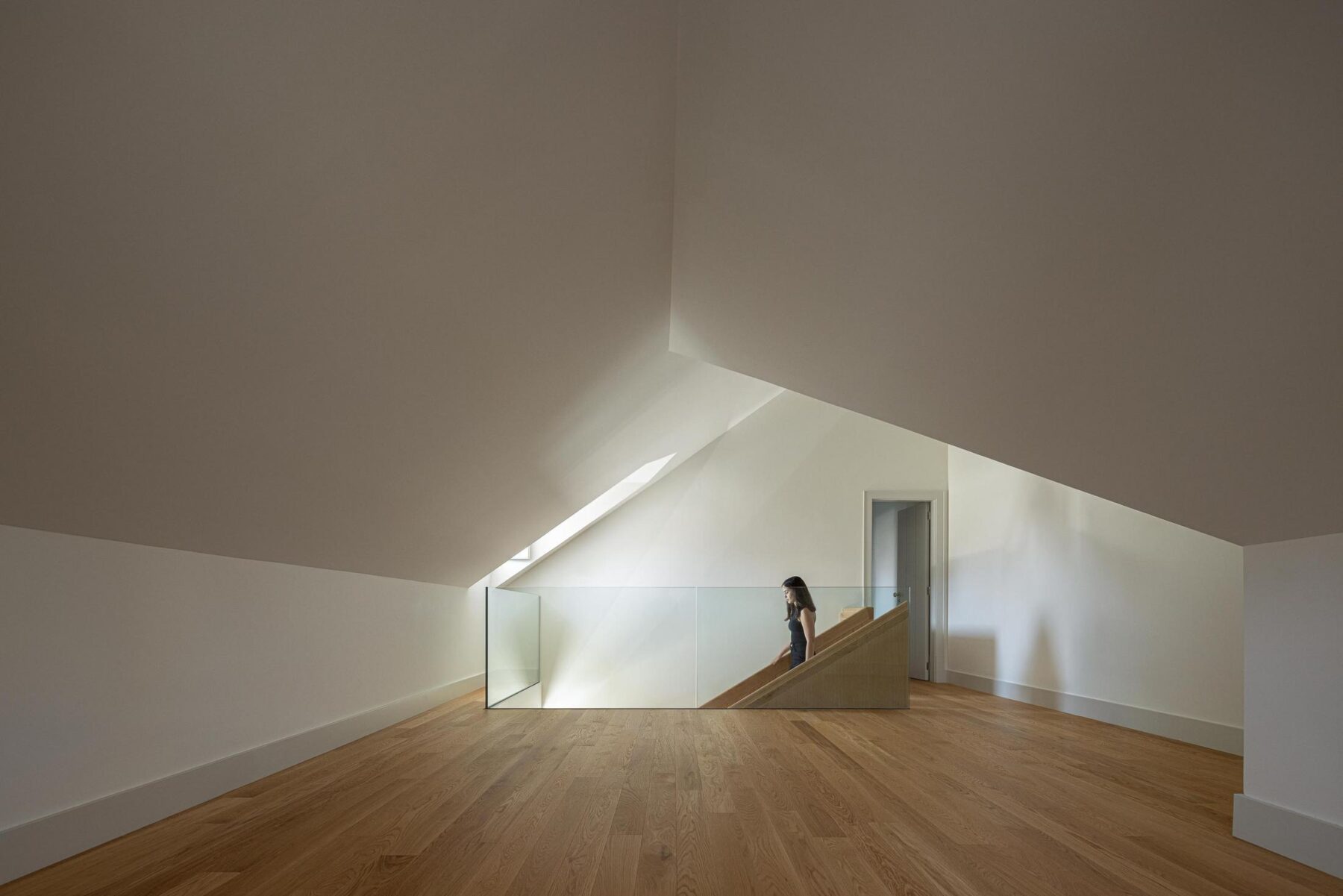
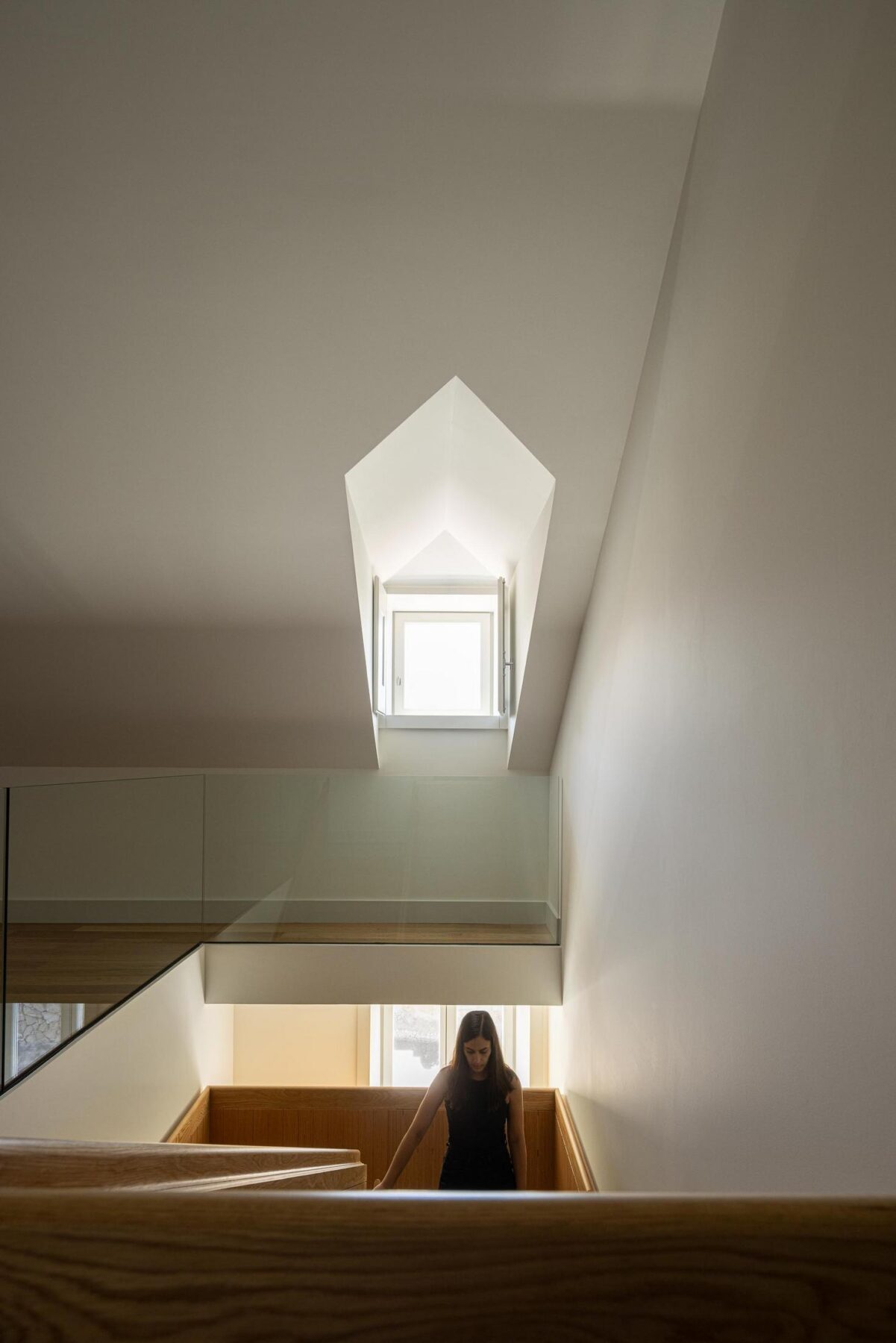
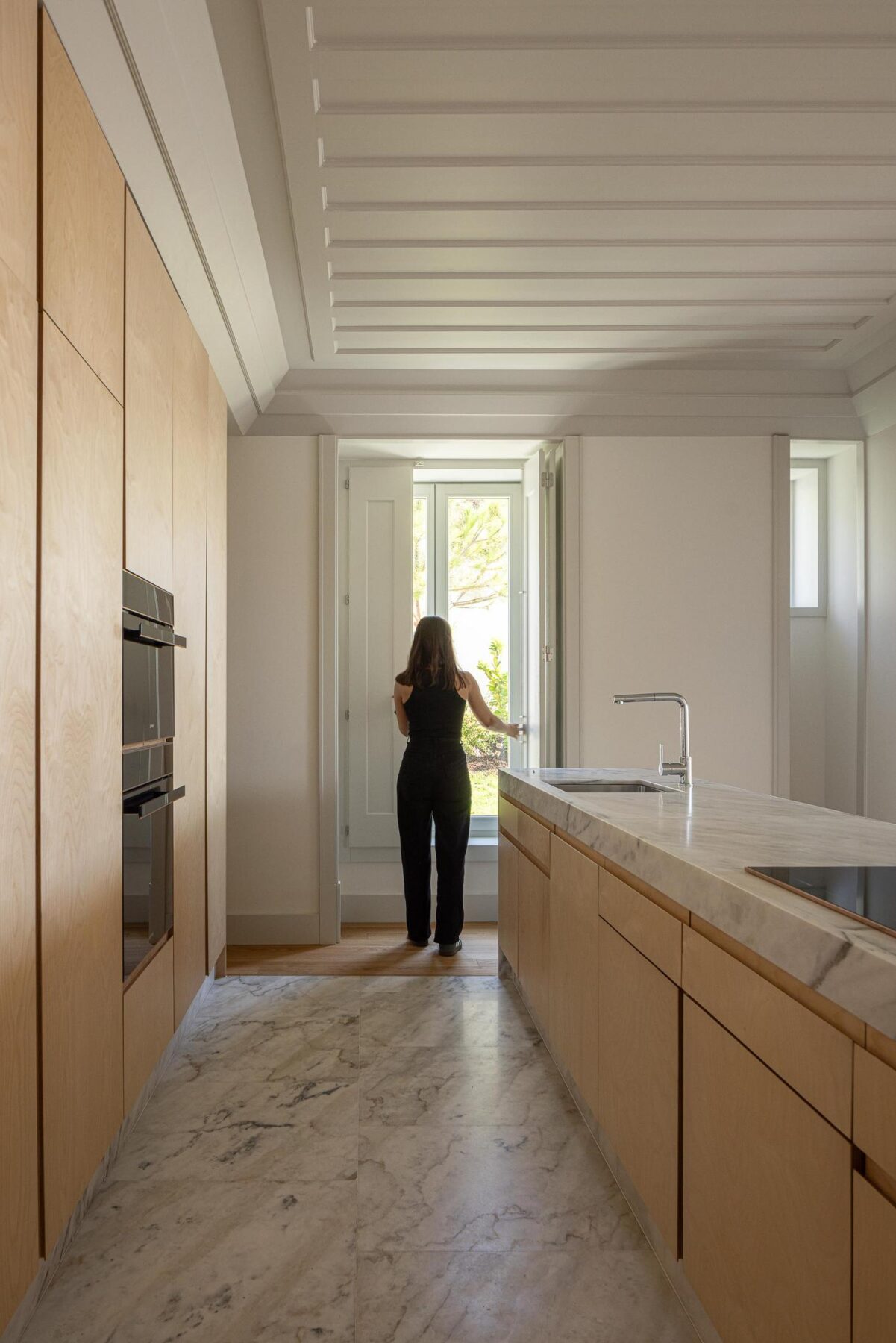
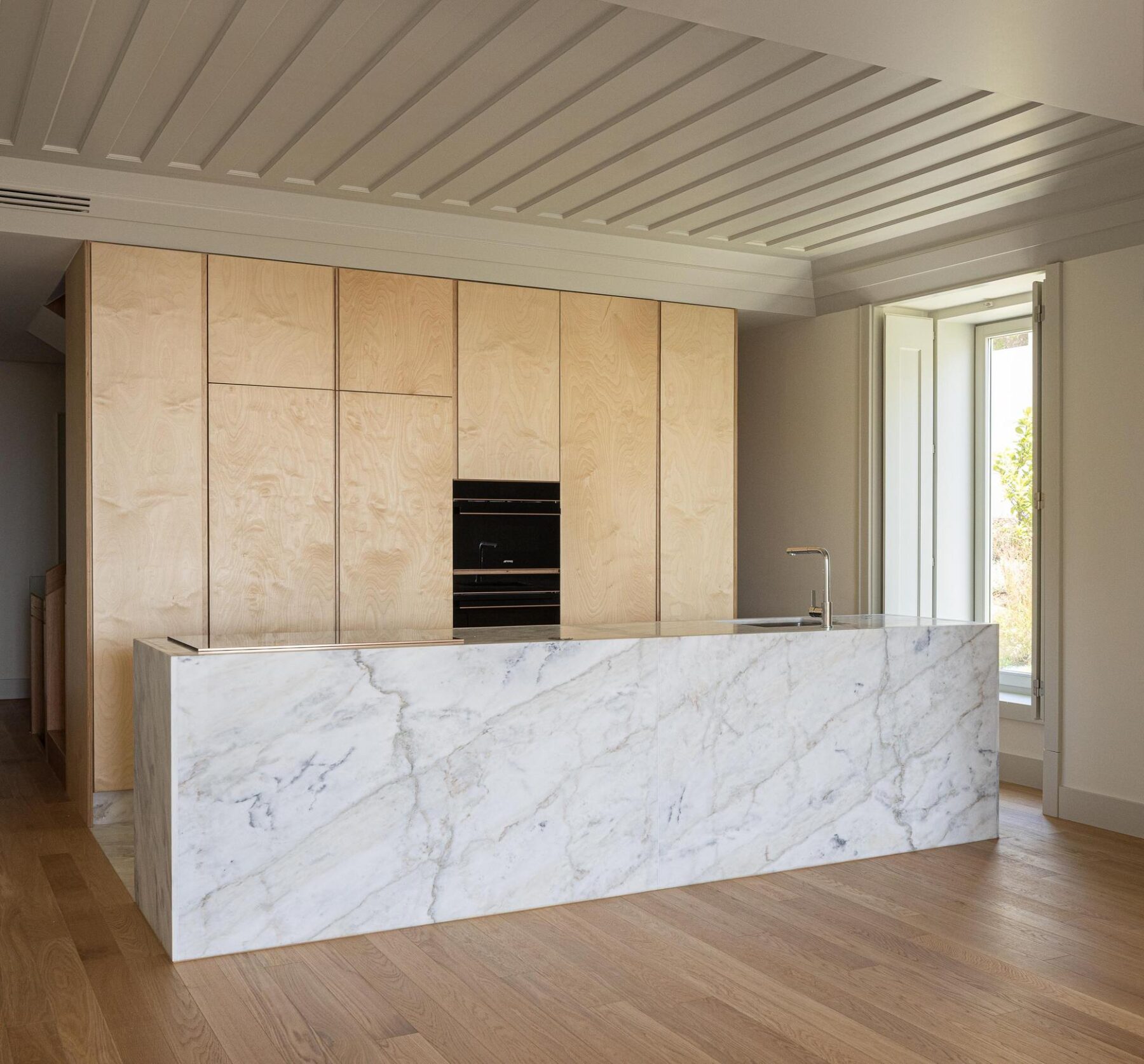
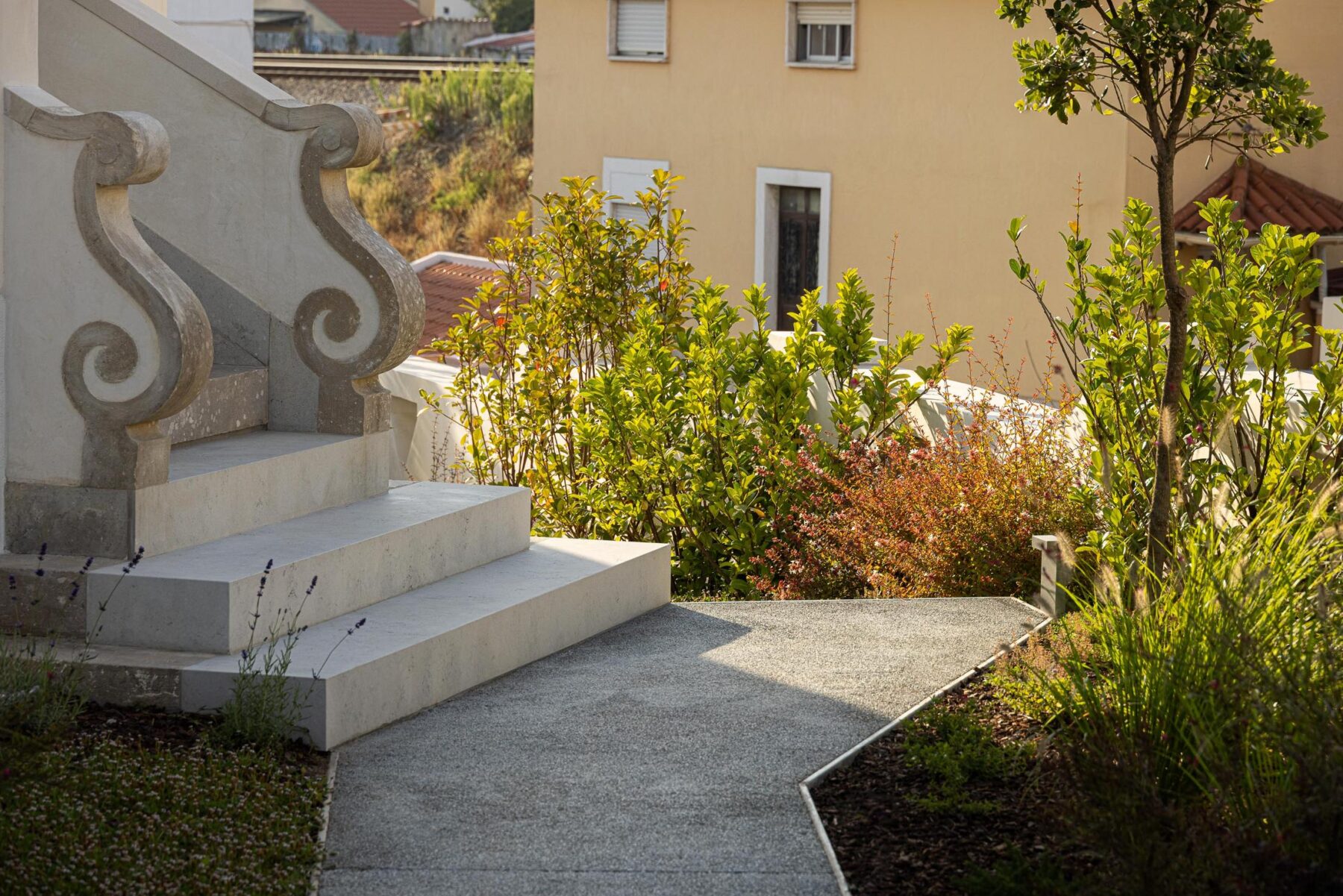
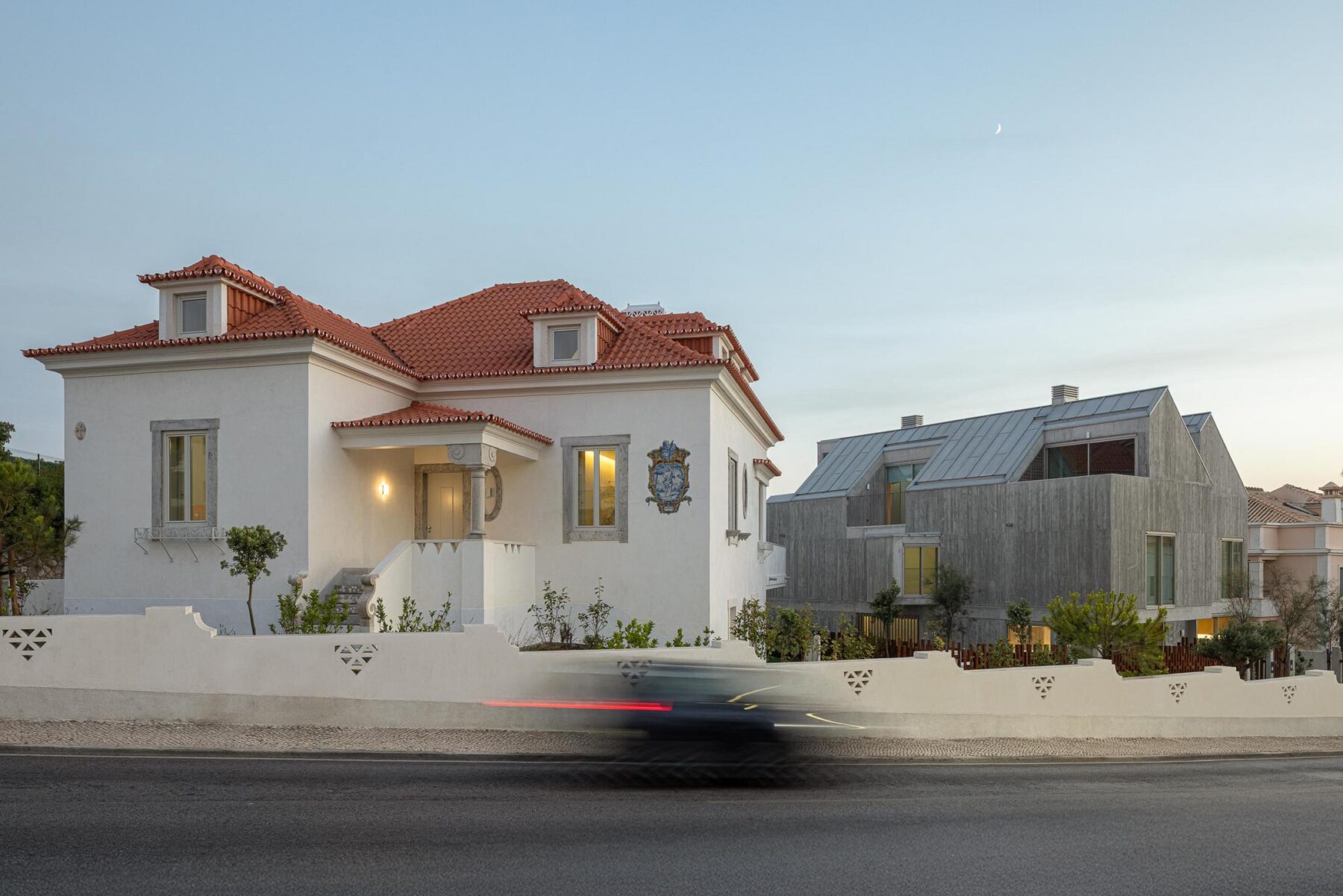
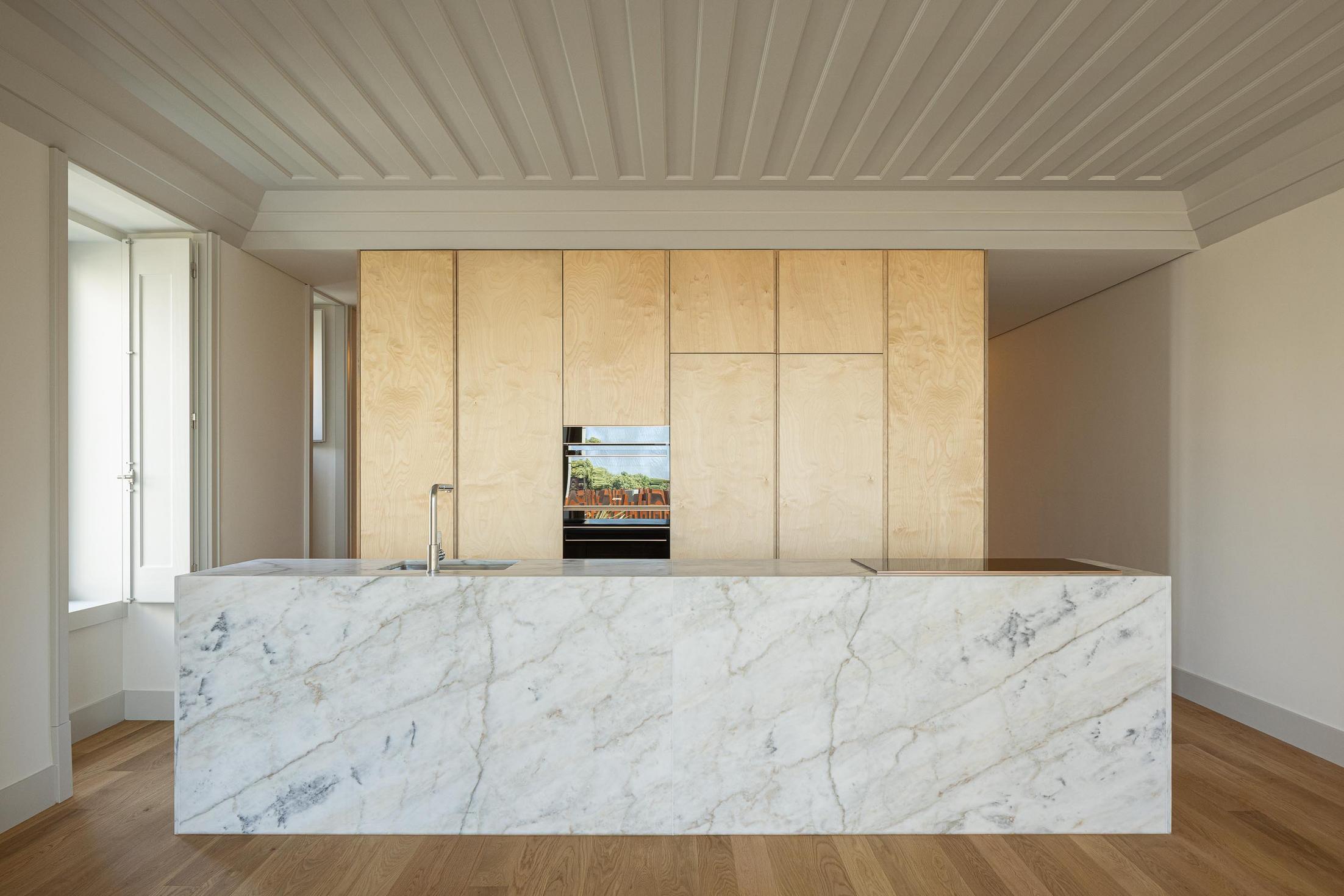
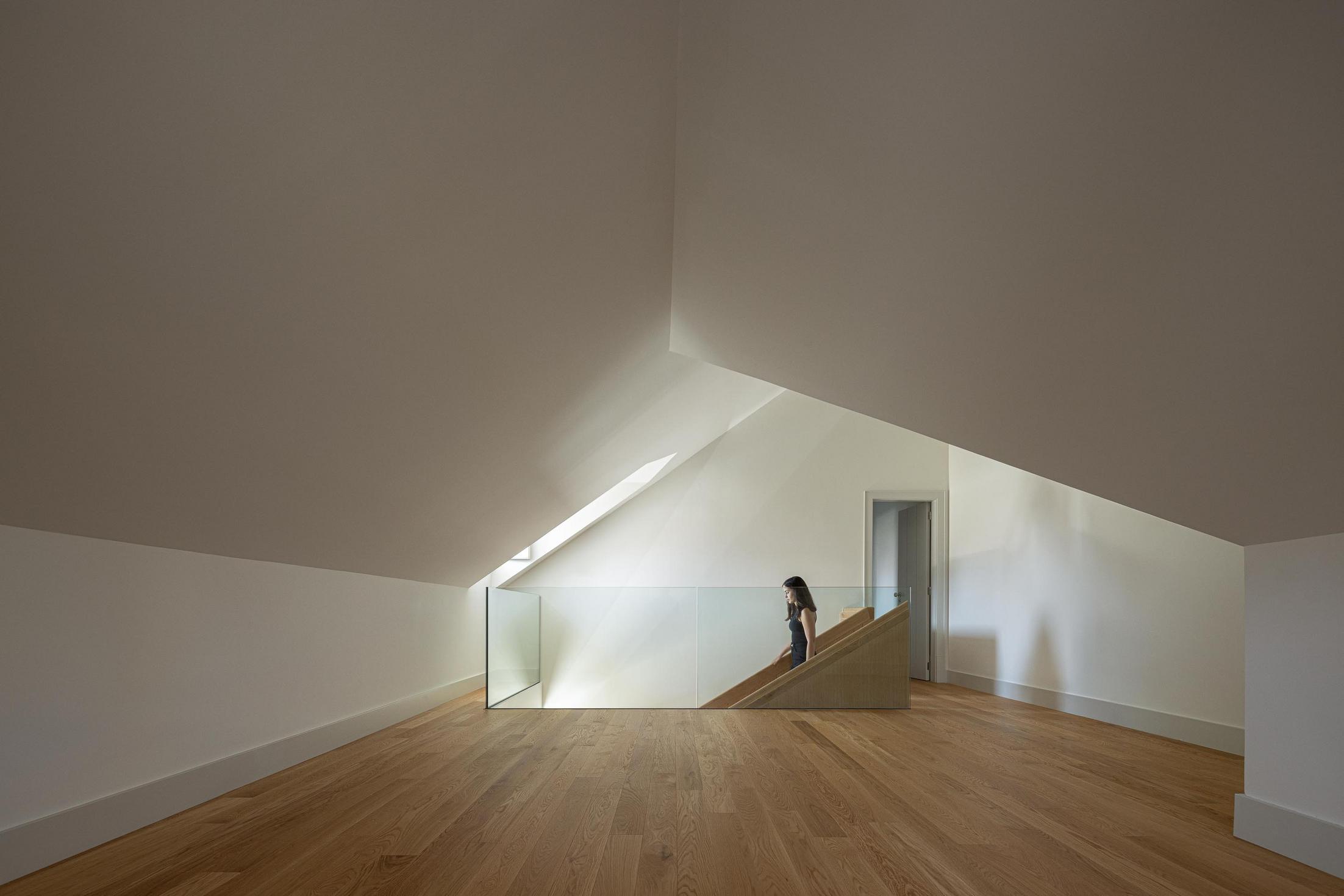
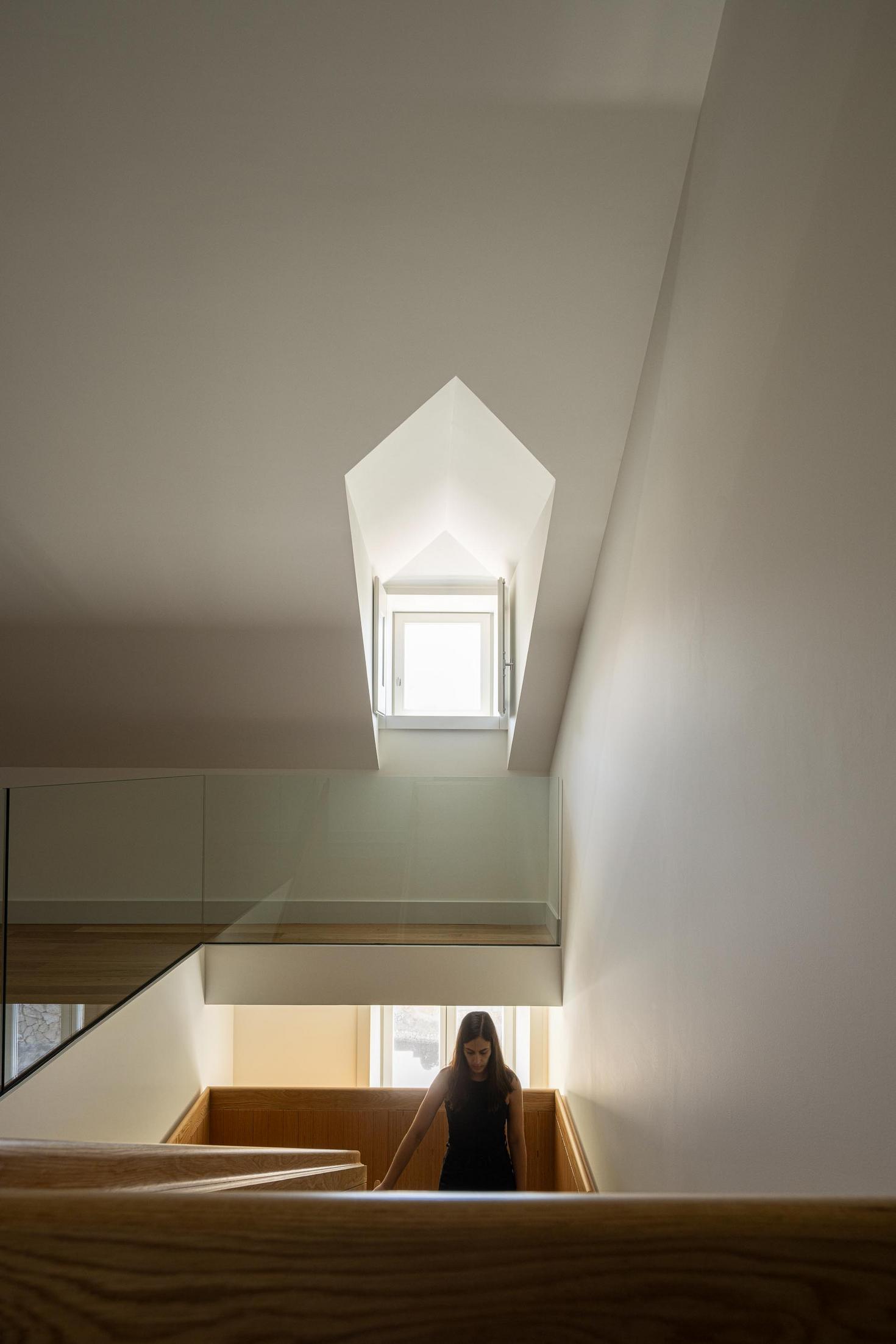
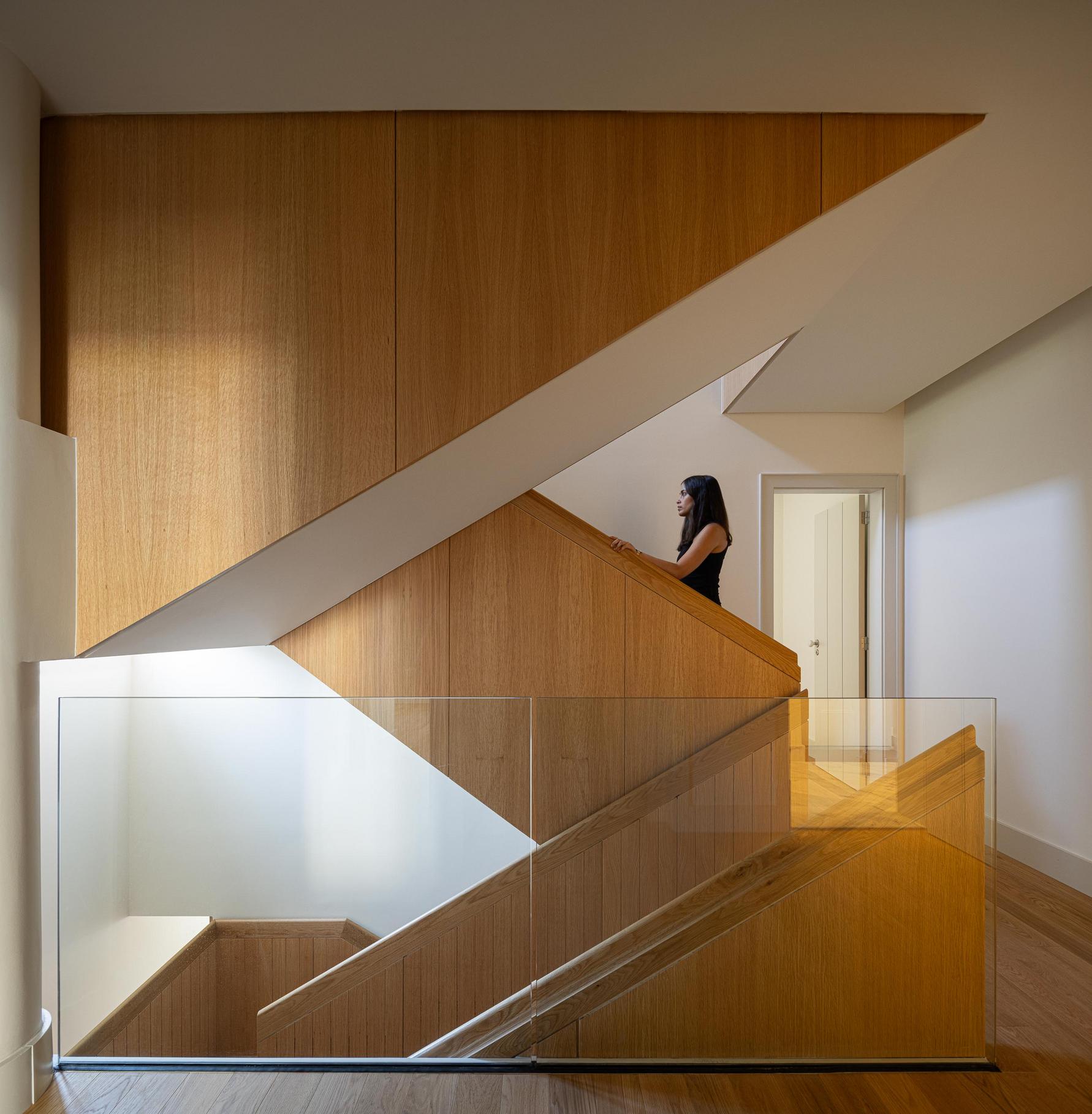
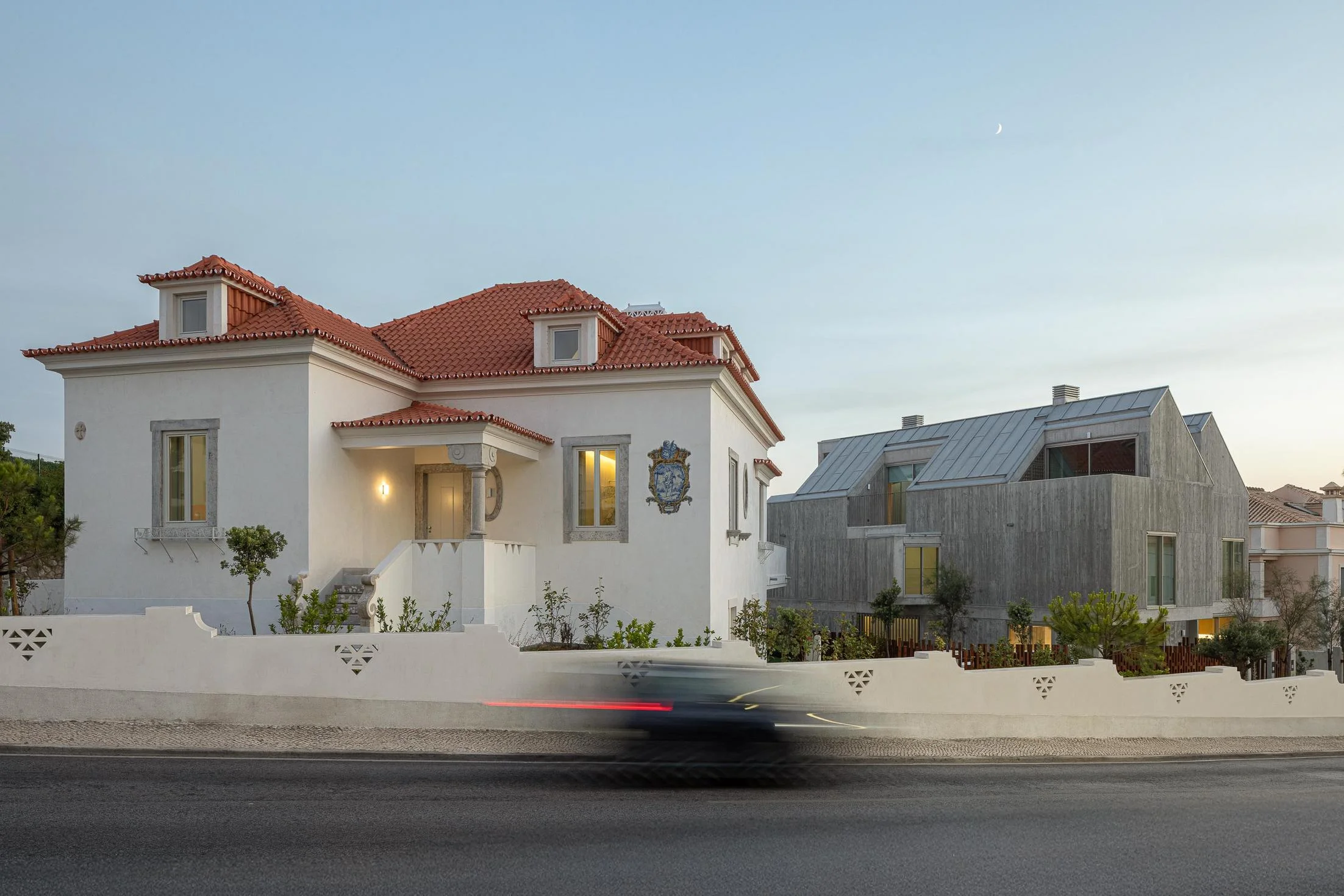
A proposta pretende preservar e valorizar o carácter patrimonial do edifício existente, cuja degradação resultou da falta de manutenção ao longo das últimas décadas, ao mesmo tempo que introduz novas soluções habitacionais compatíveis com as exigências contemporâneas de habitabilidade, conforto e funcionalidade. Nesse sentido, prevê-se a reabilitação das fachadas exteriores da construção original e a reorganização do seu interior, permitindo a criação de duas frações habitacionais independentes, ambas de tipologia T3, distribuídas por dois pisos acima da cota de soleira e aproveitamento de sótão.
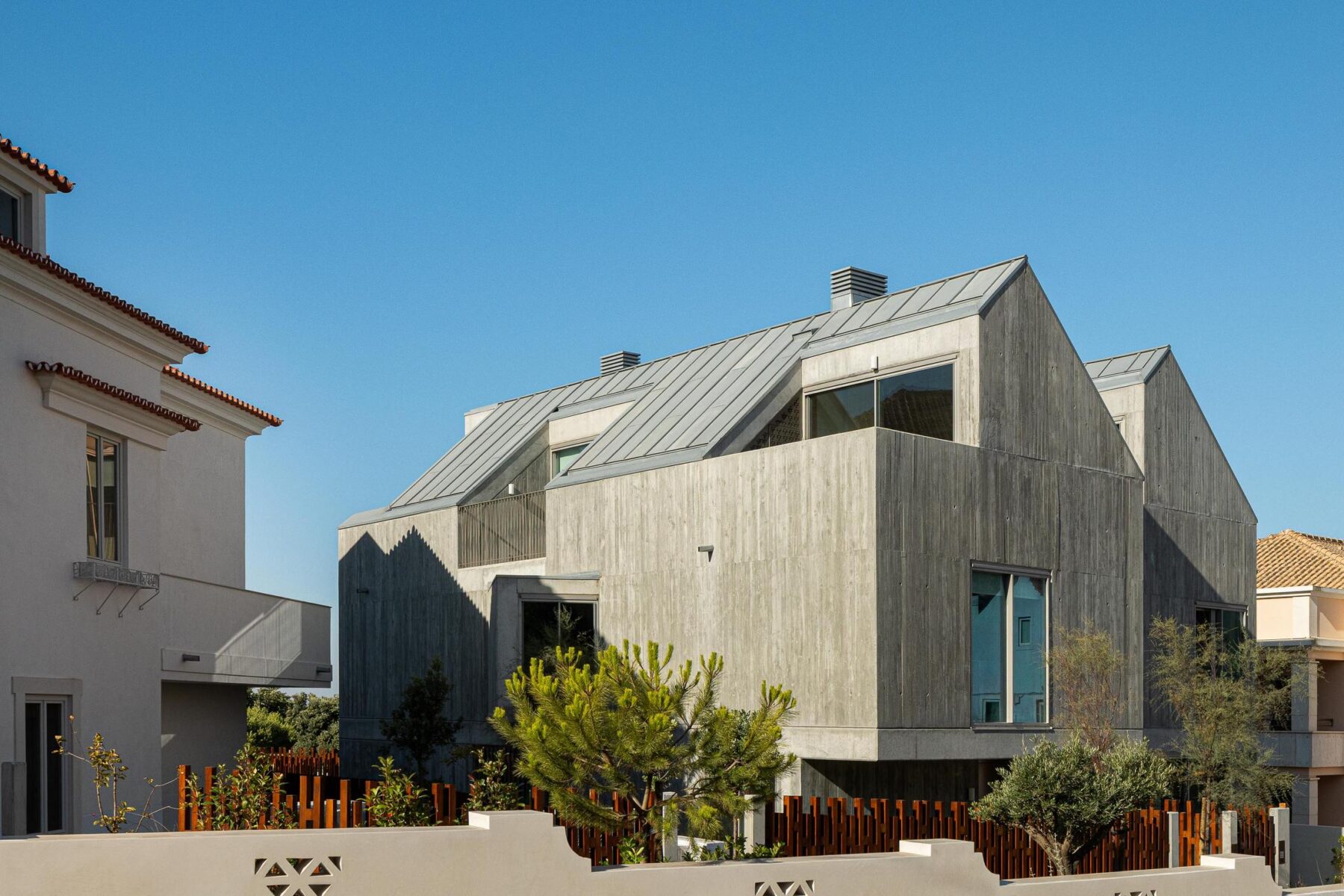
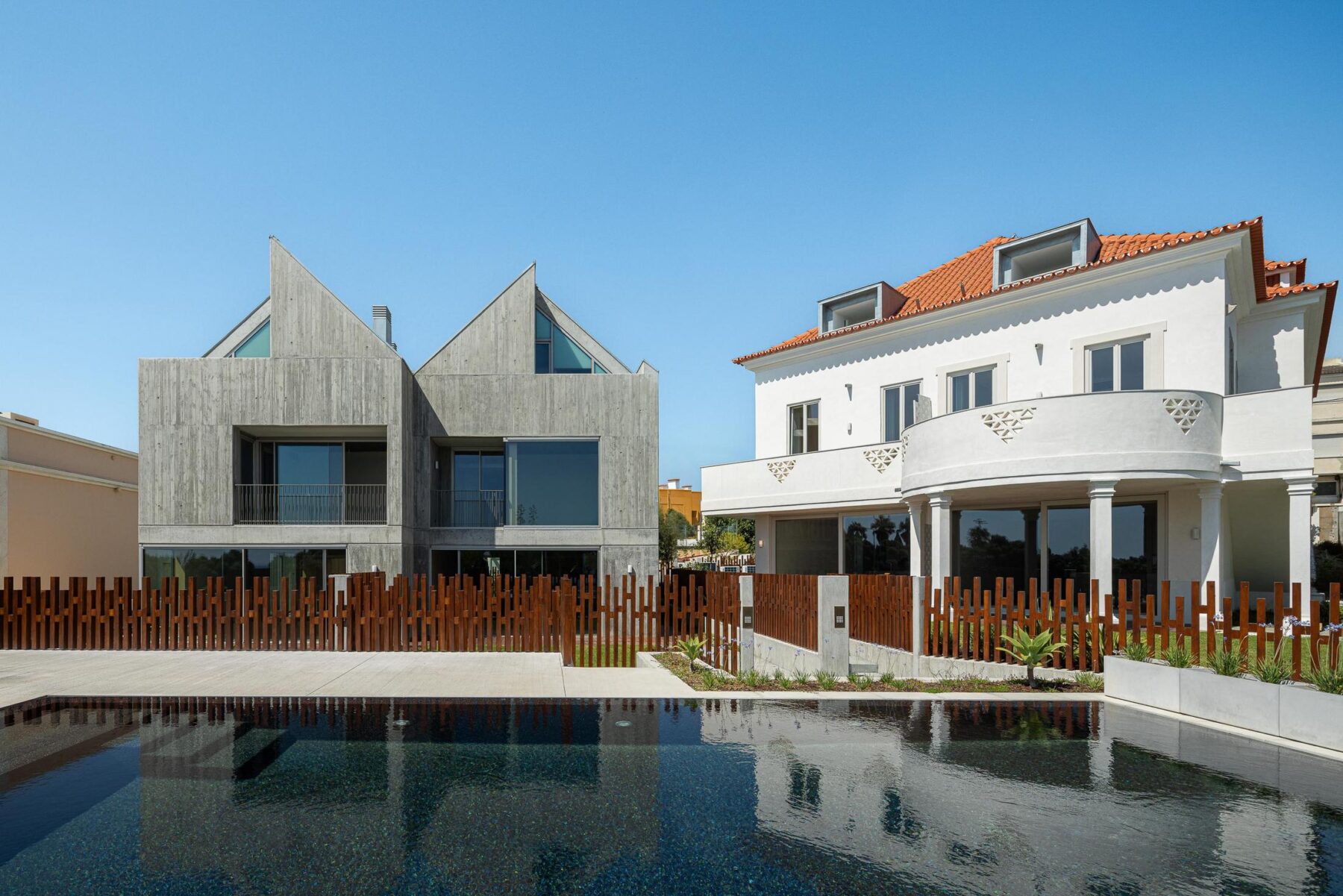
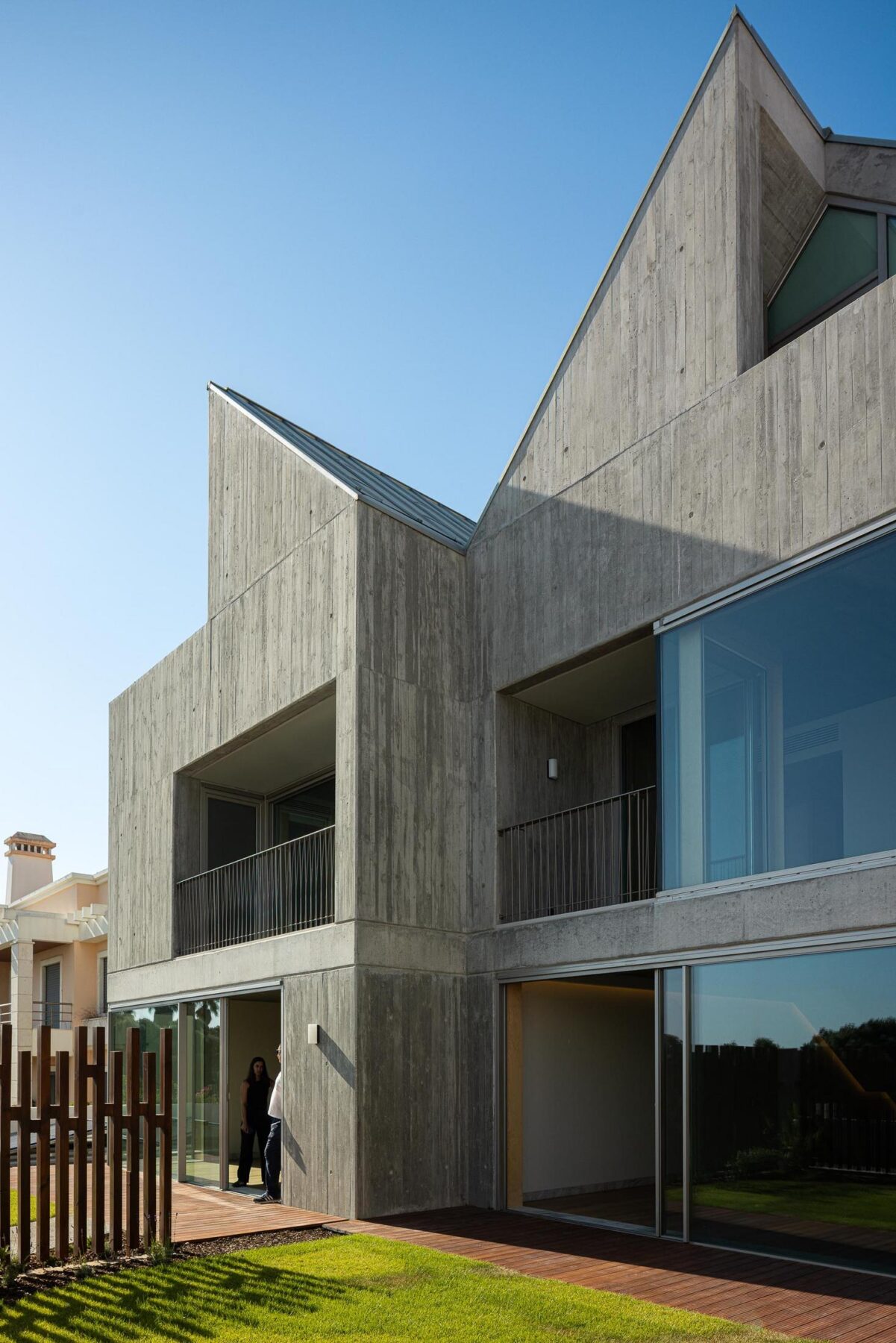
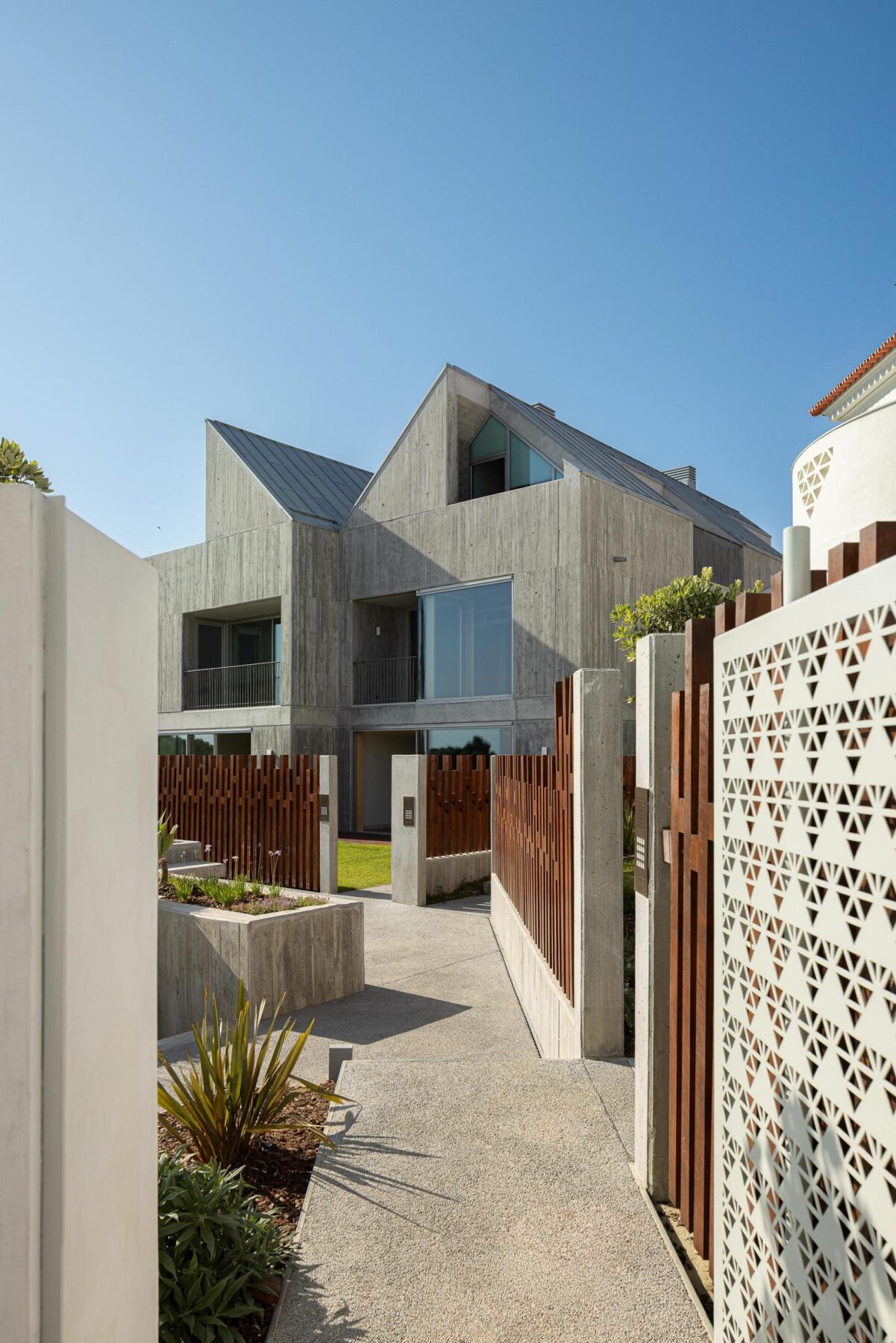
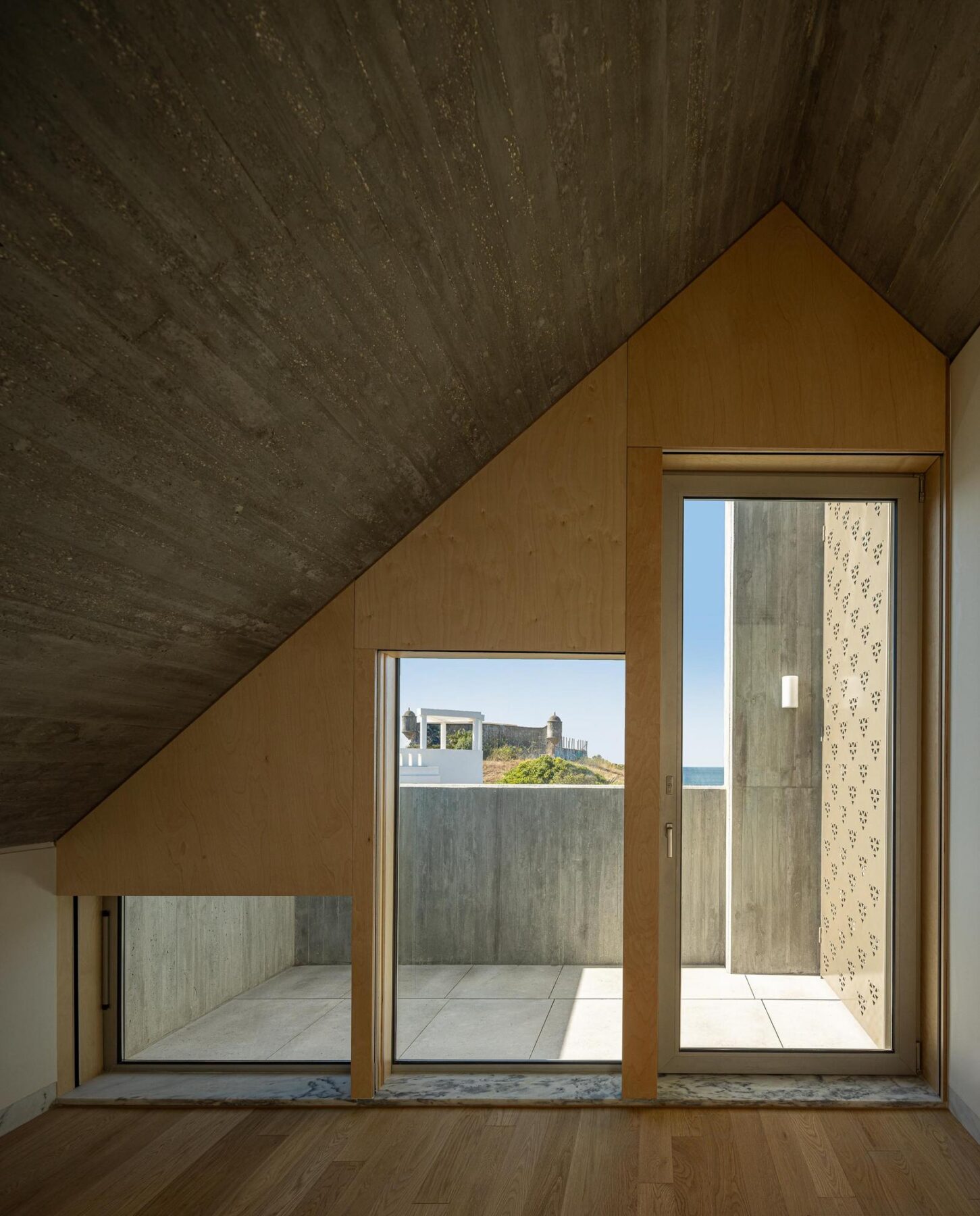
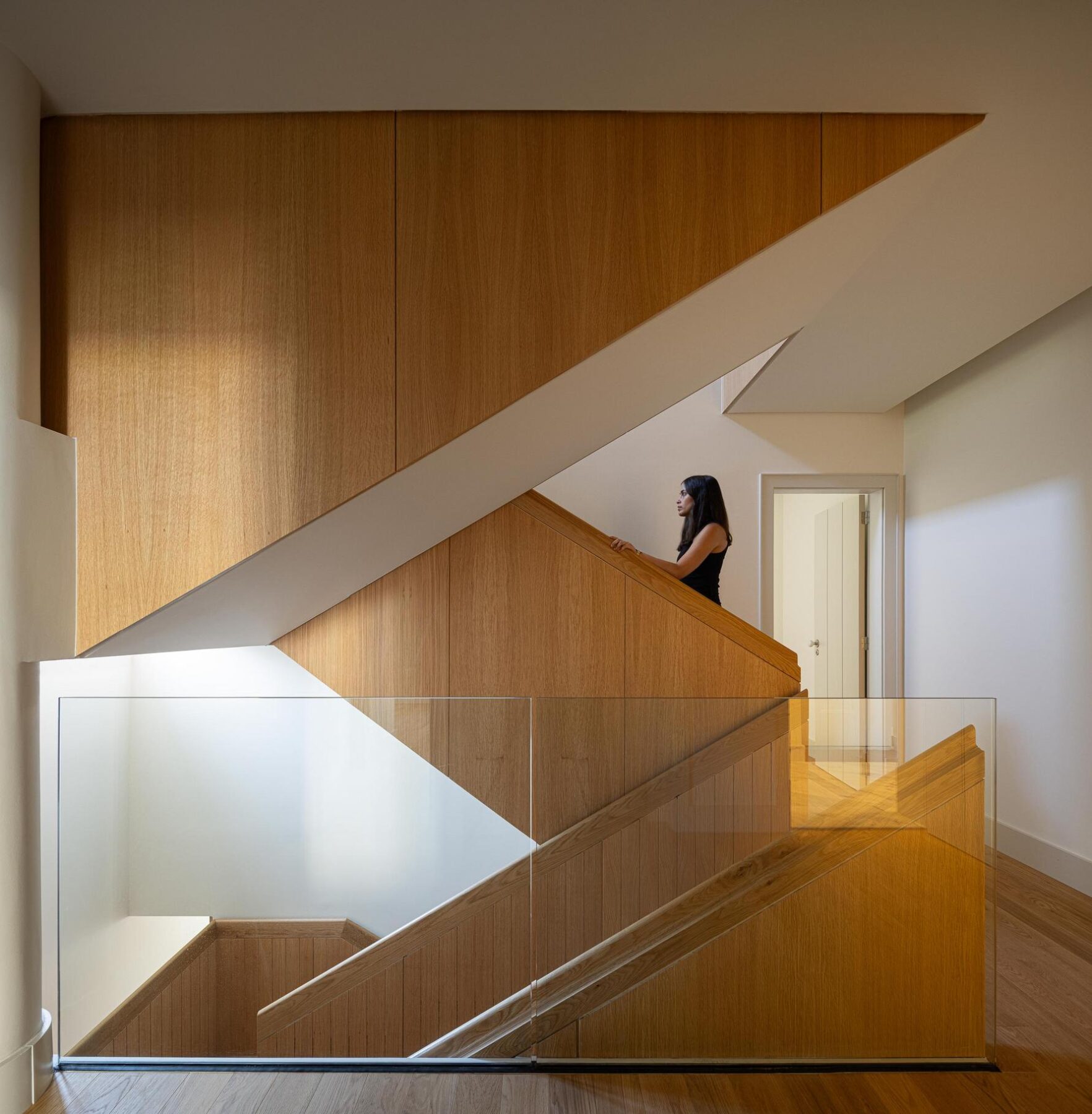
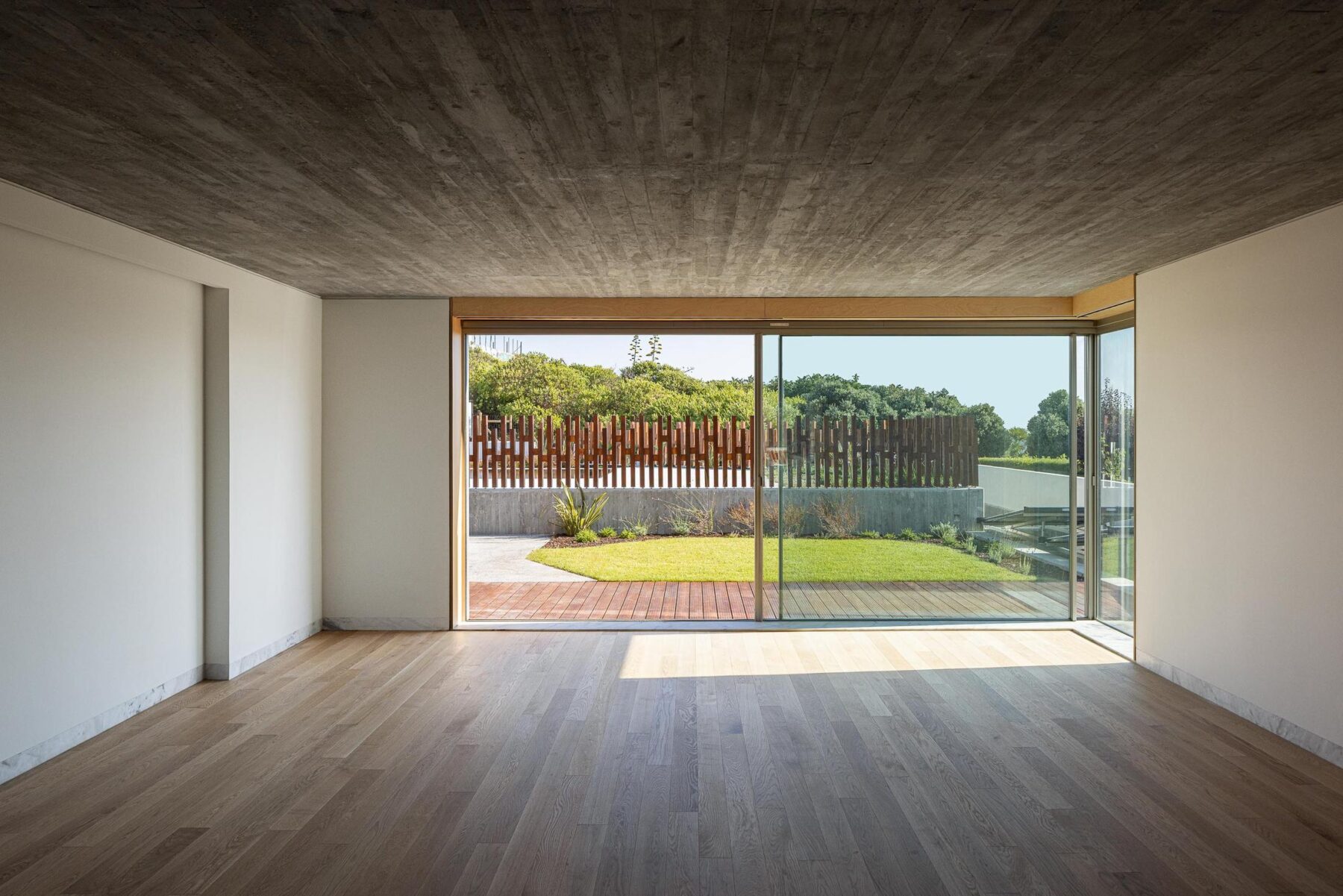
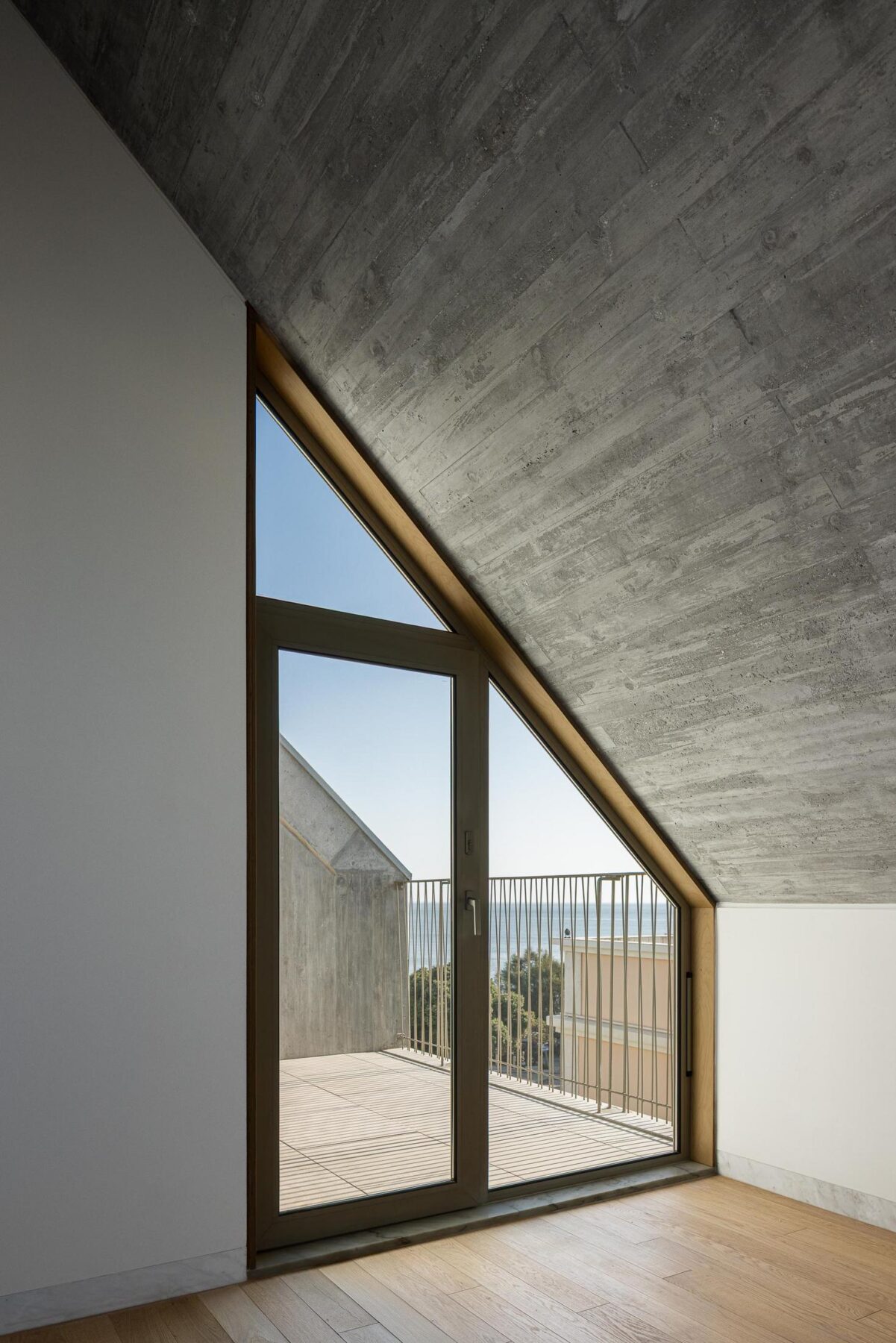
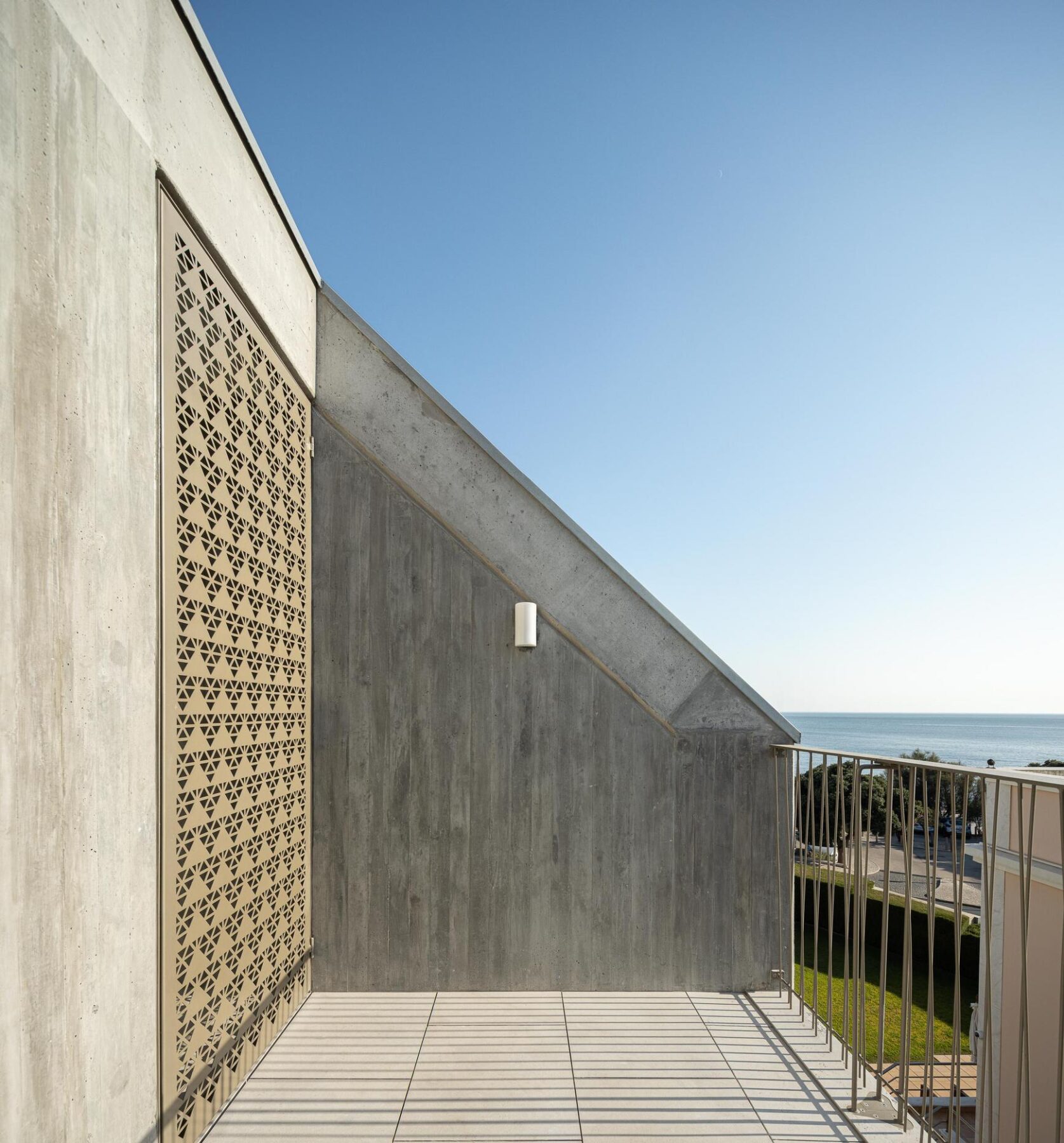
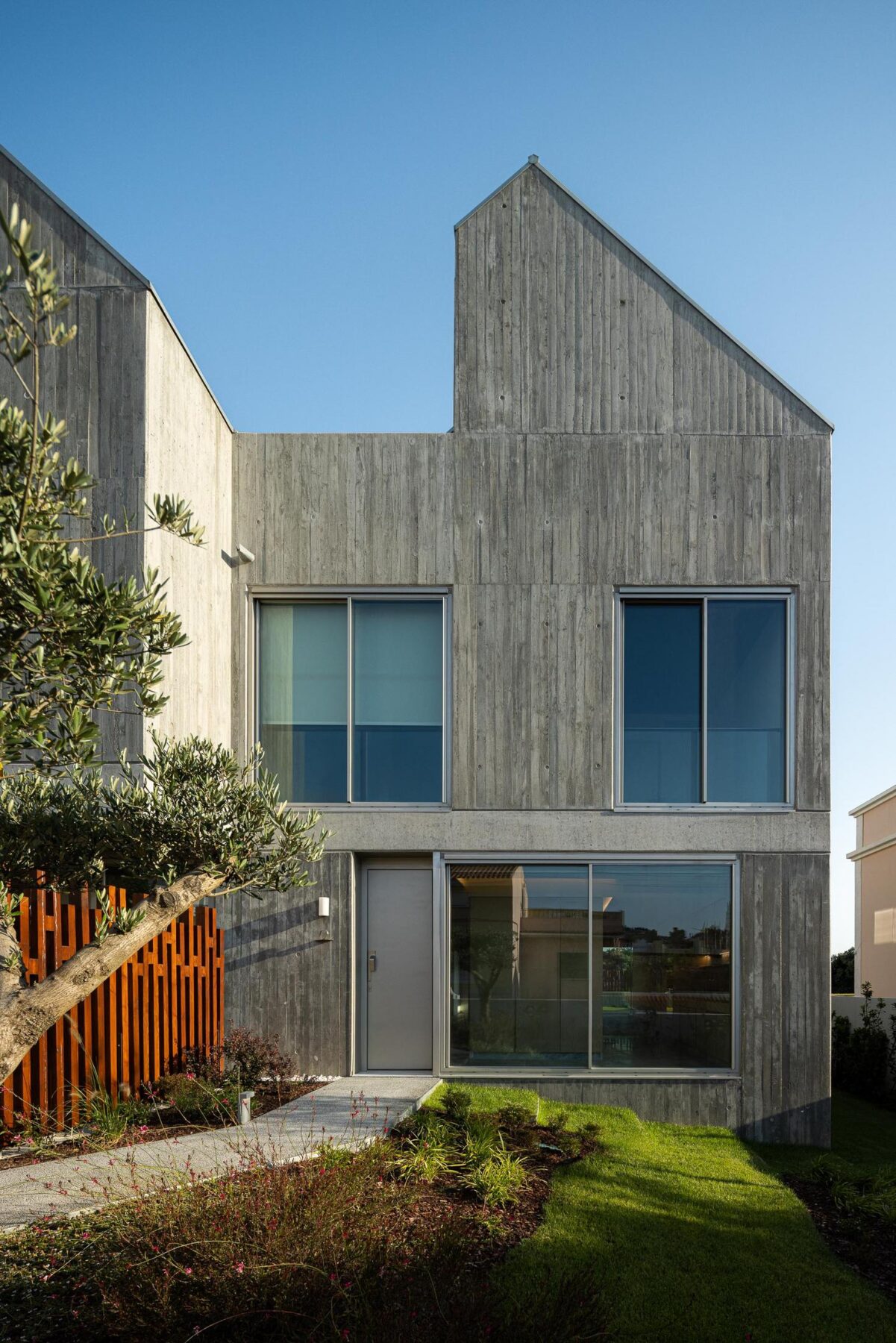
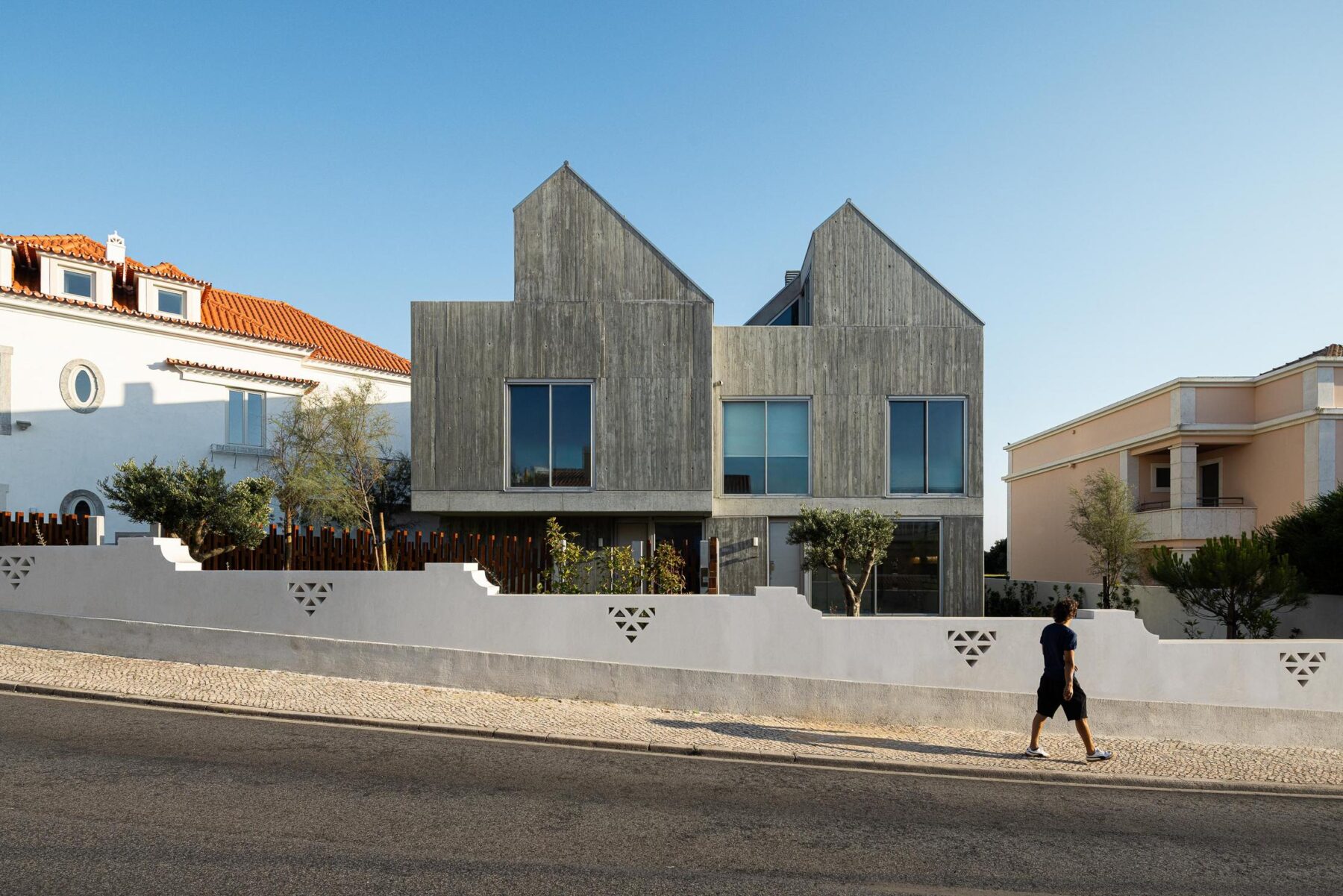
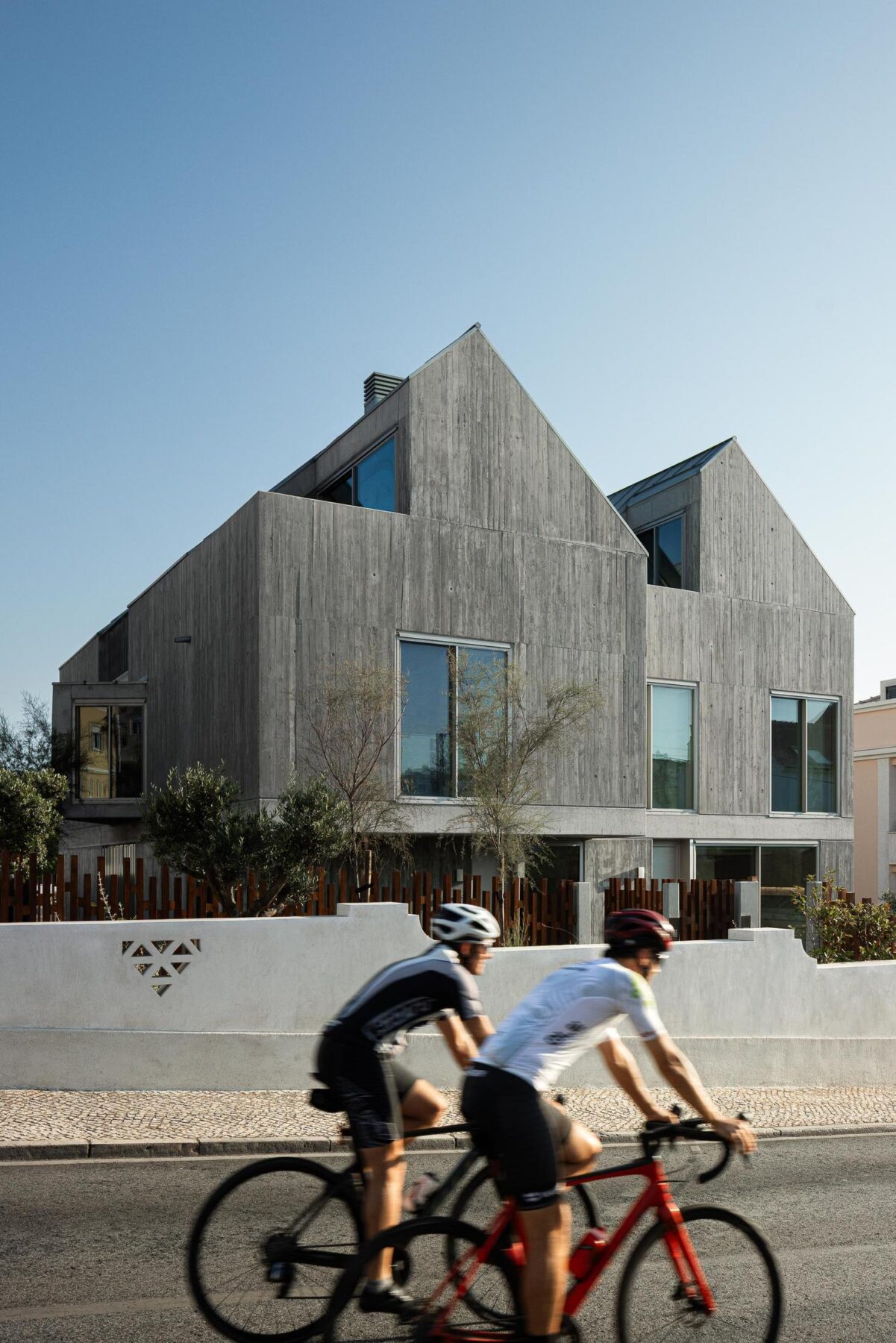
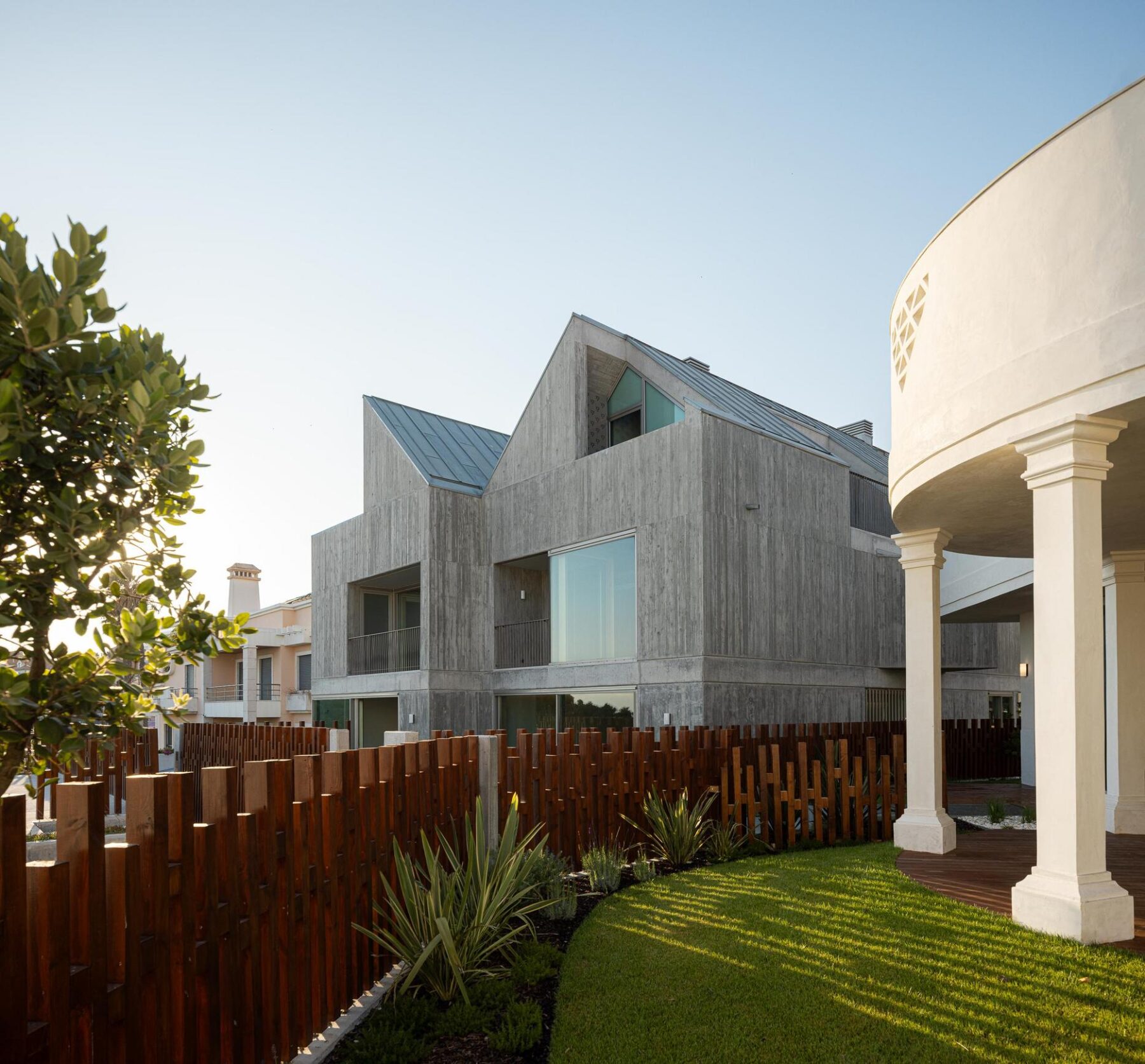
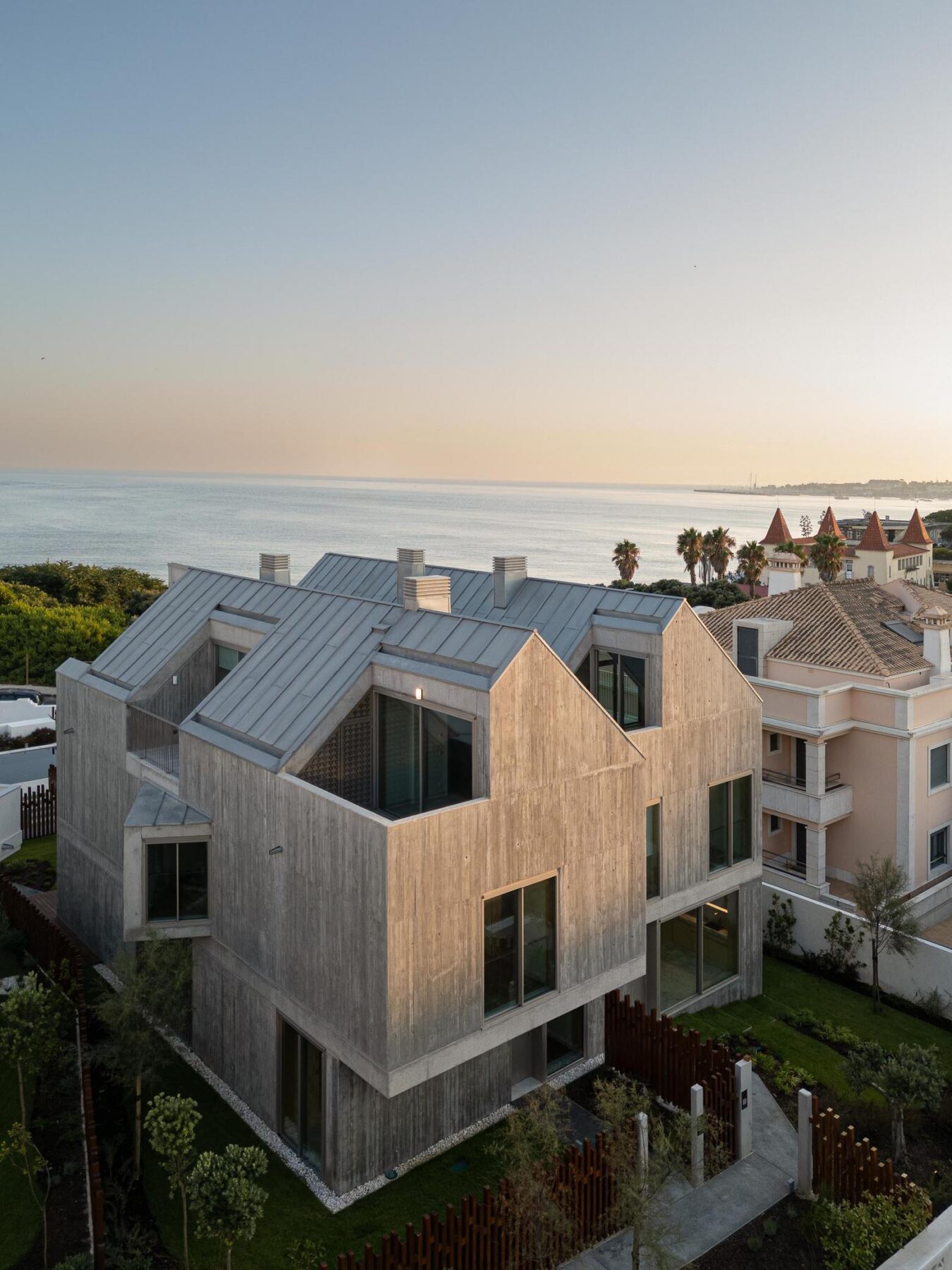
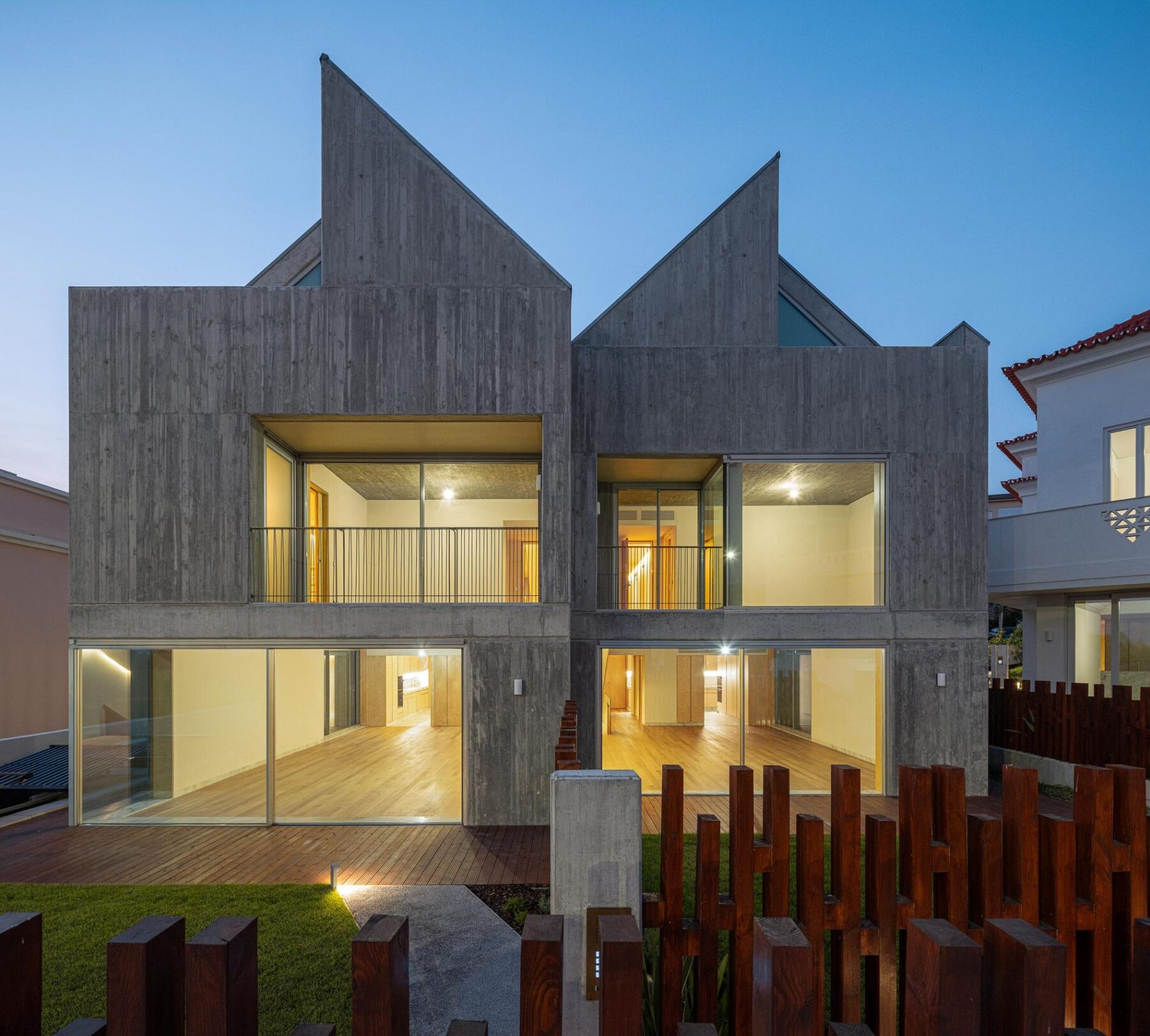
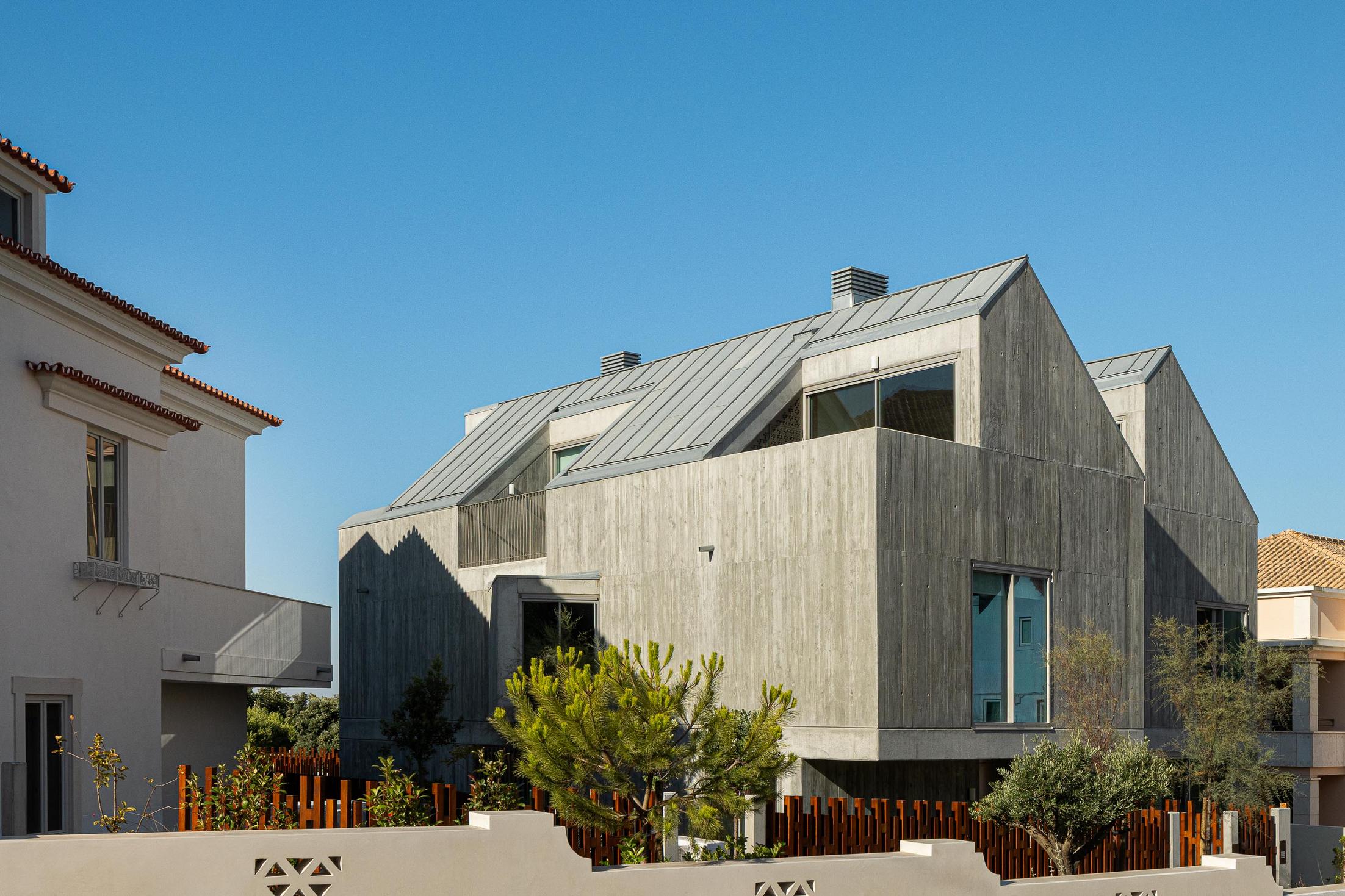
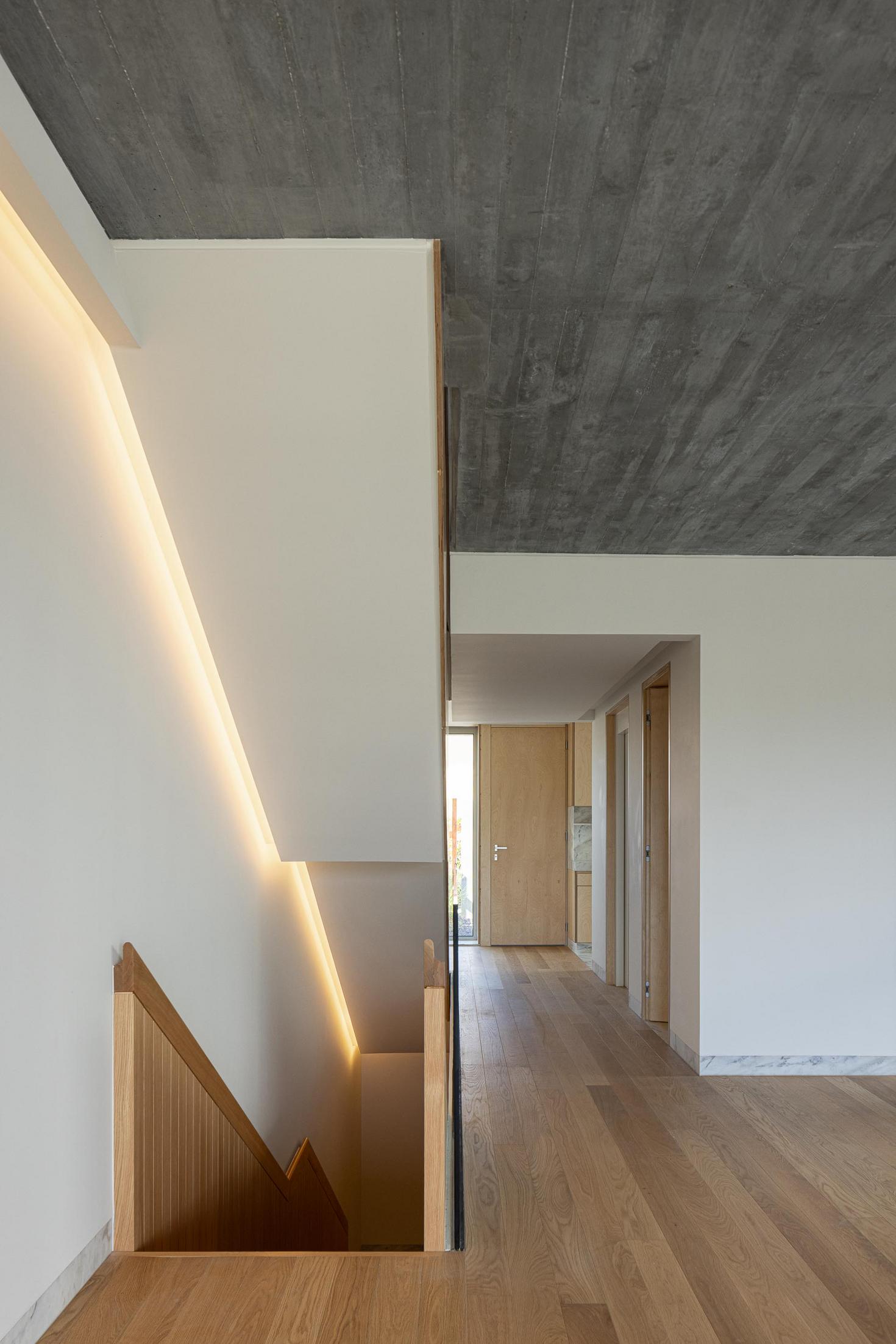
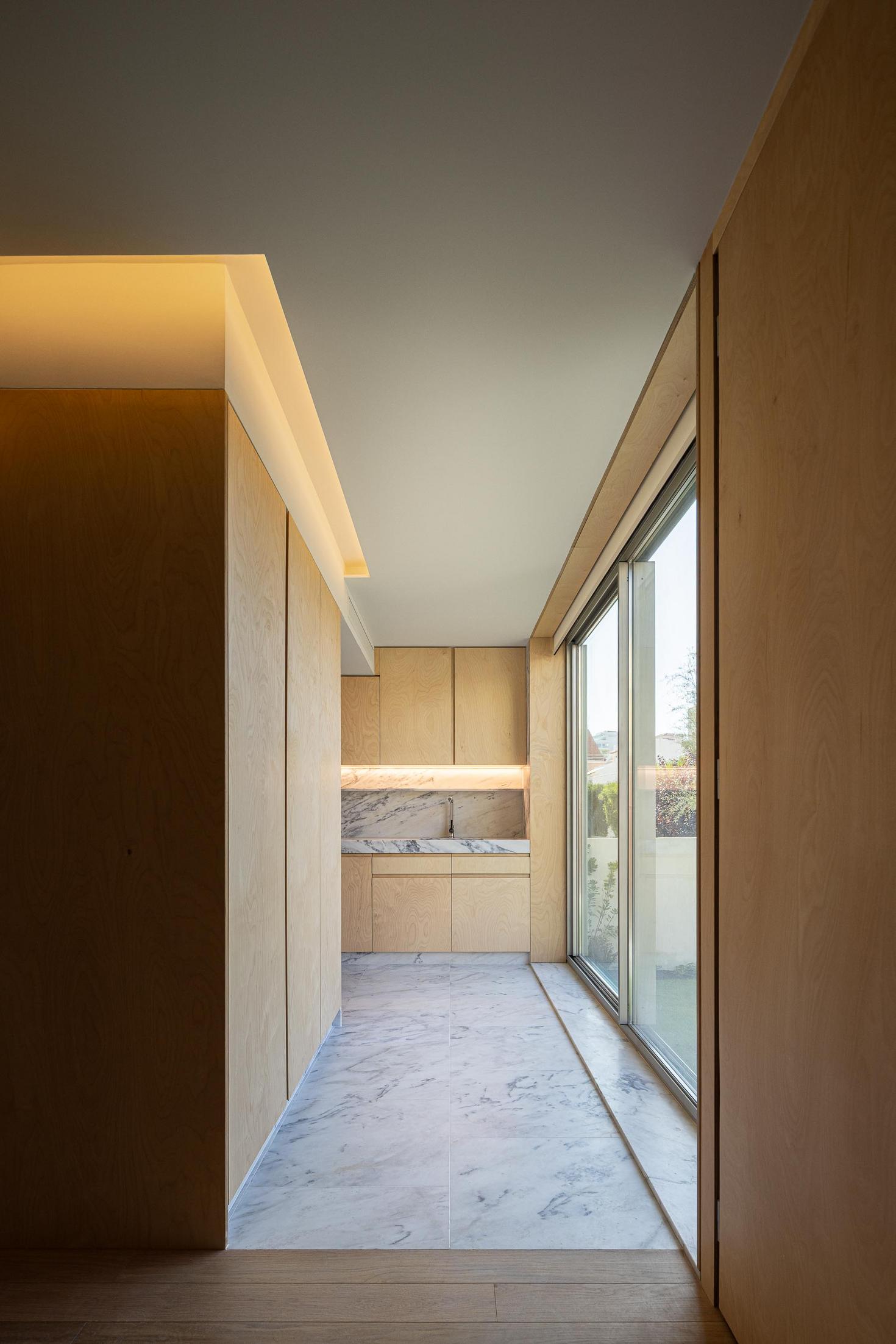
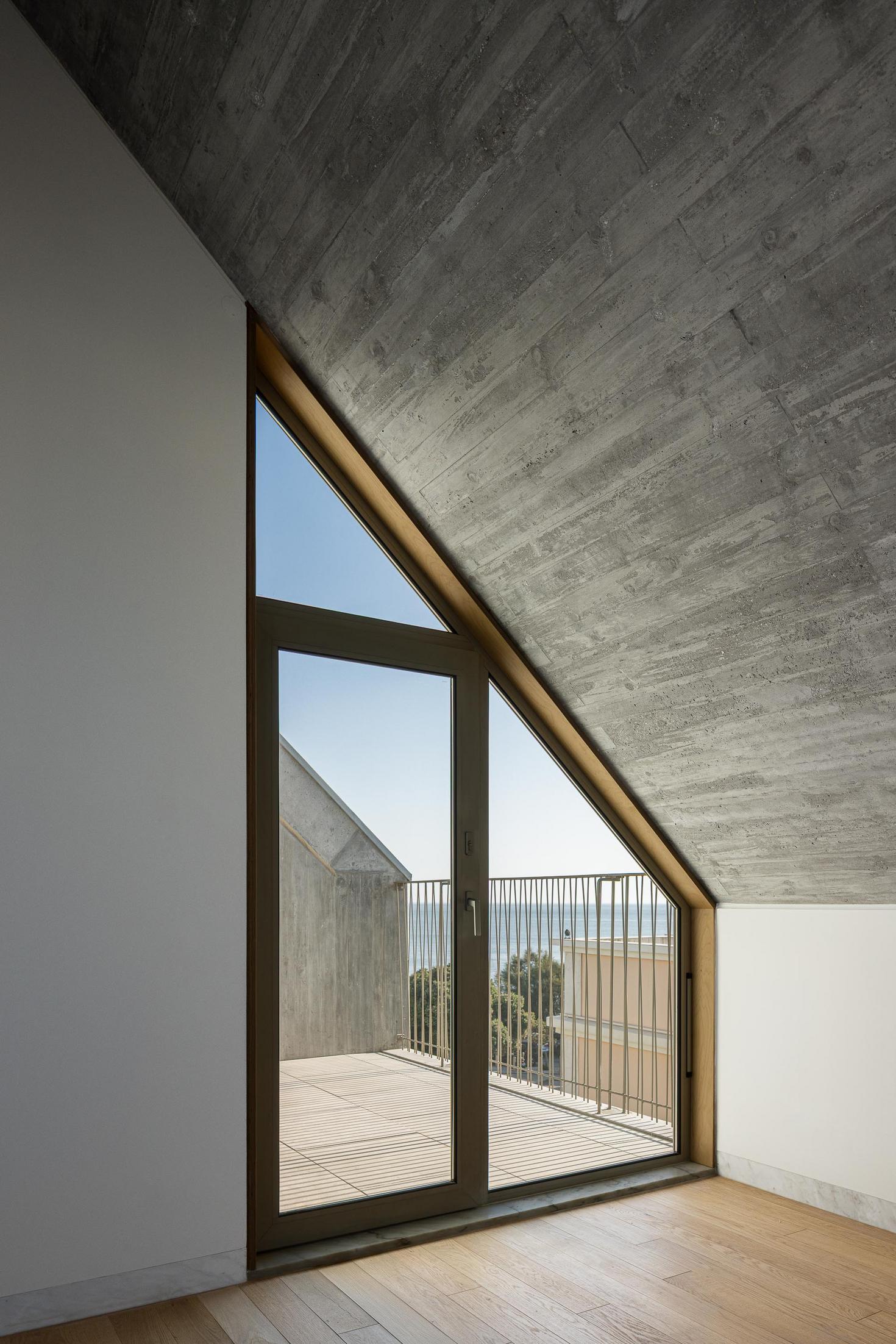
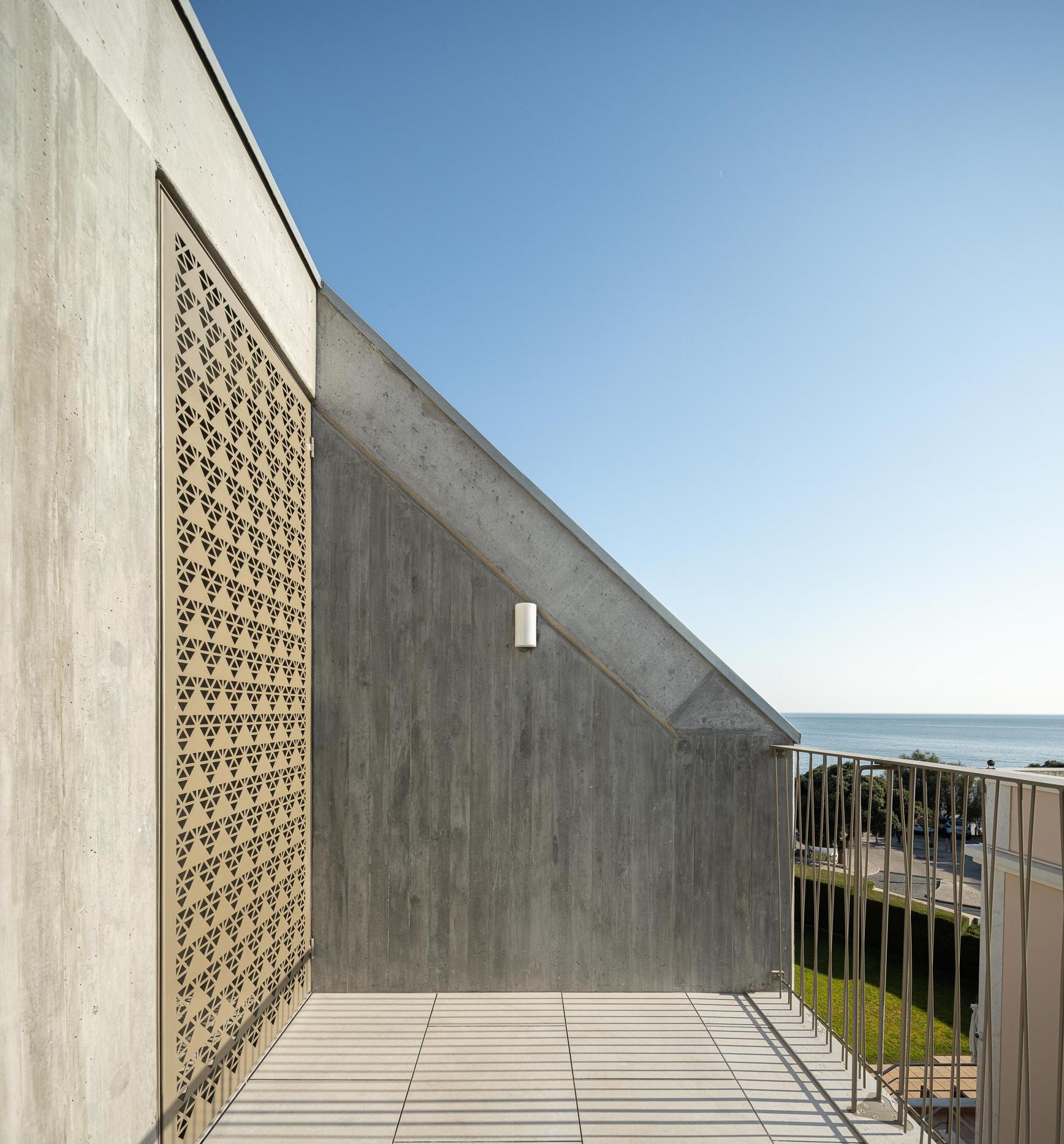
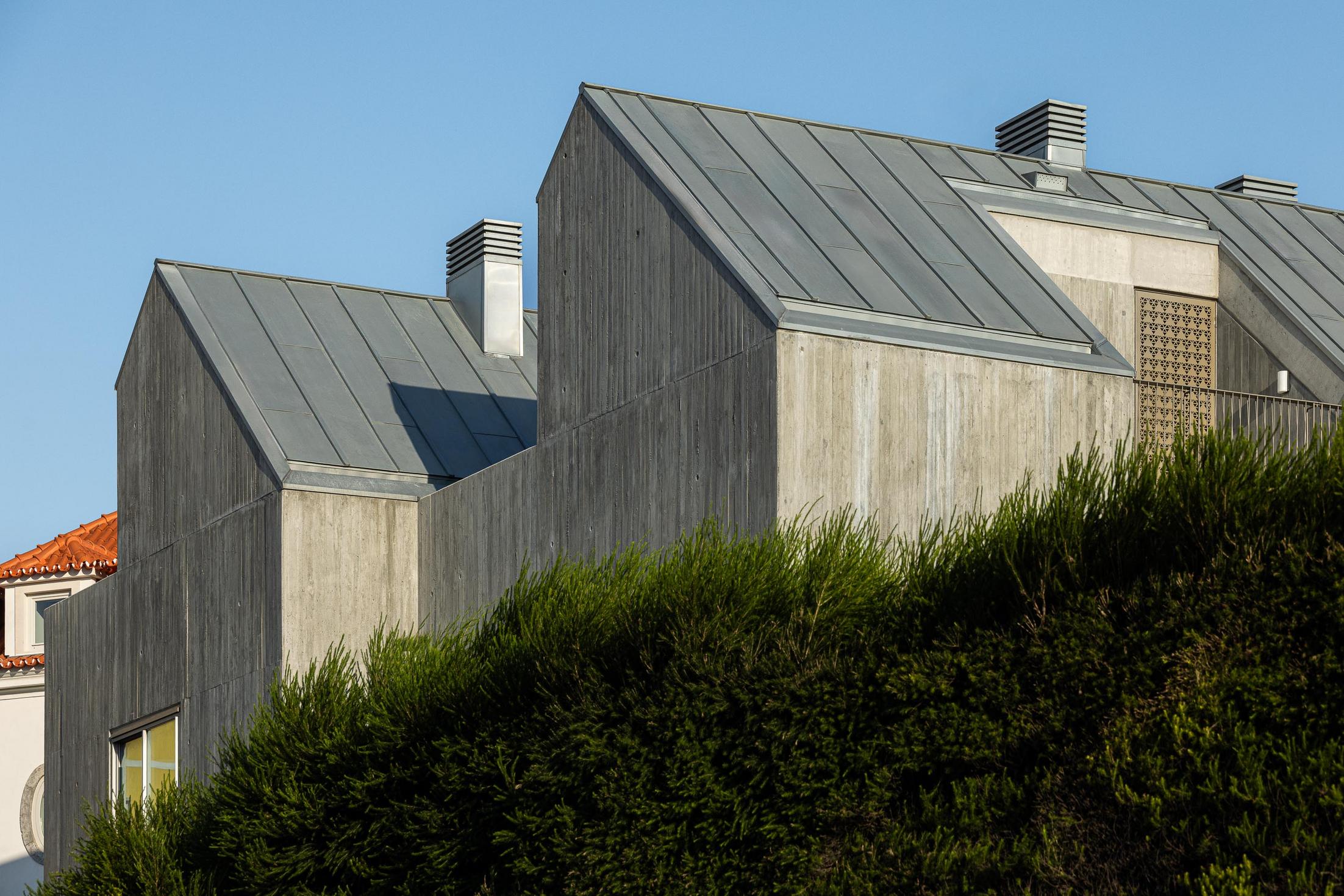
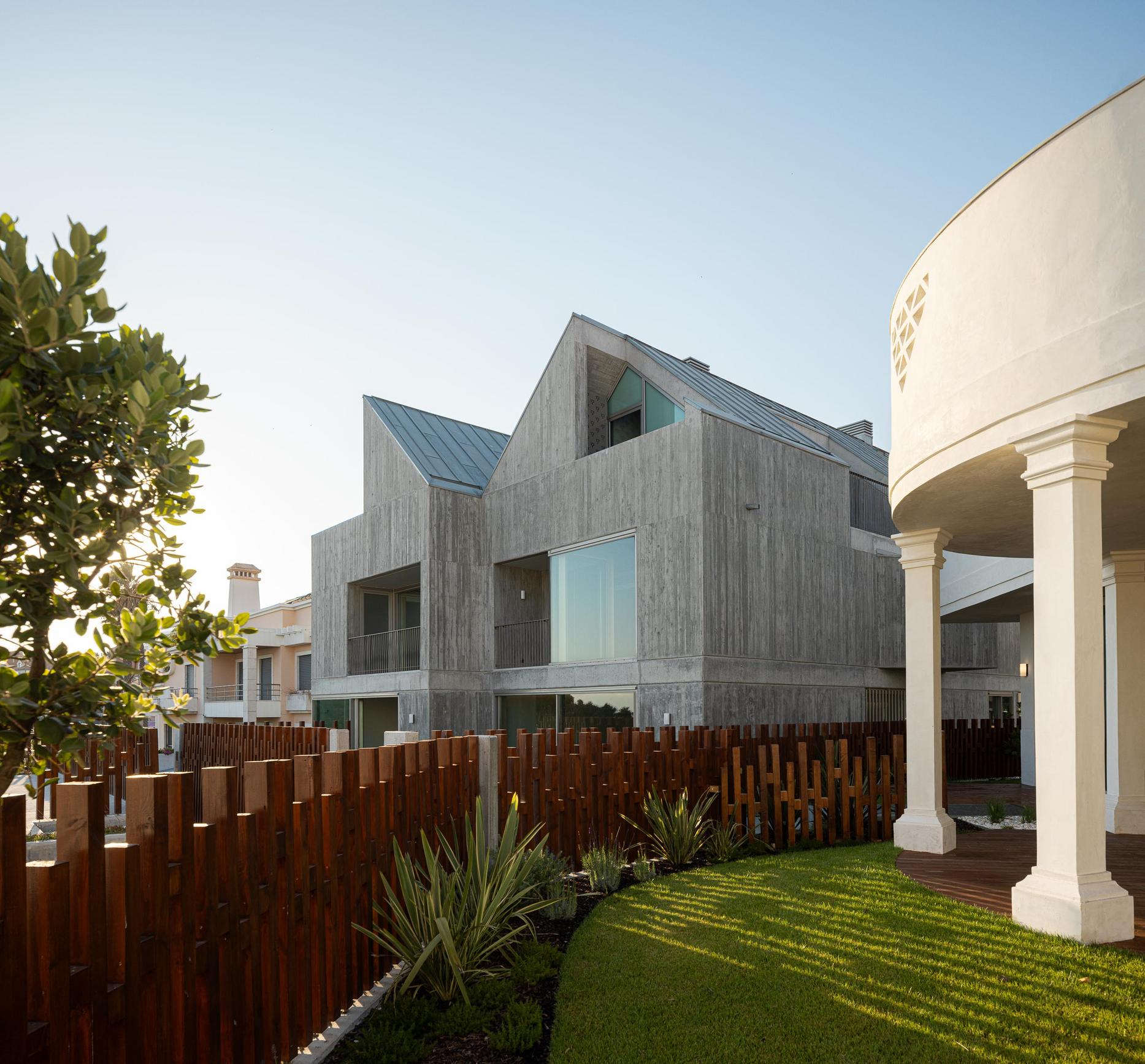
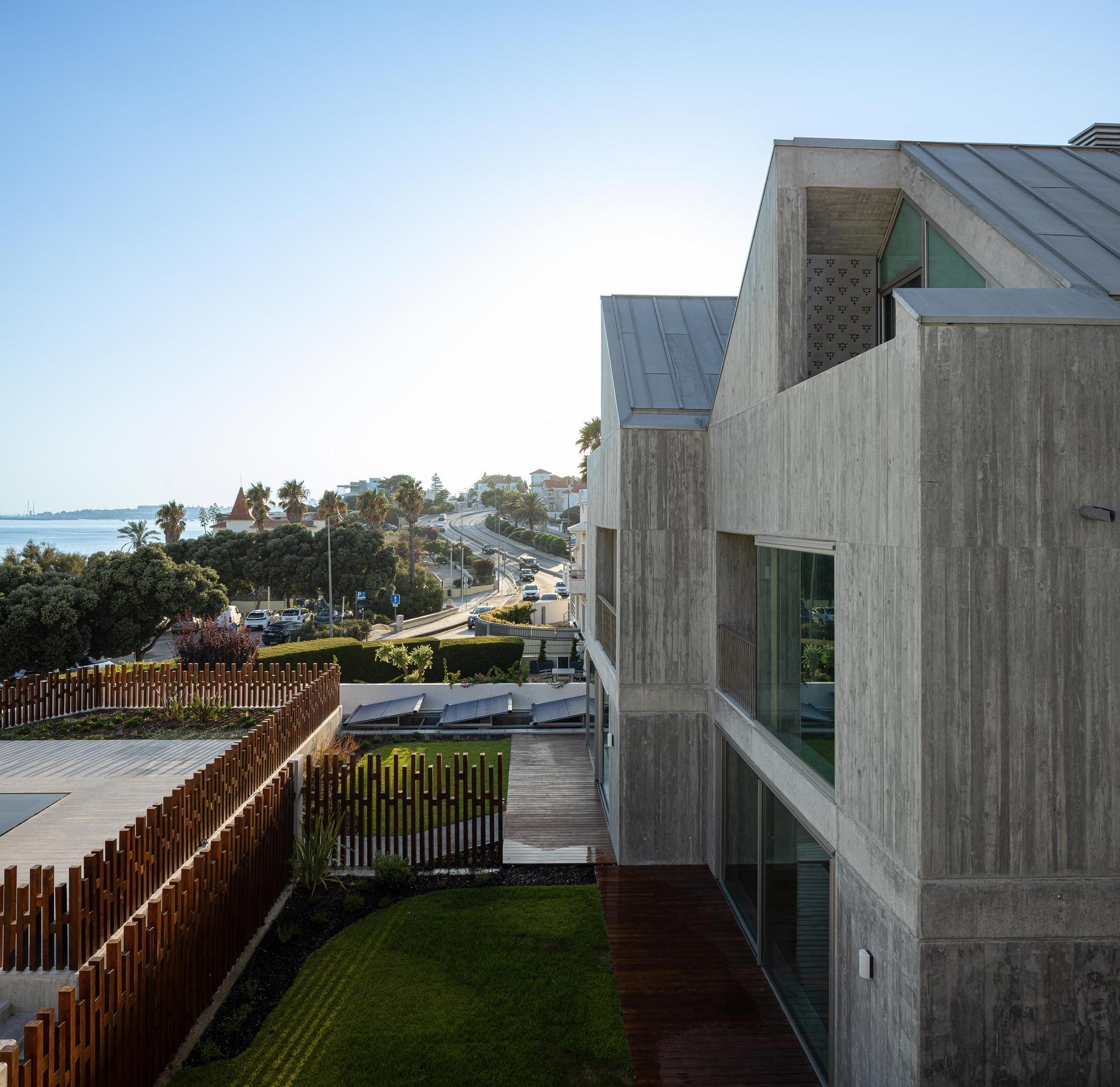
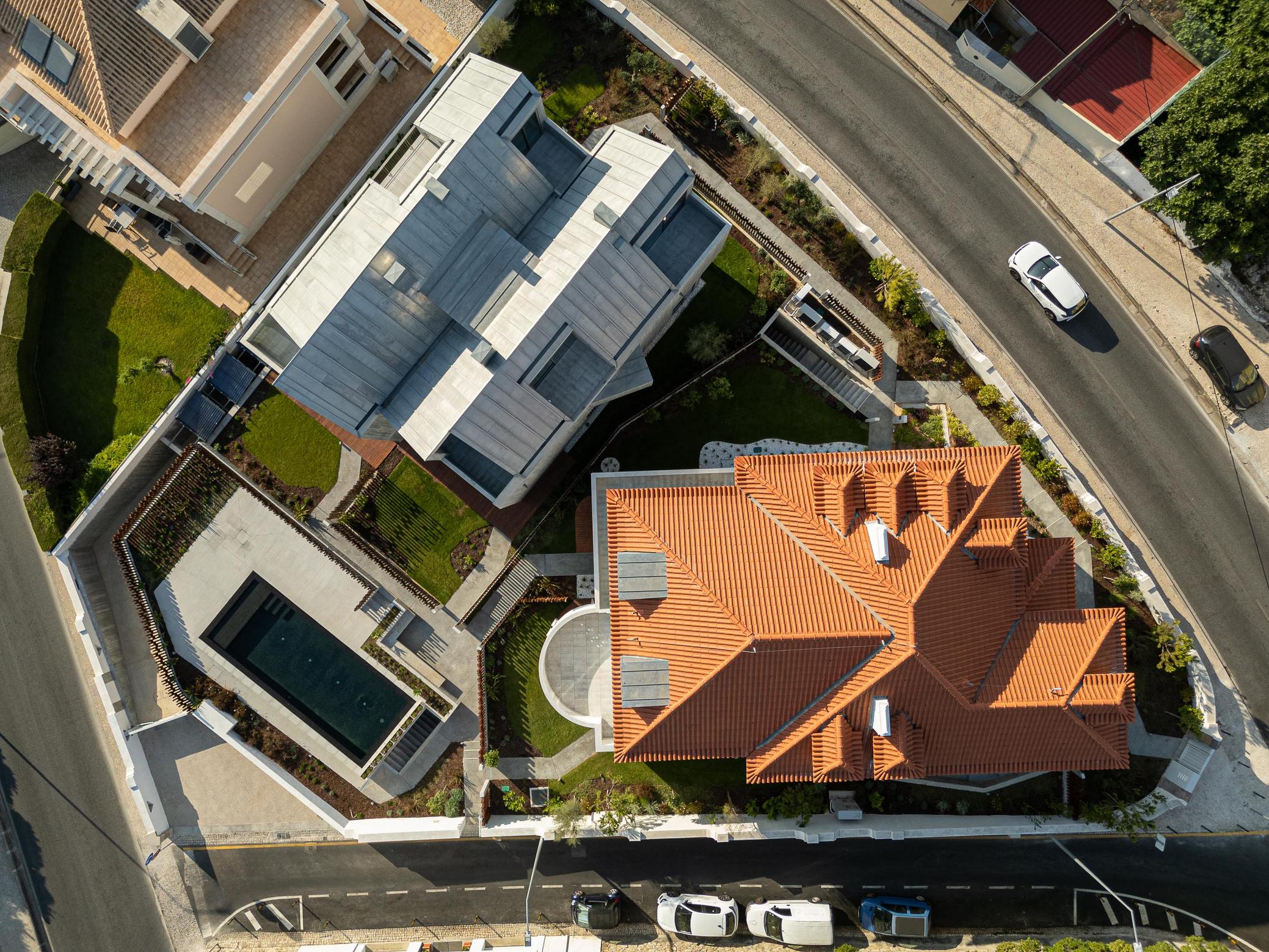
Complementarmente, propõe-se a construção de um novo volume edificado na zona poente do lote, constituído por duas moradias geminadas de tipologia T4, igualmente desenvolvidas em dois pisos acima da cota de soleira, com aproveitamento de sótão e acesso direto a estacionamento privativo em cave. A implantação deste novo edifício foi cuidadosamente definida com base na análise morfotipológica do edificado envolvente, procurando respeitar as características dominantes do tecido urbano, nomeadamente ao nível da volumetria, número de pisos, afastamentos e tipologias construtivas.
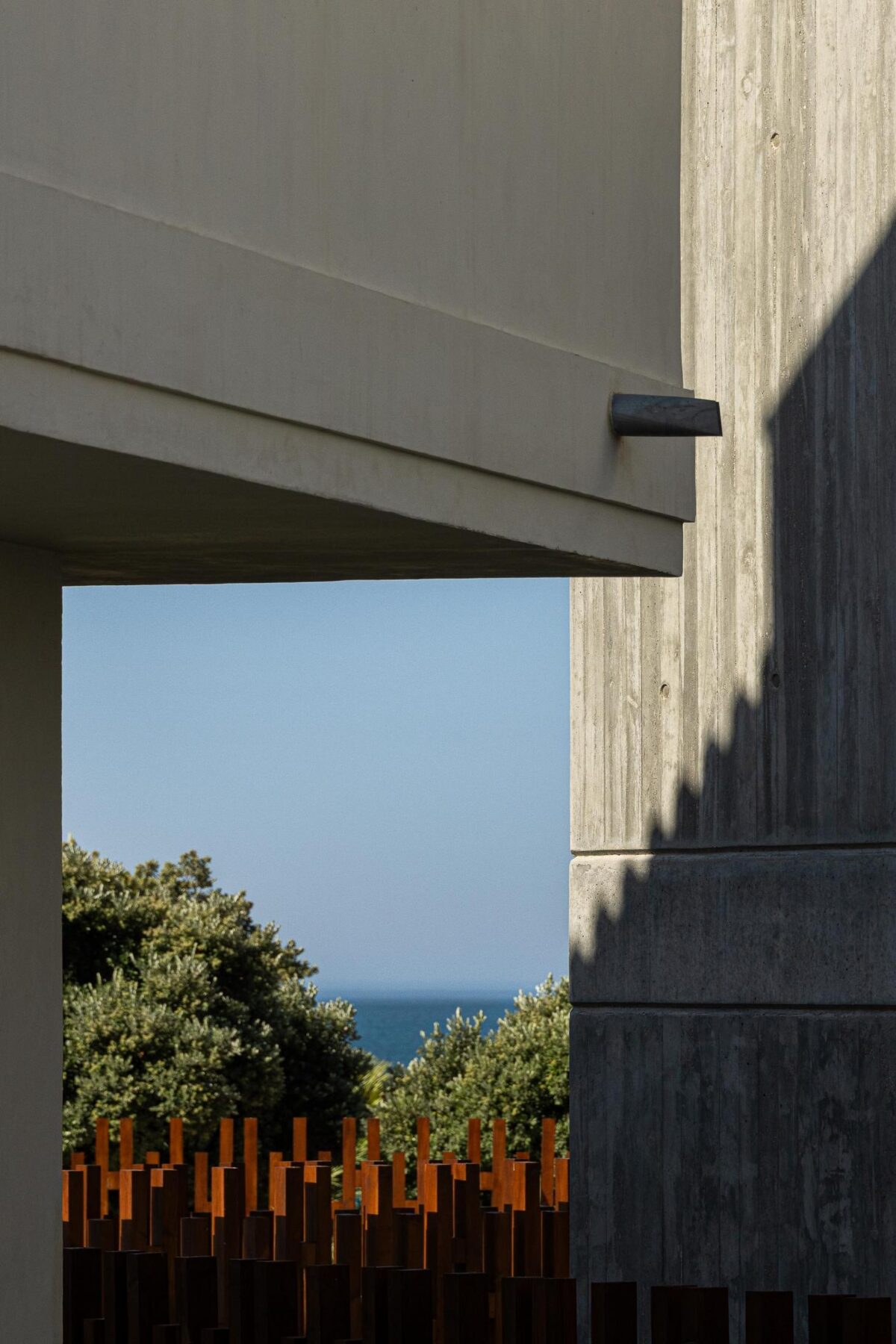
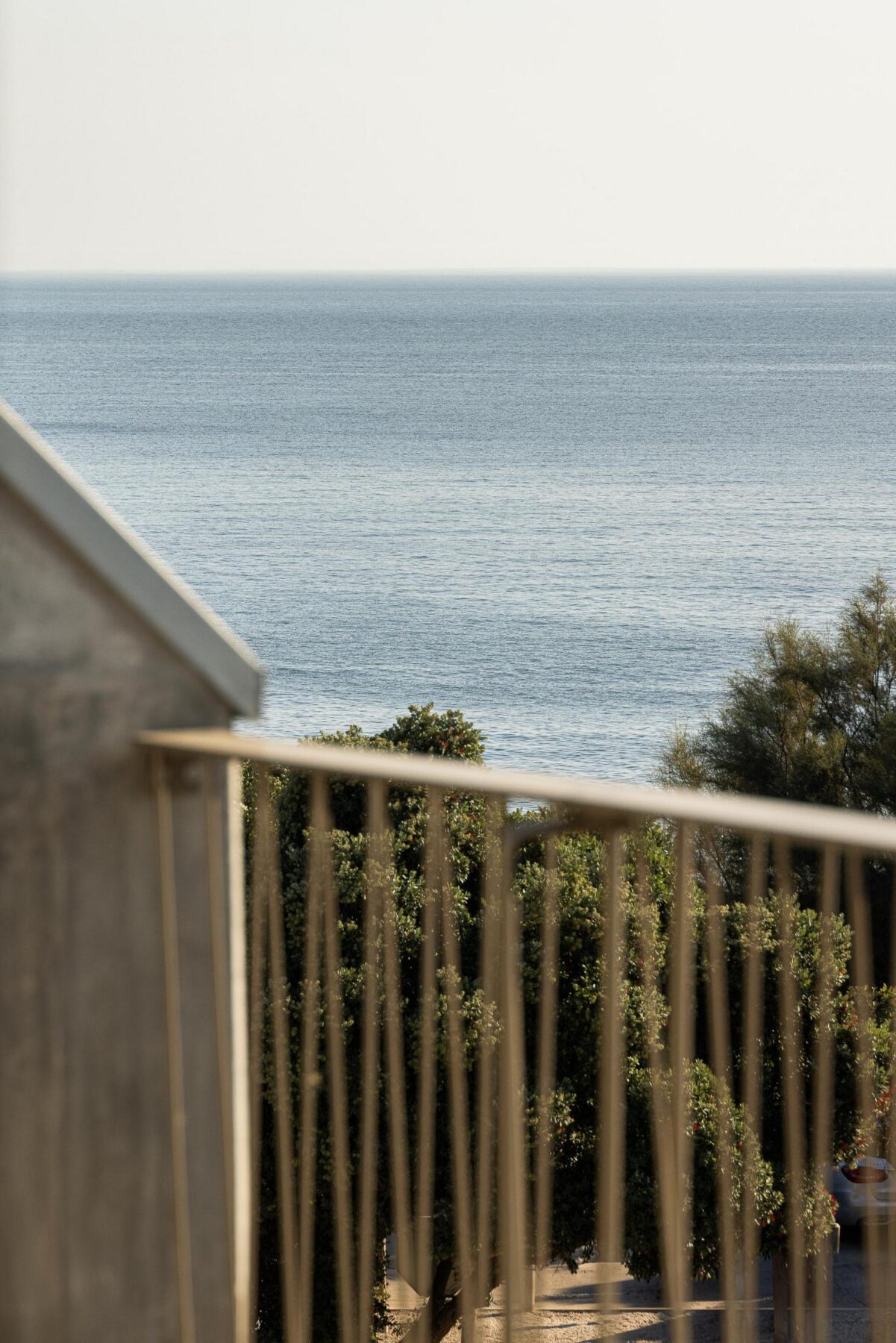
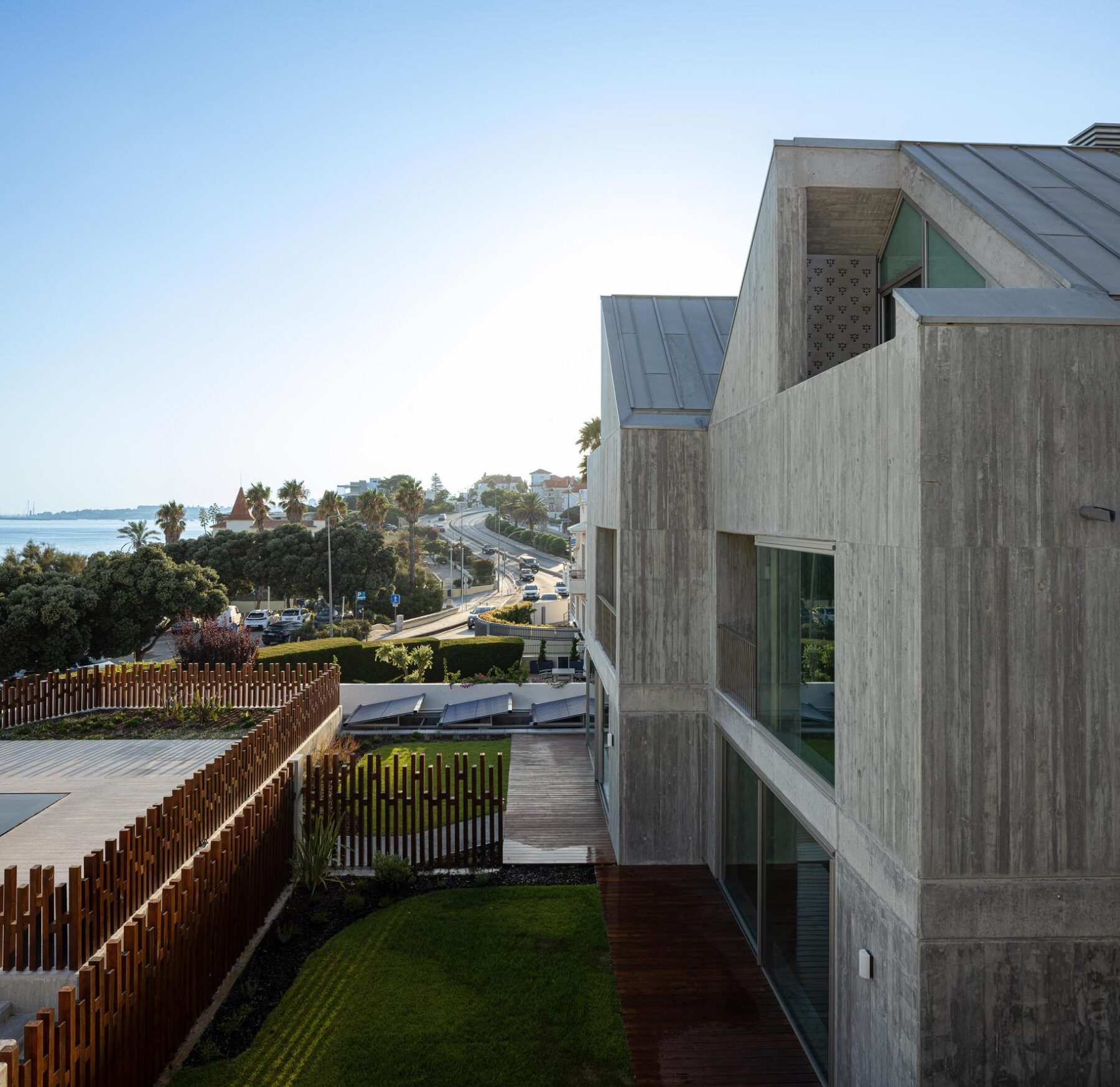
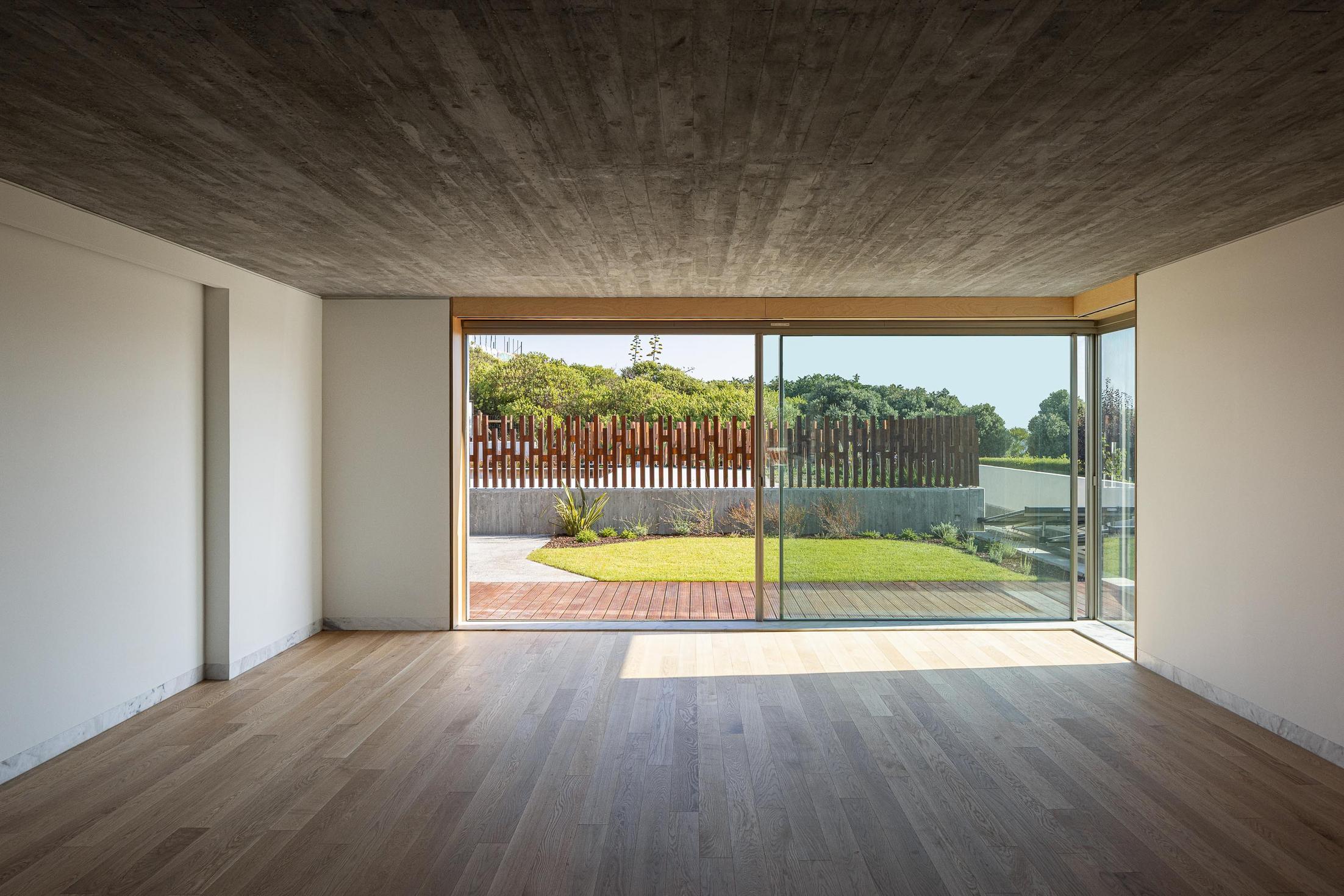
O conjunto habitacional resultante será constituído por quatro fogos autónomos, organizados em regime de condomínio e interligados por um piso subterrâneo destinado a estacionamento privativo, arrecadações e áreas técnicas. Este piso assegura a ligação funcional entre as diferentes frações, permitindo simultaneamente a manutenção de um espaço exterior predominantemente pedonal e ajardinado à superfície. No exterior, prevê-se ainda a criação de zonas verdes de utilização comum e de uma piscina, implantadas a sul do lote, beneficiando de uma relação visual privilegiada com a envolvente marítima.
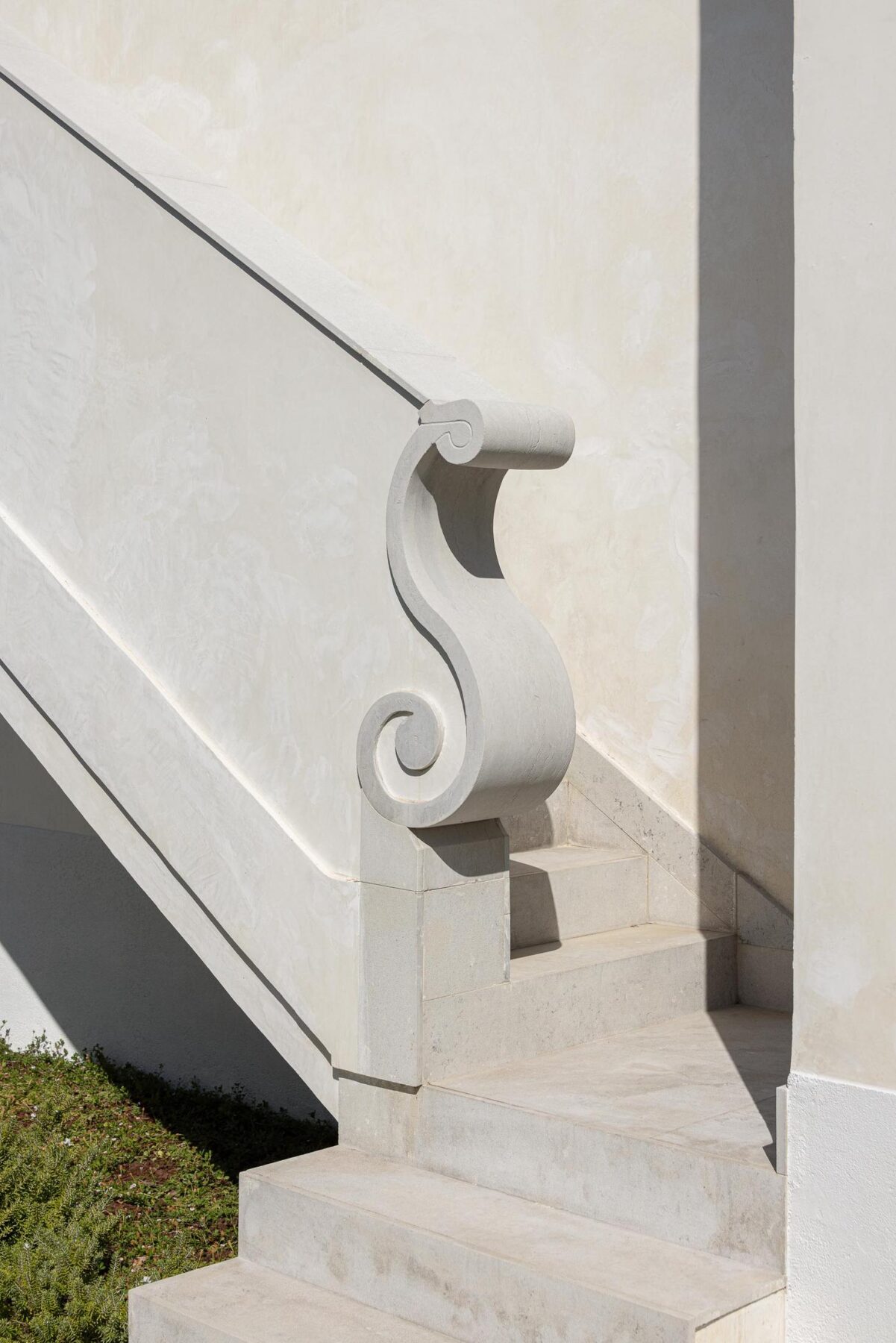
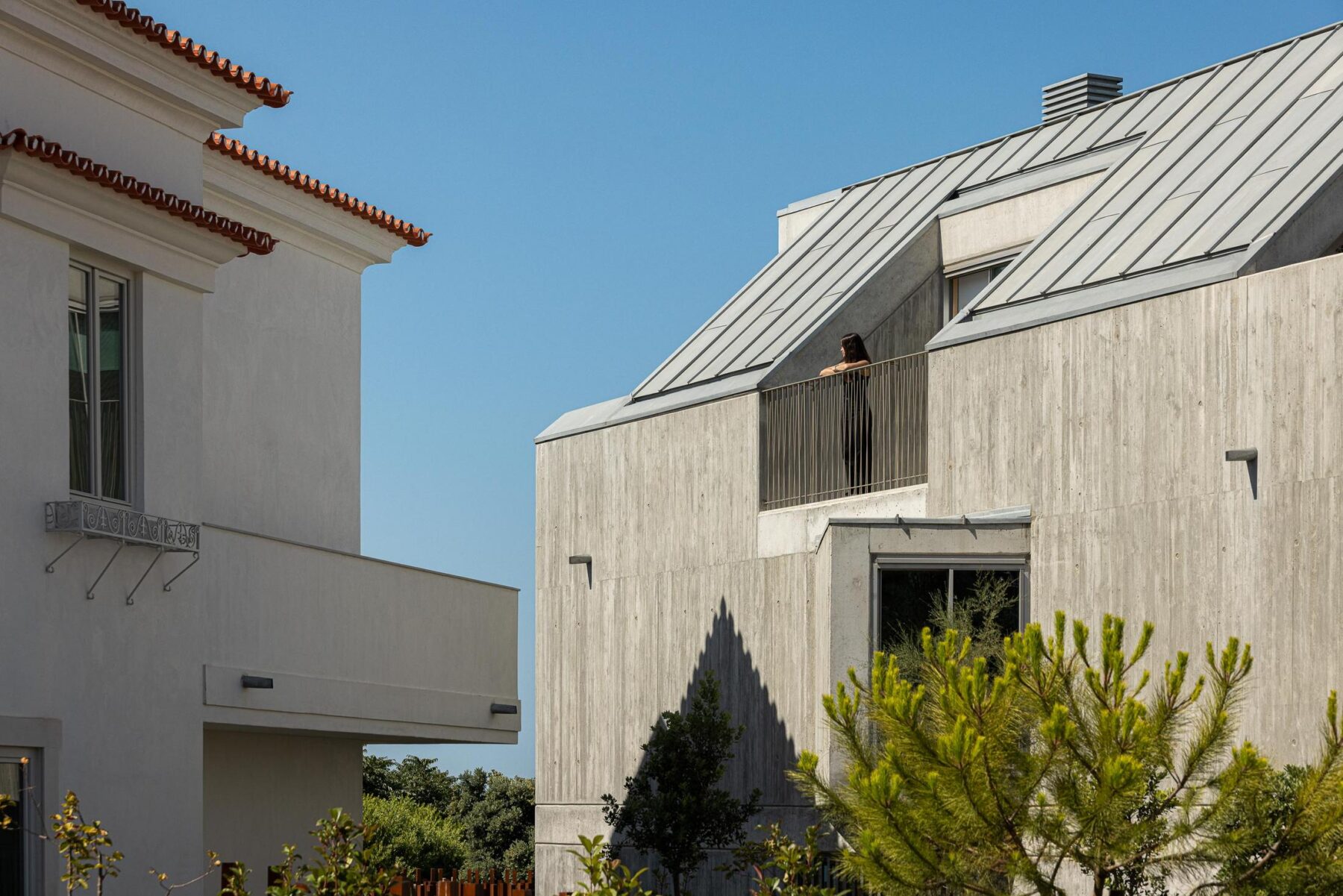
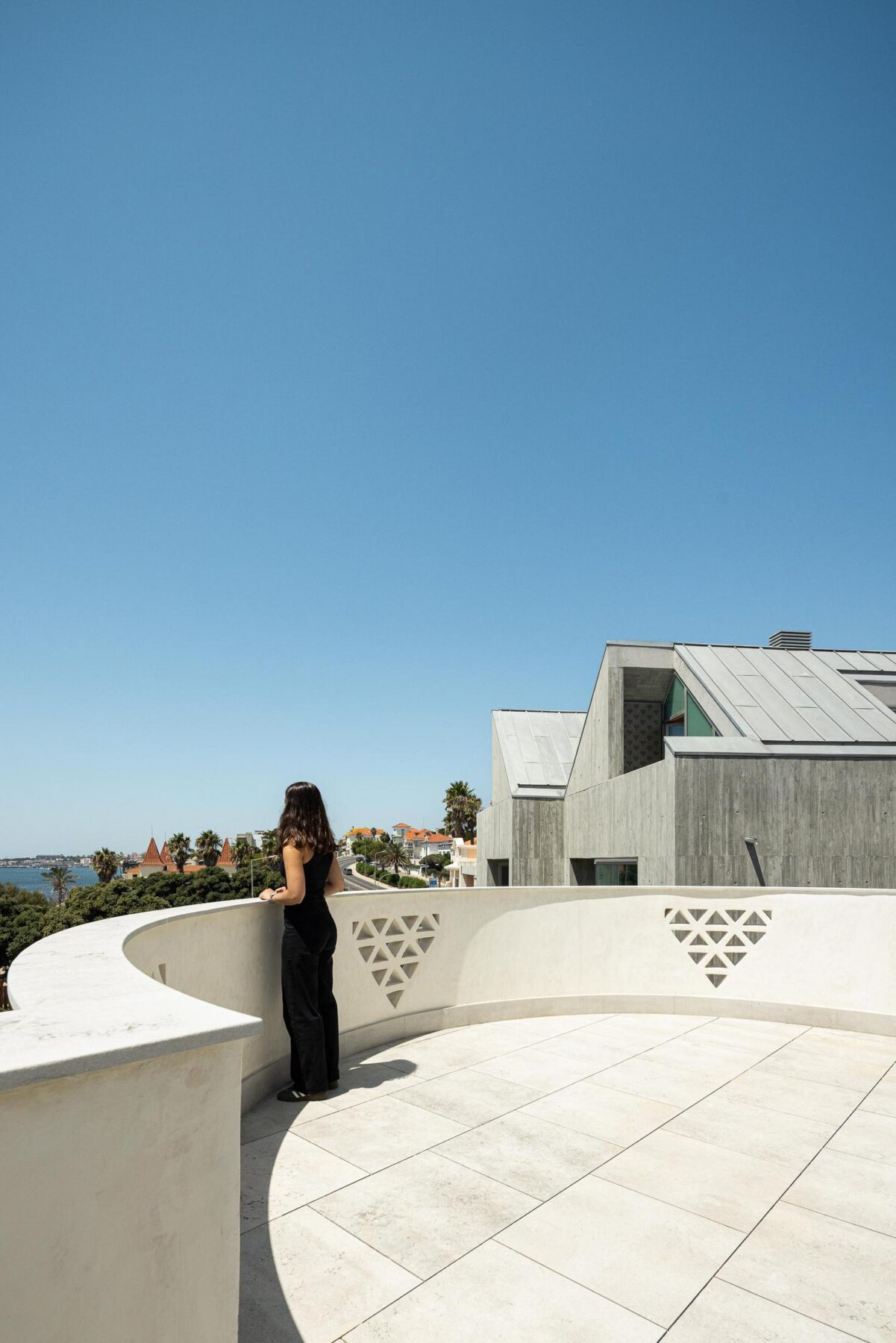
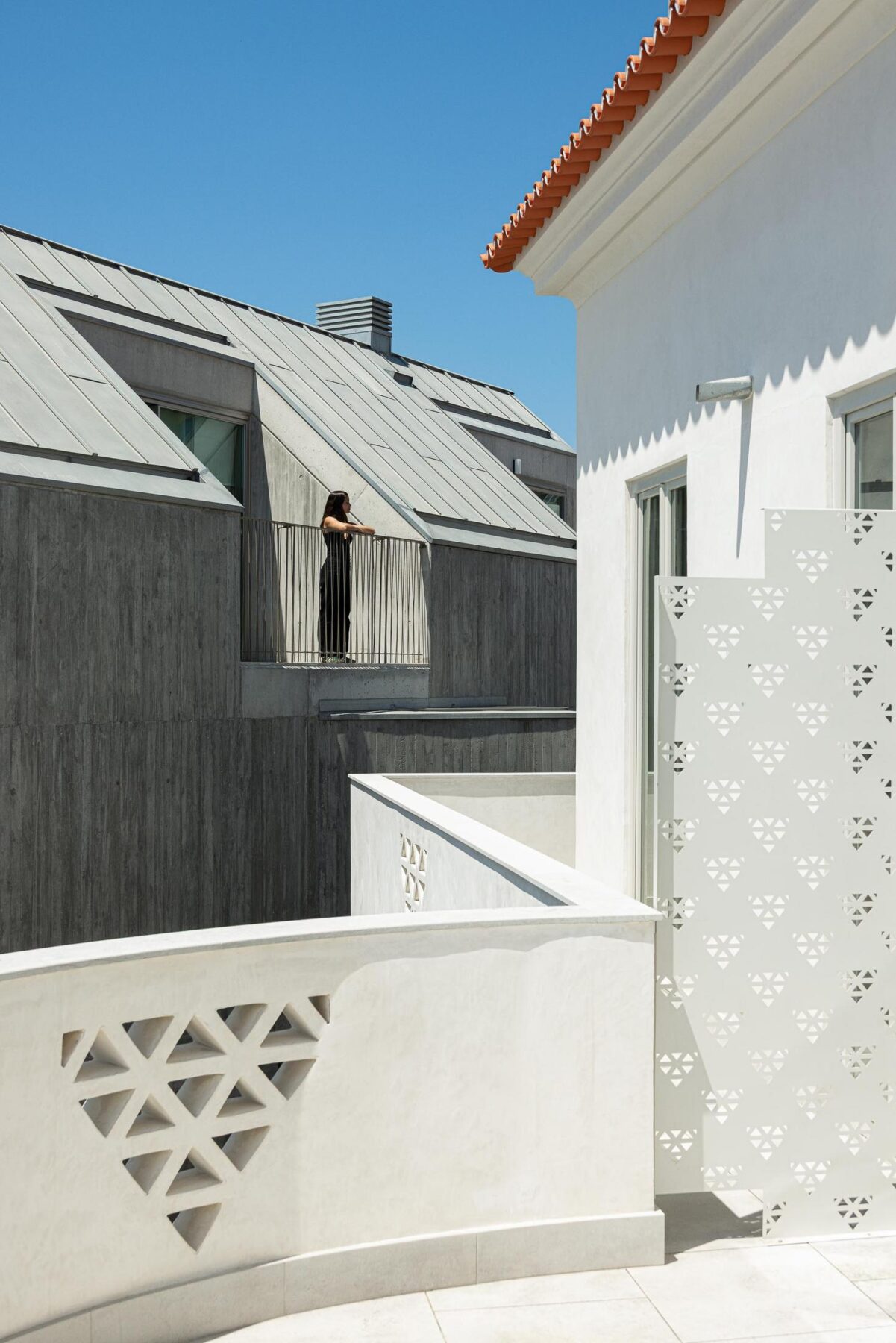
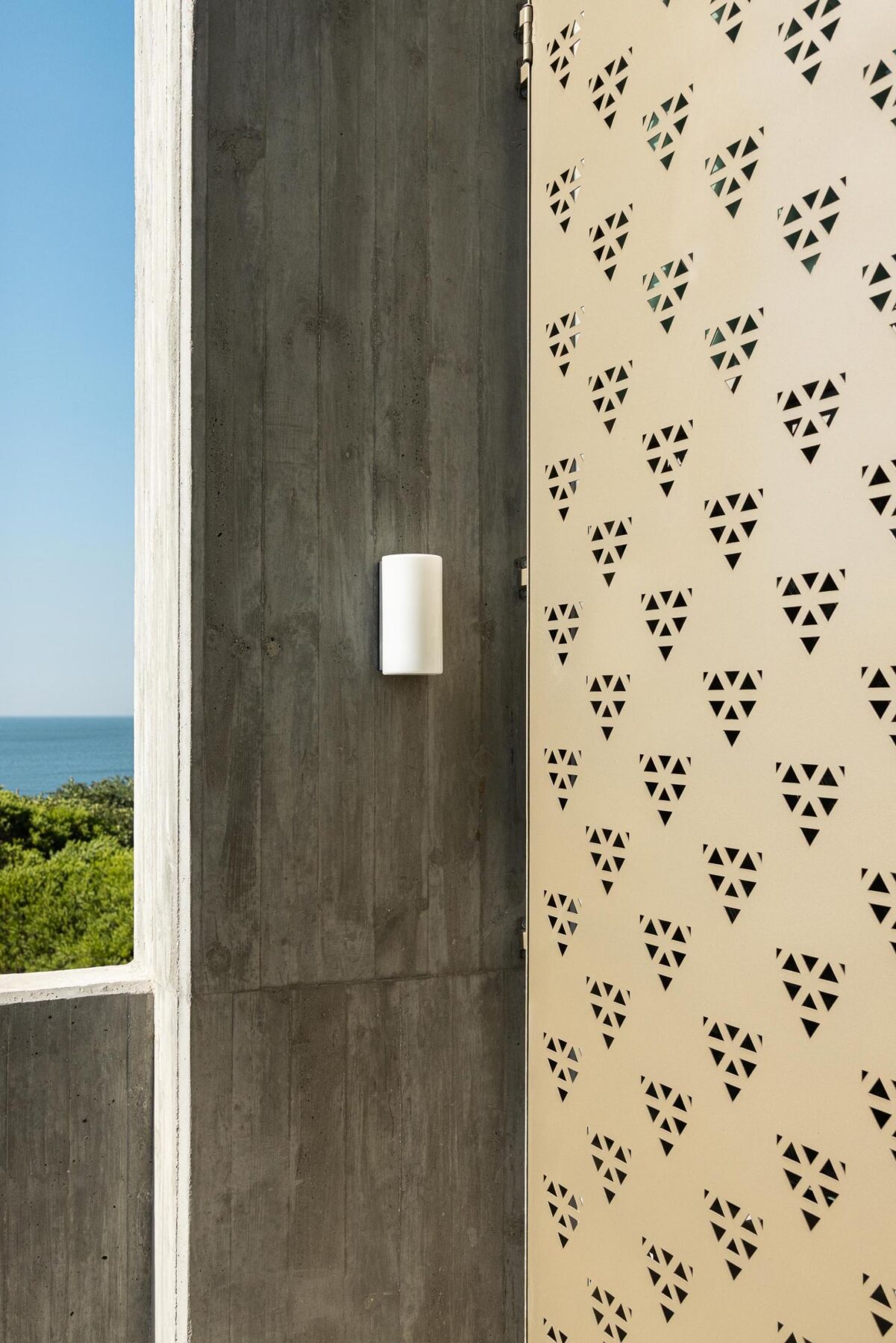
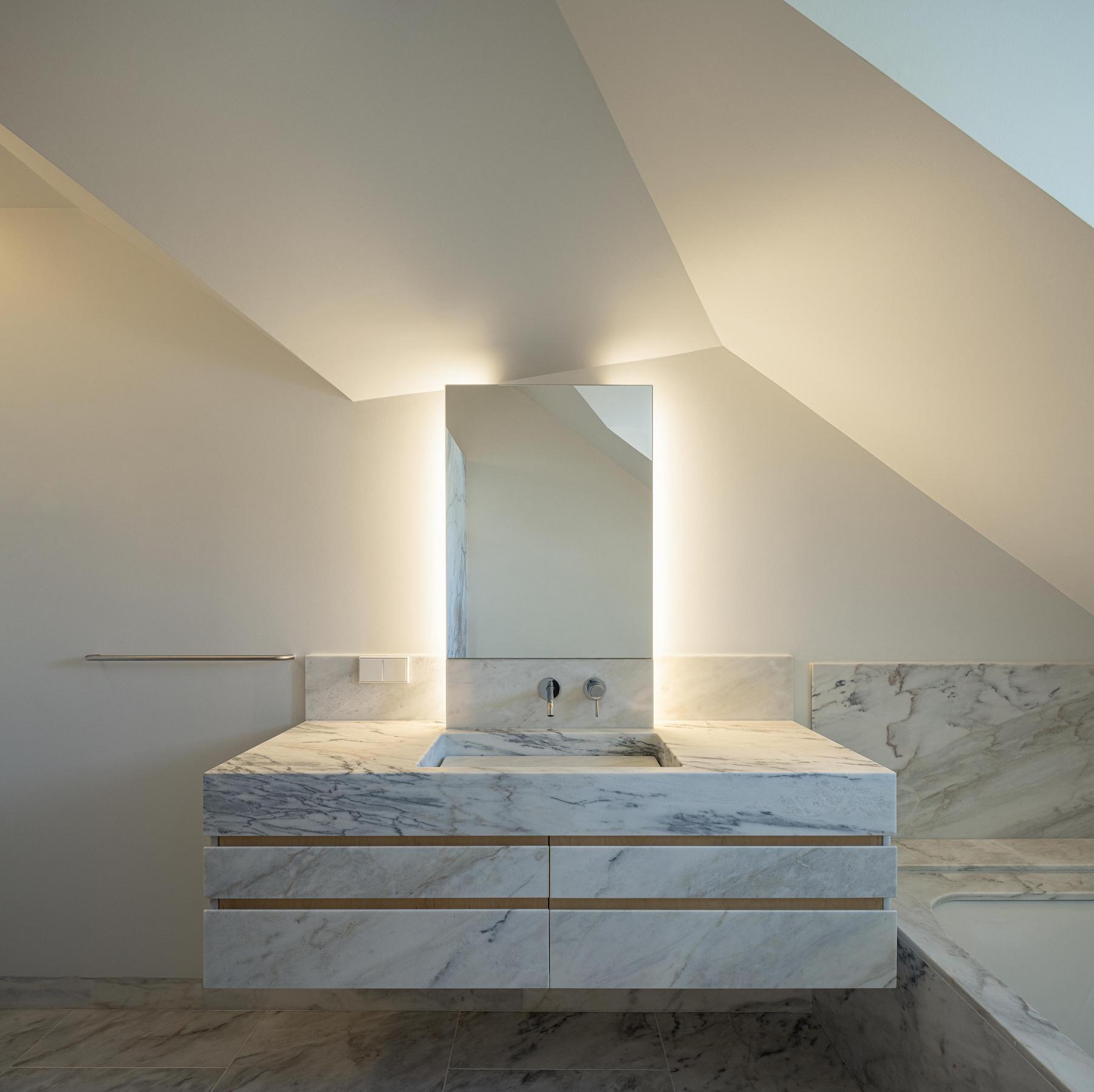
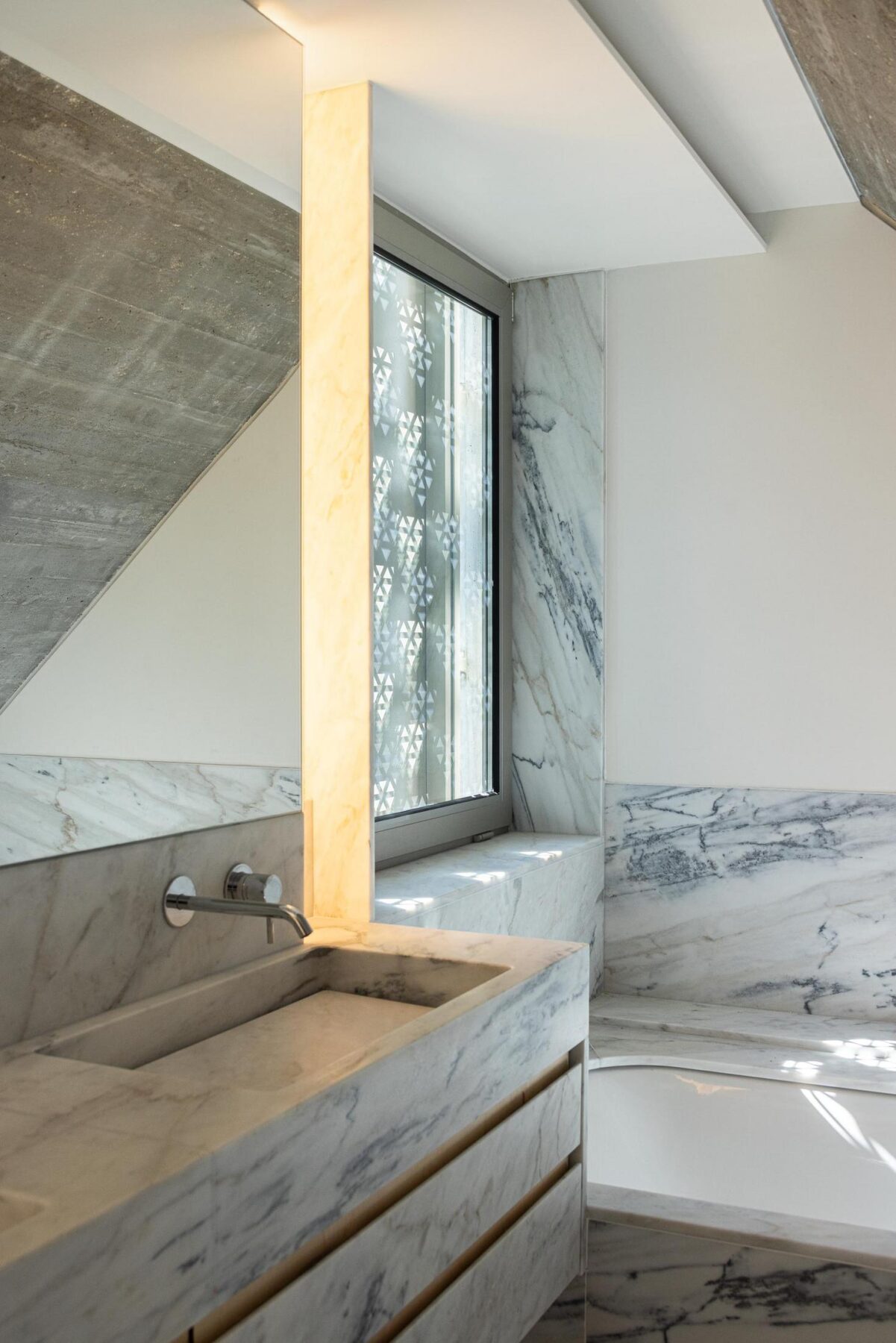
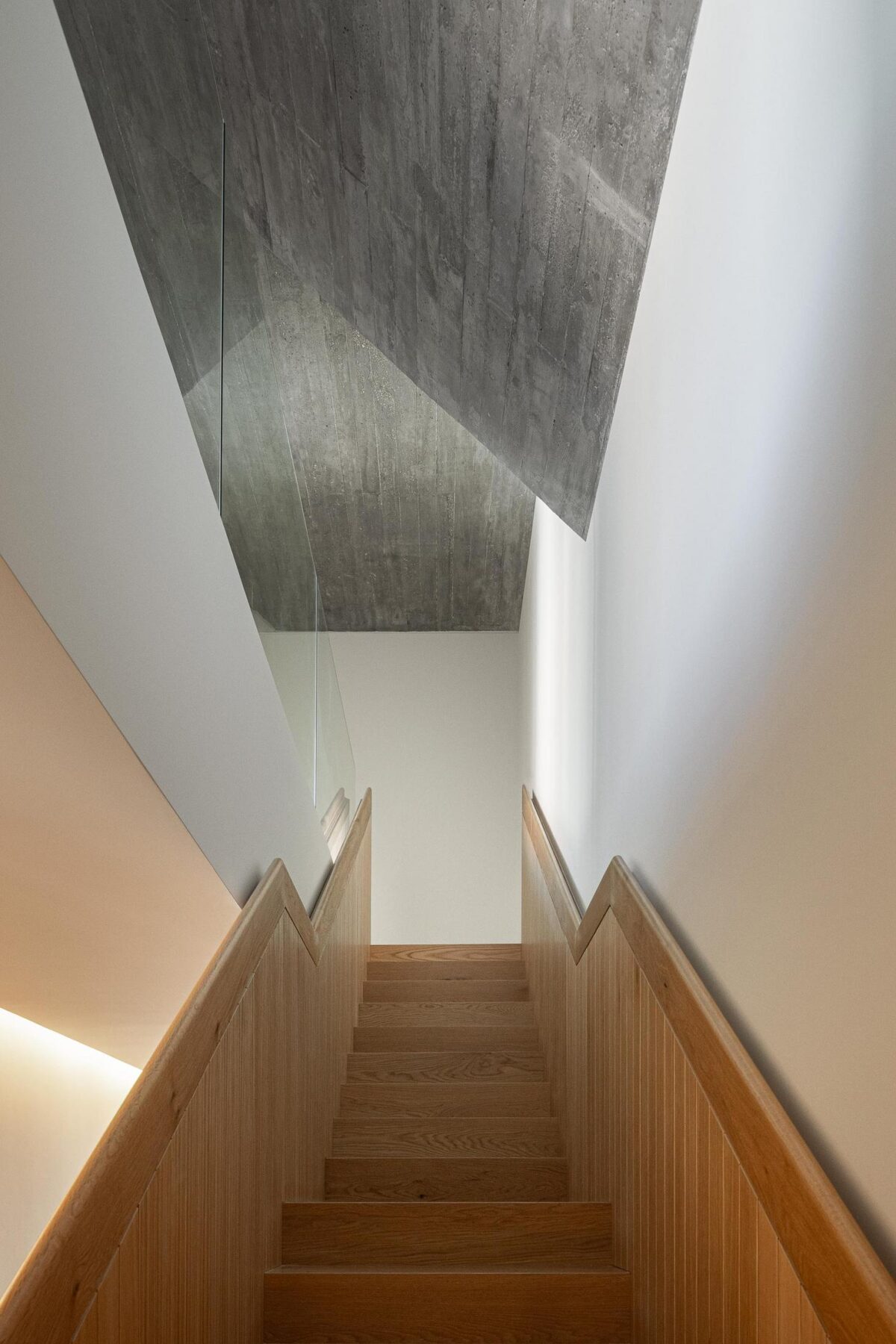
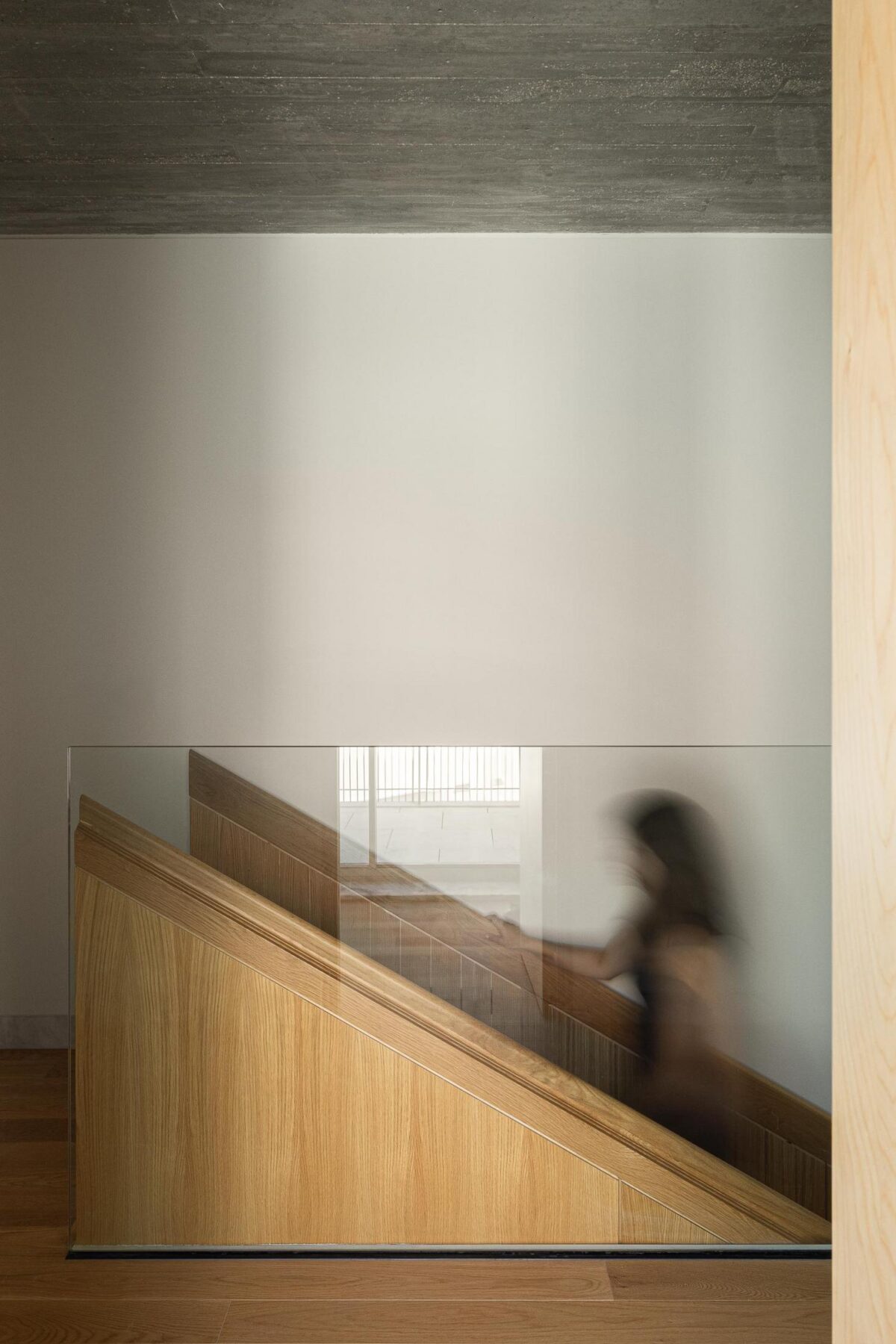
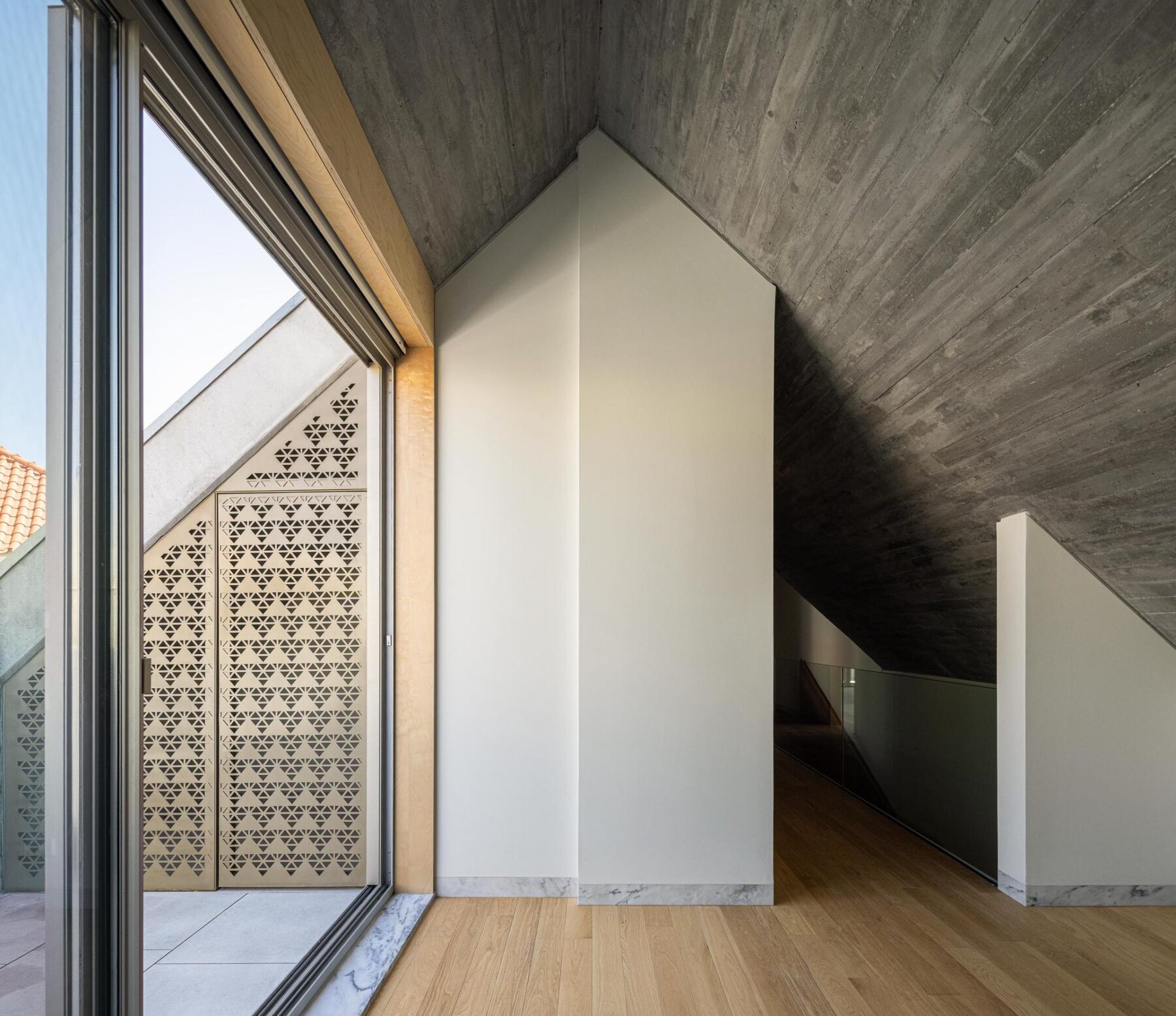
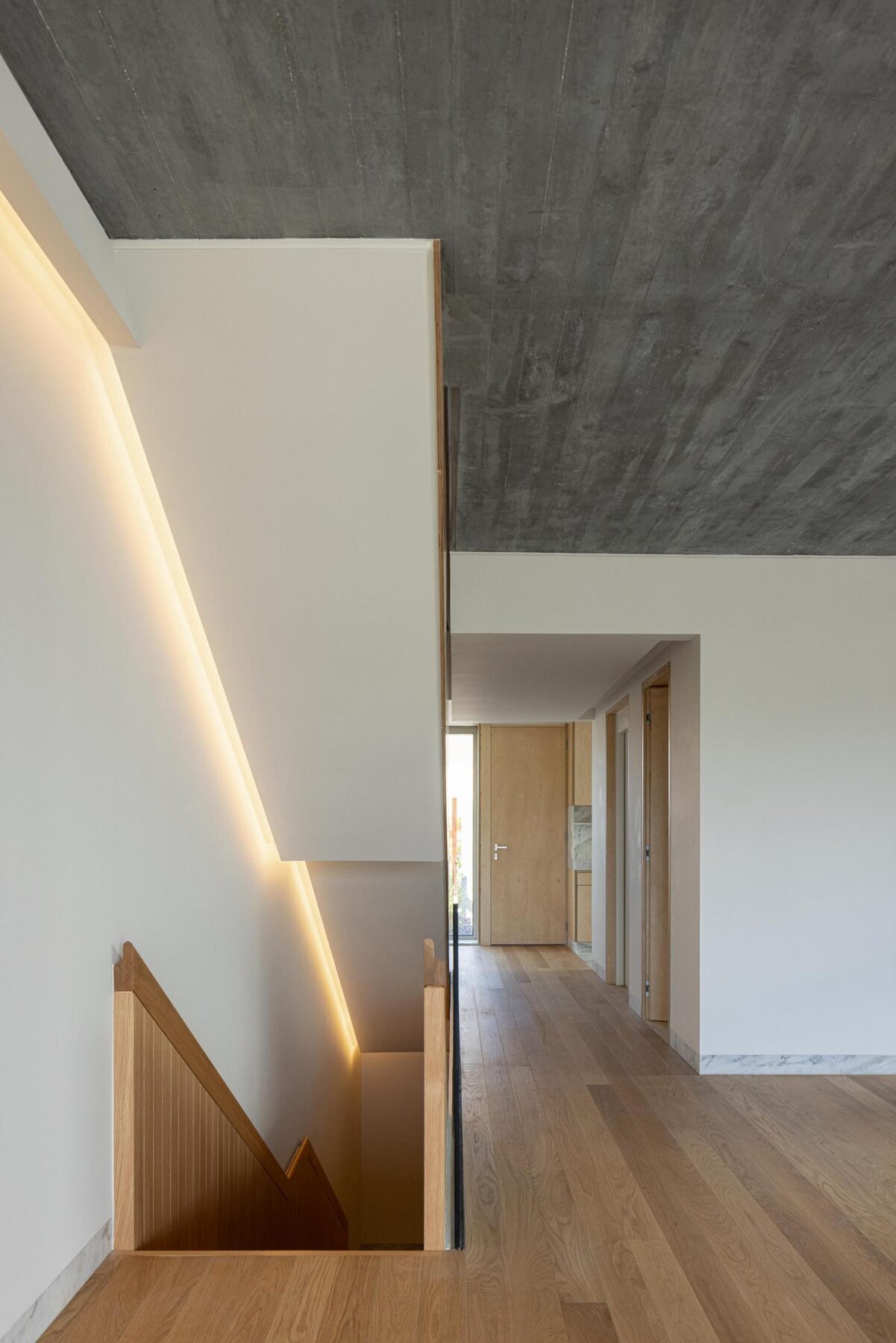
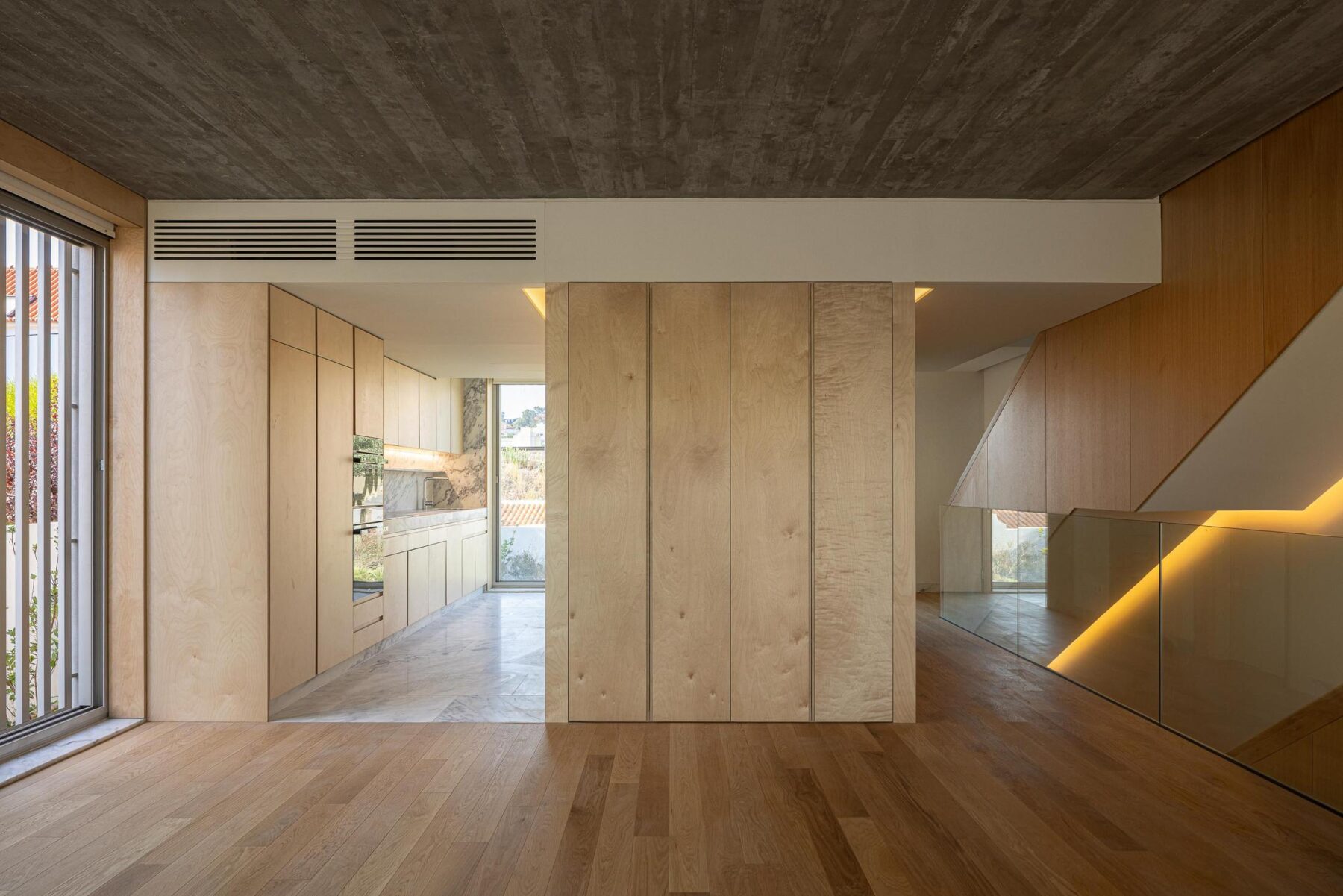
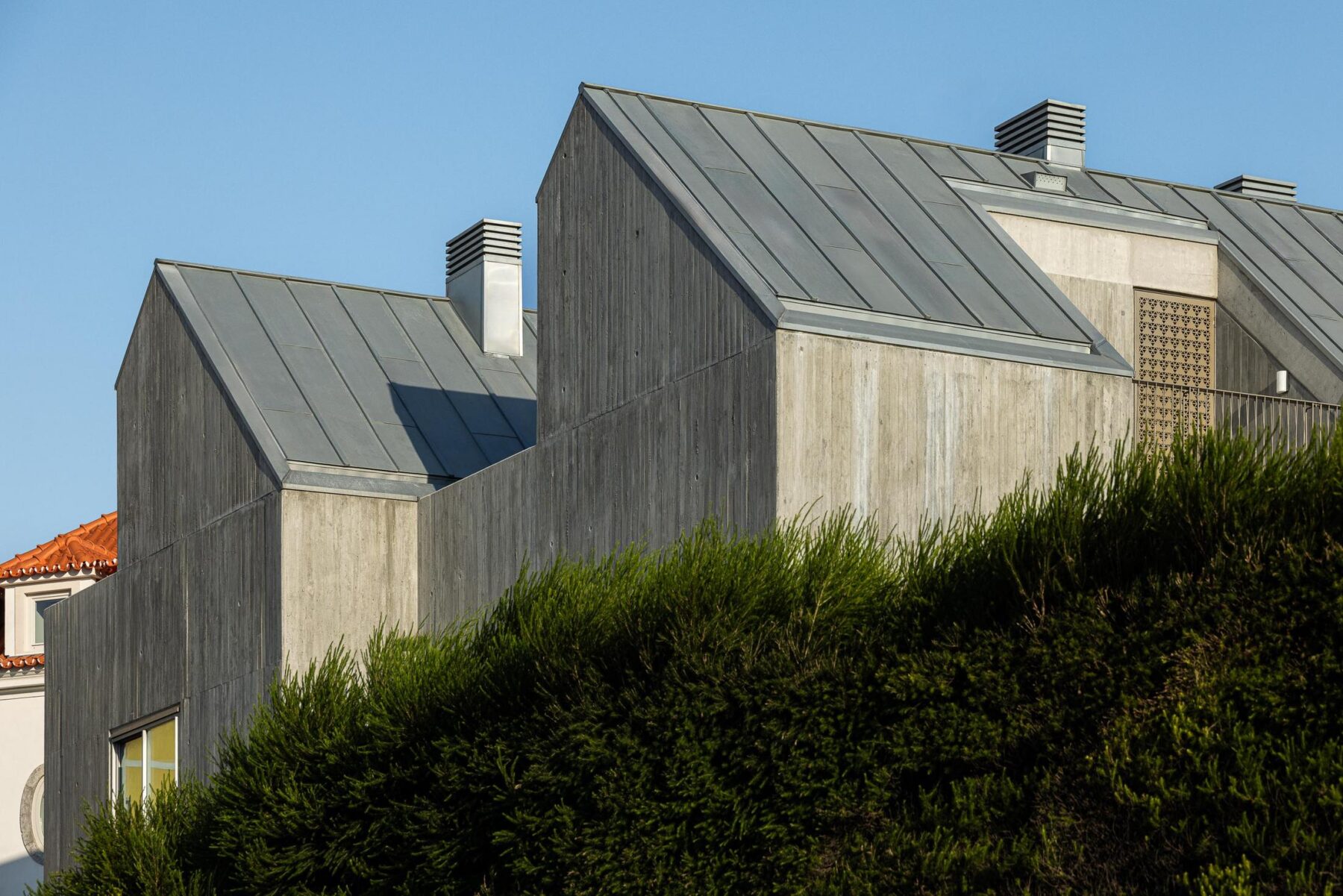
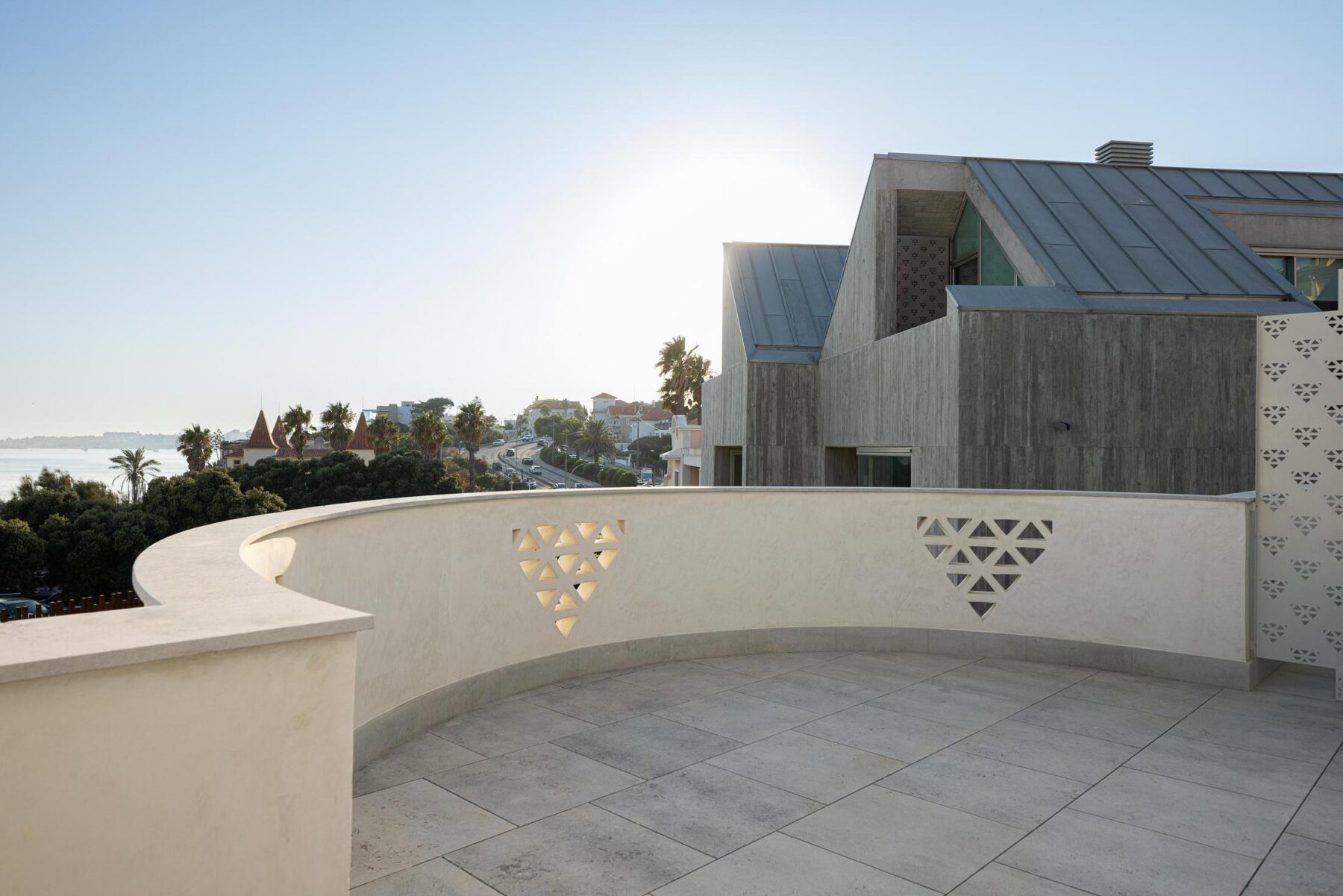
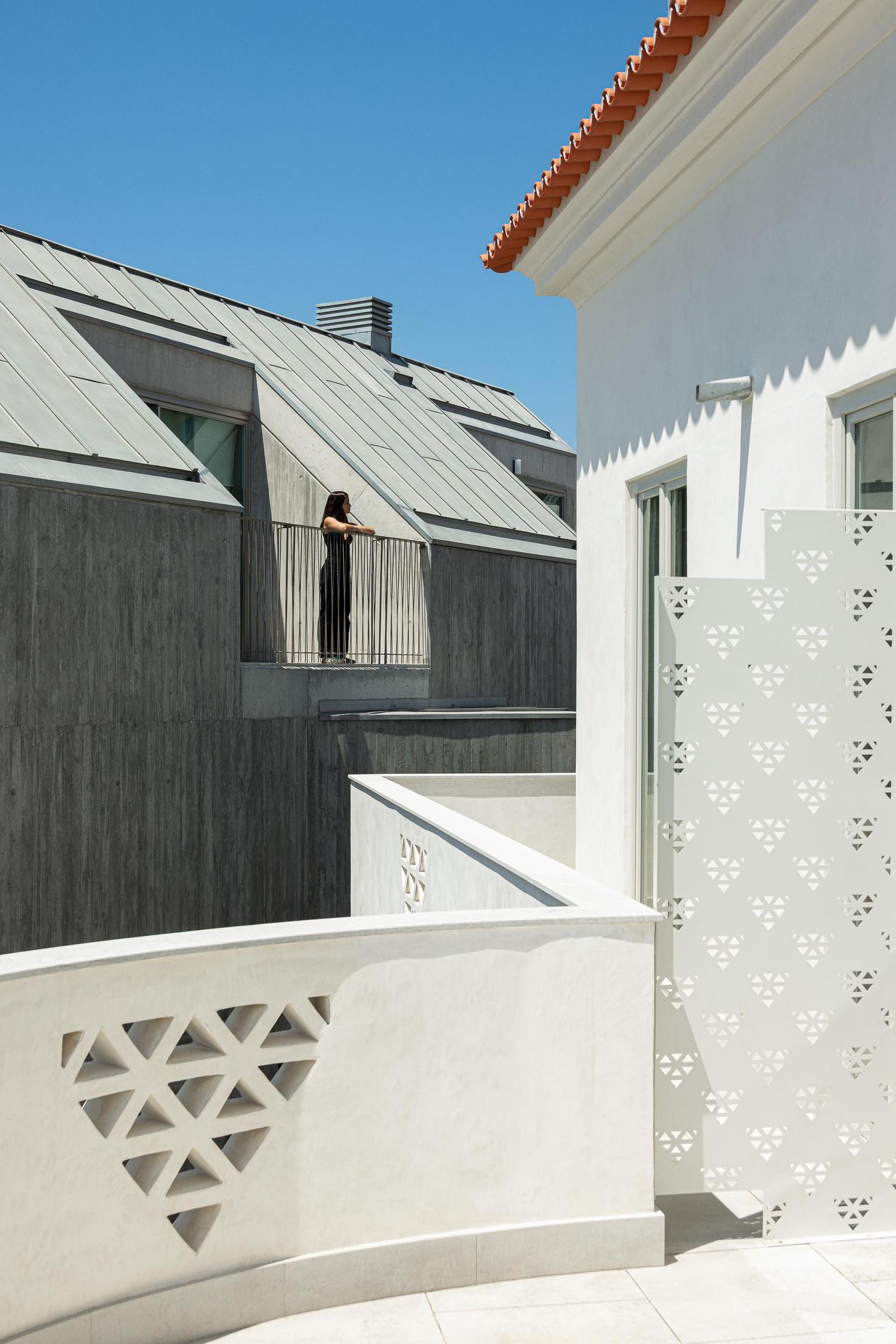
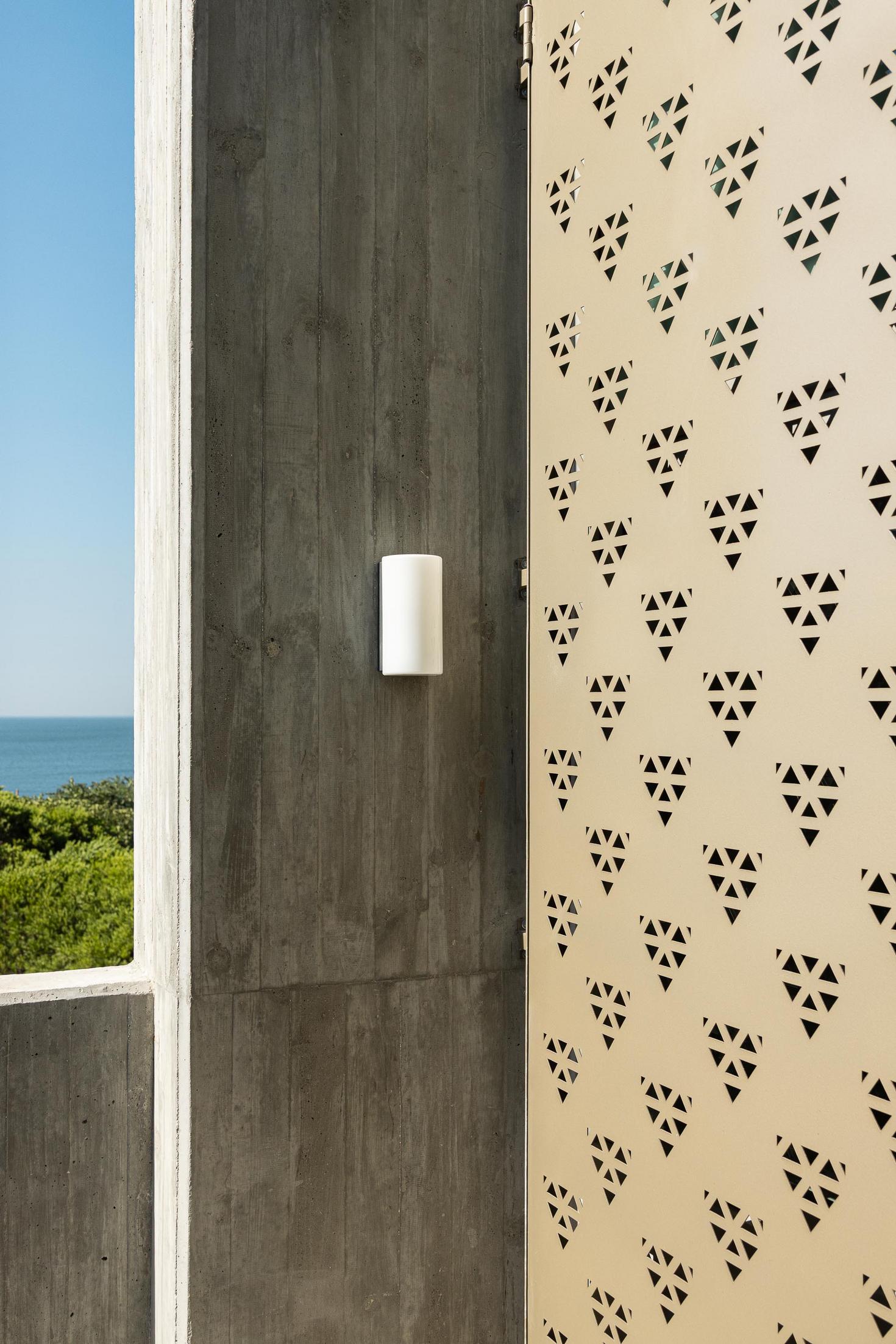
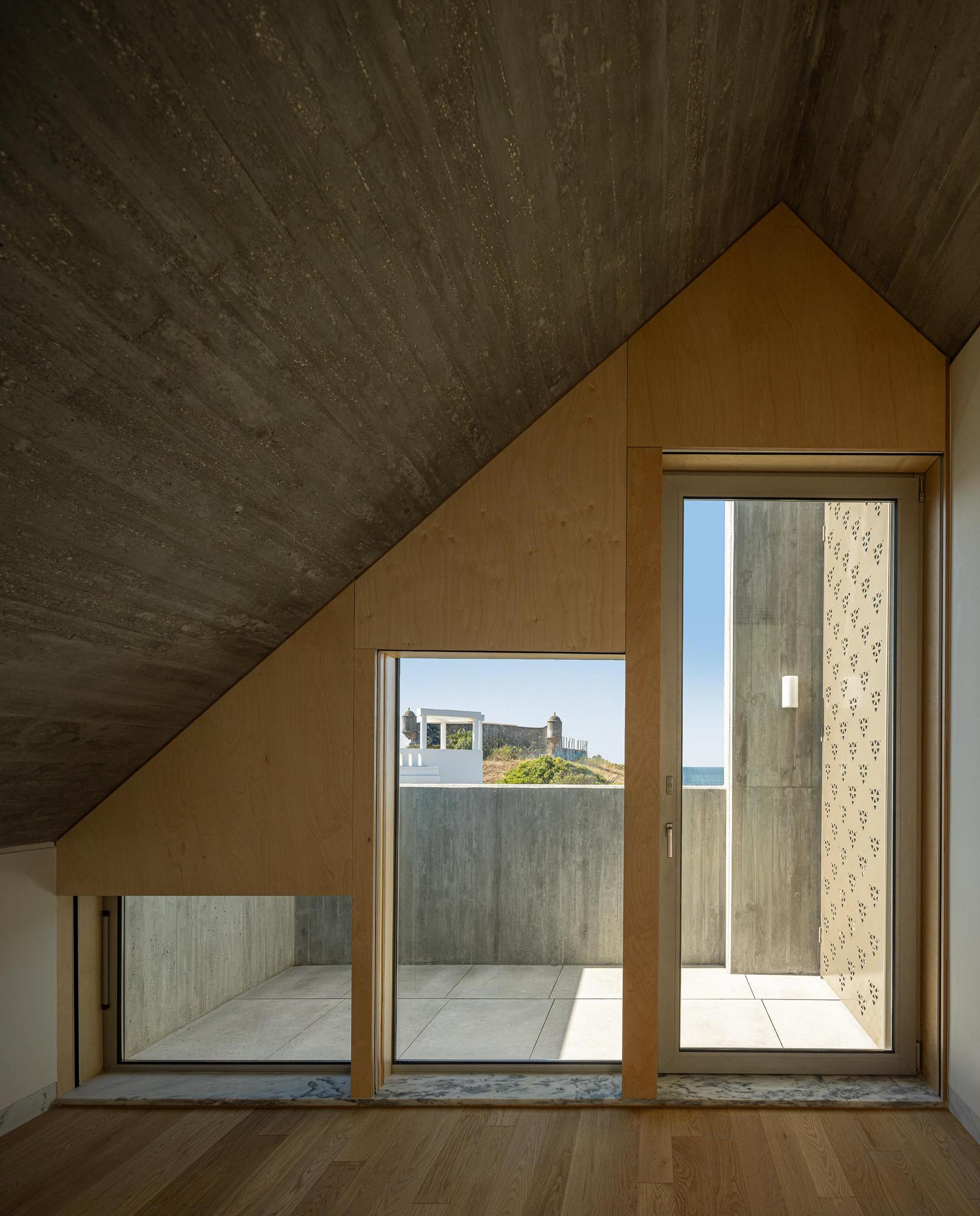
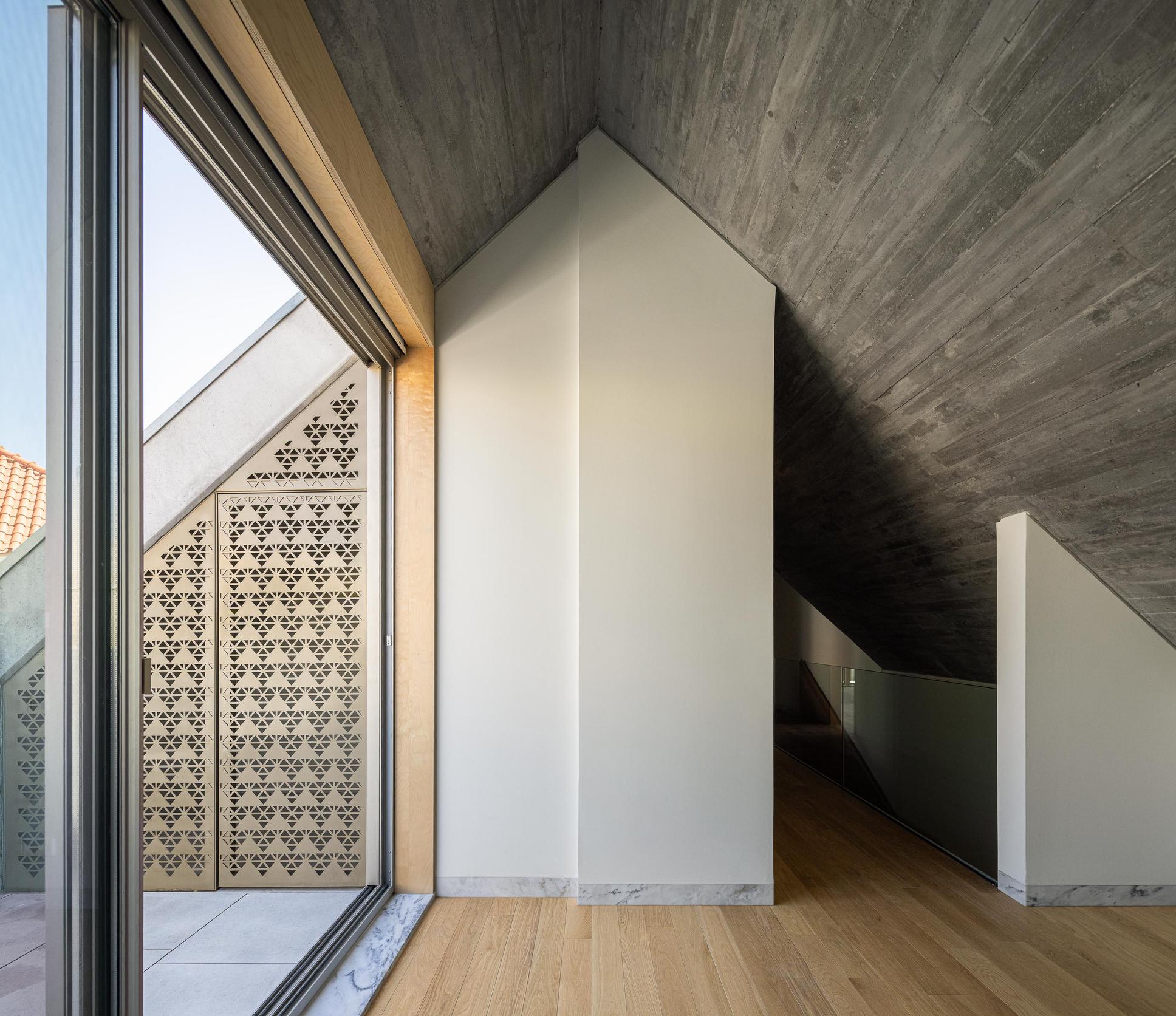
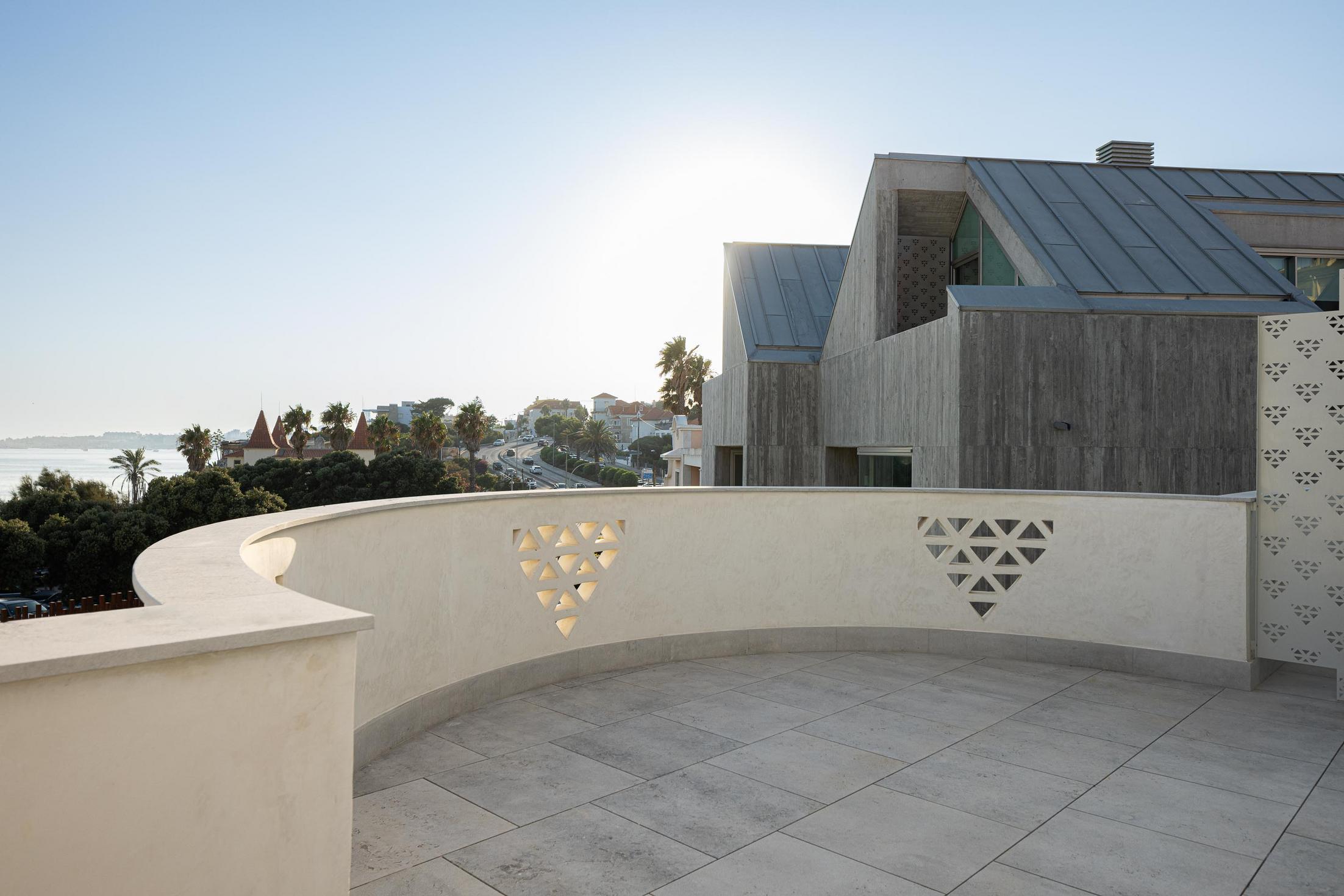
Do ponto de vista material e construtivo, a intervenção no edifício existente assenta na recuperação das suas características arquitetónicas originais, nomeadamente ao nível da cobertura em telha cerâmica, cantarias e rebocos, enquanto o novo volume assume uma linguagem contemporânea, recorrendo a soluções em betão aparente e cobertura em zinco, garantindo uma leitura clara entre o pré-existente e a nova construção.
A solução proposta assegura uma integração harmoniosa no contexto urbano consolidado, contribuindo para a valorização arquitetónica, paisagística e funcional deste troço da frente marítima do Estoril, em conformidade com as características morfológicas dominantes da envolvente. "
Texto fornecido pelo atelier de arquitetura.
Texto fornecido pelo atelier de arquitetura.